
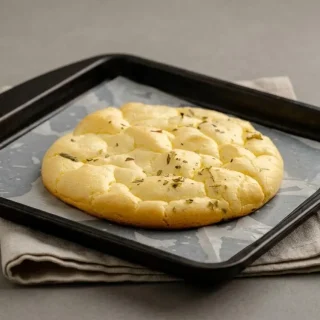
Keto Cloud Bread Recipe

Bake this light keto cloud bread using whipped egg whites and softened cream cheese for an airy, grain-free bread alternative in 35 minutes.
Equipment
- Mixing bowls
- Electric mixer
- Silicone spatula
- Baking sheets
- Parchment paper
Ingredients
- 3 eggs
- 1/4 tsp cream of tartar
- 1/4 tsp salt
- 4 oz cream cheese
- 1/2 tsp dry oregano
- 1/4 tsp garlic powder
Instructions
- Set your oven to 300°F and position your baking racks in the middle zone. This gentle temperature prevents the delicate egg foam from browning too quickly before the center fully sets.
- Line two large baking sheets with parchment paper and coat the surface with a light layer of nonstick oil spray. The oiled lining ensures the tacky batter releases cleanly after baking without tearing.
- Separate the egg whites from the yolks, placing the whites into a clean medium mixing bowl and the yolks into a separate large bowl. Confirm that not a single droplet of yolk enters the whites to protect foam formation.
- Add the softened cream cheese, dried oregano, and garlic powder to the bowl with the yolks, whisking vigorously until the mixture is completely smooth. The finished base should look uniform and free of visible dairy lumps.
- Add the cream of tartar and salt to the egg whites, beating with an electric mixer on high speed until stiff peaks hold firmly. Inverting the bowl should show no movement or sliding of the glossy foam.
- Transfer one-third of the stiff whites into the yolk mixture, using a flexible silicone spatula to gently cut through the center and sweep around the sides. This initial addition lightens the yolk base so the remaining whites incorporate smoothly without losing volume.
- Add the remaining whipped whites in two gentle batches, folding only until no white streaks remain visible. The final batter should remain voluminous, thick, and pillowy.
- Scoop the batter onto the lined baking sheets in equal portions, using roughly two tablespoons per round and spacing them two inches apart. The rounds will spread slightly while retaining a defined mound shape.
- Bake both pans simultaneously for 20 to 25 minutes until the tops feel dry and the edges turn a light golden brown. A gentle touch on top should spring back lightly without feeling sticky or wet.
- Remove the pans from the oven and allow the rounds to rest undisturbed on the hot sheets for a few minutes before transferring them to a cooling surface. The internal crumb stabilizes during this brief resting period to prevent tearing.
Notes
Equipment prep: Wipe mixing bowls with a drop of vinegar or lemon juice to remove residual oil before beating egg whites. Storage: Allow the rounds to cool completely before placing them in an airtight container in the refrigerator to maintain a pliable texture. Reheating: Warm gently on the lowest toaster setting or in a dry skillet over low heat to avoid scorching the delicate crumb. Nutrition information is an estimate based on common ingredients and serving sizes. Values may vary depending on brands, portions, and substitutions.