 Skip to content

Yes, keto cauliflower soup is keto-friendly because cauliflower replaces high-carb potatoes, and cream, cream cheese, and cheese thicken it naturally without flour.
This keto cauliflower soup tastes like cozy potato soup’s low-carb cousin, with soft cauliflower, savory broth, and plenty of creamy cheese in the pot.
The buttery garlic aroma and smoky bacon finish make it feel extra generous, but the real trick is keeping the cheese silky instead of grainy. That’s where the magic happens.
Soften the cream cheese a bit before it hits the pot, and it will melt much more smoothly.
Why Cauliflower Replaces Potatoes Perfectly
Cauliflower works so well here because once it cooks down and gets blended, it creates that same plush, spoon-coating body people want from potato soup. The flavor stays mild, which lets the cheddar, smoked gouda, onion, garlic, and thyme do the heavy lifting.
It also fits a low-carb bowl much better than potatoes. A cup of cauliflower is commonly treated as a keto-friendly swap, and when it is simmered until fully tender, the purée turns velvety instead of thin or watery.
If you want loaded baked potato soup vibes without the starch, this is the move. Add bacon and chives on top, and it scratches that same comfort-food itch.
Essential Low-Carb Ingredients Explained
Each ingredient has a job here, whether it builds richness, rounds out the flavor, or helps the soup blend into a smooth, stable finish.
- 2 tablespoons butter
- 1 large head cauliflower cut into florets
- 1/2 cup diced onion
- 1 teaspoon minced garlic
- 1/2 teaspoon dried thyme
- 3 1/2 cups chicken broth
- 4 ounces cream cheese diced
- 1 cup cheddar cheese
- 1/2 cup smoked gouda or more cheddar
- 1/2 cup heavy cream
- Salt and pepper to taste
- For garnish: chives and bacon
Butter gives the aromatics a rich base and helps the onion cook gently instead of scorching. Cauliflower is the structure of the soup, while chicken broth loosens the purée into something spoonable rather than mashed.
Heavy cream adds body and a lush finish. Cream cheese matters even more than many people expect, because it helps stabilize the dairy so the cheddar and gouda melt in more smoothly instead of separating.
Smoked gouda brings a deeper, woodsy note that echoes the bacon garnish. Cheddar gives the soup that familiar tangy, potato-soup style flavor most people are after.
I always look for a cauliflower head that feels heavy for its size with tight, pale florets, because it usually cooks up sweeter and less watery.
Choosing the Right Cheeses
Sharp cheddar gives this soup its classic cheesy backbone. It brings salt, tang, and that familiar comfort-food flavor that makes the bowl taste a lot closer to loaded potato soup.
Smoked gouda adds extra depth. It is especially good here because its gentle smokiness picks up the same savory notes you get from crisp bacon on top. If you do not have gouda, the extra cheddar option in the ingredient list keeps the soup squarely in that classic lane.
Why Cream Cheese Is Your Best Friend
Cream cheese is doing more than adding richness. Its fat and texture help hold the soup together, which makes it easier for the cheddar and gouda to melt into the cauliflower base without turning oily or curdled.
That is why low heat matters once the dairy goes in. The goal is a smooth emulsion that looks glossy and unified, not a pot that boils and breaks.
How to Make Creamy Keto Cauliflower Soup
- Melt the butter in a large pot over low heat, then add the cauliflower, onion, garlic, and thyme and cover the pot for 5 minutes.
The onion should start to soften and smell sweet and nutty, and the thyme and garlic should smell fragrant but not browned. - Pour in the chicken broth, raise the heat to bring the pot to a boil, then lower it to a simmer and cook for about 30 minutes, stirring now and then.
The cauliflower is ready when a fork slips through the florets easily and they break apart with almost no resistance. - Take the pot off the heat and blend the soup until it is very smooth with an immersion blender, or purée it in batches in a blender.
The finished base should look velvety and thick enough to coat the back of a spoon like heavy cream. - Set the pot over medium-low heat and whisk in the cream cheese and shredded cheeses until melted, about 5 minutes, then stir in the heavy cream and season with salt and pepper to taste.
Keep the soup below a boil so the cheese melts into a glossy, creamy base instead of turning grainy or splitting.
Sautéing the Aromatics
This first stage builds the soup’s flavor foundation. The butter softens the onion while garlic and thyme bloom in the fat, and that warm, slightly nutty smell is your signal that the broth can go in.
If you want a small flavor boost, a pinch of smoked paprika or ground mustard powder works nicely as an optional add-in. Both stay firmly in the background, but they can deepen the loaded-soup feel and help the cheesy profile taste even rounder.
Simmering to Perfect Fork-Tenderness
Do not rush the simmer. If the cauliflower still has resistance in the center, the soup can taste grainy even after blending.
Test a larger floret with a fork. It should collapse easily and mash without effort. That soft stage is what gives you the smooth, potato-style texture instead of a rough vegetable purée.
If you are using frozen cauliflower, it works fine here too. Add it straight to the pot and simmer until it reaches that same fork-tender stage, knowing it may release a little extra moisture and need slightly less additional thinning later.
Adding Cheeses and Heavy Cream Safely
Once the cauliflower is blended, bring the heat down before adding the dairy. Medium-low is the sweet spot, and if the pot still seems too hot, pull it off the burner briefly before whisking in the cheeses.
Add the cream cheese first if you want the easiest path to a smooth finish, then whisk in the shredded cheeses. The soup is ready for the heavy cream when the cheese has fully disappeared into the base and the surface looks glossy, not speckled or oily.
Do not let it boil after the dairy goes in. High heat is the fastest route to curdling and separation.
How to Emulsify Cheeses and Avoid Splitting

If cheese soup breaks, heat is usually the problem. Boiling forces the fat and liquid apart, so instead of a silky bowl you get little curds, an oily sheen, or both.
To keep the emulsion stable, follow a few simple habits:
- Lower the heat before adding any cheese or cream so the pot stays gentle.
- Whisk steadily instead of dumping everything in and walking away.
- Use softened cream cheese, which melts faster and helps the base come together more smoothly.
- If the soup looks too thick, thin it with warm broth a little at a time instead of cold liquid.
If the soup starts to split, take it off the heat and whisk firmly. A small splash of warm broth can help bring it back together, and an immersion blender can smooth out a stubborn patch without much drama.
Crucial Tips for the Perfect Smooth Purée
The smoothest version of this soup comes down to tenderness, blending, and small thickness adjustments. Get those three right and the bowl feels restaurant-level creamy.
If you use a countertop blender, be careful with the hot soup. Vent the lid and hold a towel over the top so steam can escape instead of building pressure, and open it slowly after blending because the trapped steam is intense.
An immersion blender is the easiest low-mess option. Blend right in the pot, move slowly through the soup, and keep the blade fully submerged so you do not pull in extra air.
If the purée feels too thick, add warm broth a tablespoon at a time until it loosens to the texture you want. If it gets too thin, let it sit over low heat briefly or whisk in a little more cream cheese. That thickens it naturally without leaning on flour or cornstarch.
Mashing vs. Blending for Texture Variety
Use an immersion blender or standard blender if you want a silky, smooth finish. This is the best choice when you want the soup to feel rich and polished.
Use a potato masher if you want a chunkier chowder feel. The result is more rustic and more obviously cauliflower-based, but it works especially well for a loaded version with bacon, chives, and extra cheddar stirred in at the end.
You can also split the difference by blending most of the soup and leaving a few soft florets behind for texture. That gives the bowl more bite without losing its creamy body.
Smart Cooking Adjustments and Flavor Variations

These tweaks keep the base recipe intact while giving you a few different ways to steer the flavor and texture.
Loaded Potato-Style Cauliflower Chowder
For a loaded potato-soup feel, top the finished soup with crisp crumbled bacon, chopped fresh chives, and a little extra sharp cheddar. A light dusting of smoked paprika also plays nicely with the gouda.
This variation is especially satisfying with a slice of warm keto bread on the side for dipping.
Using Bacon Grease for Depth of Flavor
If you are making bacon for garnish, cook it first and use some of the rendered fat in place of the butter for the aromatics. That swaps in a deeper savory note right from the start and makes the soup taste even closer to loaded potato soup.
Keep the heat gentle so the onion softens rather than fries. You want sweet, mellow flavor here, not crispy edges.
Using Low-Carb Thickeners Smartly
The easiest thickener is already in the pot: cauliflower itself. Blend it fully, then let the soup settle before deciding whether it truly needs more body.
If you want it thicker, extra cream cheese is usually the nicest option because it keeps the texture creamy. A tiny pinch of xanthan gum can also work, but sprinkle it in slowly while whisking hard so it does not clump or turn gummy.
The Roasted Garlic Gourmet Variation
For deeper garlic flavor, roast a whole head of garlic separately until soft and caramelized, then squeeze the cloves into the blended soup before the cheeses go in. The flavor turns sweeter, rounder, and more mellow than raw or sautéed garlic alone.
This version tastes especially good with a final drizzle of olive oil or a little truffle oil if you want a fancier finish.
The Clean and Light Roasting Method
If you want a lighter direction, roast the cauliflower florets first until they pick up some color, then simmer them with the broth and aromatics before blending. Roasting concentrates the flavor and brings out a sweeter, nuttier side of the cauliflower.
You can also ease back on the cheese and let the vegetable flavor lead. The texture will be a little lighter, but still creamy if the cauliflower is fully tender and blended well.
How to Make It Dairy-Free or Vegan
- Use olive oil instead of butter for the aromatic base.
- Swap the chicken broth for a flavorful vegetable broth.
- Replace the cream cheese and heavy cream with coconut cream for body.
- Use nutritional yeast for savory, cheesy depth.
- Skip the bacon garnish or use a plant-based smoky topping.
This version will taste different from the cheesy original, but it can still be rich and satisfying if you lean into roasted cauliflower and garlic for flavor.
Instant Pot Conversion Guide
To adapt this soup for the Instant Pot, use the sauté function for the butter, onion, garlic, and thyme first, then add the cauliflower and broth. Pressure cook on high until the cauliflower is fully soft, quick release the pressure carefully, then blend and finish with the cheeses and cream using the sauté function on low or warm.
The same dairy rule still applies here: do not boil after adding the cheese. Keep the heat low and stir until the soup looks smooth and glossy.
How to Store, Freeze, and Reheat Dairy-Rich Soup
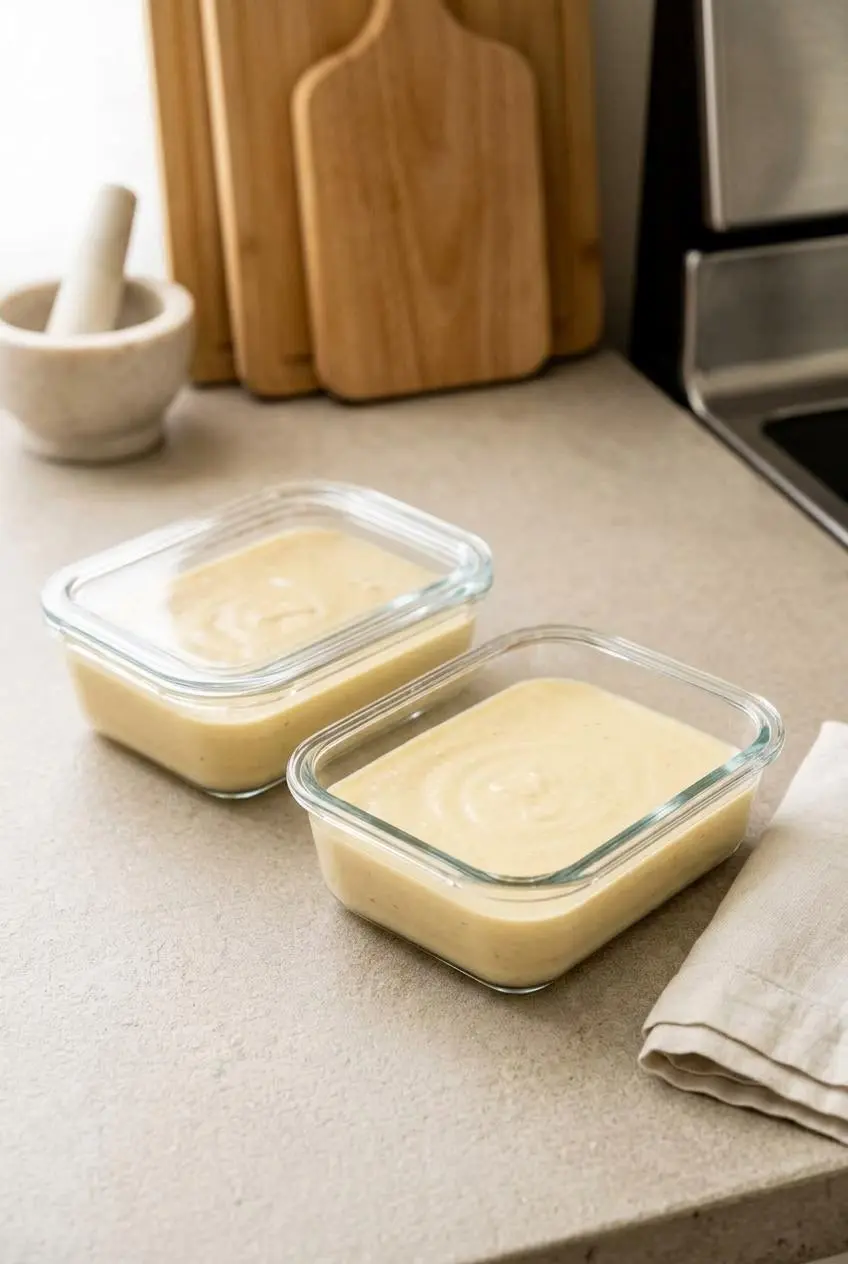
Let the soup cool before storing it, and keep it in airtight containers in the refrigerator for up to 3 days. For dairy ingredients, keeping the refrigerator at 40 °F or below supports safer storage and better quality for perishable foods like cream and soft cheese, as outlined here on refrigerator temperature for dairy storage.
You can freeze this soup, but freeze it plain without the bacon or chives on top. Single-serving molds or small containers help protect the texture better than one large block, and they make reheating easier.
Reheat gently over low heat and whisk often to help the emulsion come back together. If you are reheating leftovers to serve hot, bring them back to 165 °F as described in this FDA guide to safe reheating temperatures for leftovers.
If the reheated soup looks a little separated, do not panic. A steady whisk and low heat usually smooth it back out, and an immersion blender can help with tougher cases.
Conclusion
This soup delivers all the cozy, cheesy comfort of a loaded potato-style bowl while keeping the base centered on cauliflower, broth, and rich low-carb dairy.
The biggest trick is simple: keep the heat low when the cheese goes in, and the soup stays glossy and smooth. Add bacon and chives, grab a spoon, and enjoy it while it is steaming.
Frequently Asked Questions
Is cauliflower soup keto-friendly?
Yes. This version uses cauliflower instead of potatoes and avoids flour thickeners. It is thickened with cream cheese, cheddar, gouda, and heavy cream, which keeps it low in carbs for the style of soup. Per serving, it stays under 6 grams of net carbs.
How do you thicken keto cauliflower soup without flour or cornstarch?
Blend the cauliflower until very smooth, because that gives the soup most of its body. Heavy cream and cream cheese also thicken it naturally while keeping the texture rich. If you want more thickness, use a little extra cream cheese or a tiny pinch of xanthan gum whisked in slowly.
Why did my cream cheese cauliflower soup split and how do I fix it?
The most common cause is too much heat after the dairy goes in. Take the pot off the heat and whisk vigorously, then add a small splash of warm broth if needed. If it still looks uneven, blend briefly with an immersion blender to help pull it back together.
Can you freeze cauliflower soup made with heavy cream and cheese?
Yes, you can, but freeze it without the garnishes on top. Thaw it in the fridge before reheating, then warm it slowly over low heat while whisking to help restore the creamy texture. If the soup separates a little after thawing, blend it briefly or whisk until smooth.

Keto Cauliflower Soup

Equipment
- Large Pot
- Immersion blender
- Souper Cubes
Ingredients
- 2 tablespoons butter
- 1 large head cauliflower cut into florets
- 1/2 cup diced onion
- 1 teaspoon minced garlic
- 1/2 teaspoon dried thyme
- 3 1/2 cups chicken broth
- 4 ounces cream cheese diced
- 1 cup cheddar cheese
- 1/2 cup smoked gouda or more cheddar
- 1/2 cup heavy cream
- Salt and pepper to taste
- chives and bacon for garnish
Instructions
- Melt the butter in a large pot over low heat, then add the cauliflower, onion, garlic, and thyme and cover the pot for 5 minutes. The onion should start to soften and smell sweet and nutty, and the thyme and garlic should smell fragrant but not browned.
- Pour in the chicken broth, raise the heat to bring the pot to a boil, then lower it to a simmer and cook for about 30 minutes, stirring now and then. The cauliflower is ready when a fork slips through the florets easily and they break apart with almost no resistance.
- Take the pot off the heat and blend the soup until it is very smooth with an immersion blender, or purée it in batches in a blender. The finished base should look velvety and thick enough to coat the back of a spoon like heavy cream.
- Set the pot over medium-low heat and whisk in the cream cheese and shredded cheeses until melted, about 5 minutes, then stir in the heavy cream and season with salt and pepper to taste. Keep the soup below a boil so the cheese melts into a glossy, creamy base instead of turning grainy or splitting.





Made this tonight and the texture was spot on. The note about lowering the heat before the cheese went in probably saved me from the grainy mess I usually end up with.
So cozy.
I used frozen cauliflower because that was all I had and it still came out really good. I did need a few extra minutes to simmer it down fully, just like you mentioned.
I love how specific this was about the cheese step. I have ruined more than one cheese soup by letting it bubble too hard, so seeing the why behind it helped a lot.
I swapped the smoked gouda for extra sharp cheddar and added bacon on top. It really did give loaded potato soup vibes without tasting too cauliflower heavy.
Quick question, did you shred your own cheddar here or use pre shredded? Mine sometimes melts weird and I am wondering if that is part of my problem.
I usually recommend shredding your own cheddar if you can. Pre shredded cheese often has anti caking ingredients that can make the soup melt less smoothly, so freshly shredded tends to give the glossiest finish.
This was one of those recipes that made me feel like I actually know what I am doing in the kitchen 😅 I made a half batch for lunch prep, blended most of it, then left a few soft pieces for texture and it turned out super satisfying.
My soup tasted great but looked a little oily at the top after I added the cheese. I am guessing the pot was still too hot. Is an immersion blender the best fix if that happens again?
Yes, too much heat is usually the reason. First take the pot off the burner and whisk well, then add a small splash of warm broth if needed. An immersion blender is a great backup if it still looks uneven and usually brings it back together nicely.
I tried the roasted garlic variation and wow, that changed the whole mood of the soup. It tasted a little deeper and almost fancy, but still very easy.
Really good.
I appreciate that you explained what fork tender actually means. I always rush cauliflower soups and then wonder why the blender never gets them fully smooth.
I made this after a long day and almost skipped softening the cream cheese first. Glad I did not, because it melted in way easier than usual and the soup stayed silky.
I have been chasing that loaded baked potato soup feeling since cutting back on carbs, and this honestly scratched the itch better than I expected. My husband usually notices every veggie swap immediately, but this time he just asked for more bacon and a second bowl.
Has anyone tried freezing this in single portions? I cook for one most nights and creamy soups can be hit or miss after thawing.
Yes, single portions work really well for this kind of soup. Let it cool first, freeze without the toppings, then reheat gently over low heat and whisk often. If it looks a little separated after thawing, a quick blend usually smooths it out.
I used bacon grease instead of butter for the onion and garlic and it added so much savory flavor. Next time I might add a tiny pinch of smoked paprika too because that sounds perfect here.
This one saved dinner for me. I had a cauliflower in the fridge that needed to be used, no potatoes in the house, and somehow this still felt like comfort food instead of a backup plan.
I made the mistake of boiling it after adding the dairy because I got distracted by my kids, and yep it started looking split. I whisked in a splash of warm broth and blended it for a few seconds like you suggested and it actually recovered way better than I expected.
I am so glad it came back together. That happens fast with dairy based soups, especially when the kitchen gets busy. The warm broth and quick blend are usually the easiest rescue, and keeping it just under a simmer after that helps a lot.
Bookmarking this.