Skip to content
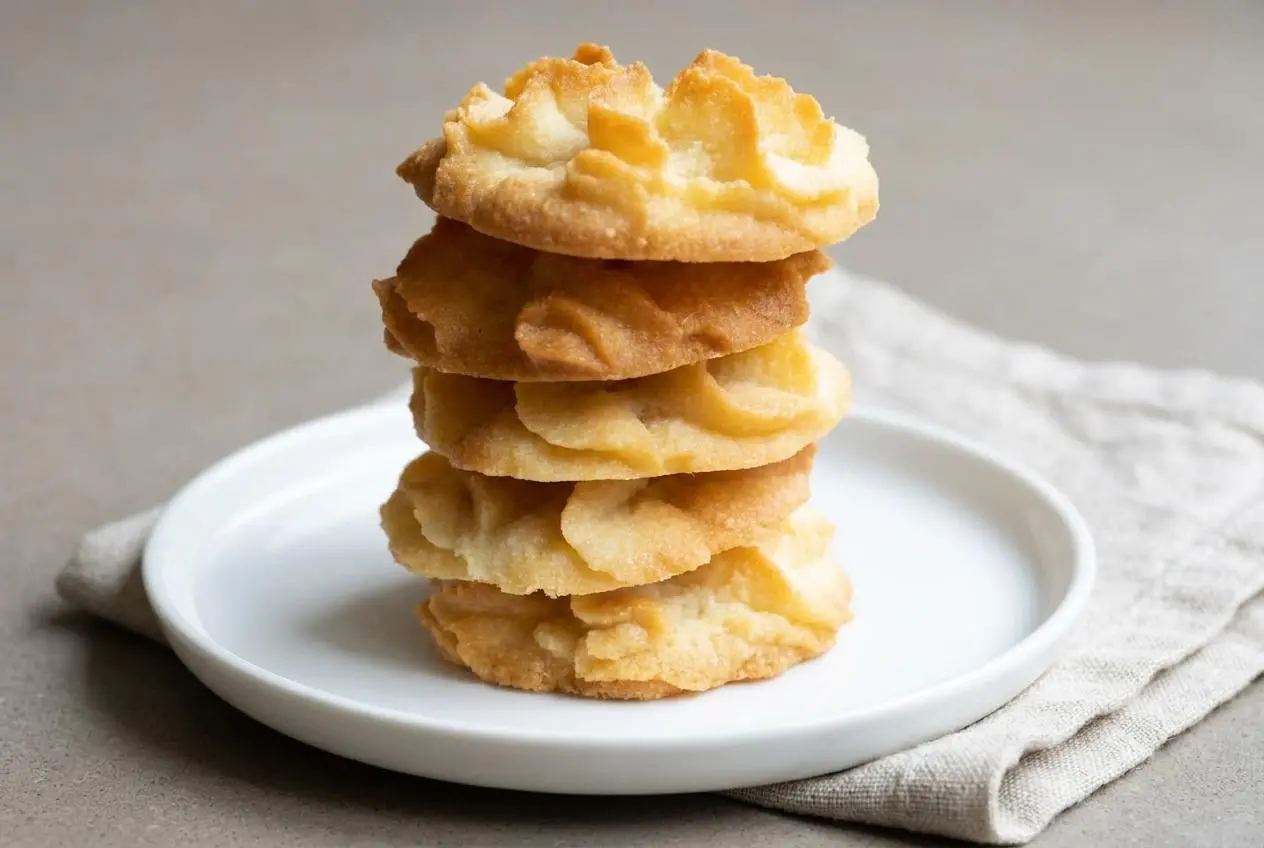
Keto butter cookies are delicate low-carb spritz-style cookies made with almond flour, softened butter, powdered sweetener, and egg yolk. Bake them until the ridges turn lightly golden, then let them cool fully for a crisp, buttery finish.
These cookies deliver a rich butter aroma and a tender crumb that firms into a delicate snap as it cools. The dough is sturdy enough for classic piped shapes but flexible enough for fork-pressed rounds.
The trick is keeping the butter pliable, not melted, so the dough holds its ridges instead of spreading into puddles.
Use an open star tip with wide openings if you plan to pipe the dough. Dense almond flour dough needs room to move.
Essential Ingredients for Authentic Low-Carb Butter Cookies
Each ingredient supports the finished cookie, from buttery richness and vanilla aroma to a fine crumb, clean sweetness, and enough structure for piping.
- 2 cup almond flour (or ground almonds, 200g)
- 3/4 cup butter (room temperature, 170g)
- 1/3 cup powdered sweetener (55g, use 1/2 cup for a sweeter cookie)
- 1 egg yolk (large)
- 2 tsp vanilla extract (sugar free)
- 1/8 tsp xanthan gum (optional)
Flour Selection and Texture Essentials
Finely ground almond flour creates the delicate, slightly sandy crumb associated with butter cookies. Coarser ground almonds can work, but the piped ridges may look less defined and the texture will be more rustic.
Almond flour is not interchangeable with coconut flour here. Coconut flour absorbs far more moisture, so a direct swap would make the dough dry, stiff, and likely to crumble.
The Crucial Role of Butter Temperature
Room-temperature butter should yield slightly when pressed, but it should not look shiny or oily. At this stage, it can trap air when beaten with the sweetener, giving the cookies a lighter texture and helping piped ridges stay distinct.
I look for butter that bends under a fingertip without leaving a greasy smear. That small detail makes piping much less of a forearm workout.
The egg yolk enriches the dough and helps bind the almond flour into a smooth, pipeable mixture. Because the dough contains uncooked yolk before baking, people who need to avoid raw eggs should skip tasting it before it goes in the oven. Raw or undercooked eggs can pose added concerns for pregnant people, infants, older adults, and people with weakened immune systems.
Selecting the Right Low-Carb Sweetener
Powdered sweetener blends into the butter without the gritty crunch that granulated sweeteners can leave behind. A powdered erythritol blend is especially useful when you want a crisp finish because it firms as the cookies cool.
Allulose and liquid sweeteners behave differently and tend to hold more moisture, so they are not the best choice for a classic crisp butter cookie. The optional xanthan gum adds a little extra cohesion, which is particularly helpful for sharply ridged spritz shapes.
Mastering the Method: Step-by-Step Technique
Keep the mixing gentle once the almond flour goes in. The finished dough should be cohesive and pliable, with enough resistance to hold a ridge but not so much that it tears a piping bag.
Creaming for Maximum Delicacy
Beating the butter mixture until fluffy builds tiny air pockets that keep the finished cookies from feeling dense. Stop when it looks pale, smooth, and lightly whipped rather than greasy.
- Heat the oven to 180 °C electric, 160 °C fan, or 350 °F.
Line a cookie sheet with baking paper so the shaped dough has a clean, nonstick surface. - Beat the room-temperature butter with the egg yolk, vanilla extract, and powdered sweetener for about 1 minute.
The mixture should look smooth, pale, and airy, with no obvious streaks of butter. - Mix in the almond flour and optional xanthan gum just until a uniform dough forms, then adjust the sweetness to taste if desired.
The dough should come together in soft clumps and feel pliable when pressed between your fingers. - Transfer the dough to a piping bag and pipe it onto the lined cookie sheet, leaving space between each shape.
Keep the shapes thick rather than flat so the ridges stay sturdy as the cookies spread slightly. - Bake for 10 to 12 minutes.
Take the cookies out when the ridges are lightly browned and the centers look set. - Leave the cookies on the baking sheet until completely cool before moving them.
They will feel fragile while hot, then become crisp and easier to handle as they cool.
Piping Decorative Spritz Swirls
Hold the piping bag straight up and down over the baking sheet, then apply steady pressure rather than squeezing in short bursts. Lift the bag away cleanly once each swirl is formed. If the dough cracks or refuses to move through the tip, let it sit briefly at room temperature so the butter softens slightly.
A wide open star tip gives the dough enough clearance and creates ridges that brown nicely. Avoid thin, flat spirals because the edges can darken before the center has time to set.
Simple Fork-Pressed Round Method
No piping bag is needed for a classic shortbread-style look. Roll small portions of dough into smooth rounds, place them on the lined sheet, and flatten them gently with the tines of a fork. Press once in one direction and again across it for a crisscross pattern.
Keep the rounds reasonably thick. A thicker cookie holds together better and gives you that contrast between a lightly golden edge and a delicate center.
Baking and the Critical Cooling Stage
Watch the ridges, not just the clock. Pale golden edges and a set center are the best signs that the cookies are ready. Almond flour cookies continue to firm as their heat escapes, so moving them too early is the fastest route to a tray of buttery crumbs.
Troubleshooting Common Texture and Shaping Pitfalls
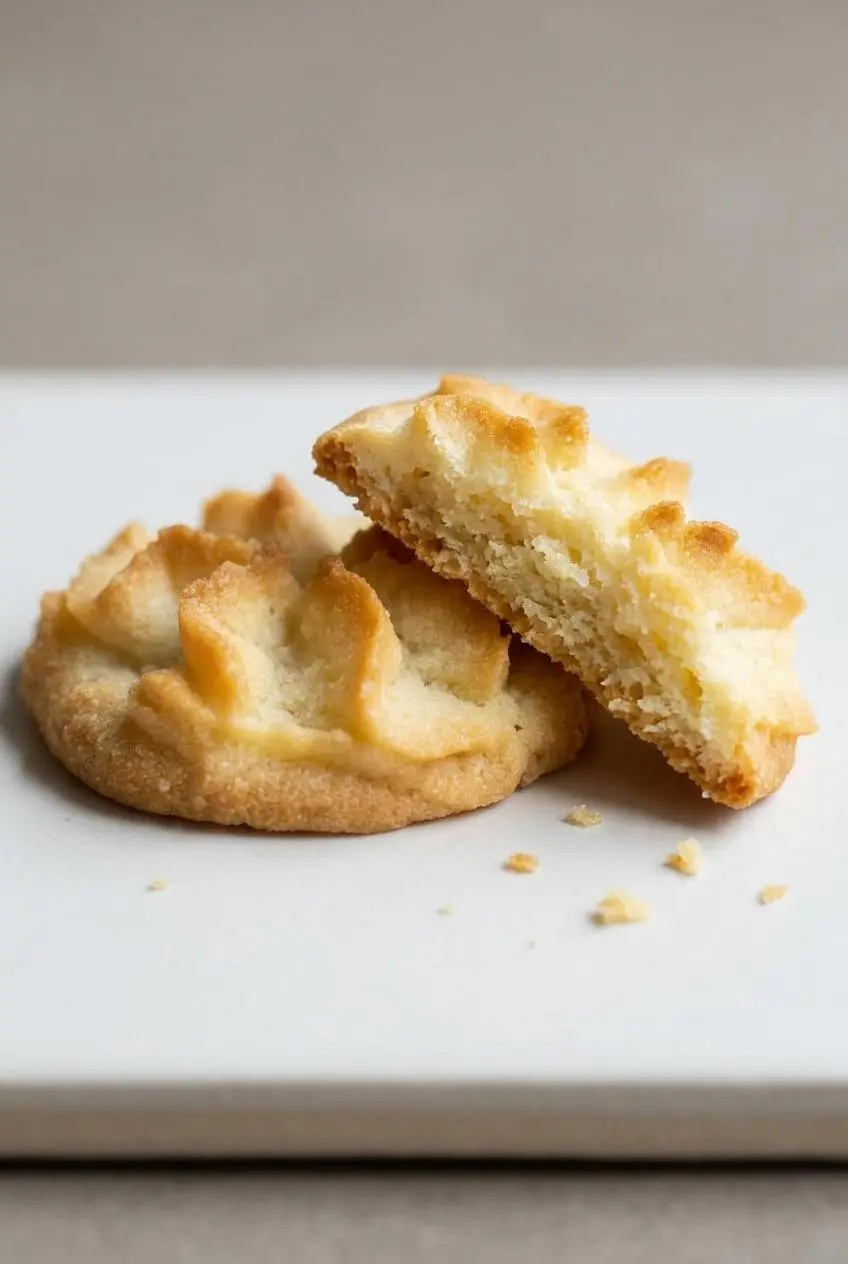
These fixes target the small handling issues that most often affect crispness, shape, and sturdiness.
- The dough is too stiff to pipe: The butter was likely too cool. Let the filled piping bag rest briefly at room temperature, then try again with steady pressure rather than forcing it through a narrow tip.
- The cookies spread too much: The butter may have been melted or the baking sheet may have been warm. Start with pliable butter and pipe onto a cool, lined sheet.
- The cookies crumble when lifted: They need more cooling time on the baking sheet. The warm cookies are delicate, but their structure settles as they cool.
- The cookies stay soft: Use a powdered erythritol blend rather than allulose, and allow the cookies to cool completely in open air before storing.
- The edges brown too quickly: Make the piped shapes a little thicker next time. Thin ridges cook faster and can become fragile.
If the cookies are baked but still feel slightly soft after cooling, place them back in the switched-off warm oven with the door slightly ajar. The residual warmth can help dry excess surface moisture without adding more browning.
Creative Flavor Variations and Festive Garnishes
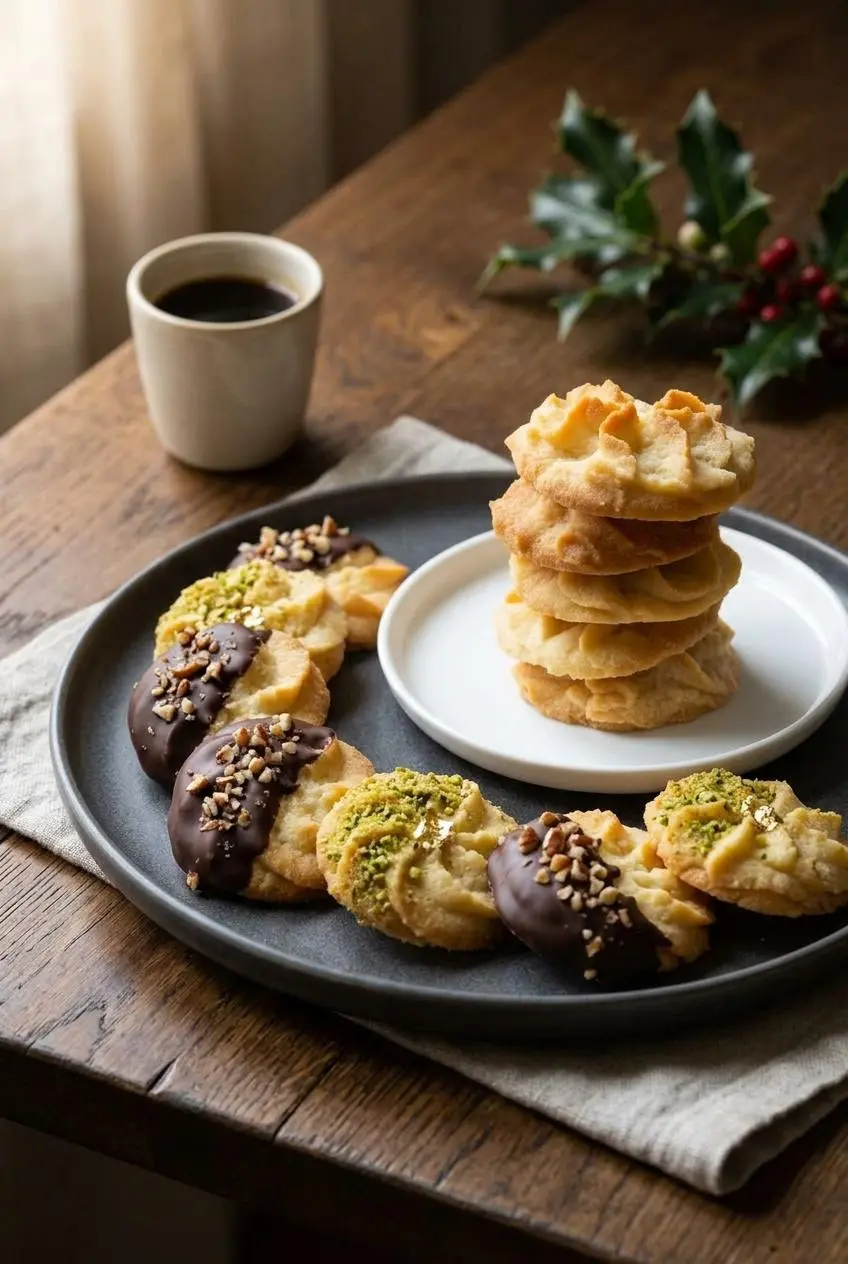
Keep the main dough as written, then use these optional finishes after the cookies have cooled completely.
Sugar-Free Chocolate Dipped Butter Cookies
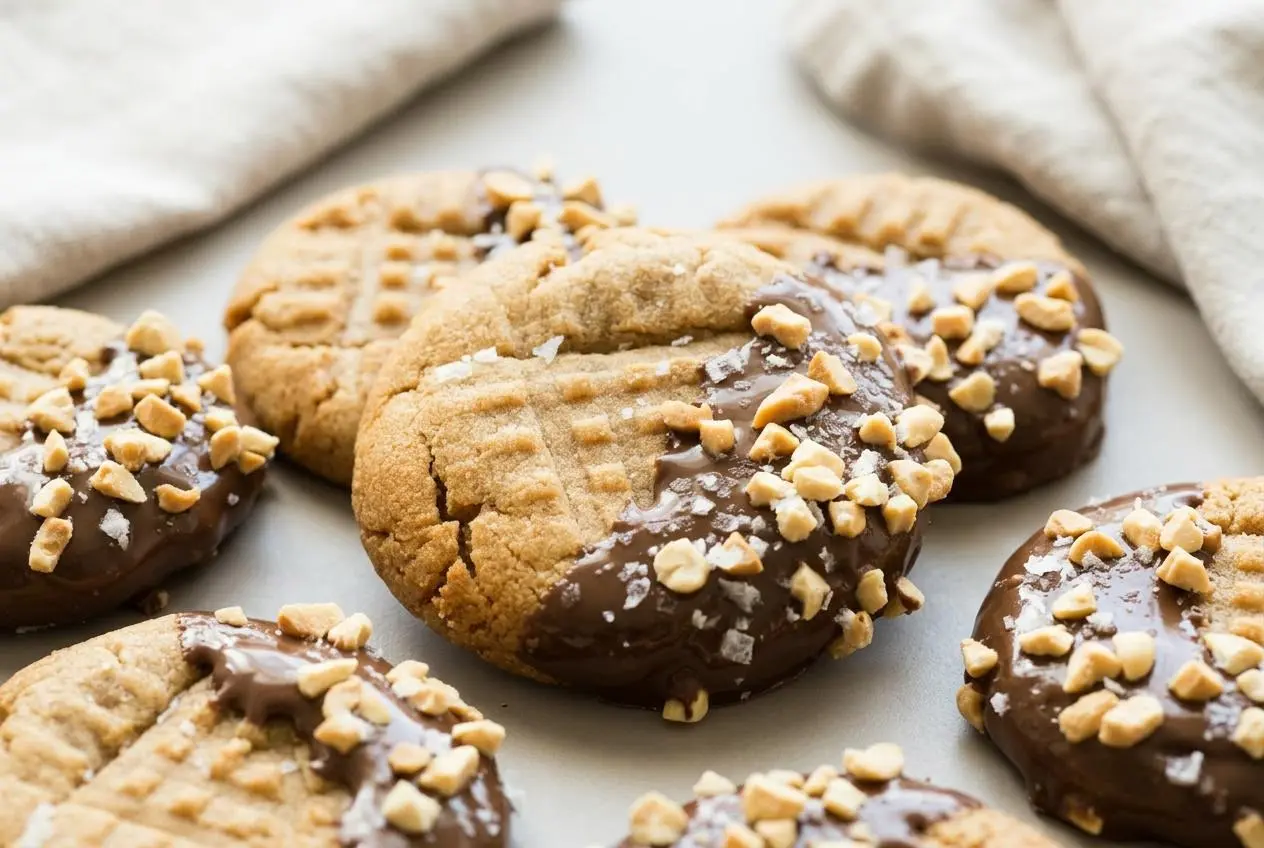
Dip cooled cookies halfway into melted sugar-free dark chocolate, then let the coating set before stacking. The bitter cocoa edge balances the sweet, buttery crumb, and toasted chopped nuts make a pleasant finishing touch if desired.
For a holiday tray with contrast, pair these pale butter cookies with keto chocolate cookies for a deeper cocoa option.
Fork-Pressed Shortbread Rounds
Fork-pressed rounds are ideal when you want a simpler shape or do not have pastry equipment. They bake into compact, buttery cookies with a traditional crisscross top and slightly more shortbread-like appearance than piped spritz swirls.
Citrus and Botanical Extracts
Finely grated lemon or orange zest brings brightness to the butter-forward dough. You can also use a complementary sugar-free extract for a subtle floral or nutty aroma, but keep the flavor gentle so vanilla and butter remain the focus.
Warm Holiday Spices and Nut Garnishes
- Add a little ground cinnamon and nutmeg for a warm holiday profile that suits the buttery crumb.
- Finish chocolate-dipped cookies with toasted chopped pistachios or almonds for color and crunch.
- Use sugar-free sprinkles for a festive finish without changing the dough itself.
Serve the cookies with black tea, unsweetened espresso, or hot cocoa. They also work beautifully alongside fresh raspberries and unsweetened whipped cream for a more plated dessert.
Storage for a Crisp Texture
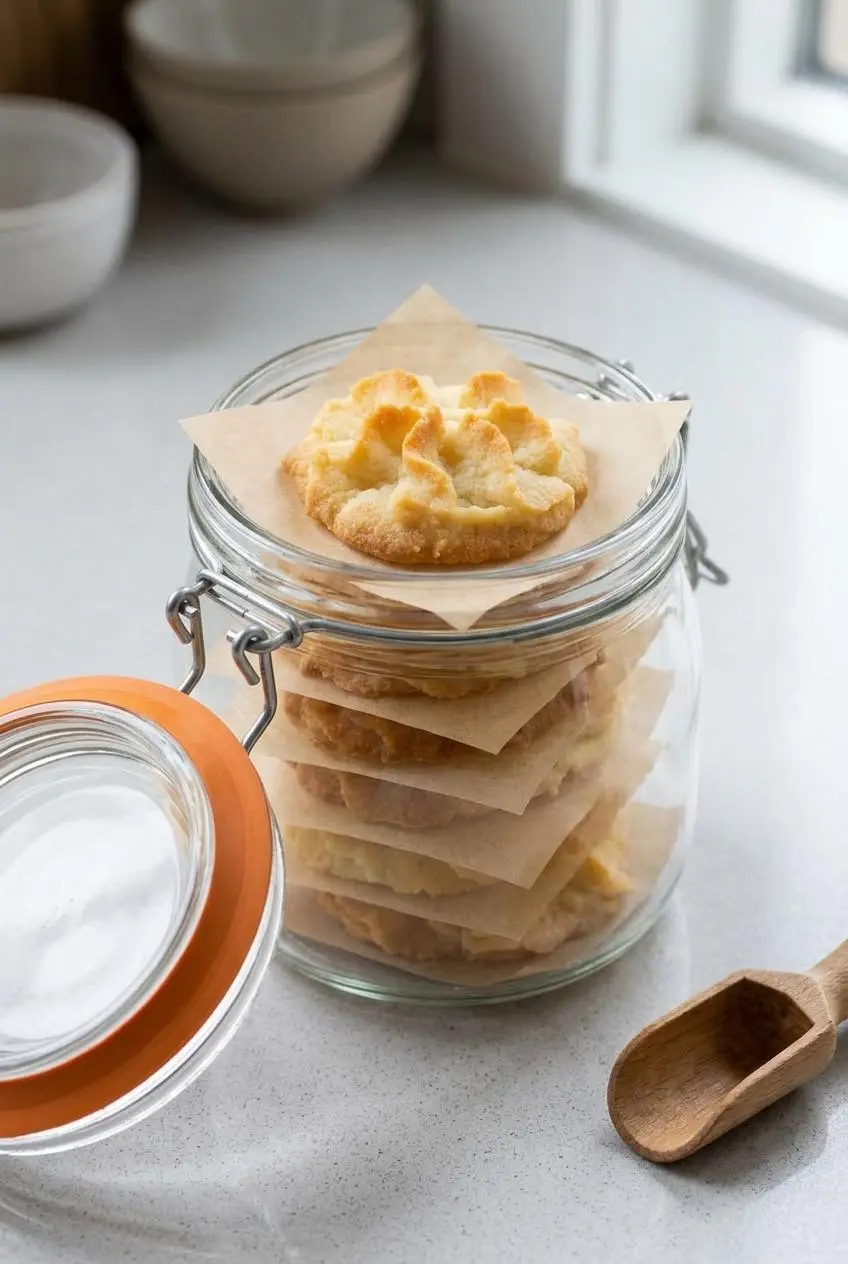
Let the cookies cool completely before placing them in an airtight tin or container. Sealing in any lingering warmth traps moisture, which softens the crisp edges you worked for.
Keep the container away from humidity and avoid stacking the cookies roughly, especially if they have tall piped ridges or a chocolate finish. If the cookies lose some snap, a brief rest in a switched-off warm oven can help restore a drier surface.
Achieving Perfect Low-Carb Butter Cookies at Home
Pliable room-temperature butter, powdered sweetener, and finely ground almond flour create the dough’s rich flavor and delicate structure. Keep the shapes thick enough to hold their ridges, and watch for pale golden browning rather than deep color.
Give the cookies time to cool undisturbed before moving them. Once you have the texture down, piping patterns and festive finishes become the fun part.
Frequently Asked Questions
What Is the Difference Between Keto Butter Cookies and Keto Shortbread?
Keto shortbread is usually denser, often egg-free, and commonly pressed or sliced. These keto butter cookies include egg yolk, which makes the dough more pliable for piping while keeping the finished crumb delicate and buttery.
Can I Replace Almond Flour With Coconut Flour in This Recipe?
No. Coconut flour absorbs much more moisture than almond flour, so it cannot replace it at the same ratio. Using it here would require a full reformulation and would likely produce a dry, crumbly cookie.
Why Did My Keto Butter Cookies Turn Out Soft Instead of Crunchy?
Soft cookies usually come from moisture retention or insufficient cooling. Choose a powdered erythritol blend rather than allulose, bake until the ridges are lightly golden, and leave the cookies on the sheet until they are completely cool.
How Do I Shape These Cookies if I Do Not Have a Piping Bag?
Roll small portions of dough into balls, arrange them on the lined baking sheet, and flatten them gently with a fork. Press in two directions to make a crisscross pattern, and keep the rounds thick enough to remain sturdy.
Does Eating Butter Interfere With Ketosis?
That depends on your overall eating pattern, portions, and personal nutrition goals. This cookie recipe is designed with low-carb ingredients, but it cannot predict an individual metabolic response. For personalized dietary calculations, the USDA provides nutrition tools and databases including FoodData Central and the DRI Calculator.
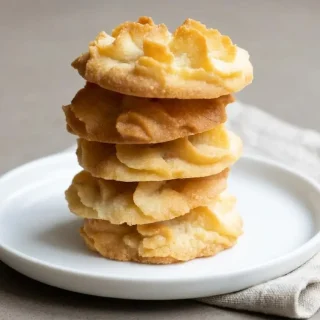
Keto Butter Cookies

Ingredients
- 2 cup almond flour (or ground almonds, 200g)
- 3/4 cup butter (room temperature, 170g)
- 1/3 cup powdered sweetener (55g, use 1/2 cup for a sweeter cookie)
- 1 egg yolk (large)
- 2 tsp vanilla extract (sugar free)
- 1/8 tsp xanthan gum (optional)
Instructions
- Heat the oven to 180 °C electric, 160 °C fan, or 350 °F. Line a cookie sheet with baking paper so the shaped dough has a clean, nonstick surface.
- Beat the room-temperature butter with the egg yolk, vanilla extract, and powdered sweetener for about 1 minute. The mixture should look smooth, pale, and airy, with no obvious streaks of butter.
- Mix in the almond flour and optional xanthan gum just until a uniform dough forms, then adjust the sweetness to taste if desired. The dough should come together in soft clumps and feel pliable when pressed between your fingers.
- Transfer the dough to a piping bag and pipe it onto the lined cookie sheet, leaving space between each shape. Keep the shapes thick rather than flat so the ridges stay sturdy as the cookies spread slightly.
- Bake for 10 to 12 minutes. Take the cookies out when the ridges are lightly browned and the centers look set.
- Leave the cookies on the baking sheet until completely cool before moving them. They will feel fragile while hot, then become crisp and easier to handle as they cool.