Skip to content
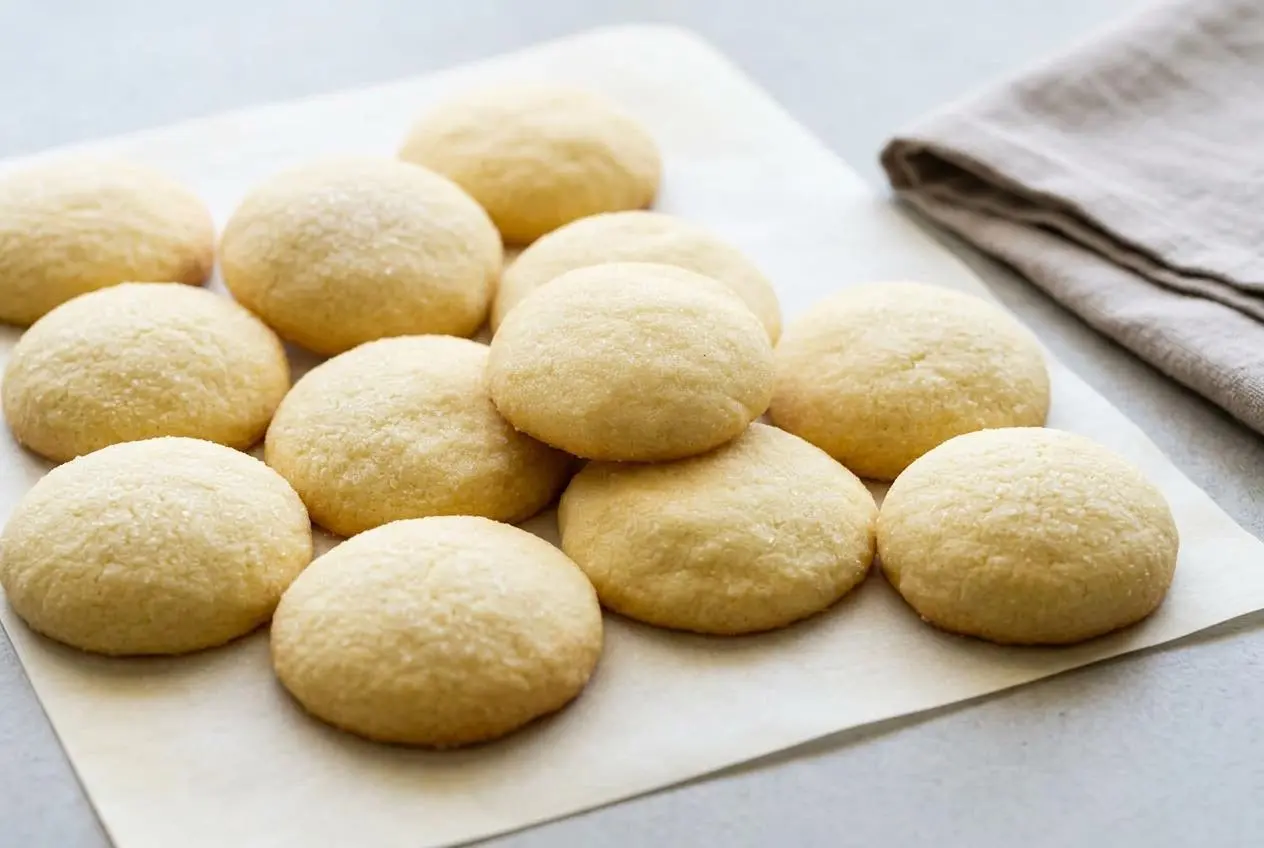
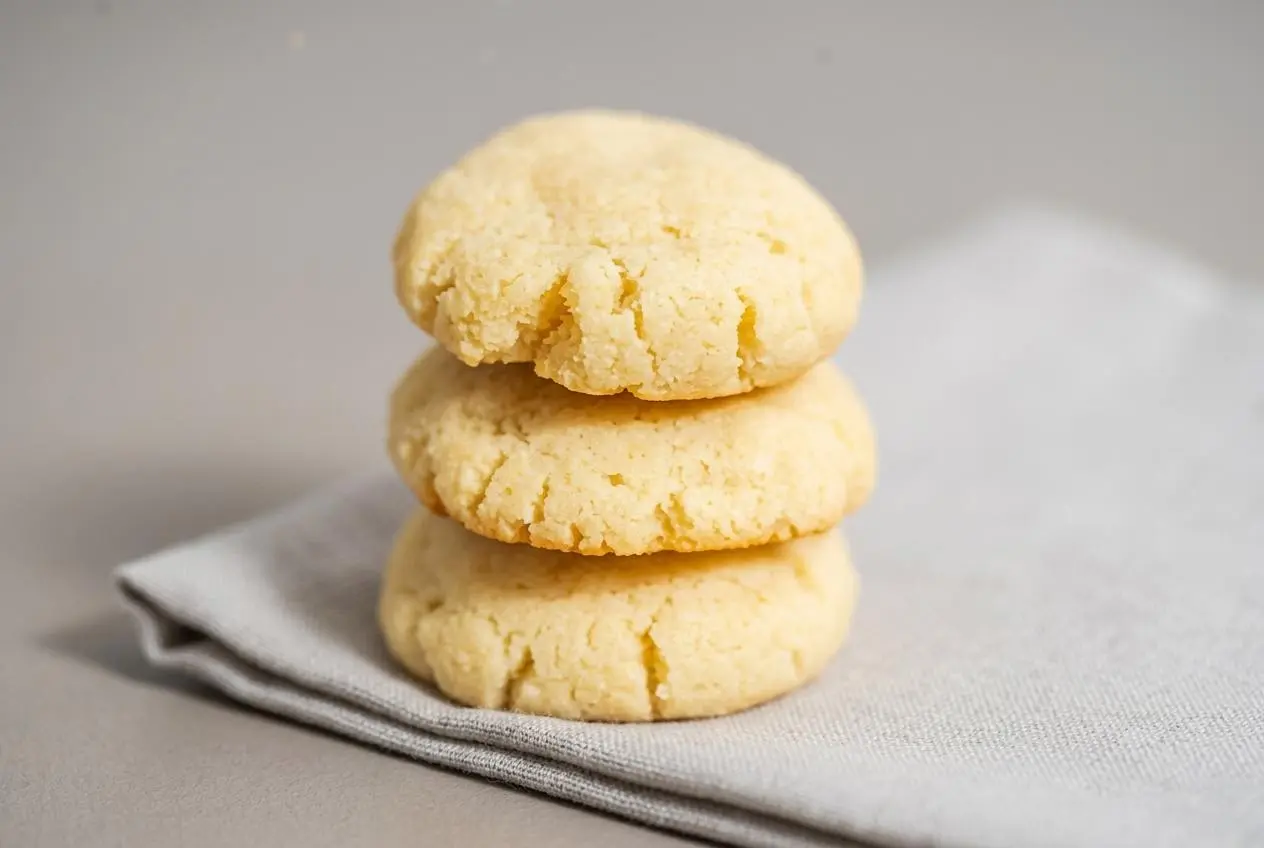
This keto sugar cookies recipe makes tender, buttery cutouts with crisp edges. The dough should feel soft and cohesive after mixing, not wet or sticky, so it rolls and cuts cleanly.
These cookies bring classic sugar-cookie flavor to a low-carb dessert table, with vanilla in every bite and a delicate almond flour crumb. Cream cheese helps the dough stay together without eggs.
Chill the dough well, then let the edges tell you when they are ready.
Keep the dough between parchment sheets while rolling so it stays smooth without picking up extra flour.
Essential Ingredients for Perfect Keto Sugar Cookies
Each ingredient supports the final texture and flavor, from the tender nut-flour crumb to the rich buttery dough and lightly crisp sweetened exterior.
- 3/4 cup + 2 tablespoons almond flour (lanched almond flour)
- 2 tablespoon coconut flour
- 6 tablespoon sugar free powdered sugar
- 1/8 teaspoon salt
- 1/4 cup butter (softened)
- 1 tablespoon cream cheese (softened)
- 1 teaspoon vanilla extract
- 1/4 cup allulose (or monk fruit sweetened)
Nut Flours and Binding Agents
Use finely ground blanched almond flour rather than coarse almond meal. Fine flour gives the cookies a more even crumb and helps the dough roll without gritty bits that can cause cracks around the cutters.
Coconut flour absorbs moisture quickly, balancing the richness of the butter and cream cheese. The softened fats work as the dough’s binder, helping the flour mixture clump into a workable dough even without gluten or eggs.
I look for butter and cream cheese that yield easily when pressed but are not shiny or melted. Overly warm fats make the dough tacky before it has a chance to chill.
Selecting the Ideal Low-Carb Sweetener
The sugar-free powdered sugar blends smoothly into the dough, giving the cookie a finer texture. Granulated sweetener belongs on the outside of the cutouts, where it adds a light crunch and sparkle.
Using a granulated sweetener in place of the powdered sweetener can leave a grainy bite and may encourage more spread as the crystals behave differently in the dough. Allulose or monk fruit sweetener gives the exterior its sweet finish without changing the dough itself.
Mastering the Step-by-Step Baking Method
Work with cool, soft dough at every stage. Mixing the dry ingredients first distributes the coconut flour and salt evenly, while chilling firms the butter and cream cheese before rolling.
- Whisk the almond flour, coconut flour, sugar free powdered sugar, and salt in a large mixing bowl, then beat in the softened butter and cream cheese with a stick mixer.
The mixture will first look crumbly, then begin to hold together as the fats coat the flours. - Beat in the vanilla extract until the mixture forms noticeable clumps of dough.
Stop once the dough gathers easily when pressed together, rather than continuing to beat it into a warm paste. - Dust a work surface with almond flour and gently knead the dough until smooth, then flatten it into a covered disc and refrigerate for 40 minutes.
The chilled dough should feel firm enough to roll without clinging to your hands. - Heat the oven to 180C/350F and place the dough between two sheets of parchment paper.
Roll it to 1/4 of an inch thick so the cookies bake evenly and keep a tender center. - Cut circles with a cookie cutter, lightly coat both sides in the granulated sweetener, and arrange them on a lined cookie sheet.
Gather and reroll the scraps gently, returning the dough to the refrigerator if it starts to feel tacky. - Bake for 12-15 minutes, then leave the cookies on the pan until completely cool.
Pull them when the perimeter and underside show the faintest golden color, not deep browning.
The cookies may seem delicate when they first leave the oven, but they firm as the butter cools and the flours settle. Wait until the edges release cleanly from the parchment before moving them.
Troubleshooting Crumbly Dough and Spreading Cookies
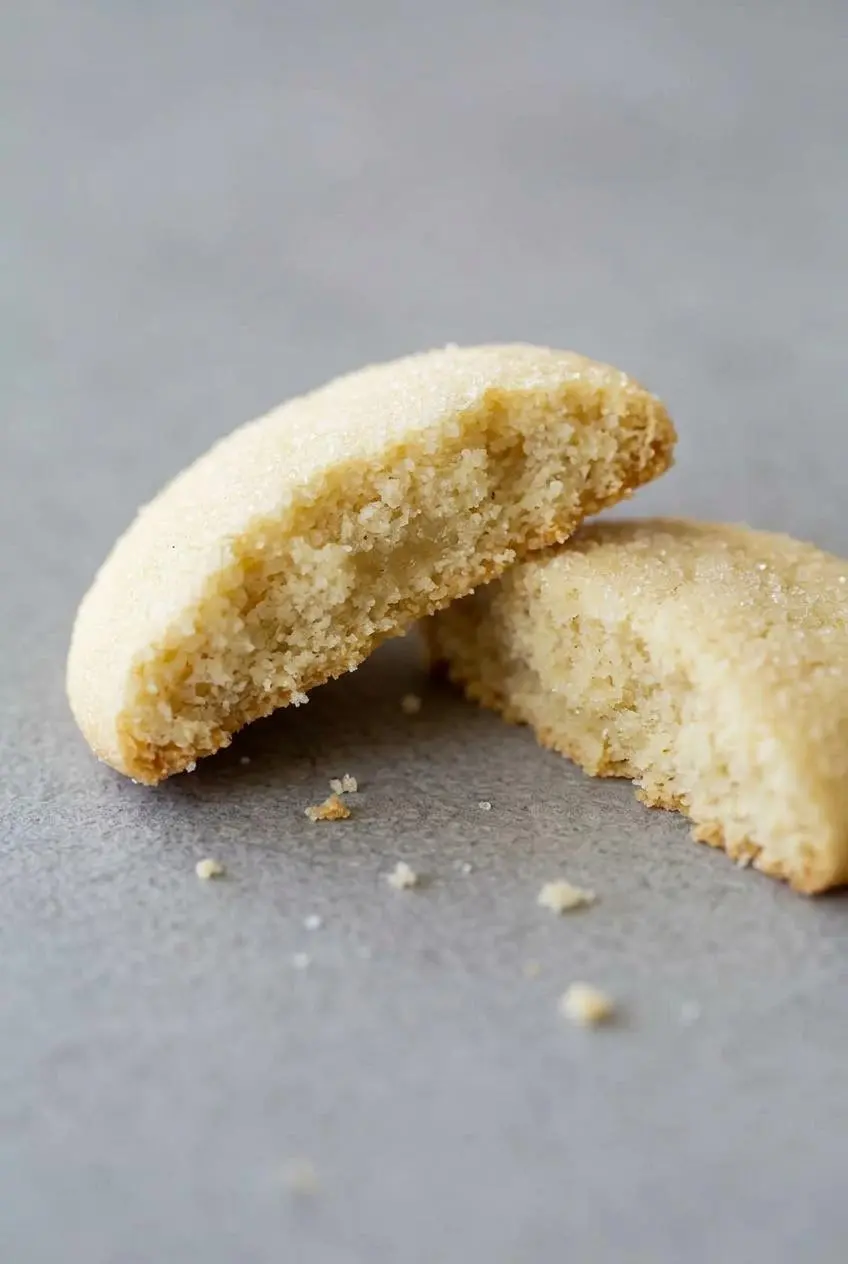
Low-carb cutout dough responds strongly to temperature, so most problems have a straightforward fix.
- The dough crumbles while kneading: It may simply need a little more gentle pressure to bring the softened fats and flours together. Knead only until smooth, since prolonged handling can warm the butter too much.
- The dough sticks to parchment or cutters: It has become too warm. Cover it and return it to the refrigerator until it feels firm again, then continue rolling between clean parchment sheets.
- The cookies spread in the oven: Warm butter and cream cheese soften fast, causing edges to relax before the cookie sets. Chill the dough thoroughly and keep cut shapes cool while preparing the baking sheet.
- The cutouts tear during transfer: Slide the parchment beneath the dough rather than lifting shapes with your fingers. For intricate cutters, remove the surrounding dough first, then lift the shape carefully.
- The cookies break after baking: They were moved while warm. Almond flour cookies need to cool completely on the pan before their crumb becomes sturdy enough to handle or decorate.
- The cookies feel gritty: Coarse almond meal is usually the culprit. Choose finely milled blanched almond flour for a smoother, more traditional sugar-cookie texture.
Delicious Flavor Variations and Customizations
Keep the main dough method unchanged, then add a small flavor adjustment if you want a different holiday mood.
Bakery-Style Almond Infusion
Add a splash of almond extract alongside the vanilla for a fragrant bakery-style aroma. It pairs especially well with a pale sugar-free glaze and gives the cookies a more pronounced almond character without making them heavy.
Spiced Holiday Cutouts
Stir cinnamon, nutmeg, or a warm pumpkin spice blend into the dry mixture for seasonal cutouts. The spices add cozy flavor while leaving the dough structure intact. For another autumn cookie option, try these keto pumpkin cookies.
Convenient Slice-and-Bake Method
Skip the rolling pin by shaping chilled dough into a compact log, then slicing it into rounds for a more casual cookie. Keep the slices cool before baking so they stay neat. When you want a different quick cookie style, keto chocolate chip cookies are another easy option.
Make-Ahead and Storage Guidelines

For smoother holiday prep, keep the dough covered in the refrigerator until you are ready to roll and cut it. Chilled dough is easier to handle and produces cleaner edges than dough left at room temperature.
Once the cookies are fully cool, store them in an airtight container away from humidity to protect their crisp edges. Never seal warm cookies, since trapped steam softens the exterior and can make the crumb fragile.
For shaped but unbaked dough, keep the cutouts on parchment and covered until baking so they remain cool and easy to lift. If finished cookies soften in humid weather, warm them briefly in the oven just until the edges feel dry again, then cool them completely before storing.
Decorating and Serving Suggestions
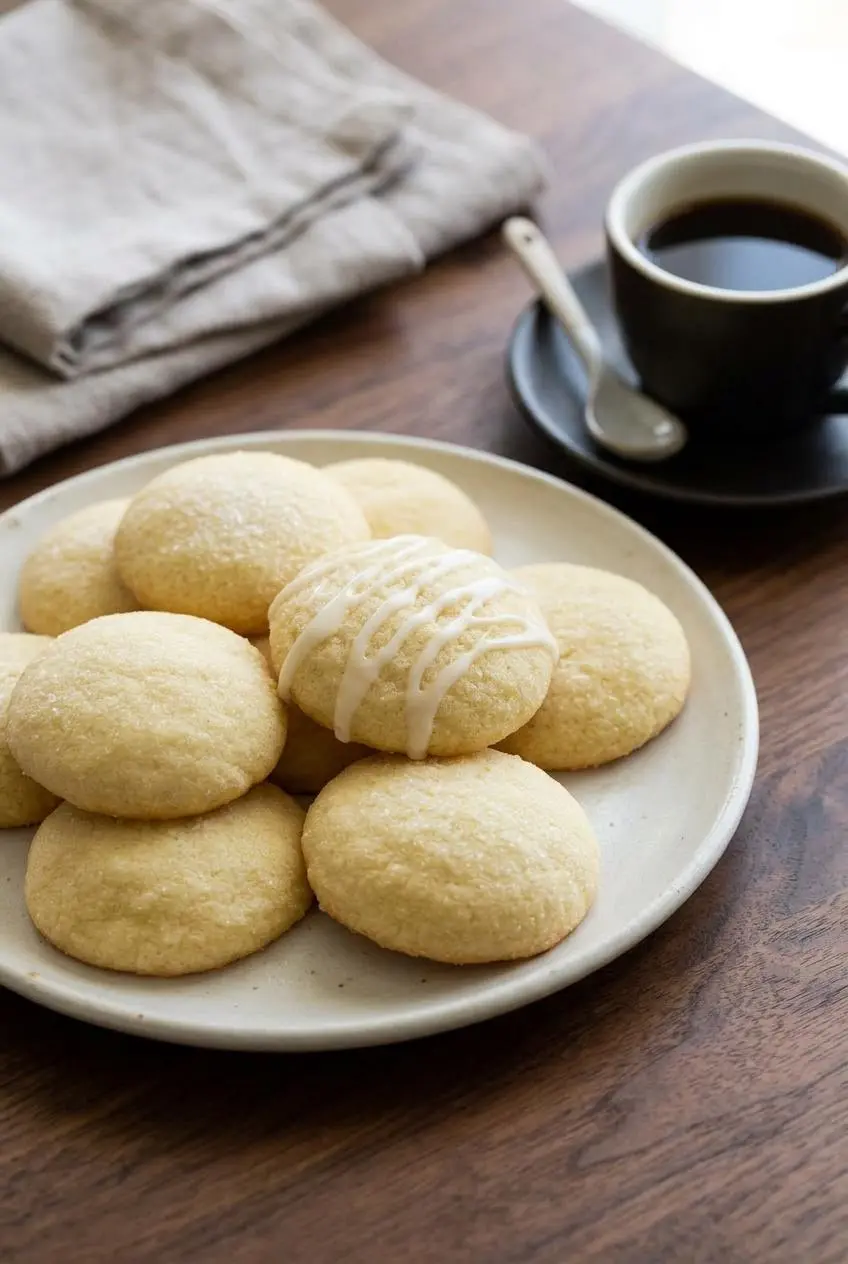
Decorate only after the cookies are completely cool. A sugar-free royal icing gives a classic outlined finish, while a cream cheese glaze creates a softer look with a tangy contrast to the buttery cookie.
- Serve plain cookies with unsweetened coffee, espresso, or herbal tea.
- Arrange glazed cutouts with sugar-free berry compote on a holiday dessert platter.
- Pair crisp cookies with a scoop of keto ice cream for an easy plated dessert.
Bringing It All Together for Cookie Success
These cookies succeed when the dough stays cool, the rolling stays gentle, and the edges are removed from the oven at their first hint of gold. The result is a tender buttery crumb with a pleasantly crisp rim.
Use cutters for polished holiday shapes or keep the finish casual with slices and a simple glaze. Give every cookie time to cool completely, then enjoy the satisfying snap at the edges.
Frequently Asked Questions About Keto Sugar Cookies
Why Do Keto Sugar Cookies Need to Chill Before Rolling?
Chilling firms the butter and cream cheese, so the dough rolls cleanly instead of sticking. It also helps the cutouts keep sharper edges in the oven. Do not skip this stage if you want defined shapes.
Can I Use Granulated Sweetener Instead of Powdered Sweetener?
Powdered sweetener is the better choice for the dough because it blends in smoothly. Granulated sweetener can create a grainier texture and may affect the cookie’s spread. Use the granulated sweetener for coating the cutouts instead.
Why Did My Cookies Break When I Moved Them Off the Baking Sheet?
They were likely still warm. The almond flour crumb is delicate straight from the oven and needs to cool fully on the baking sheet before lifting. Once cooled, the cookies hold together much more reliably.
Can I Freeze Keto Sugar Cookie Dough?
This method includes chilling the dough before rolling, but it does not provide freezing directions. For the most dependable result, prepare, chill, cut, and bake the dough as written, keeping it covered and cool during shaping.
How Do These Cookies Fit Into a Strict Low-Carb Lifestyle?
These cookies use almond flour, coconut flour, and sugar-free sweeteners instead of wheat flour and regular sugar. Individual needs and product labels vary, so check the ingredients and nutrition information for the sweetener you choose when planning a strict low-carb menu.

Keto Sugar Cookies Recipe

Equipment
- Mixing bowl
- Stick mixer
- Rolling Pin
- Cookie cutter
- Baking sheet
- Parchment paper
Ingredients
- 3/4 cup + 2 tablespoons almond flour (lanched almond flour)
- 2 tablespoon coconut flour
- 6 tablespoon sugar free powdered sugar
- 1/8 teaspoon salt
- 1/4 cup butter (softened)
- 1 tablespoon cream cheese (softened)
- 1 teaspoon vanilla extract
- 1/4 cup allulose (or monk fruit sweetened)
Instructions
- Whisk the almond flour, coconut flour, sugar free powdered sugar, and salt in a large mixing bowl, then beat in the softened butter and cream cheese with a stick mixer. The mixture will first look crumbly, then begin to hold together as the fats coat the flours.
- Beat in the vanilla extract until the mixture forms noticeable clumps of dough. Stop once the dough gathers easily when pressed together, rather than continuing to beat it into a warm paste.
- Dust a work surface with almond flour and gently knead the dough until smooth, then flatten it into a covered disc and refrigerate for 40 minutes. The chilled dough should feel firm enough to roll without clinging to your hands.
- Heat the oven to 180C/350F and place the dough between two sheets of parchment paper. Roll it to 1/4 of an inch thick so the cookies bake evenly and keep a tender center.
- Cut circles with a cookie cutter, lightly coat both sides in the granulated sweetener, and arrange them on a lined cookie sheet. Gather and reroll the scraps gently, returning the dough to the refrigerator if it starts to feel tacky.
- Bake for 12-15 minutes, then leave the cookies on the pan until completely cool. Pull them when the perimeter and underside show the faintest golden color, not deep browning.