Skip to content
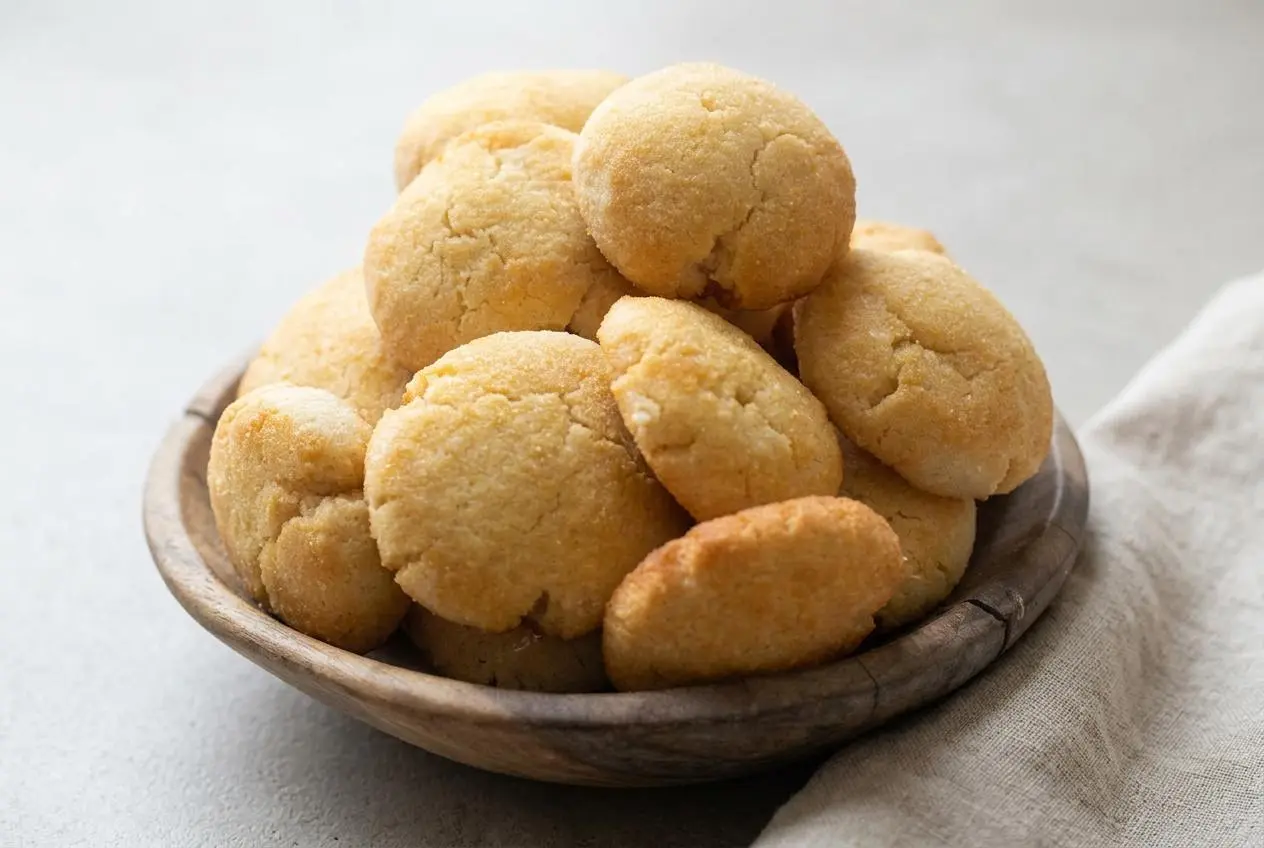
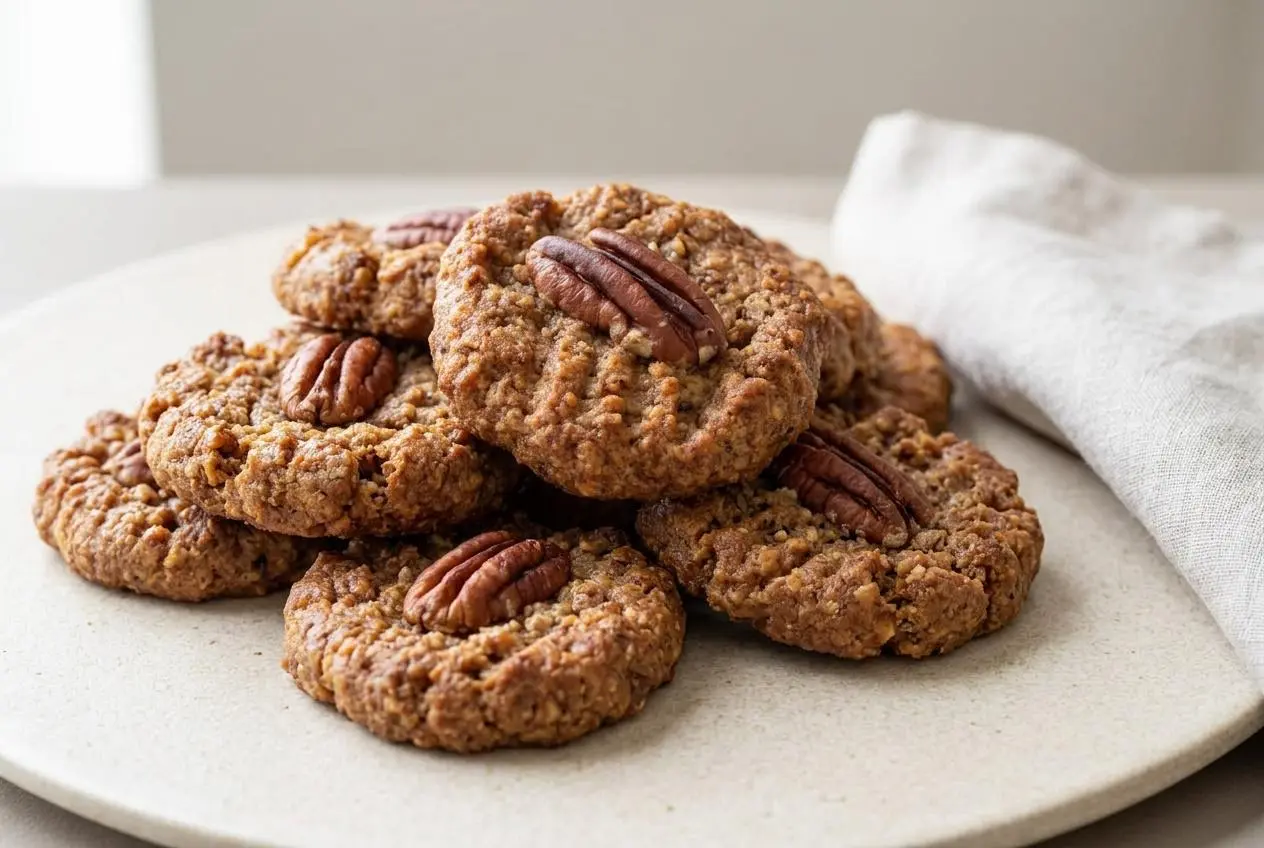
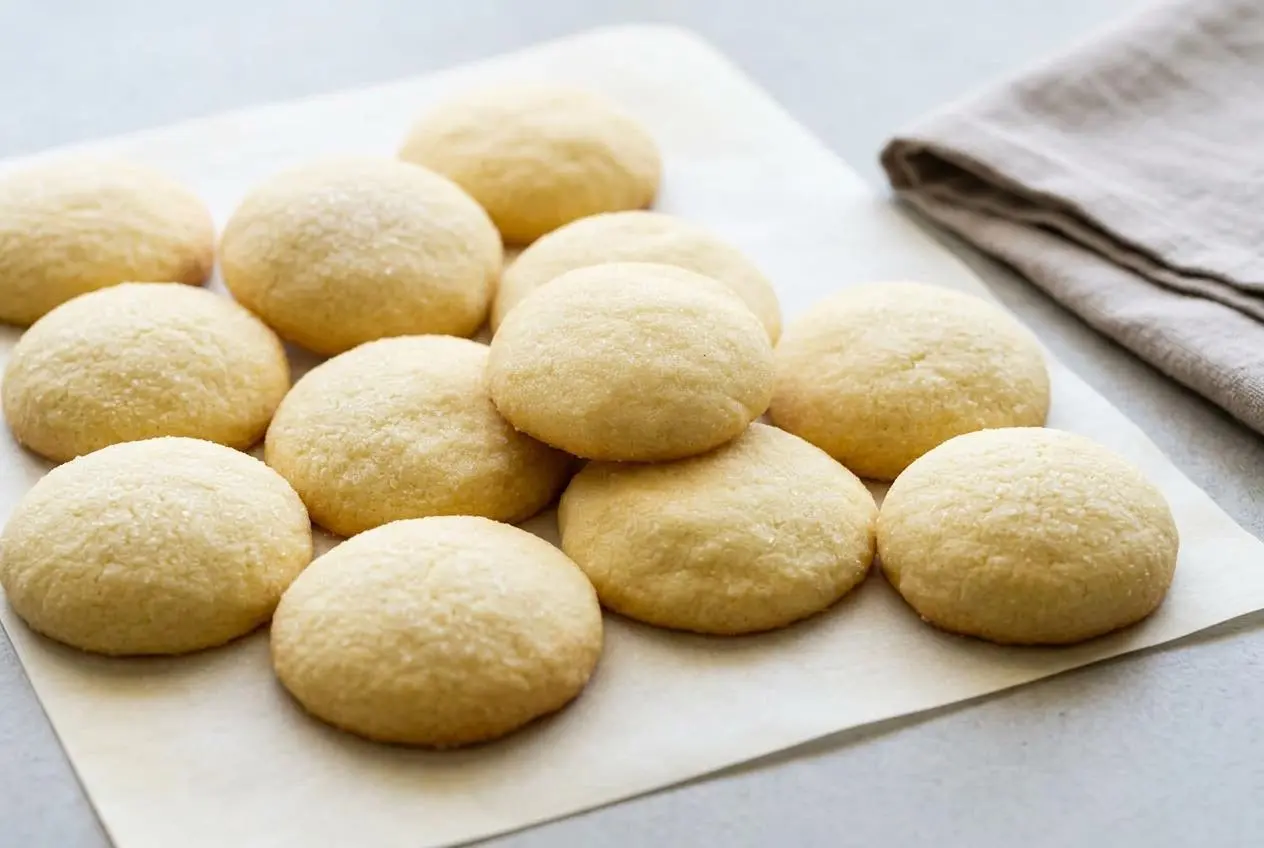
Keto coconut flour cookies are tender, nut-free cookies with buttery flavor and golden edges. Rest the dough, press it into discs before baking, and let the cookies cool fully on the pan for the best structure.
These keto coconut flour cookies use coconut flour, eggs, fat, and granulated sweetener to create a soft, delicate crumb without wheat flour.
The dough feels smooth and pliable once it has absorbed the liquid, while the finished cookies smell warmly buttery as their edges turn gold. The cooling step makes all the difference.
Set out parchment paper before mixing so you can shape the dough as soon as it is ready.
Essential Ingredients for Nut-Free Low-Carb Cookies
Each ingredient supports the cookie’s tender crumb, rich flavor, moisture balance, or sturdy shape. Coconut flour absorbs liquid, eggs bind the dough, and the optional egg wash adds a polished golden finish.
- 1/3 cup / 50g coconut flour
- 1/3 cup / 75g butter or coconut oil (softened)
- 2 eggs (large)
- 1 tsp vanilla extract
- 3 tbsp granulated sweetener (or more, to taste. I used a brown sugar substitute)
- 1 egg
- 1 tbsp milk of your choice or cream
Understanding Coconut Flour Absorption
Coconut flour is exceptionally thirsty. Its fine coconut fiber pulls in moisture quickly, which is why the mixture becomes more resistant as you stir and then firms further as it rests. That absorption creates a tender, almost cake-like crumb, but it also means coconut flour cannot replace almond flour cup for cup.
Eggs are especially important here. They bring moisture to the flour while providing the binding strength that helps each cookie hold together after baking. The softened butter or coconut oil adds richness and keeps the crumb from tasting dry, while vanilla rounds out the sweetness.
Selecting Keto Sweeteners and Fats
A granulated sweetener supplies more than sweetness. It gives the dough body and helps the cookies develop their lightly golden edges. A brown sugar-style substitute can add a deeper caramel-like note, while other granulated blends may bake with a slightly different texture.
Use softened butter for a classic buttery aroma, or choose softened coconut oil for a dairy-free option. Keep either fat soft rather than melted, since overheated fat can make the dough slick and difficult to shape.
I look for dough that presses together smoothly in my palm without splitting at the edges. That texture is a better guide than judging it by appearance alone.
How to Make Keto Coconut Flour Cookies
- Heat the oven to 180 °C / 350 °F and line a baking sheet with parchment paper.
Have the pan ready before shaping because the dough is easiest to handle once it has rested. - Combine the coconut flour, softened butter or coconut oil, large eggs, vanilla, and granulated sweetener in a mixing bowl with a fork.
The mixture will quickly thicken as the coconut flour starts absorbing the liquid. - Knead the mixture by hand until it becomes a smooth, unified dough, then let it stand for a few minutes before gathering it into one large ball.
The dough should feel pliable and hold together without cracks; if it is too soft to shape, refrigerate the bowl for 15 to 20 minutes. - Divide the dough into 16 equal portions and roll each portion into a ball.
Arrange the balls on the lined baking sheet, then press each one into a thick disc about 4 cm wide and 1.5 cm thick. - For the optional finish, whisk the remaining egg with the milk or cream and brush the mixture over the shaped cookies.
The surface should look lightly coated, not drenched, before it goes into the oven. - Bake for about 13 to 15 minutes.
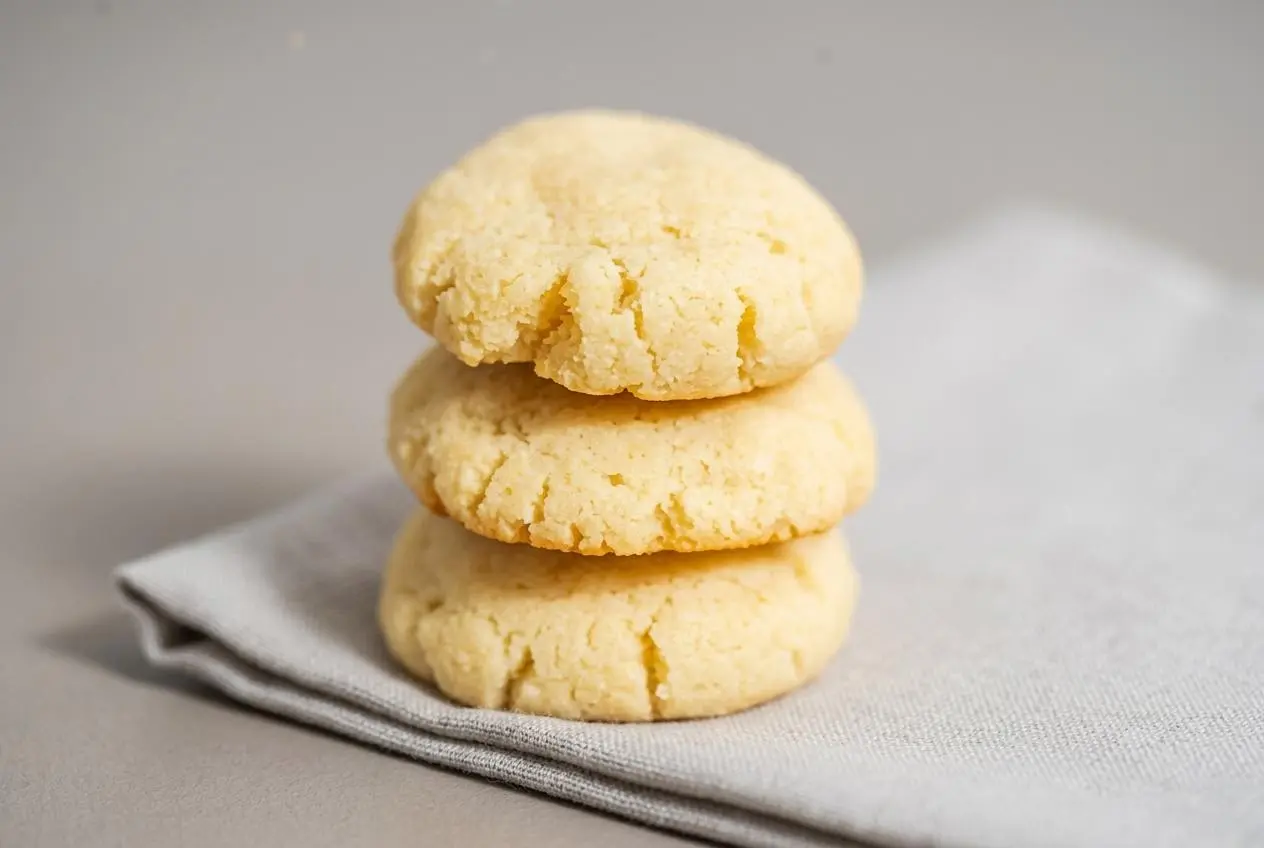
Remove the cookies when the edges are lightly golden and small surface cracks begin to appear.
Mastering Coconut Flour Cookie Dough
The Crucial Dough Rest Period
The brief rest is part of the method, not idle time. Coconut flour continues drawing in liquid after mixing, so dough that first seems soft can settle into a shapeable mass as the fibers hydrate. Skipping this pause can leave you with unevenly moist dough and fragile cookies.
If the butter or coconut oil warms too much during mixing, the dough may lose its clean, moldable feel. Chill it only until it firms enough to roll without sticking heavily to your hands. Cold dough can bake a little differently, so watch the cookie color rather than relying on the clock alone.
Pre-Shaping Discs Before Baking
Shape these cookies exactly as you want them to look when served. Coconut flour dough does not melt and spread like wheat-based cookie dough because it holds its moisture tightly. Roll even balls, then flatten them into finished discs before they reach the oven.
Keep the discs thick enough to preserve a tender center. A gentle palm press works well, and smoothing any deep cracks around the edges helps the cookies bake into neater rounds.
Troubleshooting Common Dough and Crumb Pitfalls
Fixing Dry or Oily Dough
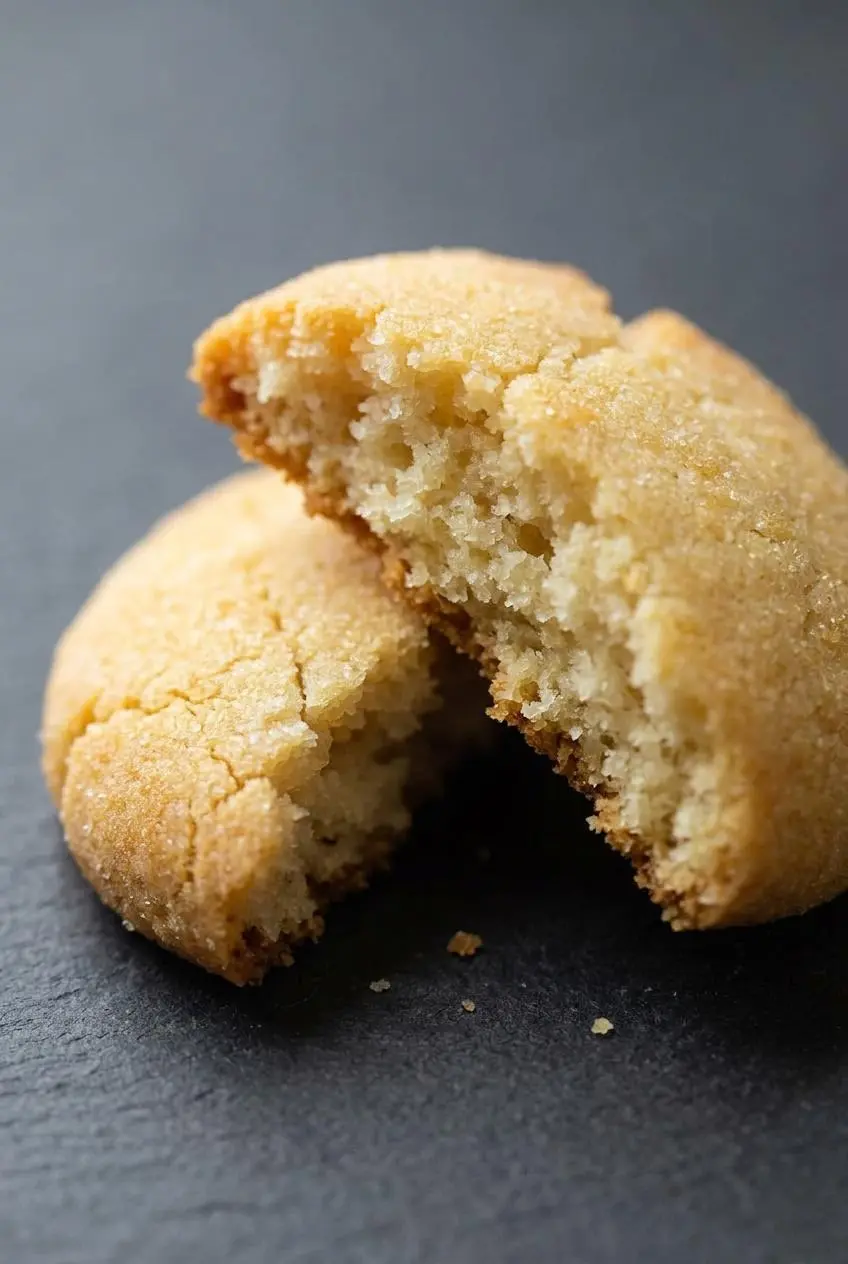
- Dry, cracking dough: Coconut flour brands can absorb liquid differently. Let the dough rest first, then knead it gently again so the moisture distributes through the mixture before deciding it needs adjustment.
- Greasy or overly soft dough: The fat likely became too warm. Refrigerate the bowl until the dough feels firmer and can be rolled into smooth portions.
- Rough or sandy texture: Work the dough briefly with your hands after fork mixing. It should become cohesive rather than stay loose and crumbly.
If you prefer a cookie dough built around a less absorbent nut flour, these almond flour chocolate cookies are a better fit than trying to swap flours in this dough.
Why Full Cooling Prevents Crumbling
Freshly baked coconut flour cookies are delicate while the fat is still warm and the egg structure is setting. Leave them on the baking sheet until fully cooled, then lift them carefully. Moving them while hot is the fastest route to broken edges and a crumbled center.
The cookies will firm as they cool, while keeping their tender interior. If the bottoms darken before the edges turn golden, check that the baking sheet is positioned in the center of the oven.
Keto Sweetener and Flavor Customizations
Sugar-Free Chocolate Chip Coconut Flour Cookies
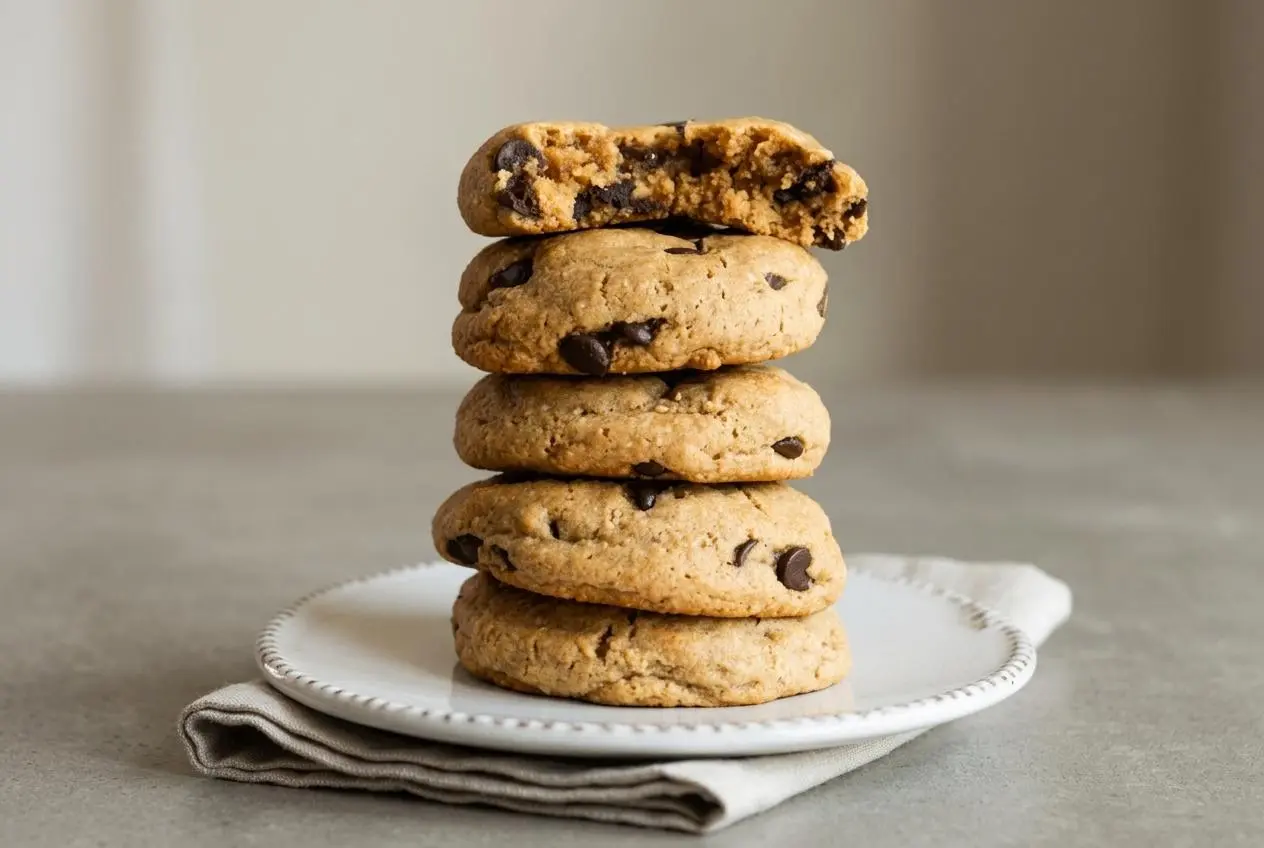
For a chocolate chip version, fold sugar-free chocolate chips or cacao nibs into the finished dough just before portioning. Chips give soft pockets of chocolate, while cacao nibs add a darker flavor and a gentle crunch. For a more classic drop-cookie style, try these keto chocolate chip cookies.
Dairy-Free Coconut Oil Cookies
Choose softened coconut oil in place of butter to keep the cookies dairy-free. Coconut oil can make the dough soften more quickly in a warm kitchen, so refrigerate it briefly if shaping becomes messy. Use a milk or cream option that fits your dietary needs for the optional egg wash.
Warm Spices and Citrus Additions
Stir cinnamon or a warm spice blend into the dry mixture for a cozy, bakery-style aroma. Finely grated orange zest also works well for a brighter cookie, but keep additions modest so the dough retains its reliable shape and moisture balance.
Storing Cookies and Preparing Dough
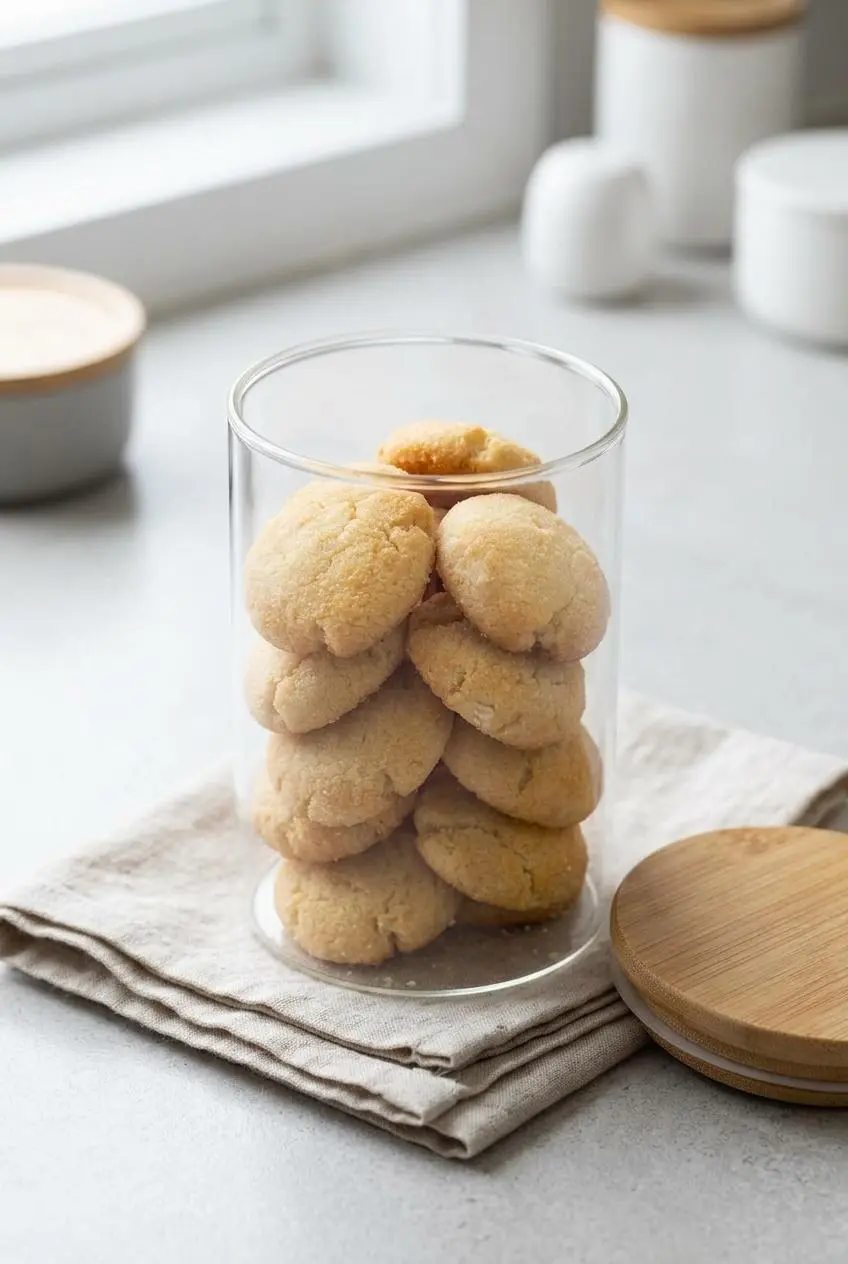
Cool the cookies completely before placing them in an airtight container. Sealing warm cookies traps steam, which softens their golden edges and can make the crumb feel damp. Keep the container away from heat and humidity, or refrigerate the cookies if your kitchen runs warm.
For the best texture, bake shaped dough after it has rested and become easy to handle. If it needs to wait because the fat has softened, refrigerate the bowl until the dough is firm enough to portion cleanly, then shape and bake as directed.
Ideal Serving Pairings and Presentation
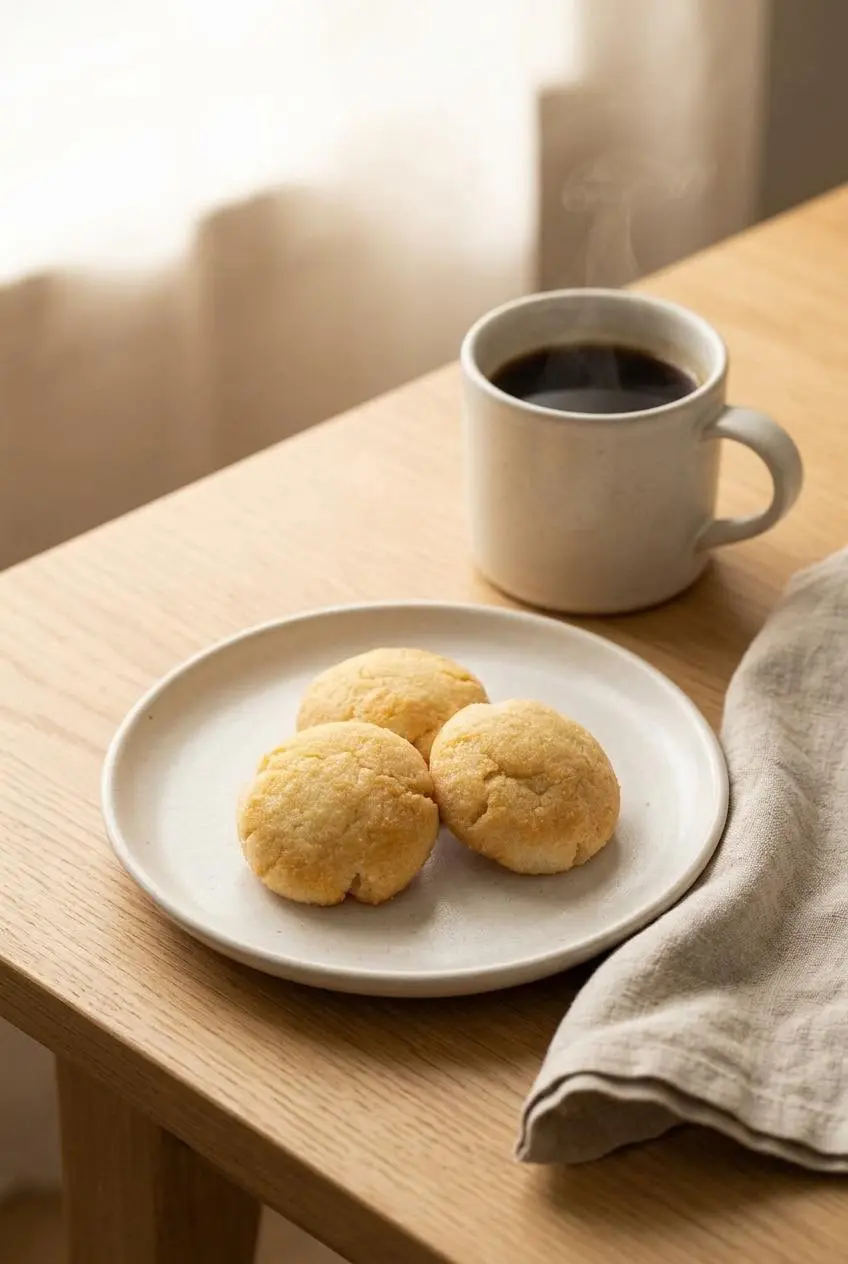
- Serve a cookie with unsweetened black coffee or espresso to balance its buttery sweetness.
- Pair it with chilled unsweetened almond or macadamia milk for a cool contrast to the tender crumb.
- Crumble a cooled cookie over plain keto-friendly vanilla yogurt or a sugar-free berry compote.
- For a more dessert-like plate, add a cookie beside a scoop of keto ice cream.
Enjoying Your Homemade Keto Coconut Cookies
For tender keto coconut cookies with neat golden edges, let the dough rest, press every portion into its final shape, and allow the baked cookies to cool completely on the pan.
Use the ingredient list and method above for the measurements and oven timing, then make the flavor your own with chocolate, warm spices, or citrus zest. A well-shaped cookie is already halfway to a good one.
Frequently Asked Questions
Can I replace coconut flour with almond flour in this recipe?
No. Coconut flour absorbs much more liquid than almond flour. A direct swap will change the dough’s moisture balance and structure. Use a formula developed specifically for almond flour instead of substituting it here.
Why Do Coconut Flour Cookies Not Spread in the Oven?
Coconut flour holds moisture tightly as it bakes. The dough keeps the shape you form before baking instead of melting outward. Press each dough ball into a finished disc before placing the pan in the oven.
Why Are My Coconut Flour Cookies Falling Apart?
The cookies are very delicate while hot. Let them cool completely on the baking sheet so the crumb can set. Dry dough or under-mixed dough can also lead to crumbling, so knead until smooth before shaping.
How Should I Store These Keto Cookies to Keep Them Fresh?
Let the cookies cool fully before storing them. Place them in an airtight container to protect the tender crumb and golden edges. Keep them away from humidity, and refrigerate them if your kitchen is especially warm.
Keto Coconut Flour Cookies

Equipment
- Baking sheet
- Parchment paper
- Mixing bowl
- Fork
Ingredients
- 1/3 cup coconut flour 50g
- 1/3 cup butter or coconut oil softened, 75g
- 2 eggs large
- 1 tsp vanilla extract
- 3 tbsp granulated sweetener or more, to taste. I used a brown sugar substitute
- 1 egg
- 1 tbsp milk of your choice or cream
Instructions
- Heat the oven to 180 °C / 350 °F and line a baking sheet with parchment paper. Have the pan ready before shaping because the dough is easiest to handle once it has rested.
- Combine the coconut flour, softened butter or coconut oil, large eggs, vanilla, and granulated sweetener in a mixing bowl with a fork. The mixture will quickly thicken as the coconut flour starts absorbing the liquid.
- Knead the mixture by hand until it becomes a smooth, unified dough, then let it stand for a few minutes before gathering it into one large ball. The dough should feel pliable and hold together without cracks; if it is too soft to shape, refrigerate the bowl for 15 to 20 minutes.
- Divide the dough into 16 equal portions and roll each portion into a ball. Arrange the balls on the lined baking sheet, then press each one into a thick disc about 4 cm wide and 1.5 cm thick.
- For the optional finish, whisk the remaining egg with the milk or cream and brush the mixture over the shaped cookies. The surface should look lightly coated, not drenched, before it goes into the oven.
- Bake for about 13 to 15 minutes. Remove the cookies when the edges are lightly golden and small surface cracks begin to appear.