Skip to content

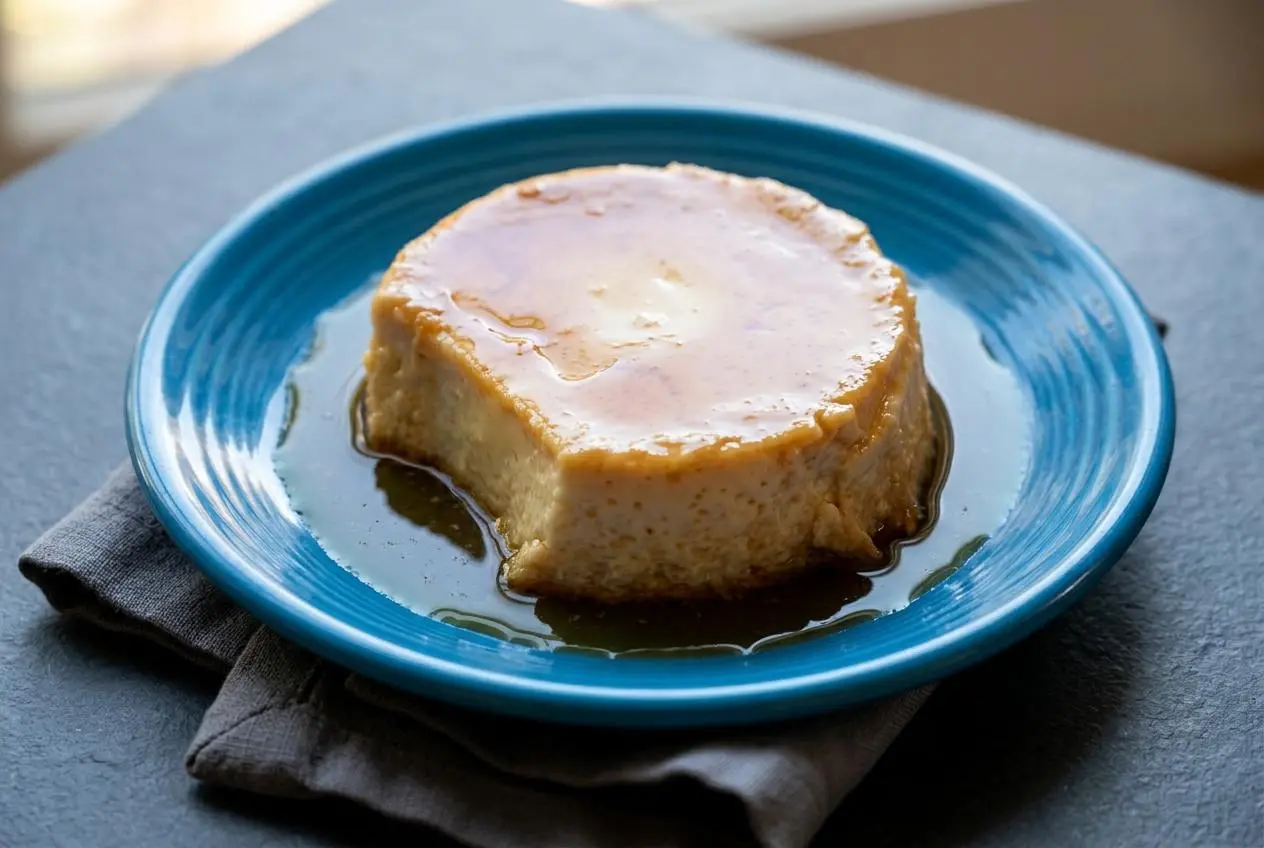
Make keto flan by baking a cream-and-egg custard over a quick syrup caramel layer in a water bath. Pull it when the edges hold steady and the center gently jiggles, then chill before unmolding for silky custard and glossy sauce.
This keto flan pairs heavy whipping cream, eggs, and a granulated sugar substitute without condensed milk. Individual ramekins give each portion its own pool of caramel-style sauce.
The topping needs no stovetop cooking, so you can focus on the custard. Gentle mixing and patient chilling make the difference. Watch for that little wobble.
Choose a baking dish with enough space to lift each ramekin out without tipping its neighbors.
Key Ingredients and Sweetener Guide
Cream brings richness, eggs provide structure, and the extra yolk softens the texture. Sweetener and syrup supply sweetness, vanilla adds aroma, salt balances the custard, and optional molasses deepens the sauce’s color and flavor.
- 1/4 cup sugar-free pancake syrup
- 1/4 teaspoon blackstrap molasses, optional
- 1 cup heavy whipping cream
- 3 tablespoons Swerve or equivalent granulated sweetener
- 1 teaspoon vanilla
- 2 large eggs
- 1 large egg yolk
- 1/8 teaspoon salt
Custard Base Ingredients
Heavy whipping cream supplies a rich dairy base. Whole eggs give the chilled flan enough structure to stand on a plate, while the extra yolk adds creamy richness. Vanilla rounds out the flavor; salt keeps the sweetness from tasting flat.
No-Cook Syrup Caramel vs. Stovetop Allulose Caramel
The syrup topping is a shortcut sauce, not caramelized sugar. Optional blackstrap molasses gives it a darker, slightly bittersweet character, but you can leave it out. Molasses is still a sugar-containing ingredient.
A separate stovetop allulose caramel recipe offers a scratch-made alternative with an amber caramel character. It requires different preparation, so don’t treat it as a direct ingredient swap in the method below.
Choosing the Best Sweetener (Erythritol, Monk Fruit, or Allulose)
Choose a granulated baking sweetener equivalent to the one listed, and dissolve it thoroughly before adding the eggs. Erythritol, monk fruit blends, and allulose products differ in sweetness and composition; check the package rather than assuming equal substitutions.
A sweetener that works in custard may not work in cooked caramel. If a topping turns grainy after chilling, use a caramel-specific formulation rather than trying to repair it inside the finished flan.
Monk Fruit or Powdered Sweetener Substitution
A monk fruit baking blend or powdered alternative may suit the custard, depending on its formulation. Check its sugar-equivalence guidance. Pure concentrated monk fruit is not interchangeable by volume with a granulated blend, and powdered sweetener alone won’t correct overbaked custard.
How to Make Keto Flan Step by Step
This makes 3 individual flans. Allow 10 minutes for preparation and up to 45 minutes for baking, plus the cooling and chilling below.
- Set the oven to 350 °F and gather three 6 oz ramekins with a baking dish that accommodates them.
The ramekins should sit flat without crowding. - Arrange the empty ramekins in the dish, pour water around them to a depth of 1 inch, then lift them out and transfer the water-filled dish to the oven.
The bath will heat while you prepare the fillings. - Stir the pancake syrup with the blackstrap molasses, if using.
The sauce should look evenly blended. - Divide the sauce evenly among the three ramekins.
Each bottom should have a syrup layer. - Stir the cream, granulated sweetener, salt, and vanilla together in a medium bowl until the sweetener dissolves.
The mixture should no longer feel gritty when stirred. - Break up the whole eggs and extra yolk with a whisk in a separate small bowl.
The whites and yolks should form a uniform mixture. - Gradually introduce the egg mixture into the cream while whisking gently.
Stop when the custard looks consistent, without separate egg streaks. - Spoon the custard over the syrup in equal portions, then carefully lower the filled ramekins into the heated water bath.
Syrup rising around the custard’s edges is normal. - Bake for 35–45 minutes, checking for a set surface with movement at the center.
A gentle nudge should reveal a soft central wobble rather than liquid sloshing. - Leave the ramekins in the baking dish for 10 minutes after removing it from the oven.
The delicate custard will begin to settle as it cools. - Lift the ramekins from the bath and refrigerate for at least 2 hours.
Chilling gives the custard the firmness needed for unmolding. - Trace a thin knife around the inside wall of each ramekin when ready to serve.
Keep the blade close to the dish to preserve the custard’s sides. - Cover each ramekin with a plate and turn the pair over together.
The ramekin should now sit upside down on the plate. - Give the inverted ramekin a gentle jiggle, then lift it away once the flan releases and serve cold.
The sauce should pool around the custard.
Expert Tips, Troubleshooting, and Unmolding Guide
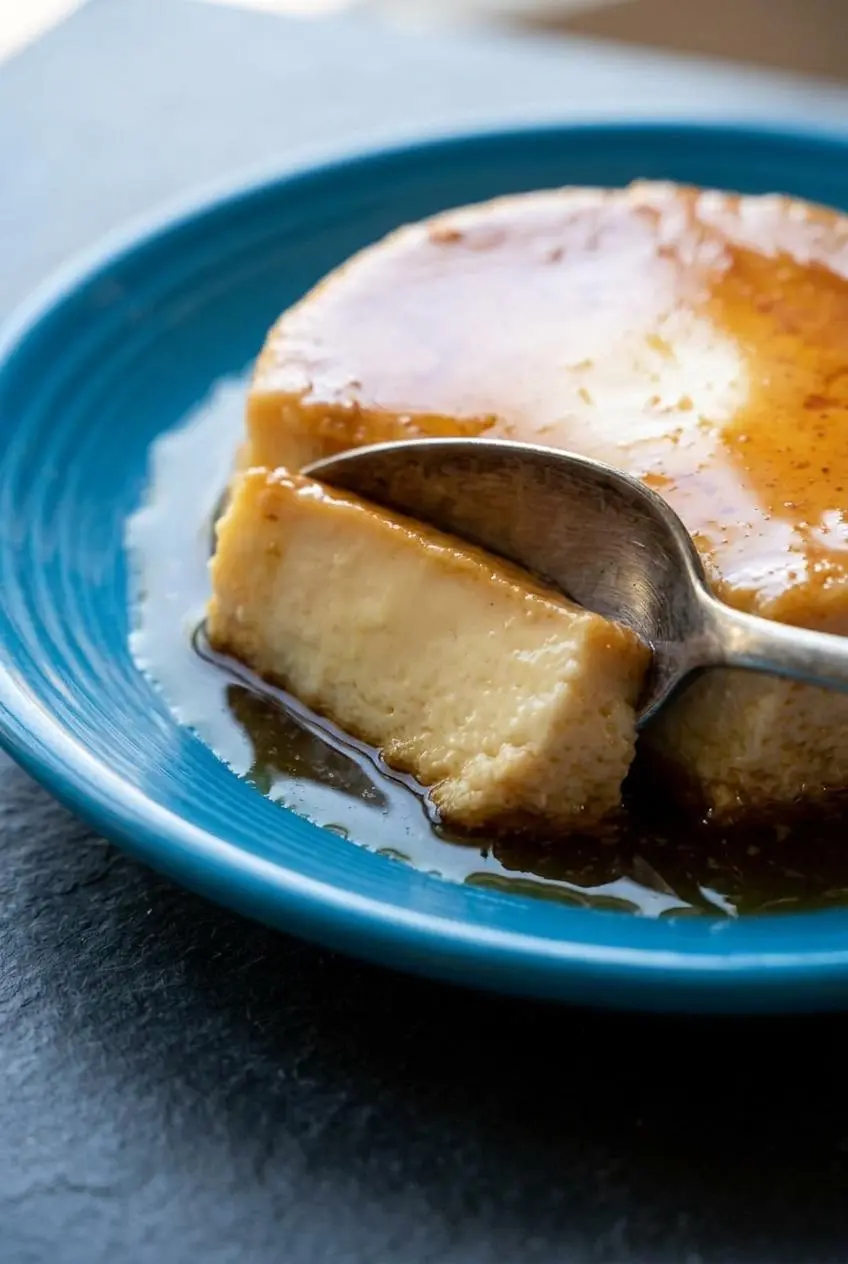
Texture problems usually come from excess air, uneven heat, or baking past the gentle-wobble stage.
Mastering the Water Bath (Bain-Marie)
The hot water bath moderates the heat around the ramekins, helping the delicate egg custard set evenly.
- Rubbery edges: Excess baking can make the custard firm and eggy; check before the center becomes rigid.
- Loose center: Liquid sloshing means the custard hasn’t reached the intended set; look for a cohesive, gelatin-like wobble.
- Uneven texture: Skipping the bath exposes the ramekins to harsher heat; use the heated bath as directed.
Straining and Citrus Zest for Velvety Texture and Balanced Flavor
For an optional smoother finish, pass the combined custard through a fine-mesh sieve before filling the ramekins. This catches unmixed egg strands. Gentle whisking also limits foam.
Fresh citrus zest is an optional flavor variation that brightens the cream. It adds tiny flecks, so skip it when you want an entirely smooth custard.
I’d choose gentle stirring over vigorous whisking here; a foamy bowl isn’t the goal for a silky flan.
How to Unmold Flan Without Sticking
- Custard tears: Warm flan is fragile; let it chill fully before loosening the rim.
- Edges cling: Run a thin blade against the ramekin wall rather than cutting inward.
- Bottom won’t release: Return the ramekin upright, rest its bottom briefly in warm water without wetting the custard, then invert again with a gentle jiggle.
Delicious Keto Flan Variations
These optional directions change flavor or texture and belong outside the ingredient list above.
Stovetop Allulose Caramel Variation
Choose a dedicated allulose caramel recipe if you prefer a cooked amber topping. Don’t assume an erythritol or monk fruit blend will produce the same sauce; use directions developed for the specific sweetener.
Keto Cream Cheese Flan (Flan de Queso)
Cream cheese gives flan de queso a denser body and tangy, cheesecake-like richness. It changes the custard’s balance, so use a formulation designed for cream cheese rather than adding it freely to this mixture.
Nut Milk and Citrus Zest Custard Variation
A blend of heavy cream and unsweetened macadamia or almond milk offers a lighter direction, with lemon or orange zest for aroma. Changing the dairy can affect firmness, so keep the cream version above for the stated baking guidance.
Make-Ahead and Refrigerator Storage Tips
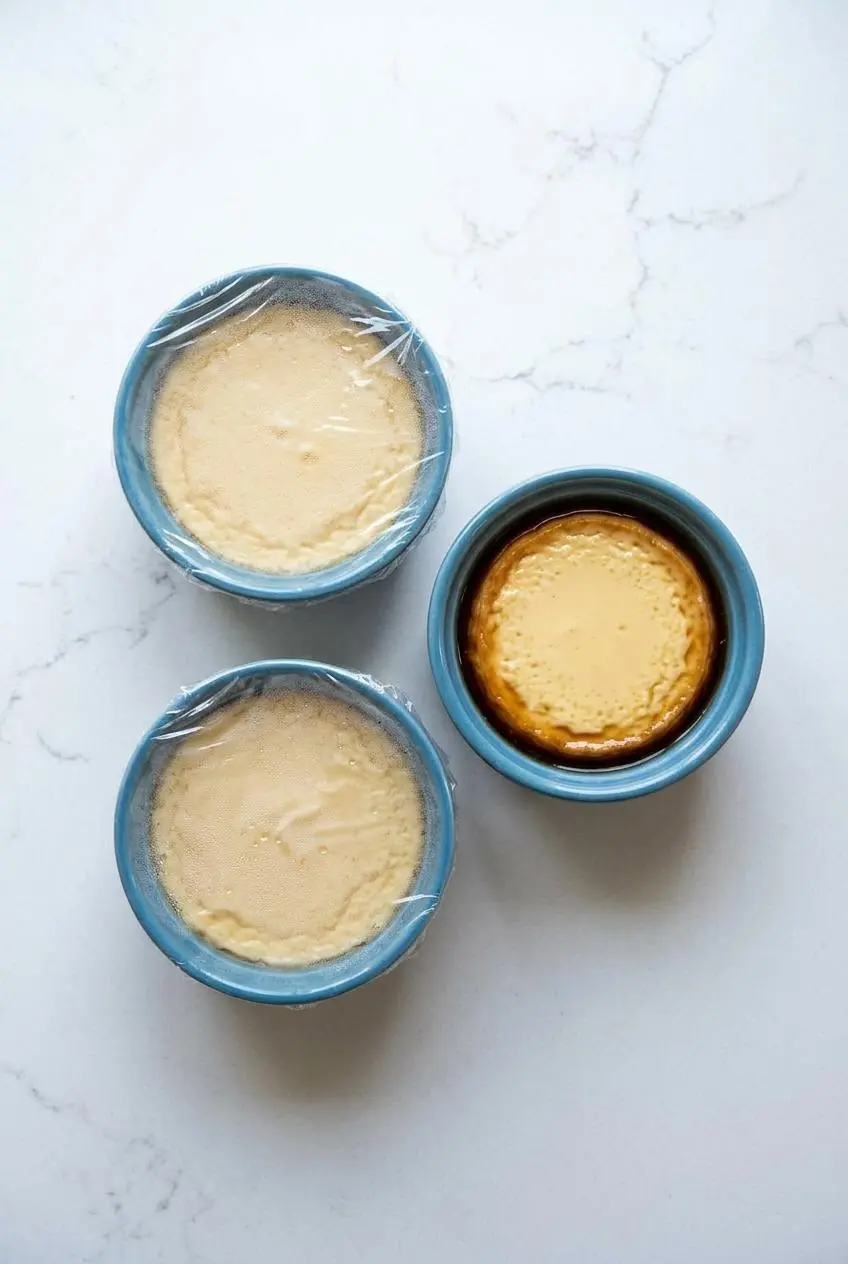
Plan around the chilling step, not just the oven time. The custard needs that refrigerator rest before it can hold its shape outside the ramekin.
Keep chilled flans covered in their ramekins until serving, and refrigerate leftovers in a covered container. Unmold only the portions you need to protect the remaining custards from unnecessary handling.
How to Serve Keto Flan
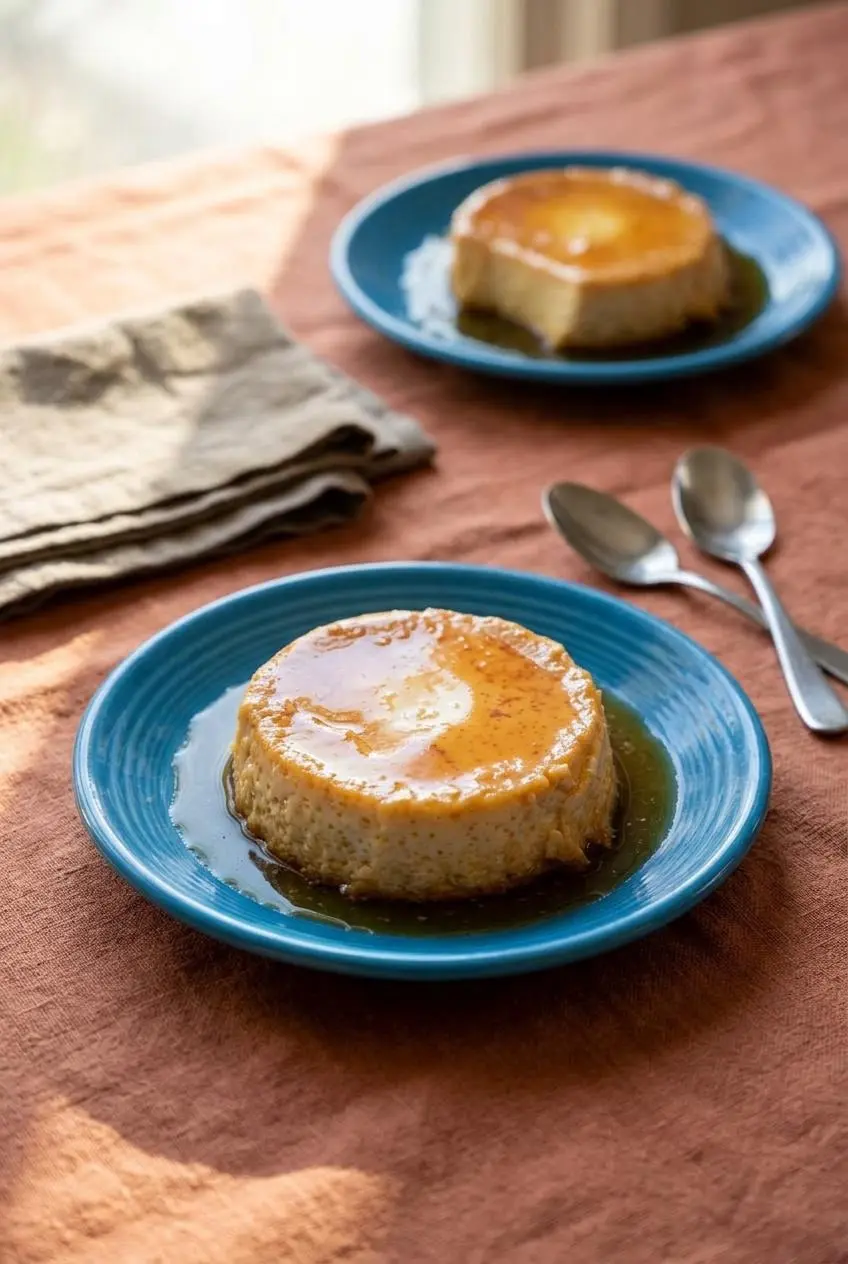
Serve cold on rimmed dessert plates that catch the sauce. The individual ramekins provide ready-to-serve portions; a larger shared flan would need its own pan and baking guidance rather than the ramekin timing above.
For a Mexican-inspired dinner, follow savory keto taco cups with the chilled custard.
Final Thoughts on Making Keto Flan at Home
Rich cream custard and a quick caramel-style topping make a satisfying pairing without stovetop sugar work.
Watch for a gentle center jiggle, then give the flans their full chill before inverting. Patience makes that first spoonful smoother.
Frequently Asked Questions
Is Flan Keto Friendly?
Traditional flan commonly includes sugar and sometimes sweetened condensed milk; this version uses heavy cream and sugar substitutes. Whether it fits your eating plan depends on your chosen products and portion, including whether you use the optional molasses.
What Can I Use Instead of Sugar for Flan?
Use the listed granulated sweetener or an equivalent baking blend for the custard. For the topping, use the syrup method here or a separate caramel recipe designed for allulose.
Can I Make Flan Without Sugar?
Yes, eggs provide the custard’s setting structure; table sugar isn’t required for this method. Omit the optional molasses if avoiding that added sugar, and check your syrup and sweetener labels.
Why Do You Need a Water Bath for Keto Flan?
The bath moderates heat around the ramekins so the custard sets more evenly. It helps limit overcooked edges while the center reaches a gentle wobble.
What Should I Do If My Keto Flan Sticks to the Ramekin When Unmolding?
Check that the custard is thoroughly chilled and loosen its edge with a thin knife. If it still clings, briefly warm the ramekin’s bottom in water, then invert and jiggle gently again.
Keto Flan

Equipment
- 6 oz ramekins
- Baking dish
- Mixing bowls
- Whisk
Ingredients
- 1/4 cup sugar-free pancake syrup
- 1/4 teaspoon blackstrap molasses optional
- 1 cup heavy whipping cream
- 3 tablespoons Swerve or equivalent granulated sweetener
- 1 teaspoon vanilla
- 2 large eggs
- 1 large egg yolk
- 1/8 teaspoon salt
Instructions
- Set the oven to 350 °F and gather three 6 oz ramekins with a baking dish that accommodates them. The ramekins should sit flat without crowding.
- Arrange the empty ramekins in the dish, pour water around them to a depth of 1 inch, then lift them out and transfer the water-filled dish to the oven. The bath will heat while you prepare the fillings.
- Stir the pancake syrup with the blackstrap molasses, if using. The sauce should look evenly blended.
- Divide the sauce evenly among the three ramekins. Each bottom should have a syrup layer.
- Stir the cream, granulated sweetener, salt, and vanilla together in a medium bowl until the sweetener dissolves. The mixture should no longer feel gritty when stirred.
- Break up the whole eggs and extra yolk with a whisk in a separate small bowl. The whites and yolks should form a uniform mixture.
- Gradually introduce the egg mixture into the cream while whisking gently. Stop when the custard looks consistent, without separate egg streaks.
- Spoon the custard over the syrup in equal portions, then carefully lower the filled ramekins into the heated water bath. Syrup rising around the custard’s edges is normal.
- Bake for 35–45 minutes, checking for a set surface with movement at the center. A gentle nudge should reveal a soft central wobble rather than liquid sloshing.
- Leave the ramekins in the baking dish for 10 minutes after removing it from the oven. The delicate custard will begin to settle as it cools.
- Lift the ramekins from the bath and refrigerate for at least 2 hours. Chilling gives the custard the firmness needed for unmolding.
- Trace a thin knife around the inside wall of each ramekin when ready to serve. Keep the blade close to the dish to preserve the custard’s sides.
- Cover each ramekin with a plate and turn the pair over together. The ramekin should now sit upside down on the plate.
- Give the inverted ramekin a gentle jiggle, then lift it away once the flan releases and serve cold. The sauce should pool around the custard.