Skip to content

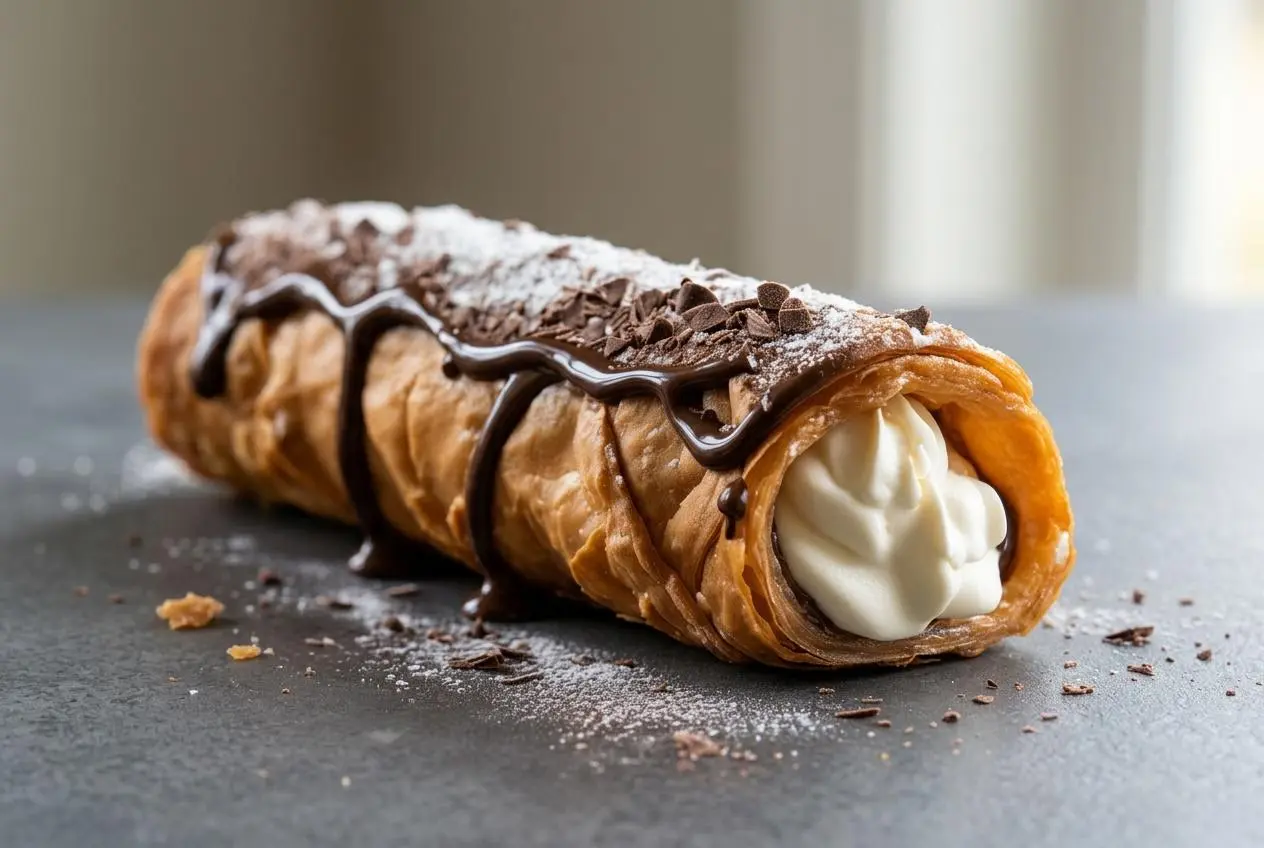
Homemade keto cannoli pair crisp, golden almond flour shells with velvety sweet ricotta cream. Shape the dough around cannoli molds, fry or bake until crisp, and pipe in the chilled filling just before serving for the best contrast of crunch and cream.
These keto cannoli are handheld Italian-style pastries made with almond flour and allulose instead of wheat flour and sugar. Vanilla and cinnamon flavor both the shells and the filling, with optional chocolate chips tucked into the cream.
The dough needs gentle handling, but parchment paper makes rolling much easier. Keeping the shells and cream separate until serving protects that satisfying first bite. The crunch is worth the wait.
Set out parchment paper and metal cannoli molds before rolling so the delicate dough doesn’t sit waiting while you search a drawer.
Key Ingredients for Crisp Shells and Creamy Filling
Almond flour gives the shells their nutty character, egg supplies structure, and butter adds richness. Allulose brings sweetness and browning, while ricotta and heavy cream create the filling’s soft body. Vanilla, cinnamon, salt, and vinegar round out flavor and balance.
- 1 cup almond flour
- 2 tbsp cocoa powder (optional for a chocolate shell)
- 1/4 cup Keystone Pantry Allulose
- 1/2 tsp cinnamon
- 1/4 tsp salt
- 1 egg
- 1 tbsp butter, melted
- 1 tsp vanilla extract
- 1–2 tbsp water (if needed)
- 1 tbsp apple cider vinegar
- Oil for frying (avocado or coconut oil)
- 1 cup ricotta cheese (or mascarpone for a richer filling)
- 1/2 cup heavy whipping cream
- 1/4 cup Keystone Pantry Allulose (adjust to taste)
- 1/2 tsp vanilla extract
- 1/4 tsp cinnamon
- 2 tbsp Keystone Pantry sugar-free chocolate chips (optional)
Finely ground, blanched almond flour gives the dough a more even texture than coarse almond meal. Egg binds the mixture, melted butter contributes tenderness, and vinegar adds acidity and moisture. This dough won’t stretch like wheat pastry, so support it as you roll and lift it.
Optional cocoa darkens the shell and adds chocolate flavor. Allulose encourages browning, which makes watching the shells especially useful as they cook.
Whole-milk ricotta gives the cream richness, while heavy whipping cream helps it become fluffy. Mascarpone, the listed alternative, makes a denser, richer filling. Allulose works well in the cold cream; finely powdered sweeteners are another option when avoiding grit matters.
How to Make Keto Cannoli Step-by-Step
This recipe makes 8 servings. Have a thermometer, parchment paper, metal cannoli molds, and a piping bag ready, and allow for both dough chilling and filling chilling as you organize the cooking.
- Combine the almond flour, optional cocoa, allulose, cinnamon, and salt with a whisk, then work in the egg, melted butter, vanilla, and vinegar; add water only if necessary, 1 tbsp at a time within the listed amount, before wrapping the dough in plastic and refrigerating for 30 minutes.
The dough should press into a cohesive mass without leaving a sticky coating on your fingers. - Roll the cold dough between parchment sheets to about 1/8-inch thickness, cut 3–4-inch rounds, and curve each round around a metal cannoli mold, moistening the overlapping edges with water to seal.
A smooth overlap without a split or open gap helps the shell retain its tube shape. - Bring the frying oil to 350°F and cook the molded shells for 1–2 minutes, then lift them out, carefully release them from the molds, and leave them to cool completely; alternatively, bake the shaped shells at 375°F for 8–10 minutes.
Look for a golden, crisp surface, and protect your hands from the hot metal when easing off each shell. - Beat the ricotta, heavy cream, allulose, vanilla, and cinnamon into an airy mixture, gently incorporate the optional chocolate chips, and refrigerate the filled piping bag for at least 30 minutes.
The chilled cream should hold a soft mound rather than run flat. - Fill the completely cooled shells with the chilled cream, finish with extra allulose or sugar-free chocolate chips at the ends if desired, and serve immediately.
The filling should reach through the center while the pastry remains crisp around it.
Pipe from both ends to avoid leaving an empty pocket in the middle. If you include chocolate chips, use an opening wide enough for them to pass through without clogging.
Expert Tips and Troubleshooting for Perfect Low-Carb Shells
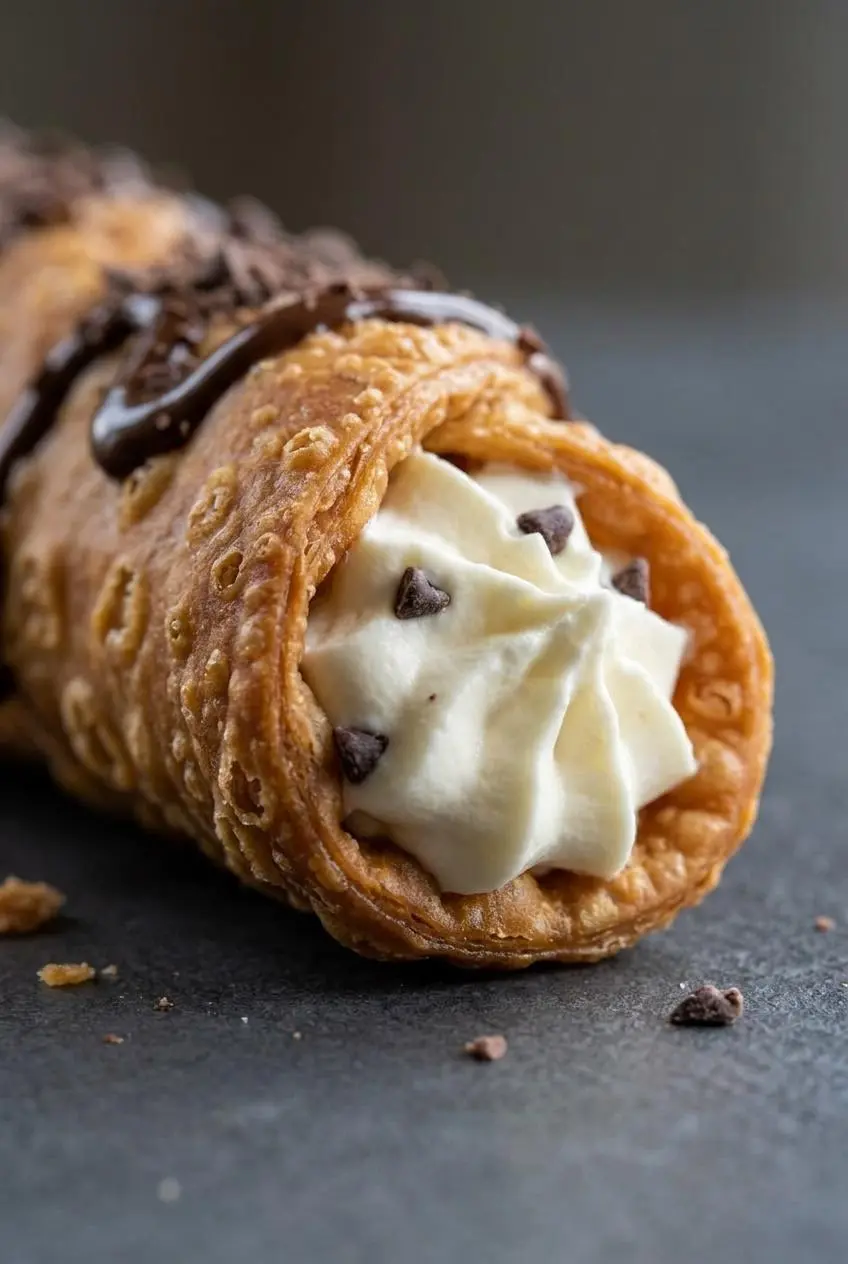
Most problems come from moisture, dough temperature, or handling the fragile shells too firmly.
- Dough cracks around the mold: It may be too dry, or you may be pulling it rather than curving it gently. Use the listed water allowance cautiously and lift the dough with help from the parchment.
- Dough sticks during transfer: Too much water or softened dough can make it cling. Stop adding water once it holds together and keep the parchment in place while rolling.
- The seam opens: Dry edges won’t grip each other well. Dampen just the overlap and press gently without flattening the whole shell.
- A shell sticks to its mold: Pulling on the thin rim can crack it. Protect your hands from the hot tube, support the shell along its length, and ease it off without squeezing.
- The filling looks watery: Drain the ricotta in a fine sieve or cheesecloth-lined strainer over a bowl in the refrigerator before mixing. Stop when visible excess whey has drained and the cheese holds its shape.
- The pastry softens after filling: Warm shells or early assembly let moisture reach the crust. Cool the shells fully and fill only when you’re ready to serve.
I’d choose ricotta that mounds on a spoon rather than spreads into a puddle; controlling that moisture matters more than adding extra sweetener.
Metal molds offer the most predictable support. Homemade foil tubes can bend or trap dough, so don’t assume they’re interchangeable for frying. Glass cups can support already-cooked, rolled pizzelle cookies as they cool, but they aren’t a substitute for frying molds.
Delicious Variations and Shell Alternatives
Keep these optional changes separate from the rolled almond flour method, especially when switching appliances or replacing dairy.
- No-shell cannoli dip: Spoon the chilled cream into a bowl and serve with strawberries or raspberries.
- Mini cannoli: Smaller shells offer a bite-sized presentation, but they need closer cooking checks rather than an assumed identical cooking time.
Oven-Baked, Air-Fried, or Pizzelle-Pressed Keto Shells
- Fried: Oil cooking gives the most traditional blistered surface and pronounced pastry crunch.
- Oven-baked: Use the baking directions above for a lower-oil option with a different, less blistered exterior.
- Air-fried: Circulating heat offers another crisping approach, but this dough has no validated air-fryer setting here. Use directions developed for your appliance rather than copying the oven timing.
- Pizzelle-pressed: A pizzelle-style cookie rolls into a tube while warm and sets as it cools. It needs a suitable pizzelle batter, not an assumed substitution of this rolled dough.
Mascarpone-Enriched & Citrus-Kissed Sicilian Filling
For an optional richer cream, blend mascarpone with ricotta or use the listed mascarpone alternative. Grated orange zest adds brightness, while chopped pistachios bring contrasting crunch. These flavors complement the cinnamon without overwhelming the cheese.
Dairy-Free Keto Cannoli
A dairy-free adaptation can use plant-based butter or coconut oil in the shells, almond- or cashew-based ricotta, and chilled coconut cream in the filling. Product textures vary, so expect adjustments rather than an identical result; coconut ingredients may also contribute noticeable flavor.
Traditional Garnishes and Serving Ideas
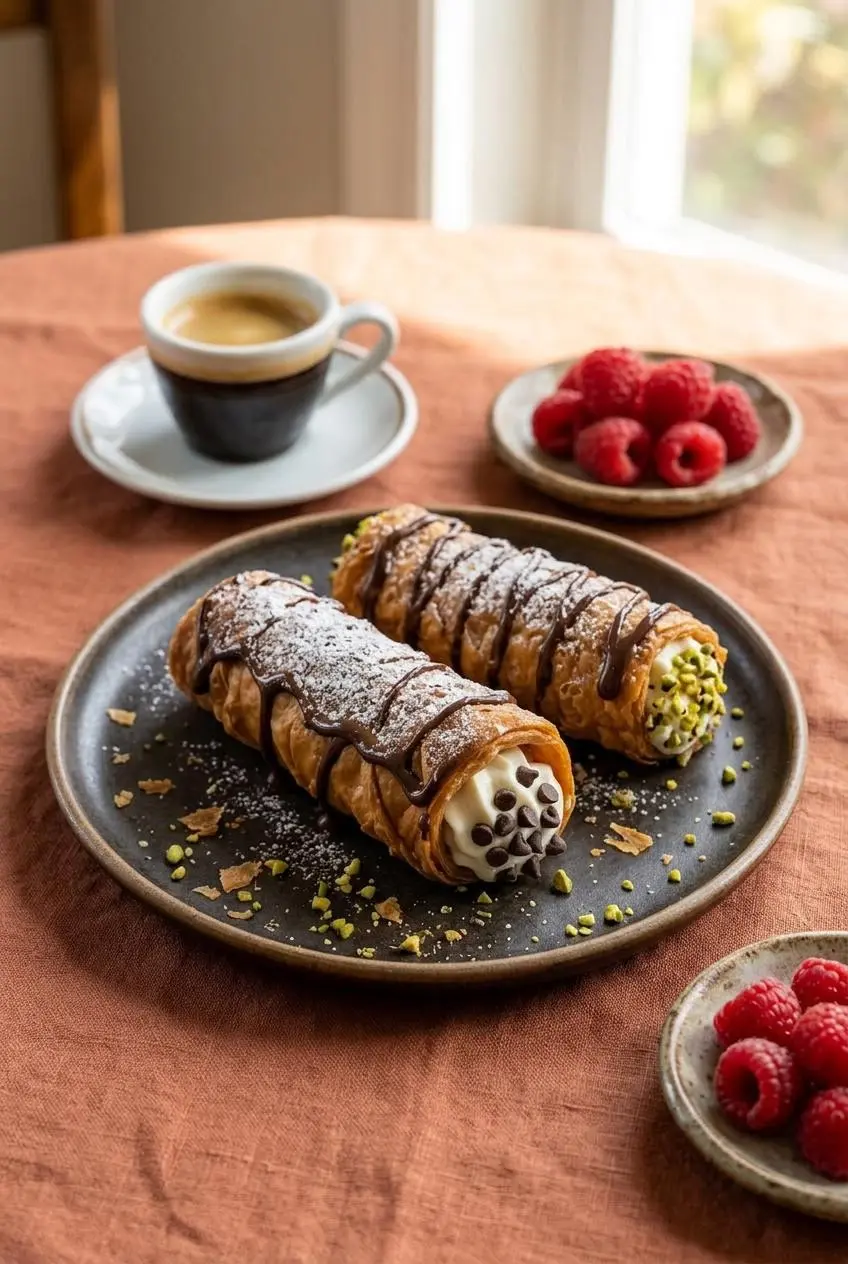
Finish the cannoli just before they reach the table so the toppings stay neat and the shells retain their texture.
- Dip the exposed cream into mini sugar-free chocolate chips or finely chopped pistachios.
- Dust lightly with powdered low-carb sweetener, or add a drizzle of melted sugar-free dark chocolate.
- Use fresh citrus zest instead of candied fruit for a bright finish.
- Serve with espresso and fresh raspberries or sliced strawberries.
For a larger Italian-inspired dessert spread, pair the pastries with homemade keto tiramisu and let guests choose between crisp pastry and a spoonable dessert.
Make-Ahead and Storage Guide
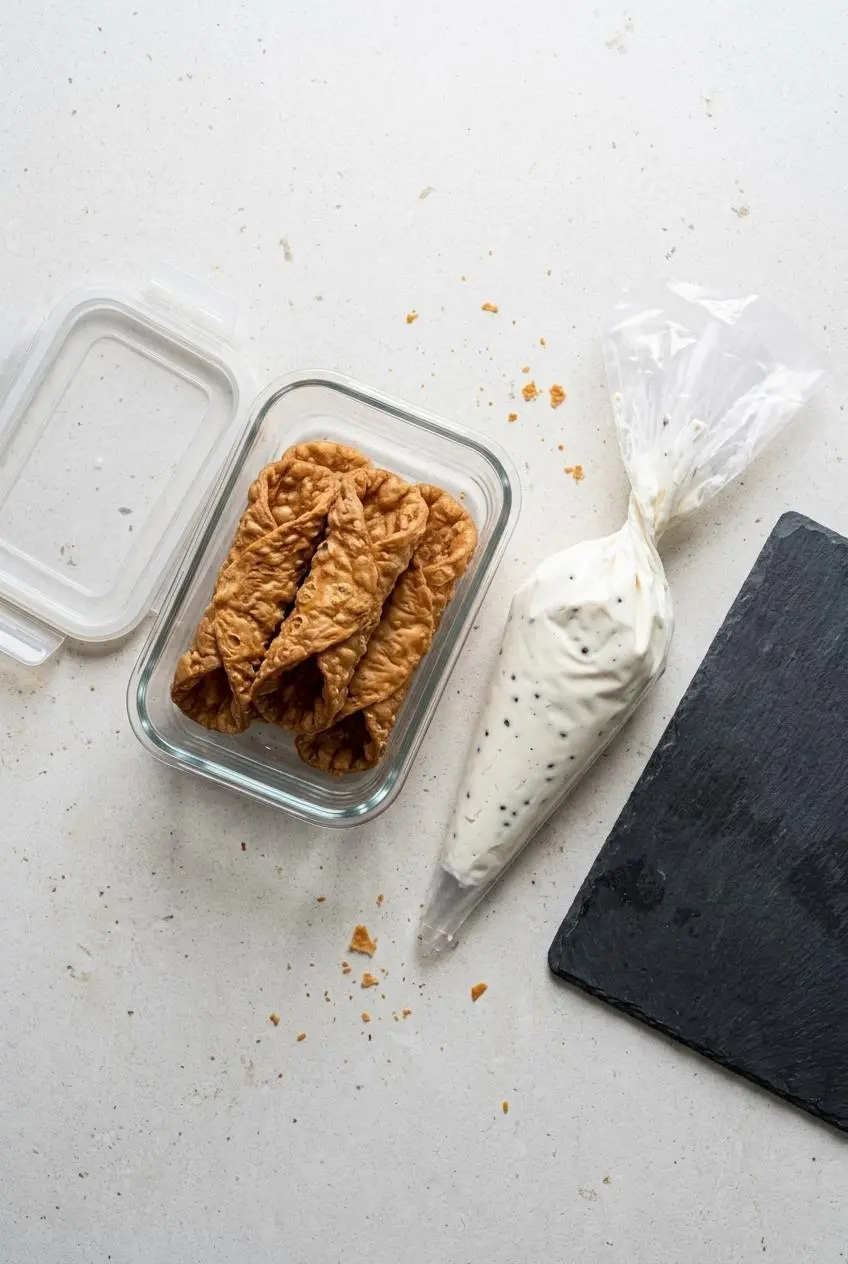
Prepare and hold the components separately when texture matters. Keep completely cooled, unfilled shells in an airtight container away from humidity, and keep the filling refrigerated in a sealed piping bag or covered container.
Assemble only the cannoli you plan to serve. Refrigerate filled leftovers promptly, recognizing that the cream will gradually soften the pastry. Separate storage protects crunch better than trying to preserve an already-filled shell.
Final Thoughts on Homemade Keto Cannoli
Almond flour shells, allulose, and sweet ricotta cream bring the familiar contrast of Italian pastry to a low-carb dessert. Gentle rolling and careful moisture control help both components shine.
Keep the cream chilled and the shells unfilled until serving. Then pipe, finish, and enjoy the crunch while it’s at its best.
Frequently Asked Questions
Can I Bake the Cannoli Shells Instead of Frying?
Yes. Bake the shaped shells on their molds using the oven directions in the method. Expect a less blistered exterior than fried shells, and cool them completely before filling.
How Do I Prevent Keto Cannoli Shells From Getting Soggy?
Drain watery ricotta before mixing and chill the finished cream until pipeable. Fill completely cooled shells immediately before serving.
What Is the Best Low-Carb Sweetener for Cannoli Filling?
Allulose is the choice used here for smooth sweetness. Powdered monkfruit blends or confectioners-style erythritol are alternatives, but sweetness and cooling sensation vary by product.
Can I Make Keto Cannoli Dairy-Free?
Yes, as an adaptation using plant-based butter or coconut oil, nut-based ricotta, and coconut cream. Expect a different flavor and consistency, and check product labels when avoiding dairy.
What’s the Difference Between a Sicilian Cannoli and a Regular Cannoli?
Cannoli are Sicilian in origin, so “regular cannoli” isn’t a separate formal category. Traditional versions emphasize sweetened ricotta inside fried pastry; adaptations may add heavy cream, mascarpone, or cream cheese.

Keto Cannoli

Equipment
- Metal cannoli molds
- Parchment paper
- Thermometer
- Piping bag
- Whisk
Ingredients
- 1 cup almond flour
- 2 tbsp cocoa powder (optional for a chocolate shell)
- 1/4 cup Keystone Pantry Allulose
- 1/2 tsp cinnamon
- 1/4 tsp salt
- 1 egg
- 1 tbsp butter melted
- 1 tsp vanilla extract
- 1–2 tbsp water (if needed)
- 1 tbsp apple cider vinegar
- Oil for frying (avocado or coconut oil)
- 1 cup ricotta cheese (or mascarpone for a richer filling)
- 1/2 cup heavy whipping cream
- 1/4 cup Keystone Pantry Allulose (adjust to taste)
- 1/2 tsp vanilla extract
- 1/4 tsp cinnamon
- 2 tbsp Keystone Pantry sugar-free chocolate chips (optional)
Instructions
- Combine the almond flour, optional cocoa, allulose, cinnamon, and salt with a whisk, then work in the egg, melted butter, vanilla, and vinegar; add water only if necessary, 1 tbsp at a time within the listed amount, before wrapping the dough in plastic and refrigerating for 30 minutes. The dough should press into a cohesive mass without leaving a sticky coating on your fingers.
- Roll the cold dough between parchment sheets to about 1/8-inch thickness, cut 3–4-inch rounds, and curve each round around a metal cannoli mold, moistening the overlapping edges with water to seal. A smooth overlap without a split or open gap helps the shell retain its tube shape.
- Bring the frying oil to 350°F and cook the molded shells for 1–2 minutes, then lift them out, carefully release them from the molds, and leave them to cool completely; alternatively, bake the shaped shells at 375°F for 8–10 minutes. Look for a golden, crisp surface, and protect your hands from the hot metal when easing off each shell.
- Beat the ricotta, heavy cream, allulose, vanilla, and cinnamon into an airy mixture, gently incorporate the optional chocolate chips, and refrigerate the filled piping bag for at least 30 minutes. The chilled cream should hold a soft mound rather than run flat.
- Fill the completely cooled shells with the chilled cream, finish with extra allulose or sugar-free chocolate chips at the ends if desired, and serve immediately. The filling should reach through the center while the pastry remains crisp around it.