Skip to content
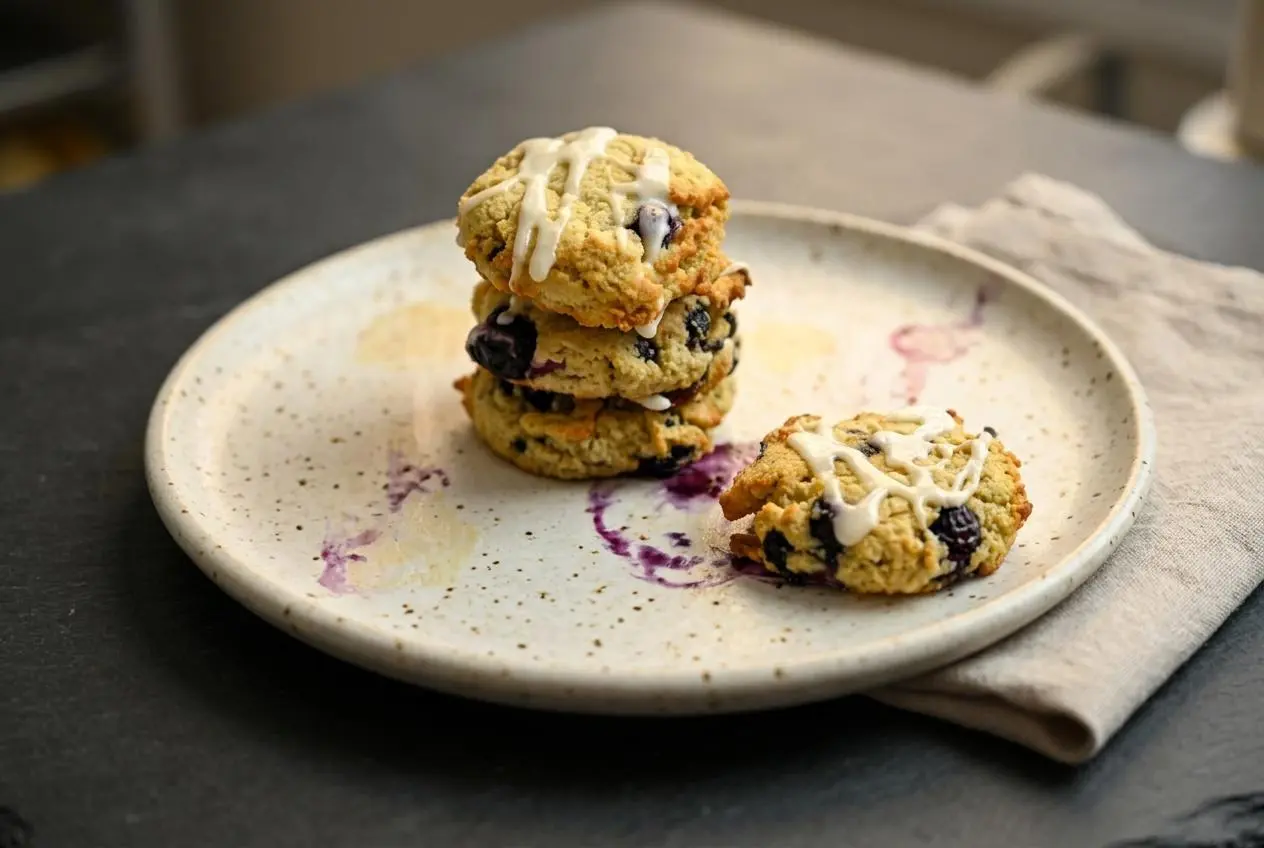
Keto blueberry cookies are soft, grain-free cookies with a tender buttery crumb, bursts of fruit, and a lemon glaze. Chilling the coconut flour dough and cooling the cookies fully are the keys to a sturdy, soft-baked finish.
These keto blueberry cookies pair rich cream cheese with vanilla, tart berries, and a lightly sweet citrus drizzle. They land somewhere between a cake-like cookie and a delicate bakery treat.
The dough rests before baking, which gives coconut flour time to thicken the mixture and helps the cookies hold their shape. That lemon glaze is worth the wait.
Use room-temperature butter, cream cheese, and eggs so the dough blends smoothly instead of looking separated.
Essential Ingredients for Perfect Low-Carb Blueberry Cookies
Each ingredient supports the cookie’s soft structure, berry-studded texture, rich flavor, or bright finishing glaze.
- 1 cup of coconut flour
- 1 1/2 cups fresh or frozen blueberries divided
- 1 ½ teaspoons of baking powder
- ¼ teaspoon salt
- ½ cup unsalted butter softened
- 4 ounces of full-fat cream cheese, softened
- 1 cup granulated sugar substitute
- 4 eggs, room temperature
- 2 teaspoons of vanilla extract
- 1/2 cup of confectioners’ sugar substitute
- 2 -3 tablespoons of heavy whipping cream
- 1 teaspoon of lemon extract
Coconut flour is especially absorbent, so it needs the moisture and binding power of eggs, butter, and cream cheese. It creates a pillowy, cake-like crumb rather than the denser, crisper texture associated with almond flour.
Softened butter and full-fat cream cheese beat into a smooth, pale mixture that keeps the cookies tender. Baking powder gives the dough a little lift, while salt keeps the sweetener, vanilla, lemon, and berry flavors from tasting flat.
Fresh blueberries usually stay more defined and create less color streaking. Pat them dry after washing. Frozen blueberries work too, but fold them in while still frozen so they release less moisture and do not tint the whole dough purple-gray.
Granulated sugar substitute sweetens the cookie base, while confectioners’ sugar substitute dissolves more smoothly into the glaze. Pure erythritol can leave a cool finish for some people, while monk fruit blends and confectioners-style substitutes often taste rounder. Check the package directions for how each product handles baking.
I prefer to fold berries through with a light hand, leaving most whole so each cookie has clear pockets of fruit instead of a wet, streaky crumb.Step-by-Step Preparation & Baking Method for Keto Blueberry Cookies
The dough should look thick and scoopable after chilling, not loose like a pourable cake batter. Follow the measurements and bake time below closely, then rely on the pale centers and lightly golden edges to judge doneness.
- Whisk the coconut flour, baking powder, and salt together in a large mixing bowl.
Break up any coconut flour clumps so the finished dough thickens evenly. - Mash 1/4 cup of the blueberries in a separate bowl, unless using frozen blueberries.
Keep the remaining berries whole for distinct fruit pockets throughout the cookies. - Beat the softened butter, cream cheese, granulated sugar substitute, vanilla extract, and mashed blueberries with an electric mixer until smooth.
The mixture should look evenly blended and lighter in color, with no visible pieces of cream cheese. - Add the eggs one at a time, beating well after each addition.
Stop when the mixture looks cohesive and creamy rather than separated. - Fold in the remaining 1 1/4 cups of whole blueberries.
Use gentle strokes so the berries stay intact and the dough does not become overly streaked. - Add the dry mixture to the wet mixture and beat until fully incorporated.
Within a few minutes, the coconut flour will absorb moisture and noticeably thicken the dough. - Cover the dough and refrigerate it for at least 30 minutes.
The chilled dough should feel firmer and easier to portion without spreading through the scoop. - Preheat the oven to 350°F and line a baking sheet with parchment paper.
Set the tray up before shaping so the chilled dough goes straight onto the prepared surface. - Portion the dough with a small cookie scoop or tablespoon, then roll each portion into a ball.
Keep the portions similar in size so the cookies bake at the same pace. - Arrange the dough balls on the parchment-lined baking sheet.
Leave space between them for gentle spreading in the oven. - Press each dough ball down slightly.
The rounds should remain thick enough to bake with soft centers. - Bake for 15-20 minutes, until the edges show a light golden ring.
The tops should look matte, while the centers still feel soft and delicate. - Leave the cookies on the baking sheet until fully cooled.
A faint sizzle may fade as they settle, and the crumb firms as the fats and coconut flour set. - Whisk the confectioners’ sugar substitute, lemon extract, and heavy whipping cream in a small bowl.
The glaze should become smooth and fluid enough to fall from a spoon in a thin ribbon. - Drizzle the glaze over the cooled cookies.
It will change from translucent to an opaque satin-like finish as it sets on the room-temperature cookies.
Understanding Low-Carb Ingredients and Ketogenic Dietary Context
Blueberries bring real fruit flavor to a low-carb bake, but they also contribute carbohydrates. Whether they fit a ketogenic eating pattern depends on your overall portions, personal carbohydrate target, and the rest of your meals that day.
Coconut flour is grain-free and naturally high in fiber, but it behaves very differently from nut flours. Its strong absorbency is why this dough uses eggs and dairy for structure. If you enjoy the denser texture of nut-based dough, these almond flour cookies offer a useful contrast.
Sugar substitutes also vary in taste and baking behavior. Erythritol may crystallize slightly as cookies cool, while monk fruit blends can soften that effect. Use a sweetener you enjoy and keep in mind that package labeling methods can differ.
Mastering the Texture: Pro Tips & Troubleshooting
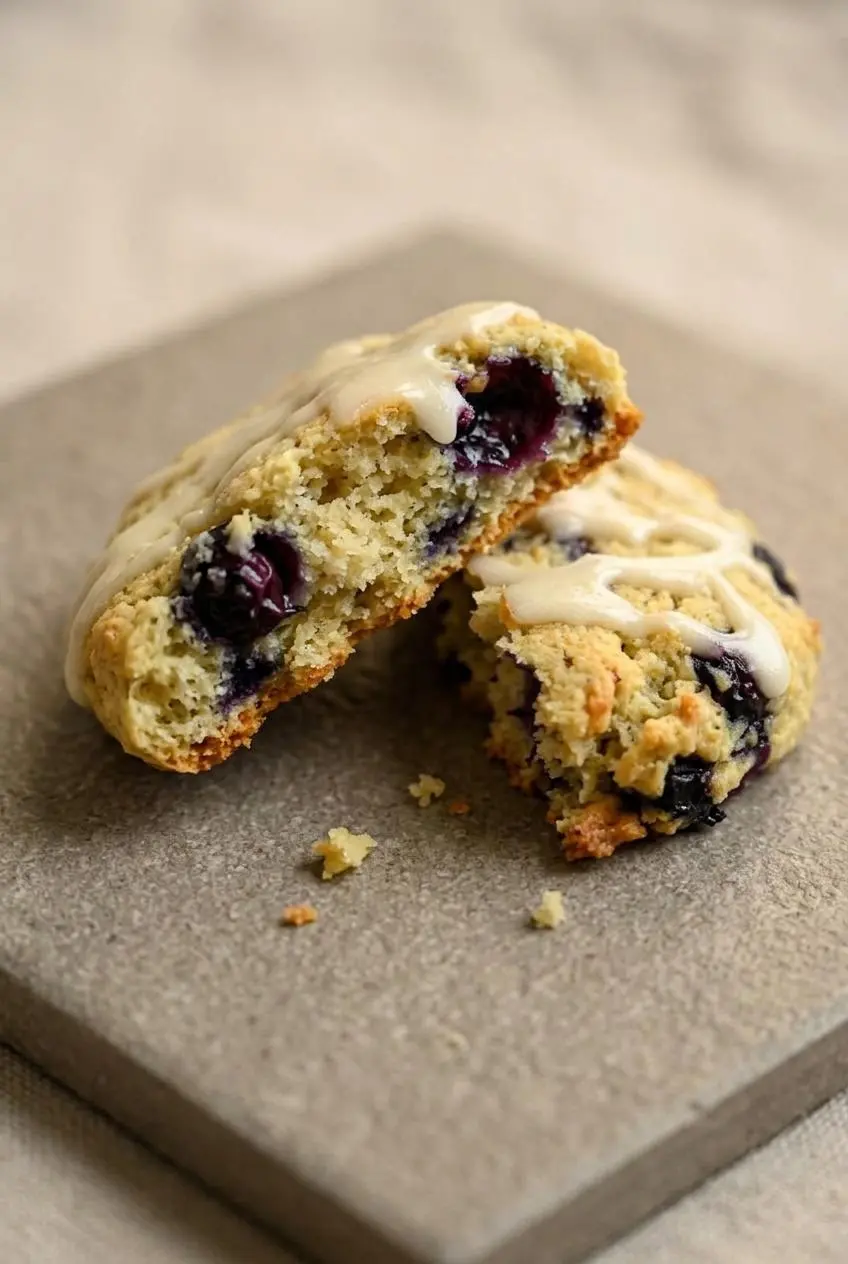
Soft low-carb cookies need a little patience. These fixes target the problems that most often affect berry-filled coconut flour dough.
- The cookies crumble when moved: They are still setting. Leave them on the baking sheet until fully cooled, then transfer them gently.
- The dough feels sticky: Give it the full chilling time. Coconut flour continues absorbing moisture as the dough rests, making it easier to shape.
- The dough seems dry or cracked: Make sure the butter, cream cheese, and eggs were softened or brought to room temperature before mixing. Cold dairy can prevent a smooth emulsion.
- The cookie bottoms feel wet: Fresh berries may have carried excess water, or frozen berries may have thawed before folding. Dry fresh berries thoroughly and keep frozen berries frozen until mixing.
- The edges brown too fast: Check the cookies early and use the light golden ring around the base as the signal to pull the pan. Delicate grain-free flours can color quickly.
- The dough turns very blue: Too much berry crushing releases juice into the batter. Mash only the stated portion and fold the remaining berries in with minimal stirring.
Flavor Variations & Creative Mix-Ins
Once you know the texture of the main dough, optional finishes can shift these cookies toward a brighter, richer, or more bakery-style result.
Lemon Blueberry Glazed Cookies
Add finely grated lemon zest to the softened butter and cream cheese before mixing the dough. The zest gives the cookie itself a fresher citrus aroma, while the lemon glaze adds a sweet-tart finish without overpowering the berries.
Blueberry Muffin Crumb Top Cookies
For a muffin-inspired finish, scatter a low-carb crumb topping over the shaped dough rounds before baking. A buttery, cinnamon-scented crumble adds contrast to the soft cookie center. For a related berry bake, try these keto blueberry muffins.
White Chocolate Blueberry Drop Cookies
Fold sugar-free white chocolate morsels in with the whole blueberries for creamy sweet pockets against the tart fruit. Toasted chopped nuts also work well if you want a little crunch, but keep both additions optional so the original dough stays balanced.
Proper Storage, Freezing & Make-Ahead Strategies
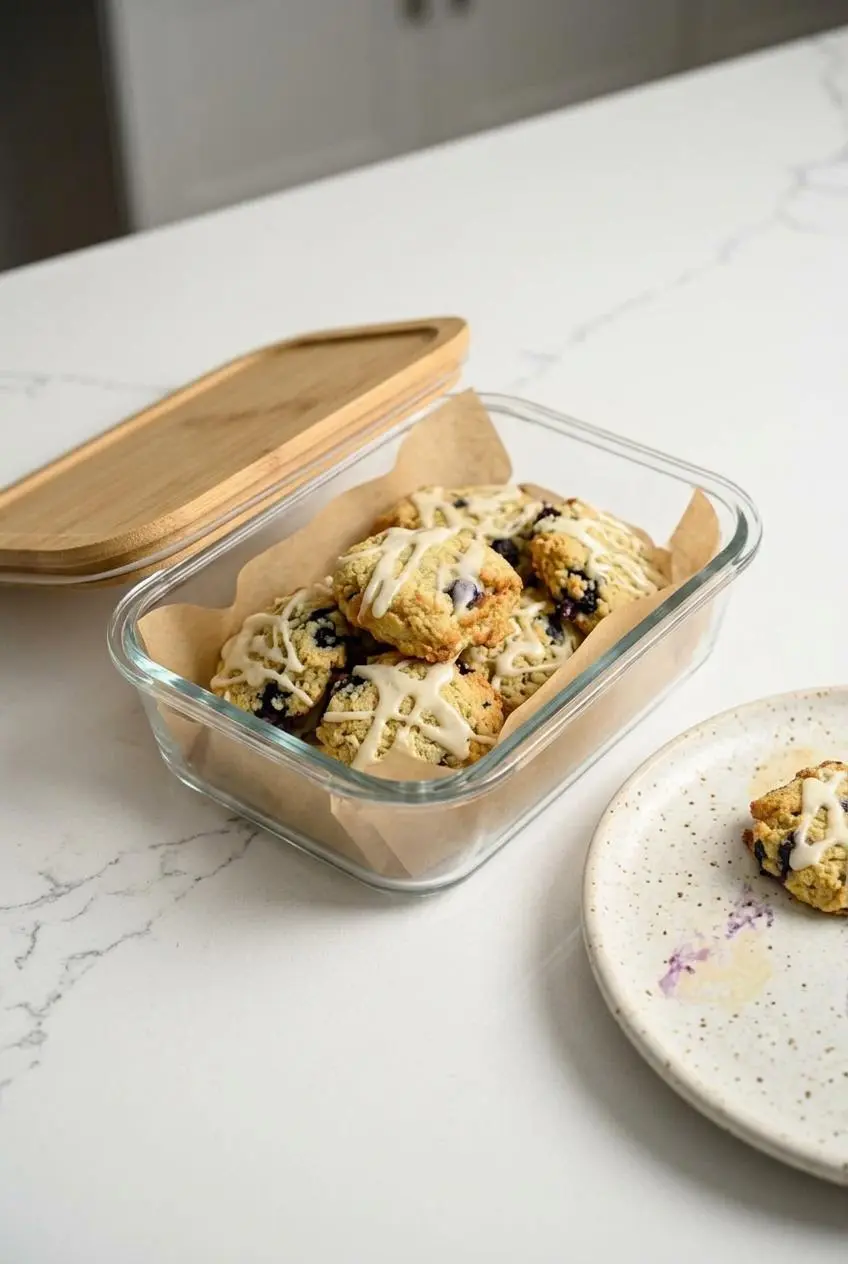
Because these cookies contain fruit, cream cheese, and glaze, cool them completely before storing them. Place parchment paper between layers in an airtight container, then refrigerate the cookies for up to 3 days to help manage moisture and prevent sticking.
For longer storage, freeze the fully cooled cookies in parchment-separated layers for up to 3 weeks. Let them come to room temperature in a single layer so condensation does not make the glaze weep.
You can also portion and shape the chilled dough, arrange the rounds on parchment until firm, then transfer them to a covered freezer container. Bake the portions from frozen when wanted, watching the cookies for the same matte tops and lightly browned edges.
Serving Suggestions & Flavor Pairings
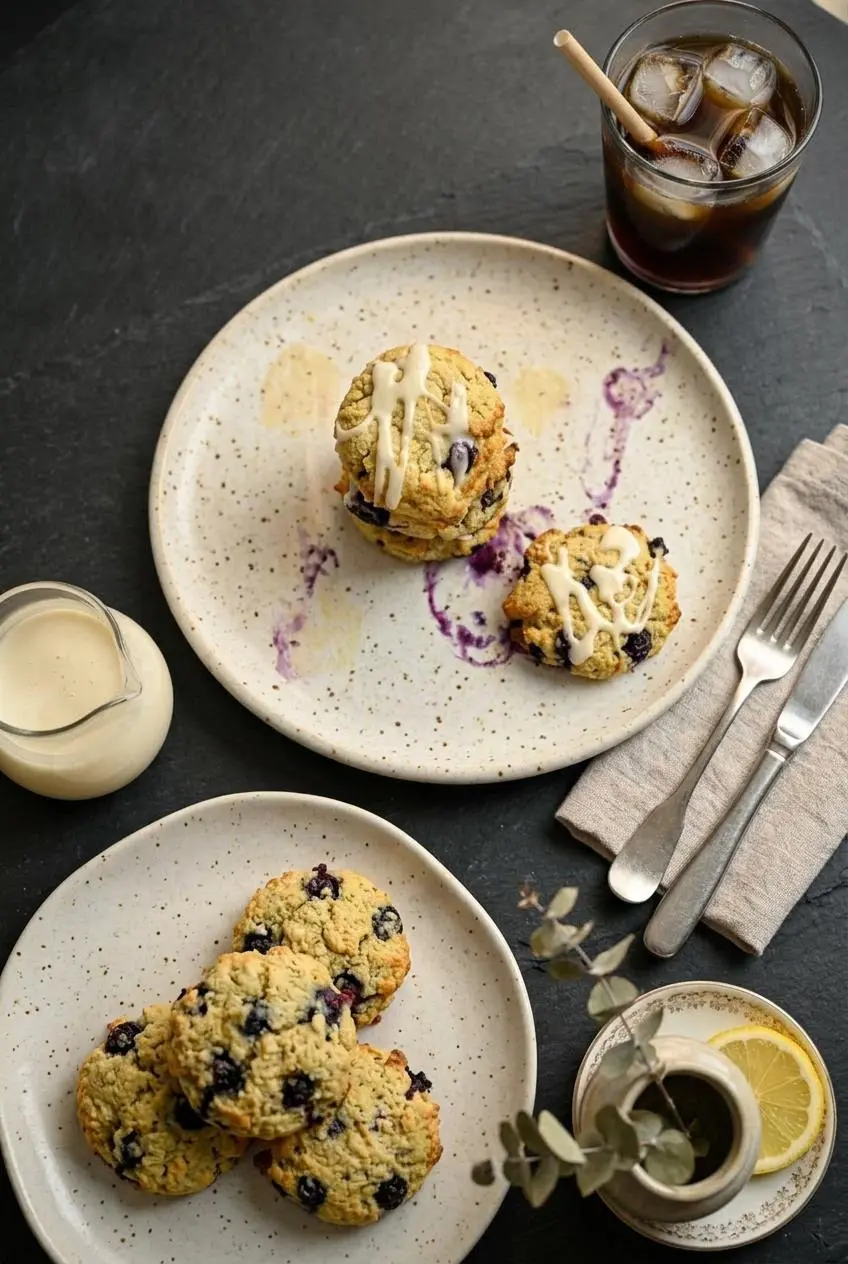
Serve the cookies chilled for a firmer, shortbread-like bite, or let them sit at room temperature for a softer, more cake-like texture.
- Pair one with unsweetened cold brew, black espresso, or a rich matcha latte.
- Offer them with unsweetened nut milk for an easy afternoon snack.
- Set them on a brunch board with fresh berries and slices of keto blueberry bread.
- Warm a cookie lightly and serve it beside a scoop of keto ice cream for a more indulgent dessert.
Baking Success: Fresh Low-Carb Cookies at Home
Thoroughly cream the butter and cream cheese, fold the berries gently, and give the dough its chilling time. Those three habits create soft cookies that keep their shape and hold whole bursts of blueberry.
Let the pan do its final bit of work while the cookies cool, then enjoy the lemon glaze once it has set into a smooth finish. Master the dough first, and the optional flavors can follow whenever the mood strikes.
Frequently Asked Questions
Can I Substitute Almond Flour for Coconut Flour in This Recipe?
No. Coconut flour absorbs far more moisture than almond flour, so a direct swap would change the dough dramatically. Replacing it would require reworking the eggs and other wet ingredients rather than making a one-to-one substitution.
Why Are My Keto Cookies Fragile and Crumbly Right After Baking?
They are expected to feel delicate while hot. The fats and coconut flour need time to set as the cookies cool on the baking sheet. Move them only after they feel firm enough to lift without bending.
Should I Use Fresh or Frozen Blueberries?
Both work well. Fresh blueberries usually hold their shape with less color bleed, especially when washed and dried thoroughly. Use frozen berries straight from the freezer and fold them in gently to limit excess moisture and streaking.
Do Blueberries Interfere With a Ketogenic Diet?
Blueberries contain carbohydrates, so portions matter when you follow a ketogenic eating pattern. The amount that fits comfortably can vary from person to person. Track the ingredients and serving size in a way that matches your own dietary plan, especially if you follow a medically guided approach.
How Should I Store Keto Blueberry Cookies to Keep Them Fresh?
Cool the cookies completely, then refrigerate them in an airtight container with parchment between layers. The parchment helps protect the glaze and keeps the fruit moisture from making the cookies stick together. For longer keeping, use the frozen storage method above and thaw the cookies in a single layer before serving.
Keto Blueberry Cookies

Equipment
- Large mixing bowl
- Electric mixer
- Baking sheet
- Parchment paper
- Small cookie scoop
Ingredients
- 1 cup of coconut flour
- 1 1/2 cups fresh or frozen blueberries divided
- 1 ½ teaspoons of baking powder
- ¼ teaspoon salt
- ½ cup unsalted butter softened
- 4 ounces of full-fat cream cheese, softened
- 1 cup granulated sugar substitute
- 4 eggs , room temperature
- 2 teaspoons of vanilla extract
- 1/2 cup of confectioners’ sugar substitute
- 2 -3 tablespoons of heavy whipping cream
- 1 teaspoon of lemon extract
Instructions
- Whisk the coconut flour, baking powder, and salt together in a large mixing bowl. Break up any coconut flour clumps so the finished dough thickens evenly.
- Mash 1/4 cup of the blueberries in a separate bowl, unless using frozen blueberries. Keep the remaining berries whole for distinct fruit pockets throughout the cookies.
- Beat the softened butter, cream cheese, granulated sugar substitute, vanilla extract, and mashed blueberries with an electric mixer until smooth. The mixture should look evenly blended and lighter in color, with no visible pieces of cream cheese.
- Add the eggs one at a time, beating well after each addition. Stop when the mixture looks cohesive and creamy rather than separated.
- Fold in the remaining 1 1/4 cups of whole blueberries. Use gentle strokes so the berries stay intact and the dough does not become overly streaked.
- Add the dry mixture to the wet mixture and beat until fully incorporated. Within a few minutes, the coconut flour will absorb moisture and noticeably thicken the dough.
- Cover the dough and refrigerate it for at least 30 minutes. The chilled dough should feel firmer and easier to portion without spreading through the scoop.
- Preheat the oven to 350°F and line a baking sheet with parchment paper. Set the tray up before shaping so the chilled dough goes straight onto the prepared surface.
- Portion the dough with a small cookie scoop or tablespoon, then roll each portion into a ball. Keep the portions similar in size so the cookies bake at the same pace.
- Arrange the dough balls on the parchment-lined baking sheet. Leave space between them for gentle spreading in the oven.
- Press each dough ball down slightly. The rounds should remain thick enough to bake with soft centers.
- Bake for 15-20 minutes, until the edges show a light golden ring. The tops should look matte, while the centers still feel soft and delicate.
- Leave the cookies on the baking sheet until fully cooled. A faint sizzle may fade as they settle, and the crumb firms as the fats and coconut flour set.
- Whisk the confectioners’ sugar substitute, lemon extract, and heavy whipping cream in a small bowl. The glaze should become smooth and fluid enough to fall from a spoon in a thin ribbon.
- Drizzle the glaze over the cooled cookies. It will change from translucent to an opaque satin-like finish as it sets on the room-temperature cookies.