Skip to content
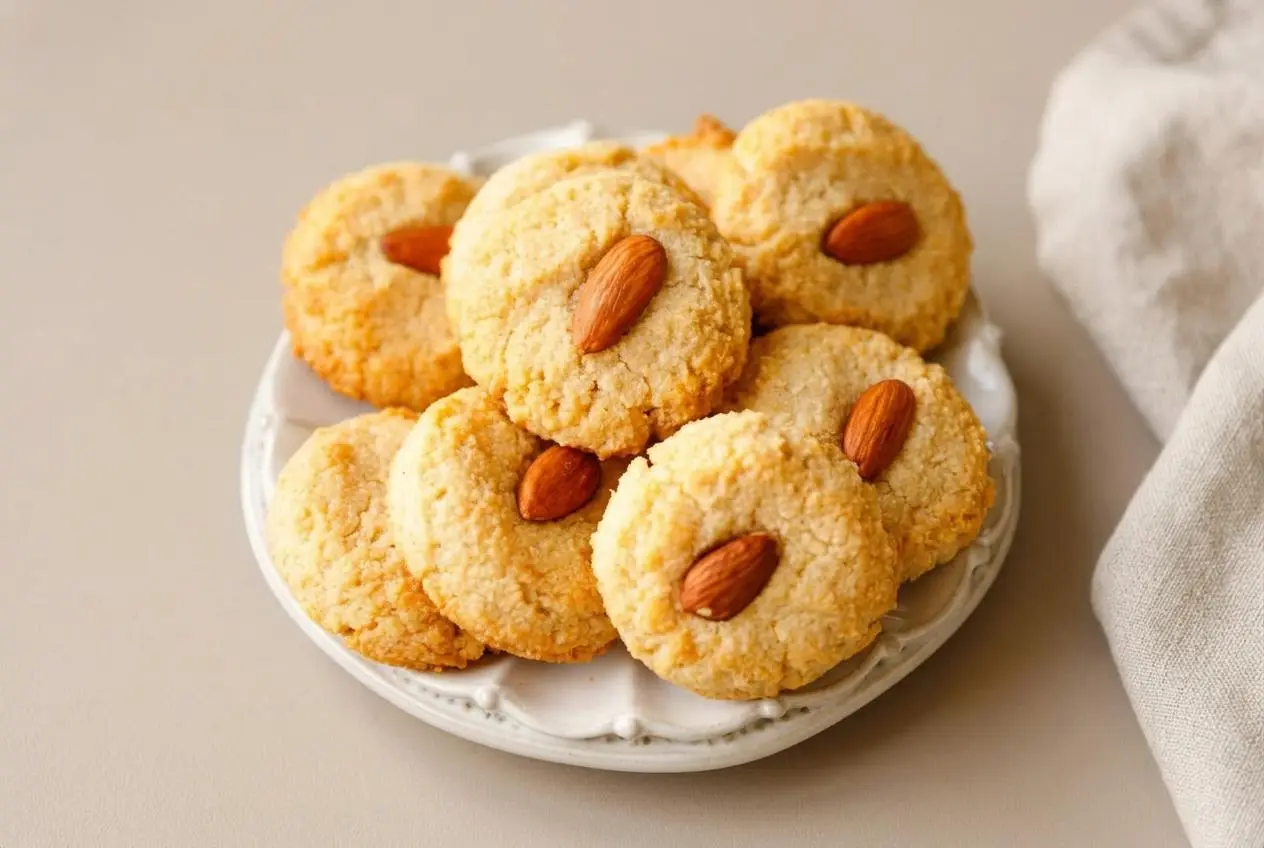
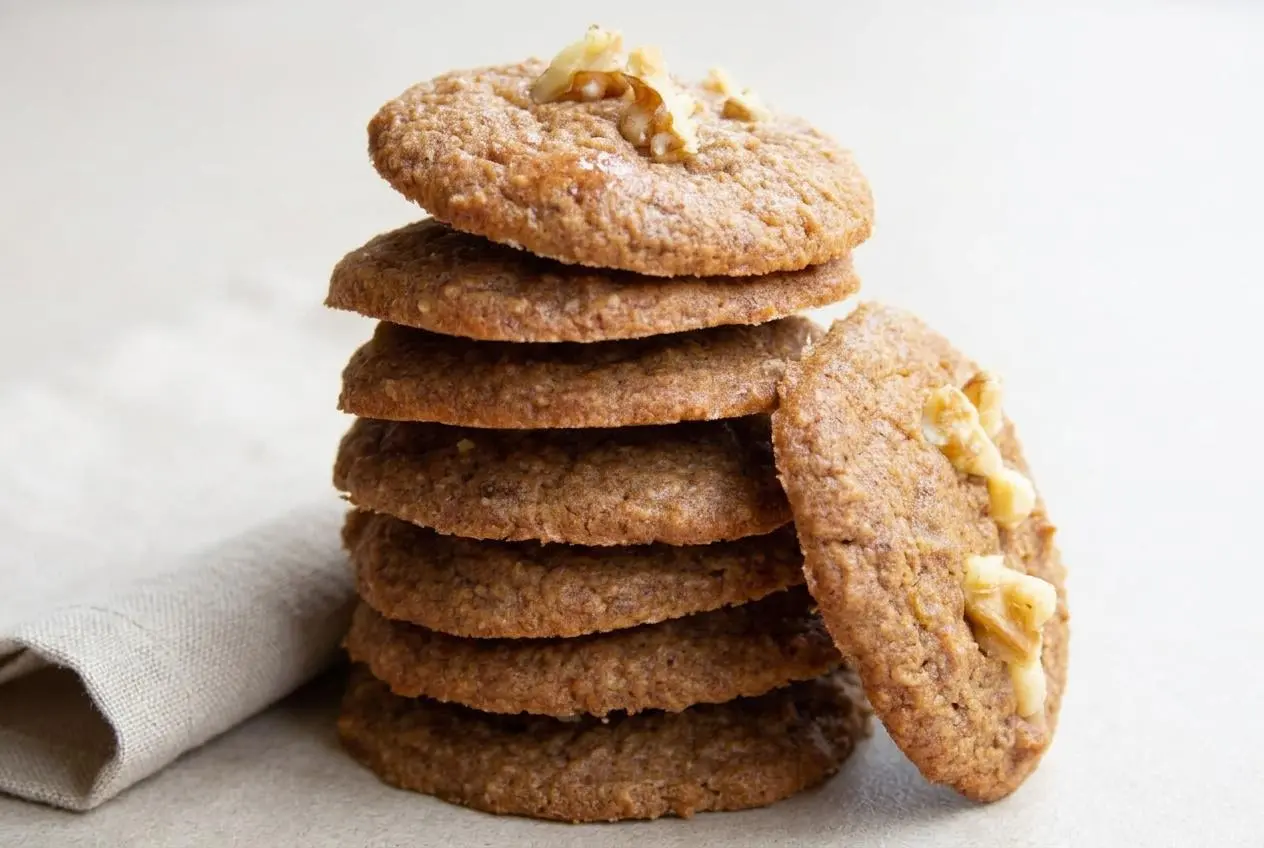
Keto almond cookies are buttery, tender cookies made with almond flour, powdered erythritol, cinnamon, vanilla, and a whole almond topping. Bake them until lightly golden, then let them cool fully on the pan for a sturdy, delicate crumb.
These keto almond cookies have a mellow nutty flavor, warm cinnamon aroma, and a soft center that becomes pleasantly firm as it cools. The whole almond on top adds a classic bakery-style finish.
The key is patience after baking. Hot almond flour cookies are delicate, but the texture changes beautifully as the butter and nut oils set.
Use softened butter that yields easily when pressed but is not glossy or melted.
Essential Ingredients for Tender Low-Carb Almond Cookies
Each ingredient supports the finished cookie: butter brings richness, almond flour creates the crumb, egg adds structure, and cinnamon, vanilla, salt, and almonds build warm aromatic flavor.
- ½ cup butter (softened)
- ½ cup powdered erythritol (or granulated blended into powder)
- 1 egg
- 2 tsp vanilla extract
- 2 ½ cups almond flour
- 1 tbsp cinnamon
- Pinch of salt
- 12 whole almonds
Almond Flour vs Almond Meal
Choose finely ground blanched almond flour for the most tender, even crumb. Blanched flour is made from almonds with their skins removed, so it looks pale and feels soft between your fingers. It blends smoothly into the butter mixture and gives the cookies a more refined texture.
Almond meal includes the skins and is usually coarser. It can work in rustic baking, but it produces a darker, denser cookie with more noticeable graininess. For these delicate cookies, almond flour is the better match.
Selecting and Powdering Low-Carb Sweeteners
Powdered erythritol blends into softened butter more smoothly than coarse crystals, helping the cookies avoid a crunchy, cooling grit. If you have granulated erythritol, process it in a high-speed blender until it resembles a fine powder before using it.
Other low-carb sweetener blends can behave differently. Allulose may encourage a softer, chewier result and more spread, while monk fruit blends vary based on the sweetener combined with them. Use a powdered product whenever possible for the smoothest bite.
The Role of Butter and Egg Binders
Softened butter carries flavor and helps the dough press into neat rounds without cracking. Creaming it well with the sweetener also gives the cookies a more even texture.
The egg binds the almond flour dough, while vanilla rounds out the cinnamon and nutty flavor. I look for a butter and sweetener mixture that feels creamy and cohesive, with no obvious dry granules before adding the egg.
How to Make Keto Almond Cookies
Work with the dough while it is soft but not warm. A properly mixed dough should hold together when pressed in your palm and look smooth rather than oily.
- Heat the oven to 350°F (177°C) and cover a baking sheet with parchment paper.
Set up the pan before mixing so the shaped dough can go straight into the oven. - Beat the softened butter with the powdered erythritol in a bowl until creamy and uniform.
The mixture should look smooth and feel fluffy rather than slick with melted butter. - Mix in the egg and vanilla extract until the mixture becomes fully blended.
Scrape the bowl as needed so no streaks of egg remain around the sides. - Stir in the almond flour, cinnamon, and salt until the mixture becomes a soft dough.
Stop once the flour disappears and the dough gathers together without loose dry patches. - Divide the dough into 12 portions, roll each into a ball, flatten it, and press a whole almond into the center.
Keep the cookies similar in thickness so their edges color at the same pace. - Bake for 15–18 minutes, then leave the cookies on the baking sheet until completely cool before lifting them.
Remove them when the edges are lightly golden and the cinnamon aroma is warm and toasty.
Troubleshooting Common Low-Carb Cookie Issues
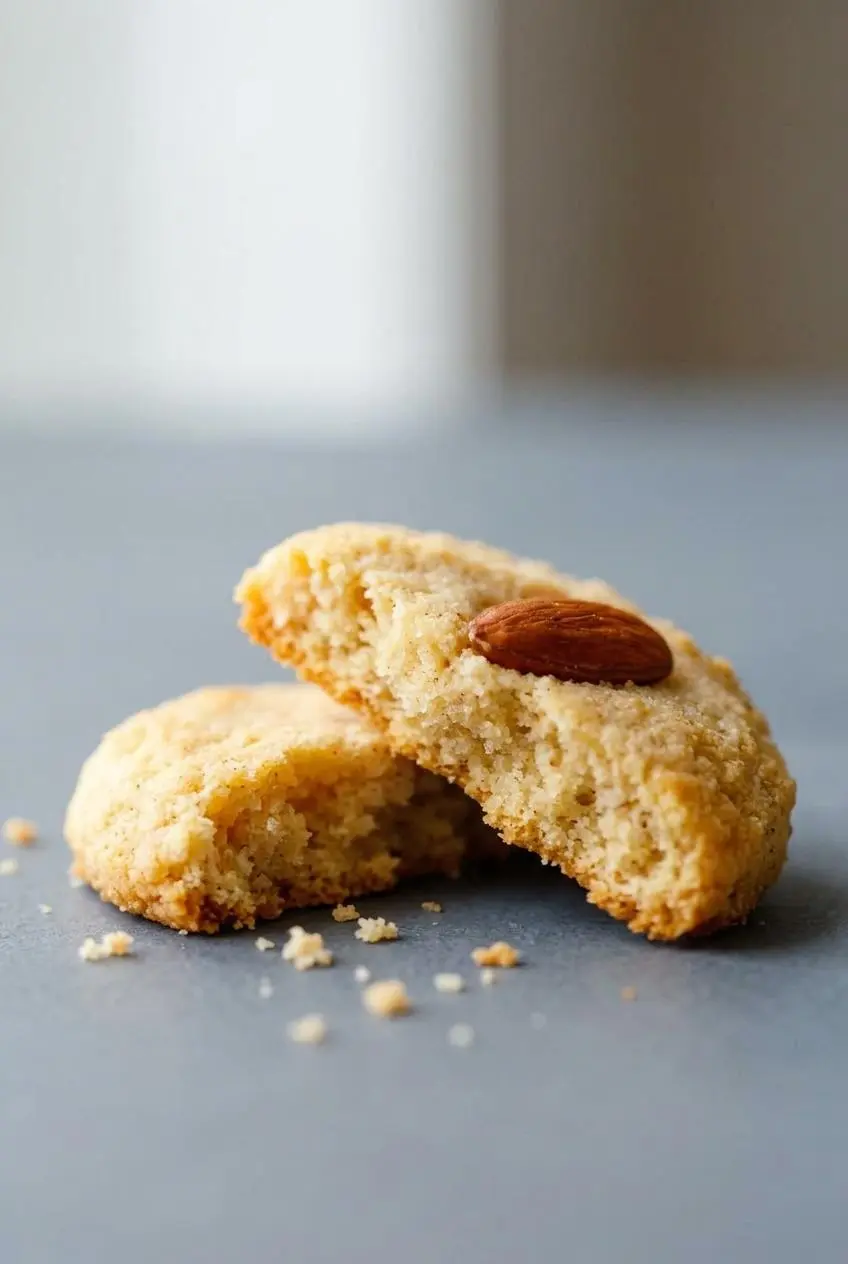
Almond flour dough behaves differently from wheat dough, so most problems come down to temperature, sweetener texture, or handling the cookies too soon.
Why Do Almond Flour Cookies Fall Apart?
- Problem: The cookies crumble when you try to move them. Cause: They are still hot, and the butter and nut oils have not firmed. Fix: Leave them undisturbed on the baking sheet until completely cool.
- Problem: The centers seem very soft straight from the oven. Cause: Grain-free cookies set during cooling rather than immediately when they leave the oven. Fix: Judge doneness by lightly golden edges, then let the pan do the rest.
How to Manage Sticky or Warm Dough
- Problem: The dough sticks to your hands. Cause: Warm hands can soften the butter quickly. Fix: Pause briefly, let the dough stand in a cooler spot, and shape with gentle, quick motions.
- Problem: The cookies spread more than expected. Cause: The dough became overly warm before baking. Fix: Shape the portions without repeatedly rolling or squeezing them.
Preventing Over-Browning and Scorched Edges
- Problem: The bottoms darken before the cookies seem done. Cause: Almond flour contains natural oils that brown quickly. Fix: Use parchment and watch for pale golden edges rather than a deep brown surface.
- Problem: The cookies taste gritty. Cause: Coarse erythritol did not dissolve into the dough. Fix: Powder granulated sweetener before creaming it with butter.
Flavor Variations and Festive Shapes
Keep the main dough as written, then use these optional finishing ideas when you want a different look or flavor.
Almond Crescent Style
Shape portions into small crescents instead of rounds, then gently roll or press the outside in crushed sliced almonds before baking. The curved shape makes a festive platter feel more special, while the almond coating adds extra crunch.
Sugar-Free Chocolate Dipped
After the cookies have cooled completely, dip one side into melted sugar-free dark chocolate and let the coating set before serving. The bittersweet chocolate gives the buttery cinnamon cookie a richer contrast. For another chocolate-forward option, try these almond chocolate chip cookies.
Warm Cardamom and Spiced Almond
Add a touch of ground cardamom and ginger alongside the cinnamon for a more fragrant holiday-style cookie. A small amount of clove can work too, but keep it restrained so the almond and vanilla remain the main flavors.
Storage and Freshness Best Practices
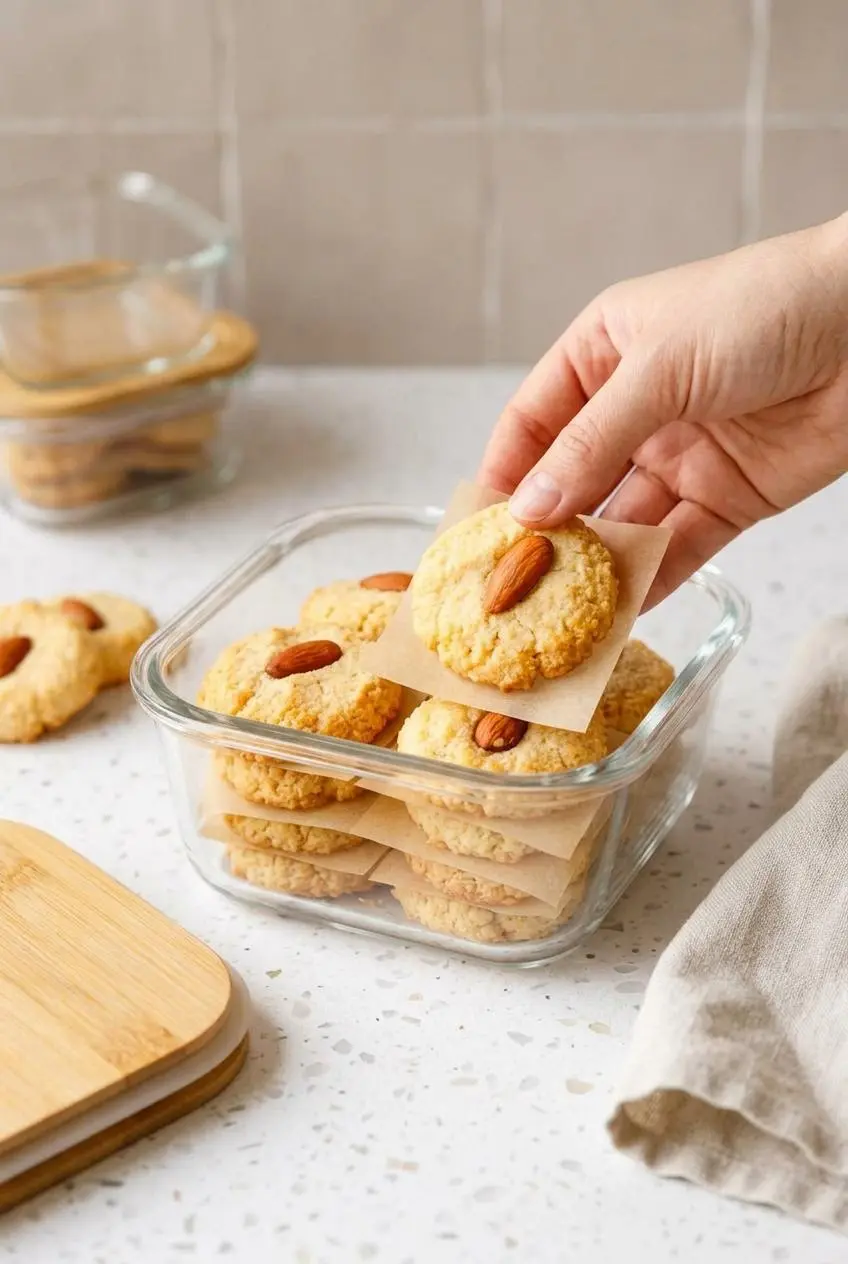
Cool the cookies completely before storing them, since trapped warmth can create unwanted moisture. Arrange them in an airtight container with parchment between layers to protect the almond topping and keep the surfaces from becoming soft.
Keep the container away from heat and humidity. Refrigeration can help preserve their tender texture in a warm kitchen, but let chilled cookies sit briefly before serving so the buttery flavor comes through more clearly.
This method does not include tested make-ahead or freezing directions. For the most consistent texture, bake the dough as written and store only fully cooled cookies.
Serving Suggestions and Beverage Pairings
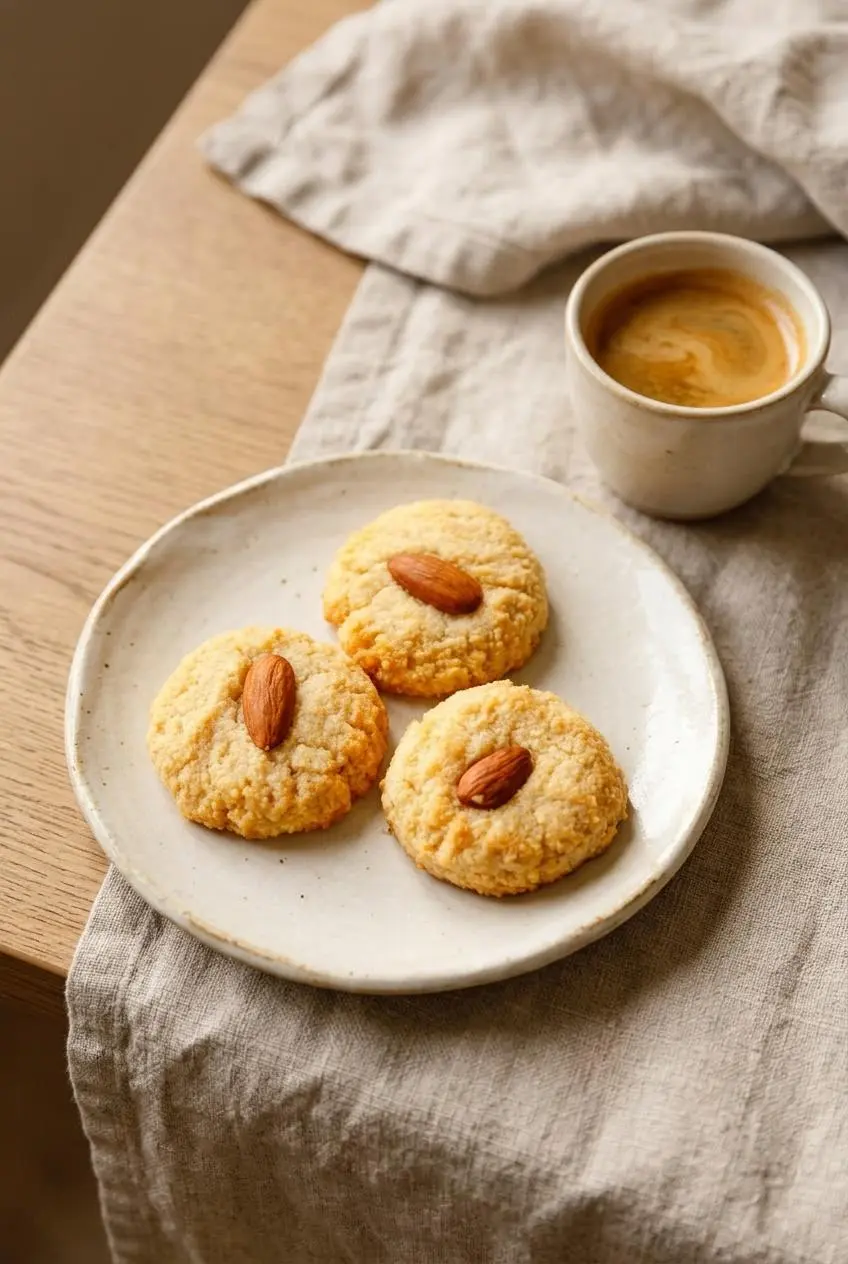
These cookies shine beside hot espresso, dark roasted coffee, or unsweetened herbal tea. The slight bitterness of the drink balances the buttery almond flavor without overpowering the cinnamon.
- Arrange them on a holiday dessert platter with other low-carb treats.
- Serve one alongside coffee after dinner when you want a small, aromatic sweet bite.
- Crumble a cooled cookie over Greek yogurt or a scoop of keto ice cream for a nutty, cinnamon-scented topping.
Key Takeaways for Tender Low-Carb Almond Cookies
Use superfine blanched almond flour and powdered sweetener for a more delicate crumb and a smoother finish. Cream the butter thoroughly, handle the dough gently, and pull the cookies once their edges turn lightly golden.
Most importantly, let them cool completely on the baking sheet before moving them. Once you have the texture down, crescents, chocolate dipping, and warm spice blends are easy ways to make the batch your own.
Frequently Asked Questions
What Is the Difference Between Almond Flour and Almond Meal for Baking Cookies?
Almond flour is finely ground from blanched almonds and creates a pale, tender cookie. Almond meal includes almond skins and has a coarser texture, so it makes cookies denser and more rustic. For this dough, blanched almond flour gives the smoothest crumb.
Why Are Keto Cookies So Soft and Fragile When Warm?
These cookies do not contain gluten, so they rely on butter, egg, and almond flour for structure. While hot, the fats are still soft and the cookies can break easily. Cooling on the baking sheet allows the crumb to firm before you lift them.
Can I Use Granulated Sweetener Instead of Powdered Sweetener?
Yes, but powder it first in a high-speed blender. Granulated sweetener can stay crunchy in this low-moisture dough and leave a gritty texture. Fine powder blends more evenly with softened butter.
Can These Cookies Fit Into a Low-Carb Diet Plan?
They are made with almond flour and erythritol rather than wheat flour and regular sugar, which many people include in low-carb eating patterns. Individual needs and dietary goals vary, so check ingredient labels and plan portions in a way that suits your routine.
Can Keto Almond Cookie Dough Be Frozen Ahead of Time?
This method does not include freezing directions for the dough. For the most dependable result, shape and bake the cookies as written, then store the fully cooled cookies in an airtight container.

Keto Almond Cookies

Equipment
- Baking sheet
- Parchment paper
- Mixing bowl
Ingredients
- ½ cup butter softened
- ½ cup powdered erythritol or granulated blended into powder
- 1 egg
- 2 tsp vanilla extract
- 2 ½ cups almond flour
- 1 tbsp cinnamon
- pinch salt
- 12 whole almonds
Instructions
- Heat the oven to 350°F (177°C) and cover a baking sheet with parchment paper. Set up the pan before mixing so the shaped dough can go straight into the oven.
- Beat the softened butter with the powdered erythritol in a bowl until creamy and uniform. The mixture should look smooth and feel fluffy rather than slick with melted butter.
- Mix in the egg and vanilla extract until the mixture becomes fully blended. Scrape the bowl as needed so no streaks of egg remain around the sides.
- Stir in the almond flour, cinnamon, and salt until the mixture becomes a soft dough. Stop once the flour disappears and the dough gathers together without loose dry patches.
- Divide the dough into 12 portions, roll each into a ball, flatten it, and press a whole almond into the center. Keep the cookies similar in thickness so their edges color at the same pace.
- Bake for 15–18 minutes, then leave the cookies on the baking sheet until completely cool before lifting them. Remove them when the edges are lightly golden and the cinnamon aroma is warm and toasty.