Skip to content
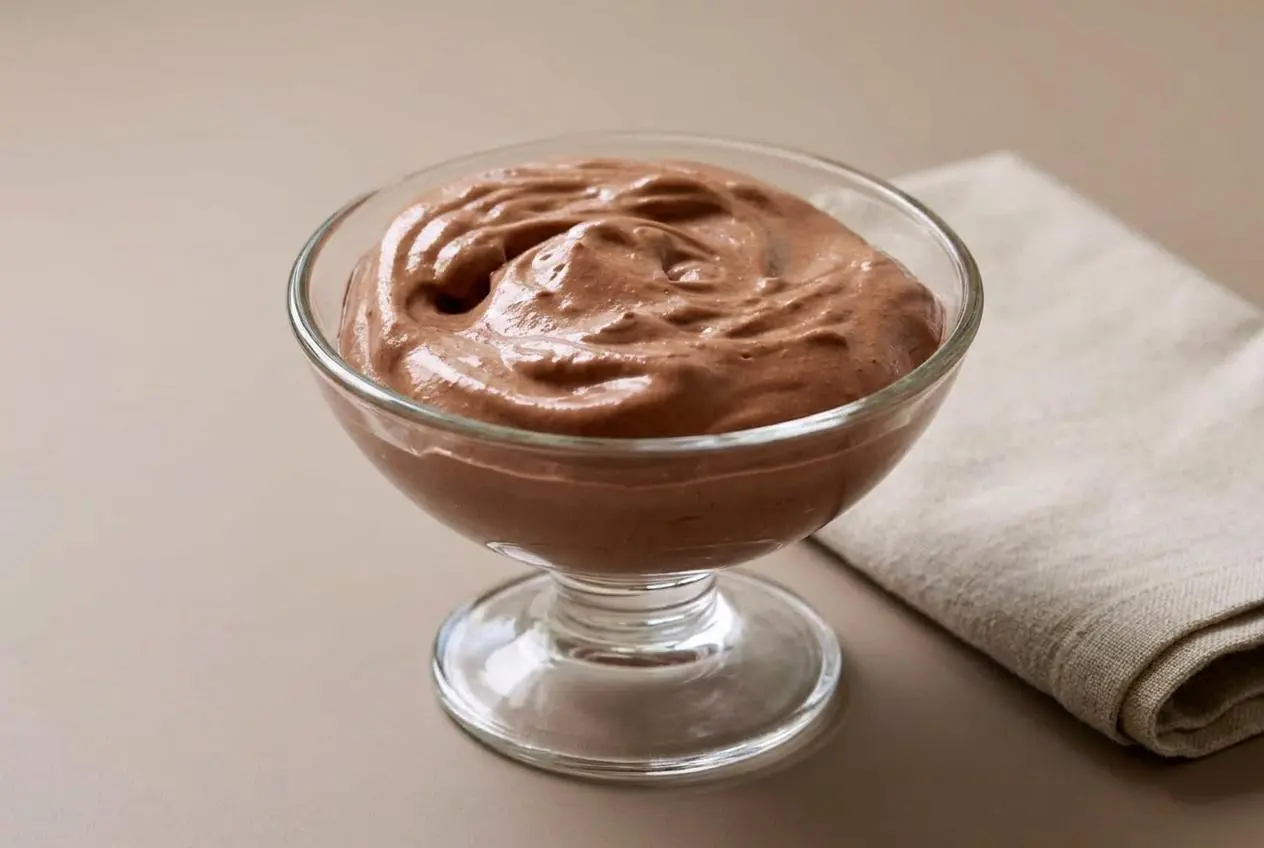
Keto cottage cheese chocolate mousse is a chilled, low-carb dessert made by blending full-fat cottage cheese with cocoa, vanilla, and liquid sweetener until smooth, fluffy, and deeply chocolaty.
This keto cottage cheese chocolate mousse turns humble curds into a rich dessert with a soft, spoonable finish. A food processor or high-speed blender does the heavy lifting, while the cold rest gives the mixture its mousse-like body.
It has a gentle tang, similar to chocolate cheesecake, balanced by dark cocoa and vanilla. The key is blending past the curd stage until the mixture looks glossy and feels creamy on a spatula.
Drain any puddle of whey from the cottage cheese container before blending so the mousse stays thick.
Essential Ingredients for Low-Carb Chocolate Mousse
Each ingredient has a job: cottage cheese builds body, cocoa brings depth and color, vanilla rounds out the flavor, and liquid sweetener keeps the texture smooth and creamy.
- 2 cups cottage cheese (4% fat, small curd)
- 4 tablespoons unsweetened cocoa powder (processed with alkali for a smoother chocolate taste)
- 1 teaspoon vanilla extract (can also use almond, coconut, or orange extract)
- 1 teaspoon stevia glycerite (heaping; equals 6 tablespoons of sweetener)
Full-fat, small-curd cottage cheese gives the best starting texture. The extra dairy fat softens the cocoa flavor and helps the blended mousse feel lush rather than thin. Small curds also break down more readily than large ones.
Dutch-processed cocoa has a mellower, rounder chocolate flavor than natural cocoa. It works especially well here because cottage cheese has a mild cultured tang, and the cocoa adds a dark, dessert-like finish that keeps the dairy flavor in the background.
Vanilla is quiet but important. It smooths sharp cocoa edges and makes the finished mousse taste more complete. The milk proteins in cottage cheese create body as the curds are blended into a cream, while the fat helps hold that soft, thick texture without eggs or gelatin.
Liquid stevia glycerite blends directly into cold dairy. Powdered allulose or powdered monk fruit can also work in similar desserts, but coarse granulated sweeteners often leave a sandy crunch because the crystals do not fully dissolve.
I prefer full-fat cottage cheese for this kind of dessert because the finished mousse tastes less tangy and develops a noticeably silkier body after chilling.
The result lands somewhere between a chocolate pudding and a chilled keto cheesecake: creamy, cocoa-forward, and pleasantly substantial.
How to Make Keto Cottage Cheese Chocolate Mousse
- Put the cottage cheese, cocoa powder, vanilla extract, and stevia glycerite into a food processor or high-speed blender.
Make sure the cocoa is sitting with the dairy rather than clinging in a dry layer around the bowl. - Process on high for 2 minutes, stopping once to scrape down the sides with a spatula.
Continue until no curd flecks remain and the mixture looks glossy, paleened slightly by aeration, and fluffy. - Refrigerate the mousse for 30 minutes, then portion and serve.
The surface should look settled and the mousse should hold a soft mound on a spoon.
Blending creates friction, which can briefly loosen the dairy fat and make the mixture look softer than expected. The refrigerator rest matters because the cocoa and dairy fat firm up again, giving the mousse its velvety, spoonable texture.
A food processor is often the easiest choice because its broad blade pulls the cottage cheese through repeatedly. A high-speed blender also works well, especially for a very smooth finish. A narrow personal blender can struggle because the thick mixture may sit above the blades instead of circulating.
If using a blender, stop when the mixture rides up the sides, scrape it down, and start again. The mousse is ready for chilling only when it has lost its grainy curd appearance and drags smoothly across the spatula.
Troubleshooting Common Texture and Consistency Issues
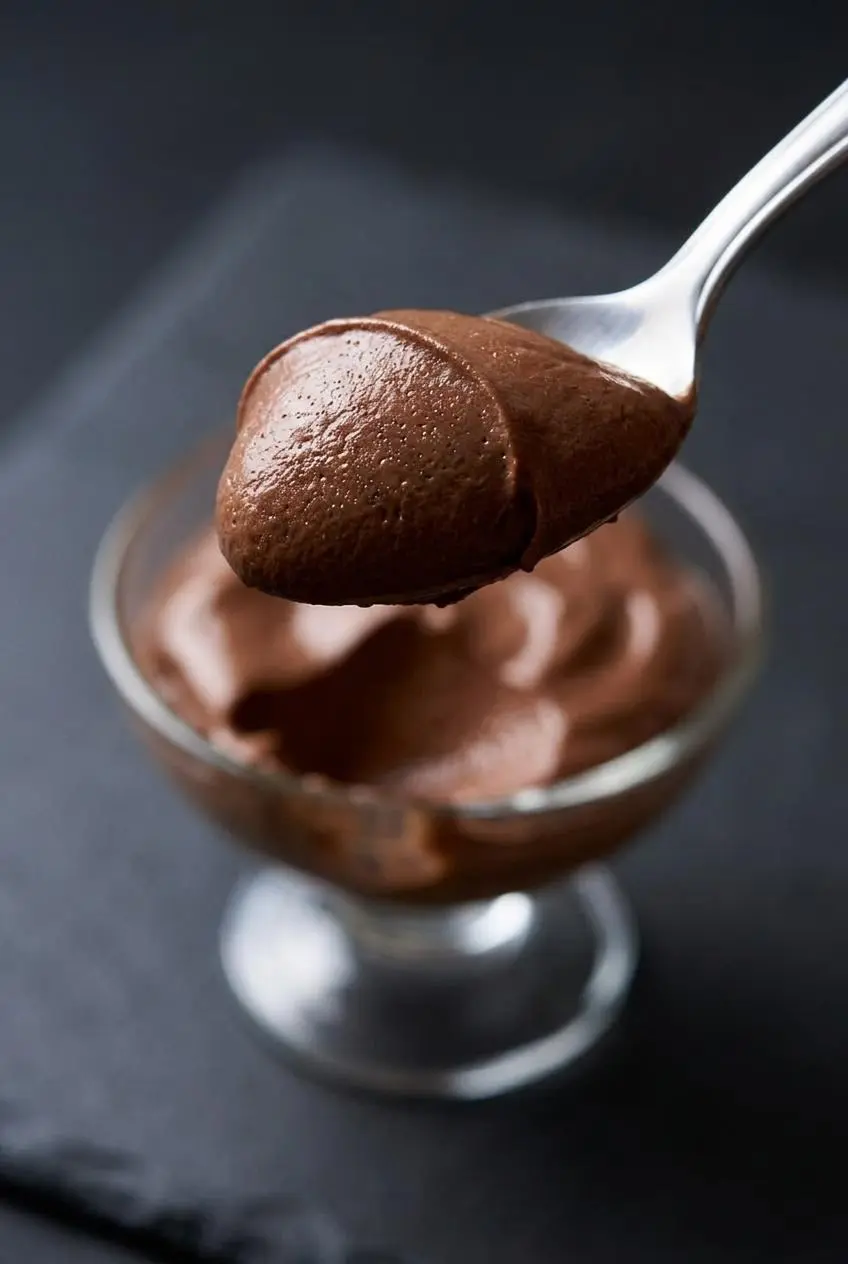
Most mousse problems come down to blending power, excess whey, or sweetener texture. These fixes keep the dessert on track without changing the main method.
- Grainy mousse: The curds need more processing. Keep blending and scrape the sides so the blade catches every bit of cottage cheese.
- Blender blades stall: Thick dairy can form an air pocket beneath the blade. Stop, scrape down the mixture, and add a tiny splash of cold unsweetened almond milk only if the mixture cannot circulate.
- Thin mousse: Excess whey or warm blending can make it loose. Chill it longer until the cocoa and dairy fat have time to set.
- Too tangy or salty: Add a little more cocoa or keto-friendly sweetness to rebalance the cultured dairy flavor, then blend again until completely smooth.
- Gritty finish: Granulated sweetener is usually the culprit. Choose liquid stevia glycerite or a finely powdered alternative for cold mousse.
Don’t stop blending just because the mixture looks mostly smooth. The last stubborn curds tend to hide near the bowl wall, and they are the ones you notice most in the final spoonful.
Simple Variations and Flavor Adaptations
Espresso Mocha Infusion
For deeper chocolate flavor, blend in a small amount of instant espresso powder. It does not make the mousse taste like coffee as much as it makes the cocoa taste darker and helps soften the cottage cheese tang.
Folded Cream Fluff (French Style)
For a lighter, cloud-like mousse, prepare the cottage cheese mixture as written, then gently fold it into unsweetened whipped cream. This optional approach creates more loft, though it is best treated as a serving variation rather than part of the main method.
Cracking Chocolate Shell
For contrast, spoon chilled mousse into dessert cups and cover the top with a thin layer of melted sugar-free dark chocolate. Let the chocolate set before serving so each spoonful moves from a crisp top layer into soft mousse.
A smooth unsweetened nut butter can also be folded into a portion for a chocolate-peanut-butter direction. Keep it optional, since it makes the mousse denser and shifts the chocolate flavor toward a richer, nuttier finish.
Make-Ahead Strategy and Proper Storage Protocols
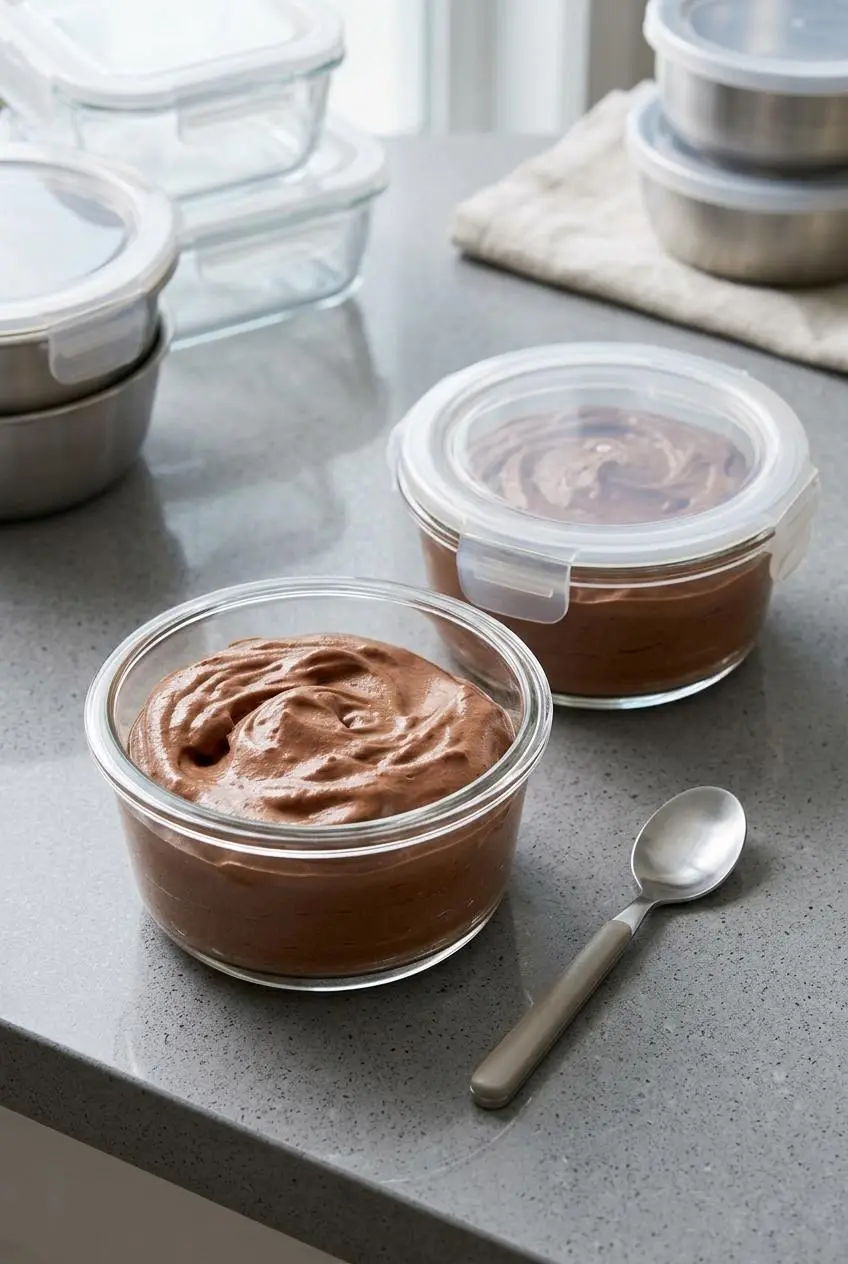
For the best texture, keep the mousse covered in an airtight container in the refrigerator. Dairy products should be kept chilled, and refrigeration between 33°F and 40°F supports proper dairy storage.
A little whey may rise to the surface as the mousse sits. Stir it back in gently for a softer texture, or briefly reblend the mousse if you want to restore its airy finish. Keep strong-smelling foods away from the container, since dairy desserts can pick up refrigerator odors.
For this mousse, refrigeration gives a more reliable result than freezing. Frozen storage can create ice crystals that disrupt the delicate dairy emulsion, leaving the mousse separated or watery when it returns to a spoonable state. If you want a firm frozen dessert instead, choose a keto chocolate ice cream made for that texture.
Garnishing and Creative Serving Suggestions
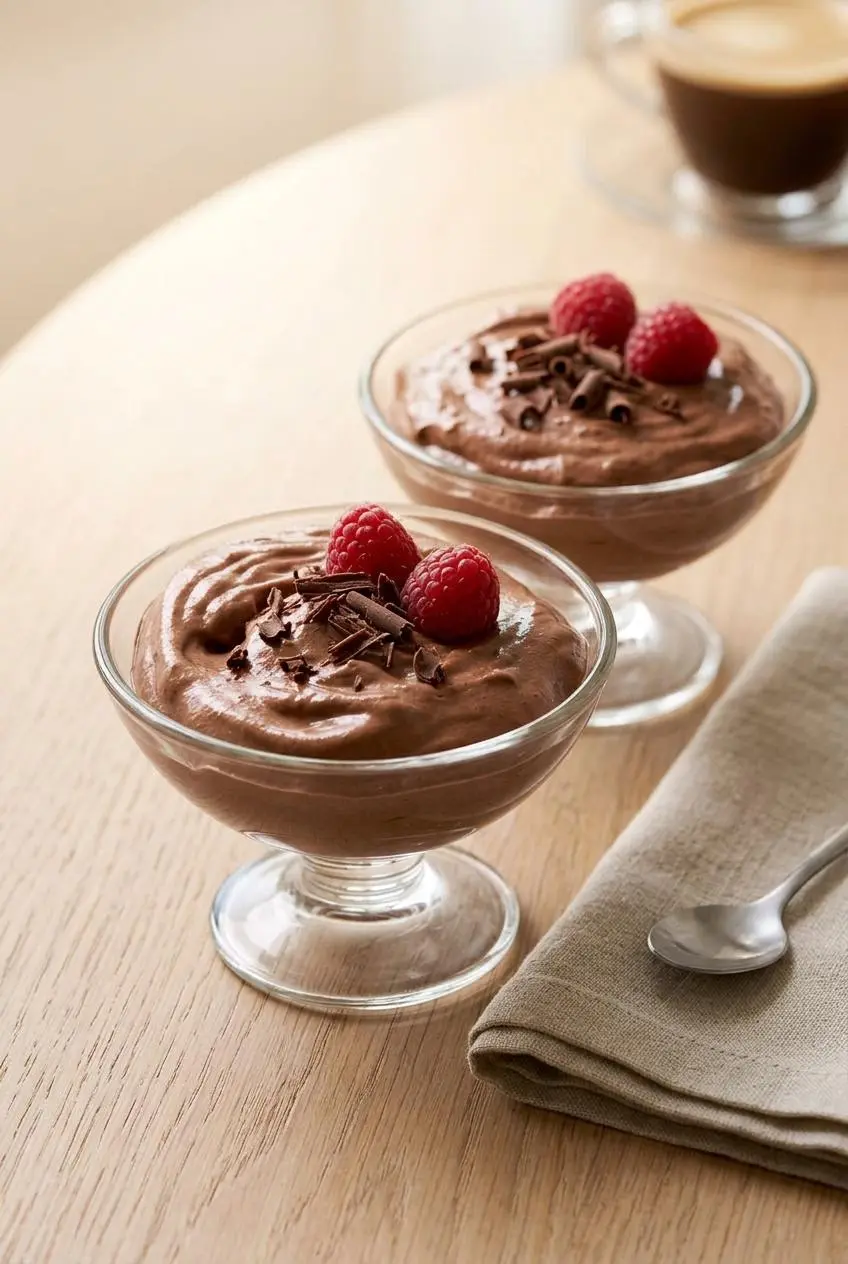
Serve this mousse in small glass ramekins or dessert cups to show off its smooth, dark chocolate color. A piping bag gives each portion a neat swirl and makes an everyday dessert feel a little more polished.
- Finish with sugar-free dark chocolate shavings for an extra cocoa hit.
- Add toasted pecans or walnuts for crunch against the soft mousse.
- Pair it with raspberries or blackberries for tart freshness that cuts through the rich dairy base.
- Layer the mousse into a parfait with chopped nuts and whipped cream.
For a more elaborate dessert, use the mousse as a creamy filling alongside chocolate keto cake. Chill the mousse first so it stays thick and distinct between layers.
Final Thoughts on Homemade Low-Carb Mousse
This dessert proves that cottage cheese can become genuinely elegant with enough blending, good cocoa, and a proper chill. The finished mousse should be smooth, rich, and soft enough to sink into with a spoon.
Adjust the cocoa, sweetness, and chilling time to suit your taste, then watch for that glossy, velvety finish. It is a satisfying way to turn cultured dairy into a chocolate dessert worth lingering over.
Frequently Asked Questions About Cottage Cheese Mousse
Why is my cottage cheese mousse grainy and how can I fix it?
Graininess means the cottage cheese curds have not fully broken down. Blend longer at high speed, stop to scrape the bowl, and continue until the mousse looks glossy with no visible curd flecks. If the blades cannot move the mixture, a tiny splash of cold unsweetened almond milk can help it circulate.
Does cottage cheese chocolate mousse actually taste like cheese?
When it is thoroughly blended with cocoa, vanilla, and sweetener, it does not taste like a savory cottage cheese dish. Expect a mild tang beneath the chocolate, closer to a chilled chocolate cheesecake filling than plain cottage cheese.
What type of sweetener works best to avoid grittiness?
Liquid stevia glycerite works especially well because it blends smoothly into cold dairy. Powdered allulose or powdered monk fruit can also give a smooth result. Avoid coarse granulated erythritol, which can stay crunchy in an uncooked mousse.
Is cottage cheese mousse suitable for strict keto meal plans?
It can fit some keto eating patterns when made with unsweetened cocoa and a keto-friendly sweetener. Cottage cheese still contains natural milk sugars, so check the label on the dairy you choose and account for it within your own carbohydrate plan.
Can you freeze this mousse for meal prep?
Refrigeration is the better choice for preserving the mousse texture. Freezing can cause the dairy mixture to separate and lose its velvety consistency after it returns to a softer state. Keep it covered and chilled for the most appealing result.
Keto Cottage Cheese Chocolate Mousse

Equipment
- Food processor or high-speed blender
- Silicone spatula
- Dessert cups or ramekins
Ingredients
- 2 cups cottage cheese 4% fat, small curd
- 4 tablespoons unsweetened cocoa powder processed with alkali for a smoother chocolate taste
- 1 teaspoon vanilla extract can also use almond, coconut, or orange extract
- 1 teaspoon stevia glycerite heaping; equals 6 tablespoons of sweetener
Instructions
- Put the cottage cheese, cocoa powder, vanilla extract, and stevia glycerite into a food processor or high-speed blender. Make sure the cocoa is sitting with the dairy rather than clinging in a dry layer around the bowl.
- Process on high for 2 minutes, stopping once to scrape down the sides with a spatula. Continue until no curd flecks remain and the mixture looks glossy, paleened slightly by aeration, and fluffy.
- Refrigerate the mousse for 30 minutes, then portion and serve. The surface should look settled and the mousse should hold a soft mound on a spoon.