Skip to content
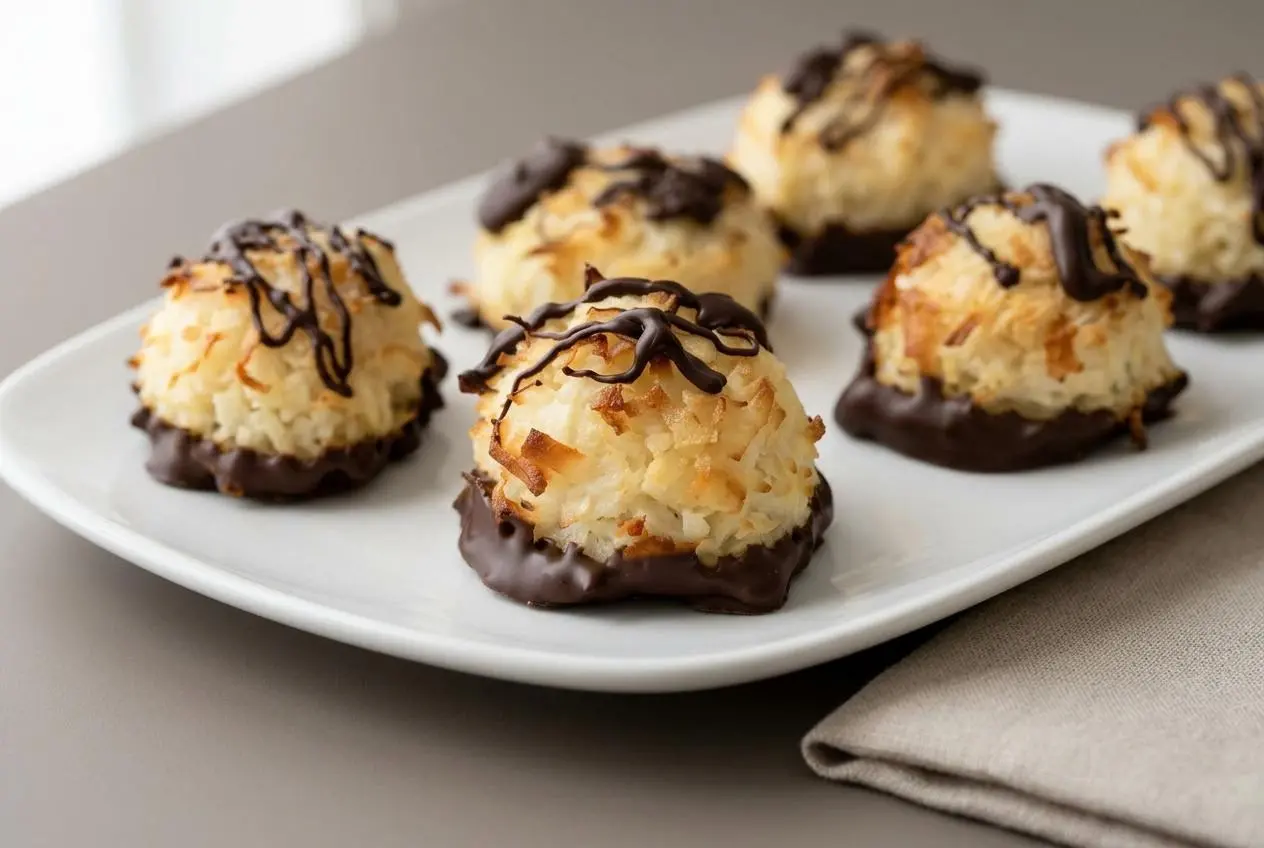
Keto coconut macaroons combine unsweetened shredded coconut, egg whites, sugar-free condensed milk, and powdered sweetener. Bake them until the edges turn lightly golden for chewy centers and a delicate toasted coconut aroma. A sugar-free chocolate dip is optional.
These coconut cookies get their texture from moist, closely packed shreds rather than flour. The mixture should hold in a mound when scooped, then bake until the outer coconut tips pick up color.
They’re especially appealing when you want a rich little dessert without a complicated mixing routine. The hardest part is letting them cool before you pick one up.
Check the coconut package for “unsweetened” before you start; sweetened baking coconut will change the sugar content.
Essential Ingredients for Chewy Low-Carb Macaroons
Each ingredient shapes the result: coconut provides chew, the binders hold the mounds together, and vanilla and salt round out the sweetness. The optional chocolate adds a firmer finish.
- 3 cups unsweetened shredded coconut
- 2 large egg whites
- ½ cup sugar-free sweetened condensed milk
- 1 tablespoon Swerve confectioners
- 1 teaspoon vanilla extract
- Pinch of salt
- Optional: melted sugar-free chocolate
Choose unsweetened shredded coconut with relatively fine, flexible shreds. Large coconut flakes can be harder to pack into sturdy mounds, while finely ground desiccated coconut may absorb the binder differently and produce a less distinct chew. If the coconut feels unusually dry, pay close attention as you mix: every shred should look coated before you scoop.
The egg whites help bind the coconut, while the sugar-free sweetened condensed milk adds both moisture and richness. Together they make a denser, chewier cookie than a macaroon built around stiffly whipped egg whites. Here, whisk the whites with the other wet ingredients; there’s no need to beat them into a meringue.
Swerve confectioners is a powdered sweetener, so it disperses more readily through the liquid mixture than coarse crystals. Vanilla brings warmth, and the pinch of salt keeps the sweetness from tasting flat. If you use the optional chocolate, check that it’s sugar-free, too.
I look for coconut that feels pliable rather than brittle; it’s much easier to coat evenly and pack into a neat scoop.
How to Make Keto Coconut Macaroons
The key stages are coating the coconut thoroughly, scooping compact mounds, and stopping the bake when the exposed shreds turn lightly golden. Give the finished cookies time to cool on the pan so they hold together when handled.
- Set the oven to 350°F and let it preheat before baking.
The oven should be fully heated when the baking sheet goes in. - Whisk the sugar-free sweetened condensed milk, egg whites, Swerve confectioners, salt, and vanilla extract together in a mixing bowl.
The liquid mixture should look evenly combined. - Fold in the shredded coconut until the wet mixture coats it throughout.
No loose liquid should remain at the bottom of the bowl. - Pack the mixture into a small cookie scoop and release mounds onto a baking sheet lined with parchment paper or a Silpat.
The mounds should hold their shape and can sit fairly close together. - Bake for 12 to 13 minutes, checking for light golden color.
The outer edges and exposed coconut tips should be lightly browned, not deeply toasted. - Leave the macaroons on the baking sheet until completely cool, then dip their bottoms in melted sugar-free chocolate if using.
The cooled mounds should hold together as you lift them. - Let the chocolate set before transferring the macaroons to an airtight container in the refrigerator.
The coating should feel firm rather than tacky before the cookies are stacked.
If the mixture still looks wet after stirring, keep folding until the coconut absorbs the liquid before filling the scoop. A packed scoop gives each mound a stable shape and helps the cookies bake evenly. Parchment or a silicone mat also makes the delicate bottoms easier to release after cooling.
Watch the coconut shreds around the edges as the bake nears its end. They color sooner than the centers, and waiting for every strand on top to brown can leave the inside dry. The pan continues to support the cookies while they cool, so resist moving them straight from the oven.
Troubleshooting Common Macaroon Texture Issues
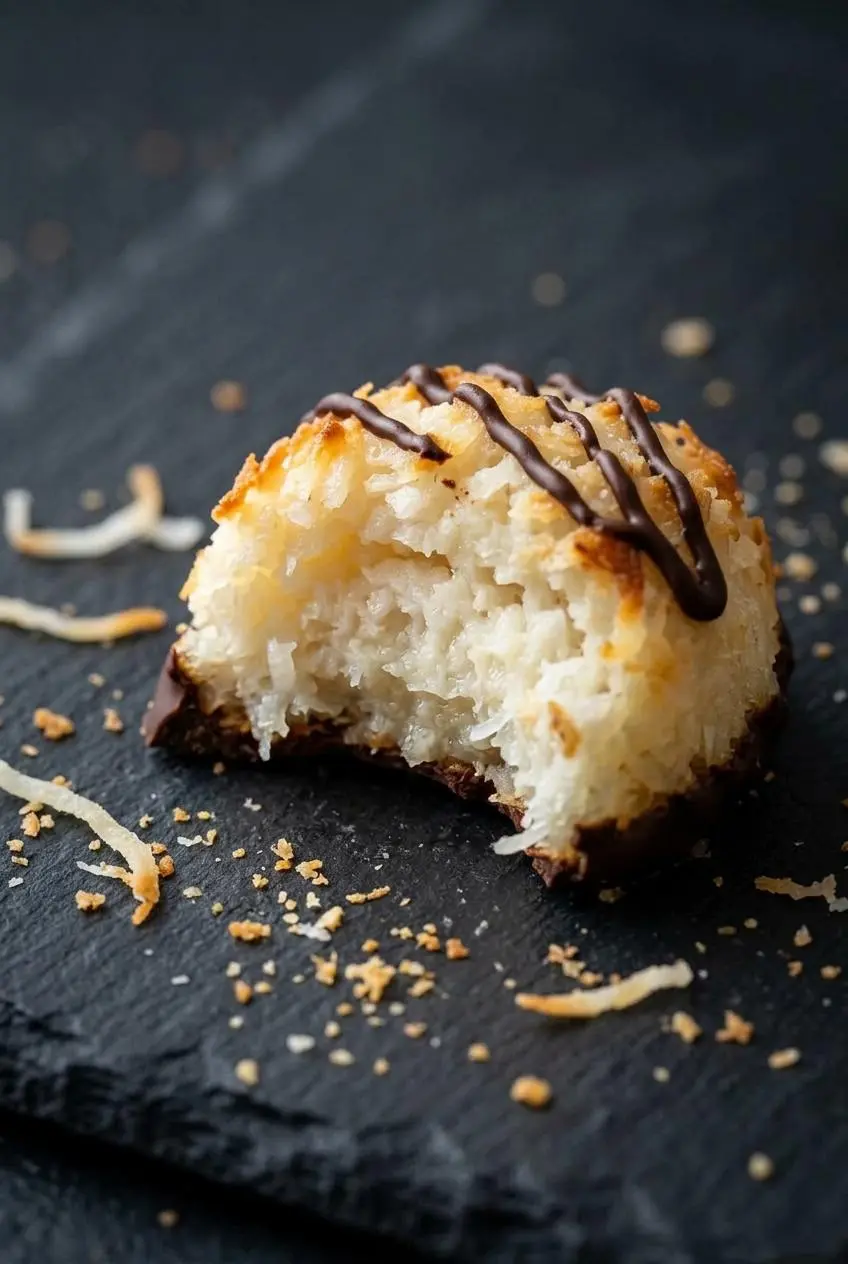
Most texture problems show up either in the bowl or when the cookies leave the oven. Check the mixture before scooping, then use color rather than deeper browning as your final cue.
- Dry, sandy mixture: The coconut may not be evenly coated or may be particularly dry. Fold thoroughly and let it stand until the liquid is absorbed. If it still will not hold in the scoop, a small addition of the same sugar-free condensed milk can help, though it will change the mixture slightly.
- Cookies falling apart: Hot macaroons are fragile. Let them cool completely on the baking sheet before lifting or dipping them. If they’re dry after cooling, they may have baked beyond the lightly golden stage.
- Flattened mounds: Loose liquid or lightly filled scoops can weaken their shape. Mix until no liquid collects in the bowl, pack each scoop, and check that the oven has preheated before baking.
- Overly dark bottoms: Use the lined baking sheet and check the cookies as soon as their outer shreds turn golden. Don’t wait for the entire mound to brown.
- Chocolate that stays soft: Dip only fully cooled cookies, and let the melted chocolate lose some of its heat before coating them. Allow the dipped bottoms to set before packing them away.
Delicious Low-Carb Flavor and Texture Variations
Keep the coconut mixture as written for the familiar chewy center. These optional finishes change the flavor or crunch without becoming part of the main method. For a different coconut cookie texture altogether, try keto coconut cookies.
Dark Chocolate Dipped Coconut Macaroons
Once the macaroons are completely cool, dip the bottoms into melted sugar-free dark chocolate. Let excess chocolate drip away, then place each cookie on parchment until the coating firms up. Warm cookies can break during dipping, and chocolate that’s still very hot can soften their bases.
A drizzle over the tops is another option if you want a lighter coating. Either way, allow the chocolate to set fully before stacking the cookies so the finish stays neat.
Toasted Almond Joy Macaroons
For an optional nutty crunch, fold toasted slivered almonds into the coconut mixture before scooping. Keep the pieces small enough that the mounds still pack firmly. A dark chocolate dip completes the candy-inspired flavor; check the chocolate and almond labels if their ingredients matter to your diet.
You can also lightly toast a portion of the coconut before mixing for a stronger toasted aroma. Let it cool first, and remember that darker shreds make the cookies’ baking color a little harder to judge.
White Chocolate Drizzled Macaroons
Melt sugar-free white chocolate and drizzle it over fully cooled cookies, then leave them undisturbed until it sets. Its sweeter, creamy flavor contrasts with the toasted coconut. For another optional aromatic change, a little almond or pure coconut extract can shift the flavor, though the vanilla in the ingredient list remains the main version.
How to Store Macaroons and Protect Their Texture
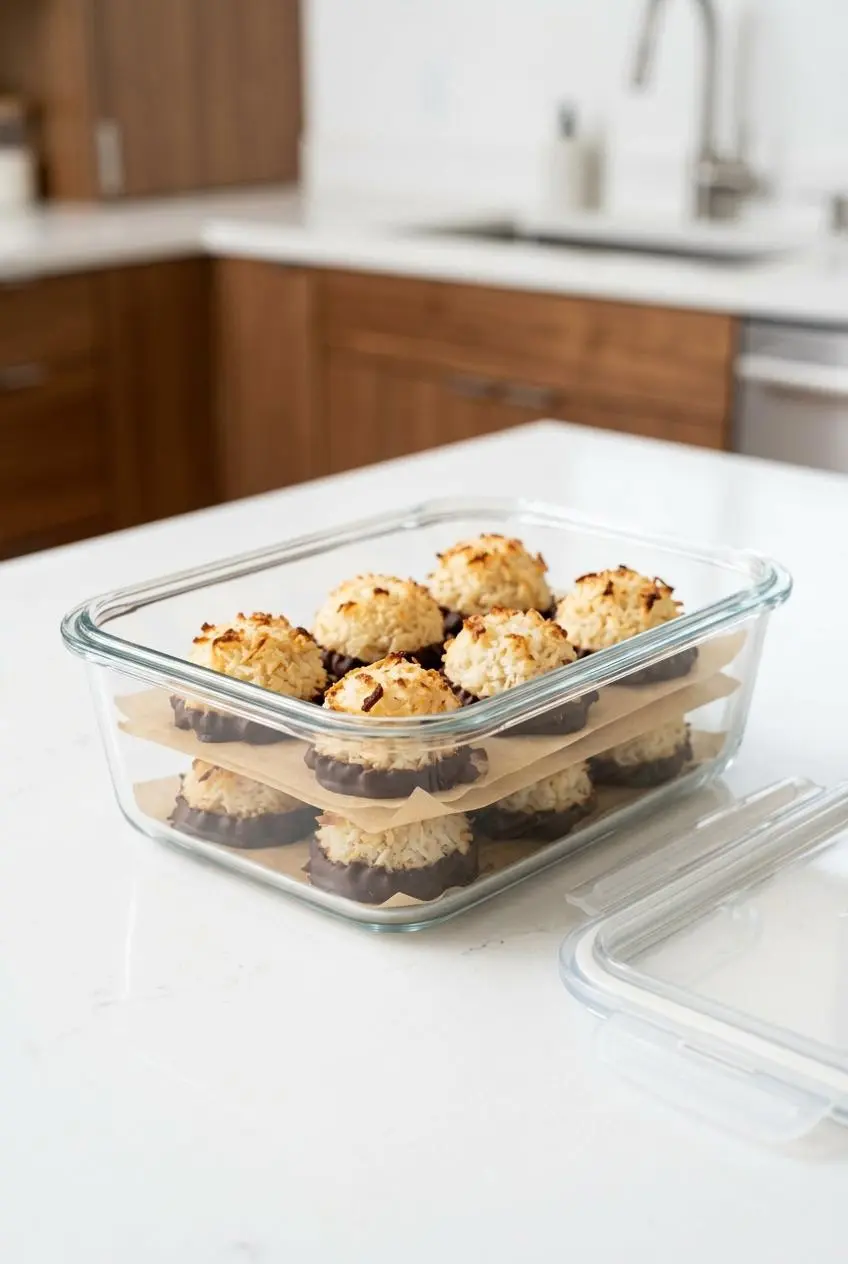
Cool the cookies completely and let any chocolate set before closing them in a container. Keep the airtight container in the refrigerator, as directed in the method, and place parchment between layers if the coating might touch. Packing them while warm can trap moisture against the coconut and chocolate.
If you’re arranging them for a gathering, keep the batch chilled until you’re ready to plate it. Chilled macaroons feel firmer, especially when they have dipped bottoms. A precise freshness window or freezing method isn’t established here, so avoid relying on an unverified storage timeline.
Macaroons vs. Macarons: Understanding the Difference
The similar names describe two very different cookies. Coconut macaroons are mounds of shredded coconut held together with a binder, giving them irregular toasted edges and a dense, chewy middle. French macarons are smooth almond flour meringue shells, usually paired around a filling.
Macarons depend on careful whipping, folding, and piping. These macaroons need a bowl, a whisk, and a scoop. Shredded coconut matters here: replacing it with coconut flour would remove the strands that create the characteristic chew. If you’re interested in how that finer ingredient behaves in baking, coconut flour cookies offer a different cookie style.
This macaroon ingredient list contains no wheat flour, but check packaged ingredients if you need to avoid gluten or another specific ingredient.
Serving Suggestions and Presentation Ideas
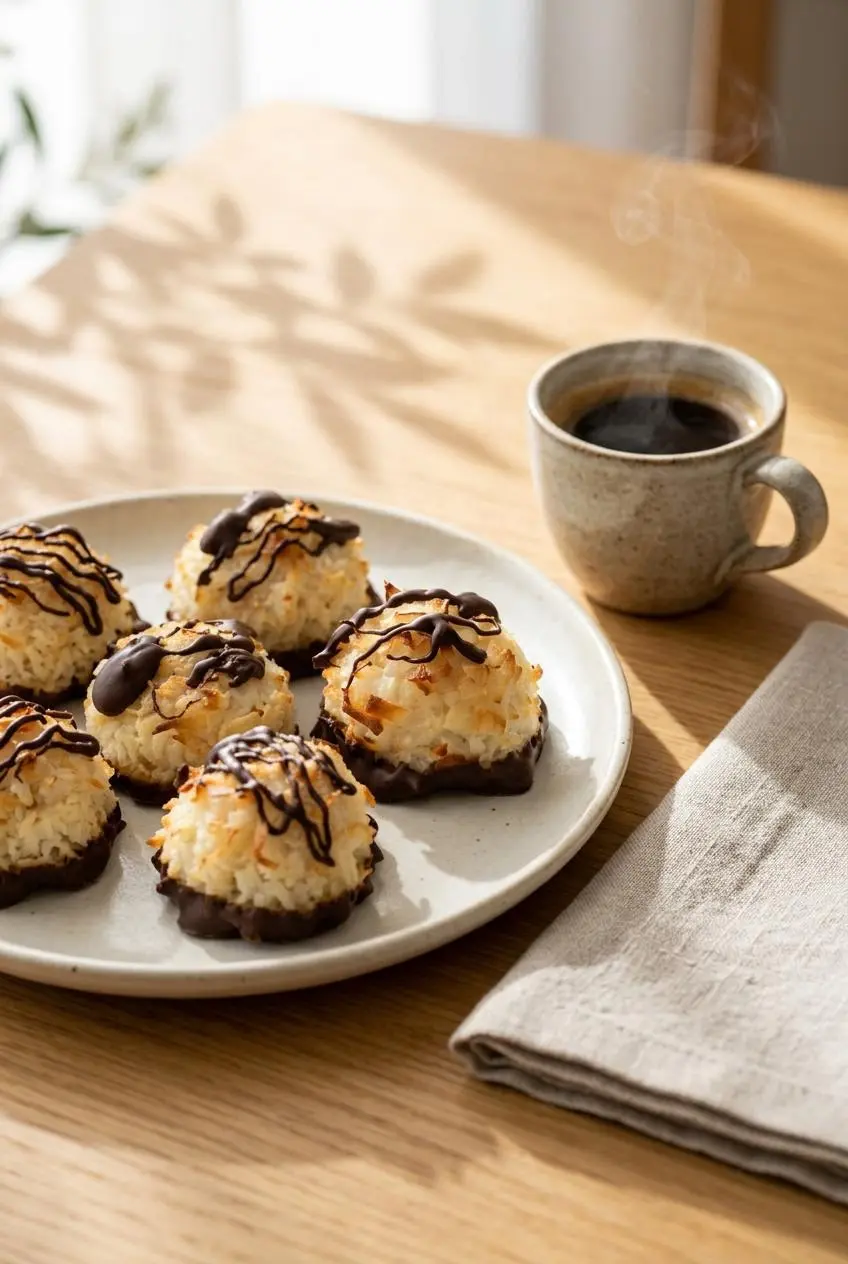
The toasted coconut flavor pairs well with black coffee, espresso, or unsweetened tea. Serve the macaroons chilled for a firmer bite, or plate them once the chocolate has set if you prefer a softer chew.
On a dessert tray, alternate plain and chocolate-dipped macaroons so guests can choose. For a chocolate-forward spread, pair them with fudgy keto brownies. If you’re packing cookies into a gift box, let every coating firm up first and separate layers with parchment to protect the bottoms.
Perfecting Your Low-Carb Coconut Treats
Well-coated coconut, compact scoops, and lightly golden edges make the difference between a chewy macaroon and a dry one. The finished cookies should smell gently toasted and hold their shape once cool.
Give them that full cooling time before dipping or packing them away. Then choose plain coconut or a sugar-free chocolate finish, whichever sounds better with your next cup of coffee.
Frequently Asked Questions About Keto Macaroons
Why Are My Keto Coconut Macaroons Dry or Falling Apart?
They may have baked too long, or the coconut may not have absorbed the binder evenly. Mix until the shreds are coated, stop baking at light golden edges, and cool the cookies completely on the pan before lifting them.
Can I Use Granulated Sweetener Instead of Powdered Confectioners Sweetener?
Powdered sweetener is the better fit for this method because it blends readily into the wet ingredients. Granulated sweetener may leave noticeable crystals in a cookie that bakes briefly, so swapping it could change the texture.
Why Did My Macaroons Spread Out Flat During Baking?
Check for unabsorbed liquid in the bowl and make sure each scoop is packed firmly. A fully preheated oven also helps the mounds begin baking as intended. The mixture should hold its shape on the lined pan before it goes in.
How Long Will Homemade Keto Coconut Macaroons Stay Fresh?
There isn’t a verified freshness period to give for this batch. Let the cookies cool, seal them in an airtight container, and keep them refrigerated. If their smell, texture, or appearance changes, discard them.
Can You Freeze Keto Coconut Macaroons After Baking?
There isn’t an established freezing method or storage period for this particular batch, especially with the optional chocolate coating. For the storage method given here, cool the macaroons fully and keep them in an airtight container in the refrigerator.
Keto Coconut Macaroons

Ingredients
- 3 cups unsweetened shredded coconut
- 2 large egg whites
- ½ cup sugar-free sweetened condensed milk
- 1 tablespoon Swerve confectioners
- 1 teaspoon vanilla extract
- Pinch of salt
- melted sugar-free chocolate optional
Instructions
- Set the oven to 350°F and let it preheat before baking. The oven should be fully heated when the baking sheet goes in.
- Whisk the sugar-free sweetened condensed milk, egg whites, Swerve confectioners, salt, and vanilla extract together in a mixing bowl. The liquid mixture should look evenly combined.
- Fold in the shredded coconut until the wet mixture coats it throughout. No loose liquid should remain at the bottom of the bowl.
- Pack the mixture into a small cookie scoop and release mounds onto a baking sheet lined with parchment paper or a Silpat. The mounds should hold their shape and can sit fairly close together.
- Bake for 12 to 13 minutes, checking for light golden color. The outer edges and exposed coconut tips should be lightly browned, not deeply toasted.
- Leave the macaroons on the baking sheet until completely cool, then dip their bottoms in melted sugar-free chocolate if using. The cooled mounds should hold together as you lift them.
- Let the chocolate set before transferring the macaroons to an airtight container in the refrigerator. The coating should feel firm rather than tacky before the cookies are stacked.