Skip to content
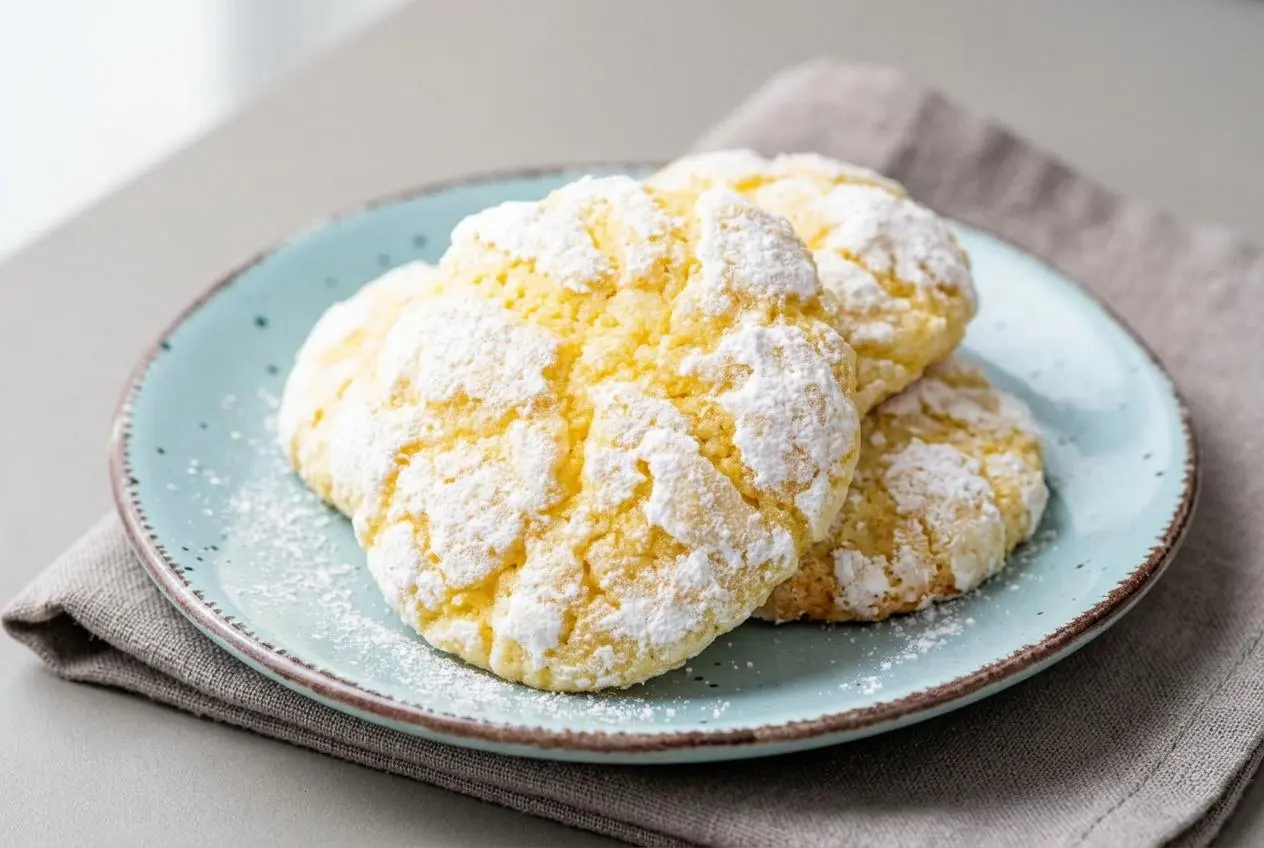
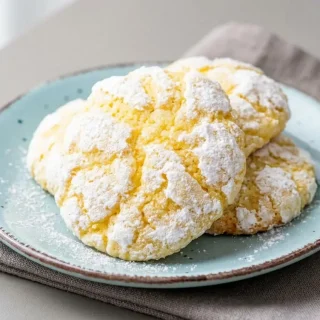
Keto lemon cookies are chewy, grain-free citrus cookies with a tender almond flour crumb, bright lemon flavor, and a delicate crackled powdered sweetener coating.
These keto lemon cookies use whipped egg whites to give the dough lift and a lighter bite without wheat flour. Fresh zest and lemon extract create a clean, sunny citrus flavor in every cookie.
The edges set gently while the centers stay tender. The crinkle finish is the fun part.
Bring the egg whites to room temperature before beating them so they whip into soft, airy peaks more easily.
Ingredients and Sweetener Selection for Low-Carb Lemon Cookies
Each ingredient supports the cookies’ tender structure, lemon aroma, sweetness, color, and signature crackled finish.
- 2 cups almond flour (blanched or superfine)
- 1/4 teaspoon salt
- 1 cup allulose (or monk fruit sweetener)
- 2 tablespoon lemon zest
- 2 large egg whites (room temperature)
- 1 teaspoon lemon extract
- 1-2 drops yellow food coloring (optional)
- 1/4 cup sugar free powdered sugar
The almond flour forms the cookie body, while the egg whites bind the dough and create a pleasantly chewy center. Allulose or monk fruit sweetener adds sweetness, lemon zest brings fragrant citrus oils, and the powdered sweetener gives the tops their snowy crinkle look.
Almond Flour Quality and Texture
Choose blanched, superfine almond flour for the most tender crumb. Its fine texture absorbs the whipped egg whites evenly and helps the cookies hold together after cooling.
Coarse almond meal contains larger particles and often makes the dough feel heavier and more gritty. It can also leave the baked cookies more fragile, especially around the edges. I reach for superfine almond flour whenever a cookie needs a soft bite rather than a rustic, crumbly texture.
Allulose vs. Erythritol Sweeteners
Allulose tends to encourage a softer, chewier cookie and can brown more quickly than other sugar-free sweeteners. Keep an eye on the cookies near the end of baking because the bottoms may color before the pale lemon tops look deeply golden.
Monk fruit sweetener works well here too, although blends vary by brand. Erythritol-based sweeteners generally bake into a firmer texture and may leave a faint cooling sensation. For the exterior, powdered sugar-free sweetener creates the clearest crinkle pattern because it clings to the dough before baking.
Fresh Zest vs. Lemon Extract
Fresh lemon zest carries aromatic oils from the peel, while lemon extract gives a more concentrated citrus flavor without loosening the dough. Rub the zest into the allulose with your fingertips before mixing when you want the lemon fragrance to bloom more fully.
Avoid adding extra lemon juice to the main dough. Even a little additional liquid can make this soft almond flour mixture harder to scoop and coat.
How to Make Chewy Keto Lemon Cookies
The key is keeping air in the egg whites, coating the dough evenly, and flattening each portion before it goes into the oven. Almond flour dough does not spread like traditional wheat flour cookie dough.
- Heat the oven to 180C/350F and cover a large baking sheet with parchment paper.
Use a flat, lined sheet so the delicate cookies release cleanly after cooling. - Whisk the almond flour, salt, allulose or monk fruit sweetener, and lemon zest in a large bowl until evenly blended.
Break up any flour or zest clumps now for a smoother, more even crumb. - Beat the room-temperature egg whites in a separate bowl until they form soft peaks, then mix in the lemon extract and optional yellow food coloring.
The peaks should bend over at the tip rather than stand stiffly upright. - Fold the dry mixture into the egg whites just until no dry patches remain.
The finished dough should feel soft and scoopable, not loose or pourable. - Scoop heaping tablespoons of dough, coat each portion in the sugar free powdered sugar, and arrange them on the prepared baking sheet.
Press each ball into a thick disc because the dough will keep its shape in the oven. - Bake for 15 minutes.
Remove the cookies when the edges are set and the tops show fine cracks. - Leave the cookies on the baking sheet until completely cool, then add another light dusting of powdered sweetener if the coating has absorbed into the surface.
The cookies firm up as they cool, so moving them while warm can cause breakage.
Whipping Egg Whites to Soft Peaks
Soft peaks give these cookies structure without making them dense. Beat the egg whites until they look glossy and fluffy, with peaks that curl over when the beaters lift away.
Fold rather than stir aggressively once the dry mixture goes in. Vigorous mixing knocks out the air that helps the cookies bake up lighter and can leave the finished texture compact.
Portioning and Sugar-Free Crinkle Coating
A cookie scoop keeps the portions even, which helps the cookies bake at the same pace. Roll each dough portion thoroughly in powdered sweetener so there is a visible coating on all sides before flattening.
If the dough feels sticky, work gently and avoid packing it tightly in your hands. A soft dough is expected here, and a gentle press creates thick, tidy rounds with room for those little surface cracks.
Visual Cues for Doneness
Look for set edges and delicate cracking across the tops. The centers may still seem soft when the baking sheet comes out of the oven, but they continue to settle as they cool.
Do not wait for dark tops as your main signal. Low-carb sweeteners can brown differently, so the crackled surface and set edges are more dependable cues than deep color alone.
Essential Baking Tips and Troubleshooting
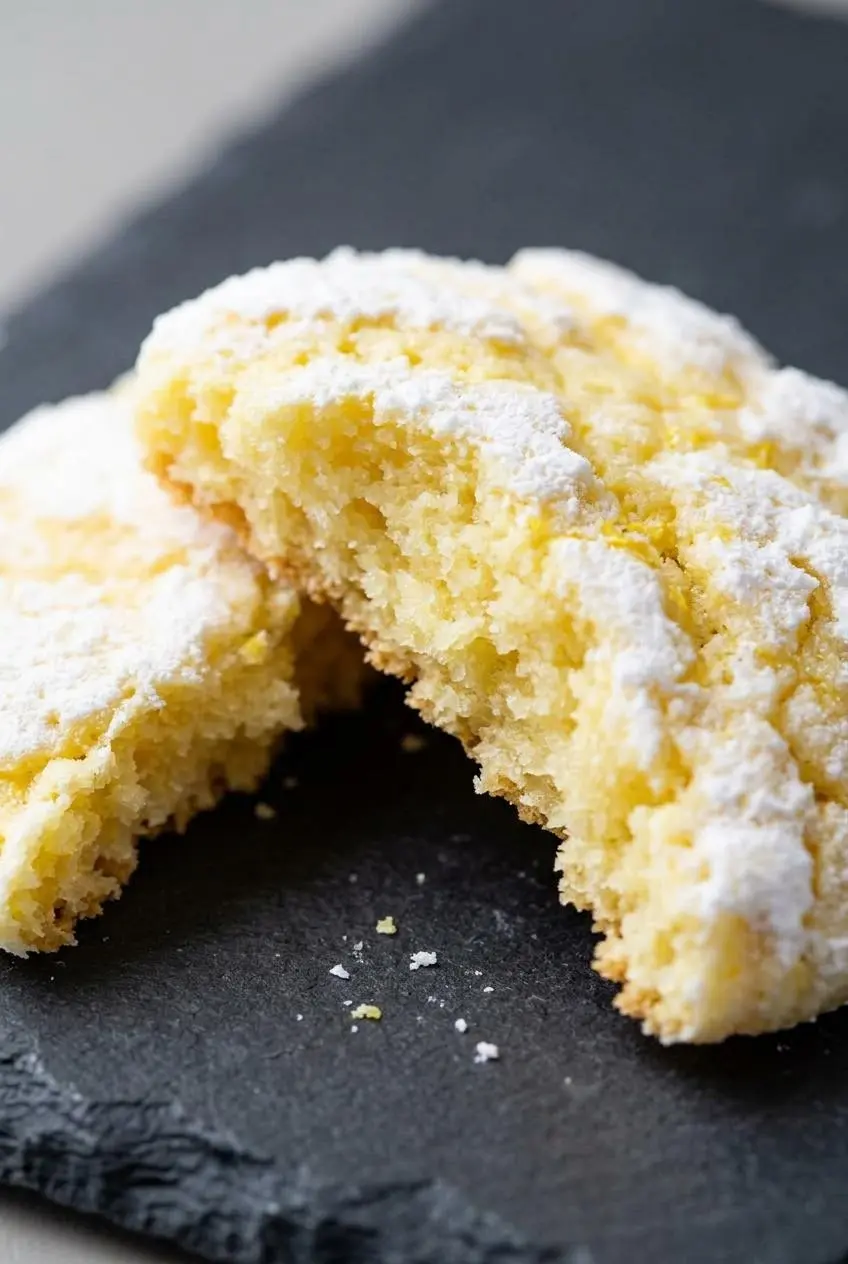
Small handling choices make the difference between tender lemon cookies and ones that crumble before they reach the plate.
- Cookies are crumbly: They were likely moved while warm. Leave them on the baking sheet until fully cool so the egg white structure can set.
- Cookies did not spread: This is normal for almond flour dough. Flatten the coated dough balls into thick discs before baking.
- Cookies seem dense: The egg whites may have been overmixed after folding. Stop as soon as the dough comes together.
- Bottoms brown too fast: Allulose can color quickly. Use the crackled tops and set edges as the main doneness signs.
- The coating disappears: Humidity can draw moisture into powdered sweetener. Store the cooled cookies tightly covered and add a fresh dusting before serving if needed.
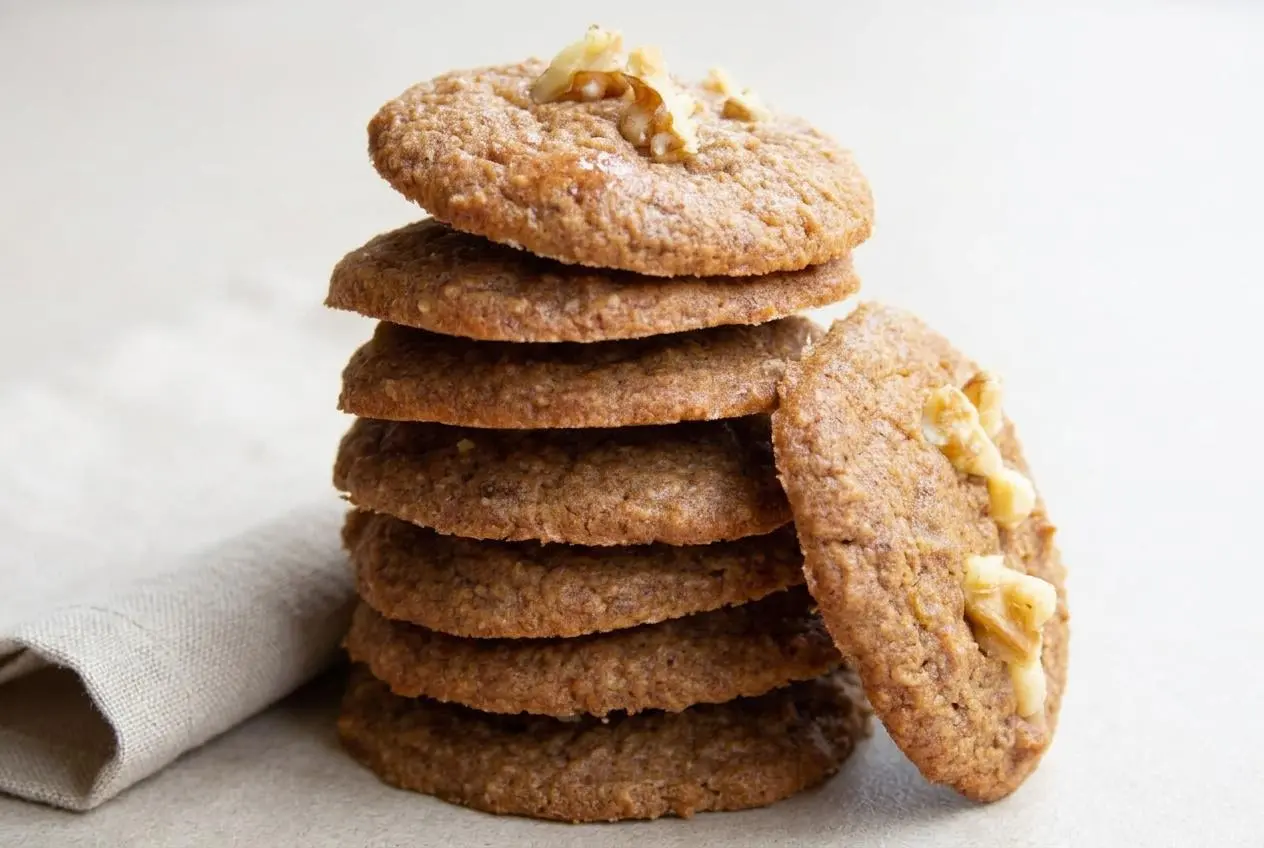
For another almond flour baking project, these keto almond flour cookies are a useful comparison for how soft grain-free dough behaves on a baking sheet.
Flavor Twists and Recipe Variations
Once you like the soft crinkle texture, it is easy to shift the citrus character without changing the core method.
Sugar-Free Lemon Glazed Cookies
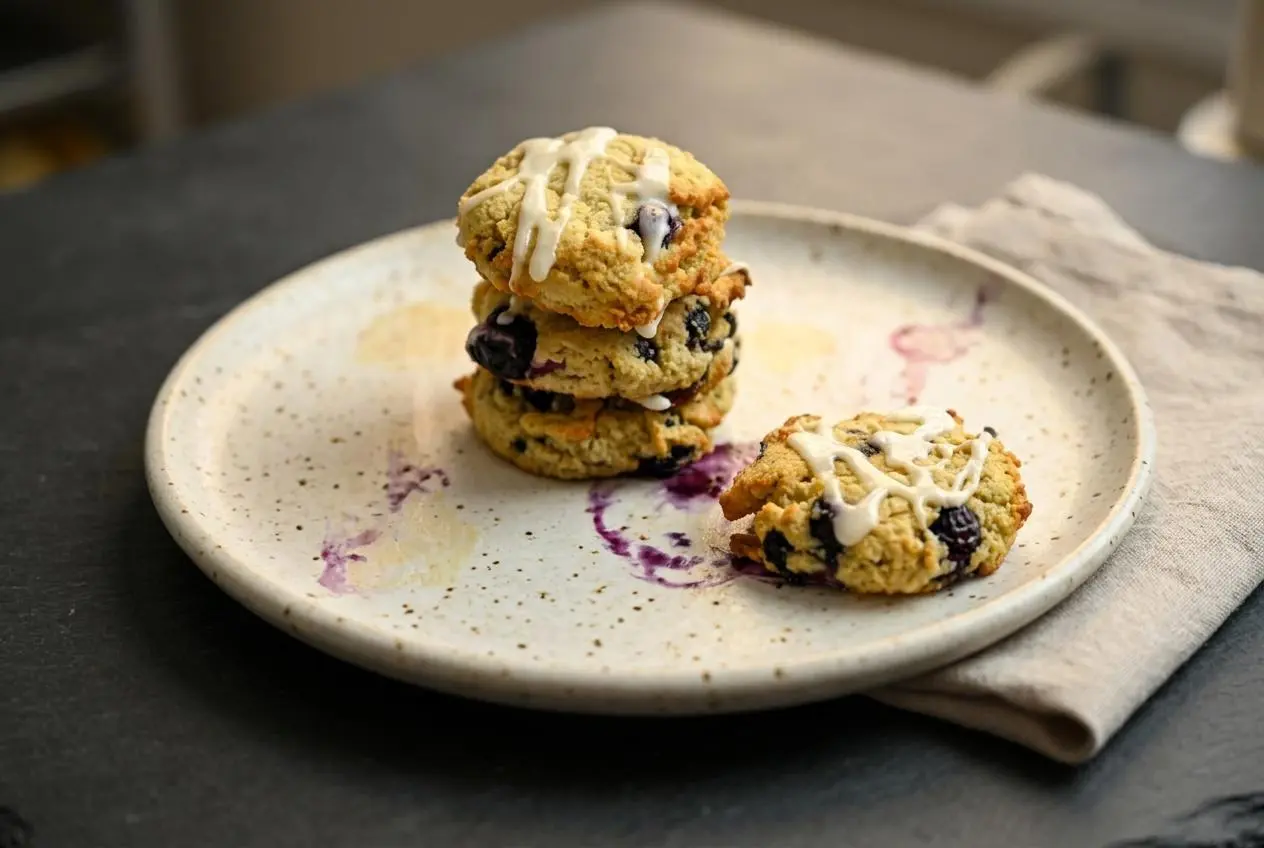
For a sharper lemon finish, stir sugar-free powdered sweetener with fresh lemon juice until it becomes a drizzleable glaze. Spoon it over completely cooled cookies so the glaze stays on the surface instead of melting into the warm crumb.
Keep this finish optional and use it when you want a sweeter, more tart dessert-style cookie. For a mixed cookie platter, add a contrasting batch of keto chocolate cookies alongside the lemon crinkles.
Alternative Citrus Crinkles With Lime or Meyer Lemon
Swap lime zest for a sharper, slightly tropical citrus aroma, or use Meyer lemon zest for a softer floral note. Keep the lemon extract in place if you want the familiar lemon-cookie flavor to remain prominent.
A small amount of pure vanilla or almond extract can round out the citrus flavor, but use it lightly so it does not cover the bright zest.
Proper Storage Methods
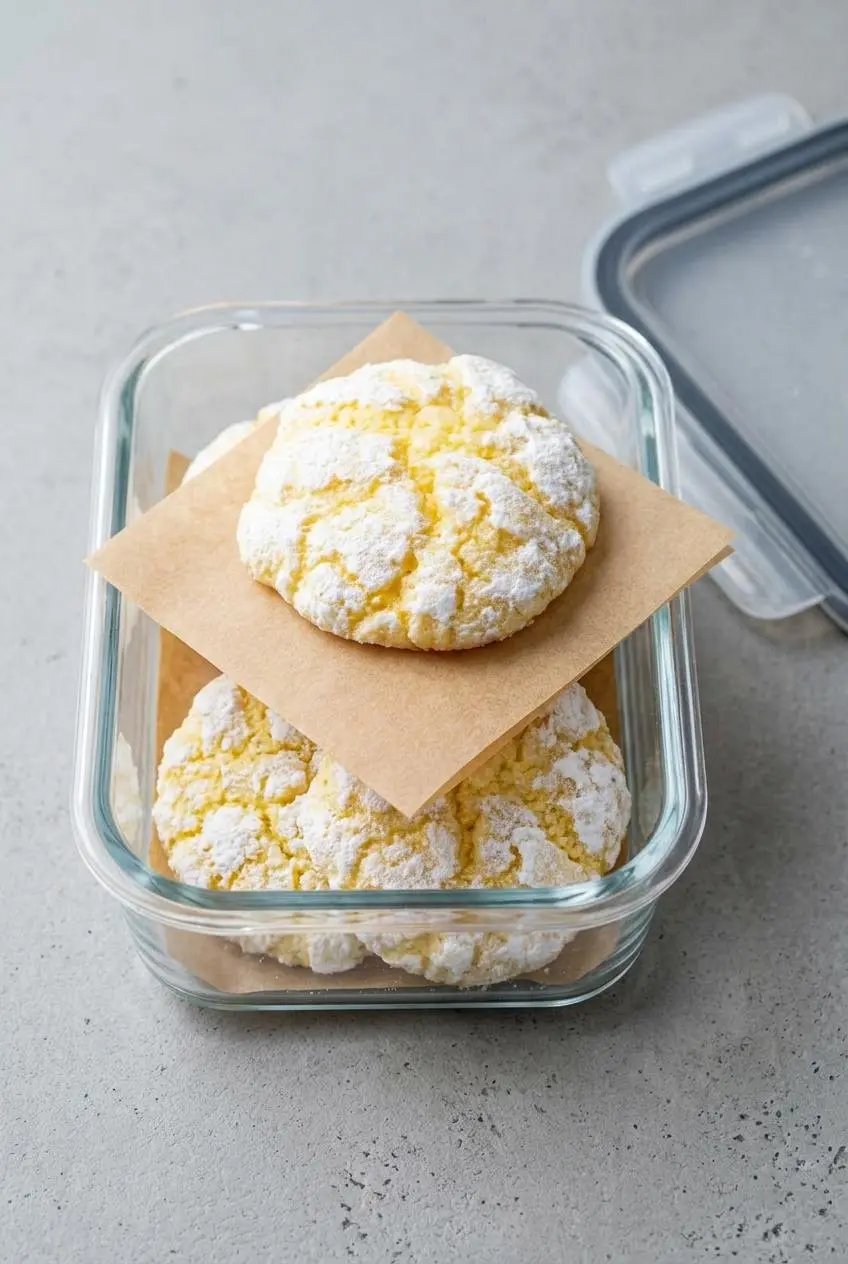
Cool the cookies completely before storing them in an airtight container. Place parchment between layers to protect the delicate powdered coating and prevent the tops from sticking together.
Keep the container away from steam, humidity, and direct warmth. In a warm kitchen, refrigerate the covered cookies to protect their texture, then let them come closer to room temperature before serving for the most tender bite.
Serving Suggestions and Beverage Pairings

These bright cookies fit nicely into an afternoon snack, a warm-weather dessert spread, or a low-carb holiday tray.
- Serve with unsweetened Earl Grey, green tea, or herbal tea when you want the lemon flavor to shine.
- Pair with cold-brew coffee or chilled mint herbal tea for a refreshing summer dessert.
- Arrange the cookies with raspberries, blackberries, and dark chocolate nibs for a colorful low-carb dessert board.
- Offer them with slices of keto lemon pie when a citrus dessert table calls for more than one texture.
Final Thoughts on Making Perfect Low-Carb Lemon Cookies
These cookies rely on a gentle crinkle method: whip the egg whites, fold carefully, coat generously, and press the dough before baking. Fresh zest gives the finished cookies their most lively lemon aroma.
Give them time to cool completely on the baking sheet before lifting them away. Once that texture is in hand, lime, Meyer lemon, or a tart glaze can keep each batch interesting.
Frequently Asked Questions
Why Didn’t My Keto Lemon Cookies Spread in the Oven?
Almond flour dough lacks the gluten structure and melting sugar behavior that make conventional cookies spread. Gently flatten each coated dough ball into a thick disc before baking so the cookies bake into the right shape.
Why Are My Almond Flour Cookies Crumbly and Fragile?
They are naturally delicate while warm because the structure is still setting. Let the cookies cool completely on the baking sheet before transferring them, and use superfine almond flour rather than coarse almond meal.
Which Low-Carb Sweetener Produces the Softest Cookies?
Allulose generally gives these cookies a softer, chewier texture. Erythritol-based blends can produce a firmer cookie with a more noticeable cooling finish, while monk fruit blends can vary depending on their other ingredients.
Is Lemon Juice or Lemon Extract Better for Keto Cookies?
Lemon extract gives concentrated flavor without adding extra liquid to the dough. Fresh zest supplies the aromatic citrus oils, so together they create a fuller lemon flavor than either ingredient alone.
Is Lemon Suitable for Low-Carb and Keto Diets?
Lemon zest and extract are commonly used in low-carb baking because they add strong citrus flavor in small culinary amounts. Individual dietary needs and carbohydrate targets vary, so check the labels on the ingredients you choose if you track them closely.
Keto Lemon Cookies

Equipment
- Baking sheet
- Parchment paper
- Mixing bowls
- Cookie scoop
Ingredients
- 2 cups almond flour (blanched or superfine)
- 1/4 teaspoon salt
- 1 cup allulose (or monk fruit sweetener)
- 2 tablespoon lemon zest
- 2 large egg whites (room temperature)
- 1 teaspoon lemon extract
- 1-2 drops yellow food coloring (optional)
- 1/4 cup sugar free powdered sugar
Instructions
- Heat the oven to 180C/350F and cover a large baking sheet with parchment paper. Use a flat, lined sheet so the delicate cookies release cleanly after cooling.
- Whisk the almond flour, salt, allulose or monk fruit sweetener, and lemon zest in a large bowl until evenly blended. Break up any flour or zest clumps now for a smoother, more even crumb.
- Beat the room-temperature egg whites in a separate bowl until they form soft peaks, then mix in the lemon extract and optional yellow food coloring. The peaks should bend over at the tip rather than stand stiffly upright.
- Fold the dry mixture into the egg whites just until no dry patches remain. The finished dough should feel soft and scoopable, not loose or pourable.
- Scoop heaping tablespoons of dough, coat each portion in the sugar free powdered sugar, and arrange them on the prepared baking sheet. Press each ball into a thick disc because the dough will keep its shape in the oven.
- Bake for 15 minutes. Remove the cookies when the edges are set and the tops show fine cracks.
- Leave the cookies on the baking sheet until completely cool, then add another light dusting of powdered sweetener if the coating has absorbed into the surface. The cookies firm up as they cool, so moving them while warm can cause breakage.