Skip to content
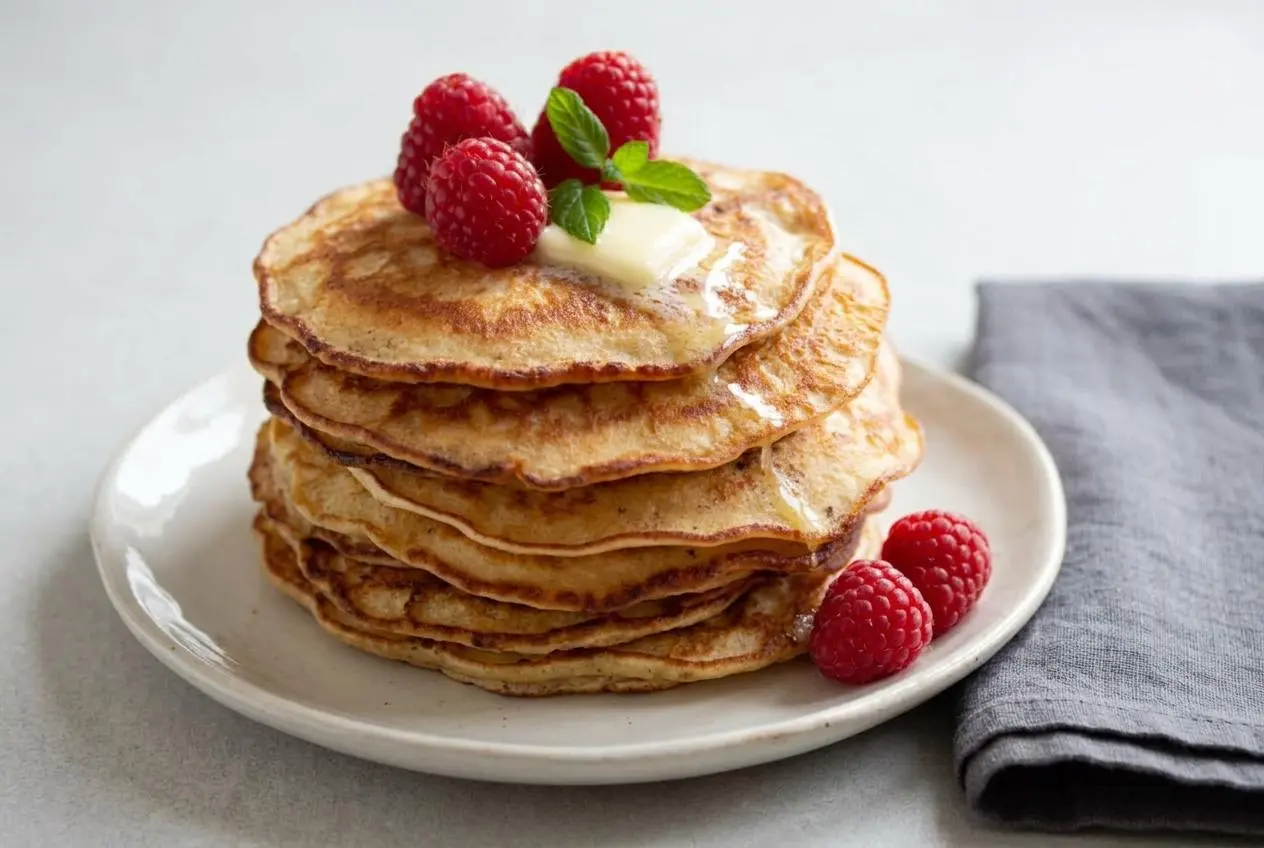
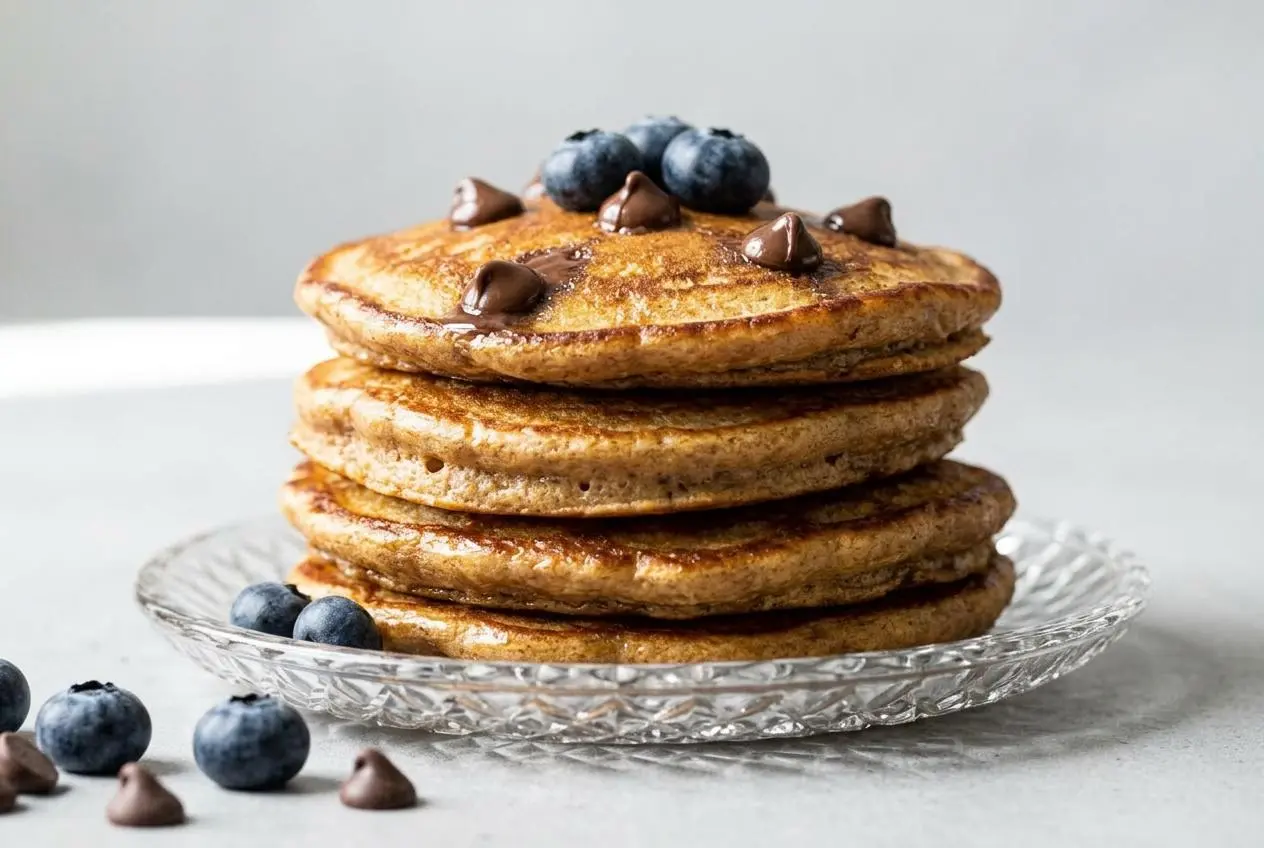
Keto pancakes turn out light and fluffy when you blend eggs, cream cheese, and almond flour into a smooth batter, then cook small pancakes gently in butter so they set before you flip them.
These pancakes aim for that classic breakfast feel without wheat flour. The cream cheese keeps them rich, the almond flour adds soft structure, and the eggs hold everything together.
They cook fast, smell wonderfully buttery in the pan, and the little bubble cue makes all the difference. That flip is the whole game.
Set the pan over medium-low before you mix the batter so the first pancake starts cooking evenly instead of scorching on contact.
Ingredients Explained: The Science of Keto Batter
Each ingredient has a real job here, from building structure and moisture to adding warmth, richness, and that soft golden finish.
- 1/2 cup plus 1 tbsp almond flour (60g)
- 1/2 cup full fat cream cheese (125g)
- 4 eggs
- 1 tsp granulated sweetener
- 1/2 tsp cinnamon (optional)
- butter (for frying)
Almond flour gives these pancakes body without making them heavy. Super-fine almond flour works best because it blends more smoothly into the batter and gives a texture closer to a traditional pancake.
Full-fat cream cheese is a major part of the structure here. It adds richness, but more importantly, its fat helps bind the batter so the pancakes hold their shape in the pan. Lower-fat versions tend to loosen the batter and make the pancakes harder to flip cleanly.
Eggs do the rest of the binding work. They replace the strength that gluten would usually provide, which is why room temperature eggs help so much. They blend more evenly with the cream cheese and reduce the chance of a separated or lumpy batter.
The sweetener adds a little balance and helps the pancakes brown. Cinnamon is optional, but it softens the eggy flavor and gives the batter a cozy breakfast smell.
Butter matters too. It helps the outside turn golden and adds that unmistakable buttery aroma that tells you the pan is at the right heat.
I always make sure the cream cheese is fully softened before blending, because even a few cold lumps can leave the batter uneven and make the pancakes cook patchily.
Almond Flour vs. Coconut Flour
These two flours do not behave the same way, so a direct swap will not work well.
- Almond flour stays relatively moist and gives a tender, flexible pancake.
- Coconut flour is far more absorbent and thickens batter quickly, so it needs much less flour and usually more egg or liquid.
- Almond flour makes a batter that pours easily, while coconut flour tends to tighten up fast and can become dense if the balance is off.
- If you want nut-free pancakes, use a version built specifically for coconut flour rather than replacing almond flour one to one.
The Role of Full-Fat Cream Cheese
This ingredient does more than add flavor. Full-fat cream cheese creates a smoother batter, supports the fragile almond flour structure, and gives the pancakes a richer bite.
That fat content helps the pancakes set with softer centers and cleaner edges. When the batter has enough fat, it spreads gently instead of running thin and cooking like an omelet. That is why full-fat works so much better here.
Allergy-Friendly Swaps
- For a dairy-free version, try replacing the cream cheese with coconut yogurt. Expect a slightly tangier flavor and a looser batter.
- Ghee can work as the cooking fat if butter is not a fit.
- For a nut-free direction, choose a separate coconut flour version instead of swapping flours directly.
- Use a low-glycemic sweetener if you want to keep the flavor balanced without adding a sugary finish.
How to Make the Ultimate Fluffy Keto Pancakes
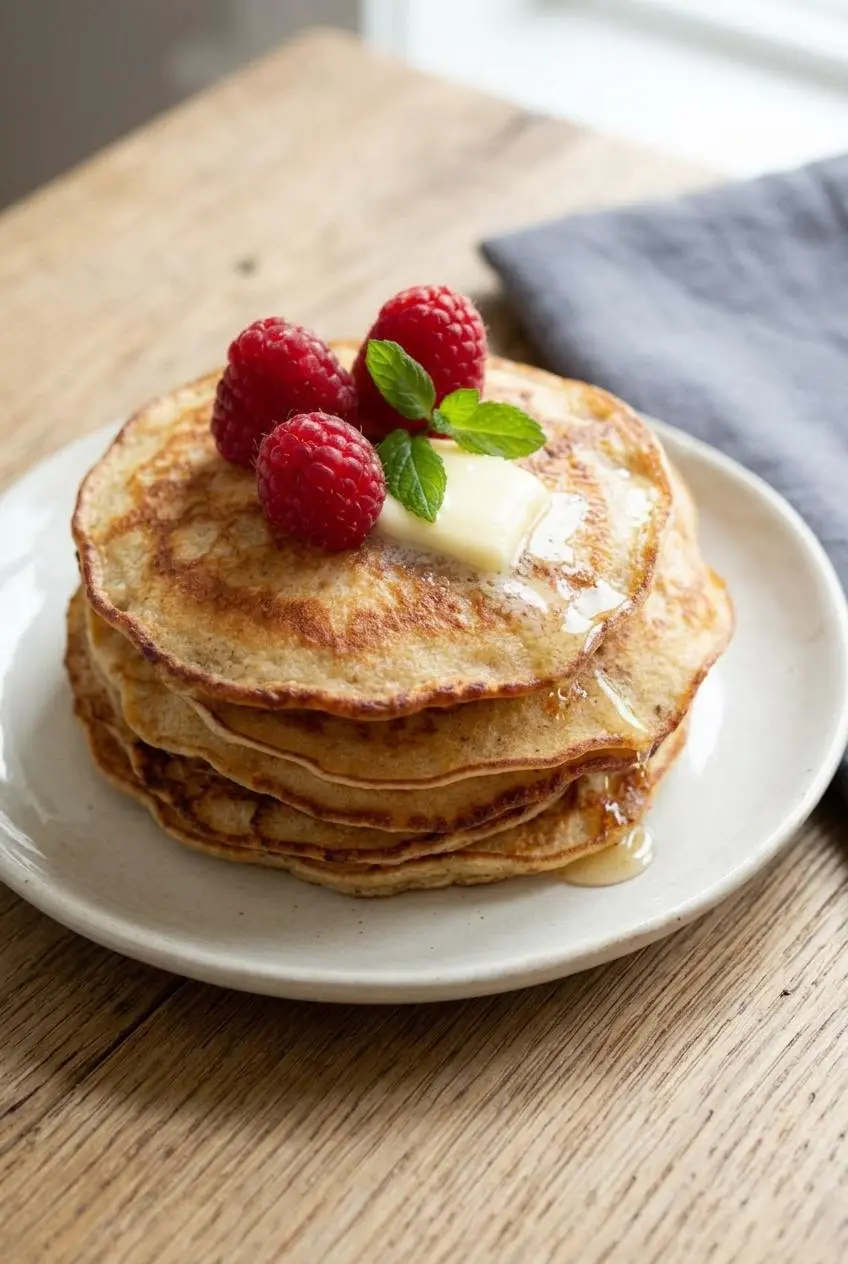
This method works best when you keep the batter smooth, let it settle briefly, and cook small pancakes gently so the centers set before the bottoms get too dark.
- Blend the eggs with the cream cheese until the mixture looks fluffy, then add the almond flour, sweetener, and cinnamon and blend again until the batter is smooth.
Starting with the wet ingredients helps everything combine evenly, and a smooth batter cooks into pancakes with a more even texture. - Melt butter in a non-stick pan over medium heat, then spoon in small rounds of batter about 10 to 12 cm across and cook for 2 to 3 minutes, working with 2 pancakes at a time if the pan is large enough.
Let the batter rest for about 2 minutes before it hits the pan if it looks very bubbly, and watch for a gentle buttery smell and a light golden edge. - Slide a wide spatula underneath once the center starts to bubble and the edges look set, then turn each pancake and cook for 1 to 2 minutes more until the second side is fully set.
The pancake should release more easily at this stage, and the finished surface should look golden, tender, and lightly puffed.
If you want a slightly more cake-like texture, you can add a pinch of baking powder and a splash of vanilla extract as an optional tweak. That little change can also soften any eggy notes.
For a cozy breakfast plate, these pair especially well with coffee and a mug made with keto coffee creamer.
Troubleshooting: How to Prevent Burnt or Tattered Pancakes
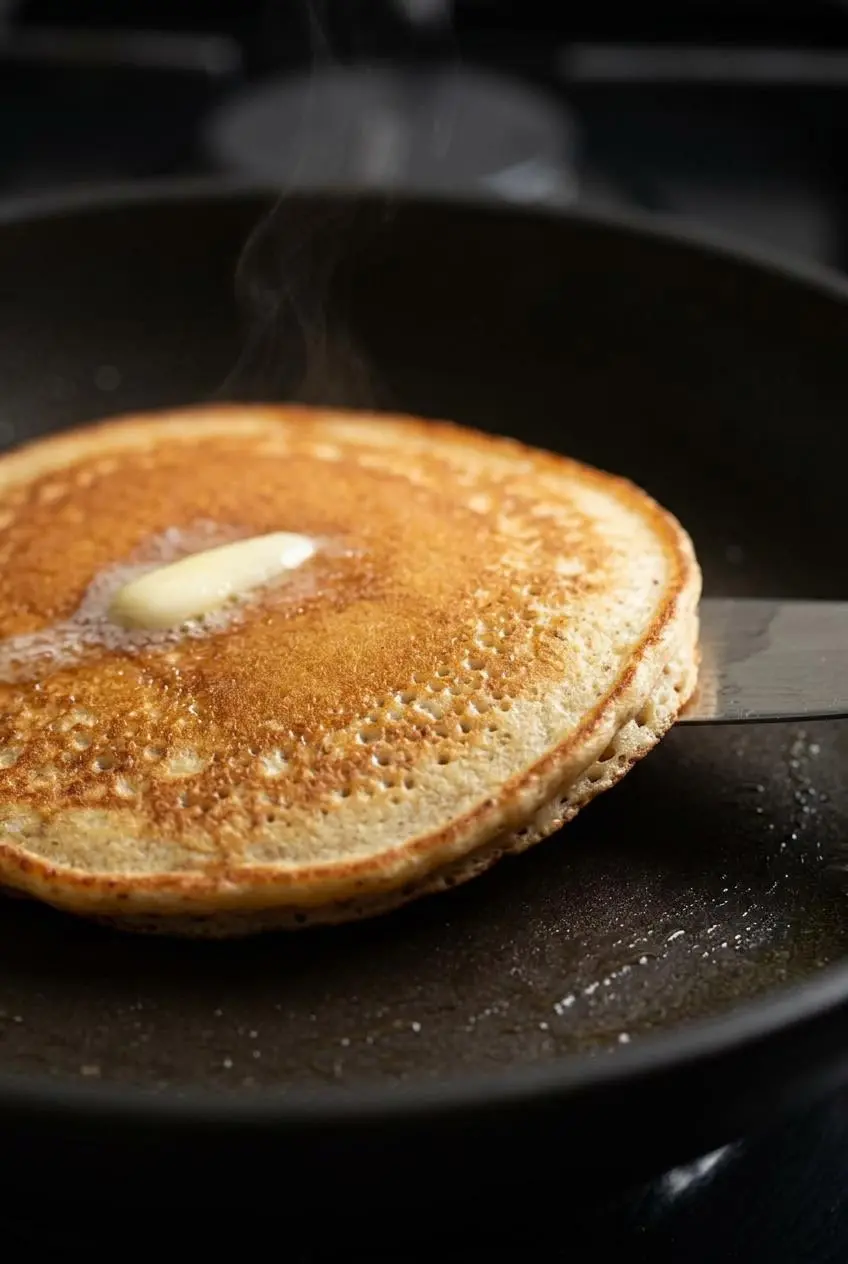
Low-carb pancake batter is delicate, so most problems come down to heat, size, or flipping too soon.
- Burnt outside and raw middle: the heat is too high. Lower it to medium-low so the center has time to set before the sweetener and butter brown too fast.
- Pancakes fall apart when flipping: they are probably too large or too loose. Keep them under 4 inches wide and use a wide spatula for full support.
- Torn edges: the pancakes need a little more time. Wait for micro-bubbles near the edges and a few bubbles in the center before trying to turn them.
- Sticky first batch: the pan likely was not fully preheated or the batter was not blended smoothly enough. A steady pan temperature and fully mixed wet ingredients help a lot.
- Rubbery texture: the batter may have too much eggy dominance or the pancakes cooked too aggressively. Cinnamon, vanilla, or a tiny pinch of baking powder can improve the feel.
- Pale pancakes with no real aroma: the pan may be too cool. You want gentle sizzling in the butter, not silence and not a hard fry.
The best flip test is visual. Look for tiny bubbles creeping toward the center, edges that no longer look wet, and a bottom that has enough color to hold together when lifted.
Coconut Flour vs. Almond Flour Keto Pancakes
If you are choosing between the two, the main difference is absorption. Almond flour stays looser and gives a soft, classic pancake feel. Coconut flour absorbs much more moisture, so it needs a much smaller amount and usually a heavier egg base to avoid dryness.
That is why almond flour is the better fit for this fluffy version. It creates a batter that spreads gently, cooks tenderly, and is easier to flip without cracking.
A coconut flour batter can still work well for keto pancakes, especially if you need a nut-free option, but it should be treated as a separate recipe style. Expect a thicker batter, a smaller amount of flour, and a texture that is usually a bit more cakey and less flexible.
If you want another nut-based variation with a different flavor, keto peanut pancakes are a fun next step.
The Simple 4-Ingredient Keto Crepe-Pancake
Some people want the fastest possible version, and this is where the almond flour recipe and the crepe-style version split paths.
A four-ingredient base of eggs, cream cheese, sweetener, and a pinch of cinnamon makes thinner pancakes that cook more like soft crepes. They are flexible and quick, but they will not be as fluffy as the almond flour version because they have less structure.
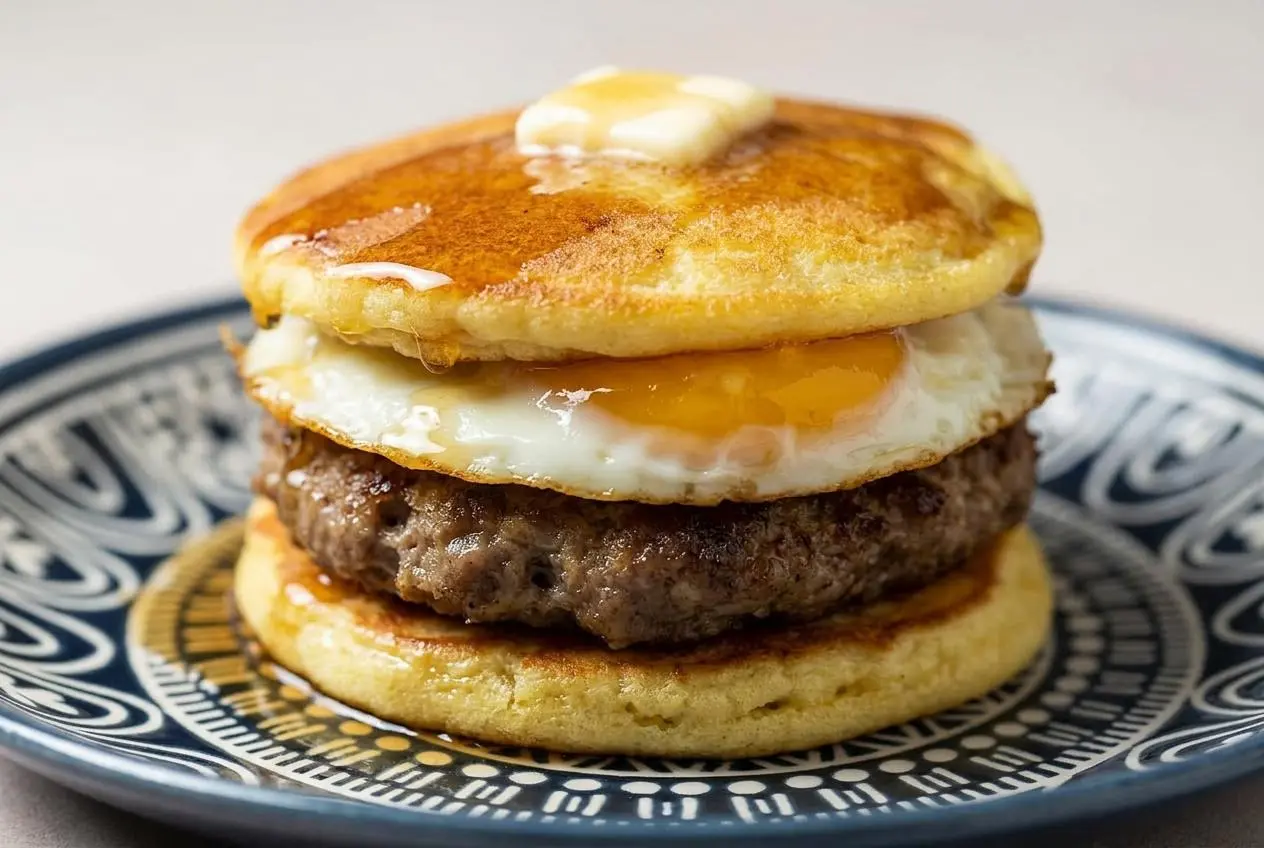
If you like the idea of folding or wrapping breakfast fillings, the thin style can be especially handy. It works nicely in a low carb pancake sandwich when you want something savory instead of syrupy.
The almond flour batter is still the better choice for a stackable breakfast pancake. It gives you more lift, a more familiar crumb, and sturdier edges.
Storage, Freezing, and Reheating
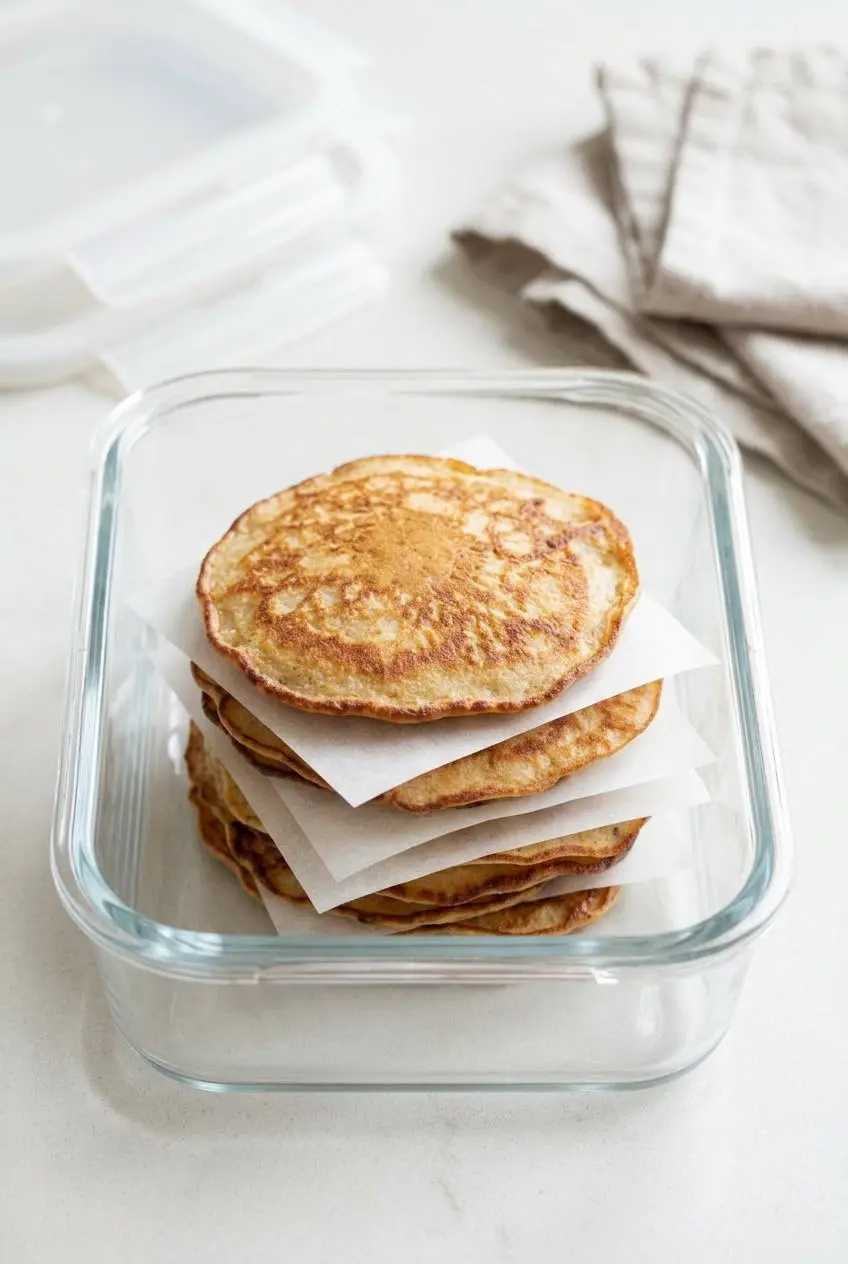
These pancakes store best once fully cooled, with a layer of paper towel or parchment between them if you are stacking them. That keeps extra moisture from making the centers damp.
You can refrigerate them in an airtight container for up to 5 days. Reheat only what you need so the rest stay in better shape.
If you want to freeze them, cool them completely first and keep them separated so they do not stick into one solid block. The texture holds up best when they are reheated dry rather than steamed.
Freezing in Batches
Lay the cooled pancakes on a baking sheet in a single layer until firm, then stack them with parchment paper between each one and transfer them to a freezer bag. That extra divider step prevents torn surfaces later.
Try to keep the stack flat so the pancakes do not bend and crack. Once thawed or reheated, they are more fragile than wheat pancakes, so gentle handling helps.
Toaster Reheating for Crispy Edges
The toaster is one of the best ways to bring back texture. A low setting warms the middle while lightly crisping the outside edges again.
A toaster oven or air fryer works well too if you want a slightly drier finish. The microwave is fine in a pinch, but it can soften the surface and make the pancakes a little soggy.
Conclusion
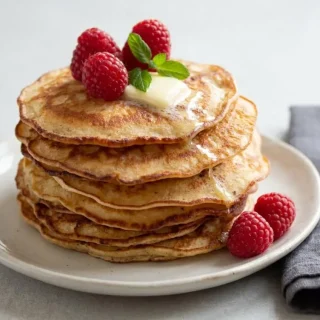
These pancakes give you a fast low-carb breakfast with a soft middle, golden edges, and a rich buttery flavor that feels genuinely satisfying. Sugar-free syrup, fresh raspberries, crispy bacon, Greek yogurt, or whipped cream all work beautifully on top.
Keep them small, stay patient with the bubbles, and the texture gets much easier to nail. Once you get that first clean flip, breakfast gets a lot more fun.
Frequently Asked Questions
Why did my keto pancakes fall apart when flipping?
Keto pancakes do not have gluten, so they need more support in the pan. Keep them under 4 inches so the center can hold together. Wait for bubbles in the center and set edges before flipping. Use a wide spatula so the whole pancake is supported. Cook over medium-low rather than rushing with higher heat.
Can I use coconut flour instead of almond flour?
No, not as a direct swap. Coconut flour absorbs much more moisture than almond flour. You need a much smaller amount of it and usually more eggs or liquid. A dedicated coconut flour recipe will give you a better texture. If you swap them one to one, the batter usually turns thick and heavy.
How do I make my keto pancakes less eggy?
Use a little flavor support and a bit more lift. Add a splash of vanilla extract to soften the egg flavor. Use the optional cinnamon for warmth and aroma. Add a tiny pinch of baking powder if you want a fluffier texture. Make sure the pancakes cook gently so they do not taste overly egg-forward.
Can I use this batter in a waffle maker?
Yes, it can work with a slight adjustment. Add 1 tbsp almond flour to thicken the batter a bit. Add 1/2 tsp baking powder to help it puff and crisp. Grease the waffle iron well because low-carb batters can stick. Cook until the waffle feels set and releases cleanly.
Keto Pancakes

Equipment
- Blender
- Non-stick pan
- Wide spatula
Ingredients
- 1/2 cup plus 1 tbsp almond flour (60g)
- 1/2 cup full fat cream cheese (125g)
- 4 eggs
- 1 tsp granulated sweetener
- 1/2 tsp cinnamon (optional)
- butter (for frying)
Instructions
- Blend the eggs with the cream cheese until the mixture looks fluffy, then add the almond flour, sweetener, and cinnamon and blend again until the batter is smooth. Starting with the wet ingredients helps everything combine evenly, and a smooth batter cooks into pancakes with a more even texture.
- Melt butter in a non-stick pan over medium heat, then spoon in small rounds of batter about 10 to 12 cm across and cook for 2 to 3 minutes, working with 2 pancakes at a time if the pan is large enough. Let the batter rest for about 2 minutes before it hits the pan if it looks very bubbly, and watch for a gentle buttery smell and a light golden edge.
- Slide a wide spatula underneath once the center starts to bubble and the edges look set, then turn each pancake and cook for 1 to 2 minutes more until the second side is fully set. The pancake should release more easily at this stage, and the finished surface should look golden, tender, and lightly puffed.