 Skip to content
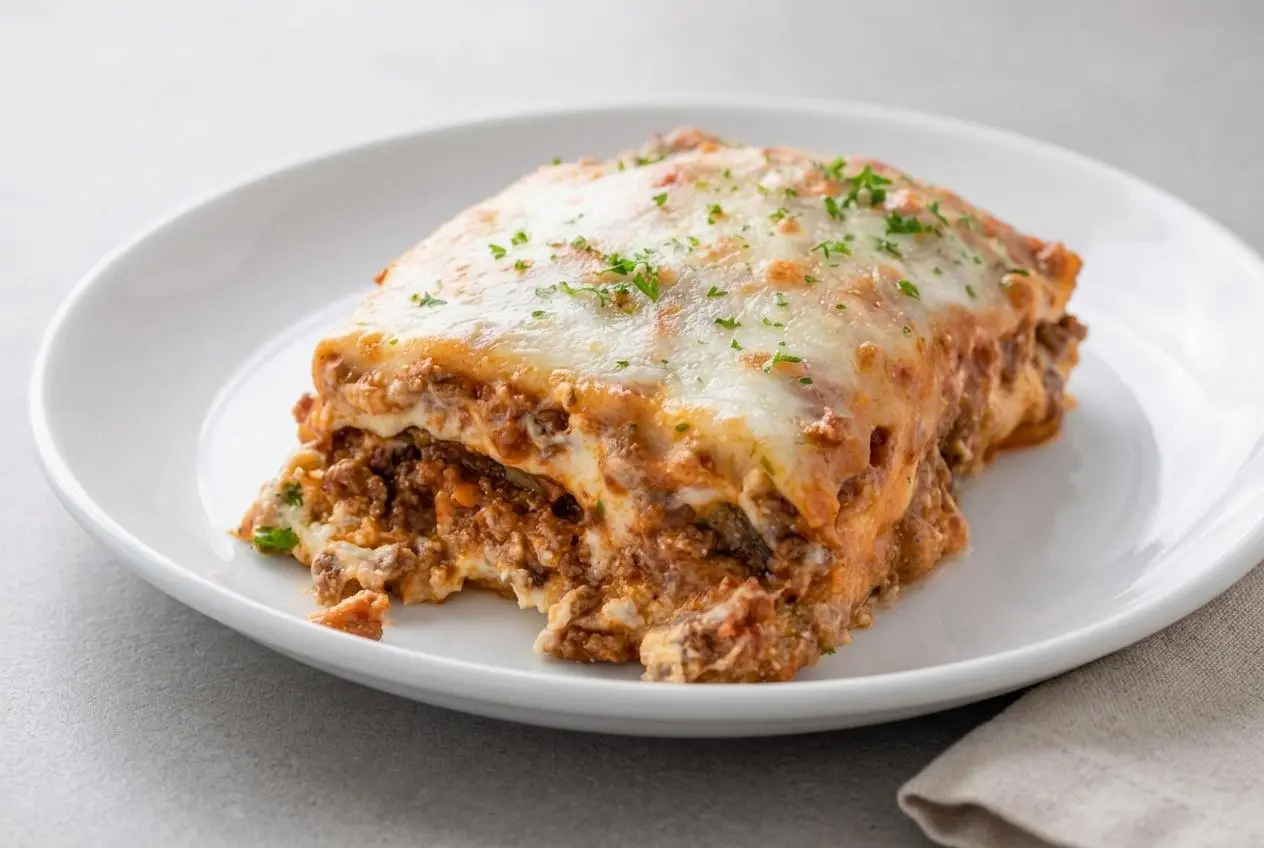
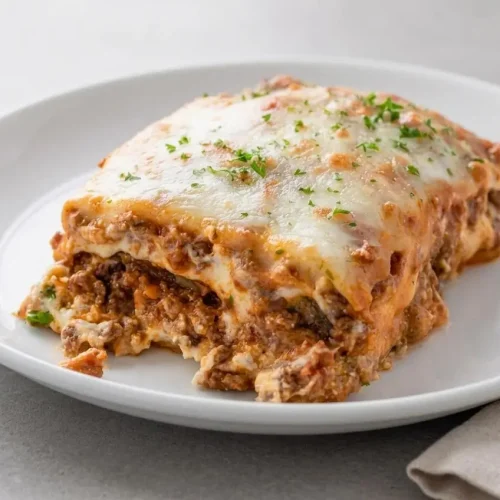
Keto Eggplant Lasagna swaps pasta for roasted eggplant slices and layers them with rich meat sauce, ricotta, mozzarella, and Parmesan for a hearty low-carb dinner that stays tender instead of watery.
Keto Eggplant Lasagna tastes like classic comfort food, just with eggplant standing in for noodles. You still get savory sauce, plenty of cheese, and those satisfying layered slices.
The trick is managing moisture before you assemble the pan, not hoping it fixes itself in the oven. That one step changes everything.
Slice the eggplant as evenly as you can so every layer cooks at the same pace.
Why This Keto Eggplant Lasagna Works
This recipe works because each layer has a job. The eggplant replaces pasta without feeling flimsy, the beef sauce brings deep savory flavor, and the ricotta mixture gives the casserole a creamy center that still holds together.
It also solves the biggest eggplant lasagna problem: excess water. Pre-baking the slices drives off moisture before they ever hit the pan, which helps the finished lasagna slice cleanly instead of puddling at the bottom.
You also get the comfort of a classic baked dinner with fewer carbs and no gluten. If you love cozy casseroles, this scratches the same itch as a keto ground beef casserole, but with a more traditional lasagna feel.
The three-cheese combination matters too. Ricotta makes the filling lush, mozzarella melts into stretchy layers, and Parmesan adds saltiness and that golden top everyone goes after first.
Ingredient Guide: What You’ll Need
Each ingredient brings something useful here, whether that is structure, richness, savory depth, melt, or moisture balance, so the finished lasagna tastes full and slices neatly.
- 1 1/2 pounds eggplant
- 3 tbsp olive oil (divided use)
- 2 cloves garlic, sliced
- 1 pound lean ground beef
- 1 tsp Better Than Bouillon Beef Base
- 1/2 tsp dried basil
- 1 1/2 cups Keto Tomato Sauce ((or your favorite low carb Marinara))
- 15 oz whole milk ricotta cheese
- 1 large egg
- 3 cups mozzarella cheese (divided use)
- 1/2 cup grated Parmesan cheese
Choose eggplant that feels heavy for its size and has smooth, shiny skin. Smaller to medium eggplants usually have fewer seeds, which helps with texture. If you want to get picky, the ones with a rounder blossom end are often said to have fewer seeds than the more oval ones, though size and freshness matter more in everyday cooking.
Lean ground beef is a smart choice because it gives you meaty flavor without flooding the pan with grease. If you use a fattier meat, drain it well before adding sauce.
The ricotta mixture needs the egg. It binds the filling so it bakes up creamy and thick rather than loose or grainy. After stirring it in, the mixture should look smooth and substantial, not runny.
For the marinara, look for a low-sugar sauce with a short ingredient list and modest net carbs per serving. Since tomato sauces vary a lot, that label check matters more than the front-of-jar marketing.
I always reach for whole milk ricotta here because it bakes up creamier and gives the middle layer a better texture.
How to Make Keto Eggplant Lasagna
This is the full method, from roasting the eggplant to resting the baked lasagna so the layers set properly.
Recipe details: Prep time 30 min, cook time 50 min, total time 90 min, serves 8.
Eggplant (Preheat oven to 400 F)
- Trim a thin slice from the bottom and remove the top, then stand the eggplant upright and cut it lengthwise into 8 slices about 1/4 inch thick.
Even slices cook at the same rate, which helps the layers stay tender instead of patchy. - Coat two large sheet pans with 1 tablespoon oil each, arrange 4 eggplant slices on each pan, and bake for 6-8 minutes per side before flipping and baking the second side for another 6-8 minutes.
The slices should look softened and lightly dried on the surface, not wet and spongy.
Meat Sauce
- While the eggplant cooks, warm the remaining 1 tablespoon olive oil in a medium saute pan over medium heat and cook the sliced garlic until slightly softened.
The oil should smell garlicky and fragrant, but the garlic should not brown deeply. - Add the ground beef and cook it through, breaking it into small crumbles as it browns.
You want the meat fully cooked and evenly crumbled so the sauce spreads cleanly between the layers. - Stir in 1 cup of the marinara, the beef base, and the dried basil, then simmer until the sauce thickens and cool it slightly before layering.
The sauce should smell rich and savory and look spoonable rather than thin.
Ricotta Cheese
- Place the ricotta in a large bowl, mix in the egg with a fork, then stir in 1 1/2 cups mozzarella and 1/3 cup Parmesan.
The mixture should be creamy and thick enough to spread without sliding around.
Layer
- Spread 1/2 cup sauce across the bottom of a 9×13 inch lasagna pan, then add 4 eggplant slices, half of the ricotta mixture, and half of the meat sauce.
That first thin layer of sauce helps prevent sticking and starts the lasagna with moisture in the right place. - Repeat the layers once more and finish with the remaining mozzarella and Parmesan over the top.
The surface should be evenly covered so the cheese melts into a full golden lid.
Bake (Preheat oven to 375 F)
- Lay a piece of parchment over the lasagna, cover tightly with foil, and bake at 375 F for 30 minutes.
The covered bake lets the layers heat through gently while keeping the cheese from overbrowning too soon. - Remove the foil and bake 10 minutes more, then rest the lasagna for 10-15 minutes before cutting into 8 pieces.
The top should be bubbly and lightly golden, and the rest time is crucial for clean slices.
Slow Cooker
- Coat the slow cooker insert with non-stick cooking spray and layer the prepared ingredients in the same order used for the oven version.
Keep the layers even so the center cooks through at the same pace as the edges. - Cover and cook on high for 2-3 hours, until a knife slides in with little resistance, then turn off the heat and let it sit covered for 30 minutes to 1 hour before slicing.
That standing time helps the lasagna absorb excess liquid and hold together better.
The Ultimate Guide to Preventing Watery Lasagna
If your eggplant lasagna has ever collapsed into a saucy puddle, moisture is the reason. Eggplant acts like a sponge when raw, and as it cooks it releases a surprising amount of water into the pan. If the slices are not pre-cooked, that liquid ends up in the finished casserole.
Eggplant is only one part of the problem, though. Thin sauce, greasy meat, or extra vegetables that were not cooked down first can all loosen the layers.
Comparison: Salting vs. Roasting Eggplant
Both methods help, but they do different things.
| Method | Pros and Cons |
|---|---|
| Salting | Pros: pulls out surface moisture, can improve texture, useful if your eggplant seems especially wet or seedy. Cons: adds waiting time, requires blotting well, and by itself does not cook the slices enough for layering. |
| Roasting | Pros: removes moisture and pre-cooks the eggplant at the same time, improves flavor, and makes the slices easier to layer. Cons: takes oven space and the slices can overbrown if cut too thin. |
For this recipe, roasting is the best choice because it handles two jobs at once. It dries the eggplant enough to prevent a soggy casserole and gives the slices the tenderness they need for clean layers. If you know your eggplant runs watery, you can salt it first, pat it dry, and still roast it, but the roasting step is the one that really makes this recipe reliable.
Two more fixes matter just as much: keep the meat sauce thick, and drain off excess grease if your beef gives off a lot. A loose sauce plus wet eggplant is the fastest route to watery lasagna.
Pro Tips for the Best Texture and Flavor
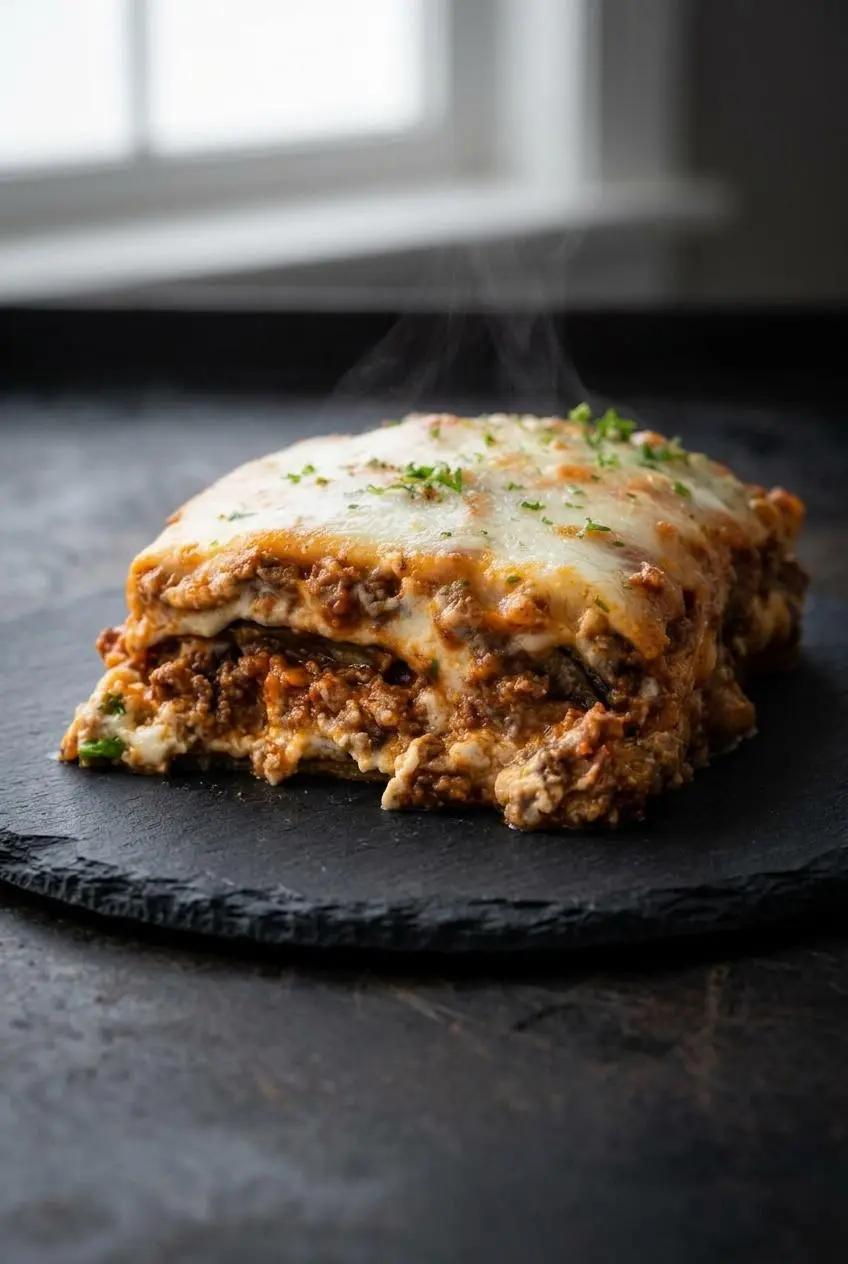
Small choices make a big difference here, especially if you want slices that hold together and still taste rich.
- Use a mandoline if you have one and are comfortable with it. Uniform 1/4-inch slices bake more evenly than hand-cut slices of mixed thickness.
- Do not skip the egg in the ricotta mixture. It helps the filling set instead of turning loose or grainy.
- If your meat releases noticeable fat, drain it before adding the sauce. Too much grease makes the layers heavy and slippery.
- If you like a classic Italian flavor, stir a tiny pinch of nutmeg into the ricotta mixture. It is optional, but it adds a subtle warmth.
- Freshly shredded mozzarella usually melts better than pre-shredded cheese, which can stay a little firmer because of anti-caking agents.
Having trouble? Here’s how to fix common issues.
Troubleshooting Common Problems
| Problem | Solution |
|---|---|
| Watery lasagna | Roast the eggplant long enough to dry the surface, keep the sauce thick, and drain extra grease from the meat before layering. |
| Ricotta layer feels loose | Make sure the egg is mixed in fully and let the baked lasagna rest before slicing. |
| Grainy cheese filling | Stir the ricotta mixture until smooth and use whole milk ricotta for a creamier texture. |
| Top browns too fast | Keep it covered for the first part of baking and uncover only for the final 10 minutes. |
| Eggplant feels chewy | Slice it evenly and make sure it softens during the initial roast before assembling the pan. |
Variations and Substitutions
This lasagna is flexible, as long as the swaps stay outside the official base recipe and you keep an eye on moisture.
| Variation | What to Change | Best For |
|---|---|---|
| Vegetarian | Skip the beef and use sauteed mushrooms, zucchini, or well-drained wilted spinach in the sauce. | A meatless version with plenty of savory flavor. |
| Italian sausage | Swap the ground beef 1:1 with mild or spicy sausage and taste before adding extra salt. | A bolder, more seasoned lasagna. |
| Ground turkey or chicken | Use a 1:1 swap and simmer until the sauce tastes concentrated and hearty. | A leaner option that still works well. |
| Cottage cheese | Replace ricotta with whole-milk cottage cheese, blended first if you want a smoother filling. | A ricotta substitute with a slightly different flavor. |
Vegetarian Eggplant Lasagna
To make it vegetarian, leave out the ground beef and build the sauce with sauteed mushrooms, zucchini, and or well-drained wilted spinach. Cook those vegetables until their moisture has mostly evaporated before layering, especially the spinach, or the casserole can turn loose.
If you enjoy vegetable-based keto lasagnas, keto zucchini lasagna is another good direction.
Using Italian Sausage or Ground Turkey
Italian sausage is the easiest flavor boost. Use it in a 1:1 swap for the beef and choose mild or spicy depending on how bold you want the sauce. Because sausage is usually more seasoned and often fattier, drain it well after browning.
Ground turkey or chicken also works in the same amount. Since those meats are leaner and milder, let the sauce simmer until it tastes concentrated and fully seasoned instead of thin.
Ricotta Cheese Substitutes
Whole-milk cottage cheese is the most natural substitute for ricotta in this dish. For a texture closer to ricotta, blend it before mixing in the egg and cheese. The flavor will be a little tangier, but the lasagna will still bake up creamy.
Storing, Freezing, and Reheating
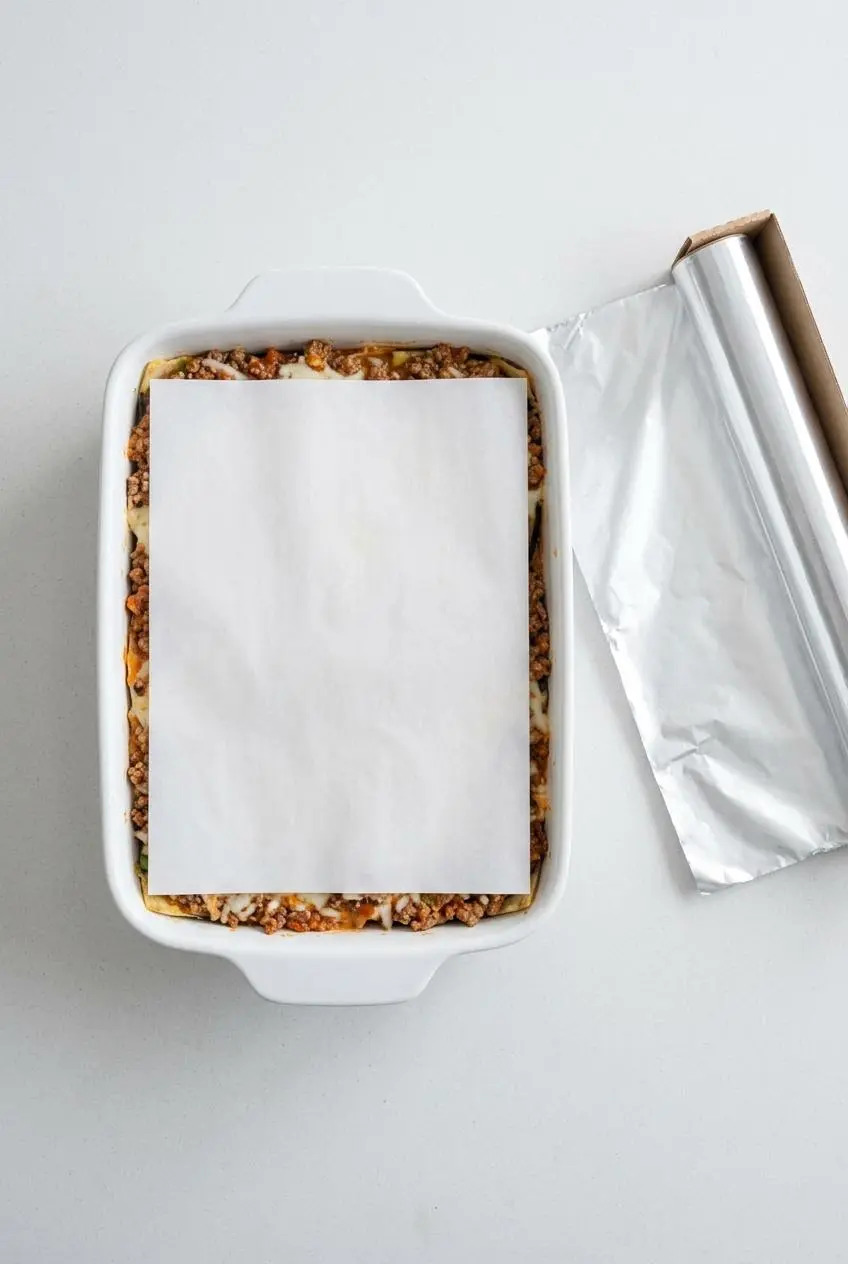
Lasagna is great for planning ahead, but the best approach depends on whether you want to prep it before baking or save leftovers after dinner.
Make-Ahead Instructions
Yes, you can assemble the lasagna the day before. Cover it tightly and refrigerate it for up to 24 hours before baking, then add 5-10 minutes to the baking time if it is going into the oven cold.
How to Freeze Lasagna
You can freeze this lasagna either baked or unbaked if you want to prep it ahead. Wrap the whole pan or individual portions tightly so the surface is protected from drying out, and label it clearly so it does not disappear into the back of the freezer forever.
For an unbaked lasagna, assemble it fully, wrap it well, and freeze it promptly. For a baked lasagna, let it cool first, then wrap the whole casserole or separate slices before freezing. Since exact freezing timelines and thawing rules are not included here, treat freezing as a texture-saving option rather than a long-term storage plan.
Best Way to Reheat Leftovers
For refrigerated leftovers, cover the portion and warm it in the oven until the center is hot and the cheese softens again. Single servings can also go in the microwave if speed matters more than a freshly baked top.
Cooked leftovers should be cooled, covered, and refrigerated promptly. For a precise refrigerator storage window, follow USDA refrigeration guidance for leftovers and dairy-based dishes, which supports storing leftovers for 3 to 4 days.
What to Serve with Eggplant Lasagna
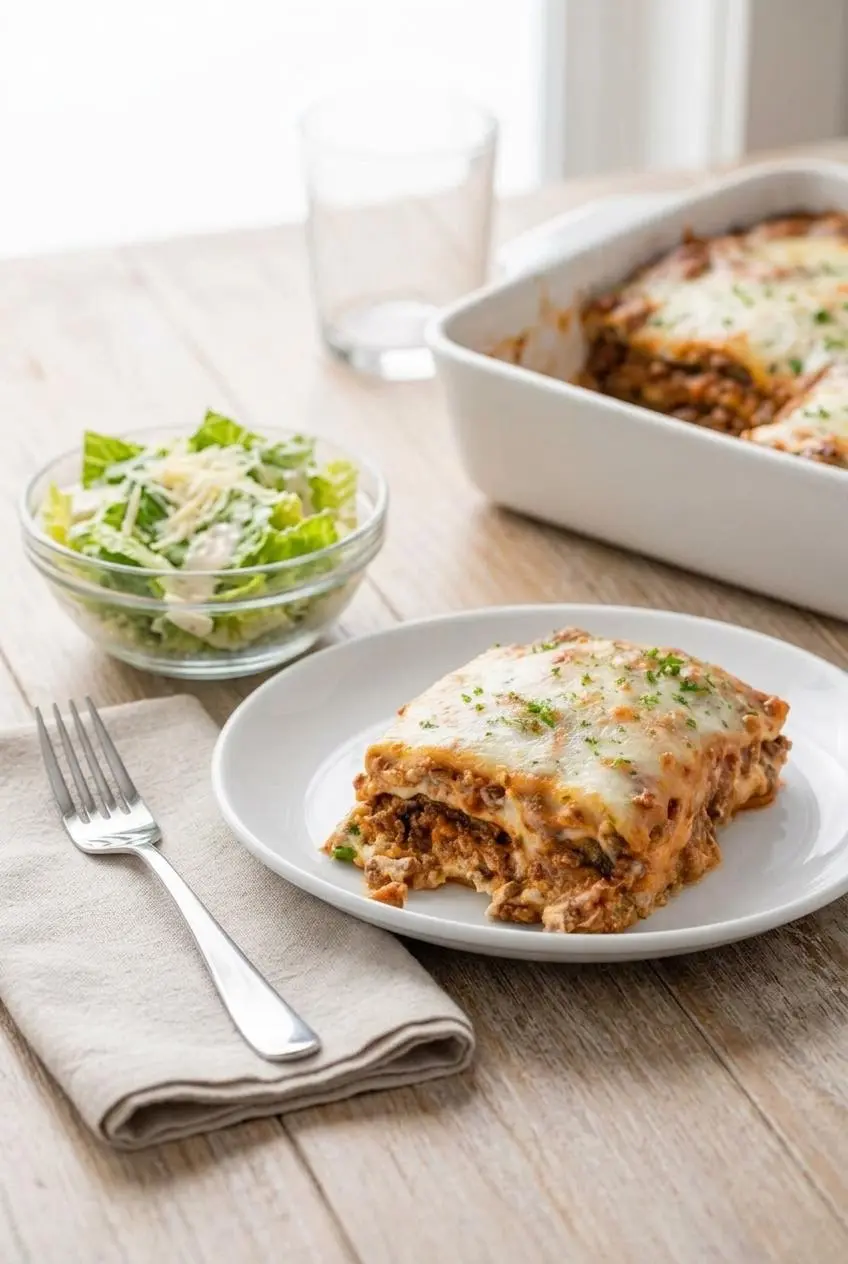
This dish is rich and cheesy, so the best sides add crunch, freshness, or a clean green flavor.
- A simple green salad with vinaigrette
- A Caesar salad without croutons
- Roasted broccoli with garlic
- keto green beans for an easy vegetable side
- keto-friendly garlic bread if you want full comfort-food energy
Fresh basil or parsley on top is a nice finish if you have it around. It cuts through the richness and makes the whole plate feel brighter.
Conclusion
This is the kind of keto dinner that still feels generous and cozy, with bubbly cheese, hearty sauce, and slices that actually hold together.
If you remember one thing, make it this: pre-cook the eggplant well before layering. That one move gives you the texture you want and makes the whole pan far more satisfying.
Frequently Asked Questions
What Are the Net Carbs in Keto Eggplant Lasagna?
A typical serving lands around 6-9 g net carbs. This version is about 8.85 g carbohydrate with 2.4 g fiber per piece, so the exact number can shift depending on the marinara and how large you cut each serving.
Can I Assemble Eggplant Lasagna the Day Before?
Yes. You can assemble it, cover it tightly, and refrigerate it for up to 24 hours before baking. If it is cold from the fridge, plan on a slightly longer bake.
Do I Have to Peel the Eggplant?
No. Leaving the skin on helps the slices keep their shape, while peeling gives you a slightly softer final texture. Either choice works.
What Can I Serve With Keto Eggplant Lasagna?
A green salad with vinaigrette, roasted broccoli, simple green beans, or keto garlic bread all work well. Pick something fresh or crisp to balance the rich layers.
Keto Eggplant Lasagna

Equipment
- 9×13 inch lasagna pan
- 2 large sheet pans
- cutting board
- chef’s knife
- medium saute pan or skillet
Ingredients
- 1 1/2 pounds eggplant
- 3 tbsp olive oil (divided use)
- 2 cloves garlic, sliced
- 1 pound lean ground beef
- 1 tsp Better Than Bouillon Beef Base
- 1/2 tsp dried basil
- 1 1/2 cups Keto Tomato Sauce (or your favorite low carb Marinara)
- 15 oz whole milk ricotta cheese
- 1 large egg
- 3 cups mozzarella cheese (divided use)
- 1/2 cup grated Parmesan cheese
Instructions
Eggplant (Preheat oven to 400 F)
- Trim a thin slice from the bottom and remove the top, then stand the eggplant upright and cut it lengthwise into 8 slices about 1/4 inch thick.
- Coat two large sheet pans with 1 tablespoon oil each, arrange 4 eggplant slices on each pan, and bake for 6-8 minutes per side before flipping and baking the second side for another 6-8 minutes.
Meat Sauce
- While the eggplant cooks, warm the remaining 1 tablespoon olive oil in a medium saute pan over medium heat and cook the sliced garlic until slightly softened.
- Add the ground beef and cook it through, breaking it into small crumbles as it browns.
- Stir in 1 cup of the marinara, the beef base, and the dried basil, then simmer until the sauce thickens and cool it slightly before layering.
Ricotta Cheese
- Place the ricotta in a large bowl, mix in the egg with a fork, then stir in 1 1/2 cups mozzarella and 1/3 cup Parmesan.
Layer
- Spread 1/2 cup sauce across the bottom of a 9×13 inch lasagna pan, then add 4 eggplant slices, half of the ricotta mixture, and half of the meat sauce.
- Repeat the layers once more and finish with the remaining mozzarella and Parmesan over the top.
Bake (Preheat oven to 375 F)
- Lay a piece of parchment over the lasagna, cover tightly with foil, and bake at 375 F for 30 minutes.
- Remove the foil and bake 10 minutes more, then rest the lasagna for 10-15 minutes before cutting into 8 pieces.
Slow Cooker
- Coat the slow cooker insert with non-stick cooking spray and layer the prepared ingredients in the same order used for the oven version.
- Cover and cook on high for 2-3 hours, until a knife slides in with little resistance, then turn off the heat and let it sit covered for 30 minutes to 1 hour before slicing.







Perfect idea for a quick keto meal! 🥑