Skip to content
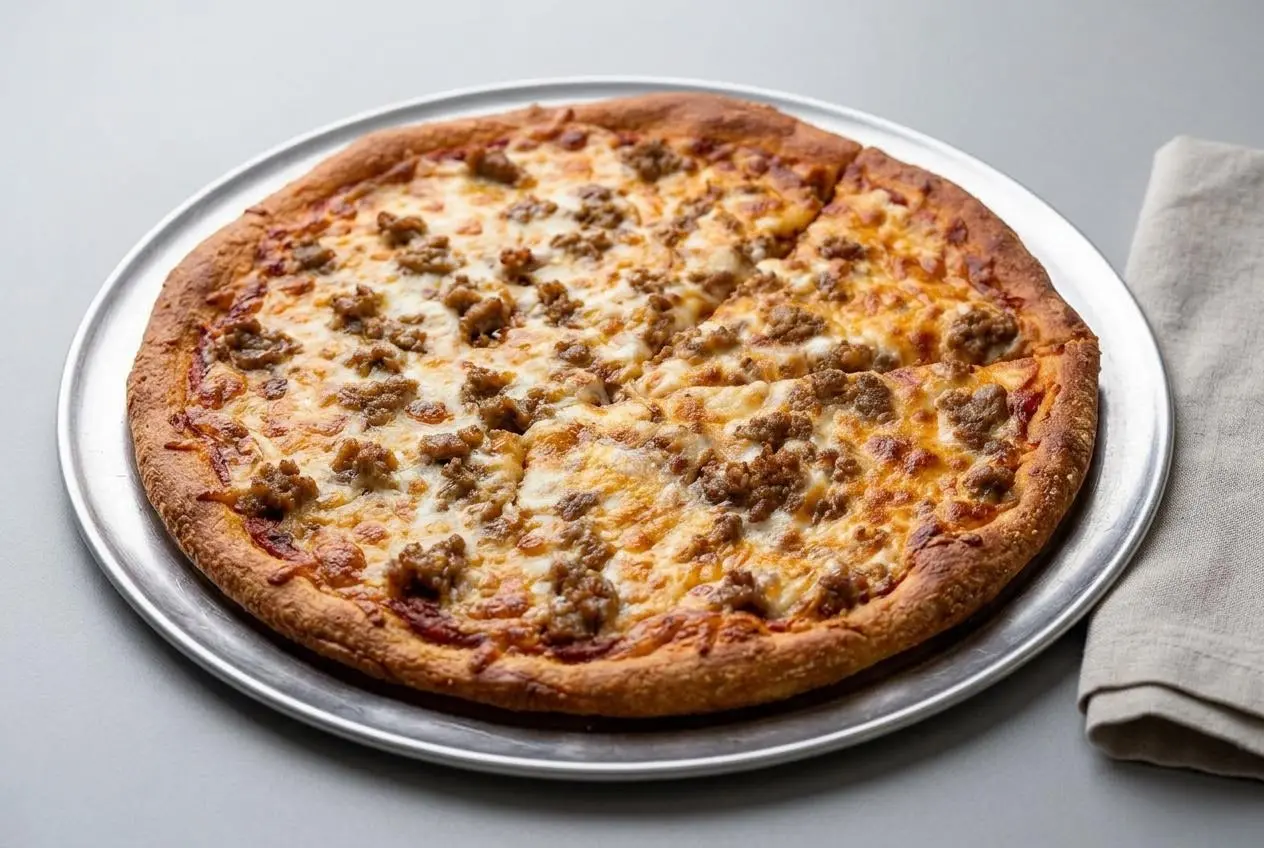
A great keto pizza crust should be crisp, sturdy enough for toppings, and free of that overly eggy texture. The most popular version is Fathead dough, and the key for any style is pre-baking before you add sauce and cheese.
If you want pizza night to feel like pizza night, not like a floppy low-carb compromise, this is the right place to start. This keto pizza crust guide covers the classic cheese-based dough, a cauliflower version, and a few smart alternatives.
You’ll also get the fixes for soggy centers, sticky dough, and crusts that fall apart. The pre-bake trick changes everything.
Have parchment ready before you start, because both cheese dough and cauliflower crust are much easier to shape when they aren’t fighting the pan.
The Only Keto Pizza Crust Guide You’ll Ever Need
There isn’t just one kind of keto crust, and that’s good news. If you want the closest thing to classic delivery-style texture, go with Fathead dough. If you want a veggie-forward option, cauliflower pizza crust is the better fit. If almond flour is off the table, chicken crust and other alternative flour options can still get you to pizza.
The one rule that helps every version is pre-baking. That first bake firms up the base, drives off moisture, and gives the crust a real shot at staying crisp under sauce and cheese.
- Fathead crust: cheesy, chewy, and the most traditional in feel.
- Cauliflower crust: lighter, more delicate, and best when you squeeze out as much moisture as possible.
- Chicken crust: nut-free, flour-free, and very sturdy.
- Coconut flour or yeast-risen options: useful for specific dietary needs or for a more bread-like bite.
You’ll find a full method for the classic Fathead version and a full cauliflower version below, plus a quick breakdown of the other styles so you can choose the one that fits your kitchen and your goals.
Ingredients for a Classic Keto Pizza Crust
Each ingredient pulls its weight here, building stretch, structure, richness, seasoning, and a crust that can actually hold toppings without collapsing.
Keto Pizza Crust
- 2 cups shredded mozzarella cheese
- 2 ounces cream cheese softened
- 1 cup almond flour
- 1 teaspoon baking powder
- 1/4 teaspoon salt
- 2 eggs beaten
Toppings
- 1/2 cup low carb pizza sauce such as Rao’s
- 1 cup Italian sausage cooked and drained
- 1 cup shredded mozzarella
Mozzarella gives Fathead dough its stretchy, chewy backbone. Cream cheese makes the dough more pliable and adds richness, while almond flour binds everything so the crust slices cleanly instead of pulling apart. The eggs help the dough set as it bakes, and the baking powder keeps the texture from feeling too dense.
I always reach for low-moisture mozzarella here because it melts smoothly and keeps the dough from turning greasy or watery.
How to Make The Classic Keto Pizza Crust (Fathead Style)
This is the most reliable place to start if you want a crisp-edged, cheesy low-carb pizza that still feels familiar. The dough looks a little strange at first, but that’s normal.
- Heat the oven to 400 °F.
The hot oven helps the crust set quickly so it can crisp before the toppings go on. - Whisk the almond flour, baking powder, and salt in one bowl, then beat the eggs in a separate bowl.
Having both mixtures ready makes it easier to work quickly once the cheese is melted. - Put the shredded mozzarella and softened cream cheese in a large microwave-safe bowl and heat in 30-second bursts, stirring between each round.
Stop when the mixture is fully melted, smooth, and easy to stir with no solid bits left. - Stir in half of the almond flour mixture first, then add the rest along with the beaten eggs.
This gradual mixing helps the dough combine more evenly instead of clumping into dry pockets. - Keep mixing with a silicone spatula even if the dough looks rough at first.
At this stage it will look lumpy and feel sticky, which is expected. - Knead the dough with clean hands once the spatula has done all it can.
Keep going until it comes together into a soft, smooth, pliable ball. - Press the dough onto a greased pizza pan and shape it into an even round.
An even thickness helps the center bake through at the same rate as the edges. - Pre-bake the crust for 7 minutes, then remove it and gently poke down any puffed areas.
The crust is ready for toppings when the edges are lightly golden and the center feels firm to the touch. - Spread on the sauce, sausage, and remaining mozzarella, then return the pizza to the oven for 15 to 20 minutes.
Take it out when the cheese is melted and the crust is golden brown.
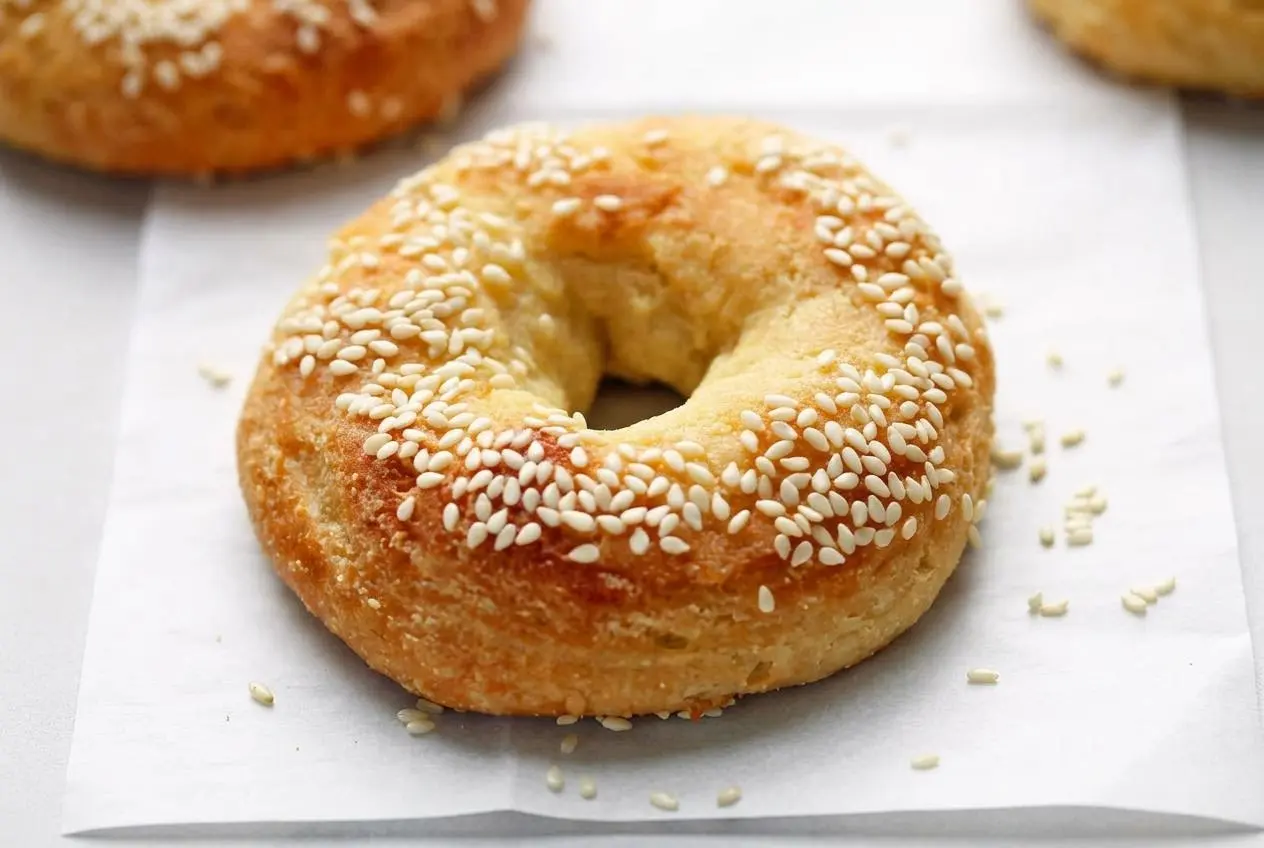
The melted cheese is the real framework of this dough. Mozzarella gives stretch and chew, while cream cheese softens the mix enough to knead into something that behaves like actual dough. If you enjoy this style, the same base also works beautifully in a keto bagels recipe.
Pre-baking is the make-or-break move. Skip it and the sauce soaks into the crust before the base has time to firm up. Give it those first 7 minutes and the crust has a much better chance of staying crisp underneath.
How to Make The Best Keto Cauliflower Pizza Crust
Cauliflower pizza crust works best when you treat moisture like the enemy. The flavor is mild, the texture can be surprisingly crisp, and Parmesan is a better choice than mozzarella here because it’s drier and helps the crust brown more cleanly.
For one 12- to 14-inch crust, use riced cauliflower, an egg, grated Parmesan, and seasonings such as salt, pepper, and a little garlic powder or Italian seasoning if you like. Keep the toppings light, because this crust is naturally more delicate than Fathead dough.
Cook the riced cauliflower until tender, then let it cool enough to handle. Transfer it to a thin kitchen towel or nut milk bag and squeeze hard over the sink until no more drops of water come out. The cauliflower should feel noticeably drier and lighter when you’re done. That step matters more than anything else in this version.
Mix the dried cauliflower with the egg, Parmesan, and seasonings until it holds together. Press it onto a parchment-lined pan in a thin, even round, then pre-bake it until the edges are golden and the center feels set. Once it looks dry on the surface and holds its shape, add your toppings and bake again until the cheese melts and the crust turns deeper golden around the edges.
If you’ve only had limp cauliflower crust before, it was almost always a moisture problem or a too-short pre-bake. Squeeze thoroughly, keep the layer fairly thin, and don’t overload it with wet sauce or heavy toppings.
More Keto Crust Variations (Nut-Free, Vegan, High-Protein)
These options help when you want to avoid almond flour, boost protein, or chase a texture that feels closer to bread. They’re all useful, but they’re best treated as optional paths rather than replacements for the classic version.
The Ultimate Nut-Free & Flour-Free Crust (Chicken Crust)
Chicken crust is a smart choice if you want a sturdy base without nuts or flour. The usual method is to mix well-drained canned chicken with egg and grated Parmesan, season it, press it into a crust, and pre-bake it before adding toppings.
This style is high in protein, very filling, and sturdy enough for a generous layer of cheese and meat. If you want a super fast single-serving shortcut instead of a full round pizza, a keto pizza chaffle is another easy option.
A Note on Coconut Flour Crusts
Coconut flour can work, but it does not swap in cup for cup for almond flour. It absorbs much more liquid, so you generally need far less of it, roughly about one-third as much, and the dough often needs extra egg or another bit of moisture to stay workable.
If a coconut flour dough feels dry or cracks when you shape it, that usually means it absorbed liquid faster than expected. Mix gently, let it sit briefly, and adjust carefully rather than dumping in more flour.
For a Bread-Like Texture: Vegan & Yeast-Risen Crusts
If chew is your top priority, a yeast-risen keto dough made with vital wheat gluten can create the closest thing to a traditional bread-style crust. It’s more advanced and less beginner-friendly, but that extra structure is what gives it the springier bite.
A vegan keto crust usually leans on a blend of vital wheat gluten, oat fiber, and ground flaxseed to replace the cheese-and-egg structure of Fathead dough. It’s a niche option, but it can work well if you need both dairy-free and egg-free flexibility.
Troubleshooting: Fixing Common Keto Pizza Crust Problems
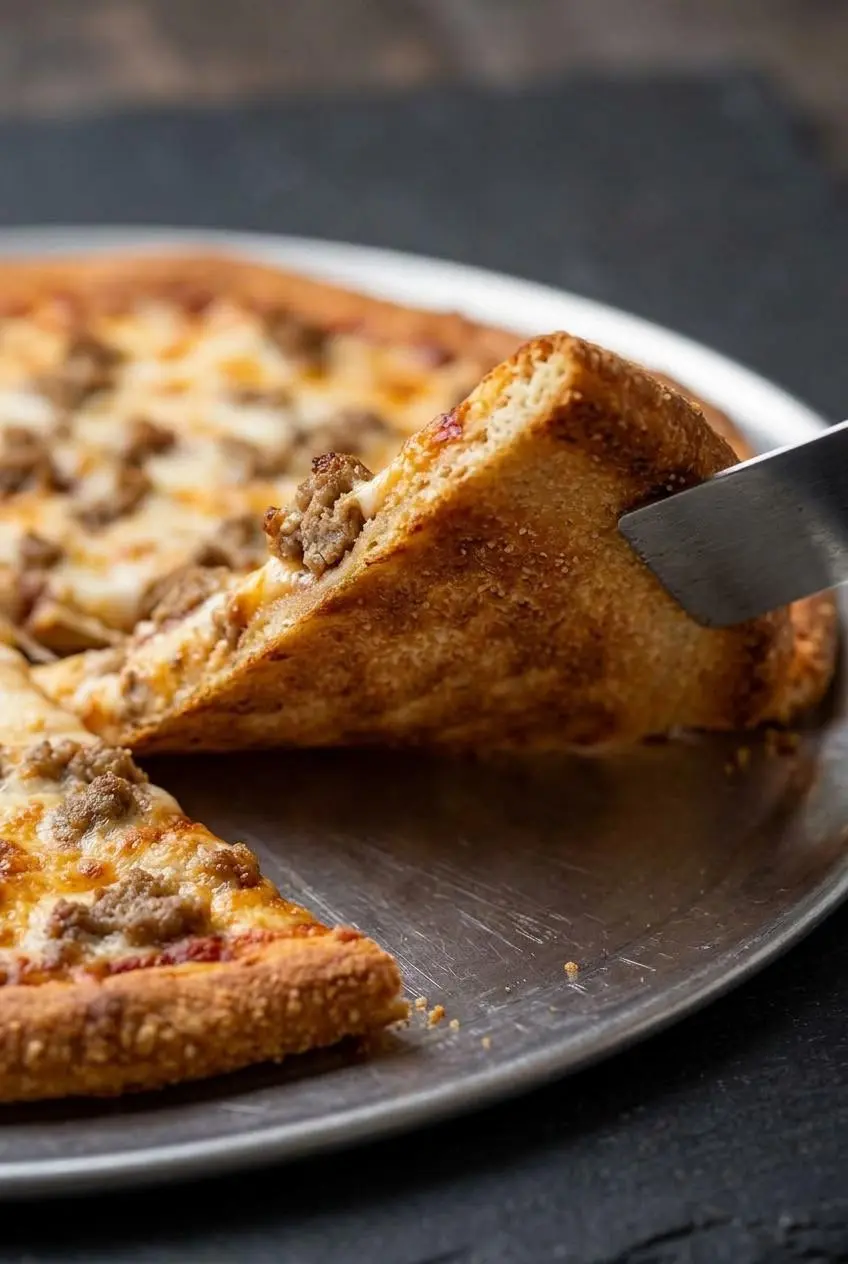
Most keto crust problems come down to moisture, mixing, or topping weight. Here’s how to fix the issues that show up most often.
Problem: My Crust Is Soggy
- Likely cause: The crust did not pre-bake long enough. Fix: Bake the base until the center feels firm and the edges turn golden before you add toppings.
- Likely cause: Cauliflower held onto too much water. Fix: Squeeze the cooked cauliflower in a towel until it feels dry and light.
- Likely cause: Too many wet toppings. Fix: Use a lighter hand with sauce and avoid piling on watery vegetables.
Problem: My Crust Tastes Eggy
- Likely cause: The eggs were not fully worked into the dough. Fix: Mix thoroughly so the egg disappears into the cheese and flour instead of streaking through the dough.
- Likely cause: The dough needs stronger seasoning. Fix: Add garlic powder, onion powder, or Italian herbs to the crust mixture for better balance.
- Likely cause: The melted cheese was extremely hot when the eggs went in. Fix: Stir in the dry ingredients first and combine quickly so the egg blends smoothly rather than cooking in spots.
Problem: My Dough Is Too Sticky or Crumbly
- For sticky Fathead dough: This is common right after mixing. Work it on parchment paper, and if it still feels unruly, chill it briefly until it firms up enough to shape.
- For dough that won’t hold together: Keep kneading a little longer first. Cheese dough often looks hopeless before it suddenly turns smooth.
- For crumbly dough: It may be a little too dry. Knead in a small splash of water or an extra egg yolk just until the dough becomes pliable.
Best Low-Carb Pizza Toppings
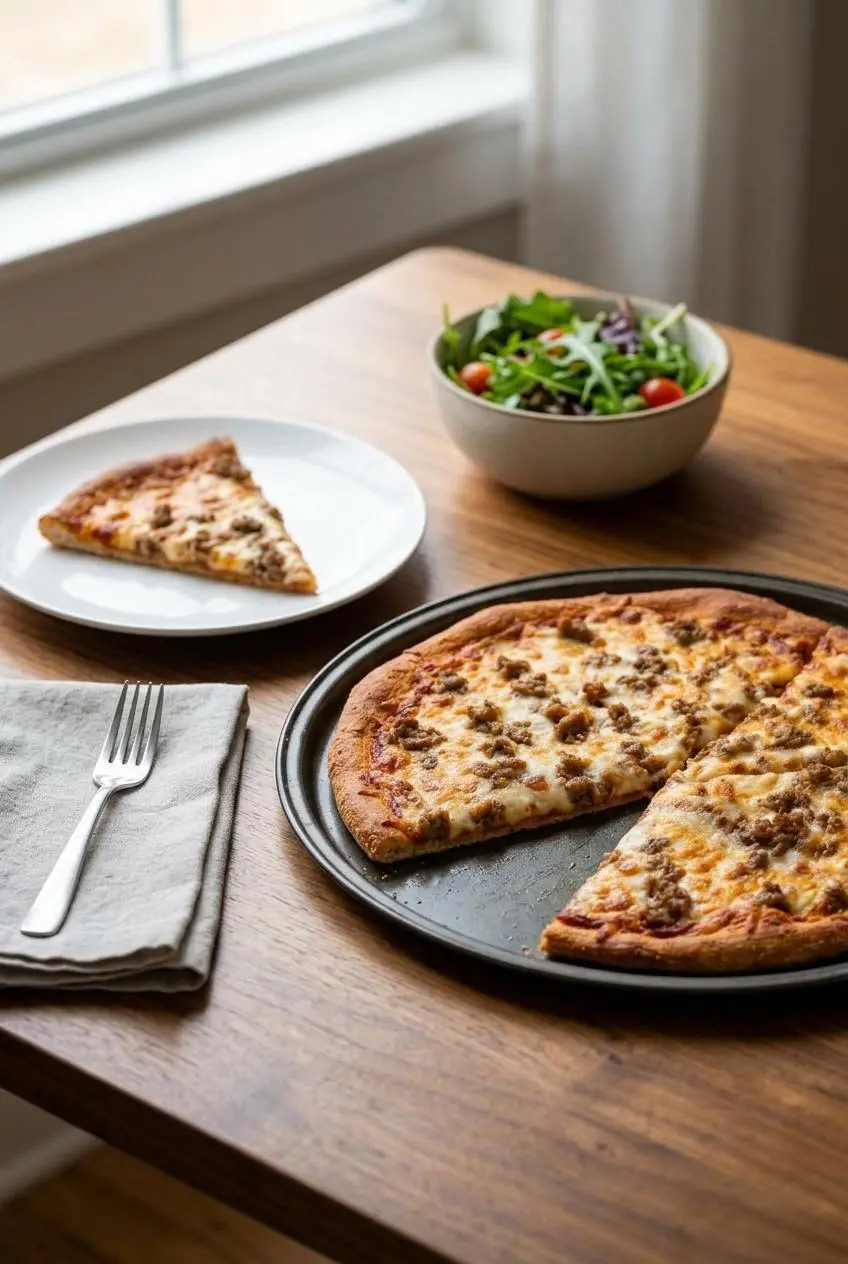
The best toppings add flavor without crushing the crust. Keto crusts can be a little more delicate than regular dough, so balance matters.
- Meats: pepperoni, cooked sausage, bacon, grilled chicken
- Vegetables: mushrooms, bell peppers, onions, black olives, spinach
- Sauces: low-carb marinara, pesto, alfredo
Classic combinations like pepperoni with mushrooms and olives work especially well because they bring plenty of flavor without flooding the crust. A sprinkle of red pepper flakes or extra Parmesan right before serving wakes everything up nicely, and a side of keto fries turns it into full-on comfort food.
Storage and Reheating Instructions
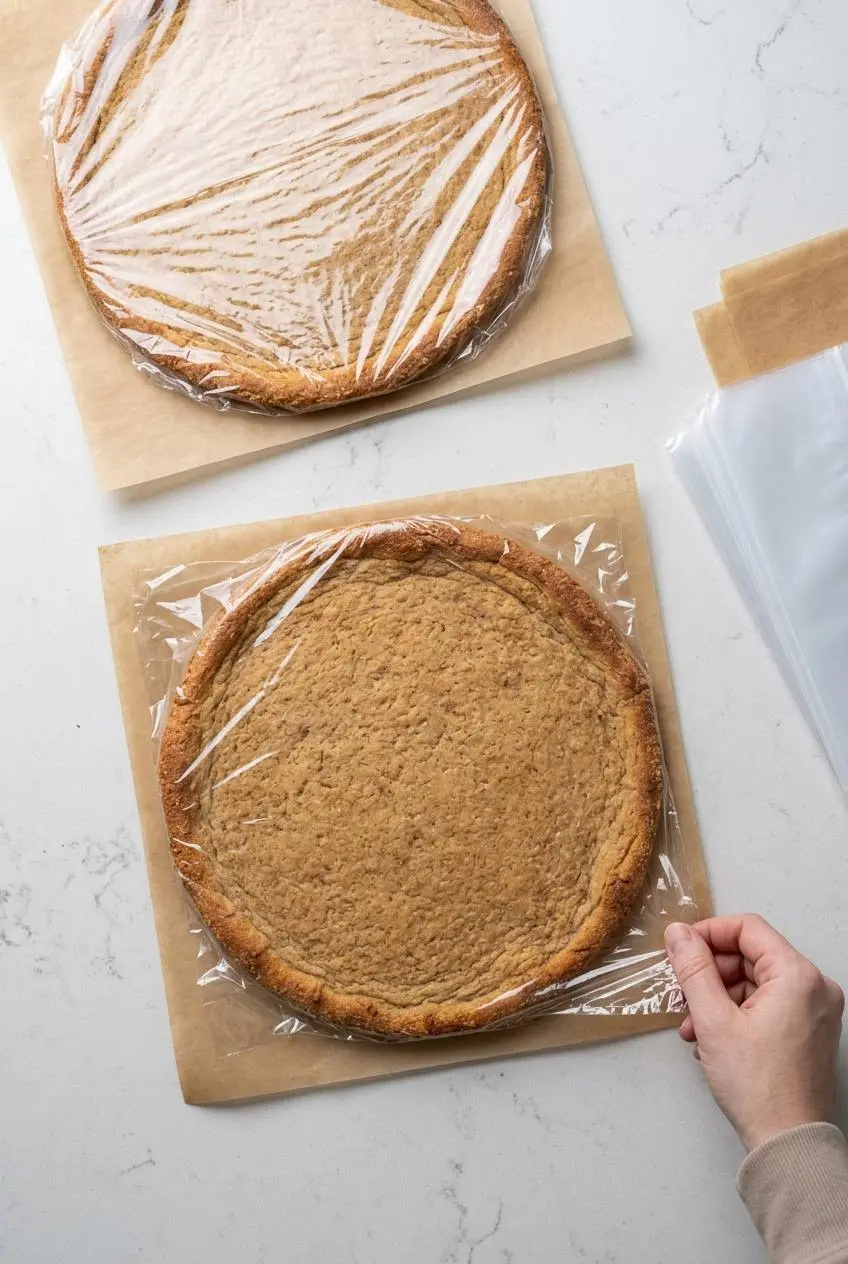
This pizza holds up best when you let it cool before packing it away. Keeping moisture under control matters here just as much after baking as it does before.
- Store leftover slices in a covered container in the refrigerator once they have cooled.
- Reheat in the oven or a skillet when possible for a crisper bottom.
- Avoid microwaving if texture is your top priority, since it softens the crust quickly.
- If you made chicken crust, handle and cook poultry carefully. USDA food safety guidance recommends cooking poultry to 165 °F and chilling leftovers promptly within two hours for better food safety when cooking poultry to 165 °F and refrigerating leftovers within two hours.
Planning Ahead With Keto Pizza Crust
You can pre-bake a crust, cool it completely, and hold it for later assembly so dinner comes together faster. Wrap it well to protect it from moisture, then add toppings just before the final bake for the best texture.
This works especially well with Fathead dough, since the base stays sturdy once it has had that first bake. For cauliflower crust, make sure the shell is fully cooled before storing so trapped steam doesn’t soften it.
Conclusion
A really satisfying keto pizza comes down to choosing the right crust for your needs and giving it the structure it needs before toppings ever hit the pan. For most home cooks, Fathead dough is the easiest win, while cauliflower is great when you want something lighter.
Pre-bake the crust, keep the toppings in balance, and trust the texture cues more than the panic moment in the mixing bowl. Pizza night is absolutely back on the menu.
Frequently Asked Questions
What Is the Best Cheese for Keto Pizza Crust?
For Fathead dough, low-moisture mozzarella works best because it melts smoothly and gives the crust its stretchy structure. For cauliflower crust, grated Parmesan is the stronger choice because it’s drier and helps the crust bake up crisp instead of soft.
Can I Make Keto Pizza Crust Ahead of Time?
Yes. Pre-bake the crust, cool it completely, and keep it wrapped until you’re ready to top and bake it. That approach is especially handy when you want dinner to move fast without sacrificing texture.
Why Does My Fathead Dough Feel So Oily or Sticky?
That’s normal. As the cheese melts, some oil can separate, and the dough usually looks messier than expected at first. Keep kneading and it should come together into a smoother ball, and if it’s still too sticky to handle, a short chill helps firm it up.
What Is Keto Pizza Crust Made Of?
The most common version is Fathead dough, made with almond flour, melted mozzarella, cream cheese, and eggs. Another popular option uses riced cauliflower mixed with cheese and egg, and there are also chicken crust and coconut flour versions for different needs.
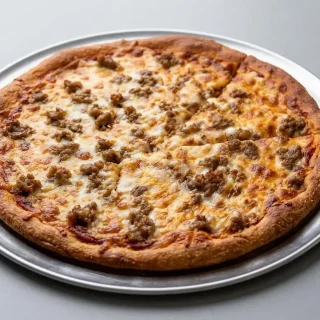
Keto Pizza Crust

Equipment
- Pizza pan
- Microwave-safe bowl
- Silicone spatula
- Mixing bowls
Ingredients
Keto Pizza Crust
- 2 cups shredded mozzarella cheese
- 2 ounces cream cheese softened
- 1 cup almond flour
- 1 teaspoon baking powder
- 1/4 teaspoon salt
- 2 eggs beaten
Toppings
- 1/2 cup low carb pizza sauce such as Rao’s
- 1 cup Italian sausage cooked and drained
- 1 cup shredded mozzarella
Instructions
- Heat the oven to 400 °F. The hot oven helps the crust set quickly so it can crisp before the toppings go on.
- Whisk the almond flour, baking powder, and salt in one bowl, then beat the eggs in a separate bowl. Having both mixtures ready makes it easier to work quickly once the cheese is melted.
- Put the shredded mozzarella and softened cream cheese in a large microwave-safe bowl and heat in 30-second bursts, stirring between each round. Stop when the mixture is fully melted, smooth, and easy to stir with no solid bits left.
- Stir in half of the almond flour mixture first, then add the rest along with the beaten eggs. This gradual mixing helps the dough combine more evenly instead of clumping into dry pockets.
- Keep mixing with a silicone spatula even if the dough looks rough at first. At this stage it will look lumpy and feel sticky, which is expected.
- Knead the dough with clean hands once the spatula has done all it can. Keep going until it comes together into a soft, smooth, pliable ball.
- Press the dough onto a greased pizza pan and shape it into an even round. An even thickness helps the center bake through at the same rate as the edges.
- Pre-bake the crust for 7 minutes, then remove it and gently poke down any puffed areas. The crust is ready for toppings when the edges are lightly golden and the center feels firm to the touch.
- Spread on the sauce, sausage, and remaining mozzarella, then return the pizza to the oven for 15 to 20 minutes. Take it out when the cheese is melted and the crust is golden brown.