 Skip to content
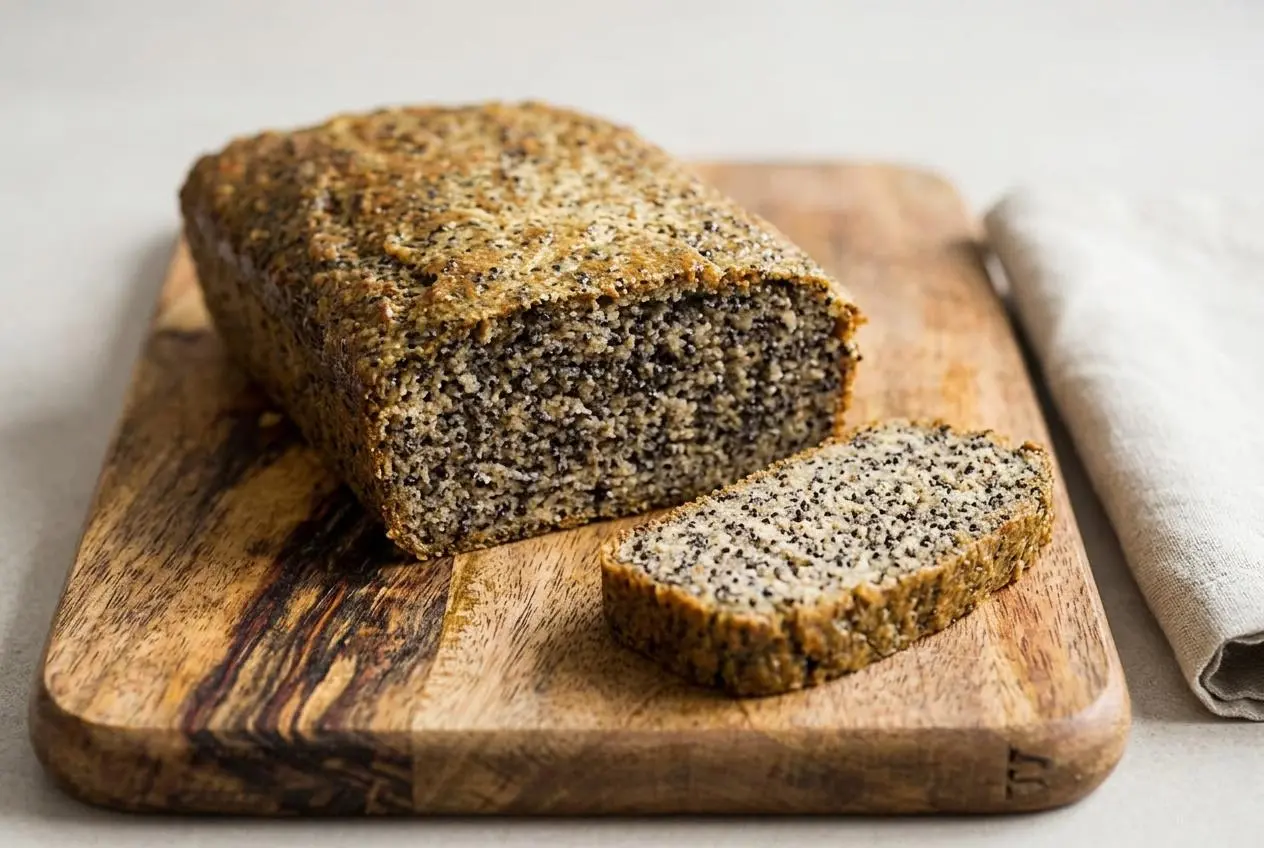
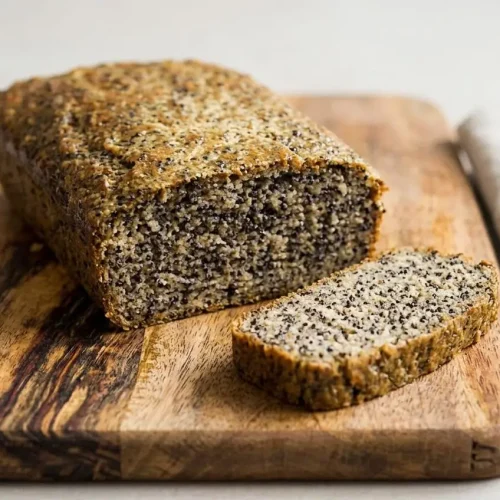
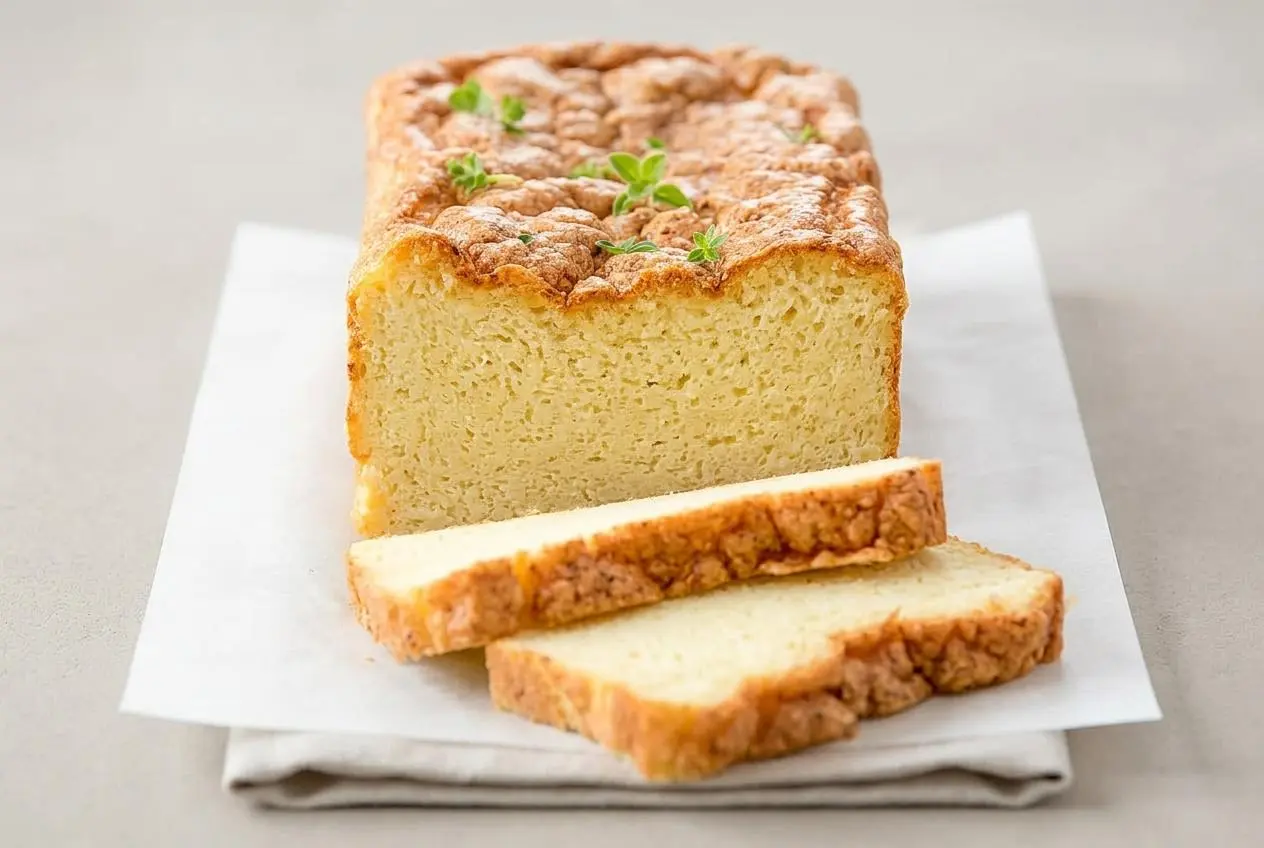
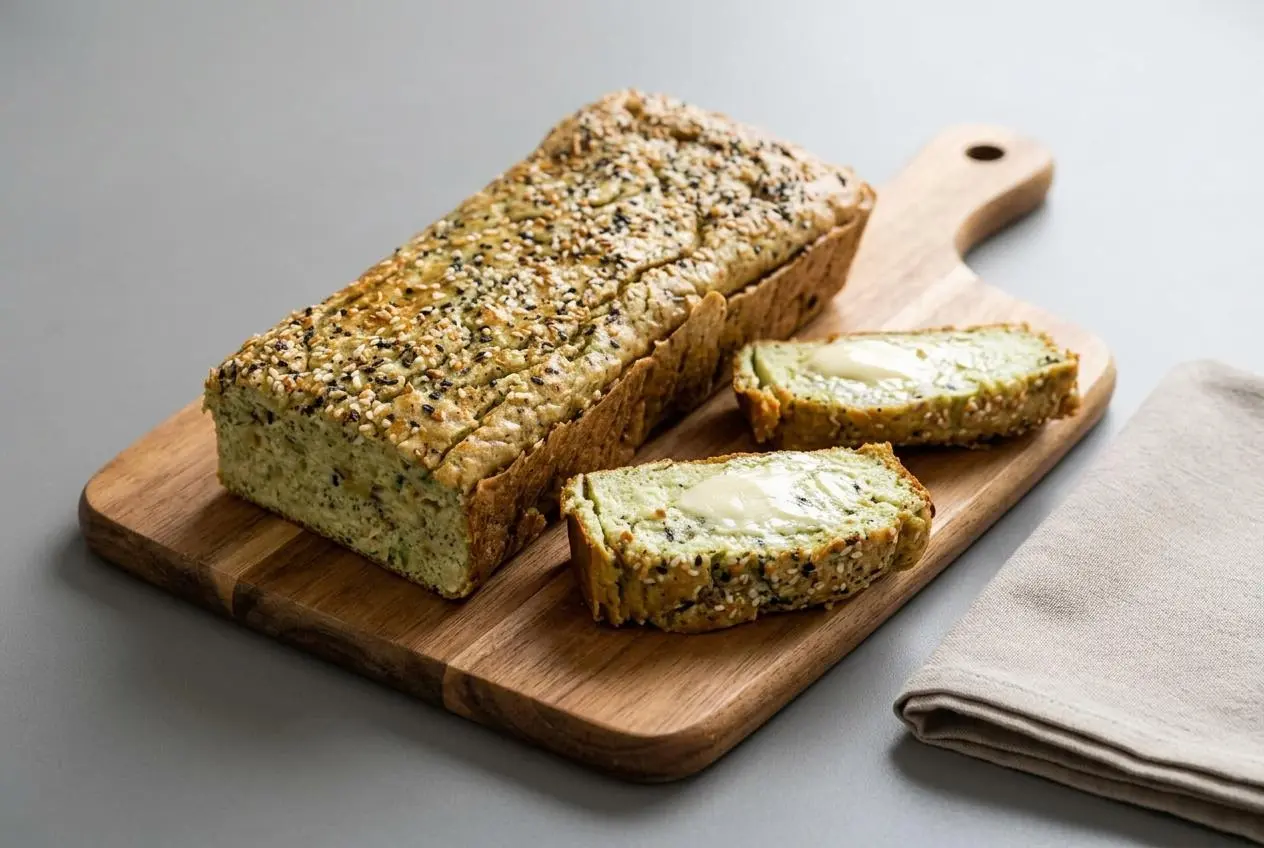
This Keto Bread makes a moist, slightly nutty loaf with almond flour and chia seeds, and it bakes in about 30 minutes. It works well for toast, sandwiches, and simple low carb meals.
Missing bread is one of the hardest parts of eating low carb, especially when so many loaves turn out dense or oddly eggy. This one keeps things practical and gives you a sliceable, sandwich-friendly result.
It has a dense but tender crumb, a seedy texture, and a gentle nuttiness that feels much closer to real bread once toasted. The cooling step matters more than it seems.
Use room temperature eggs if you can, because they blend more smoothly and help keep the loaf from tasting overly eggy.
What Makes a Great Keto Bread?
A great keto bread should feel like bread, not like baked eggs. That means a loaf with enough structure to slice cleanly, enough moisture to avoid dryness, and enough lift to keep it from feeling heavy.
Keto baking is tricky because there is no gluten to create chew and stretch. Eggs have to do a lot of the structural work, and binders like chia seeds help hold the crumb together. In this loaf, almond flour brings a soft, slightly rich base, chia adds body and a seedy bite, and baking soda gives the bread a little lift.
The result is naturally denser than standard sandwich bread, but it should not be gummy or wet. Toasting the slices also improves the flavor and texture quite a bit, which is why this loaf shines for avocado toast, grilled sandwiches, or warm buttered slices alongside soup.
Ingredients for Keto Bread
Each ingredient has a job here, from structure and lift to moisture, nuttiness, and that sturdy sliceable crumb that makes this loaf work.
- 4 Eggs
- 1 cup Superfine Almond Flour
- 1/2 cup Black Chia Seeds ((white if you can get them or black if you can’t))
- 1/4 cup Unsweetened Almond Milk
- 1/4 cup Coconut Oil or Melted Butter
- 2 teaspoons Baking Soda
- 1/2 teaspoon Kosher Salt
Eggs are the backbone of this recipe, giving the loaf lift and structure that low carb breads often struggle to get. Almond flour keeps the texture tender instead of dry, while chia seeds help bind everything together and add that hearty, seeded feel.
The almond milk loosens the batter just enough to spread evenly in the pan, and the coconut oil or melted butter adds richness and moisture. Baking soda helps the loaf rise, and salt sharpens the flavor so the bread tastes savory instead of flat.
I always bring the eggs to room temperature first when I make this kind of loaf, because they mix in more evenly and the finished bread smells and tastes cleaner.
How to Make Keto Bread
This method is quick, but the small details matter. The right pan, a well-mixed batter, and full cooling time are what turn this from a heavy loaf into a dependable one.
- Heat the oven to 350 °F.
The oven should be fully preheated before the batter goes in so the baking soda starts working right away. - Grease a 4-cup loaf pan that measures 8 x 4 inches and set it aside.
Use this size pan, not a larger one, or the loaf will spread too much and bake up flat. - Add the eggs, almond flour, chia seeds, almond milk, coconut oil or melted butter, baking soda, and salt to a mixing bowl, then stir until the batter is evenly combined and smooth.
The batter should look thick and scoopable rather than thin and pourable, with no dry pockets or obvious lumps. - Transfer the batter to the prepared pan and bake for 30 minutes.
The loaf is ready when the top is golden brown and a toothpick inserted into the center comes out clean. - Let the bread rest in the pan for 10 minutes, then move it to a rack and cool it completely before slicing.
The crumb firms up as it cools, which helps the slices hold together instead of crumbling.
Understanding Keto Bread Ingredients
If you know what each main ingredient does, keto baking gets much less frustrating. This loaf is built around a few ingredients that each solve a specific texture problem.
Almond flour is the base. It gives the bread body, a soft crumb, and that slightly nutty flavor that works especially well in toast and savory sandwiches. Superfine almond flour matters here because coarser meal makes the loaf heavier and rougher.
Eggs provide structure and lift. Since there is no gluten network, the eggs help the loaf set, rise, and slice. They also add richness, which is helpful, but too much egg flavor can take over if the loaf is overmixed or underbaked.
Chia seeds act as the binder. As they hydrate, they help the batter hold together and support the loaf once baked. That is one reason this bread feels more stable than some almond flour breads that crumble the second you cut into them.
If you want a lighter crumb in future experiments, some bakers add whey protein isolate to other keto bread recipes for extra lift and browning. It is not part of this loaf, though, so keep it as an optional idea rather than a direct swap here.
Almond Flour vs. Coconut Flour
These flours are not interchangeable in a one-to-one swap, and that mistake ruins a lot of keto loaves.
| Flour Type | Absorbency | Carb Count (per 1/4 cup) | Best For |
|---|---|---|---|
| Almond flour | Moderate | Lower net carb style, with more fat and moisture | Tender loaves, muffins, and softer keto baking |
| Coconut flour | Very high | Usually low in digestible carbs, but much thirstier | Recipes built specifically for extra liquid and eggs |
Coconut flour absorbs far more liquid than almond flour, so a 1:1 substitution will make this bread dry, dense, and hard to bake evenly. If a recipe starts with almond flour, it needs its own liquid and egg balance.
Nut-Free Keto Bread Option
If you need a nut-free loaf, sunflower seed flour is the safest swap to try in place of almond flour in this recipe. Pumpkin seed flour can also work. Both can change the flavor a little, and sunflower seed flour may shift the color toward green as it bakes, which looks odd but is usually just a reaction with the leavening.
Troubleshooting Common Keto Bread Problems
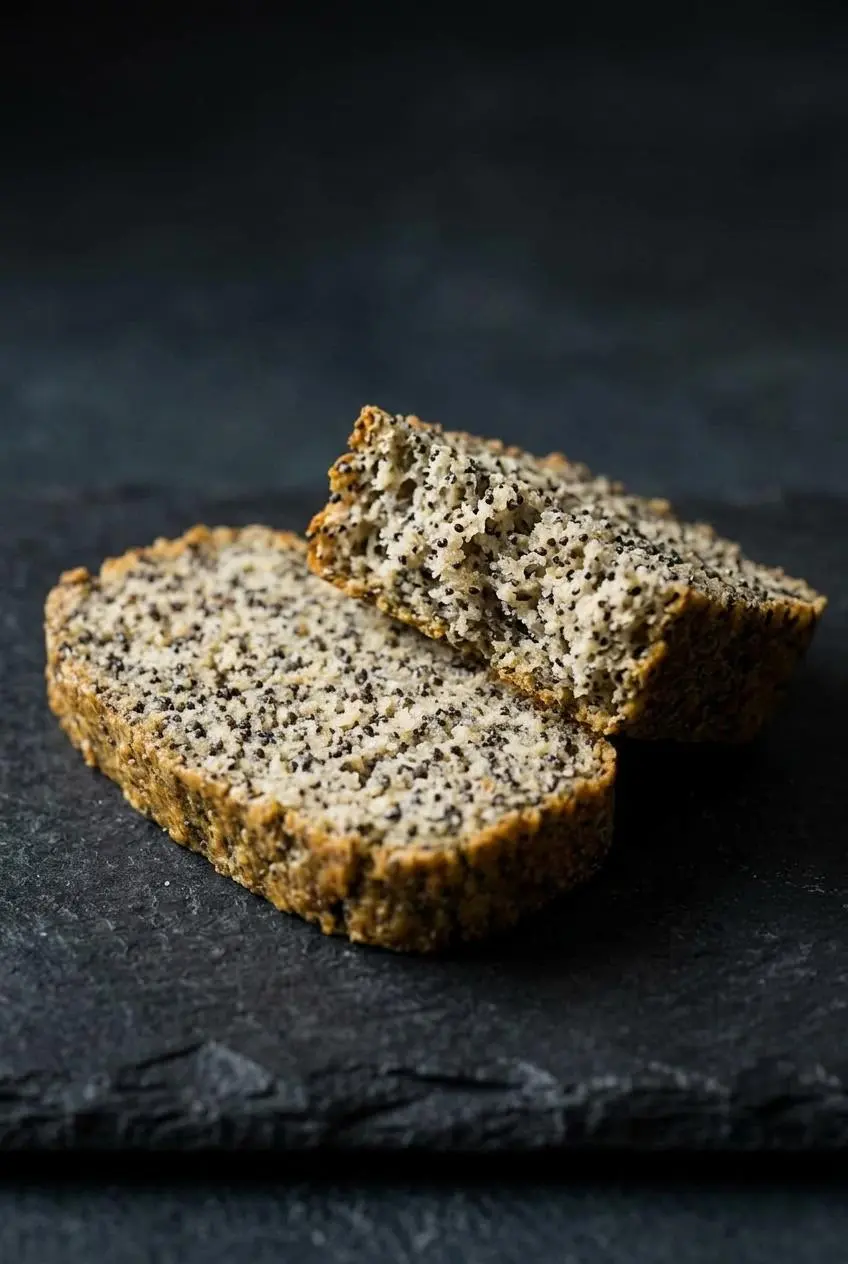
Keto bread can be fussy, but most problems come down to a small handful of causes. This quick guide helps you spot what went wrong and what to change next time.
| Problem | Likely Cause | Solution |
|---|---|---|
| Gummy or wet center | Underbaking or slicing while the loaf is still warm | Bake until a toothpick comes out clean, then cool the loaf completely before slicing |
| Strong eggy taste | Cold eggs, underbaking, or overmixing | Use room temperature eggs, mix just until smooth, and toast slices before serving |
| Flat loaf | Using a pan that is too large or older baking soda | Stick with an 8 x 4 inch pan and make sure the baking soda is fresh |
| Bread turned purple | Certain brands of psyllium husk in similar keto breads, or a reaction with leavening | Know that it is cosmetic, not a flavor disaster, and try a different binder brand next time if appearance matters |
| Very gritty texture | Chia seeds staying too whole for your preference | Use white chia seeds for a lighter look or pulse the seeds briefly before mixing |
Why Is My Bread Gummy or Wet?
This usually means the center needed a bit more baking time, or the loaf was cut too soon. Keto breads continue to set as they cool, so if you slice while it is still warm, the crumb can seem damp even when the top looks done.
Check the center with a toothpick before pulling the pan from the oven. Then let the bread cool fully on a rack so steam can escape instead of getting trapped inside the loaf.
How to Fix an ‘Eggy’ Taste
Room temperature eggs help a lot here, and so does mixing only until the batter is smooth. If you beat the mixture aggressively or bake the loaf just shy of done, the egg flavor can linger more than you want.
Toasting is the easiest fix. A toasted slice tastes more like traditional bread and much less like a keto compromise.
Why Did My Bread Turn Purple?
This loaf uses chia rather than psyllium husk, but many keto bakers run into a purple or gray tint in breads that use psyllium. It is usually a harmless color change caused by the binder or by a reaction with baking soda.
If it happens, the loaf may look strange but still taste fine. White chia seeds can help keep the color lighter in this recipe if appearance matters to you.
Easy Recipe Variations
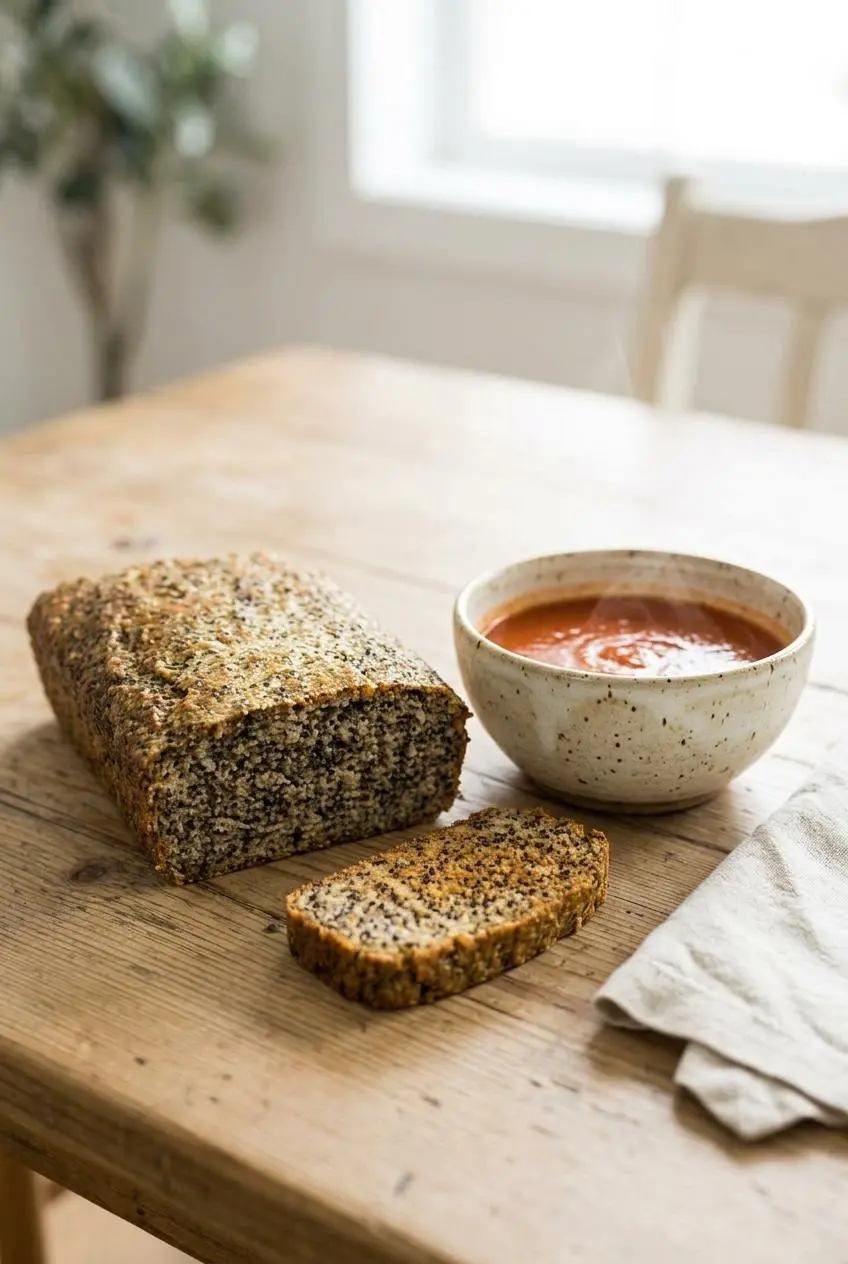
The base loaf is neutral enough to take in savory or sweet flavors without losing its structure. Keep these as optional tweaks, not part of the main formula.
| Variation | What to Change | Best For |
|---|---|---|
| Savory Herb Bread | Stir dried Italian herbs, garlic powder, onion powder, or rosemary into the dry mixture | Sandwiches, soup nights, and toast with cream cheese or butter |
| Cinnamon Sweet Bread | Add a keto-friendly sweetener and cinnamon to the batter | Breakfast toast or a French toast style loaf |
| Keto Bread Rolls or Buns | Portion the batter into mounds instead of one loaf and bake until set and browned | Burgers, sliders, or dinner rolls |
Savory Herb Bread
This is the easiest way to push the loaf toward sandwich bread. Garlic powder, Italian seasoning, or rosemary all fit the almond and chia base nicely and make the bread taste more distinctly savory.
Cinnamon Sweet Bread
If you want something more breakfast-friendly, add a keto-friendly sweetener and cinnamon. The loaf stays sturdy enough for toasting, and it works especially well for French toast style slices.
Keto Bread Rolls or Buns
You can portion the same batter into 6 to 8 mounds on a baking sheet instead of baking a full loaf. Because they are smaller, they usually bake faster, so start checking them earlier and pull them when the tops are browned and the centers feel set.
How to Store and Reheat Keto Bread
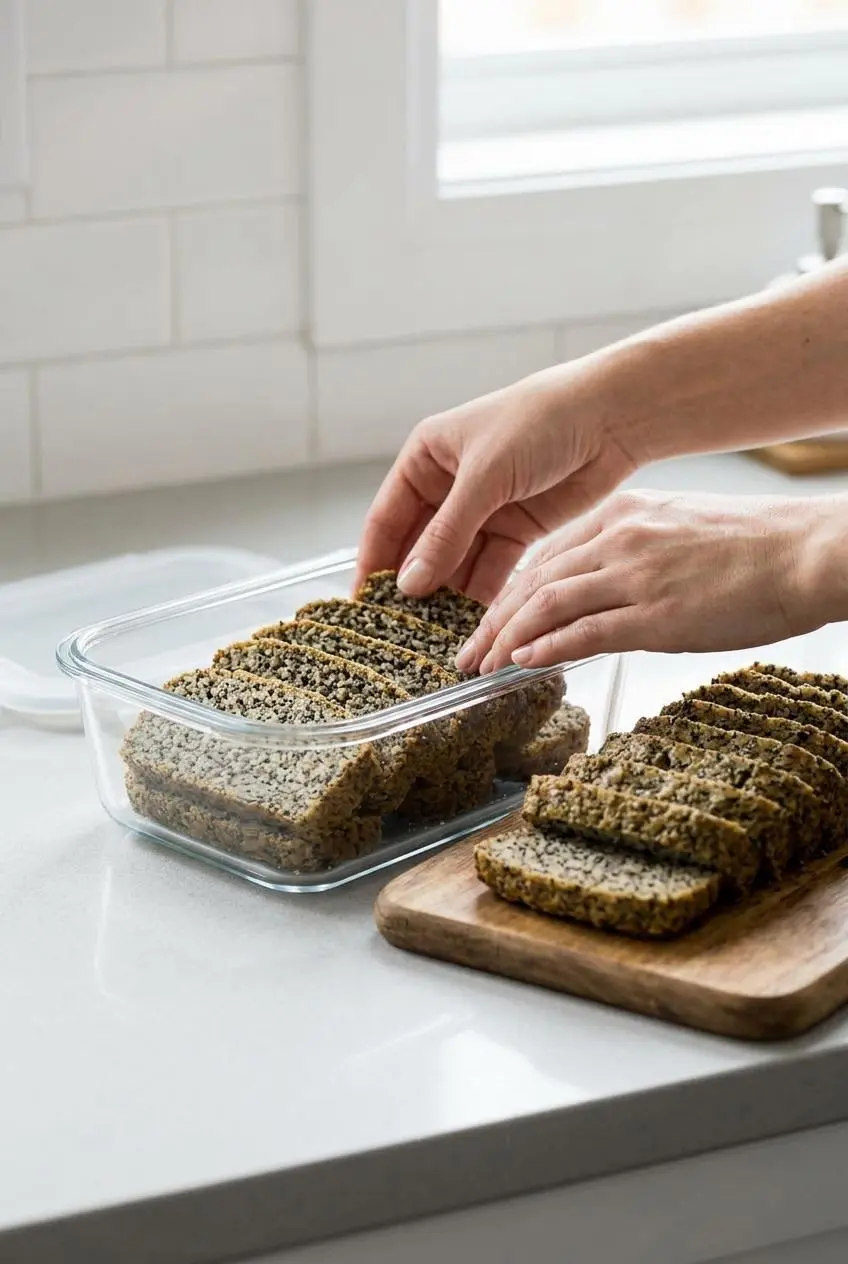
Because this loaf is rich with eggs and moisture, let it cool completely before storing so condensation does not soften the crumb. Keep it in an airtight container, and if your kitchen runs warm, chilled storage is the better call.
For the best texture, reheat individual slices in a toaster or warm skillet rather than microwaving the whole loaf. Toasting brings back the nutty aroma and improves the crumb, which is why leftover slices often taste even more bread-like the next day.
Since this recipe relies heavily on eggs, handle and store it with the same care you would use for other egg-rich baked foods, including keeping eggs refrigerated and baking the loaf through with proper handling habits explained in safe handling, cooking, and storage of eggs.
Don’t Want to Bake? A Quick Guide to Buying Keto Bread
Sometimes convenience wins, and that is fair. Store-bought keto bread can be useful for busy weeks, lunch prep, or anyone who wants low carb sandwiches without turning on the oven.
Homemade bread gives you more control over texture and ingredients, while store-bought loaves save time. The trade-off is usually cost and ingredient quality, since packaged loaves often rely on added fibers, preservatives, or blends designed for shelf stability.
What to Look for on the Nutrition Label
Start with the carb count per slice and check how the brand presents its serving size. Then look at the ingredient list for fiber sources, sweeteners, and added oils. Many people shopping for keto bread also look for lower sugars and a higher fiber content because those loaves tend to feel more filling and more bread-like.
If you track net carbs, compare labels carefully because brands calculate and present them in slightly different ways. What matters most in practice is reading the full label rather than trusting the front of the bag.
Top-Rated Keto Bread Brands
Sola is popular for a softer sandwich style texture. Carbonaut is often liked for its more neutral flavor and everyday toastability. Hero Bread tends to attract people who want a texture closer to classic white bread or buns.
None of them will taste exactly like a bakery sourdough loaf, but some come surprisingly close once toasted. If you buy one, think about how you plan to use it first: sandwiches, toast, burger buns, or grilled cheese all call for slightly different textures.
Conclusion
Keto bread can absolutely be worth making at home, especially when you want a loaf that slices well and does not lean too hard into that eggy flavor. This version keeps the ingredient list focused and the method straightforward.
If you remember one thing, let it cool completely before slicing. That one bit of patience makes the texture far better, and your toast will thank you.
Frequently Asked Questions (FAQ)
How do I store homemade keto bread?
Let the loaf cool fully, then keep it covered in an airtight container so the crumb stays as even as possible. If your kitchen is warm or humid, refrigerating it is the safer choice for freshness and texture.
Why is my keto bread so dense?
Keto bread is naturally denser than wheat bread because it does not have gluten. It can get even heavier if the leavening is old, the pan is too large, or the batter is overmixed.
Can I use an egg substitute in this recipe?
It is not a good swap for this particular loaf. Eggs do most of the heavy lifting for structure and lift here, so an egg substitute will likely give you a crumbly, much denser result.
What is ‘net carbs’ in keto bread?
In everyday keto cooking, net carbs usually means the carb amount people focus on after accounting for fiber on the label. Since brands and calculators can vary, it is smart to read the nutrition panel carefully rather than assuming every loaf is counted the same way.
Keto Bread

Equipment
- 8 x 4 inch loaf pan
- Mixing bowl
- Measuring cups
- Measuring spoons
Ingredients
- 4 Eggs
- 1 cup Superfine Almond Flour
- 1/2 cup Black Chia Seeds (white if you can get them or black if you can’t)
- 1/4 cup Unsweetened Almond Milk
- 1/4 cup Coconut Oil or Melted Butter
- 2 teaspoons Baking Soda
- 1/2 teaspoon Kosher Salt
Instructions
- Heat the oven to 350 °F. The oven should be fully preheated before the batter goes in so the baking soda starts working right away.
- Grease a 4-cup loaf pan that measures 8 x 4 inches and set it aside. Use this size pan, not a larger one, or the loaf will spread too much and bake up flat.
- Add the eggs, almond flour, chia seeds, almond milk, coconut oil or melted butter, baking soda, and salt to a mixing bowl, then stir until the batter is evenly combined and smooth. The batter should look thick and scoopable rather than thin and pourable, with no dry pockets or obvious lumps.
- Transfer the batter to the prepared pan and bake for 30 minutes. The loaf is ready when the top is golden brown and a toothpick inserted into the center comes out clean.
- Let the bread rest in the pan for 10 minutes, then move it to a rack and cool it completely before slicing. The crumb firms up as it cools, which helps the slices hold together instead of crumbling.



This recipe looks family-friendly! 👨👩👧
I can’t wait to make this! 🔥