 Skip to content
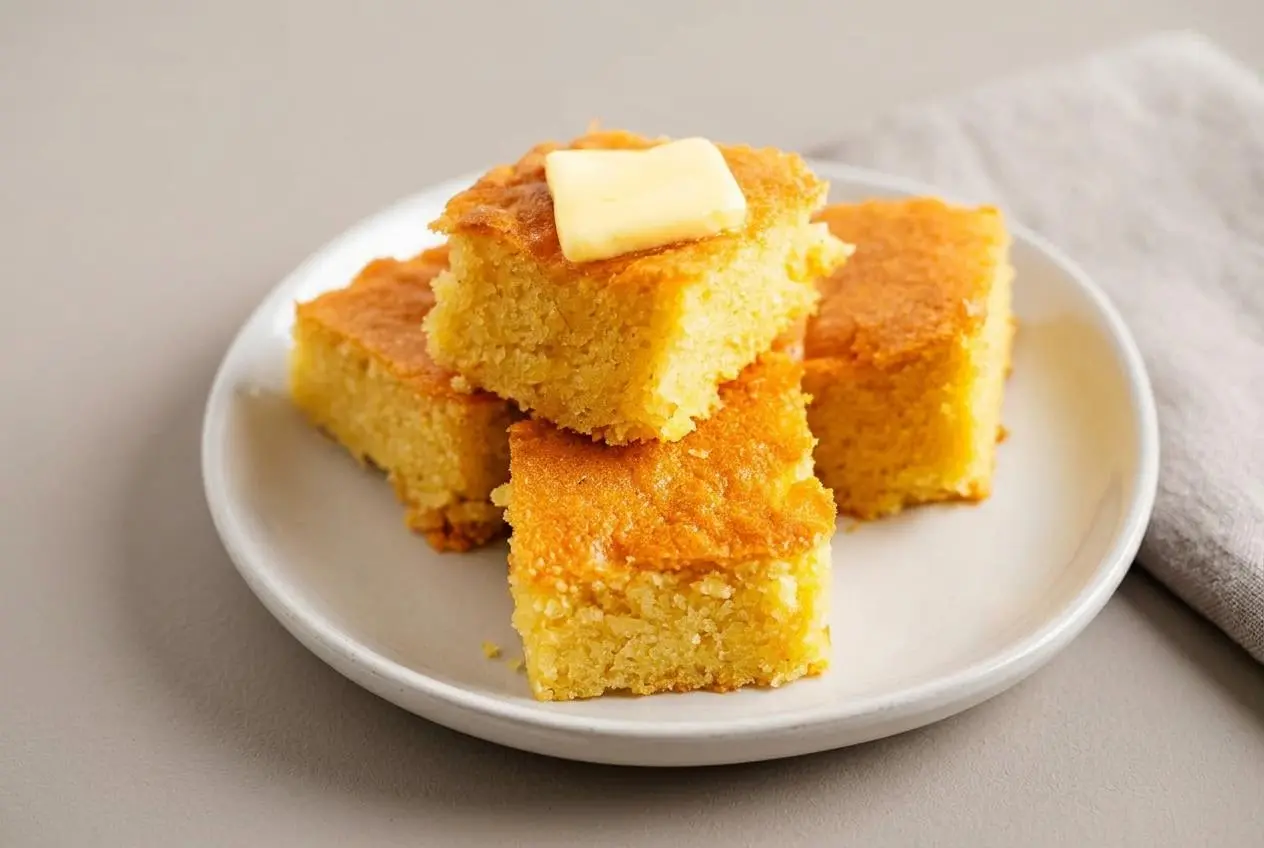
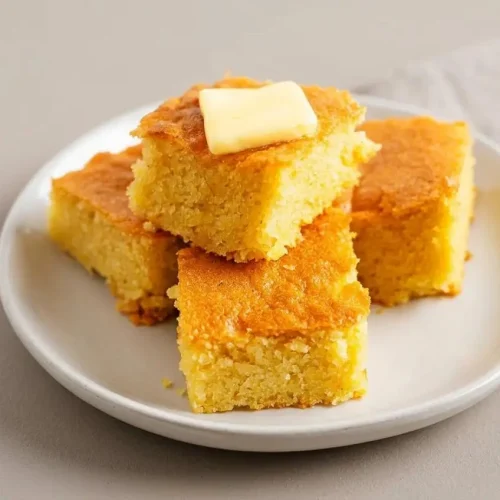
This keto cornbread recipe uses almond flour, eggs, butter, and powdered sweetener to create a moist, tender, slightly sweet cornbread style bake in about 30 minutes.
If you miss the cozy taste of cornbread on a low carb diet, this version gets surprisingly close without using traditional cornmeal. It bakes up buttery, golden, and soft in the middle.
It’s also beginner-friendly, with a thick batter and clear doneness cues that make it much easier to get right the first time. The skillet trick is worth it.
Preheat the cast iron skillet while the oven heats if you want the crispiest edges and deepest golden crust.
Why You’ll Love This Keto Cornbread
This one works because it keeps the method straightforward while still delivering the texture people actually want from cornbread.
- Quick and Easy with 5 minutes of prep and about 25 minutes in the oven.
- Buttery, Classic Flavor thanks to melted butter, vanilla, and a lightly sweet crumb.
- Tender Instead of Dry because almond flour and eggs give it moisture and structure without turning it dense.
Key Ingredients for Keto Cornbread
Each ingredient has a real job here, from building structure and moisture to creating that buttery aroma and lightly sweet finish.
Dry Ingredients
- 1 ½ cups Almond Flour (I’m using superfine blanched)
- ½ cup Powdered Sweetener (I like my cornbread to be sweet, but you could use 1/3 cup of sweetener if you wish)
- 1 tbsp baking powder
Wet Ingredients
- 1 tsp Vanilla Extract
- 4 large Eggs
- 4 tbsp Butter (Melted)
Superfine blanched almond flour is the key ingredient here. It gives you a finer crumb and a more classic cornbread texture, while coarser almond meal can make the bake look darker and feel heavier. Powdered sweetener blends in more smoothly than granular sweetener, so the finished bread tastes sweet instead of gritty. Butter adds richness, moisture, and that familiar cornbread flavor.
Eggs do a lot of lifting in this recipe too. They help the batter hold together, give the bread structure as it bakes, and keep the slices from feeling fragile once cooled.
I always like to use room temperature eggs here because they blend into the melted butter more evenly and help the batter come together without lumps.
How to Make Keto Cornbread Step-by-Step
The method is simple, but a few texture cues make all the difference. Expect a thick batter, and stop mixing once everything is evenly combined.
- Heat the oven to 350 °F.
The pan and oven should be fully hot before the batter goes in so the cornbread starts baking right away. - Whisk the almond flour, powdered sweetener, and baking powder together in a mixing bowl.
This helps distribute the leavening evenly and prevents pockets of sweetener in the finished bread. - In a separate bowl, whisk the vanilla extract, eggs, and melted butter until smooth.
The mixture should look glossy and well blended, with no streaks of egg left behind. - Pour the wet mixture into the dry ingredients and stir just until a batter forms, then spread it into a well-seasoned cast iron skillet.
The batter will be thick, almost like a scoopable dough, and that thickness is exactly what you want. - Bake for 20 to 25 minutes until the top is lightly browned.
It’s done when the top is golden and the edges are just starting to pull away from the skillet.
Your kitchen will fill with that warm, buttery scent that makes cornbread so appealing, even without the cornmeal.
Tips for the Perfect Texture and Flavor
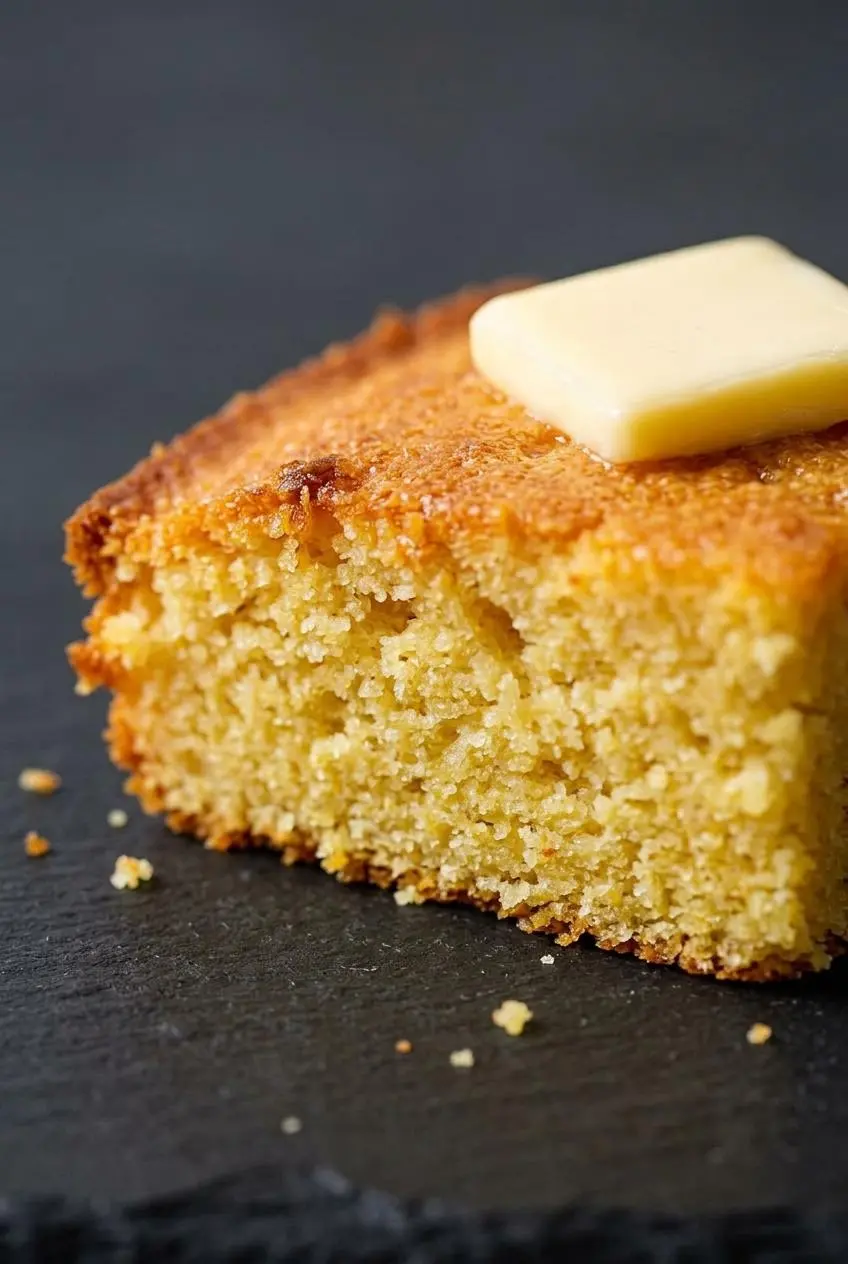
These tips help you avoid the most common keto baking problems, especially dryness, gumminess, and a crumb that falls apart too soon.
- Brown the butter for deeper flavor. Instead of simply melting it, cook the butter until it smells nutty and turns amber, then let it cool slightly before mixing it in. That extra toasted flavor gives the bread a richer, more classic cornbread feel.
- Use a hot skillet for a better crust. A preheated cast iron skillet brushed with butter or bacon grease helps the bottom and edges turn crisp and golden rather than pale and soft.
- Do not overmix the batter. Stir only until no dry spots remain. Extra mixing can make the crumb tighter and heavier.
- Let it cool before slicing. If you cut into it while it’s still piping hot, it’s more likely to crumble. Give it at least 10 to 15 minutes so the structure can set.
- Adjust the sweetness to match your style. If you like a sweeter, Jiffy-style result, keep the full amount of sweetener. If you want a more savory, Northern-style version, use the lower amount noted in the ingredient list.
- Add extra moisture carefully. A spoonful of sour cream or cream cheese can make the crumb even softer and richer, but treat that as an optional tweak rather than a required change.
- Watch for gummy texture. This usually comes from underbaking or slicing too soon. Wait for a golden top, then let the bread rest before cutting.
- Avoid bitter aftertaste. Some sweeteners taste harsher than others, especially in baked goods. Powdered sweeteners usually give the smoothest flavor here.
If almond flour bakes are already your thing, classic keto bread uses many of the same texture principles in a different form.
Keto Cornbread Variations
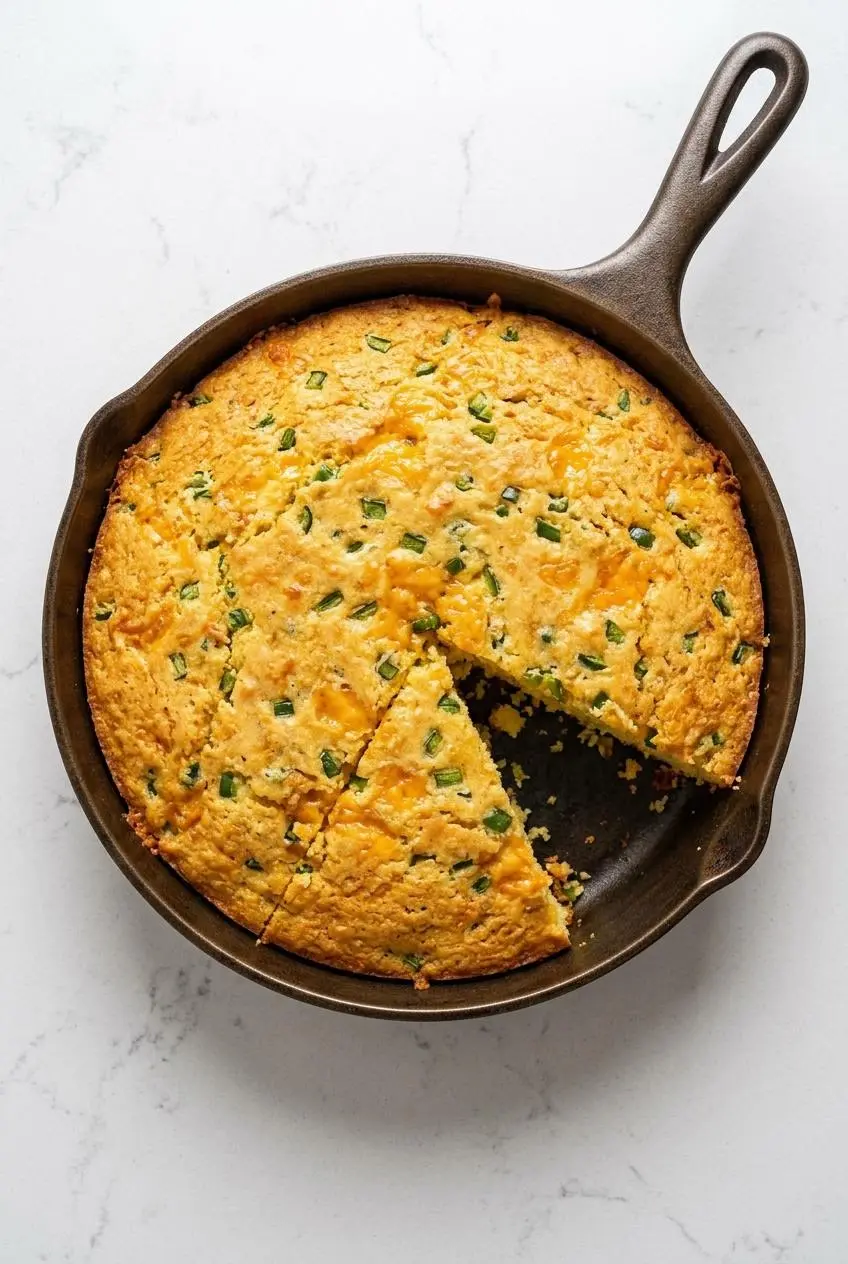
This base is great as is, but it also adapts well when you want a more savory pan of cornbread or an easy grab-and-go version.
Cheddar Jalapeño Cornbread
For a savory version, fold shredded cheddar and diced jalapeños into the finished batter just before it goes into the skillet. Remove the seeds if you want gentler heat, and consider reducing the sweetener so the cheese and peppers stand out more clearly.
Keto Cornbread Muffins
To make muffins, divide the batter into a lined or greased muffin tin and fill each cup about three-quarters full. Bake for about 15 to 18 minutes, and pull them when a toothpick comes out clean and the tops look lightly golden.
If muffin-style keto baking is your lane, these delicious keto blueberry muffins are another good one to keep on rotation.
For a Hint of Corn Texture
Some home cooks like to add finely chopped baby corn for little pops of texture that feel more like traditional cornbread. It can also add a touch of moisture and subtle sweetness without relying on corn extract, which can taste artificial in some brands.
Serving Suggestions
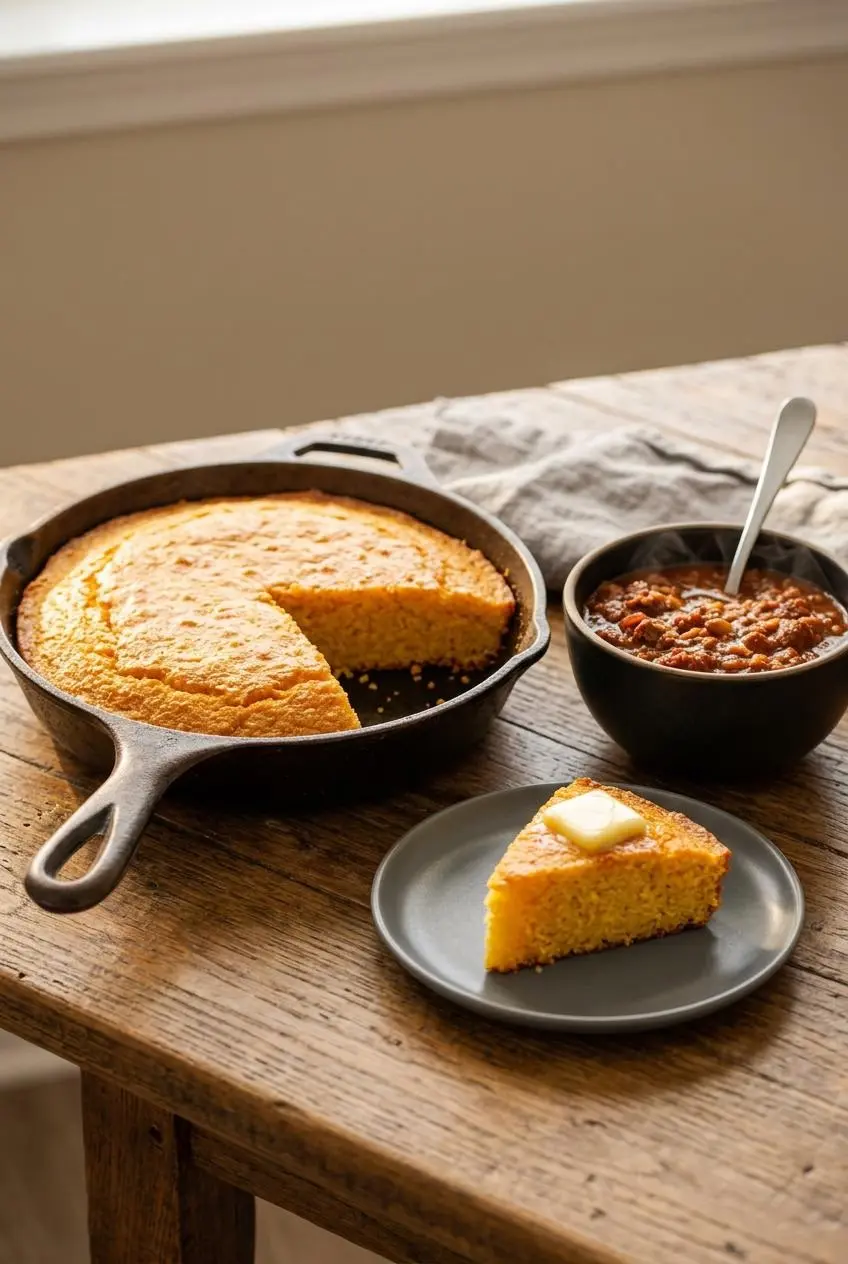
This cornbread fits best beside hearty, savory meals or served warm enough for the butter to melt right in.
- Serve it warm with a generous pat of salted butter.
- Pair it with keto chili, thick soups, or stews.
- Set it alongside Keto ground beef casserole for a filling dinner.
- Use it with barbecue-style meats like pulled pork or ribs if that’s your dinner plan.
- Turn leftovers into a low carb cornbread dressing for holiday meals.
Storage and Reheating
This cornbread is at its best the day it’s baked, especially if you love crisp edges. Once cooled, keep it covered so the almond flour crumb does not dry out.
- At room temperature: If your kitchen is cool, keep it tightly covered and enjoy it while it still tastes fresh.
- In the refrigerator: Store slices in an airtight container to protect the texture and keep the butter-rich crumb from picking up fridge odors.
- For longer storage: Wrap slices well before chilling so the edges do not dry out as quickly.
- To reheat: Warm a slice briefly in the microwave for softness, or use the oven or toaster oven if you want the outside to crisp back up.
Conclusion
This cornbread delivers the buttery flavor and tender crumb people want, while keeping the ingredient list true to a keto style bake. It’s especially handy when you want a side dish that feels cozy and familiar.
If you try one upgrade first, make it browned butter or a hot skillet. Both add a lot of payoff for very little extra work.
Frequently Asked Questions
Why did my keto cornbread turn out dry or crumbly?
Almond flour works much better than coconut flour in this recipe. A 1 to 1 swap with coconut flour will usually make it too dry. Overbaking is another common cause. Start checking near the early end of the bake time. Fat matters here. Eggs and butter help keep the crumb tender, so reducing them changes the texture fast. Let it cool before slicing. Cutting it too hot can make a perfectly baked pan seem crumbly.
What’s the best way to get a real corn flavor in keto cornbread?
Browning the butter is one of the best tricks because it adds a nutty depth that feels more like classic cornbread. Finely chopped baby corn can help with texture and a subtle sweet corn note. Corn extract exists, but many people find the flavor a little artificial. If you want the easiest everyday option, go with browned butter first.
Can I make this cornbread savory instead of sweet?
Yes. You can reduce the sweetener or leave it out if you prefer a more savory result. Cheddar and jalapeños are the most popular add-ins for that style. Crumbled cooked bacon also works well if you want a smoky version. A hot skillet helps savory versions taste even more like dinner cornbread.
Can I freeze keto cornbread?
Yes, many people do freeze it successfully once it has cooled completely. Slice it first so you can take out only what you need. Wrap the pieces tightly before storing them to help protect the texture. Thaw gently and rewarm if you want the crumb to soften again.
Can I substitute coconut flour for almond flour in this recipe?
No, not as a direct swap. Coconut flour absorbs much more liquid than almond flour. Using it 1 to 1 will usually give you a dry, crumbly result. This recipe is built specifically around almond flour for the right texture.
Can I use real cornmeal in keto cornbread?
If you are keeping the recipe strictly keto, traditional cornmeal is usually not the best fit. Some low carb versions use a small amount, but it changes the carb profile quite a bit. This version skips it and leans on almond flour, butter, and sweetness for that cornbread feel. If you mainly miss the texture, baby corn is a more practical optional add-in.
Keto Cornbread Recipe

Equipment
- Cast iron skillet
Ingredients
Dry Ingredients
- 1 ½ cups Almond Flour I’m using superfine blanched
- ½ cup Powdered Sweetener I like my cornbread to be sweet, but you could use 1/3 cup of sweetener if you wish
- 1 tbsp baking powder
Wet Ingredients
- 1 tsp Vanilla Extract
- 4 large Eggs
- 4 tbsp Butter Melted
Instructions
- Heat the oven to 350 °F. The pan and oven should be fully hot before the batter goes in so the cornbread starts baking right away.
- Whisk the almond flour, powdered sweetener, and baking powder together in a mixing bowl. This helps distribute the leavening evenly and prevents pockets of sweetener in the finished bread.
- In a separate bowl, whisk the vanilla extract, eggs, and melted butter until smooth. The mixture should look glossy and well blended, with no streaks of egg left behind.
- Pour the wet mixture into the dry ingredients and stir just until a batter forms, then spread it into a well-seasoned cast iron skillet. The batter will be thick, almost like a scoopable dough, and that thickness is exactly what you want.
- Bake for 20 to 25 minutes until the top is lightly browned. It’s done when the top is golden and the edges are just starting to pull away from the skillet.


Really helpful writeup and easy to follow for someone newer to keto baking. I used browned butter like you suggested and the flavor was so much better than other low carb cornbread recipes I have tried.
I made this tonight with chili and it really hit the spot. The hot skillet tip gave me the best crisp edges and the middle stayed soft. I was honestly surprised how close it felt to regular cornbread.
This turned out moist and tender, which is usually where keto breads lose me. I also appreciated the note about letting it cool before slicing because that definitely helped keep it from crumbling. Will make again.