Skip to content
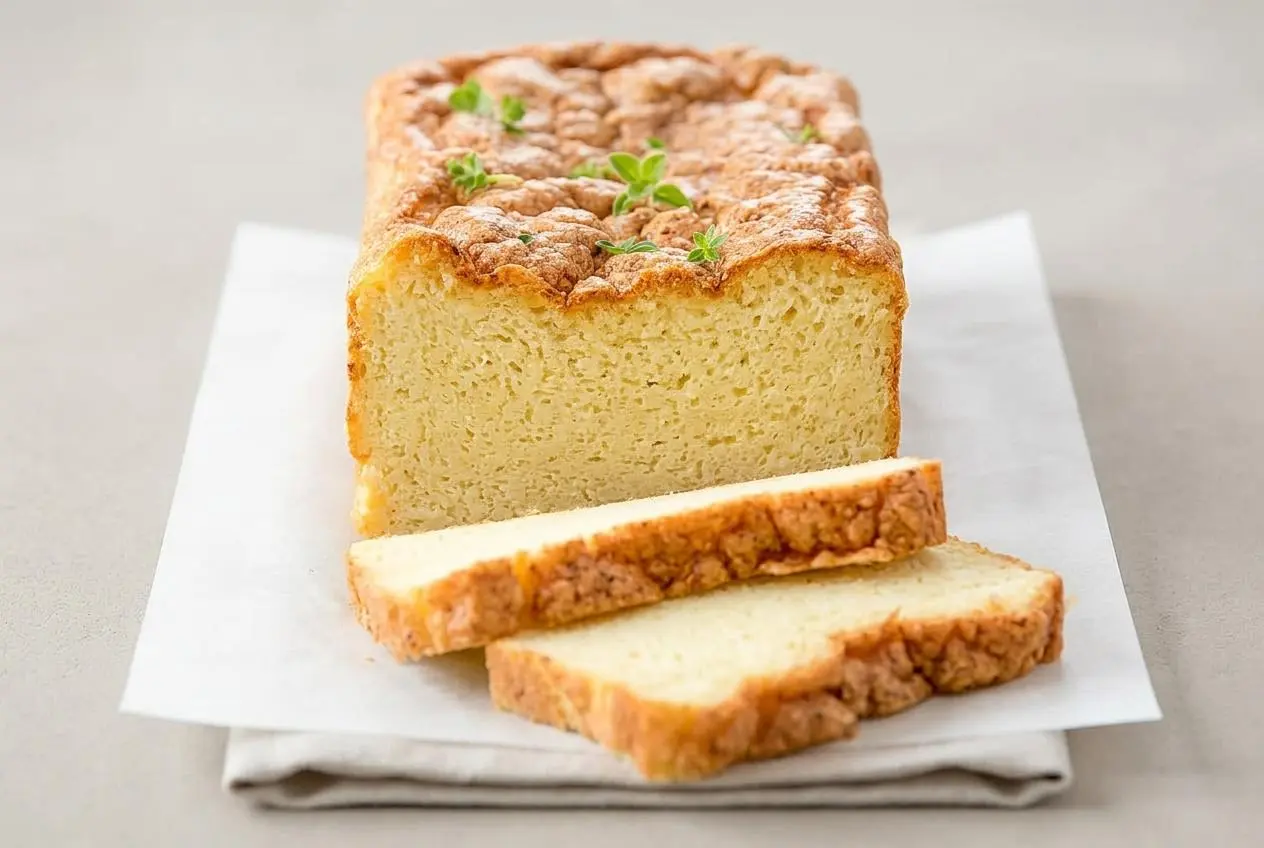
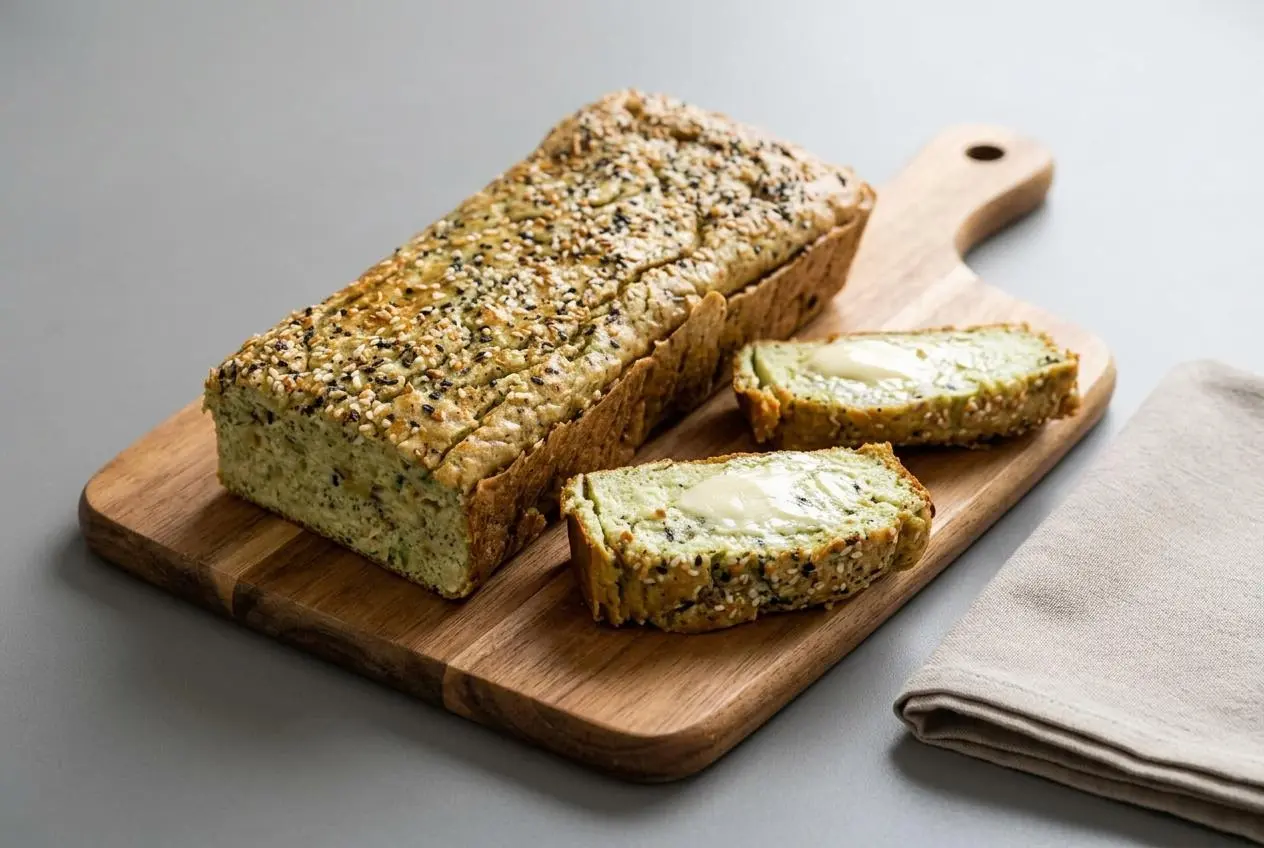
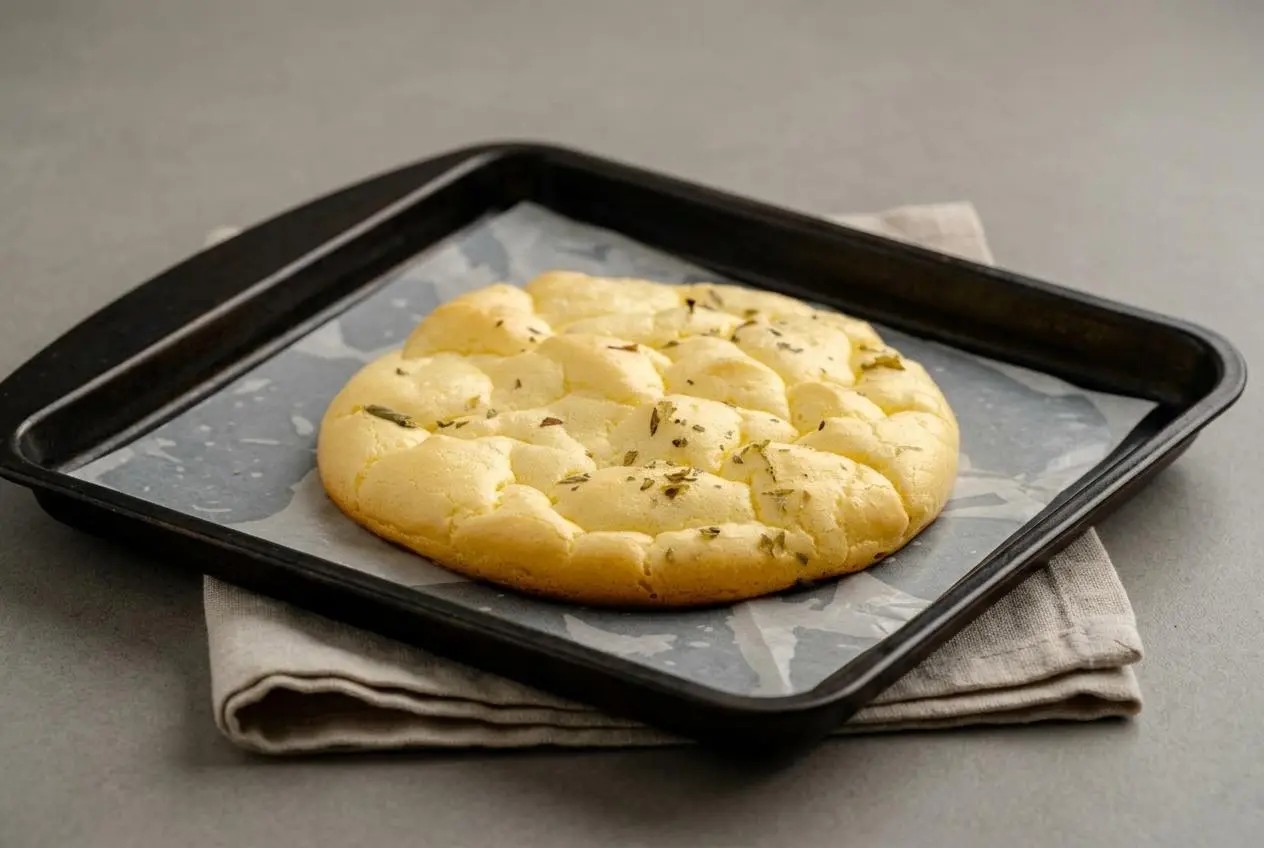
Keto cauliflower bread is a grain-free loaf made with dried riced cauliflower, almond flour, egg yolks, and whipped egg whites for a light, golden, sliceable crumb that works for toast and sandwiches.
This keto cauliflower bread uses careful moisture control and airy egg whites to create a sturdy loaf rather than a soft cauliflower flatbread.
The crust turns golden while the center stays tender enough for thick slices. The towel-wringing step makes all the difference.
Use a clean, sturdy kitchen towel for the cauliflower, and let it cool before squeezing so it is easier to handle.
Essential Ingredients for Structure and Flavor
Each ingredient contributes to the loaf’s structure, lift, tenderness, moisture balance, and savory flavor, helping the finished bread hold together after cooling.
- 3 cups finely riced cauliflower
- 6 large eggs (separated)
- 6 tbsp canola oil ((use olive oil if making paleo or keto))
- 1 ¼ cup superfine almond flour
- 1 tbsp baking powder
- 1 tsp salt
Finely riced cauliflower creates the vegetable base, but it must be dried thoroughly so it does not weigh down the batter. Fresh cauliflower gives you the most control over texture. Pre-riced cauliflower can work if the pieces are fine and evenly sized.
Superfine almond flour provides a tender, cohesive crumb that regular flour would usually provide. Choose superfine flour rather than a coarse almond meal, which can make the loaf feel gritty and less sliceable.
Separating the eggs matters here. The yolks enrich the almond flour paste, while the whipped whites create the air pockets that give this grain-free loaf its height. Baking powder supports that lift, and the oil keeps the interior from tasting dry.
I look for cauliflower that feels compact and almost dry after wringing, not merely drained. If moisture still seeps through the towel, keep squeezing in small batches.
How to Make Keto Cauliflower Bread
The method relies on three moments: dry the cauliflower well, build a smooth yolk-and-almond base, and fold in the egg whites gently. Keep the folding light so the trapped air stays in the batter.
- Heat the oven to 350°F and line an 8 inch by 4 inch loaf pan with parchment paper.
Leave enough parchment above the pan edges to help lift out the cooled loaf. - Microwave the riced cauliflower for 3 to 4 minutes until tender, then let it cool before wrapping small portions in a tea towel and squeezing firmly.
Continue in batches until the cauliflower feels dry and compressed rather than wet or steamy. - Beat the egg whites at high speed in a mixing bowl until stiff peaks form, then set them aside.
When the beater is lifted, the peaks should stand upright and hold their shape. - Whisk the egg yolks, oil, almond flour, baking powder, and salt in a large bowl until they form a smooth, thick paste, then stir in the dried cauliflower.
The cauliflower should be evenly distributed with no dry pockets of almond flour. - Fold about ¼ of the whipped whites into the cauliflower mixture with a spatula, then continue adding the remaining whites in batches until incorporated.
Stop folding when the batter looks pale, fluffy, and evenly combined, without streaks of egg white. - Transfer the batter to the lined pan and bake for about 45 to 50 minutes, then cool the loaf before slicing.
The top should look golden and set, and the cooled loaf should cut into clean slices without collapsing.
Troubleshooting Common Low-Carb Bread Issues
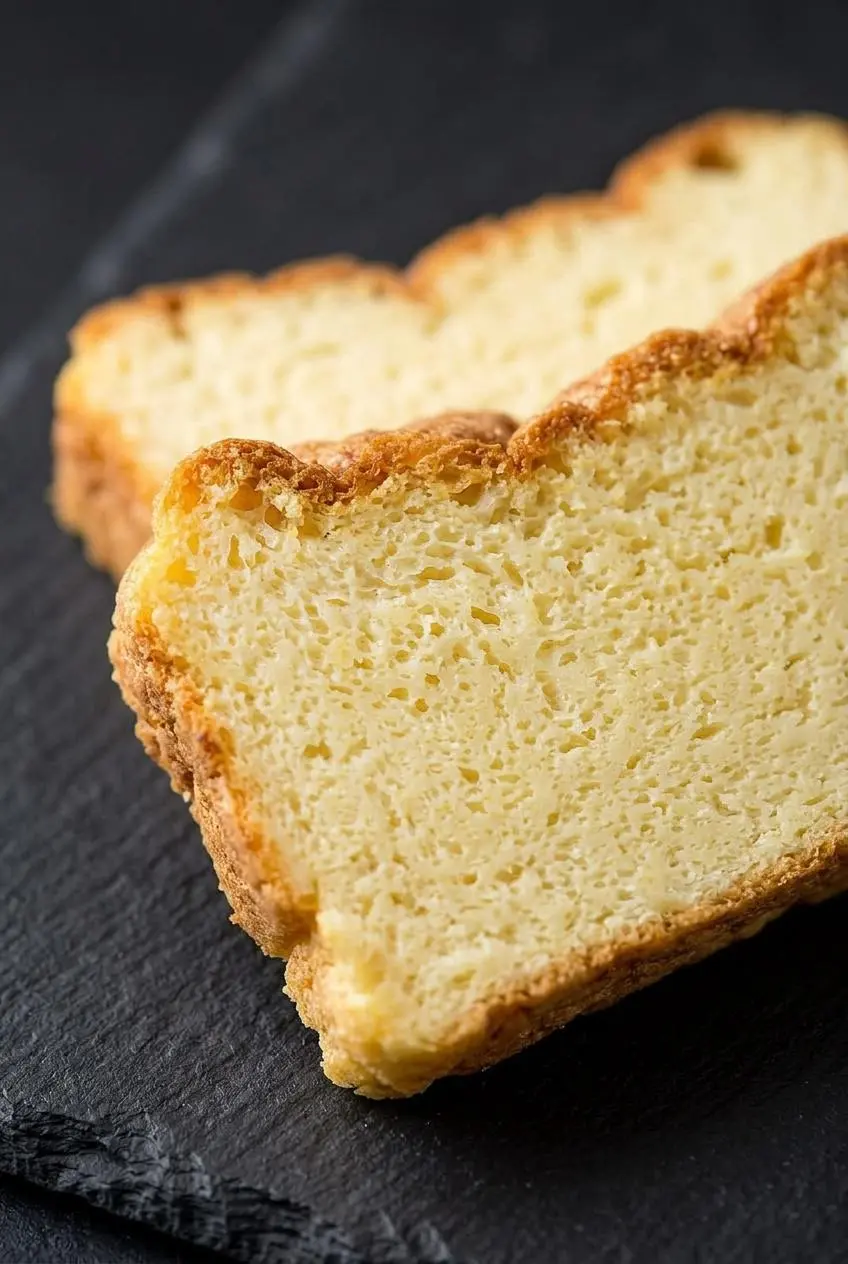
A vegetable-based loaf is less forgiving of excess water and rough mixing than wheat bread. These fixes target the problems that most often lead to a gummy center or fragile slices.
- The loaf feels wet or gummy: The cauliflower likely held too much moisture. Cool it first, then wring it in small towelfuls until it feels compact and noticeably drier.
- The loaf baked flat: The egg whites may not have reached stiff peaks, or the batter was stirred too vigorously after folding. Beat until the peaks stand up, then use a broad, gentle folding motion.
- The slices crumble: Cutting while warm can break the delicate crumb. Let the loaf cool completely on a wire rack before lifting and slicing.
- The bread feels too soft for a sandwich: Toast individual slices before adding fillings. The surface firms up nicely and stands up better to spreads, deli meat, or melted cheese.
- The loaf sticks to the pan: Line the pan fully with parchment, including a generous overhang. Pull upward slowly after the loaf has cooled rather than tugging on the edges.
Flavor Variations and Shaping Alternatives
Keep the main loaf as written for the most dependable structure, then use dry seasonings and toppings as optional ways to change its personality. Avoid wet flavorings, which can loosen the batter.
Garlic and Herb Infused Bread
For a savory loaf, add dried Italian herbs and garlic powder to the dry almond flour mixture. Dried seasonings blend evenly without adding extra moisture, and they make the bread especially good with eggs, deli fillings, or warm soup.
Cheesy Broiled Toasts
Turn cooled slices into open-faced cheesy toasts by topping them with shredded hard cheese and broiling until melted and browned. For a dedicated savory loaf with a more pronounced cheese character, try this keto cheese bread.
Multi-Seed Artisan Crust
Before baking, lightly dust the batter’s surface with sesame seeds, poppy seeds, pumpkin seeds, or a mix of all three. The seeds add a pleasant crunch and give the golden loaf a more rustic finish.
If you prefer individual portions instead of a traditional loaf, spread the batter into separated sandwich-flat shapes on a parchment-lined pan. Keep them modest in thickness so they cook through evenly, and cool them fully before handling.
Serving Ideas: Sandwiches, Toast, and Beyond
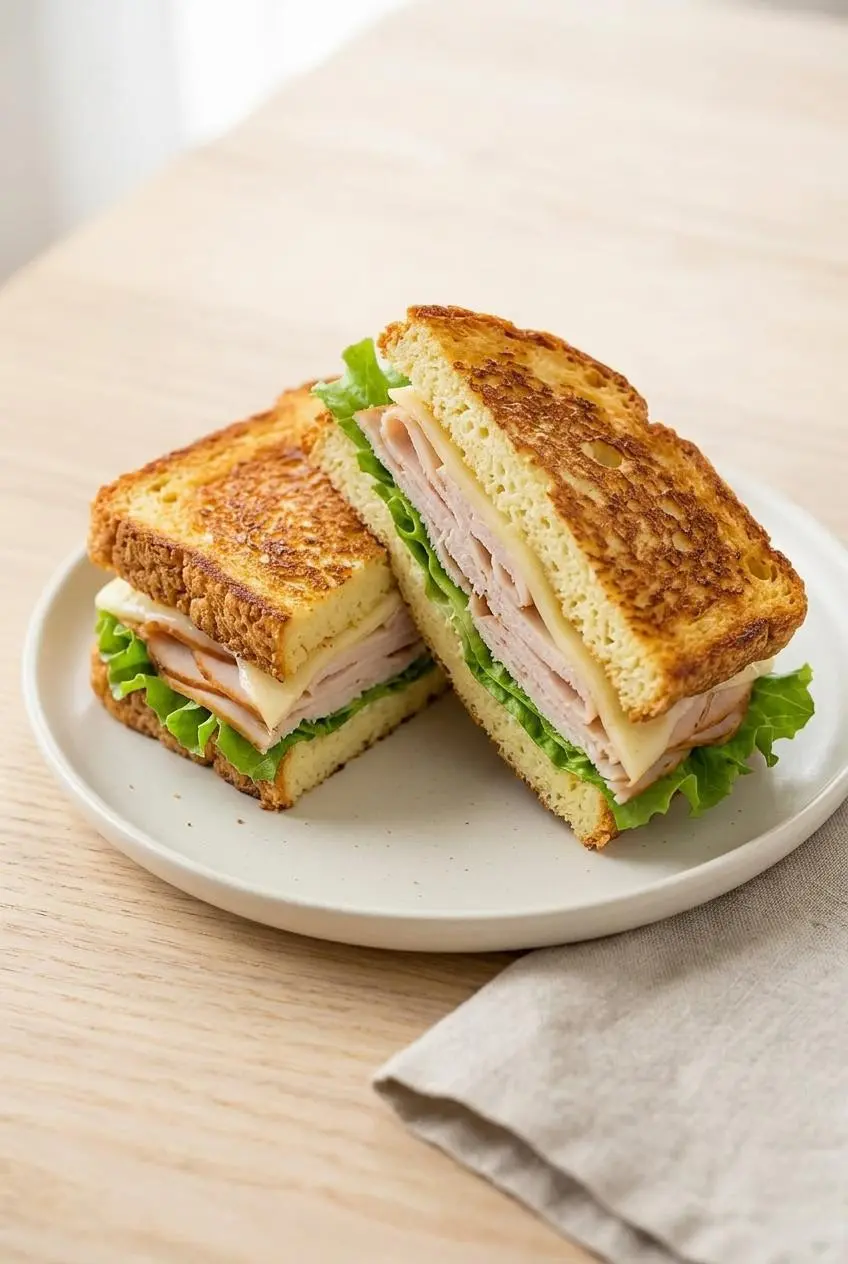
Toasting is the easiest way to give this bread extra firmness and a lightly crisp edge. It also brings out the nutty aroma of the almond flour and makes the slices better suited to hearty fillings.
- Build a deli-style lunch sandwich with crisp lettuce, sliced meat, cheese, and a creamy spread. A filling like keto egg salad works particularly well between toasted slices.
- Make a low-carb grilled cheese by toasting the outer sides first, then warming the sandwich gently until the cheese melts.
- Serve thick toast alongside a bowl of keto cauliflower soup for a comforting lunch with plenty of dipping potential.
- Top toasted slices with a poached egg or savory breakfast spread for a substantial morning plate.
This is a true sliceable loaf, not a flat cheesy breadstick. The whipped whites and loaf-pan shape give it enough structure for sandwiches, while a sheet-pan cauliflower-and-cheese bake is better treated as an appetizer-style alternative.
Storage and Reheating Instructions
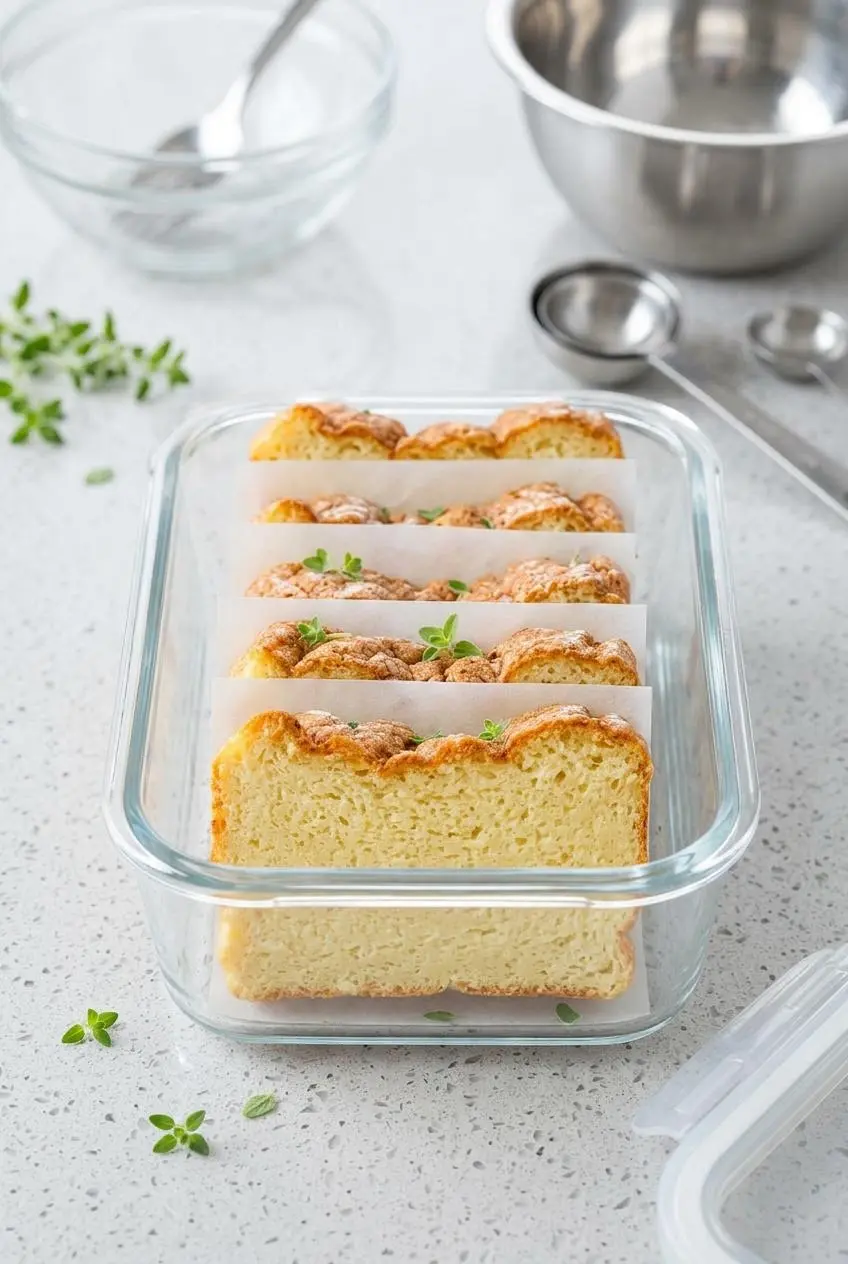
Cool the loaf completely before storing it. Place slices in an airtight container with parchment between them so they do not cling together or tear when separated, then keep the container chilled.
For the best texture, reheat one slice at a time in a toaster or warm it gently in the oven until the outside firms up. Avoid piling warm slices in a container, since trapped steam can soften the crust.
If a slice becomes dry and crisp rather than sandwich-soft, turn it into keto bread crumbs instead of discarding it. It is a useful way to give leftover pieces a second purpose.
Understanding Low-Carb and Grain-Free Bread Alternatives
Grain-free loaves use ingredients such as cauliflower, almond flour, and eggs in place of wheat flour. The result has a different crumb from conventional sandwich bread, but careful aeration and moisture control can make it satisfying for toast and fillings.
Cauliflower and almond flour bring distinct flavors and textures, while eggs provide the main structure. This bread may fit some low-carb eating patterns, but dietary needs and ingredient tolerances vary from person to person.
Anyone managing a medical condition, food allergy, pregnancy, nursing, or a specialized eating plan should check with a qualified health professional before making major dietary changes.
Final Thoughts on Homemade Cauliflower Bread
The key to a light, sturdy loaf is simple in practice: squeeze the cauliflower very dry, whip the whites until firm, and fold them in without knocking out the air.
Once cooled and toasted, the slices are ready for savory sandwiches, warm soups, and cheesy open-faced lunches. Keep that parchment-lined pan handy.
Frequently Asked Questions
Can I use frozen riced cauliflower to make this bread?
Frozen riced cauliflower can work, but it needs extra attention because it releases more water as it thaws and cooks. Let it cool after heating, then wring it very thoroughly in a clean towel before adding it to the batter. Fresh riced cauliflower usually offers easier moisture control, which can help produce a more consistent crumb.
Why Do the Eggs Need to Be Separated and Whipped?
Whipped egg whites hold air, which gives the loaf lift and a tender interior. The yolks stay in the almond flour mixture to add richness and help form a smooth base. Fold the whites in gradually instead of stirring hard. Rough mixing deflates the foam and can leave the loaf denser.
Can I Substitute Coconut Flour for Almond Flour?
A direct swap is not recommended. Coconut flour absorbs moisture very differently from almond flour, so replacing it without reformulating the batter can make the loaf dry, dense, or difficult to combine. For the intended tender crumb and stable structure, use superfine almond flour.
Does Cauliflower Bread Taste Strongly Like Cauliflower?
No, the flavor is fairly mild once the cauliflower is dried and baked with almond flour, eggs, salt, and oil. The texture is more noticeable than the vegetable flavor. Savory toppings, herbs, or cheese can make the cauliflower taste even less prominent.
Is Cauliflower Bread Healthy for a Low-Carb Diet?
This loaf uses cauliflower and almond flour instead of grain flour, so it can suit some low-carb meal plans. Its nutritional fit depends on your overall eating pattern, portion needs, and individual dietary goals. Think of it as a grain-free sandwich option rather than a health promise. The best choice is the one that fits your preferences and nutritional needs.
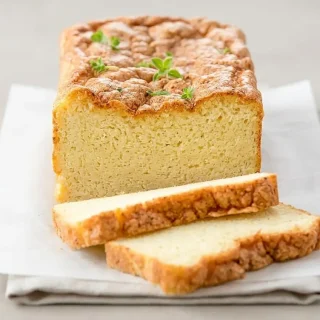
Keto Cauliflower Bread

Equipment
- 8×4 inch loaf pan
- Parchment paper
- Clean kitchen towel
- Mixing bowls
- Hand mixer
- Silicone spatula
Ingredients
- 3 cups finely riced cauliflower
- 6 large eggs separated
- 6 tbsp canola oil (use olive oil if making paleo or keto)
- 1 ¼ cup superfine almond flour
- 1 tbsp baking powder
- 1 tsp salt
Instructions
- Heat the oven to 350°F and line an 8 inch by 4 inch loaf pan with parchment paper. Leave enough parchment above the pan edges to help lift out the cooled loaf.
- Microwave the riced cauliflower for 3 to 4 minutes until tender, then let it cool before wrapping small portions in a tea towel and squeezing firmly. Continue in batches until the cauliflower feels dry and compressed rather than wet or steamy.
- Beat the egg whites at high speed in a mixing bowl until stiff peaks form, then set them aside. When the beater is lifted, the peaks should stand upright and hold their shape.
- Whisk the egg yolks, oil, almond flour, baking powder, and salt in a large bowl until they form a smooth, thick paste, then stir in the dried cauliflower. The cauliflower should be evenly distributed with no dry pockets of almond flour.
- Fold about ¼ of the whipped whites into the cauliflower mixture with a spatula, then continue adding the remaining whites in batches until incorporated. Stop folding when the batter looks pale, fluffy, and evenly combined, without streaks of egg white.
- Transfer the batter to the lined pan and bake for about 45 to 50 minutes, then cool the loaf before slicing. The top should look golden and set, and the cooled loaf should cut into clean slices without collapsing.