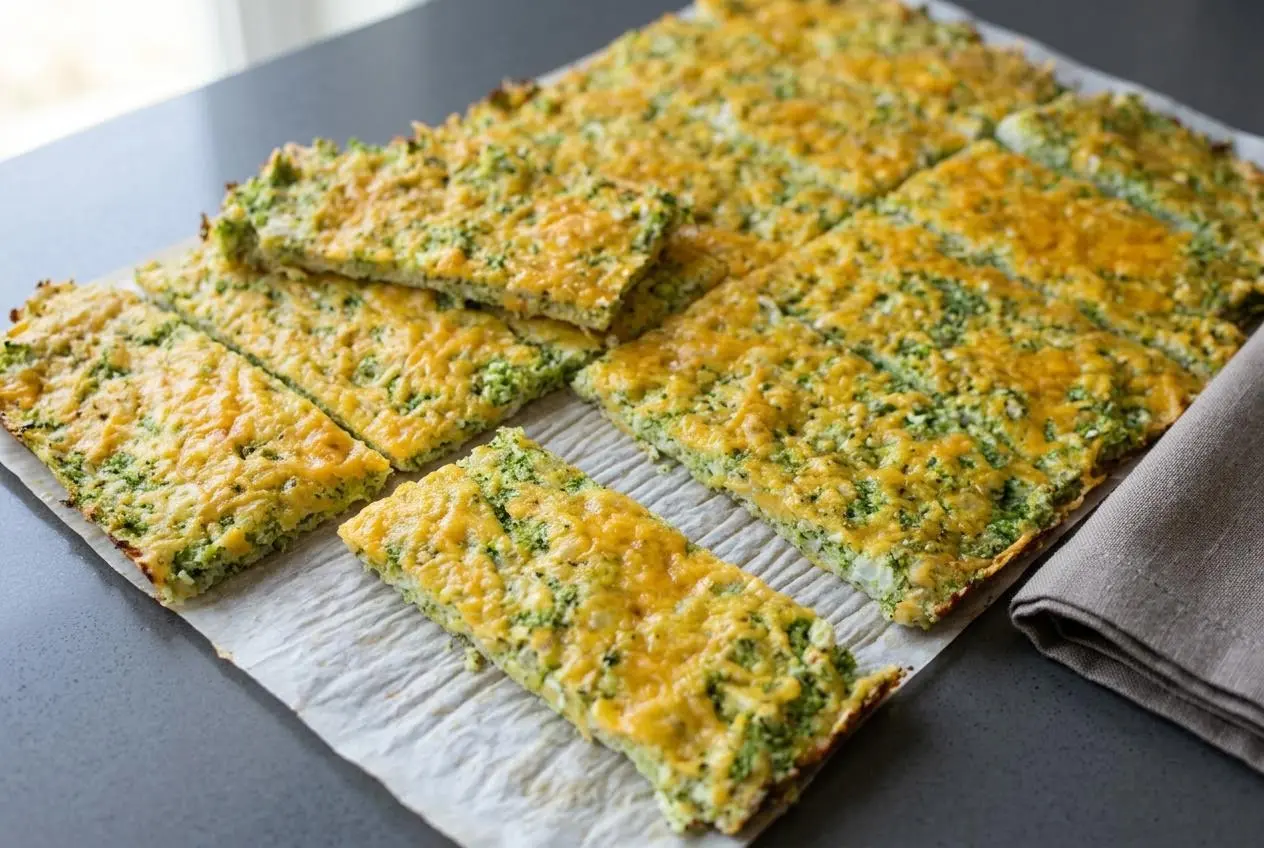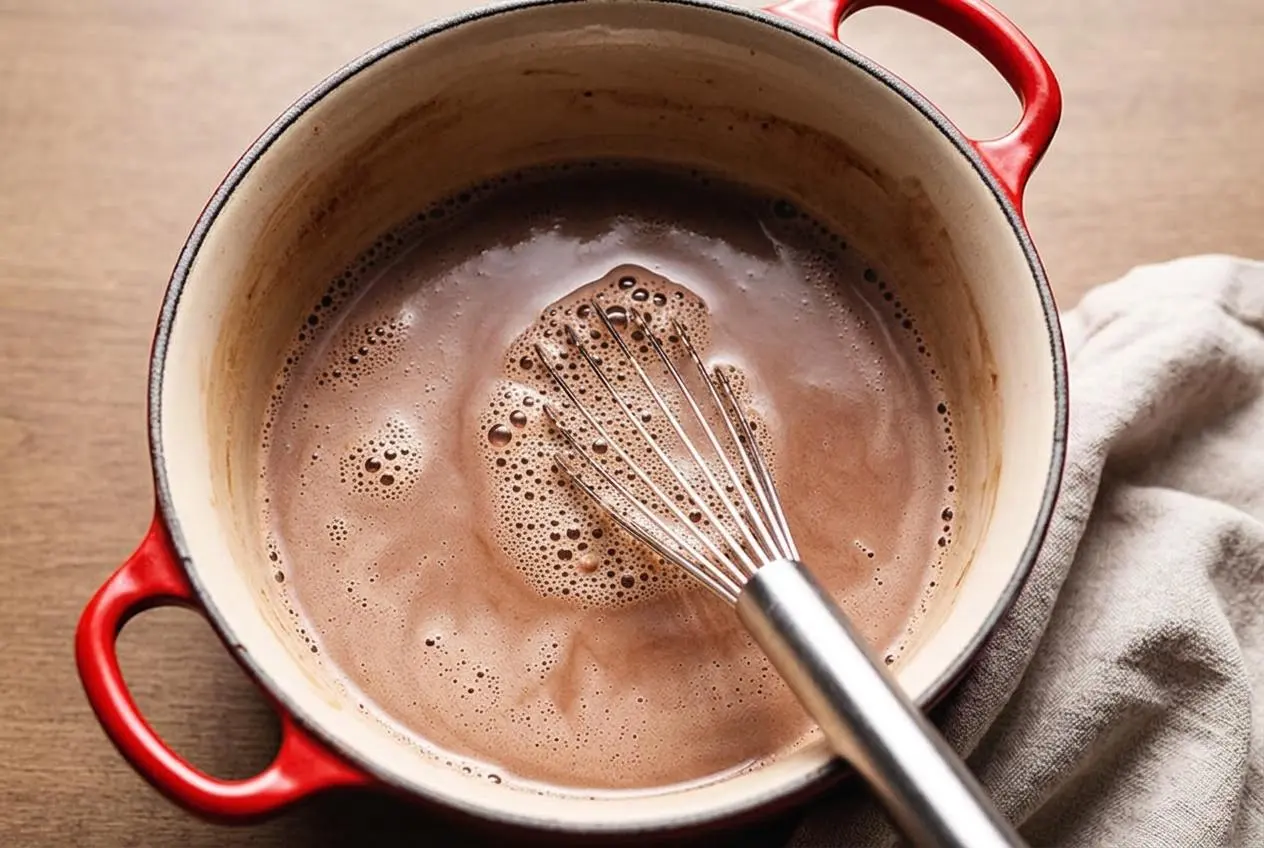
To make this keto cheese bread recipe, blend melted low-moisture mozzarella and cream cheese with almond flour, baking powder, and eggs, then roll, top with more cheese, and bake until golden.
When the oven fills with that browned cheese and garlic-breadstick kind of aroma, you know you’re on the right track. This keto cheese bread recipe is a fathead-style dough that bakes up soft, stretchy, and deeply savory.
It’s fast, very satisfying, and much more forgiving once you know what the dough should feel like. The warm dough texture is the trick that changes everything.
Lightly oil your hands before shaping so the warm cheese dough stays manageable instead of clinging to your fingers.
Essential Ingredients and Their Roles
Each ingredient has a real job here, from building stretch and tenderness to helping the bread brown, hold shape, and finish with a gooey cheesy top.
Dough
- 2 cups almond flour
- 1 tablespoon baking powder
- 3 cups mozzarella cheese low moisture and shredded
- 2 ounces cream cheese softened
- 2 large eggs
Topping
- 1 cup mozzarella cheese
- 1/2 cup parmesan cheese freshly grated
- 1/4 cup cilantro to serve
Low-moisture mozzarella is what gives this dough its structure. It melts into a stretchy base that behaves almost like bread dough once blended. Fresh mozzarella carries too much water, so the dough turns wet, sticky, and hard to shape.
Cream cheese adds richness, but it also softens the finished texture. That extra fat helps keep the bread tender so it doesn’t bake up dry or rubbery around the edges.
Almond flour gives the dough body and keeps it keto-friendly without making it heavy. Superfine almond flour works best because it blends more smoothly into the melted cheese, while coarser almond meal can leave the dough gritty.
Baking powder matters more than it looks. This dough will never rise like a yeast loaf, but baking powder gives it a little lift so the center stays softer and less dense.
The eggs bind everything together. They help the dough set in the oven and keep the slices from tearing apart when you cut them warm.
The topping cheeses do two different things. Mozzarella adds that melted pull, while parmesan browns faster and adds the salty, savory finish that makes the whole tray smell like cheesy breadsticks. If you want a more traditional loaf texture for sandwiches, classic keto bread is a better fit than this stretchy cheese-based dough.
I like pre-shredded low-moisture mozzarella for this dough only if the shreds feel dry and clean, not dusty with heavy starch coatings that can interfere with smooth melting.
Step-by-Step Cheesy Bread Method
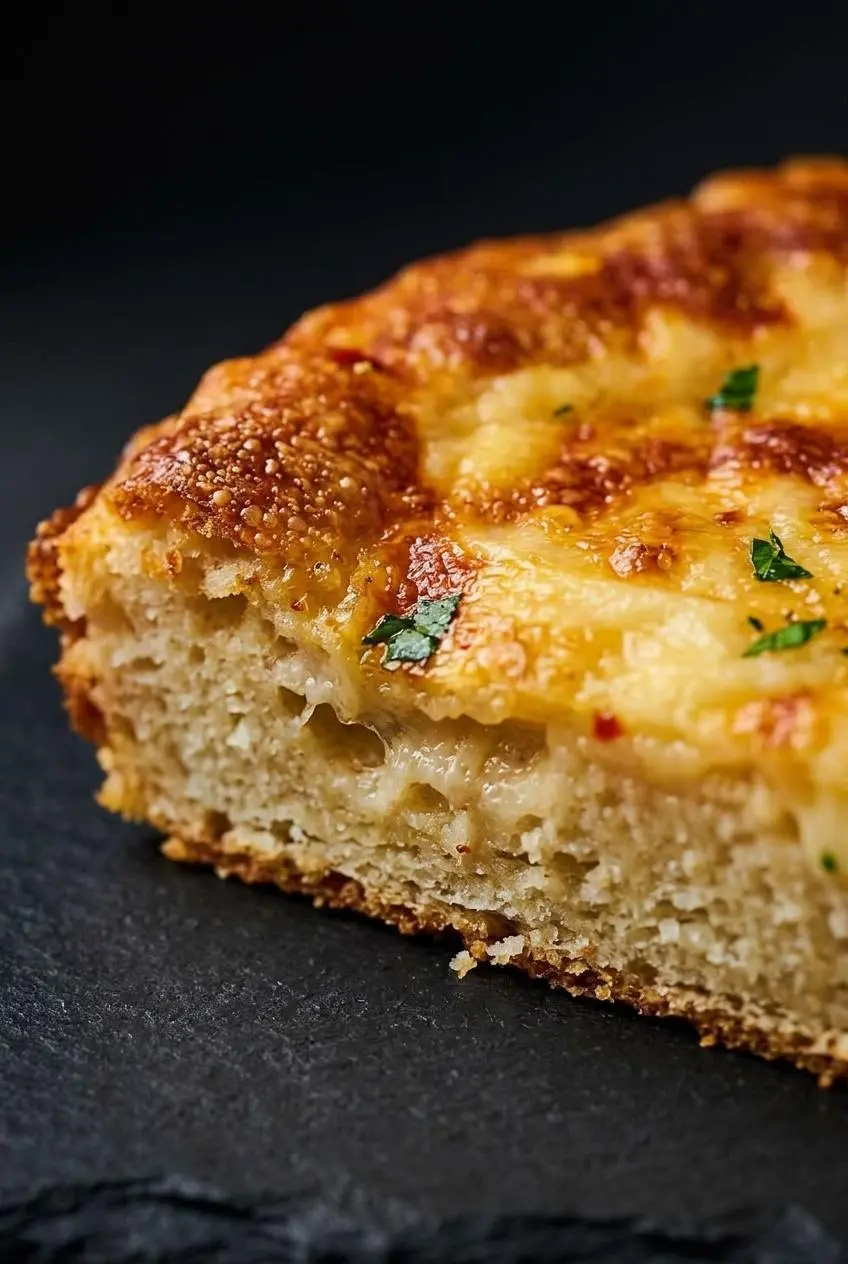
This method works best when you move in order and pay attention to texture. The dough should go from loose and sticky to smooth, warm, and elastic before it ever hits the baking tray.
- Heat the oven to 200C/400F and line a large baking tray with parchment paper.
The parchment is important because the cheese-heavy dough softens as it bakes and can stick badly without it. - Whisk the almond flour and baking powder in a small bowl until evenly combined, then microwave the mozzarella cheese and cream cheese together in 20-second bursts until fully warm.
Stop once the cheeses melt together smoothly, because overheating can make the oils separate. - Transfer the warm cheese mixture to a food processor fitted with a dough blade, then add the eggs and dry ingredients and blend until a dough forms.
The finished dough should look like a smooth, playdough-like elastic ball with no dry flour pockets or streaks of unmixed cheese. - Roll the dough into a large oval shape and spread it between parchment if it feels too sticky, then scatter the topping mozzarella over the surface and leave a 1/2 inch border around the edge.
Keeping that border clear helps the dough bake evenly and keeps melted cheese from sliding off the sides. - Bake for 10-12 minutes, then remove once the top cheese is deeply melted and golden in spots.
You should smell browned parmesan and see lightly crisp edges before sprinkling with chopped parsley and slicing lengthways.
The main goal during mixing is gentle melting, not blasting the cheese until it turns oily. Once the mozzarella and cream cheese are fully warm, they should whisk together into a glossy base that’s easy to blend with the eggs and dry ingredients.
Rolling between sheets of parchment makes a huge difference with fathead dough. It prevents sticking, keeps the oval even, and helps you avoid adding extra flour, which can make the bread denser.
If you want a slightly crisper bottom, set the lined baking tray in the oven while it preheats, then carefully place the shaped dough onto the hot tray. That little extra heat gives the base more color without changing the dough itself.
How to Knead and Shape the Dough
You do not need fancy equipment to make this work. A food processor is faster, but hand-kneading is completely doable if you work while the cheese is still warm.
With a food processor, pulse only until the dough turns uniform and starts pulling together. Once it forms a smooth ball, stop blending. Overworking can warm the fat too much and make the dough greasy.
For hand-kneading, stir the warm melted cheese mixture with the eggs and dry ingredients using a sturdy spoon or spatula first. As soon as it is cool enough to handle, knead it quickly with lightly oiled hands until the dough becomes smoother and more elastic.
Expect the dough to feel sticky at first. That is normal. As it cools slightly, it becomes easier to handle and starts coming together into one cohesive mass instead of a loose mess.
To shape it neatly, place the dough between two sheets of parchment and press first with your hands, then roll it out. This keeps the surface smooth and prevents sticking to the pin or counter.
A large oval shape works well because it bakes evenly and gives you those breadstick-style slices. Keep the thickness as even as you can so the edges do not overbrown before the center is ready.
Troubleshooting Sticky or Oily Dough
Most problems with this dough come down to heat and moisture. The fixes are usually quick once you know what the dough is telling you.
- The dough looks greasy. The cheese likely got too hot. Let it cool briefly, then blend again until it comes back together.
- The dough is sticky on your hands. Lightly oil your fingers instead of adding water or extra flour. That keeps the texture soft and workable.
- The dough feels wet and slack. Fresh mozzarella or very moist shredded cheese is often the cause. Use low-moisture mozzarella next time for better structure.
- The dough has little lumps of cheese. The cheeses were not warmed enough before mixing. Heat just until fully melted and smooth.
- The dough turns firm before you finish rolling. Warm it briefly so it softens again, then continue shaping between parchment.
- The baked bread feels dense. Check that the baking powder was evenly mixed through the almond flour so the dough gets a little lift.
If you’re wondering why fathead dough sometimes turns oily, the usual reason is overheating the cheese or adding the eggs while the mixture is still too hot. Warm, melted cheese is perfect. Scorching hot cheese is trouble.
One more useful distinction: almond flour gives a softer, finer crumb, while flaxseed meal creates a coarser, heartier texture. If you want something more rustic, save that swap for a variation instead of changing the main dough on the fly.
Storage, Freezing, and Reheating
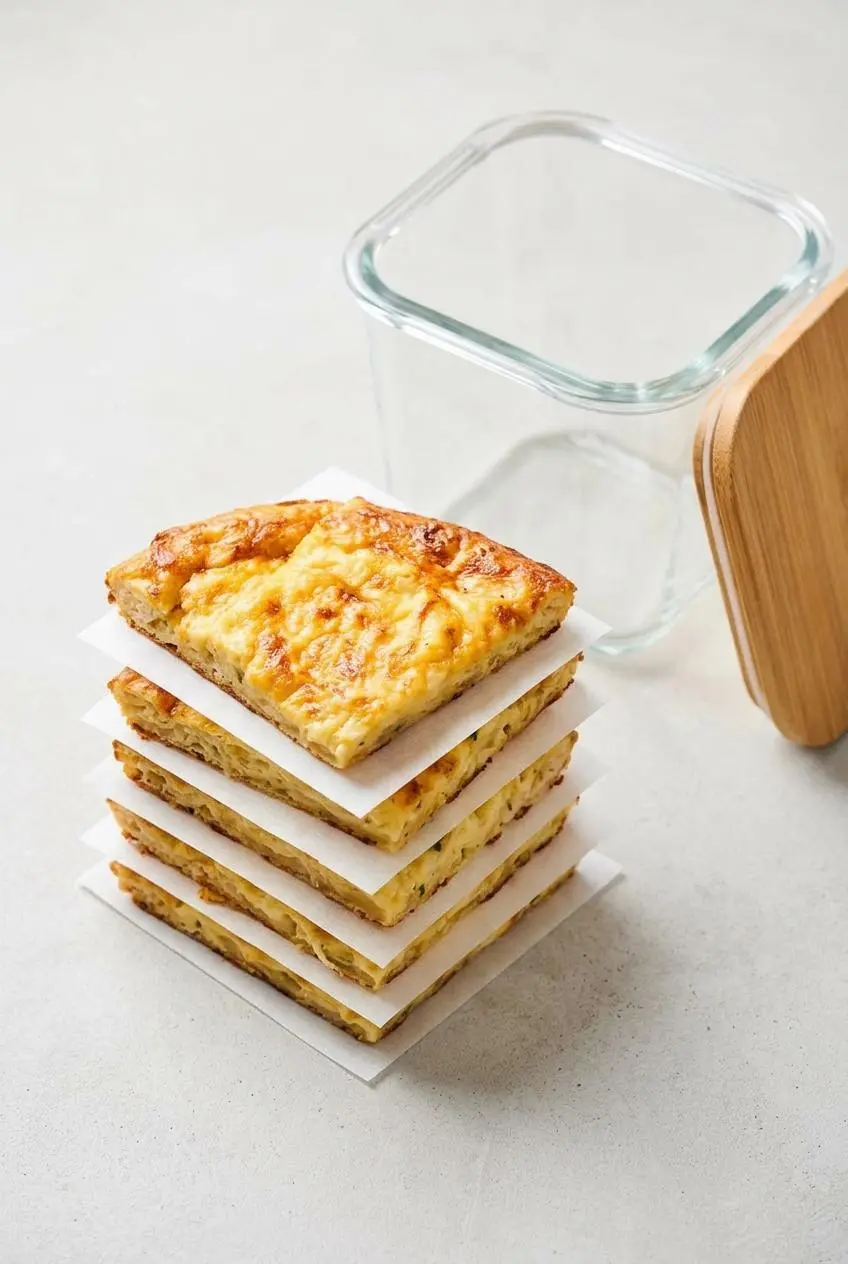
This bread keeps best when you cool it fully before storing it. Trapped steam is the fastest way to lose that soft texture and end up with a damp top.
Store leftover slices in an airtight container in the refrigerator for up to 5 days. Keeping cheese- and egg-based bakes well chilled helps protect texture and food safety, and U.S. refrigeration guidance recommends holding refrigerated foods at 40 °F or below for proper cold storage at 40 °F or below.
You can freeze sliced portions for up to 6 months. Place parchment between pieces before wrapping or packing them so you can pull out one or two slices without thawing the whole batch.
For reheating, use a preheated 350 °F oven for about 5 minutes, or use a toaster oven until the cheese softens again and the center is warmed through. This gives you a much better result than a long microwave session, which can make the cheese tough.
If you want to make it ahead for a meal, bake it fully, cool it, and store the slices tightly wrapped. Reheat only the portion you plan to eat so the rest stays softer.
Delicious Flavor Variations
The main version is the classic stretchy one, but this dough style is flexible. These changes are all optional and work best when you keep the original recipe separate from the variation you choose.
Minimalist Flourless Cheese Bread
If you need an almond-free option, make a personal-size version with shredded cheese, eggs, and seasonings only. The eggs act as the binder here, so the result is more like a cheesy baked round or breadstick than the softer almond flour version.
This style bakes up thinner and a bit firmer at the edges. It is a good choice when you want something very fast or want to skip nut flour completely.
Rustic Skillet Cheese Bread
For a heartier texture, swap the almond flour for flaxseed meal and bake the dough in a preheated cast-iron skillet. The crumb turns coarser and more rustic, closer to a hearty pan bread than a stretchy flatbread.
This variation works especially well with stews because the firmer texture holds up to dipping. If that hearty texture is what you’re after, low-carb cornbread is another good direction.
Garlic and Herb Breadsticks
Shape the dough into strips instead of one large oval if you want breadsticks. After baking, brush them right away with warm melted garlic herb butter so the surface stays glossy and the edges stay a little softer.
A pinch of Italian seasoning on top before baking adds a classic garlic-bread flavor. This variation is also a natural starting point if you want to turn the same dough into keto pizza crust for another meal.
What to Serve with This Keto Cheese Bread Recipe
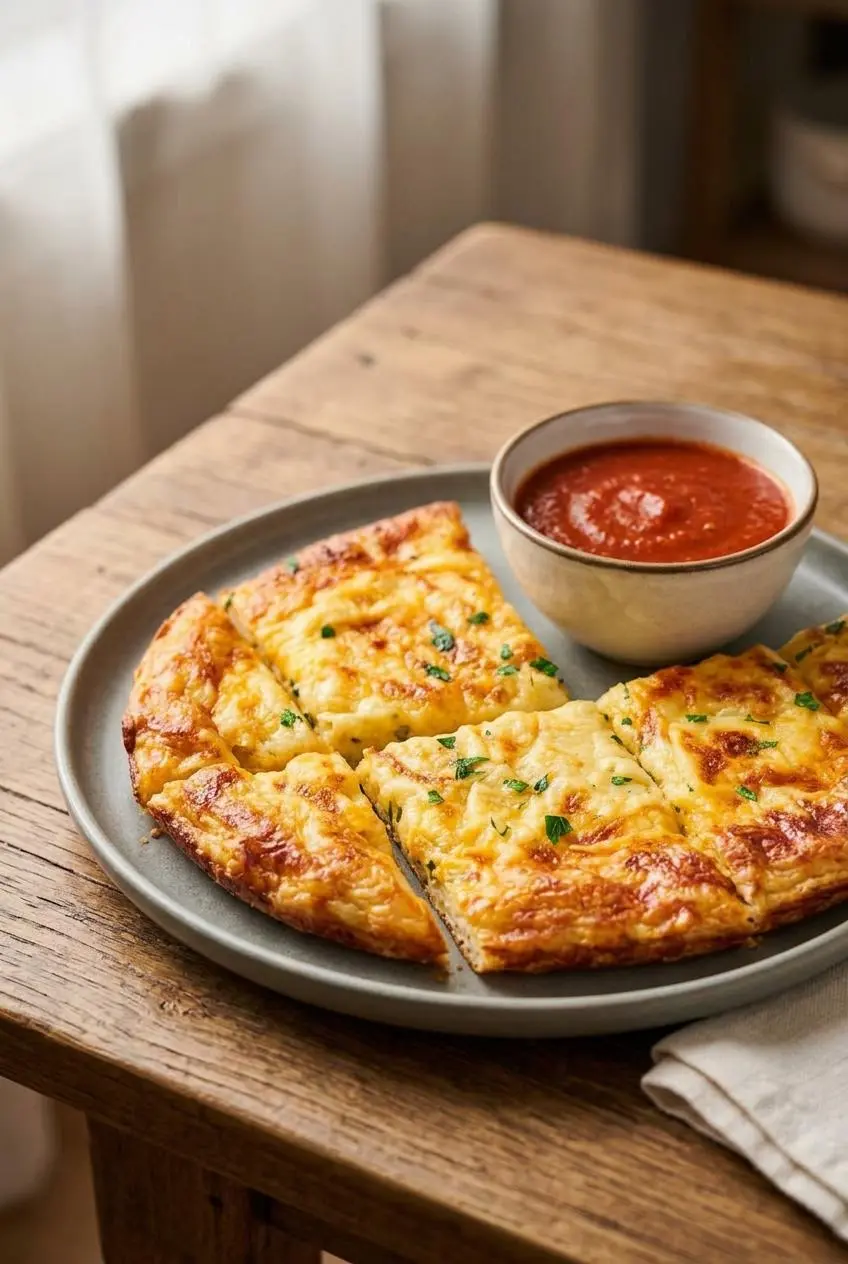
This bread is rich, salty, and best served warm, so pair it with something saucy or hearty enough to balance all that cheese.
- Warm sugar-free marinara for a classic breadstick feel.
- Creamy garlic Alfredo sauce when you want a richer dip.
- Hearty beef stews and brothy soups that need something sturdy on the side.
- A bowl of keto chili for a comfort-food dinner that really works.
Conclusion
This bread delivers the part most people want from low-carb cheesy baking: a soft center, stretchy bite, and deeply golden top without a complicated process. Once you learn the feel of the dough, it becomes a very repeatable recipe.
The biggest success tip is still the simplest one: use low-moisture mozzarella and melt it gently. Do that, and the rest falls into place nicely.
Frequently Asked Questions
Why Did My Keto Cheese Bread Turn Out Greasy?
The cheese was likely overheated, which can make the fat separate. Let the melted cheese cool slightly before adding the eggs. Blend or knead just until the dough turns smooth again. Use gentle microwave bursts rather than one long heating cycle.
Can I Make This Recipe Without Almond Flour?
Yes, but it works best as a variation rather than a direct swap. A flourless version made with cheese, eggs, and seasonings gives a smaller, firmer bread. Sunflower seed flour can also work as an equal swap if you avoid almonds. Do not replace almond flour with coconut flour here unless you fully rework the dough.
Do I Have to Use Low-Moisture Mozzarella?
Yes, for the main recipe, it really matters. Fresh mozzarella contains too much water and makes the dough loose and sticky. Low-moisture shredded mozzarella gives the best stretch and shape. Choose shreds that melt cleanly and do not feel damp in the bag.
How Do I Reheat Leftover Keto Cheesy Bread?
Use a preheated 350 °F oven for about 5 minutes, or a toaster oven. Reheat just until the cheese softens and the center is warmed through. Avoid long microwave reheating if you want the best texture. Heating individual slices works better than reheating the whole batch at once.

Keto Cheese Bread Recipe

Equipment
- food processor with dough blade
- Baking tray
- Parchment paper
- Microwave-safe bowl
- Pizza Cutter
Ingredients
Dough
- 2 cups almond flour
- 1 tablespoon baking powder
- 3 cups mozzarella cheese low moisture and shredded
- 2 ounces cream cheese softened
- 2 large eggs
Topping
- 1 cup mozzarella cheese
- 1/2 cup parmesan cheese freshly grated
- 1/4 cup cilantro to serve
Instructions
- Heat the oven to 200C/400F and line a large baking tray with parchment paper. The parchment is important because the cheese-heavy dough softens as it bakes and can stick badly without it.
- Whisk the almond flour and baking powder in a small bowl until evenly combined, then microwave the mozzarella cheese and cream cheese together in 20-second bursts until fully warm. Stop once the cheeses melt together smoothly, because overheating can make the oils separate.
- Transfer the warm cheese mixture to a food processor fitted with a dough blade, then add the eggs and dry ingredients and blend until a dough forms. The finished dough should look like a smooth, playdough-like elastic ball with no dry flour pockets or streaks of unmixed cheese.
- Roll the dough into a large oval shape and spread it between parchment if it feels too sticky, then scatter the topping mozzarella over the surface and leave a 1/2 inch border around the edge. Keeping that border clear helps the dough bake evenly and keeps melted cheese from sliding off the sides.
- Bake for 10-12 minutes, then remove once the top cheese is deeply melted and golden in spots. You should smell browned parmesan and see lightly crisp edges before sprinkling with chopped parsley and slicing lengthways.