Skip to content

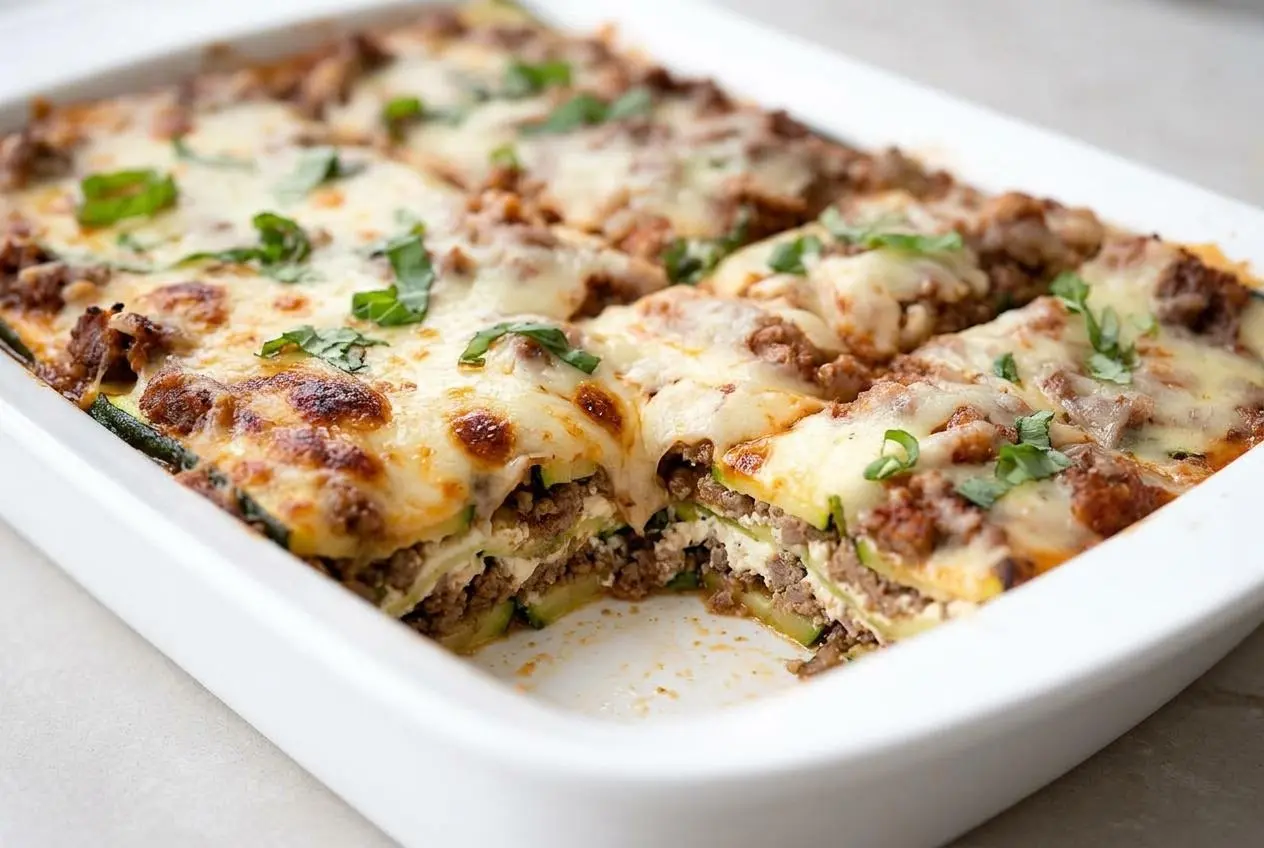
Keto Zucchini Lasagna gives you classic lasagna comfort with zucchini in place of noodles, and the key to firm layers is removing extra moisture before you assemble it.
Keto Zucchini Lasagna tastes rich, cheesy, and hearty, with a beefy tomato layer and a creamy ricotta filling that still slices cleanly. It’s a smart low carb lasagna that doesn’t feel like a compromise.
The best part is that the watery-lasagna problem is fixable with a few specific choices, from how you prep the zucchini to how long you let the pan rest. That resting step matters more than it seems.
Slice the zucchini evenly before you start anything else, because uniform strips cook off moisture more consistently and stack into neater layers.
Ingredients You’ll Need
Each ingredient has a job here, from building savory depth and creamy structure to helping the layers hold together instead of sliding apart.
- 2 lb zucchini ((2 to 3 large))
- 1 1/2 lb ground beef
- 1 tsp salt (divided)
- 1/2 tsp pepper
- 1/4 tsp red pepper flakes
- 15 ounces full-fat ricotta
- 1/2 cup grated parmesan
- 1/2 cup chopped fresh basil
- 1 large egg
- 2 cloves garlic (minced)
- 1 1/2 cups crushed or pureed tomatoes
- 1 tbsp olive oil
- 12 ounces shredded mozzarella
Zucchini stands in for the pasta, so how you handle it affects the whole dish. Ground beef gives the lasagna its hearty backbone and keeps the filling satisfying. Full-fat ricotta is especially important because it stays thicker and creamier than lower-fat versions, which tend to loosen the filling. The egg works as a binder, helping the ricotta layer set so you can cut cleaner slices after baking.
Parmesan adds saltiness and a little nuttiness, while basil and garlic brighten all that richness. Mozzarella gives you the melty top everyone wants.
I always choose full-fat ricotta here because the filling stays thick and spreadable instead of turning loose and watery.
The Secret to Non-Watery Zucchini Lasagna: 3 Methods
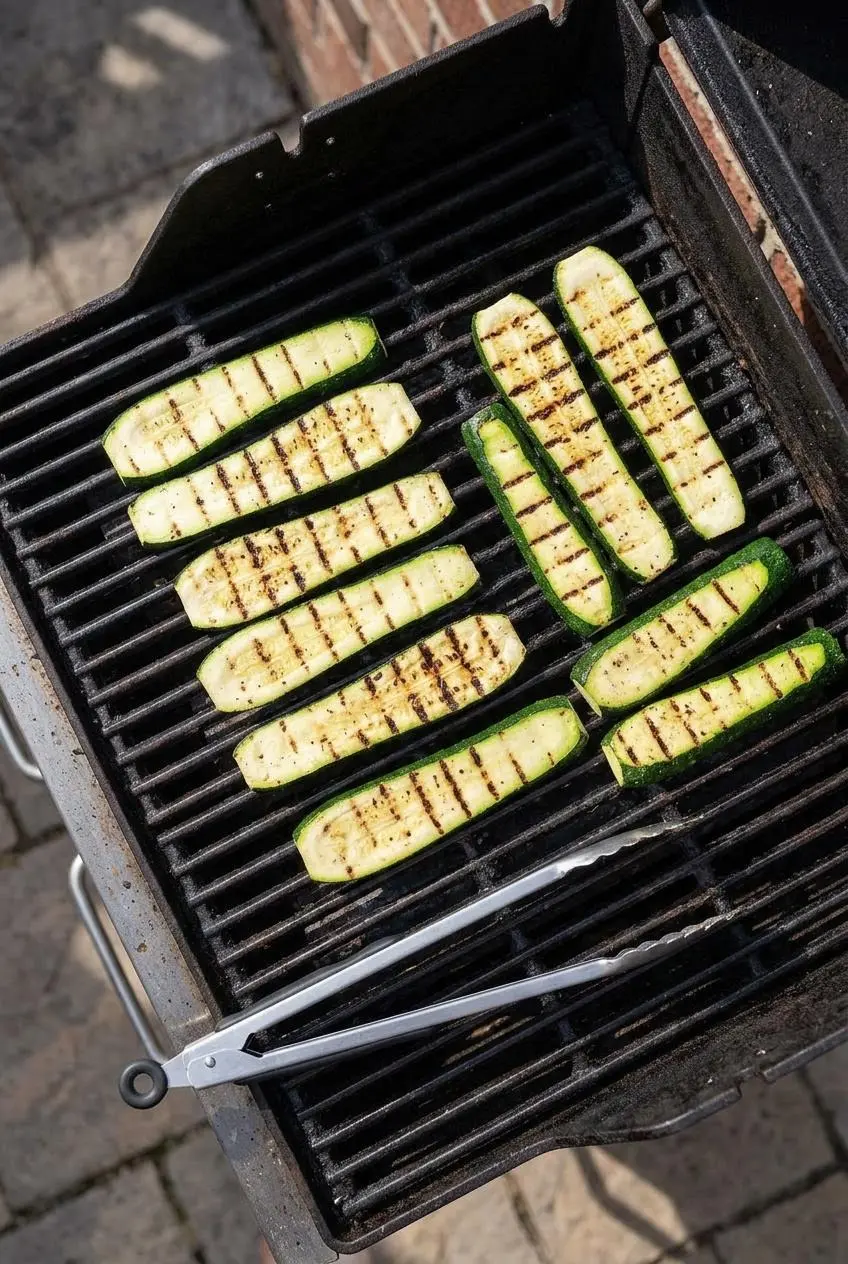
If zucchini lasagna turns soupy, the zucchini is usually the reason. It holds a lot of water naturally, and that moisture gets released as the casserole bakes unless you draw some of it out first. The good news is that you have a few reliable ways to do that, and each one works a little differently.
Whichever method you choose, the goal stays the same: tender slices that are pliable enough to layer, dry enough to hold structure, and never mushy. Full-fat ricotta and the egg help too, because a thick filling sets up far better than a loose one.
Method 1: Salting
Salting is the easiest option if you don’t want to fire up a grill. Slice the zucchini lengthwise into strips about 1/8 to 1/4 inch thick, lay them out, and sprinkle them lightly with salt. As they sit, the salt pulls moisture to the surface.
After that, pat the slices very well with paper towels. Don’t rush this part. If the surface still looks wet, that moisture is headed straight into the baking dish. This method is convenient and low effort, though it won’t add any extra flavor on its own.
Method 2: Grilling or Broiling
This is the method used in the main recipe, and it gives the best flavor. Grilling cooks off moisture quickly and adds light char and smoky notes that make the finished lasagna taste more like a full Sunday dinner than a substitute.
Broiling works in a similar way if you’re indoors. In either case, cook the slices until they’re pliable and marked in spots, but not collapsed. The slices should bend easily and have visible grill marks, but they should not be mushy.
Method 3: Roasting
Roasting is a great middle ground when you want hands-off prep. Arrange the zucchini slices on a wire rack set over a baking sheet so hot air can move around them. That airflow helps dry the slices more effectively than laying them flat on a pan.
This method won’t give you the smoky edge of grilling, but it does a solid job removing moisture and is especially useful when you’re cooking a full batch at once.
Which Method Is Best for You?
Here’s the quick tradeoff. If flavor matters most, grill. If convenience matters most, salt. If you want an oven-based method with even drying, roast.
| Method | Pros | Cons |
|---|---|---|
| Salting | Easy, no special equipment, good for quick prep indoors | Doesn’t add flavor, needs thorough drying afterward |
| Grilling or broiling | Best flavor, fast moisture removal, adds light char | Needs closer attention and either a grill or broiler |
| Roasting | Even drying, oven-friendly, good for larger batches | Takes longer and gives less flavor than grilling |
How to Make Keto Zucchini Lasagna
This version follows the grilled-zucchini route for the best texture and flavor. Work in stages, and pay attention to the cues in each one so the final lasagna bakes up hot, stable, and sliceable.
- Heat the grill to medium, then cut the zucchini in half crosswise and slice it lengthwise with a mandolin no thicker than 1/4 inch.
Thin, even strips cook off moisture more evenly and stack more neatly than thick or uneven slices. - Grill the zucchini slices for 3 to 5 minutes per side until tender, then transfer them off the heat and set them aside.
The slices should be flexible and lightly marked, with much of their surface moisture cooked away but no mushiness. - Place a large saute pan over medium heat and cook the ground beef for 7 to 10 minutes, breaking it up as it browns, then add 3/4 tsp of the salt, the pepper, the red pepper flakes, and the tomatoes.
The beef should be fully cooked and crumbly, and the sauce should look a little thicker rather than thin or greasy. - Stir together the ricotta, parmesan, basil, egg, garlic, and the remaining salt in a large bowl until evenly combined.
The mixture should look thick and spreadable, not loose or watery. - Heat the oven to 350 °F and brush a 9×13 inch glass or ceramic baking dish with the oil, then layer one third of the zucchini, one third of the ricotta mixture, one third of the meat sauce, and one quarter of the mozzarella; repeat this layering two more times and finish with the remaining mozzarella called for in the method.
Keep the layers even and leave a small border around the edge so the sauce can bubble without spilling over too much. - Bake for 30 minutes, then let the lasagna stand for 10 minutes before serving.
It’s ready when the dish is bubbling and hot, and the short rest helps the cheese and filling settle into cleaner slices.
Tips for Perfect Lasagna Every Time
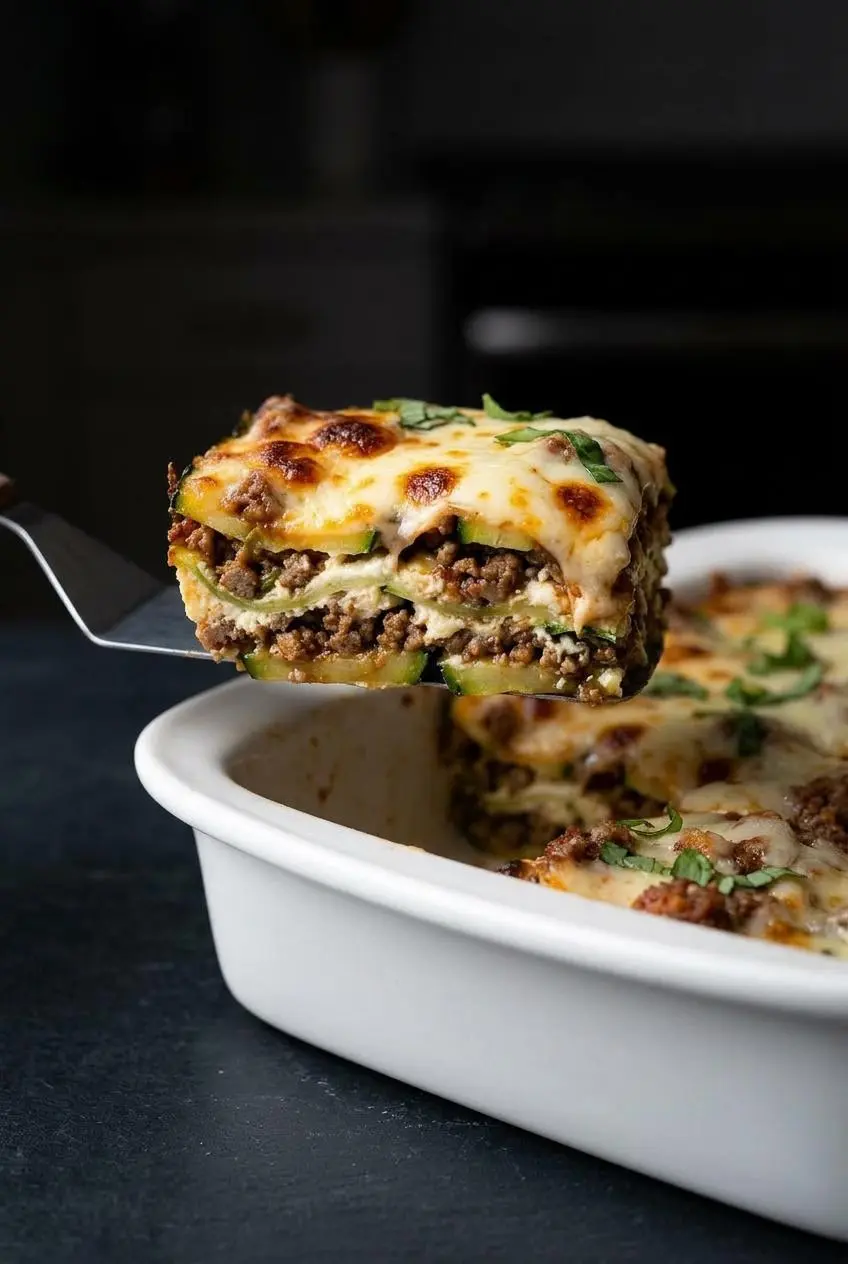
Most zucchini lasagna problems come down to moisture, structure, or rushing the final rest. These fixes make a real difference.
| Problem | Likely Cause | Fix |
|---|---|---|
| Watery lasagna | Zucchini went in raw or wasn’t dried well | Pre-cook the slices, then pat them dry before layering |
| Runny ricotta layer | Ricotta was too wet or the egg was skipped | Use full-fat ricotta and keep the egg in the filling |
| Greasy texture | Meat sauce held too much fat | Cook the beef until crumbly and avoid a slick, oily sauce |
| Lasagna falls apart | It was cut too soon | Rest the baked lasagna for at least 10 minutes before slicing |
- The mandolin matters: Thin, even zucchini slices cook at the same pace and build more stable layers. If you cut by hand, go slowly and aim for consistent thickness.
- Don’t skip the rest: That 10-minute stand time is what helps the ricotta, mozzarella, and meat sauce settle into slices instead of a cheesy slide.
- Dust the zucchini lightly with parmesan: After pre-cooking and drying the slices, a light sprinkle of grated parmesan can add flavor and create a little extra moisture barrier. Keep it optional, but it’s a smart trick.
- Don’t drown the layers: Spread each layer to cover, not flood. Too much sauce pushes moisture into the pan and makes the finished lasagna less stable.
Variations and Substitutions
The classic beef version is the one to start with, but this dish is flexible. Just remember that any swap can change the moisture level, so keep fillings cooked down and well drained when needed.
Vegetarian Zucchini Lasagna
For a meatless version, replace the beef with sauteed mushrooms and well-drained spinach. Mushrooms bring savory depth, and spinach works best when you squeeze out as much moisture as possible before adding it.
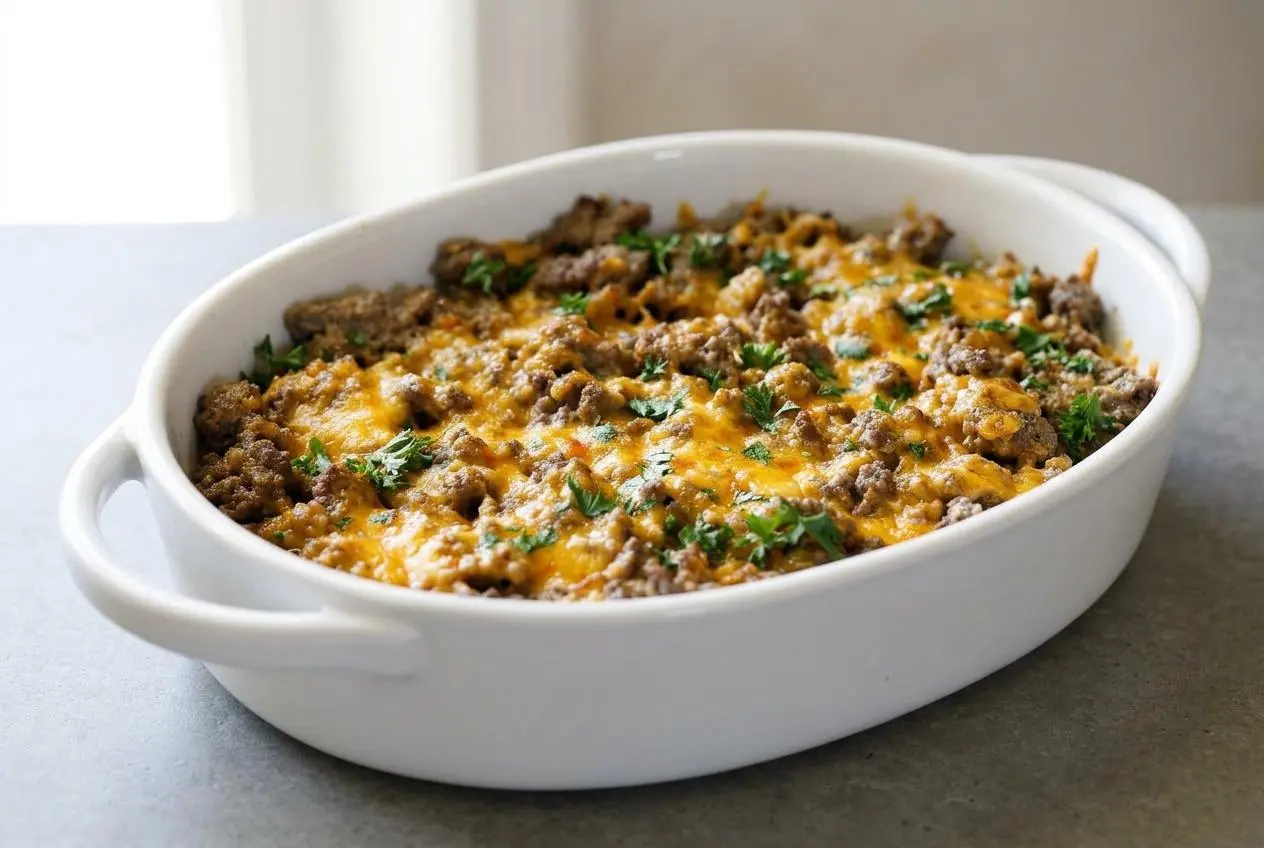
This variation tastes lighter but still satisfying. If you want a fuller meal in the same comfort-food lane, keto ground beef casserole is another hearty option for beef lovers.
Chicken Alfredo Version
You can turn this into a white sauce version by swapping the beef and tomatoes for cooked shredded chicken and a keto-friendly Alfredo sauce. Rotisserie chicken makes it faster, and the flavor lands in a richer, creamier place than the red sauce version.
Because Alfredo is rich, keep the zucchini especially dry before layering so the sauce stays silky instead of thinning out in the pan.
Using Cottage Cheese
Full-fat cottage cheese can work in place of ricotta, but it usually makes a looser filling. Blend it first if you want a smoother texture, and keep the egg in the mixture so it still binds properly.
If you want the neatest slices, ricotta still wins. Cottage cheese is perfectly workable, but it needs a little more help with texture.
Try Zucchini Lasagna Roll-Ups
For a different presentation, spread some of the ricotta mixture over individual zucchini strips, roll them up, and place them seam-side down in the dish before topping with sauce and cheese. They bake up with the same flavors, just in a more portion-friendly format.
You can also swap the beef for Italian sausage or ground turkey in either the layered or roll-up version. Sausage gives more punch, while turkey keeps the dish a bit lighter.
Serving and Storing Your Lasagna
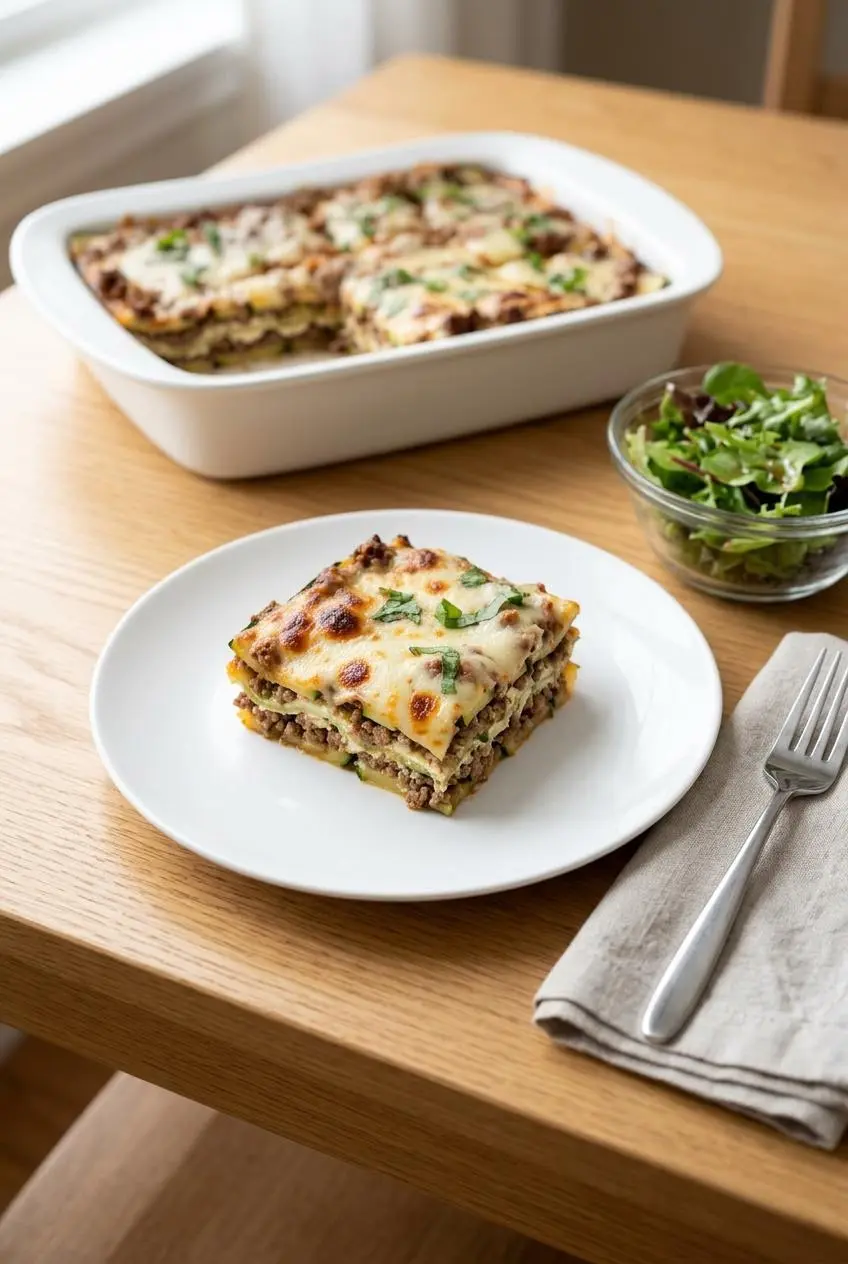
This lasagna is rich enough to stand alone, but the right side dish or storage approach makes it even more useful for real weeknight dinners and leftovers.
What to Serve with Zucchini Lasagna
A crisp green salad with vinaigrette is the easiest contrast to all that melted cheese and savory beef. Roasted asparagus, steamed green beans, or sauteed mushrooms also fit nicely without making the meal feel heavy.
If you want the full comfort-food effect, serve it with keto garlic bread for something to scoop up the extra sauce.
How to Store and Reheat Leftovers
Let the lasagna cool before covering it so trapped steam doesn’t add extra moisture back into the layers. For cooked leftovers, the USDA notes that refrigerated leftovers keep for 3 to 4 days when handled properly, which is useful guidance for a dish like this with beef, cheese, and egg in the filling, as covered in leftovers and food safety.
| Method | Storage Time | Reheating Instructions |
|---|---|---|
| Cooked lasagna in the refrigerator | 3 to 4 days | Reheat covered in the oven or in individual portions until hot throughout |
| Unbaked assembled lasagna in the refrigerator | Keep chilled and bake before the zucchini starts releasing more moisture | Bake straight from the refrigerator, allowing extra time as needed for the center to heat through |
For best texture, reheat only what you plan to eat. Repeated warming softens the zucchini and loosens the layers.
Conclusion
A really good zucchini lasagna comes down to moisture control and a little patience. Pre-cook the zucchini, keep the ricotta filling thick, and let the baked pan rest before slicing.
Do that, and you get a rich, cheesy, hearty dinner that feels like proper lasagna instead of a compromise. The clean slices are a nice bonus too.
Frequently Asked Questions
How do you keep zucchini lasagna from being watery?
Slice the zucchini thinly so it cooks evenly and releases moisture more easily. Pre-cook the slices by salting, grilling, broiling, or roasting, then pat them dry well. Use full-fat ricotta and keep the egg in the filling so the layers set better. Let the baked lasagna rest before cutting so the juices can settle.
Can I make zucchini lasagna ahead of time?
Yes, you can assemble it ahead and keep it chilled before baking. If you bake it straight from the refrigerator, the center may need a little longer to heat through. For the best texture, avoid holding it so long that the zucchini starts releasing extra moisture into the dish.
Why did my zucchini lasagna fall apart when I sliced it?
The most common reason is cutting it too soon after baking. Give it at least 10 minutes to rest so the cheese and ricotta can firm up. A loose ricotta mixture or overly wet zucchini can also weaken the layers.
What’s the best way to slice zucchini for lasagna?
A mandolin is the easiest way to get even slices. Aim for strips about 1/8 to 1/4 inch thick so they stay flexible but not bulky. You don’t need to peel the zucchini, since the skin helps the slices hold their shape. If you use a knife, cut carefully lengthwise and keep the thickness as consistent as possible.
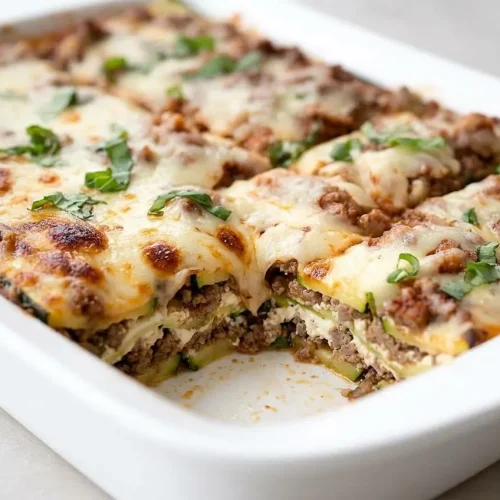
Keto Zucchini Lasagna

Equipment
- Mandolin slicer
- Grill
- Large saute pan
- 9×13 inch glass or ceramic baking dish
Ingredients
- 2 lb zucchini (2 to 3 large)
- 1 1/2 lb ground beef
- 1 tsp salt divided
- 1/2 tsp pepper
- 1/4 tsp red pepper flakes
- 15 ounces full-fat ricotta
- 1/2 cup grated parmesan
- 1/2 cup chopped fresh basil
- 1 large egg
- 2 cloves garlic minced
- 1 1/2 cups crushed or pureed tomatoes
- 1 tbsp olive oil
- 12 ounces shredded mozzarella
Instructions
- Heat the grill to medium, then cut the zucchini in half crosswise and slice it lengthwise with a mandolin no thicker than 1/4 inch. Thin, even strips cook off moisture more evenly and stack more neatly than thick or uneven slices.
- Grill the zucchini slices for 3 to 5 minutes per side until tender, then transfer them off the heat and set them aside. The slices should be flexible and lightly marked, with much of their surface moisture cooked away but no mushiness.
- Place a large saute pan over medium heat and cook the ground beef for 7 to 10 minutes, breaking it up as it browns, then add 3/4 tsp of the salt, the pepper, the red pepper flakes, and the tomatoes. The beef should be fully cooked and crumbly, and the sauce should look a little thicker rather than thin or greasy.
- Stir together the ricotta, parmesan, basil, egg, garlic, and the remaining salt in a large bowl until evenly combined. The mixture should look thick and spreadable, not loose or watery.
- Heat the oven to 350 °F and brush a 9×13 inch glass or ceramic baking dish with the oil, then layer one third of the zucchini, one third of the ricotta mixture, one third of the meat sauce, and one quarter of the mozzarella; repeat this layering two more times and finish with the remaining mozzarella called for in the method. Keep the layers even and leave a small border around the edge so the sauce can bubble without spilling over too much.
- Bake for 30 minutes, then let the lasagna stand for 10 minutes before serving. It’s ready when the dish is bubbling and hot, and the short rest helps the cheese and filling settle into cleaner slices.