
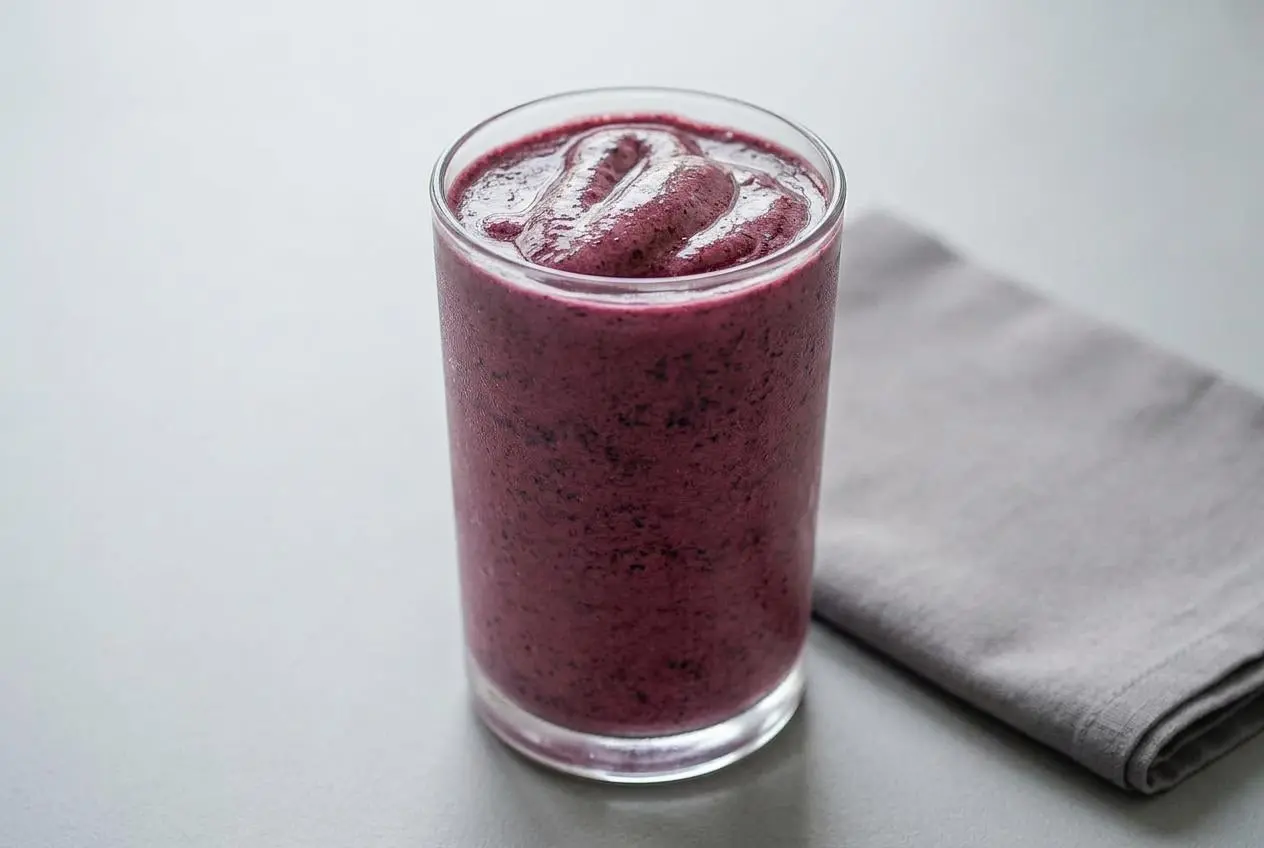
A Keto Smoothie is a low-carb blended drink built with a keto-friendly liquid, a source of fat, low-sugar produce, and optional protein or fiber for a thick, satisfying texture.
A good one should taste like a real treat, not like a compromise. This version is cold, creamy, and quick enough for busy mornings or an afternoon reset.
Once you know the basic formula, you can change the flavor without losing that rich smoothie texture. The little texture tricks are where it gets fun.
Start with less liquid than you think you need, then blend and adjust, because it is much easier to thin a smoothie than rescue a watery one.
What Is a Keto Smoothie?
A keto smoothie is a blended drink designed to stay low in carbs while still feeling rich and filling. Most versions lean on healthy fats, moderate protein, and lower-sugar ingredients so you get a creamy drink without using bananas, juice, or sweetened yogurt.
The usual structure is simple: a liquid base, a fat source, low-carb fruit or vegetables, and optional boosters. Unsweetened almond milk or coconut milk keeps the carb count in check, avocado or nut butter adds body, and berries or greens bring flavor and color.
That balance matters. If you skip the fat, the smoothie can taste thin and flat. If you use high-sugar fruit, it stops being keto-friendly in a hurry. A good keto smoothie should feel thick, refreshing, and satisfying, with enough richness to drink as breakfast, a snack, or a light post-workout option.
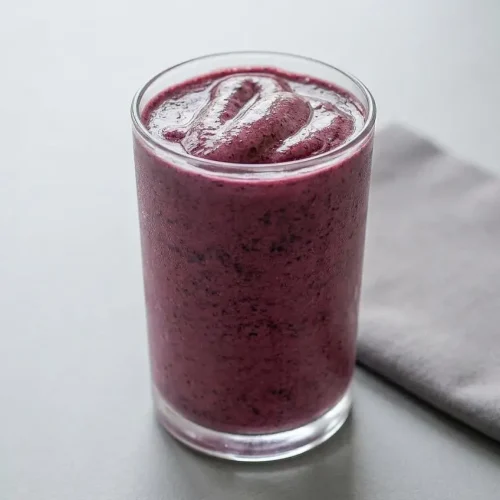
This blueberry version is especially approachable because it keeps the ingredient list focused while still giving you a creamy, cold result in about 5 minutes.
The Ultimate Keto Smoothie Formula
If you want to build your own flavors without guessing, this simple formula keeps things balanced. Think in parts rather than strict rules: liquid for blending, fat for richness, produce for flavor, and boosters for texture or protein.
| Part | What It Does | Good Options | General Ratio |
|---|---|---|---|
| Liquid | Helps everything blend smoothly | unsweetened almond milk, unsweetened coconut milk, water | about 1 cup |
| Fat | Adds creaminess and staying power | avocado, MCT oil, nut butter | about 1/4 cup or a small spoonful |
| Low-Carb Produce | Brings flavor, color, and freshness | berries, spinach, cucumber, frozen cauliflower | about 1/2 cup |
| Optional Boosters | Changes texture or adds protein and fiber | chia seeds, flax seeds, collagen peptides, protein powder | 1 scoop or a spoonful |
A balanced smoothie usually starts with the liquid first, then the soft ingredients, then frozen ingredients or ice on top. That order helps the blender pull everything down more evenly and prevents stubborn chunks from hanging around the sides.
For the best texture, keep at least one creamy element and one cold element in the mix. For example, almond milk plus avocado plus frozen berries makes a much silkier drink than almond milk and ice alone. Frozen zucchini or cauliflower can also add body without making the smoothie taste like vegetables.
If you want a spoonable smoothie bowl texture, reduce the liquid and add more frozen produce or a fiber booster. Chia, flax, and psyllium husk all thicken as they sit, so blend first, then wait a moment before deciding whether you need more liquid.
Ingredients for Our Best Keto Smoothie
Each ingredient has a job here, whether that is adding berry flavor, creamy body, cold texture, or sweetness that stays in the background.
- 1/2 cup frozen blueberries
- 1/2 cup almond milk
- 1/4 cup Greek yogurt
- 4-6 ice cubes
- 1 teaspoon powdered sweetner (optional)
Frozen blueberries bring flavor, color, and that frosty smoothie feel. Almond milk acts as the low-carb base, while Greek yogurt adds a creamy tang and helps the blend feel more substantial. Ice thickens the drink without changing the flavor too much, and the sweetener is there only if your berries need a little help.
I like to use the blueberries straight from the freezer, because they keep the smoothie cold and thick without forcing you to rely on too much ice.
How to Make Our Best Keto Smoothie
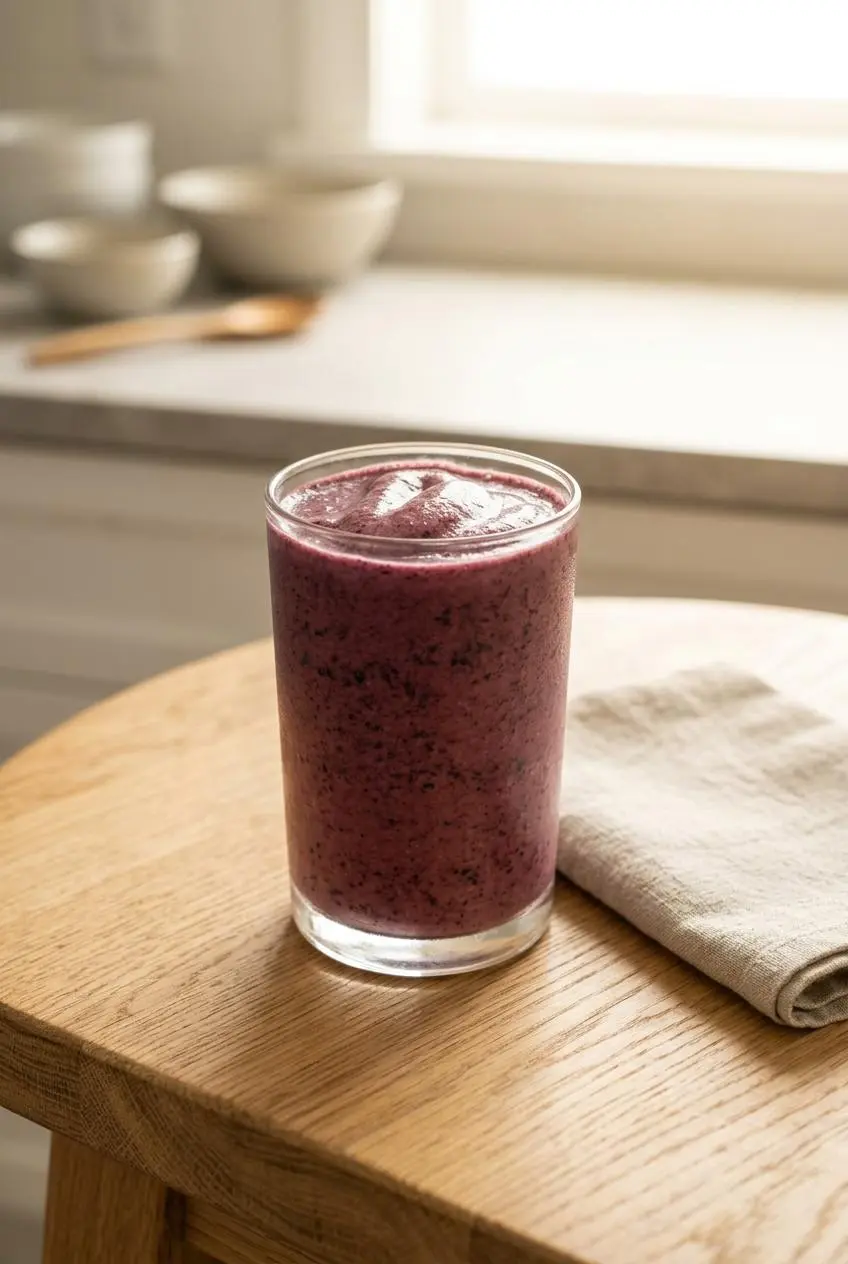
- Pour the almond milk into the blender, then add the frozen blueberries and Greek yogurt and blend until the mixture looks fully combined.
The base should turn smooth and evenly purple, with no visible streaks of yogurt or blueberry pieces. - Add the ice cubes and blend again until the smoothie thickens to your liking.
Stop when the texture looks creamy and cold, with no obvious chunks of ice left behind. - Taste the smoothie and add up to 1 teaspoon powdered sweetner (optional) if you want a sweeter finish.
Blend briefly again so the sweetener disappears completely into the drink. - Pour and serve right away.
The best texture is thick, frosty, and smooth enough to sip without any gritty bits.
Blending the milk, berries, and yogurt before the ice is a smart move because it gives the blades a smoother base to work with. Then the ice can thicken the drink instead of fighting the blender from the start.
If you are making this for breakfast, serve it immediately while it is at its thickest. Smoothies naturally loosen as they sit, especially when ice starts to melt.
Key Ingredients Explained
Once you understand how each smoothie component behaves, it gets much easier to improvise without ending up with a bland or watery glass.
Best Keto-Friendly Liquids
Unsweetened almond milk is one of the easiest choices because it is mild, light, and usually low in carbs. It lets berries, cocoa, coffee, or nut butters stand out instead of taking over the flavor.
Unsweetened coconut milk brings more richness and a fuller mouthfeel. Water works too, especially if the rest of the ingredients are naturally creamy, but it will give you a lighter result. The one thing to watch for is added sugar. Sweetened plant milks can shift the whole smoothie in the wrong direction fast.
Powerhouse Fats (Avocado, MCT, Nut Butters)
Fat is what makes a keto smoothie feel satisfying instead of thin. Avocado is especially useful because it transforms from chunky to velvety smooth when blended, adding body without a strong flavor. It is one of the easiest ways to fix a weak texture.
MCT oil blends in with almost no flavor, so it is handy when you want richness without changing the taste profile. Nut butters pull double duty by adding both creaminess and flavor. Peanut butter gives a dessert vibe, while almond butter tastes a little milder and toastier.
If you use a strong fat like nut butter or coconut cream, keep the rest of the ingredients more restrained so the drink stays balanced instead of heavy.
Low-Carb Fruits and Veggies
Berries are the easiest fruit choice for a keto-friendly smoothie. Raspberries, blackberries, and strawberries are especially useful because they bring brightness without the sugar load of bananas, mangoes, or pineapple.
Blueberries can still fit, as this recipe shows, especially in moderate amounts. Greens like spinach add color and a fresh edge without dominating the flavor when used lightly. Kale works too, but it has a stronger taste and can turn bitter if you pile it in. A squeeze of lemon or a little sweetener can help round that out.
Hidden vegetables are great texture tools. Frozen cauliflower adds thickness with a very neutral flavor, and zucchini blends in surprisingly well. The main success cue is visual: when the smoothie is fully blended, there should be no visible specks of spinach or chunks of ice remaining.
Optional Protein & Fiber Boosts
Protein powders can make a smoothie more filling, but they change texture fast. Whey usually blends the smoothest, collagen mixes in cleanly, and some plant-based powders can taste chalky if you use too much. Start modestly and build from there.
Fiber boosters like chia seeds, flax seeds, or hemp seeds add body and help create a thicker drink. They are especially useful when your smoothie tastes good but feels too thin. Psyllium husk is the heavy hitter here. A small amount can turn a drinkable smoothie into a thick, spoonable one pretty quickly, so use it as an optional texture trick rather than a default.
10+ Easy Keto Smoothie Variations
Use the base smoothie as your starting point, then swap or add ingredients to match the flavor you want. Keep these changes optional so you can mix and match without changing the main recipe.
Triple Berry Keto Smoothie
Swap the blueberries for a mix of raspberries, blackberries, and strawberries. This version tastes brighter and a little tangier, with a deeper berry flavor.
Chocolate Avocado Dream
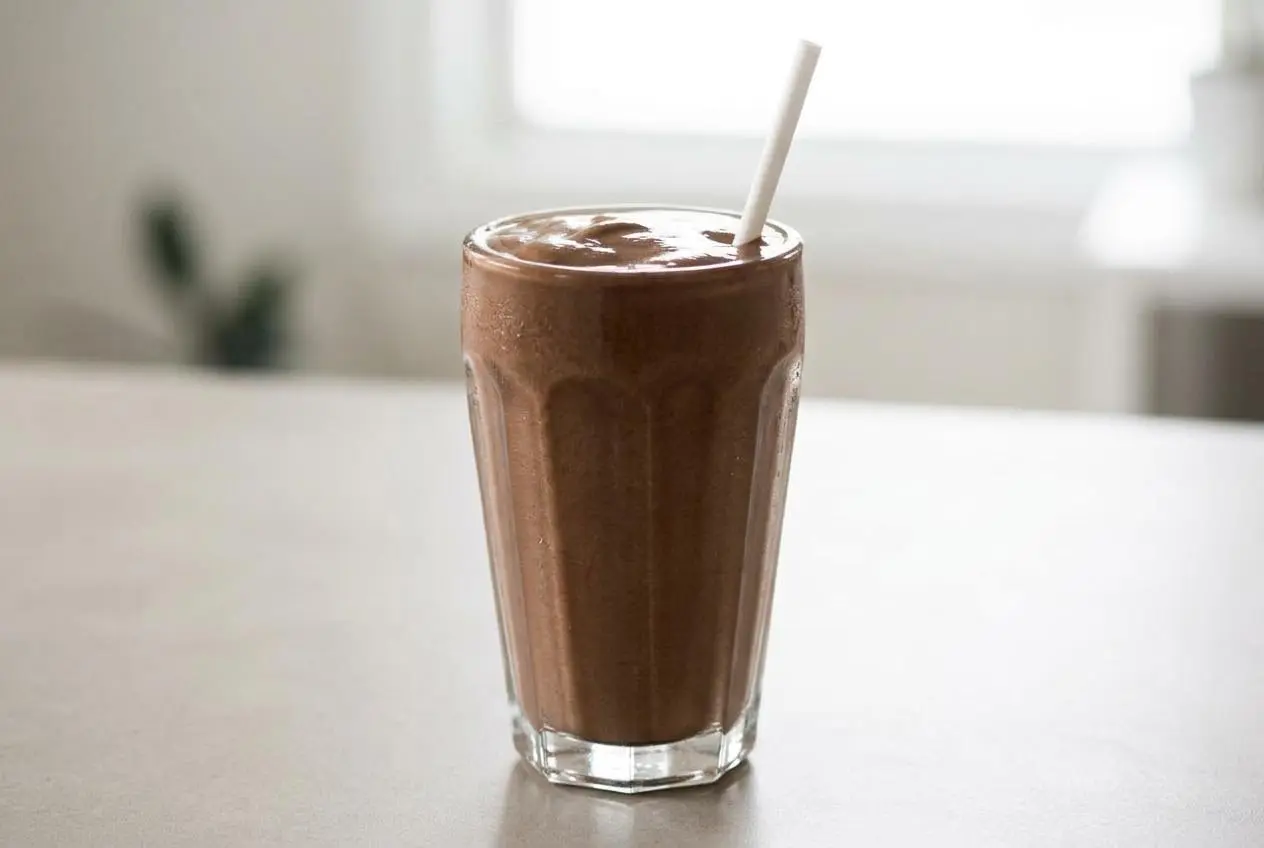
Use avocado, cocoa powder, almond milk, and a keto sweetener for a rich, mousse-like texture. This one feels closest to dessert, especially if you like darker chocolate flavors.
Mean Green Keto Machine
Blend spinach or kale with avocado, cucumber, almond milk, and a squeeze of lemon. If the greens taste a little sharp, sweetener or lemon can help bring the flavor back into balance.
Morning Coffee Kickstart
Add cold brew coffee or espresso powder to a base of almond milk, cream, and a keto sweetener. It is a nice breakfast option when you want your coffee and smoothie in the same glass.
Peanut Butter Cup Smoothie
Blend peanut butter, cocoa powder, and heavy cream into the base. The result is rich, nutty, and very much in the milkshake family.
| Variation | What to Change | Best For |
|---|---|---|
| Strawberry Cheesecake | Use strawberries and a little extra Greek yogurt | A tangy, creamy breakfast smoothie |
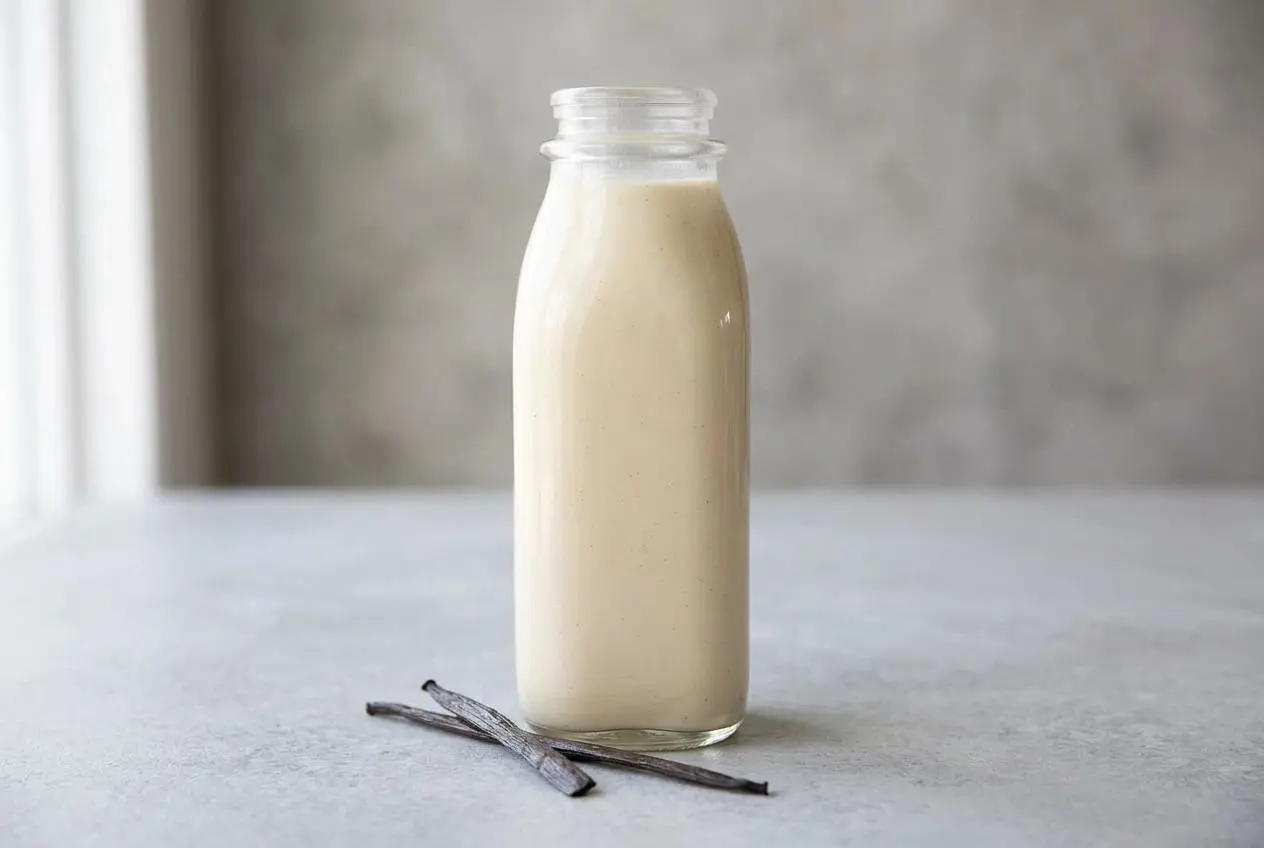
| Blackberry Vanilla | Use blackberries and add vanilla | A softer berry flavor |
| Coconut Lime | Use coconut milk and a squeeze of lime | A bright, refreshing finish |
| Pumpkin Spice | Add pumpkin puree, almond butter, and pumpkin pie spice | Cool-weather smoothie cravings |
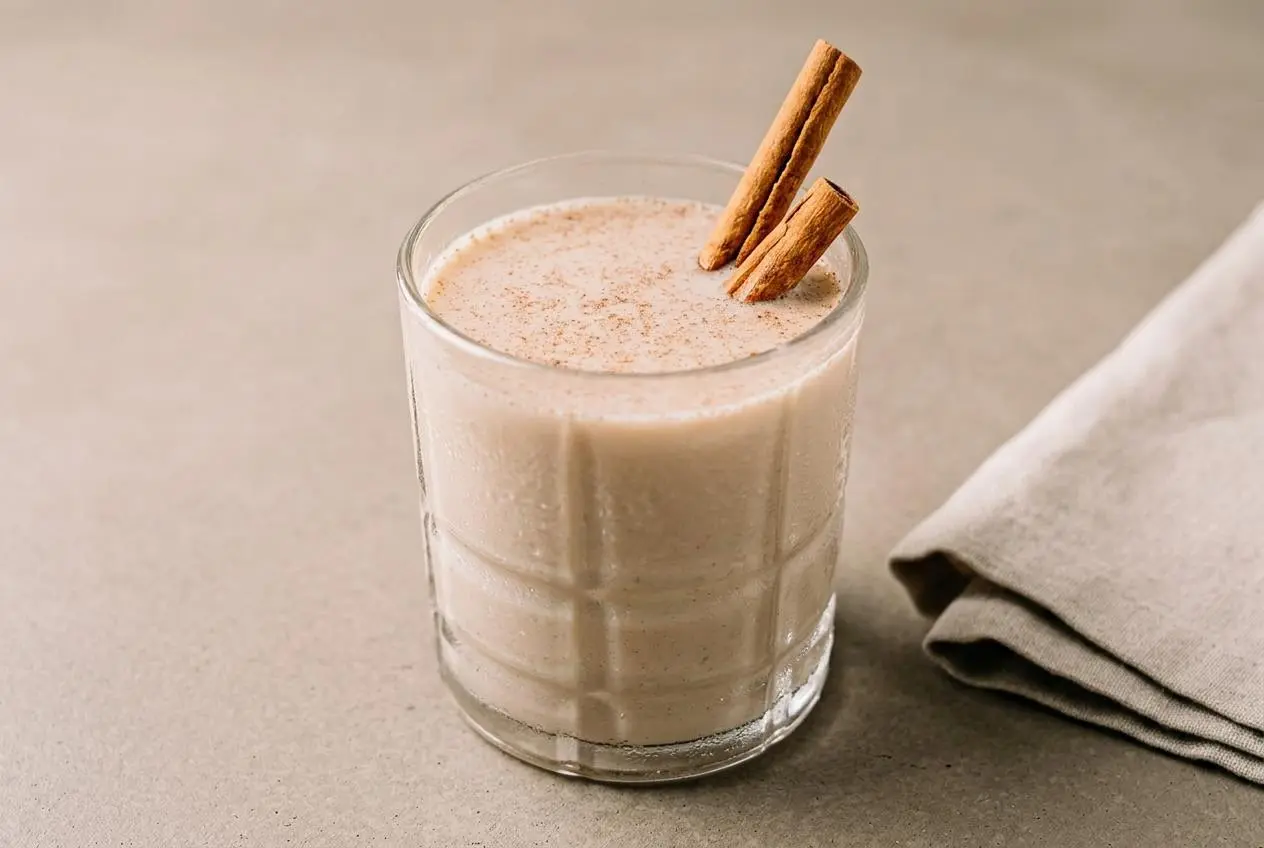
| Cinnamon Almond | Add almond butter and cinnamon | A mellow, cozy flavor |
| Cauliflower Vanilla | Add frozen cauliflower and vanilla | Extra thickness with a neutral taste |
| Lemon Berry | Add lemon juice to a berry base | A fresher, more tart smoothie |
Tips for the Perfect Texture and Flavor
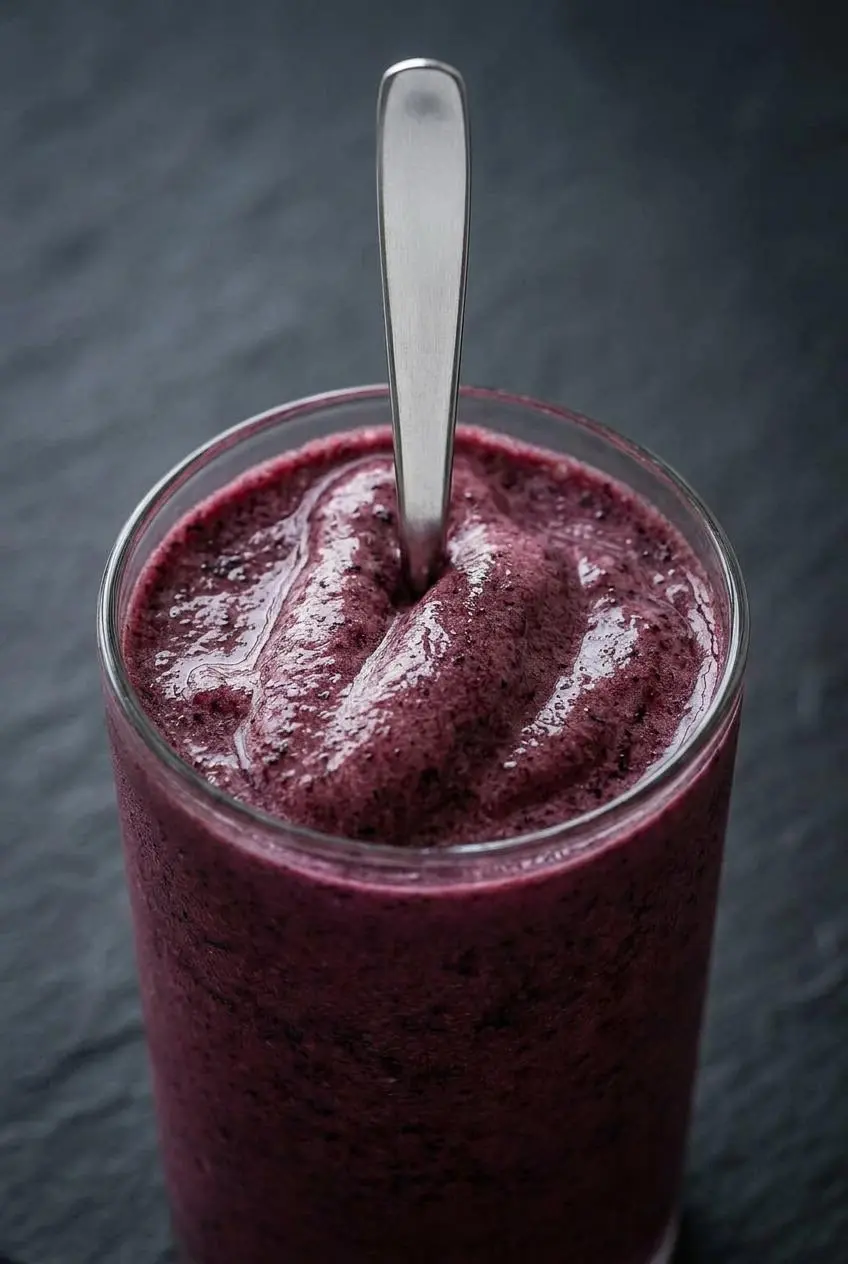
The biggest difference between a just-okay smoothie and a really good one usually comes down to texture. Flavor matters, of course, but if the drink is watery, separated, or chalky, it never feels satisfying.
Use frozen fruit when you can. It chills and thickens the smoothie at the same time, so you do not have to depend on a mountain of ice. Frozen zucchini or cauliflower can do the same job with almost no noticeable flavor.
Begin with less liquid, then add more only if the blender needs help moving. Too much liquid at the start is the fastest path to a thin smoothie.
Keep one creamy ingredient in the mix. Greek yogurt, avocado, coconut cream, or nut butter all help create that rich body most people want from a keto smoothie.
If you are adding greens, stay moderate. Too many leafy greens can push the smoothie into bitter territory. Lemon or a little keto sweetener can soften that edge without covering up the whole flavor.
For a very thick, almost spoonable texture, psyllium husk is an optional trick worth knowing. Add 1 tablespoon, blend well, then let the smoothie stand briefly before checking the texture again. It thickens fast.
Troubleshooting Common Smoothie Issues
Most smoothie problems are fixable in a minute or two. The key is knowing whether the issue comes from liquid balance, ingredient choice, or blending time.
| Problem | Likely Cause | Fix |
|---|---|---|
| Too thin or watery | Too much liquid or not enough frozen ingredients | Add more frozen fruit, ice, avocado, chia, flax, or a little psyllium husk and blend again. |
| Too thick or will not blend | Not enough liquid for the blender to pull ingredients down | Add a small splash of almond milk or water and pause to scrape down the sides if needed. |
| Gritty or chalky texture | Protein powder, seeds, or sweetener did not fully blend | Blend longer, use powdered sweetener, or reduce the amount of powder next time. |
| Separated after sitting | Natural settling from liquid and solids | Serve right away for the best texture, or give it a quick stir or short re-blend before drinking. |
| Not sweet enough | Tart berries or very plain base ingredients | Add a little powdered keto sweetener, vanilla, or a brighter flavor like lemon to wake it up. |
| Too bitter | Too many greens or strong cocoa | Balance with avocado, a bit of sweetener, or a squeeze of lemon depending on the flavor profile. |
| Bland flavor | Not enough salt, acid, sweetness, or flavorful produce | Boost with berries, vanilla, cocoa, coffee, or lemon so the smoothie has a clearer direction. |
Meal Prep and Storage Guide
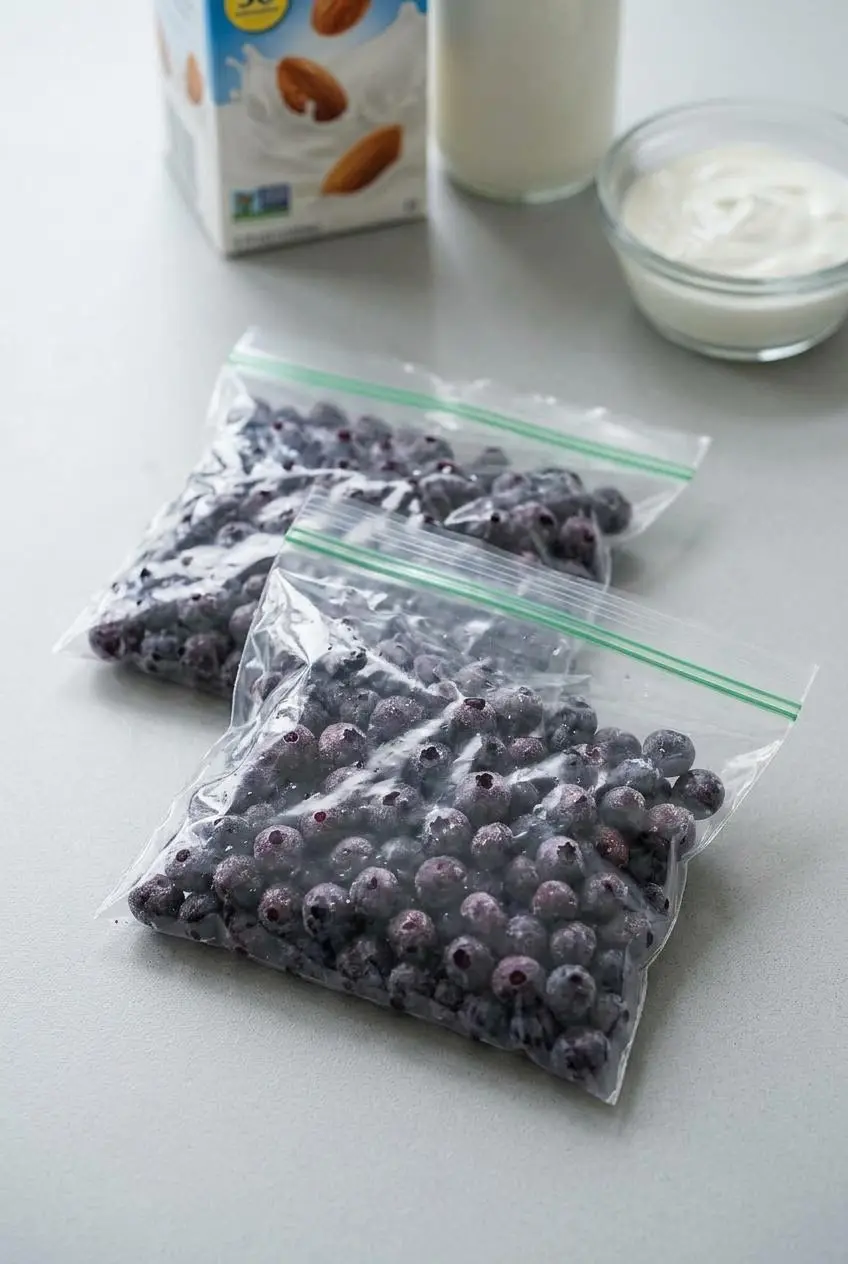
If you want a faster morning routine, prep the solid ingredients ahead so the smoothie only needs blending when you are ready to drink it.
Build individual packs with your fruit, greens, seeds, and any dry add-ins portioned together. Keep the liquid and creamy ingredients separate until blending time. That helps preserve texture and keeps the mix from turning icy or diluted too early.
When you are ready, empty one prepped pack into the blender, add your liquid and fat source, and blend as usual. This works especially well if you like rotating between berry, chocolate, green, and coffee versions without rethinking the formula every time.
If you use fresh produce, wash and handle it carefully before prepping. For fresh fruits and vegetables, safe washing and handling practices for fresh produce help reduce the risk of contamination.
For finished smoothies, the best move is simple: blend and serve right away. That gives you the thickest texture, the coldest sip, and the brightest flavor.
Conclusion
A great keto smoothie comes down to balance. Keep the carbs low, include a creamy fat source, and use frozen ingredients strategically so the drink feels rich instead of watery.
This blueberry version is an easy place to start, and the formula makes it easy to keep going with your own spins. Once you nail the texture, the flavors can follow your mood.
Frequently Asked Questions
What Makes a Smoothie Keto-Friendly?
A smoothie is keto-friendly when it stays low in net carbs and includes healthy fats for richness and staying power. Good choices include almond milk, avocado, berries, Greek yogurt, unsweetened coconut milk, and keto sweeteners. Regular milk, juice, honey, bananas, and mangoes can push the carb count up quickly.
What Are the Best Low-Carb Fruits for a Keto Smoothie?
Raspberries, blackberries, and strawberries are some of the best options. Blueberries can also work in moderate amounts, as in this recipe. Bananas, mangoes, and pineapple are better left out if you want to keep the smoothie keto-friendly.
How Can I Make My Keto Smoothie Thicker and Creamier?
Use frozen fruit instead of fresh whenever possible. Add avocado, nut butter, chia seeds, flax seeds, or Greek yogurt for more body. Start with less liquid, then add more only if needed. If you want an extra-thick texture, psyllium husk can help turn it almost spoonable.
Can I Prepare Keto Smoothies in Advance?
Yes, but the best approach is to prep ingredient packs rather than fully blended smoothies. Portion the solid ingredients ahead, then add the liquid and creamy ingredients right before blending. That keeps the flavor brighter and the texture much better.
Keto Smoothie

Equipment
- Blender
Ingredients
- 1/2 cup frozen blueberries
- 1/2 cup almond milk
- 1/4 cup Greek yogurt
- 4-6 ice cubes
- 1 teaspoon powdered sweetner (optional)
Instructions
- Pour the almond milk into the blender, then add the frozen blueberries and Greek yogurt and blend until the mixture looks fully combined. The base should turn smooth and evenly purple, with no visible streaks of yogurt or blueberry pieces.
- Add the ice cubes and blend again until the smoothie thickens to your liking. Stop when the texture looks creamy and cold, with no obvious chunks of ice left behind.
- Taste the smoothie and add up to 1 teaspoon powdered sweetner (optional) if you want a sweeter finish. Blend briefly again so the sweetener disappears completely into the drink.
- Pour and serve right away. The best texture is thick, frosty, and smooth enough to sip without any gritty bits.

I love simple low carb recipes like this! 💛
I like how simple this is! ✨