 Skip to content
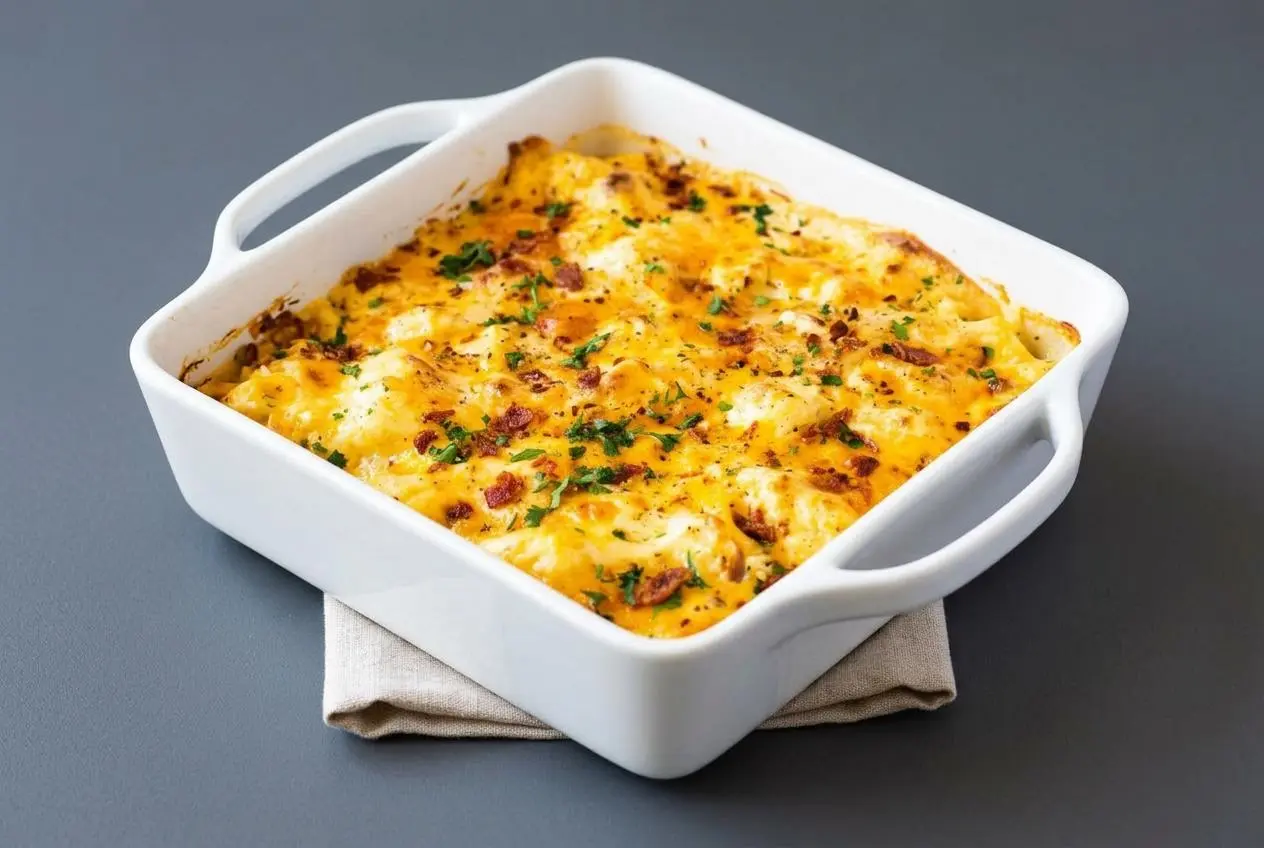
Keto cauliflower mac and cheese is a low-carb alternative to pasta made with roasted cauliflower florets, a rich flourless cheese sauce, and a final bake until bubbly and browned.
This version tastes like comfort food, not compromise. Roasted cauliflower keeps its shape better than boiled florets, and the cheddar plus smoked gouda combo gives you that classic cheesy pull with a little extra depth.
It’s rich, creamy, smoky, and golden on top without any flour getting in the way. The big trick is controlling moisture from the start.
Cut the florets a little smaller than you think you need so the sauce clings to every bite and the casserole feels more like mac than a veggie side.
Ingredients
Each ingredient pulls its weight here, building creaminess, savory depth, gentle heat, and the browned cheesy top that makes this casserole so satisfying.
- 1 large head cauliflower (cut into florets)
- 1 tablespoon olive oil
- 1 cup heavy cream
- 8 ounces cream cheese (diced)
- 1 1/2 cups shredded extra-sharp cheddar cheese (divided)
- 1 cup shredded smoked gouda cheese
- 1 teaspoon garlic powder
- 1 teaspoon ground mustard
- 1/2 teaspoon sea salt
- 1/4 teaspoon fresh ground black pepper
- 1/4 teaspoon cayenne pepper (optional)
Cream cheese is the quiet workhorse here. It thickens the sauce naturally and helps the fat and liquid stay together, so you get a smooth coating instead of a greasy puddle. Heavy cream gives the sauce body, extra-sharp cheddar brings that familiar mac-and-cheese flavor, and smoked gouda adds a deeper, slightly smoky finish that keeps the dish from tasting flat.
I prefer shredding the cheddar and gouda straight from the block because they melt much smoother than bagged cheese.
How to Make Keto Cauliflower Mac and Cheese

- Heat the oven to 350 °F, line a baking sheet with parchment paper, and spread the cauliflower florets out in one layer.
The pieces should have a little space around them so they roast instead of steaming. - Drizzle the cauliflower with olive oil, toss to coat, and roast for 18 minutes.
The edges should look slightly dry and lightly colored, not soft and wet. - While the cauliflower roasts, warm the heavy cream in a saucepan over medium heat and whisk often, then add the diced cream cheese.
It is ready for the next step when you see small, lazy bubbles around the edge rather than a hard boil. - Turn the heat down to low and stir in 3/4 cup of the cheddar cheese along with the smoked gouda cheese.
The sauce should loosen, then turn glossy as the cheese melts into the cream. - Add the garlic powder, ground mustard, sea salt, black pepper, and cayenne pepper if using, then cook for about 3 to 4 minutes until everything is melted.
The finished sauce should look smooth and thick enough to coat a spoon without clumps. - Fold the roasted cauliflower into the sauce, transfer the mixture to a 9 x 9 casserole dish, and scatter the remaining 3/4 cup cheddar over the top.
Make sure the florets are fully coated so the casserole bakes up creamy instead of patchy. - Bake for 20 minutes, then broil for a few minutes if you want more color on top.
Stop broiling when the cheese turns deep golden brown at the edges, because it can go from perfect to burnt fast.
The method is simple, but two little details matter a lot. Roast first so the cauliflower dries out and sweetens slightly, then melt the cheese gently so the sauce stays smooth. If you want a pasta-style comparison for future dinners, low-carb pasta recipes can give you a more noodle-like texture, but this casserole wins on creamy comfort.
Why Roasted Cauliflower Is the Best Pasta Substitute
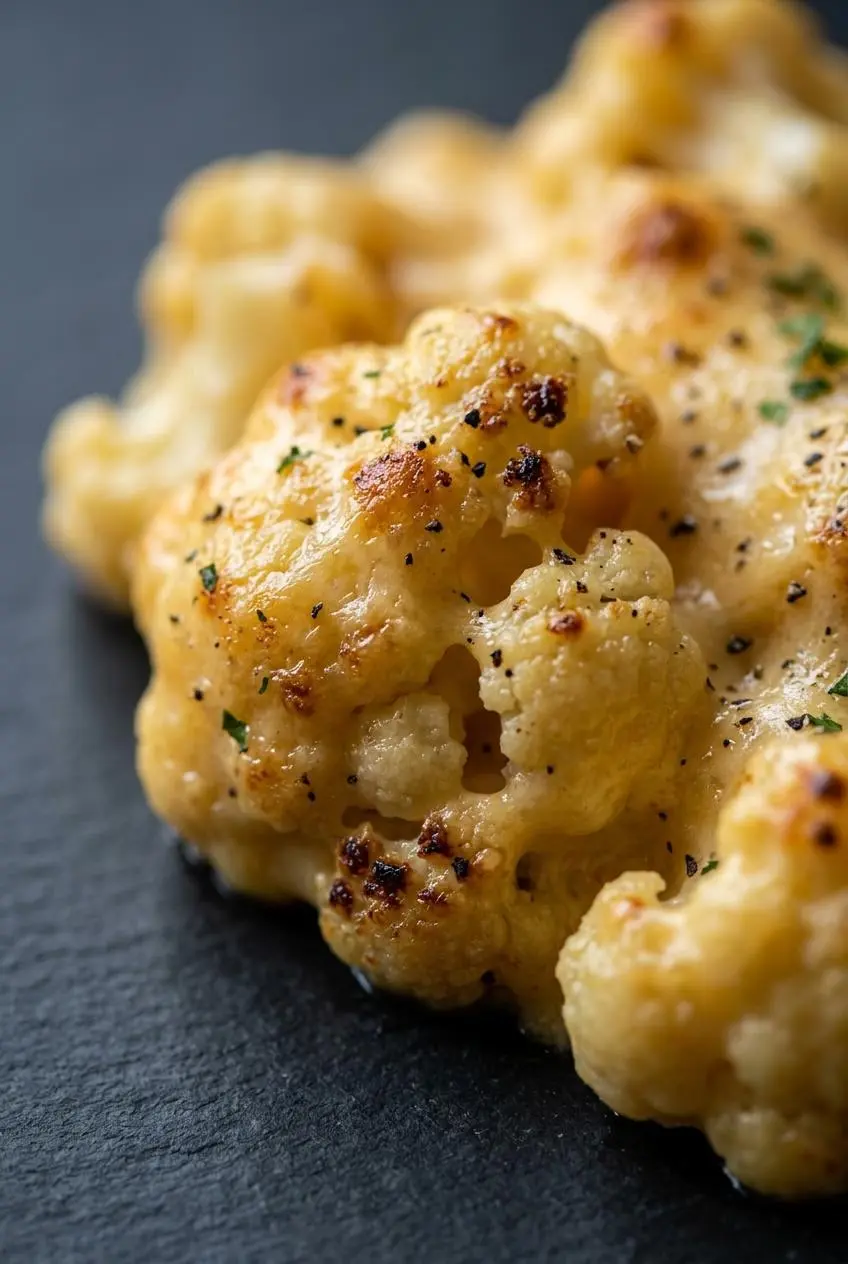
Cauliflower works best here when you treat it like part of the texture, not just a filler. Roasting changes both flavor and structure, which is exactly why this dish stays satisfying instead of watery.
The Perfect Size: Cutting Florets to Elbow Shapes
Large florets eat like roasted vegetables. Smaller florets feel much closer to macaroni.
Try to cut the cauliflower into bites around elbow-macaroni size, with a mix of tiny stems and curved tops. That shape catches the sauce in the little nooks, so each forkful tastes cheesy instead of just coated on the outside. It also helps the casserole feel more familiar if you are craving true keto comfort food.
If you like vegetable-based pasta swaps, this same size-and-moisture logic matters in low-carb zucchini lasagna too.
Oven Caramelization vs. Soggy Boiling
Roasting beats boiling and steaming for one big reason: water control. Cauliflower naturally holds a lot of moisture, and wet florets keep releasing it into the casserole as it bakes.
When the oven heat hits the cauliflower, some of that moisture cooks off before it ever meets the sauce. At the same time, the natural sugars on the surface start to caramelize, which gives the florets a nuttier, fuller flavor. Boiled or steamed cauliflower tends to stay waterlogged, so it dilutes the sauce and can make the top look oily and the bottom look thin.
That is why this dish tastes richer even though the ingredient list stays straightforward. Less trapped water means the sauce actually clings.
How to Make a Creamy Flourless Keto Cheese Sauce
A good keto cheese sauce should feel velvety and rich without flour, starch, or gimmicks. The trick is using the right cheeses and giving them gentle heat.
Why Freshly Grated Block Cheese Rules
Freshly grated cheese melts more smoothly because it does not carry the powdery coating common in pre-shredded bags. That coating helps shreds stay separate in the bag, but it can make a hot sauce look grainy or slightly clumpy.
Extra-sharp cheddar gives the sauce its classic tangy backbone, while smoked gouda softens the sharpness and adds a mellow smoky note. Together they make the casserole taste fuller than cheddar alone.
Block cheese also lets you control the texture. Finer shreds melt faster, which helps the sauce stay even and glossy.
Low Heat Melting: Preventing Grease Separation
If your cheese sauce has ever looked oily, stringy, or broken, the heat was probably too high.
Cheese sauces need a low, patient melt. Once the cream reaches a gentle simmer, you want tiny bubbles around the sides of the pan and light steam rising from the surface. That is the sweet spot. Dumping cheese into aggressively boiling cream can make the dairy solids tighten up while the fat slips out, which is how you end up with a greasy sauce.
Keep the heat on low or medium-low once the cheese goes in, and stir steadily. Slow is faster than fixing a broken pan.
Clean Keto vs. Processed Cheeses
This recipe leans on natural cheeses instead of highly processed melting blocks. That gives you a cleaner dairy flavor and more control over seasoning, salt, and texture.
Cream cheese is especially useful in a flourless sauce because it acts like a built-in binder. Its full-fat structure helps the heavy cream and melted cheeses stay emulsified, so you get body without flour or cornstarch. Processed cheeses can melt easily, but they often bring a flatter flavor and a different texture than a cheddar and gouda sauce made from fresh blocks.
Milk is also skipped here on purpose. Heavy cream gives a richer result with less extra liquid, which helps the casserole stay thick and cozy rather than thin.
Troubleshooting Watery Cauliflower Mac and Cheese
If this casserole turns watery, the problem usually starts before the baking dish goes into the oven. The good news is that the fixes are practical.
- Fresh cauliflower still wet after washing can water down the whole dish. Pat the florets very dry before oiling them, especially around the cut sides where moisture hides.
- Frozen cauliflower can work, but only if it is fully thawed and pressed dry with paper towels first. Roast it a bit longer if it still looks damp.
- A crowded baking sheet traps steam. Spread the florets out so the moisture evaporates instead of collecting underneath.
- If the casserole looks a little loose right out of the oven, let it rest for 10 minutes before serving. The sauce thickens naturally as it settles.
- Some cheese brands carry more moisture than others. If your sauce seems thinner than expected, the cheese itself may be part of it, which is another reason block cheese usually gives better control.
- Boiling or steaming the cauliflower as a shortcut usually causes trouble later. The florets absorb water fast, and the sauce pays for it.
One more thing: do not try to rescue a watery batch with flour or cornstarch if you want to keep the dish truly low carb. Better moisture control at the roasting stage gives you a much better texture than last-minute thickening.
Tasty Ways to Customize Your Low-Carb Casserole
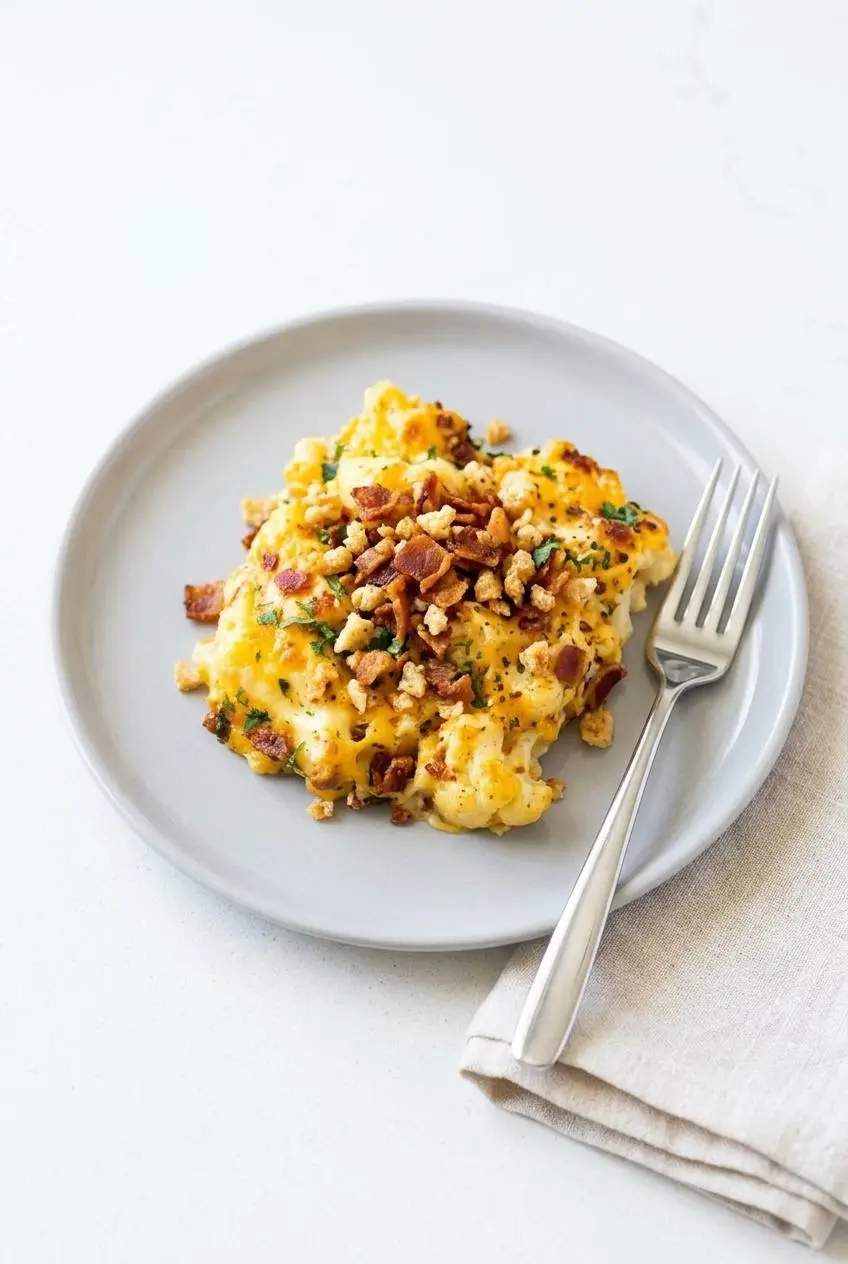
This base is rich enough to stand on its own, but it also handles crunchy toppings and bold add-ins really well.
Crispy Pork Rind and Bacon Topping
If you miss the crisp breadcrumb top on classic baked mac, crushed pork rinds are the easiest keto swap. They brown nicely, add crunch, and stay in the low-carb lane.
Chopped bacon makes the topping even better, especially if you like a salty, smoky contrast against the creamy sauce. A little grated parmesan can work too if you want a cheesier crust instead of a pork-rind crunch. Keep these additions optional so the original casserole stays the same at its core.
Spicy Buffalo Chicken Mac
To turn this into a full meal, stir in cooked shredded chicken and a splash of buffalo hot sauce before baking. The sauce brings heat and tang, and the chicken makes the casserole hearty enough for dinner.
If you are in the mood for another filling low-carb bake, this comforting beef casserole is another solid dinner option for the same craving.
How to Store and Reheat Leftovers Safely
Let the casserole cool, cover it well, and refrigerate it promptly. For cooked dairy-heavy dishes, a refrigerator kept below 41 °F and storage within 4 to 7 days are part of safer handling for leftovers, as outlined in refrigerator storage times for cooked foods and dairy.
For the best texture, reheat portions in the oven or warm them slowly in a skillet over low heat. Gentle reheating helps the sauce stay creamy instead of splitting. If it looks tight, stir carefully as it warms so the cheese loosens back up.
Freezing is not a great match for this casserole. Once thawed, cauliflower tends to release trapped water, and the cheese sauce can turn grainy and separated.
Conclusion
This is the kind of low-carb side dish that actually scratches the mac-and-cheese itch. It is rich, smoky, creamy, and deeply comforting without relying on pasta or flour.
Roast the cauliflower well and melt the cheese low and slow, and the whole dish stays smooth and satisfying. That little bit of patience pays off at the first cheesy bite.
Frequently Asked Questions
How do I prevent watery cauliflower mac and cheese?
Roast the cauliflower instead of boiling or steaming it so excess moisture cooks off first. Pat the florets very dry before they go on the baking sheet. Do not crowd the pan, or the cauliflower will steam. Let the baked casserole rest for 10 minutes before serving so the sauce can set up.
Can I use frozen cauliflower?
Yes, but thaw it fully first. Press it firmly with paper towels to remove as much moisture as possible. Roast it a little longer if it still looks damp after thawing. Do not mix it into the sauce until the florets look dry at the edges.
Why did my cheese sauce separate and turn greasy?
The heat was likely too high. Cheese should melt into the cream over low or medium-low heat, not a hard boil. Stir steadily so the sauce stays smooth and emulsified. Freshly grated block cheese also helps the sauce melt more evenly.
Can I freeze keto cauliflower mac and cheese?
It is best not to freeze it if texture matters to you. Thawed cauliflower releases extra water, which can thin the sauce. The cheese mixture can also turn grainy after freezing and reheating. For the creamiest leftovers, refrigerate and reheat gently instead.
Keto Cauliflower Mac and Cheese

Equipment
- Baking sheet
- Parchment paper
- Saucepan
- 9×9 casserole dish
Ingredients
- 1 large head cauliflower cut into florets
- 1 tablespoon olive oil
- 1 cup heavy cream
- 8 ounces cream cheese diced
- 1 1/2 cups shredded extra-sharp cheddar cheese divided
- 1 cup shredded smoked gouda cheese
- 1 teaspoon garlic powder
- 1 teaspoon ground mustard
- 1/2 teaspoon sea salt
- 1/4 teaspoon fresh ground black pepper
- 1/4 teaspoon cayenne pepper optional
Instructions
- Heat the oven to 350 °F, line a baking sheet with parchment paper, and spread the cauliflower florets out in one layer. The pieces should have a little space around them so they roast instead of steaming.
- Drizzle the cauliflower with olive oil, toss to coat, and roast for 18 minutes. The edges should look slightly dry and lightly colored, not soft and wet.
- While the cauliflower roasts, warm the heavy cream in a saucepan over medium heat and whisk often, then add the diced cream cheese. It is ready for the next step when you see small, lazy bubbles around the edge rather than a hard boil.
- Turn the heat down to low and stir in 3/4 cup of the cheddar cheese along with the smoked gouda cheese. The sauce should loosen, then turn glossy as the cheese melts into the cream.
- Add the garlic powder, ground mustard, sea salt, black pepper, and cayenne pepper if using, then cook for about 3 to 4 minutes until everything is melted. The finished sauce should look smooth and thick enough to coat a spoon without clumps.
- Fold the roasted cauliflower into the sauce, transfer the mixture to a 9 x 9 casserole dish, and scatter the remaining 3/4 cup cheddar over the top. Make sure the florets are fully coated so the casserole bakes up creamy instead of patchy.
- Bake for 20 minutes, then broil for a few minutes if you want more color on top. Stop broiling when the cheese turns deep golden brown at the edges, because it can go from perfect to burnt fast.


Made this tonight and the roasting step really did make a difference. Mine actually stayed creamy instead of turning into cauliflower soup like the last version I tried.
So glad that helped. Roasting first is the biggest texture saver in this one, especially for keeping the sauce from getting watered down.
So good.
I used pre shredded cheddar because that is what I had and the sauce came out a little grainy. Still tasted great though. Do you think the bagged cheese was the reason?
Yes, that was likely part of it. Pre shredded cheese often has a coating that can keep the sauce from melting as smoothly, so block cheese usually gives a silkier texture here.
The smoked gouda was such a good call. It made it taste way more like an actual comfort food casserole and less like a veggie side.
I have messed up cauliflower bakes so many times by steaming first and wondering why everything got watery. This is the first recipe that explained the why in a way that clicked for me. I cut the florets pretty small like you said and it really did eat more like mac.
I love hearing that. That smaller floret size changes the whole feel of the dish, and roasting first makes a huge difference for keeping it cozy instead of loose.
Quick question, could I assemble this earlier in the day and bake it later for dinner or would the sauce get weird sitting on the cauliflower?
You can assemble it ahead, but for the best texture I would keep it covered in the fridge and bake it later the same day. If it looks a little firm going into the oven, that is totally fine and it should loosen as it heats.
I added bacon on top and my husband went back for seconds before I even sat down 😂 The only thing I would do differently next time is make a double batch because the leftovers were basically claimed immediately.
This one saved my dinner honestly. I had a head of cauliflower I needed to use and was not in the mood for another sad mash situation. The cream cheese in the sauce was the part I was unsure about, but it pulled everything together and made it feel extra rich without needing anything else.
I tried it with frozen cauliflower because that is what was in my freezer. I thawed it but probably did not dry it enough, and the bottom of the dish had some liquid after baking. Flavor was amazing though. Next time would you roast it longer before adding the sauce?
Yes, I would roast it a bit longer next time and press it very well dry before it goes in the oven. With frozen cauliflower, getting rid of as much moisture as possible makes a big difference in the final texture.
Love this.