Skip to content
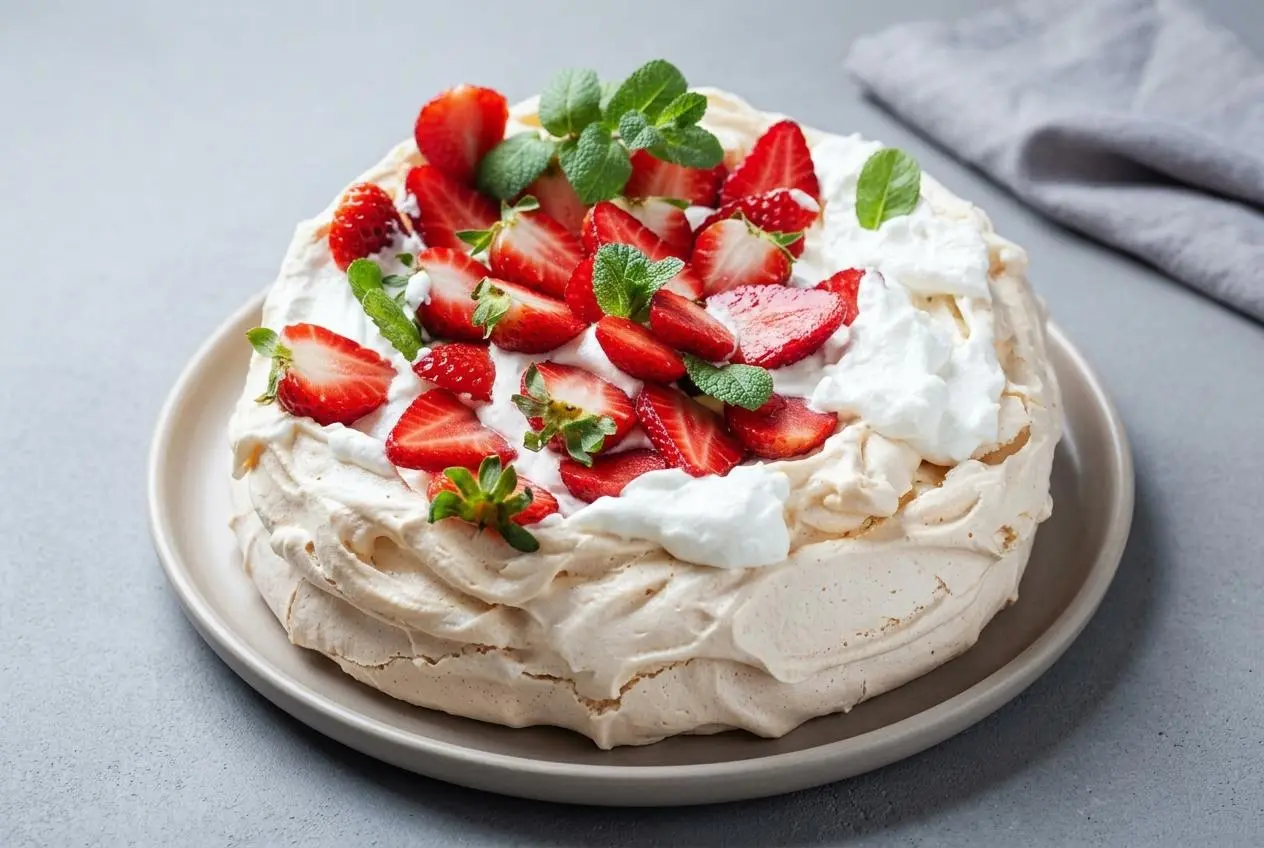
Make this keto pavlova with glossy stiff peaks, a delicate crisp shell, and a soft marshmallow center finished with whipped cream and berries.
This keto pavlova recipe turns whipped egg whites, fine sweetener, vinegar, and a touch of cornstarch into a dramatic sugar-free dessert with classic pavlova texture.
The shell should feel dry at the surface while the center stays tender and cloudlike. The slow oven cool-down makes all the difference.
Use a spotless, completely dry bowl and beaters, since even a trace of yolk, oil, or water can keep egg whites from reaching full volume.
Essential Ingredients for a Stable Keto Pavlova
Each ingredient supports a specific part of the dessert, from airy foam and a tender center to rich topping, bright flavor, and fresh berry contrast.
- 6 large egg whites (room temperature)
- 1 1/4 cups superfine sweetener
- 2 teaspoon cornstarch
- 1 teaspoon white vinegar
- 1/2 teaspoon vanilla extract
- 1 1/4 cups heavy cream
- 2 tablespoon sugar free powdered sugar
- 1 cup berries (to decorate)
Room-Temperature Egg Whites and Foam Chemistry
Room-temperature egg whites whip into a fuller foam than cold whites. Beat them until the peaks stand upright when the beaters lift away, with tips that hold their shape rather than curl over.
Fresh egg whites create the structure, but they need clean equipment to do it. If any yolk slips in while separating the eggs, start over with that white instead of adding it to the bowl.
Selecting the Best Fine Low-Carb Sweetener
Choose a superfine sweetener that dissolves readily into the foam. Coarse crystals can leave the meringue grainy, encourage liquid seepage, and create a slightly crunchy finish rather than a smooth, crisp shell.
Add the sweetener gradually while mixing, then rub a tiny bit of meringue between clean fingertips. It should feel mostly smooth, and the foam should look thick, bright, and glossy.
I prefer a finely milled sweetener for pavlova because a silky meringue is much easier to shape and gives the shell a cleaner snap.
The Stabilizing Power of Acid and Starch
White vinegar helps support the whipped egg-white structure, while cornstarch encourages the signature soft center. Vanilla rounds out the sweetness, and the cream and berries bring richness and freshness once the shell has cooled.
This dessert does not use flour. The small amount of cornstarch has a structural role, helping pavlova stay distinct from a meringue baked dry all the way through.
Step-by-Step Instructions for Keto Pavlova
- Heat the oven to 120 °C / 250 °F, then cover a large baking tray with foil and lightly grease it.
The prepared surface should look evenly coated so the delicate meringue can release more easily. - Whip the egg whites in a large mixing bowl until stiff peaks form, then add the superfine sweetener one tablespoon at a time before mixing in the cornstarch, vinegar, and vanilla extract.
The finished meringue should be thick, glossy, and firm enough to hold a pronounced peak. - Spoon the meringue onto the prepared tray and gently gather it into a round mound.
Keep the shape compact and even so the edges bake at a similar pace. - Bake for 90 minutes, until the sides turn lightly golden and the center remains tender, then switch off the oven and cool the pavlova completely inside with the door slightly ajar.
The outer crust should dry without becoming deeply browned, and slow cooling helps limit sudden collapse. - After the shell has cooled, whip the heavy cream with the powdered sweetener until thick and smooth, spread it over the pavlova, add the berries, and refrigerate for at least an hour to set.
The cream should form soft, spreadable swirls that hold the berries without weighing down the shell.
Pavlova vs. Meringue: Understanding the Texture
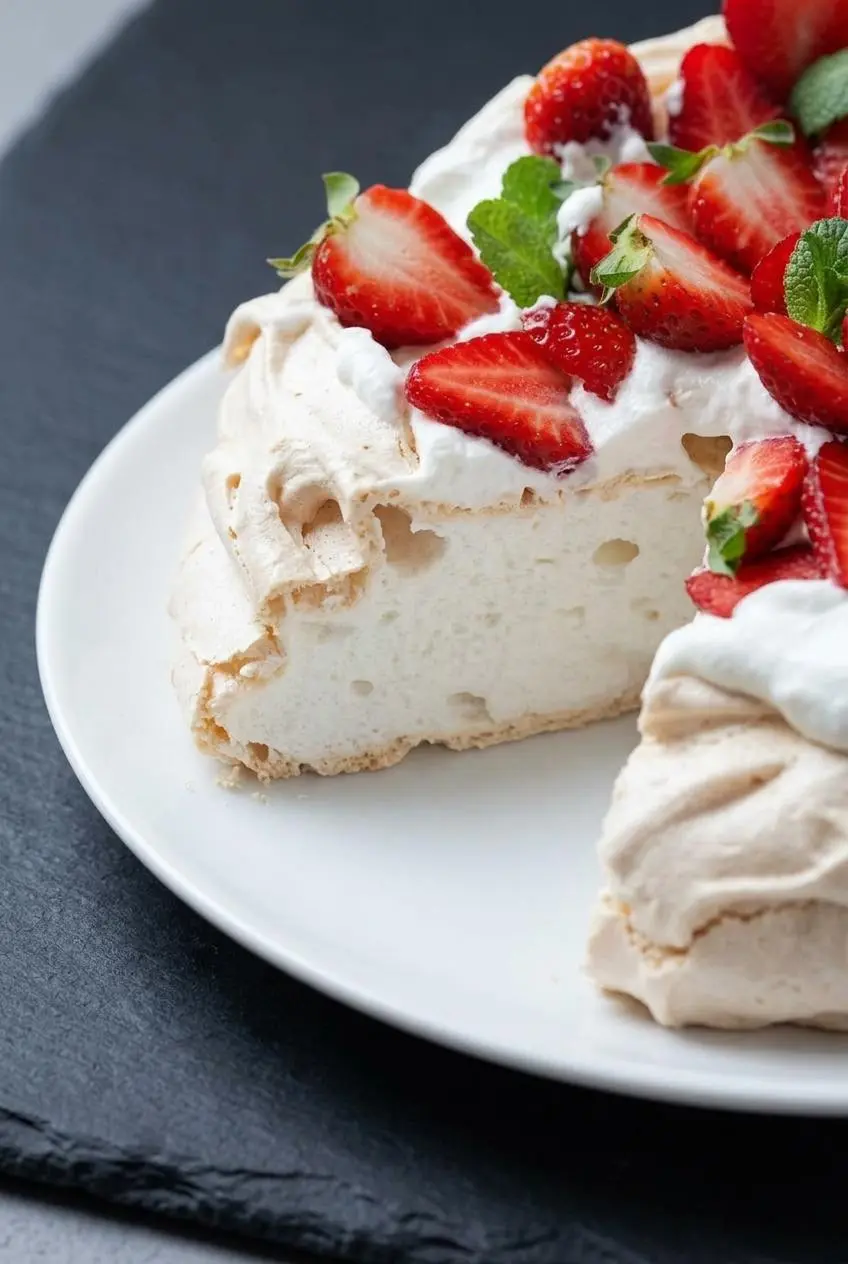
A standard meringue is baked until it is dry and crisp throughout. Pavlova has a different goal: a thin, eggshell-like crust around a soft, pillowy middle with a gentle marshmallow chew.
The vinegar and cornstarch help create that contrast while the fine sweetener supports a smooth foam. Expect a rustic, cloud-shaped dessert rather than a perfectly sharp-edged cake, which is part of its charm.
Troubleshooting Cracks, Weeping, and Texture Issues
- Liquid beads or syrup beneath the shell: Undissolved sweetener or humid air can pull moisture into the meringue. Add the sweetener gradually, check that it feels smooth, and avoid opening the oven repeatedly.
- Weak or deflated meringue: Fat, yolk, or moisture on the bowl and beaters can interfere with the foam. Clean and dry everything thoroughly before whipping.
- Large collapse after baking: A fast temperature change can shock the meringue. Let it cool fully in the switched-off oven with the door slightly ajar.
- Hairline cracks: Small cracks are normal for pavlova and do not spoil the texture. Whipped cream and berries cover them beautifully.
- Soft crust: Cream and fruit release moisture over time. Assemble close to serving so the shell keeps its delicate crunch.
Flavor Variations and Serving Formats
Keep the baked meringue method unchanged, then customize the topping or presentation to suit the occasion.
Keto Mini Pavlovas
Shape the meringue into smaller individual nests instead of one large round. A shallow hollow in each portion creates a natural place for cream and berries, making them especially handy for dinner parties.
Lemon Curd Pavlova
For a bright contrast to the sweet shell, add sugar-free lemon curd over the cream or swirl it gently through the topping. If citrus desserts are your thing, these keto lemon cookies make another zippy option for a dessert spread.
Dairy-Free Coconut Cream Pavlova
Use chilled coconut whipped topping in place of the dairy cream for a dairy-free finish. Its mild coconut flavor pairs especially well with raspberries, strawberries, and blackberries.
Low-Carb Toppings and Seasonal Serving Inspirations
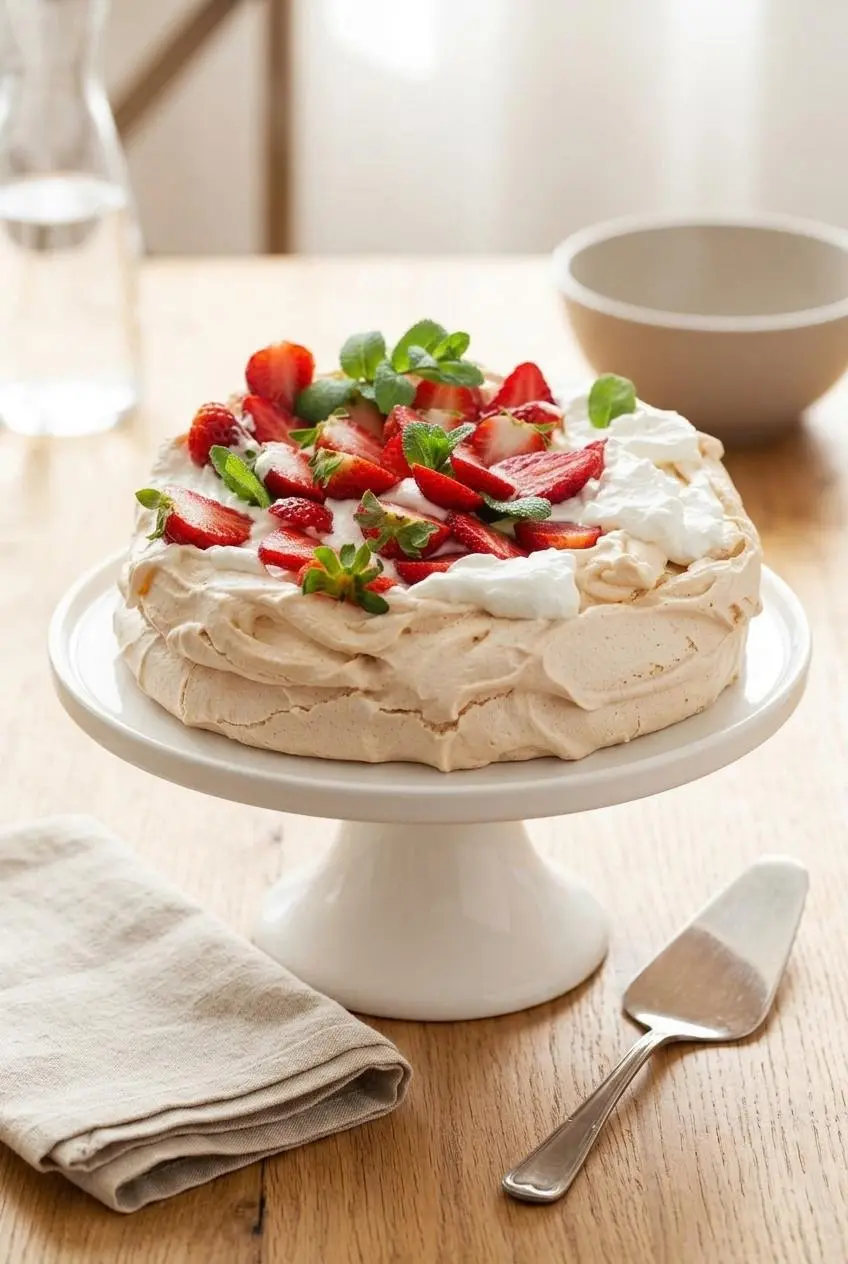
Lightly sweetened whipped cream is the classic finish because it softens the crisp shell without overwhelming it. Spoon it on generously, then scatter fresh raspberries, sliced strawberries, or blackberries over the top just before serving.
- Add a few mint leaves for a fresh, festive finish.
- Use a light sugar-free chocolate drizzle for a deeper dessert flavor.
- Serve a small slice alongside keto ice cream when you want an extra-cold, creamy contrast.
Avoid heavy fruit syrups, which can quickly soften the crust. Keep toppings chilled separately until it is time to assemble.
Make-Ahead Guidelines and Storage Best Practices
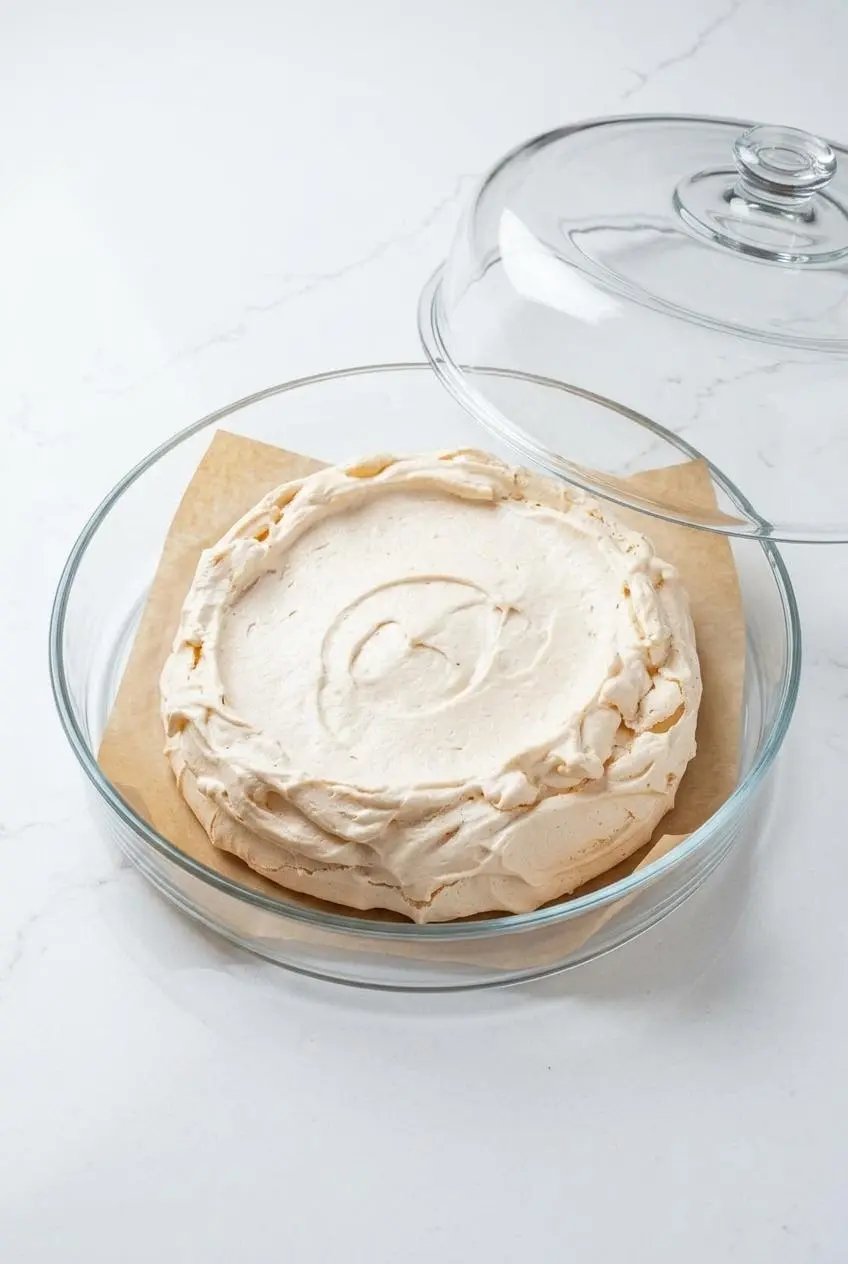
The plain shell and the finished dessert need different handling. Protect the meringue from moisture, then keep cream-topped leftovers chilled.
Storing the Unfilled Meringue Shell
Once completely cool, keep the undecorated shell in a dry, airtight container at room temperature. Avoid refrigerating it uncovered, since refrigerator moisture can make the crisp exterior tacky.
If entertaining, prepare the shell and toppings separately, then add the cream and berries shortly before serving. This preserves the contrast between the crisp crust and tender center.
Handling Assembled Leftovers
Cover leftover pavlova once it has been topped with cream and refrigerate it promptly. Keep dairy ingredients chilled, with refrigeration maintained between 33 °F and 40 °F for dairy storage.
The crust will gradually soften after assembly, but the leftover dessert still makes a lovely spoonable treat. Keep the berries and cream covered to protect their texture.
Why This Sugar-Free Pavlova Works
Clean equipment, finely textured sweetener, glossy stiff peaks, and patient cooling give this pavlova its crisp shell and soft middle. The gentle oven cool-down is the quiet step that protects the structure.
Do not worry over a few cracks or an uneven edge. Fill the center with cream, choose berries that look their best, and enjoy the airy, rustic finish.
FAQ
What Is the Difference Between a Meringue and a Pavlova?
Both begin with whipped egg whites and sweetener, but a meringue is usually crisp and dry throughout. Pavlova uses acid and starch to create a delicate crust with a soft, marshmallow-like center.
Can I Use Allulose Instead of Erythritol or Monk Fruit?
Allulose can work, but it tends to hold more moisture and brown more readily, so the shell may be softer and more pliable. A finely milled monk fruit and erythritol blend is generally better when you want a crisp exterior.
Why Did My Sugar-Free Pavlova Weep Liquid?
Weeping usually means the sweetener did not dissolve fully or the meringue absorbed humidity. Add the sweetener gradually, check for a smooth feel before shaping, and cool the shell slowly in the switched-off oven.
Can I Make the Pavlova Base Ahead of Time?
Yes. Bake and cool the plain shell completely, then keep it dry in an airtight container until you are ready to serve. Add whipped cream and berries shortly before serving to protect the crisp crust.
Can I Make an Egg-Free Keto Pavlova?
Plant-based foams can create meringue-style desserts, but they do not reliably reproduce the same marshmallow center or structure as egg whites. Use a recipe designed specifically for an egg-free foam rather than swapping ingredients in this method.
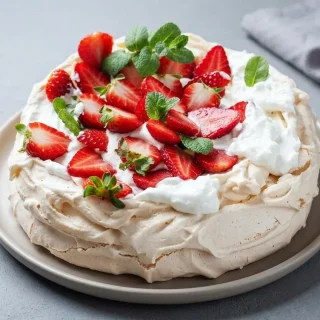
Keto Pavlova Recipe

Ingredients
- 6 large egg whites room temperature
- 1 1/4 cups superfine sweetener
- 2 teaspoon cornstarch
- 1 teaspoon white vinegar
- 1/2 teaspoon vanilla extract
- 1 1/4 cups heavy cream
- 2 tablespoon sugar free powdered sugar
- 1 cup berries to decorate
Instructions
- Heat the oven to 120 °C / 250 °F, then cover a large baking tray with foil and lightly grease it. The prepared surface should look evenly coated so the delicate meringue can release more easily.
- Whip the egg whites in a large mixing bowl until stiff peaks form, then add the superfine sweetener one tablespoon at a time before mixing in the cornstarch, vinegar, and vanilla extract. The finished meringue should be thick, glossy, and firm enough to hold a pronounced peak.
- Spoon the meringue onto the prepared tray and gently gather it into a round mound. Keep the shape compact and even so the edges bake at a similar pace.
- Bake for 90 minutes, until the sides turn lightly golden and the center remains tender, then switch off the oven and cool the pavlova completely inside with the door slightly ajar. The outer crust should dry without becoming deeply browned, and slow cooling helps limit sudden collapse.
- After the shell has cooled, whip the heavy cream with the powdered sweetener until thick and smooth, spread it over the pavlova, add the berries, and refrigerate for at least an hour to set. The cream should form soft, spreadable swirls that hold the berries without weighing down the shell.