Skip to content
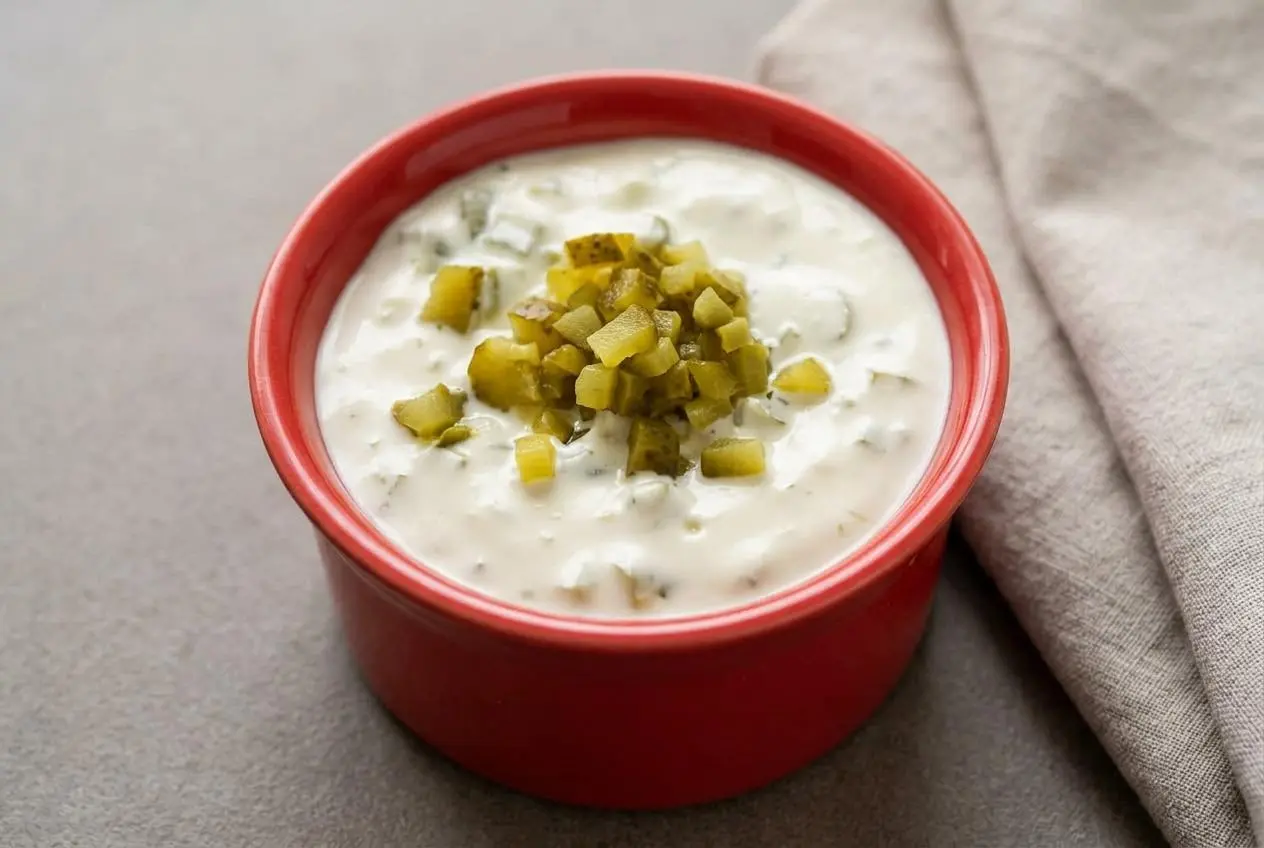
Make thick, creamy keto tartar sauce by stirring finely chopped dill pickle into mayonnaise with pickle juice and lemon juice. This no-cook sauce takes five minutes and delivers tangy flavor with crisp pickle crunch. Choose mayonnaise and dill pickles without added sugar.
This keto tartar sauce recipe is a mayonnaise-based seafood condiment with a bright, savory finish. It makes four servings, with no cooking needed.
The lemon cuts through the richness, while the pickle adds little bursts of crunch. You can keep the flavor classic or try an optional herb variation. The trick is keeping the tang in balance.
I prefer tiny, even pickle pieces so every spoonful has crunch without one large chunk taking over.
Essential Low-Carb Ingredients and Smart Swaps
Mayonnaise gives the sauce body and richness, dill pickle supplies crunch and savory flavor, pickle juice adds briny tang, and lemon juice brings brightness. Together, they create a creamy sauce with enough acidity to balance rich seafood.
- ½ cup mayonnaise
- 1 medium dill pickle (approx 2 oz)
- 1 Tablespoon pickle juice
- 2 teaspoons lemon juice
Mayonnaise: Start with a thick mayonnaise whose flavor you enjoy on its own. Its existing emulsion provides the creamy structure, so there’s no need to make an emulsion from scratch. Check the label for added sugar. Avocado oil mayonnaise is an option, but oil type alone doesn’t establish whether a product fits your carbohydrate goals.
Dill pickle: A whole pickle lets you control the size of the pieces and gives a distinct crunch. Unsweetened dill relish offers a convenient optional shortcut, though its surrounding liquid can make the sauce looser. Read the label rather than assuming every dill product is unsweetened.
Pickle juice and lemon juice: Brine contributes salt and pickle flavor; lemon brings a cleaner citrus note. Use the measurements above before making adjustments. Adding extra liquid too early can turn a spoonable sauce into a thin dressing.
Step-by-Step Preparation and Emulsion Technique
The goal is an evenly mixed sauce with small pickle pieces suspended throughout the mayonnaise. Keep the preparation straightforward, then use the final taste check to decide whether it needs more richness or tang.
- Cut the dill pickle into tiny, evenly sized bits.
A fine dice distributes the crunch throughout the sauce rather than leaving large chunks. - Combine the mayonnaise, pickle juice, lemon juice, and diced pickle in a bowl, stirring until evenly blended.
The mixture should look creamy, with no separate streaks of mayonnaise or puddles of liquid. - Sample a spoonful and adjust the balance to suit your taste using the listed ingredients.
A balanced bite tastes tangy and savory while still letting the creamy mayonnaise come through.
Stirring combines the flavorings with an already emulsified mayonnaise. You’re not trying to whip in air. Stop when the sauce looks uniform, and taste before adding more salty brine or sharp lemon juice.
Understanding Tartar Sauce on a Ketogenic Diet
Tartar sauce isn’t automatically suitable for every keto eating plan. The ingredients and portion matter more than the name on the bottle.
Some commercial sauces use sweet relish, added sugar, corn syrup, or starch thickeners. Check both the ingredient list and the carbohydrate information rather than ruling every bottled sauce in or out.
Making it at home gives you control over the mayonnaise and pickles you choose. Mayonnaise supplies richness, while unsweetened dill pickle provides savory contrast without relying on sweet relish. There’s no need to assume a particular oil has special dietary benefits or to promise a specific net carb count.
Troubleshooting Texture, Moisture, and Separation
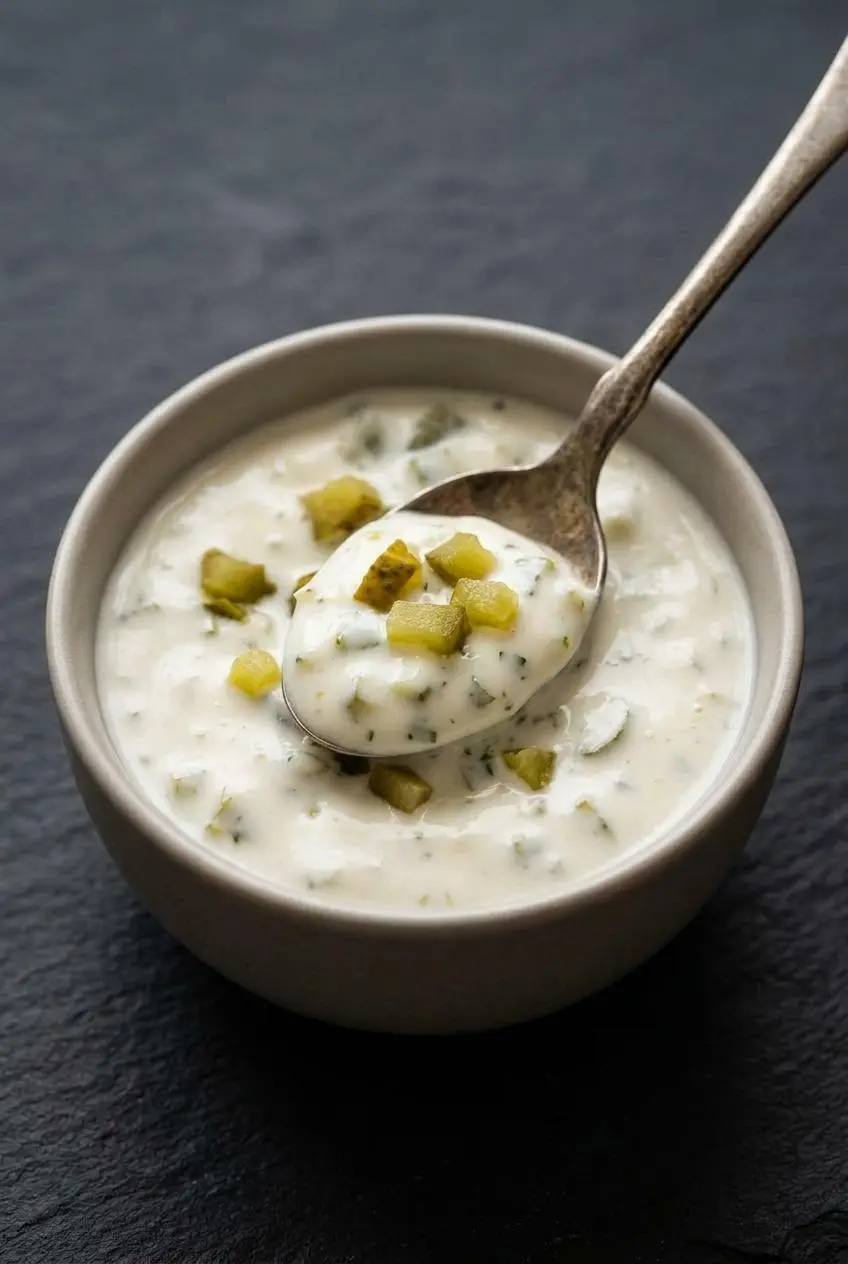
Most consistency problems come from extra liquid, not a lack of mixing. Identify whether the sauce is merely thin or actually separating before trying to fix it.
Rescuing a Watery Sauce
- Thin but evenly creamy: Extra brine or moisture from the pickle may have loosened the sauce; stir in additional thick mayonnaise gradually until it has the body you want.
- Loose after resting: The pickle may have released moisture; stir first, then reassess before adding anything.
- Very wet pickle pieces: For a future batch, let excess surface brine drain away before chopping, while keeping the measured pickle juice separate.
Balancing Overly Sharp Acidity
- Too sour or salty: Lemon or brine may be dominating; add mayonnaise gradually and taste between adjustments.
- Too rich: The mayonnaise flavor may need more contrast; adjust cautiously with lemon juice, remembering that extra liquid also loosens the texture.
Restoring a Separated Emulsion
- Watery pooling without oily droplets: This may be moisture separation rather than a broken emulsion; stir gently and check whether the sauce becomes uniform again.
- Persistent oily separation: Try stirring a little of the affected sauce into fresh, thick mayonnaise, then incorporate the remainder gradually; this may improve the texture, but it won’t always restore it completely.
Flavor Variations and Chef-Inspired Variations
Keep these additions optional and outside the ingredient list above. Start conservatively, especially with salty capers, pungent garlic, or tangy mustard.
Garlic Dill Infusion
Fresh dill adds a grassy aroma, while minced garlic and cracked black pepper create a more savory finish. This direction works well with richer fish or a bunless burger. Raw garlic can dominate a cold sauce, so favor a restrained addition over a garlic-heavy first spoonful.
Caper & Dijon Rémoulade Style
Capers and Dijon mustard give the sauce a piquant, briny character. Flat-leaf parsley adds freshness, and tarragon offers an optional anise-like accent. Taste before adding more pickle juice, since the capers and mustard already bring strong seasoning.
Sour Cream & Chive Light Blend
Replacing part of the mayonnaise with sour cream creates a less mayonnaise-heavy flavor, not necessarily a lighter nutritional profile. Fresh chives add mild onion flavor. Sour cream also changes the tang and consistency, so reassess before increasing the lemon juice.
Pairing Recommendations Beyond Fried Fish
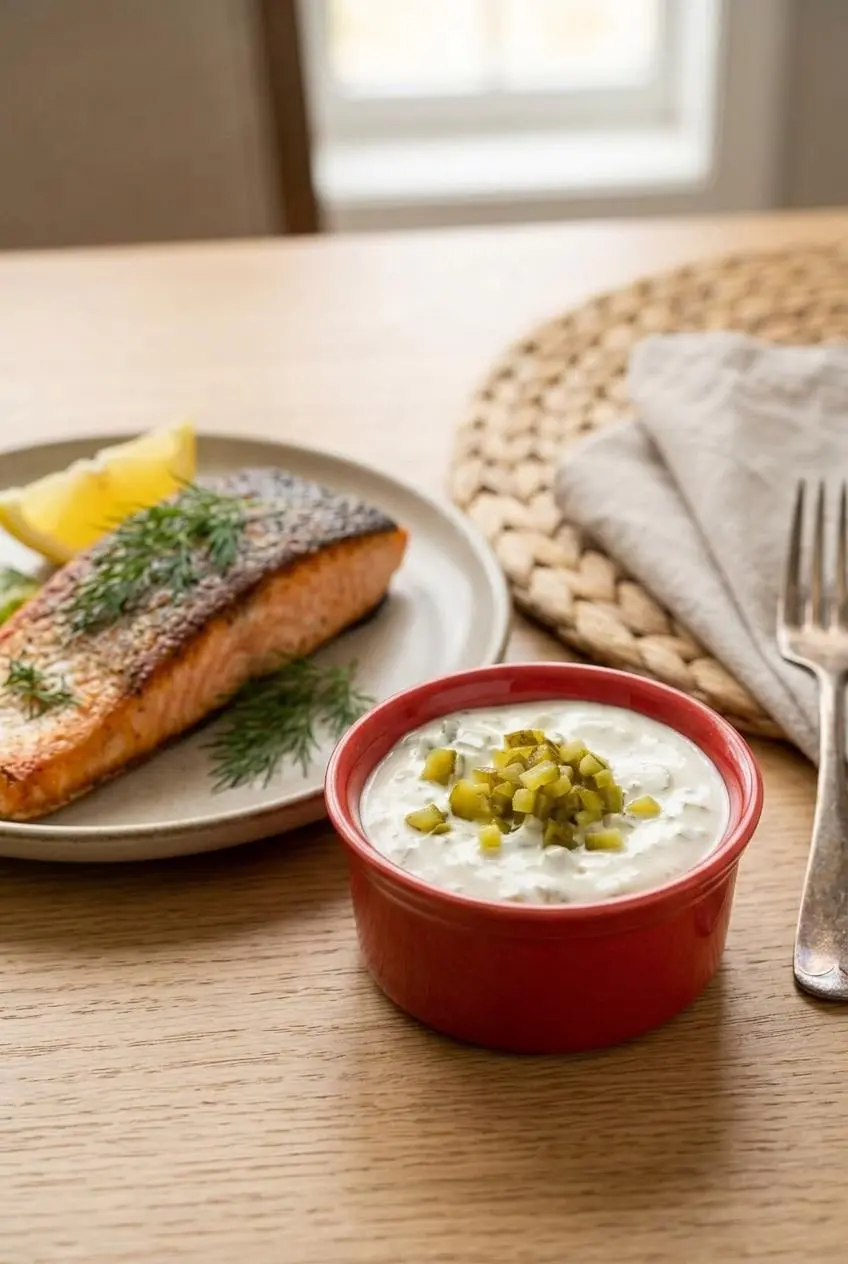
Use the sauce wherever creamy tang can balance a rich bite or complement a crisp coating.
- Seafood: Spoon it alongside pan-seared salmon or crab cakes made with low-carb binders.
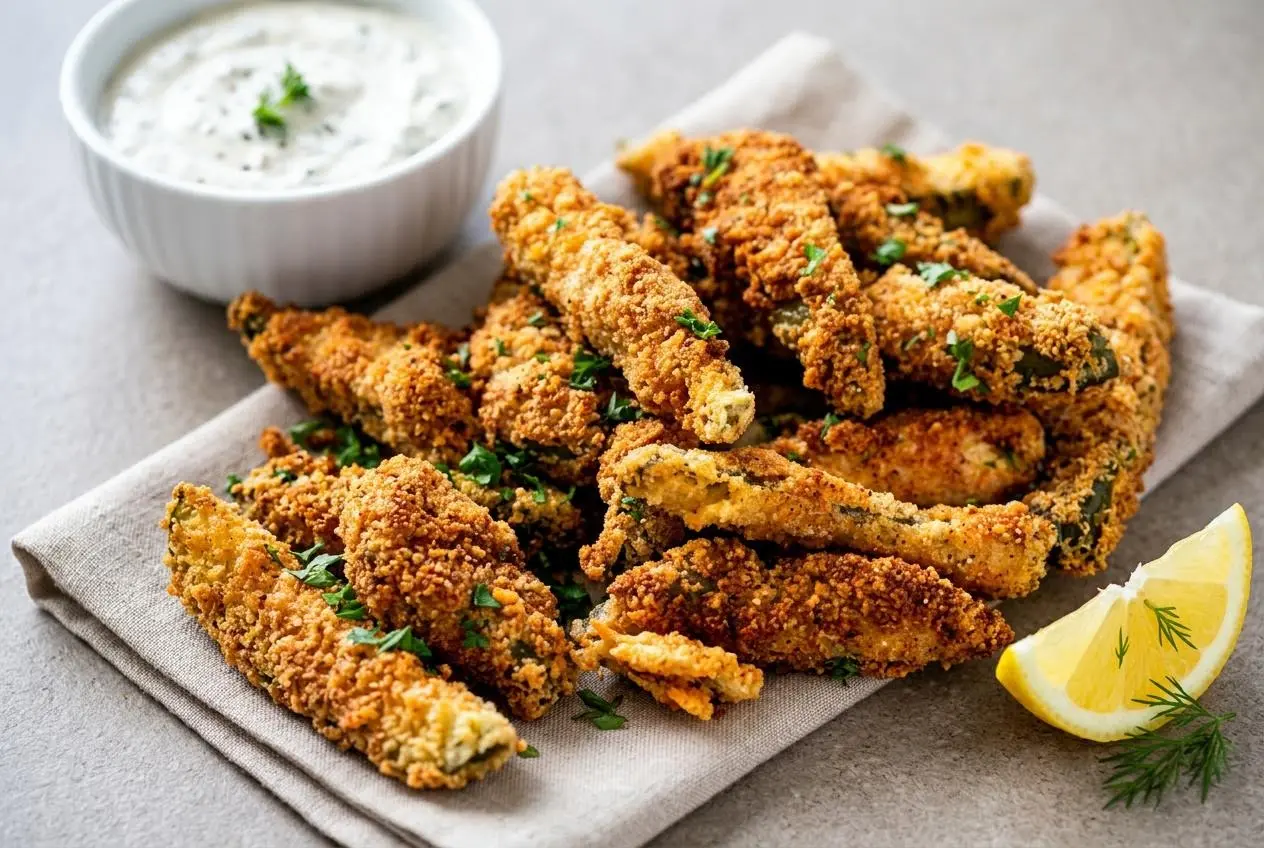
- Chicken and vegetables: Serve it as a dip for chicken tenders with low-carb breading or crisp air-fried vegetables.
- Burgers and sandwiches: Add a dollop to a bunless burger or spread it on toasted keto bread for a fish sandwich.
- Protein salads: Use it as a tangy binder for chilled tuna or flaked salmon, adding gradually so the dressing doesn’t overwhelm the fish.
Storage, Chilling, and Freshness Guidelines
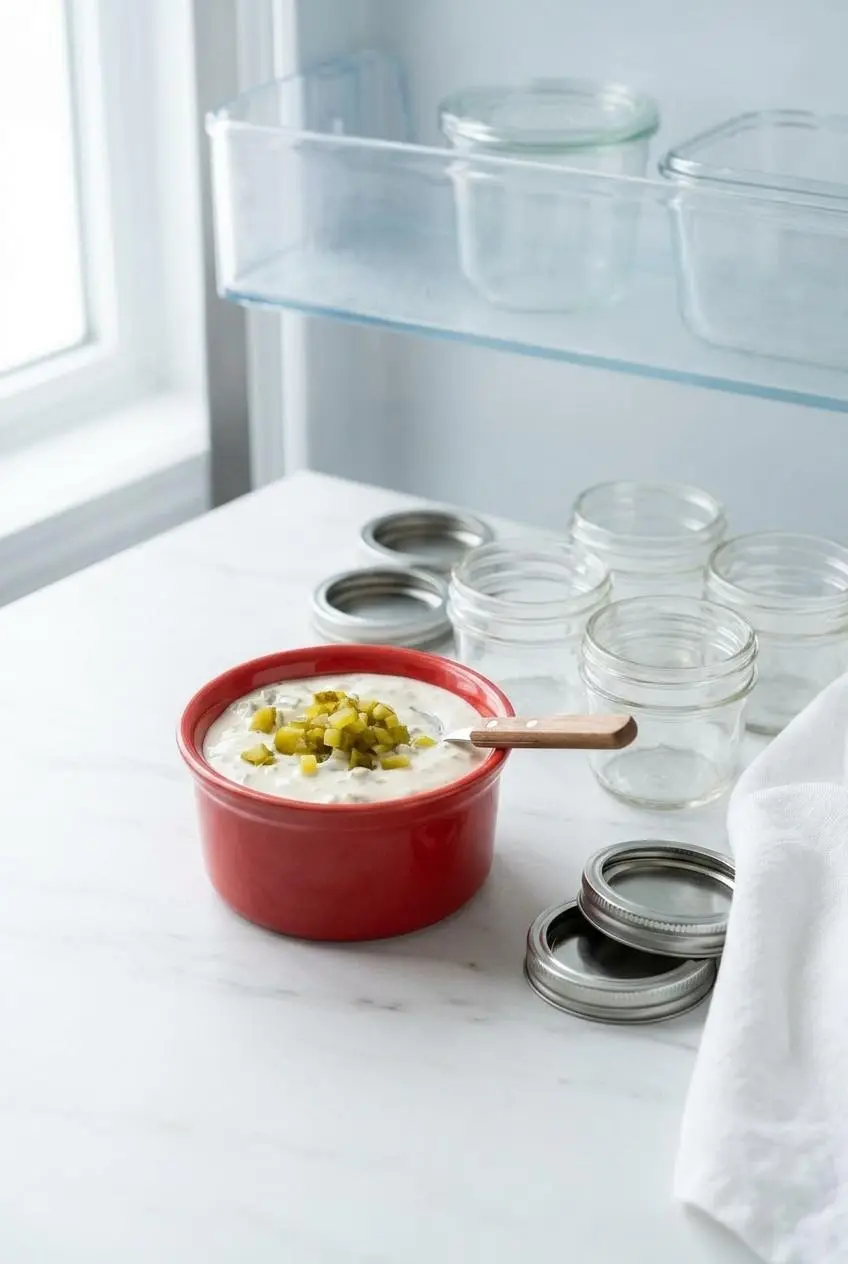
Keep the sauce covered and refrigerated when you’re not serving it. An airtight glass jar protects it from refrigerator odors and makes it easy to stir before use.
Chilling gives the pickle, brine, and lemon flavors a chance to blend. Keep the sauce separate from hot food and crisp coatings until serving, and use a clean spoon rather than dipping used utensils into the storage jar.
There isn’t a verified refrigerator shelf life for this mixture here. Follow the handling directions for your mayonnaise and other ingredients, make a batch sized for your meal, and don’t assign the finished sauce the unopened mayonnaise jar’s expiration date.
Elevate Your Low-Carb Seafood with Fresh Homemade Flavor
Creamy mayonnaise, crisp pickle, and bright lemon turn a seafood meal into something more satisfying. Fine chopping and a careful taste check keep the texture and tang balanced.
Choose unsweetened ingredients, adjust the tartness to your palate, and explore the optional herbs when you want a change. Keep the balance gentle enough to let your main dish shine.
Frequently Asked Questions About Keto Tartar Sauce
Can You Eat Tartar Sauce on a Keto Diet?
It can fit your eating plan, depending on the ingredients, portion, and your carbohydrate goals. Choose unsweetened dill pickles and check mayonnaise and bottled sauce labels rather than assuming all versions are equivalent.
Can I Use Dill Pickle Relish Instead of Whole Pickles?
Yes, unsweetened dill pickle relish is an optional shortcut. Check for added sugar and drain excess liquid so the sauce doesn’t become too thin.
How Do You Fix Tartar Sauce That Is Too Runny?
Stir it first to redistribute any liquid that has pooled. If it remains thin, incorporate more thick mayonnaise gradually and taste again.
How Can I Preserve the Sauce’s Creamy Texture?
Keep it covered and chilled, and stir before serving. Avoid unnecessary extra brine or lemon juice, which can loosen the consistency.
How Long Does Homemade Keto Tartar Sauce Stay Fresh?
No verified storage duration is available for this mixture, so don’t rely on a fixed day count. Keep it refrigerated in a tightly closed container, use clean utensils, and follow the ingredient labels’ handling directions.
Keto Tartar Sauce Recipe

Ingredients
- ½ cup mayonnaise
- 1 medium dill pickle (approx 2 oz)
- 1 Tablespoon pickle juice
- 2 teaspoons lemon juice
Instructions
- Cut the dill pickle into tiny, evenly sized bits. A fine dice distributes the crunch throughout the sauce rather than leaving large chunks.
- Combine the mayonnaise, pickle juice, lemon juice, and diced pickle in a bowl, stirring until evenly blended. The mixture should look creamy, with no separate streaks of mayonnaise or puddles of liquid.
- Sample a spoonful and adjust the balance to suit your taste using the listed ingredients. A balanced bite tastes tangy and savory while still letting the creamy mayonnaise come through.