Skip to content
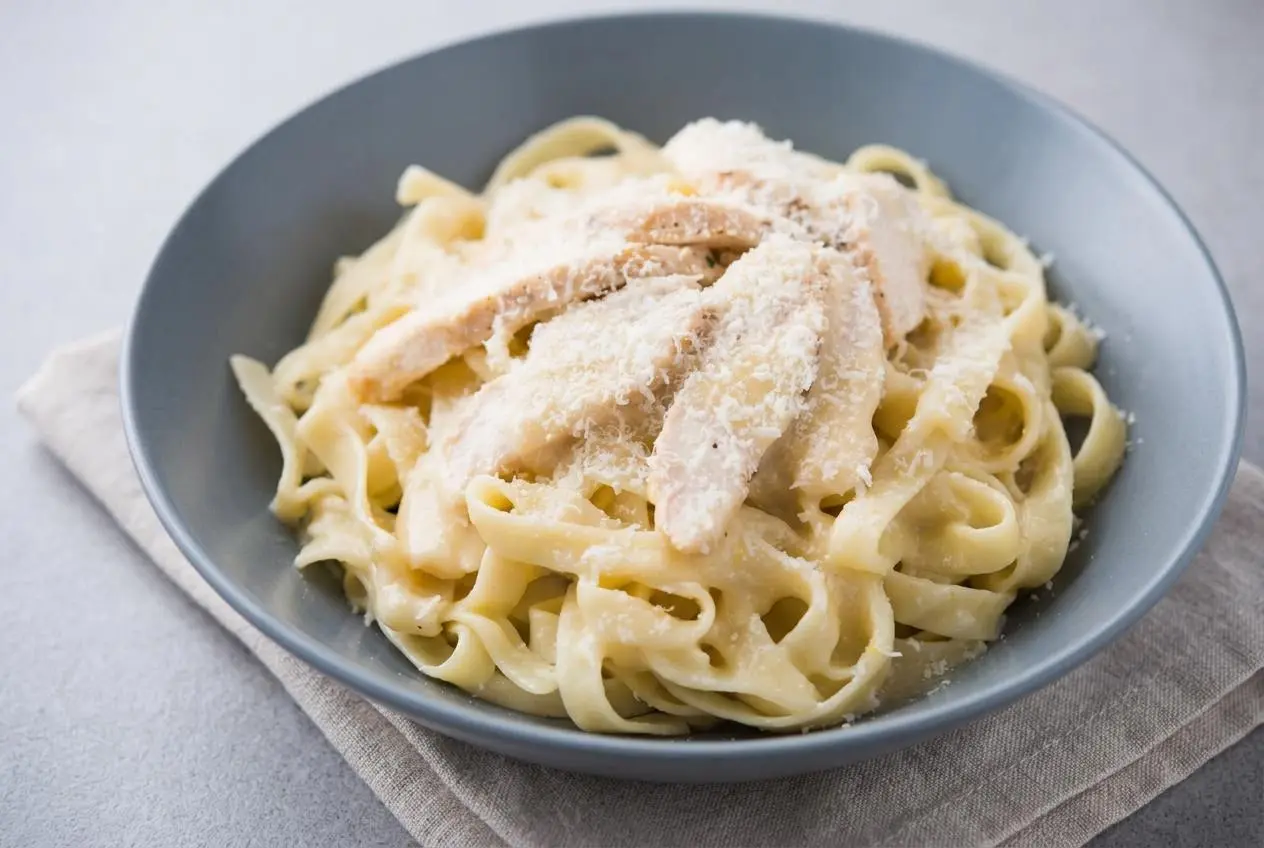
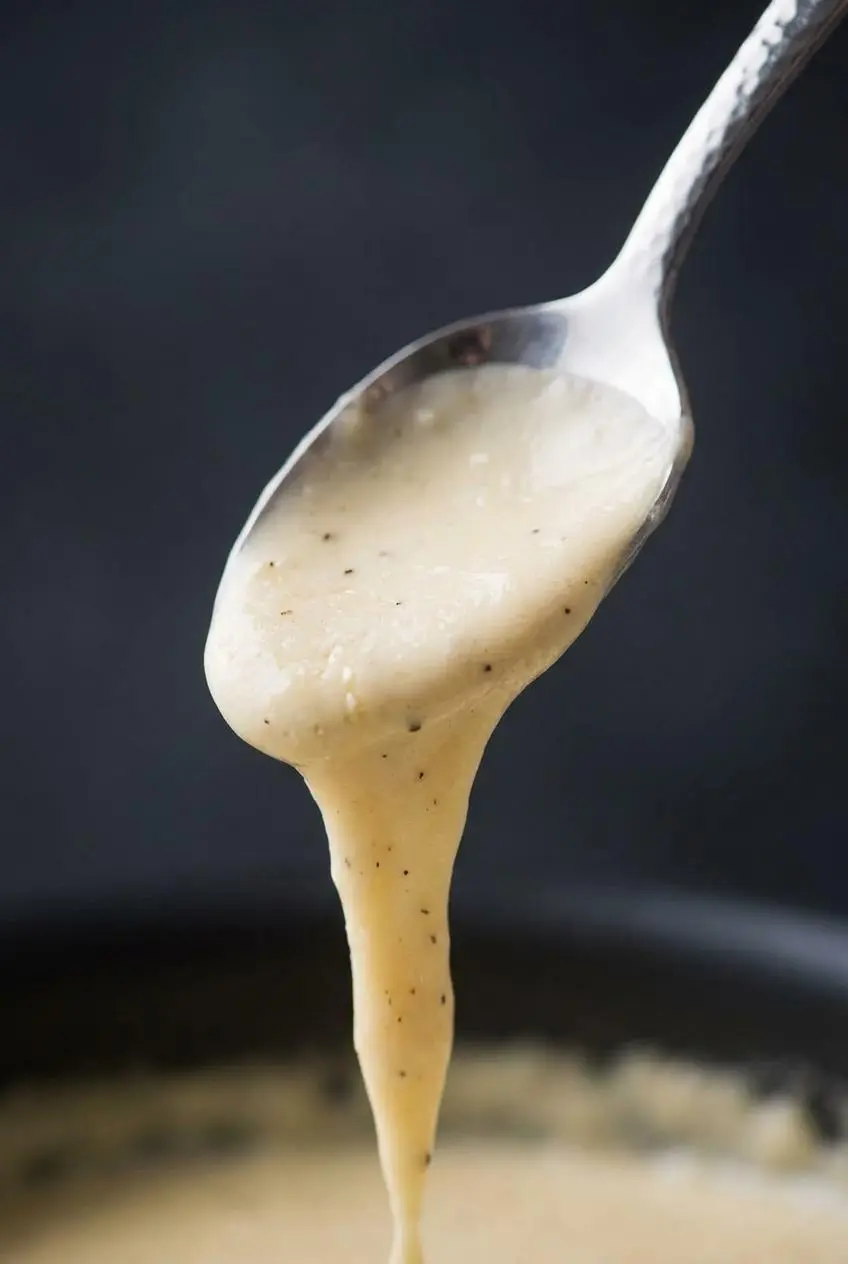
Make keto Alfredo sauce by melting butter with garlic, incorporating cream cheese, then stirring in heavy cream, Parmesan, salt, and pepper. A gentle simmer thickens it without flour. Look for a glossy sauce that coats a spoon rather than a rapidly bubbling pot.
This keto alfredo sauce recipe makes a rich, garlic-kissed topping for vegetable noodles, chicken, or broccoli. Cream cheese gives it body, while Parmesan adds the savory flavor that makes Alfredo so satisfying.
You don’t need a complicated technique, but you do need to watch the heat. Steady stirring helps the dairy come together without oily patches or stubborn lumps. The trick is in the simmer.
Grate the Parmesan before turning on the burner so you can keep stirring once the dairy goes into the pan.
Essential Ingredients for Homemade Keto Alfredo
Butter carries the garlic flavor, cream provides richness, and cream cheese gives the sauce body. Parmesan adds savory depth and thickening power, while salt and pepper balance the dairy.
- 2 T Butter
- 1/2 T Garlic Powder (or 1 T Crushed Garlic)
- 1/4 tsp. Salt
- 1/8 tsp. Pepper
- 3 oz Cream Cheese
- 1 cup Heavy Cream
- 1/2 cup Parmesan
Butter and heavy cream supply the fat and liquid that form the sauce. Cream cheese helps them blend into a thick, cohesive mixture, making this version more forgiving than a sauce made with hard cheese alone. Stir until the cream cheese disappears into the butter before introducing the remaining ingredients.
Freshly grate Parmesan from a wedge, preferably using the fine side of a grater. Smaller shreds incorporate more readily. Packaged grated cheeses vary, but anti-caking ingredients can interfere with smooth melting and leave a sandy texture.
Garlic powder distributes evenly and gives a rounded garlic flavor. The crushed garlic option brings a fresher, more pronounced aroma. With either choice, keep the butter from browning aggressively; you want fragrant garlic, not a bitter toasted edge.
I prefer finely grated Parmesan here because it blends into the cream without leaving large strands for the whisk to chase.
How to Make Keto Alfredo Sauce
Keep the pan within easy reach and stir throughout cooking. A heavy-bottomed saucepan or skillet helps distribute heat, but watching the bubbling matters more than the pan you choose.
Prep: 5 minutes. Cook: 15 minutes. Total: 20 minutes. Servings: 4.
- Place the butter and your chosen garlic in a pan over medium heat, stirring as the butter liquefies.
The garlic should smell fragrant without developing dark brown spots. - Work the cream cheese into the warm butter with steady stirring until no pieces remain.
The mixture should look cohesive, with no pale lumps clinging to the spoon or whisk. - Stir the heavy cream, Parmesan, salt, and pepper into the cream cheese mixture until evenly blended.
Look for a uniform sauce without visible cheese shreds or pockets of seasoning. - Maintain a gentle simmer for 5–10 minutes, stirring continuously and adjusting the heat as needed.
The finished sauce should feel slightly more resistant to stirring and leave an even coating on a spoon.
A gentle simmer means small bubbles, not a rolling boil. Sweep the utensil across the bottom and into the corners of the pan, where cheese can collect. If the sauce begins bubbling vigorously, lower the heat rather than trying to stir faster.
Stop reducing when the sauce coats a spoon but still flows easily. Alfredo firms up as it loses heat, so a sauce that looks stiff in the pan may become too thick by the time it reaches the plate.
Understanding Alfredo Sauce on a Low-Carb Diet
Alfredo doesn’t need flour or cornstarch to develop body. Melted cheese and gentle reduction provide thickness, while stirring helps distribute the fat through the dairy liquid.
This homemade version contains no added flour, cornstarch, or sugar. Whether it fits your keto eating plan depends on your portion, the dairy products you use, and the rest of the meal. A flour-free sauce isn’t automatically carbohydrate-free.
Jarred Alfredo formulas differ. Check both the ingredient list and the carbohydrate amount for the labeled serving rather than assuming every cream-based sauce is interchangeable. Some products include starch thickeners or other additions that this homemade version doesn’t require.
Troubleshooting Common Sauce Textures and Separation
Before adding more cheese or liquid, check the heat. Texture problems often start with overheating, and extra ingredients won’t correct that on their own.
How to Fix a Split or Oily Sauce
- Oily pools on top: Excessive heat can disrupt the mixture. Move the pan off the burner and whisk steadily as the aggressive bubbling subsides.
- The sauce still looks separated: Whisk in a small splash of heavy cream, then return the pan to gentle heat only if needed. This may help bring the fat and liquid back together, though a badly broken sauce may not fully recover.
Preventing Grittiness from Overheated Cheese
- Graininess after a hard boil: Overheated cheese proteins can tighten and clump. Lower the heat immediately; continuing to boil won’t melt those curds smooth.
- A sandy texture despite gentle cooking: Packaged grated Parmesan or coarse shreds may contribute. Use finely grated cheese from a wedge next time and stir thoroughly as it incorporates.
Distinguish cream cheese lumps from gritty hard cheese. Soft lumps early in cooking usually need more gentle stirring before you add the remaining dairy.
Adjusting Sauce Thickness Naturally
- Too thin in the pan: Continue the gentle simmer within the recipe’s cooking range, stirring constantly. Check the spoon coating before making further adjustments.
- Too thick to toss: Stir in a small splash of heavy cream and reassess before adding more. Aim for flowing and creamy, not stiff.
- Watery after adding noodles: Excess moisture from the serving base is likely the problem. Drain and dry the noodles separately rather than boiling the combined dish harder.
Best Low-Carb Bases and Serving Pairings
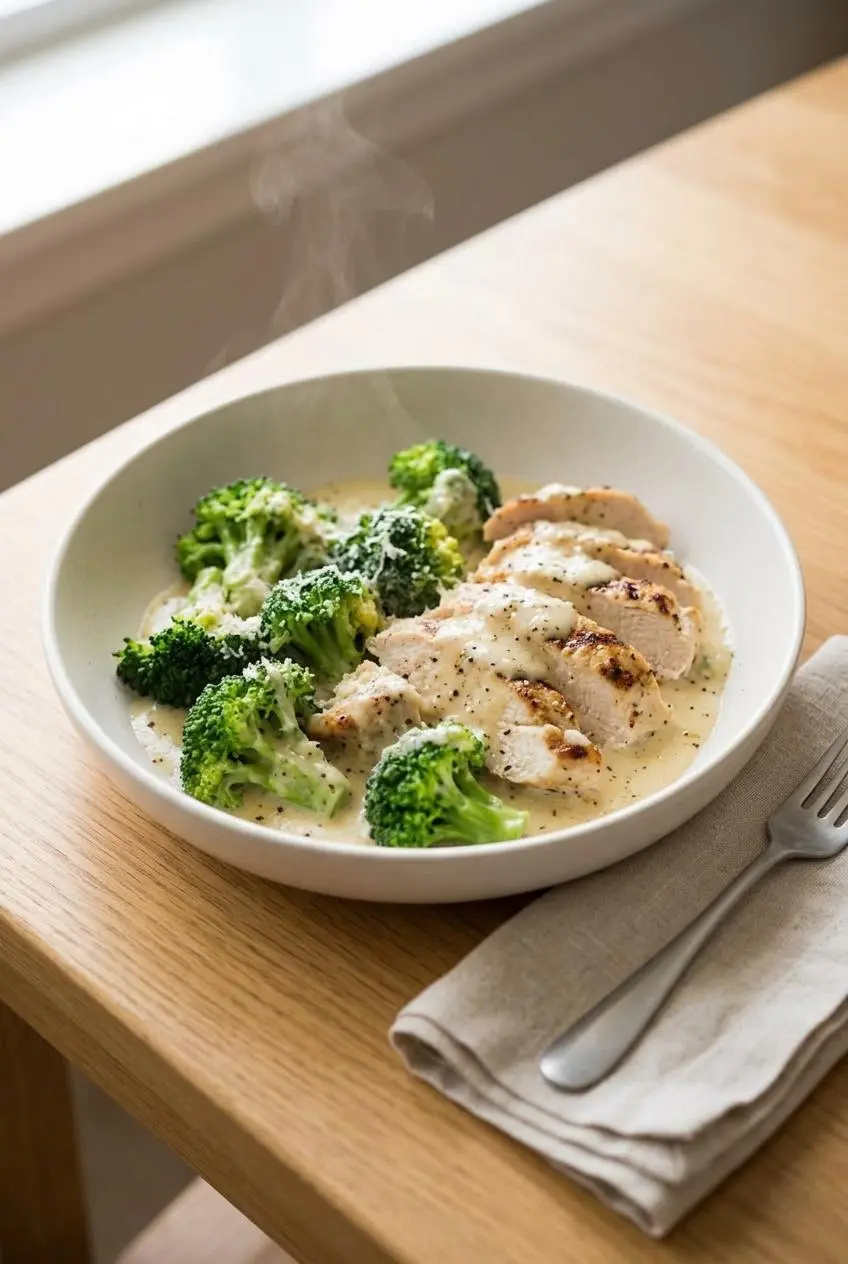
A well-drained serving base lets the sauce cling instead of sliding into a puddle at the bottom of the bowl.
Preparing Zucchini Noodles Without Excess Water
Lightly salt zucchini noodles to draw out surface moisture, then blot them thoroughly with clean towels. If you cook them, drain any released liquid and pat them dry again before tossing with Alfredo.
Avoid holding zucchini noodles in the hot sauce while you finish the rest of dinner. They continue releasing moisture. Combine them when you’re ready to serve, and use enough sauce to coat rather than submerge them.
Working with Shirataki and Hearts of Palm Pasta
Follow the package preparation directions, including rinsing where directed, then drain thoroughly. Toss shirataki in a dry pan to evaporate excess packing moisture before introducing the sauce.
Hearts of palm noodles also benefit from thorough draining and gentle dry-pan warming. Handle them carefully to preserve their strands. For another noodle-style option, try homemade keto pasta.
Savory Protein and Roasted Vegetable Pairings
- Grilled poultry: Spoon Alfredo over sliced, fully cooked chicken breast for a rich main dish.
- Seafood: Pair with cooked shrimp or mild fish, letting the garlic and Parmesan provide the seasoning.
- Vegetables: Serve over roasted cauliflower or broccoli, or drain steamed broccoli well before adding sauce.
Keto Alfredo Flavor and Texture Variations
Keep these additions optional and separate from the ingredient list above. Each changes the character of the sauce, so choose the direction that suits your meal.
Nutmeg and Herb Aromatic Variation
Nutmeg adds a warm background aroma that complements the dairy. Keep it subtle so it doesn’t overshadow the Parmesan. Cracked black pepper gives a sharper contrast, while fresh basil adds a brighter herbal finish.
Whipped Cottage Cheese Variation
A cottage cheese version takes the sauce in a tangier, less buttery direction. Smoothly blended cottage cheese differs from cream cheese in moisture and texture, so it isn’t a dependable direct swap in this method. Treat it as a separate variation rather than replacing cream cheese and expecting identical results.
Garlic-Herb Infused Alfredo
Italian seasoning creates a dried-herb profile, while fresh basil tastes lighter and more aromatic. Roasted garlic is another optional direction for a mellow, sweeter garlic flavor. These choices work best as accents; the Parmesan should still taste distinct.
Storage and Reheating
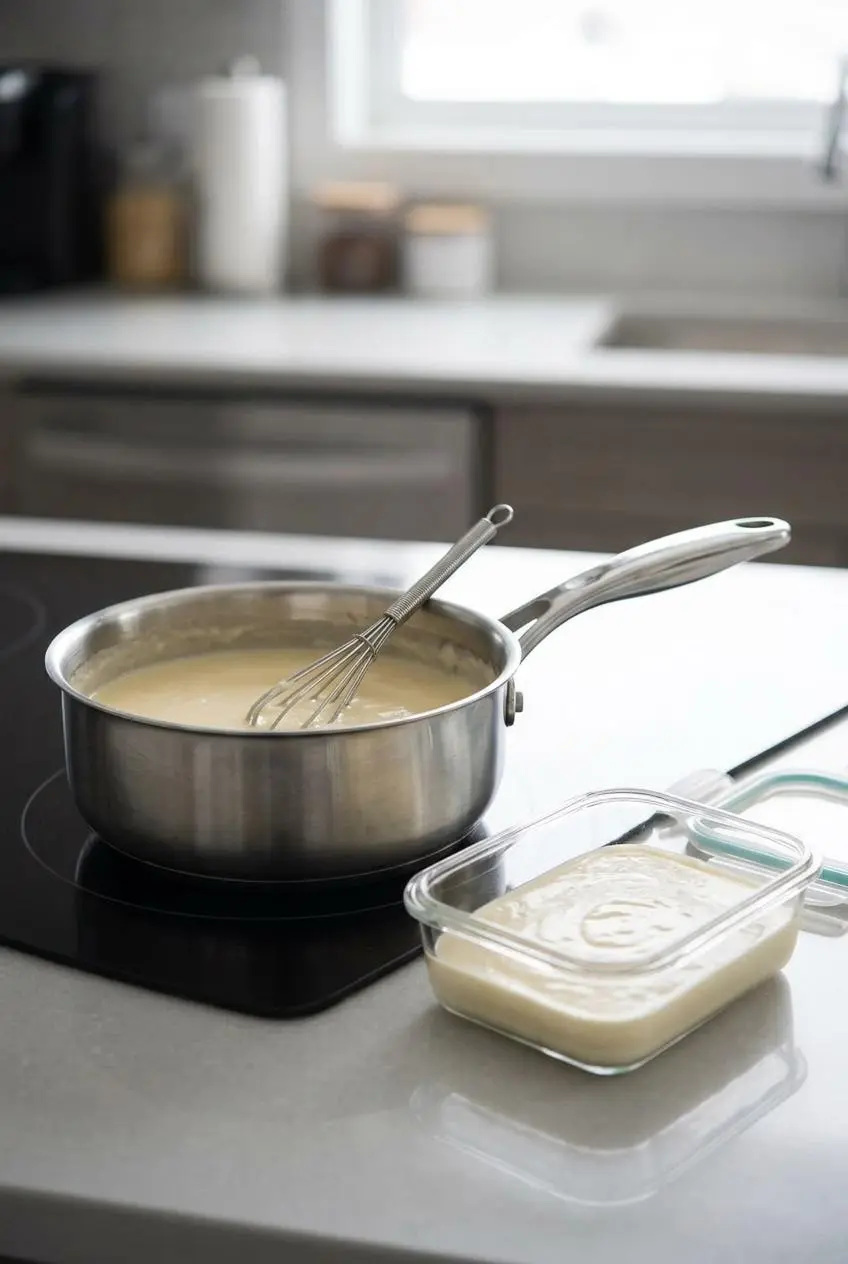
Keep leftover sauce covered and refrigerated in an airtight container. Store it separately from vegetable noodles when possible so their moisture doesn’t dilute it. A glass container makes it easy to see the sauce’s consistency.
For reheating, use a small saucepan over low heat and whisk as the chilled sauce loosens. Add a small splash of heavy cream if it seems stiff. Chilled Alfredo can look unusually thick, so give it time to warm gently before deciding it needs more liquid.
Avoid hard boiling or high-power microwave heating, which can create hot spots and encourage separation. Warm only the portion you plan to serve, and prepare the drained noodles or vegetables separately before combining them with the sauce.
Key Takeaways for Velvety Keto Alfredo
Freshly grated Parmesan, fully incorporated cream cheese, and a gentle simmer give this sauce its best chance at a glossy finish. Watch the spoon coating rather than chasing extra thickness.
This is a quick stovetop sauce that rewards a little attention. Dry your serving base, keep the heat controlled, and bring it to the table while it still flows beautifully.
Frequently Asked Questions About Keto Alfredo
Can I Have Alfredo Sauce on Keto?
Yes, this flour-free homemade version can fit a keto eating plan, depending on your portion and the rest of your meal. Check labels on jarred sauces and dairy products rather than assuming all Alfredo formulas have the same carbohydrate content.
How Do You Thicken Alfredo Sauce Without Flour?
Cream cheese and melted Parmesan provide body, while gentle simmering reduces the liquid. Stir continuously and stop when the sauce coats a spoon; hard boiling isn’t necessary.
Why Did My Keto Alfredo Sauce Separate and Turn Oily?
Excessive heat is a common cause of fat separating from the dairy mixture. Take the pan off the heat, whisk steadily, and try a small splash of heavy cream if needed.
How Should I Reheat Leftover Alfredo Sauce So It Stays Smooth?
Warm it gently over low stovetop heat, whisking as it loosens. Add a small splash of heavy cream if needed, and avoid bringing it to a hard boil.
What Are the Best Low-Carb Noodles to Serve With Alfredo?
Zucchini noodles, shirataki, and hearts of palm pasta are useful options; check packaged products against your eating plan. Drain and dry them thoroughly before tossing so excess moisture doesn’t thin the sauce.
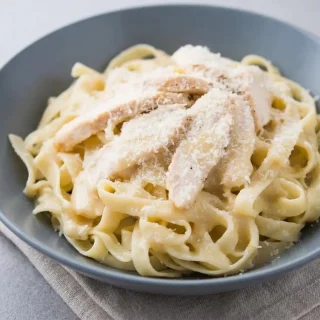
Keto Alfredo Sauce Recipe

Equipment
- Saucepan
- Whisk
Ingredients
- 2 T Butter
- 1/2 T Garlic Powder or 1 T Crushed Garlic
- 1/4 tsp. Salt
- 1/8 tsp. Pepper
- 3 oz Cream Cheese
- 1 cup Heavy Cream
- 1/2 cup Parmesan
Instructions
- Place the butter and your chosen garlic in a pan over medium heat, stirring as the butter liquefies. The garlic should smell fragrant without developing dark brown spots.
- Work the cream cheese into the warm butter with steady stirring until no pieces remain. The mixture should look cohesive, with no pale lumps clinging to the spoon or whisk.
- Stir the heavy cream, Parmesan, salt, and pepper into the cream cheese mixture until evenly blended. Look for a uniform sauce without visible cheese shreds or pockets of seasoning.
- Maintain a gentle simmer for 5–10 minutes, stirring continuously and adjusting the heat as needed. The finished sauce should feel slightly more resistant to stirring and leave an even coating on a spoon.