Skip to content
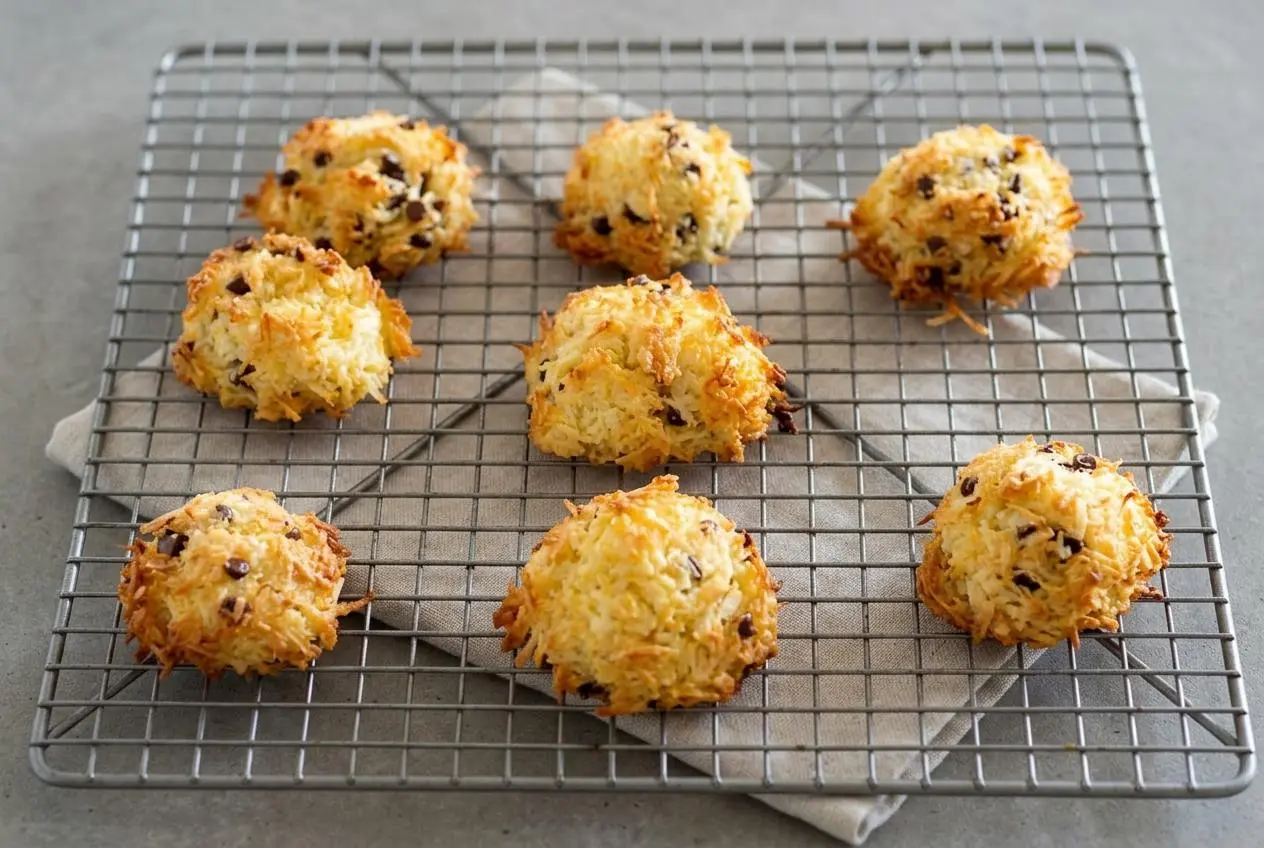
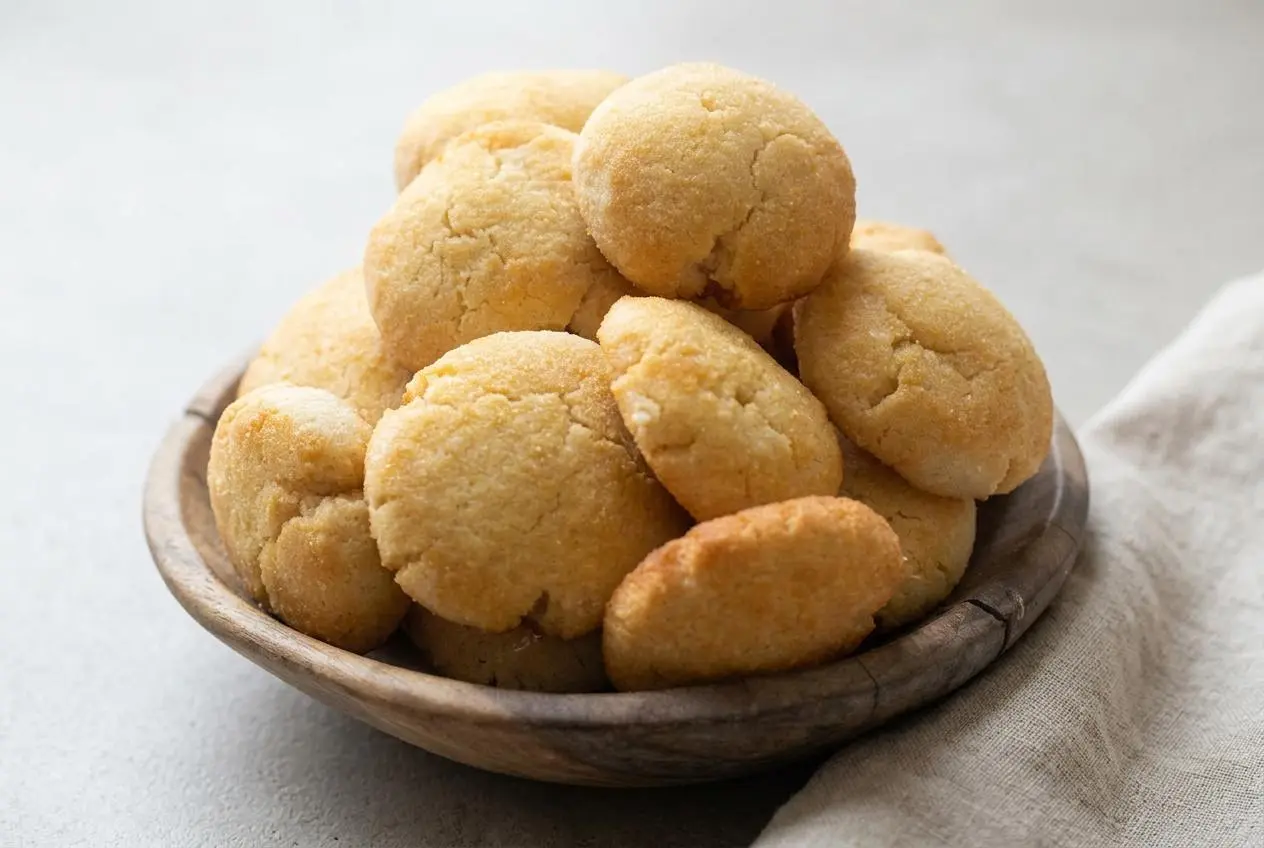
Keto coconut cookies are chewy, grain-free treats made with shredded coconut, eggs, coconut oil, erythritol, and dark chocolate chips. Shape the dough before baking, then let the cookies cool on the pan for a sturdy golden finish.
These cookies lean into a macaroon-like texture, with toasted coconut around the edges and little pockets of dark chocolate throughout. They are pleasantly chewy rather than cakey.
The main trick is patience after baking. That warm, delicate crumb needs time to settle.
Use finely shredded, unsweetened coconut and make sure the coconut oil is fully melted before mixing so it coats the shreds evenly.
Key Ingredients for Perfect Coconut Cookies
Each ingredient supports the cookie’s structure, chew, sweetness, aroma, or richness, creating coconut rounds that hold together without flour.
- 2 1/2 cups shredded coconut
- 1/4 cup Erythritol
- 1/4 teaspoon salt
- 2 eggs (whisked)
- 1/4 cup dark chocolate chips
- 1 tablespoon vanilla
- 1/3 cup coconut oil (melted)
Selecting Unsweetened Shredded Coconut
Fine, unsweetened shredded coconut gives these cookies their dense, chewy structure. Look for soft, narrow shreds rather than large coconut flakes, which can leave gaps in the dough and make the baked cookies more fragile.
Desiccated coconut is usually much finer and drier than shredded coconut, so it can change the texture significantly. Coconut flour is different again: it is a highly absorbent powder that needs a completely different amount of liquid and will not create this macaroon-like chew.
Binders and Fats: Eggs and Coconut Oil
The whisked eggs bind the coconut shreds while the melted coconut oil brings richness and helps the dough pack into smooth discs. Mix until the shreds lose their dry appearance and the dough feels evenly coated rather than patchy.
I look for coconut oil that is liquid but not scorching hot, because it blends smoothly through the shreds without making the chocolate chips melt too soon.
Low-Carb Sweeteners and Sugar-Free Chocolate
Erythritol provides sweetness and helps the outside develop a firmer finish as the cookies cool. Dark chocolate chips add contrast to the toasted coconut flavor. Choose chips that suit your preferred low-carb eating plan, since sweetness and ingredient labels vary by brand.
This dough contains no nut flour, which can be useful for households avoiding almond-based baking. Still, check individual package labels carefully when managing allergies or shared equipment.
Step-by-Step Preparation and Baking Method
These cookies keep the shape you give them, so press every portion into an even round before it goes into the oven.
Blending the Dough for Uniform Hydration
Thorough mixing matters because every shred needs a coating of egg and coconut oil. At first, the mixture may look glossy and loose. It should become a thick, scoopable dough with chocolate chips distributed throughout.
Portioning and Hand-Pressing Discs
Use the scoop to keep the cookies evenly sized, then use your hands to flatten each mound to the intended thickness. Thick, uneven pieces can brown around the edge before the center has time to set.
Baking Cues and Oven Management
Watch the outer rim as the cookies bake. The tops should look more matte than the raw dough, and the edges should show golden highlights without becoming deeply dark.
Prep:
- Heat the oven to 350F and cover a large baking sheet with parchment paper.
The parchment helps the delicate cookies release cleanly after they have cooled.
Make the cookies:
- Stir the shredded coconut, erythritol, and salt together in a large bowl, then fold in the whisked eggs, dark chocolate chips, vanilla, and melted coconut oil.
Keep folding until the mixture forms a thick dough with no dry coconut pockets. - Scoop the dough onto the lined baking sheet with a 2 tablespoons cookie scoop.
Leave space between portions so the edges can brown evenly. - Press each portion with your hands into a 1/2-inch thick round.
The dough will stay close to this shape in the oven instead of spreading into wider cookies.
Bake:
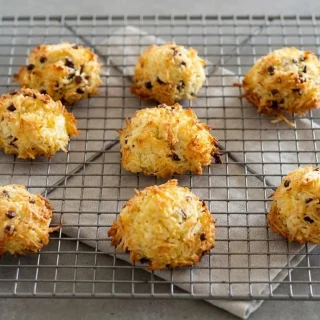
- Bake for 17 minutes, until the tops are golden brown.
Look for a toasted surface and lightly browned edges before removing the pan from the oven. - Leave the cookies on the baking sheet until they reach room temperature before serving.
They firm noticeably as the coconut oil and sweetener set.
Store:
- Place completely cooled leftovers in an airtight container and store for up to a week, or freeze for up to a month.
Separate layers with parchment if stacking so the cookies keep their neat shape.
Troubleshooting Crumbly or Oily Low-Carb Cookies
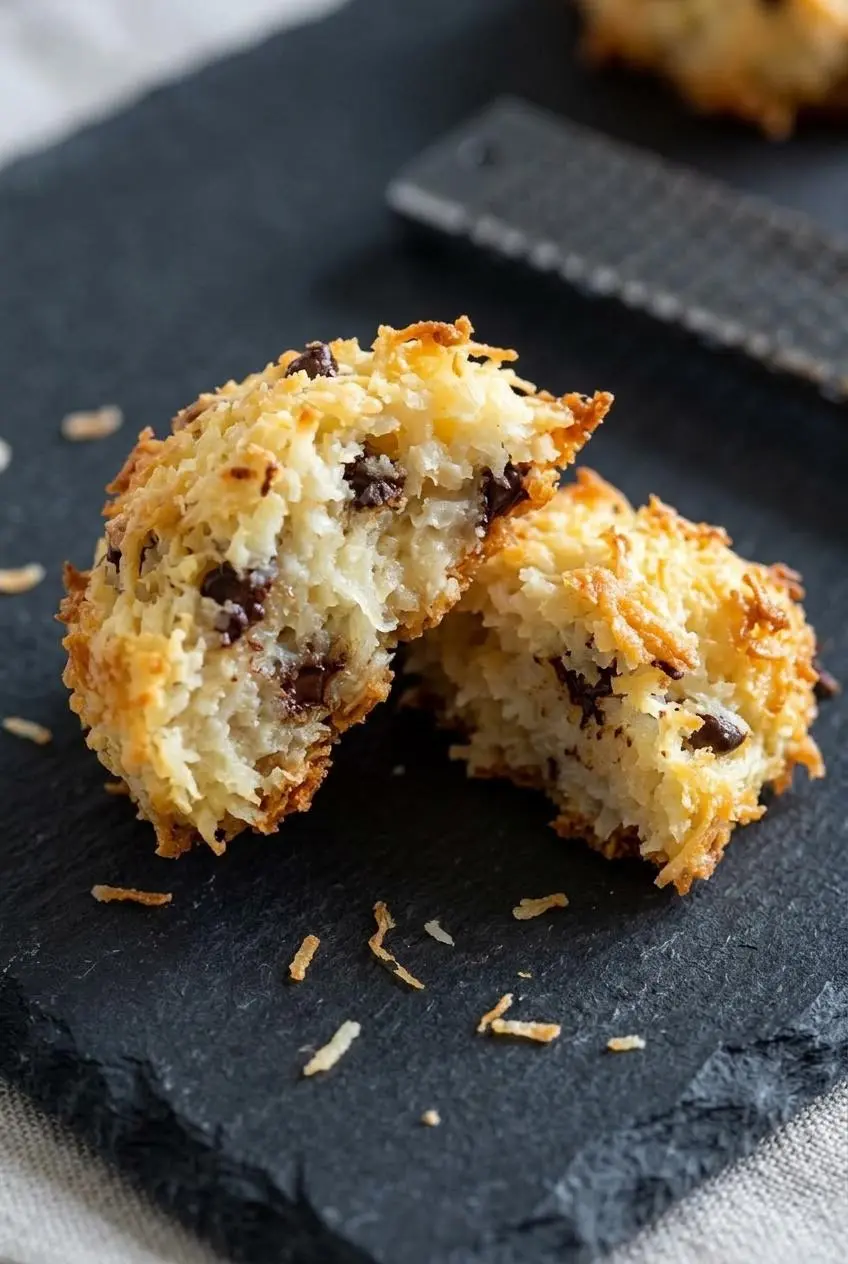
Most texture problems come down to coconut texture, incomplete mixing, or moving the cookies while they are still warm.
- Cookies fall apart when lifted: Let them cool completely on the baking sheet. Warm cookies are soft, and their structure becomes sturdier as the fat and sweetener firm.
- Dough feels crumbly before scooping: Mix longer so the egg and melted coconut oil coat every shred. Very coarse coconut can also make the dough harder to compact.
- Dough feels loose or oily: Keep folding until the coconut absorbs the oil and the mixture holds together when pressed. Avoid replacing the granulated sweetener with liquid syrup, which changes the dough’s moisture balance.
- Edges brown too quickly: Make the rounds uniform in thickness. Thin edges will toast faster than the center.
Creative Flavor and Texture Variations
Once you know the feel of the dough, optional additions can shift the flavor without changing the core coconut character.
Toasted Coconut Flake Cookies
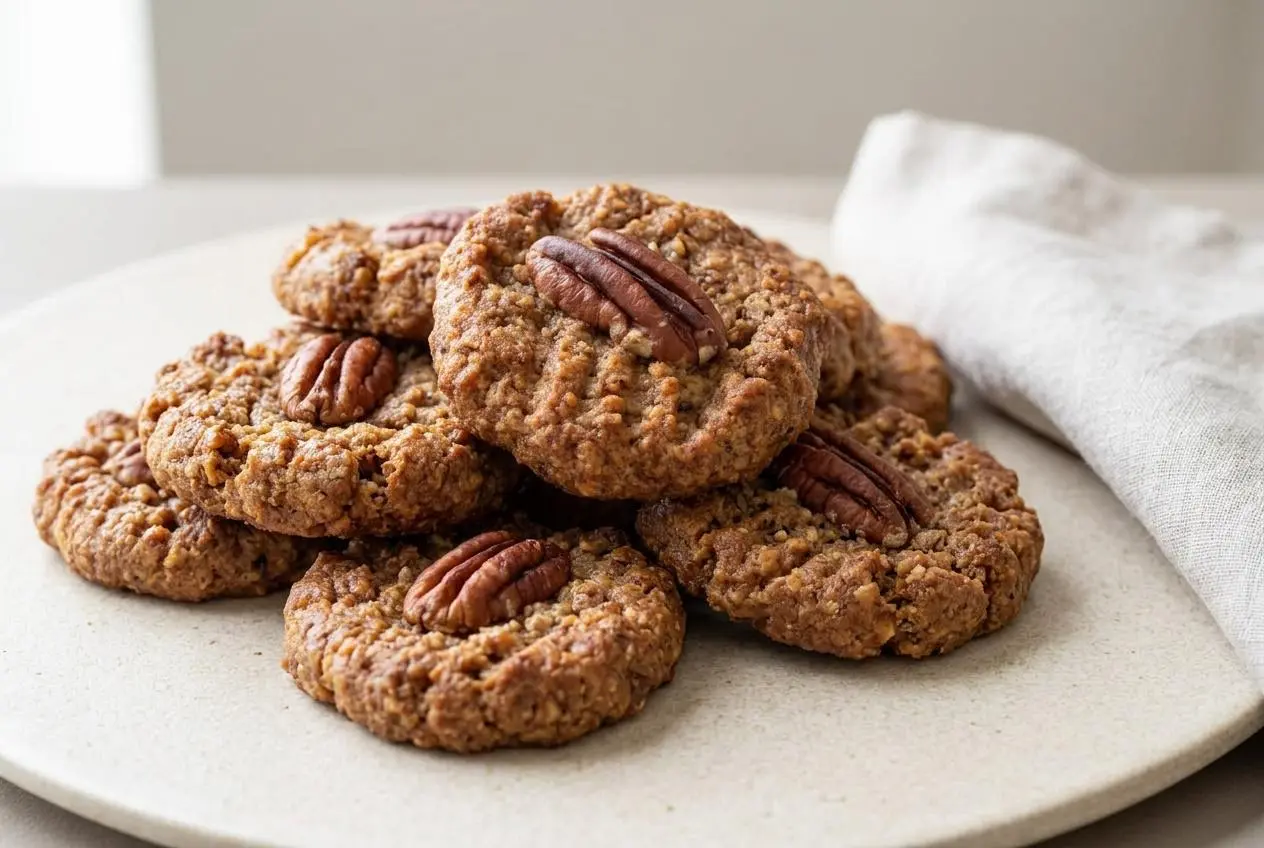
For a deeper, nuttier aroma, lightly toast part of the shredded coconut in a dry skillet, let it cool, then use it in place of part of the coconut called for in the cookie mixture. Keep an eye on it, since coconut can go from golden to too dark quickly.
Cinnamon and Warm Spice Coconut Cookies
Fold cinnamon, nutmeg, or cardamom into the dry coconut mixture for a warmer bakery-style flavor. Citrus zest also works well here, adding a bright lift that plays nicely with dark chocolate.
Nut-Loaded Coconut Crunch Cookies
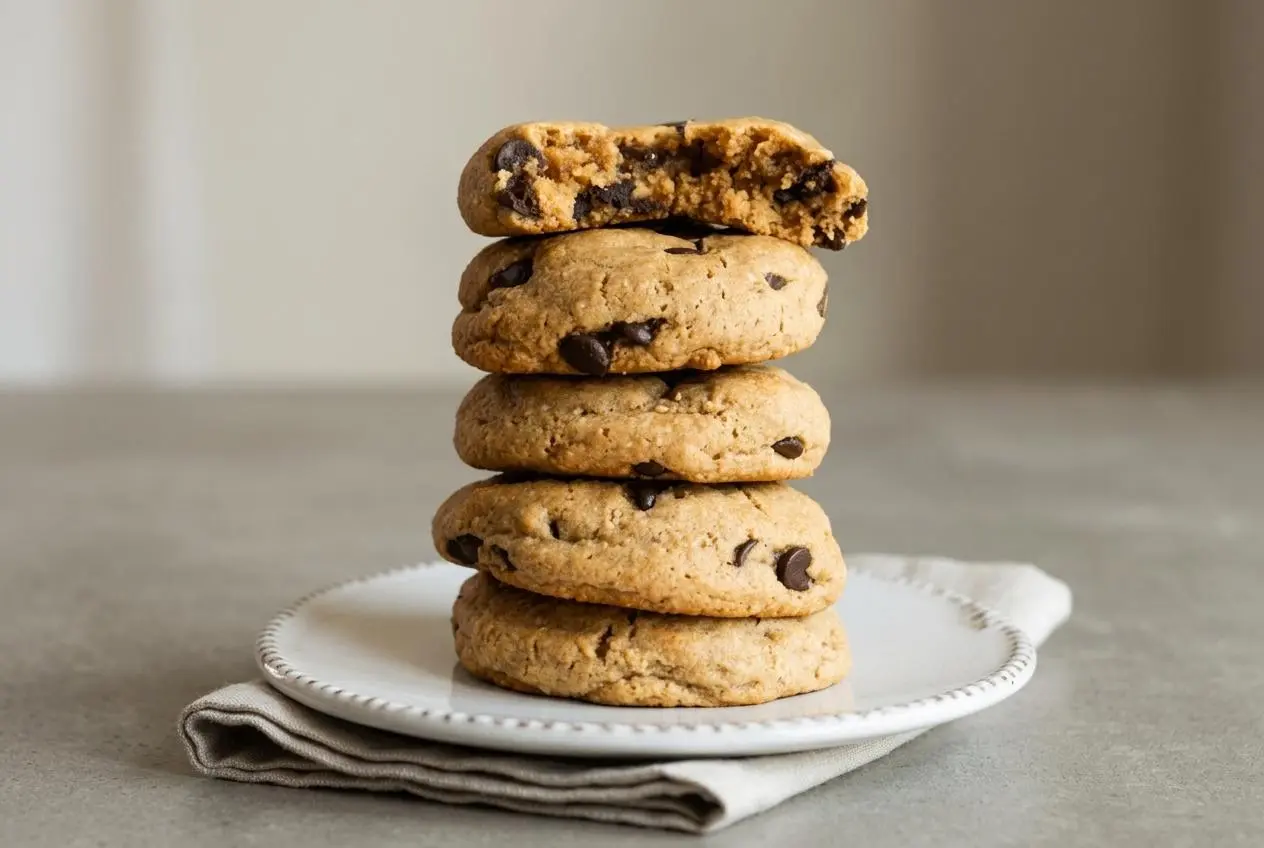
Chopped pecans or walnuts add crunch alongside the chocolate chips, though they make the finished cookies less suitable for nut-free needs. For a different chocolate-focused cookie style, try these keto chocolate chip cookies.
Storage, Freezing, and Freshness Guidelines
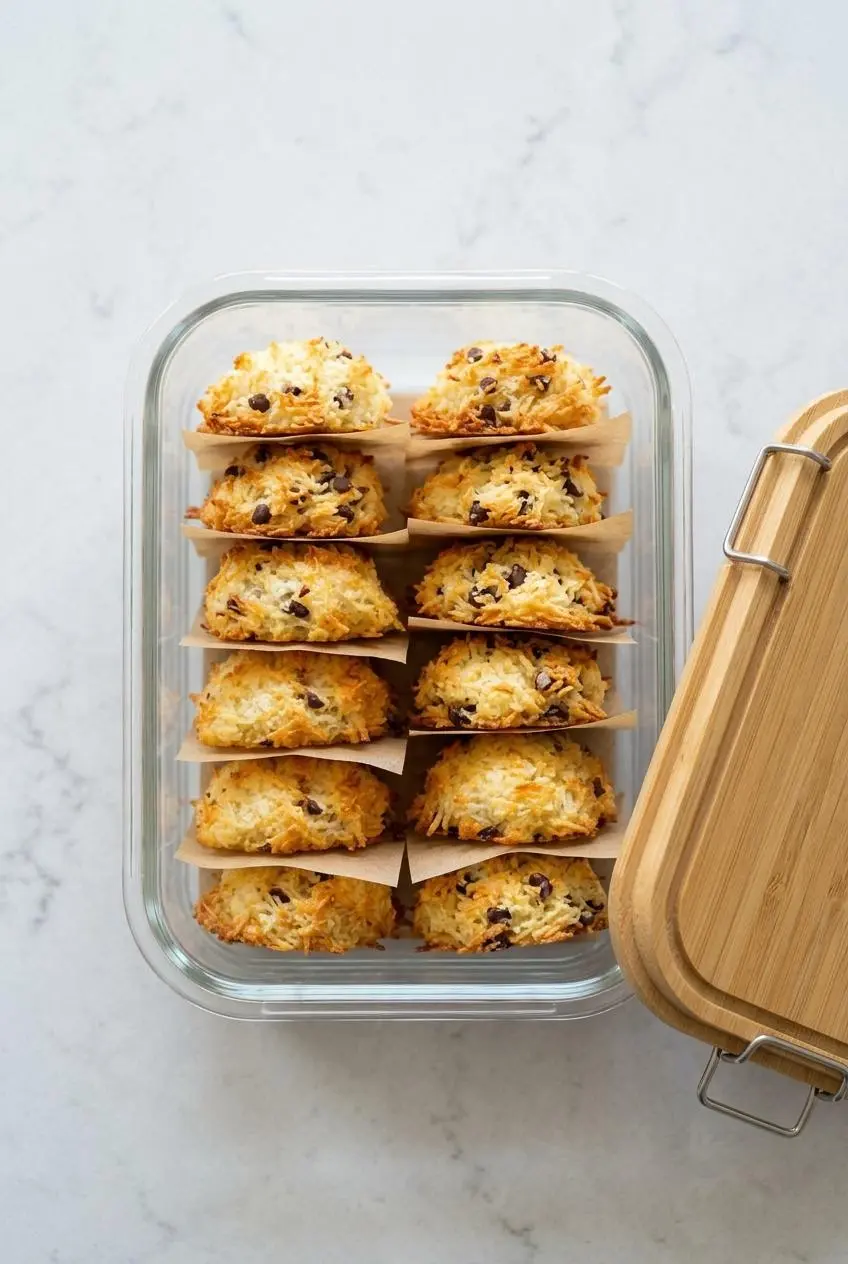
Cool the cookies fully before sealing them, since trapped warmth can soften the toasted exterior. An airtight container protects the coconut from humidity and keeps the cookies easier to handle.
For longer storage, freeze the cooled cookies in a tightly sealed container with parchment between layers. Let them thaw at room temperature while still covered, then uncover once they no longer feel cold to help preserve their tender chew.
Serving Suggestions and Beverage Pairings

These cookies work as an afternoon bite with black coffee, espresso, or unsweetened herbal tea. The gentle bitterness of coffee balances the coconut and chocolate nicely.
- Serve them lightly chilled with a scoop of keto ice cream for a cool, creamy dessert.
- Add a cookie to a plate with sugar-free whipped cream and a few extra chocolate shavings.
- Crumble a cooled cookie over plain Greek yogurt for a coconut-chocolate topping with satisfying texture.
Enjoying Homemade Low-Carb Coconut Cookies
Shredded coconut, eggs, coconut oil, and erythritol come together into cookies with a golden exterior and a chewy center. Pressing the dough into even rounds gives you control over the final texture.
Give the cookies time to cool on the pan before picking them up. Once you have the core method down, subtle spice, toasted coconut, or nutty crunch can keep each batch interesting.
Frequently Asked Questions
Is coconut allowed on a keto diet?
Coconut can fit into some low-carb eating patterns, depending on the product and your personal carbohydrate goals. Choose unsweetened shredded coconut and check package labels, especially for added sugar.
Why are my keto coconut cookies falling apart?
They are likely being handled while still warm, before the eggs, coconut oil, and erythritol have fully set. Leave the cookies on the baking sheet until they reach room temperature, then lift them gently.
Can I replace shredded coconut with coconut flour in this recipe?
No. Shredded coconut creates the chewy body of these cookies, while coconut flour is a dry, absorbent powder. Swapping it directly would make the dough behave very differently and would require a separate formula.
Do these coconut cookies spread while baking?
No, the dough stays close to the shape you form. Use the scoop for even portions and press each one into a 1/2-inch thick round before baking.
Can keto coconut cookies be frozen for meal prep?
Yes. Freeze the cookies after they have cooled completely, using parchment between layers in an airtight container. Thaw them covered at room temperature to help maintain their chewy texture.
Keto Coconut Cookies

Ingredients
- 2 1/2 cups shredded coconut
- 1/4 cup Erythritol
- 1/4 teaspoon salt
- 2 eggs (whisked)
- 1/4 cup dark chocolate chips
- 1 tablespoon vanilla
- 1/3 cup coconut oil (melted)
Instructions
Prep:
- Heat the oven to 350F and cover a large baking sheet with parchment paper. The parchment helps the delicate cookies release cleanly after they have cooled.
Make the cookies:
- Stir the shredded coconut, erythritol, and salt together in a large bowl, then fold in the whisked eggs, dark chocolate chips, vanilla, and melted coconut oil. Keep folding until the mixture forms a thick dough with no dry coconut pockets.
- Scoop the dough onto the lined baking sheet with a 2 tablespoons cookie scoop. Leave space between portions so the edges can brown evenly.
- Press each portion with your hands into a 1/2-inch thick round. The dough will stay close to this shape in the oven instead of spreading into wider cookies.
Bake:
- Bake for 17 minutes, until the tops are golden brown. Look for a toasted surface and lightly browned edges before removing the pan from the oven.
- Leave the cookies on the baking sheet until they reach room temperature before serving. They firm noticeably as the coconut oil and sweetener set.
Store:
- Place completely cooled leftovers in an airtight container and store for up to a week, or freeze for up to a month. Separate layers with parchment if stacking so the cookies keep their neat shape.