Skip to content
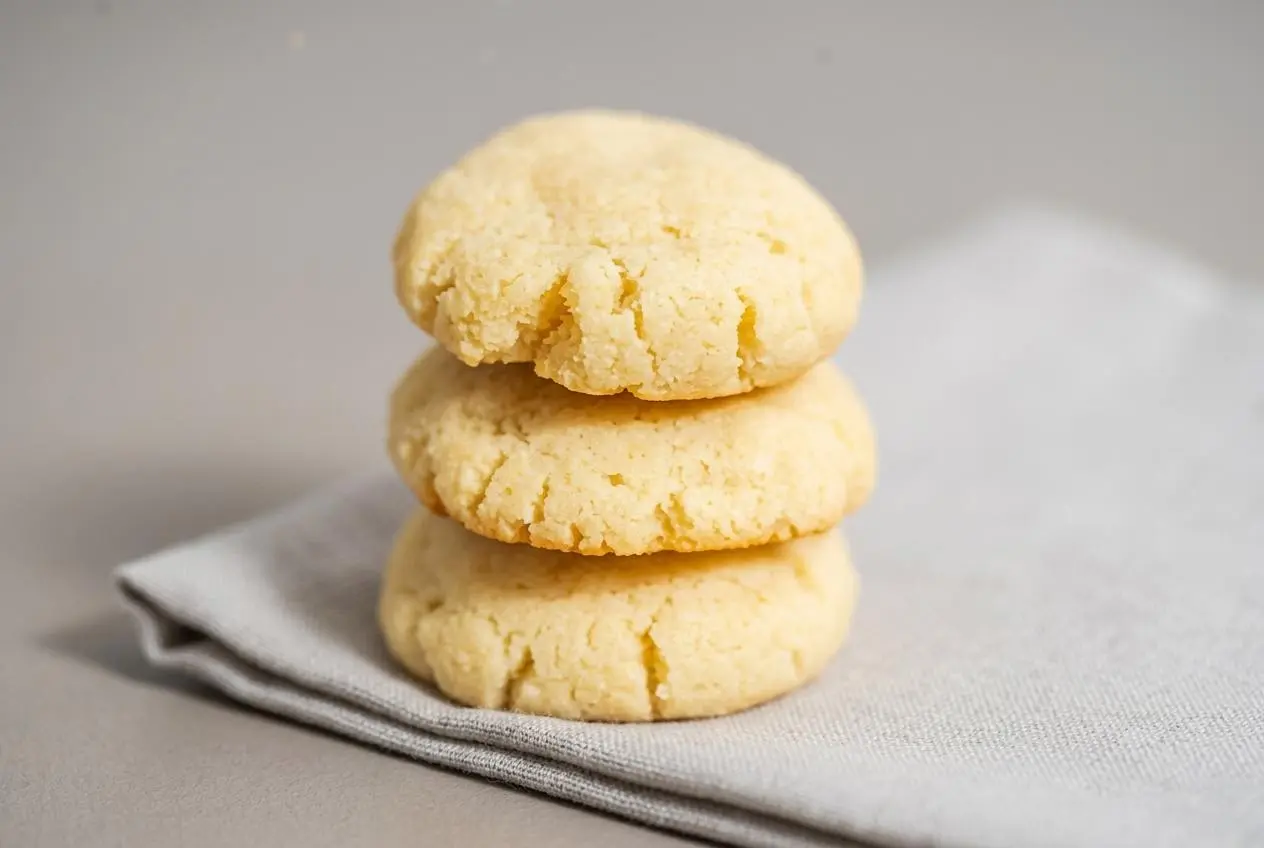
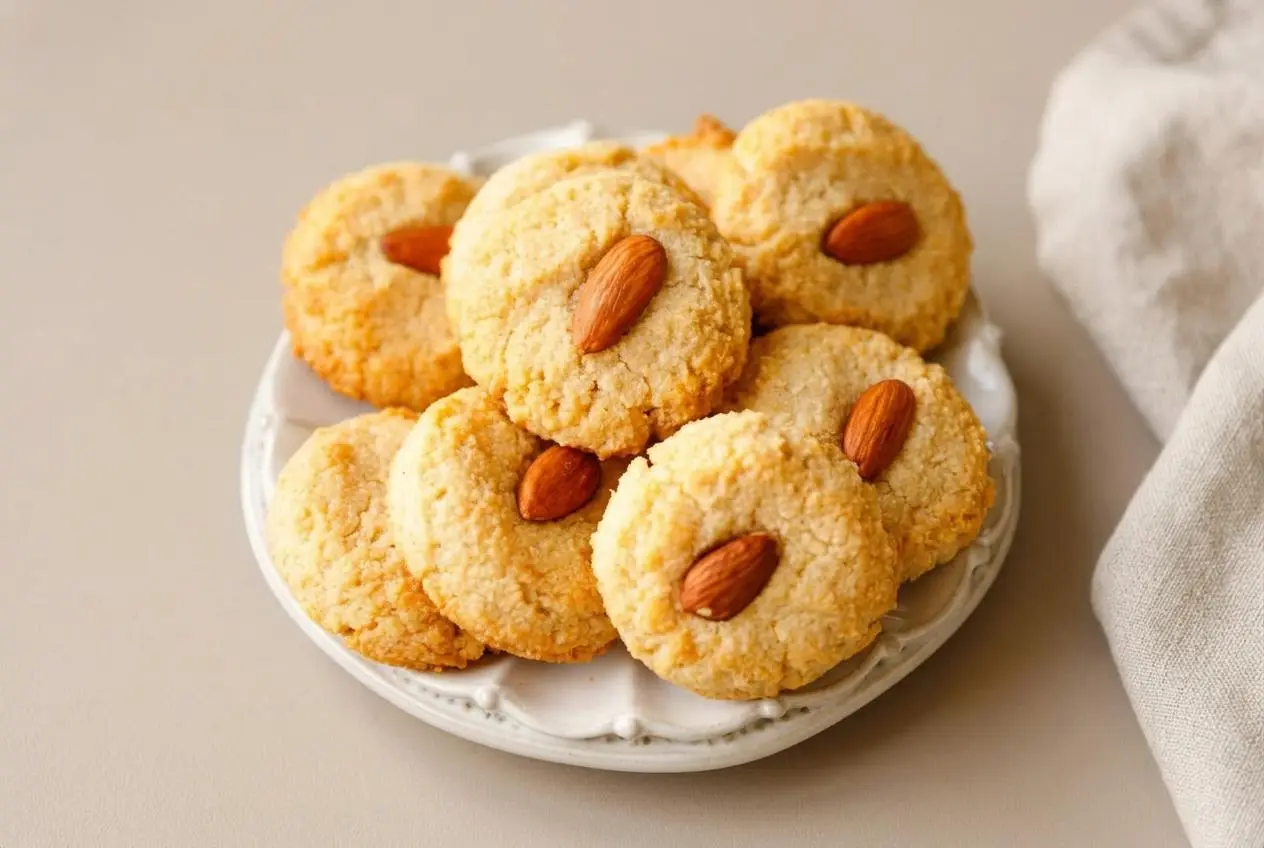
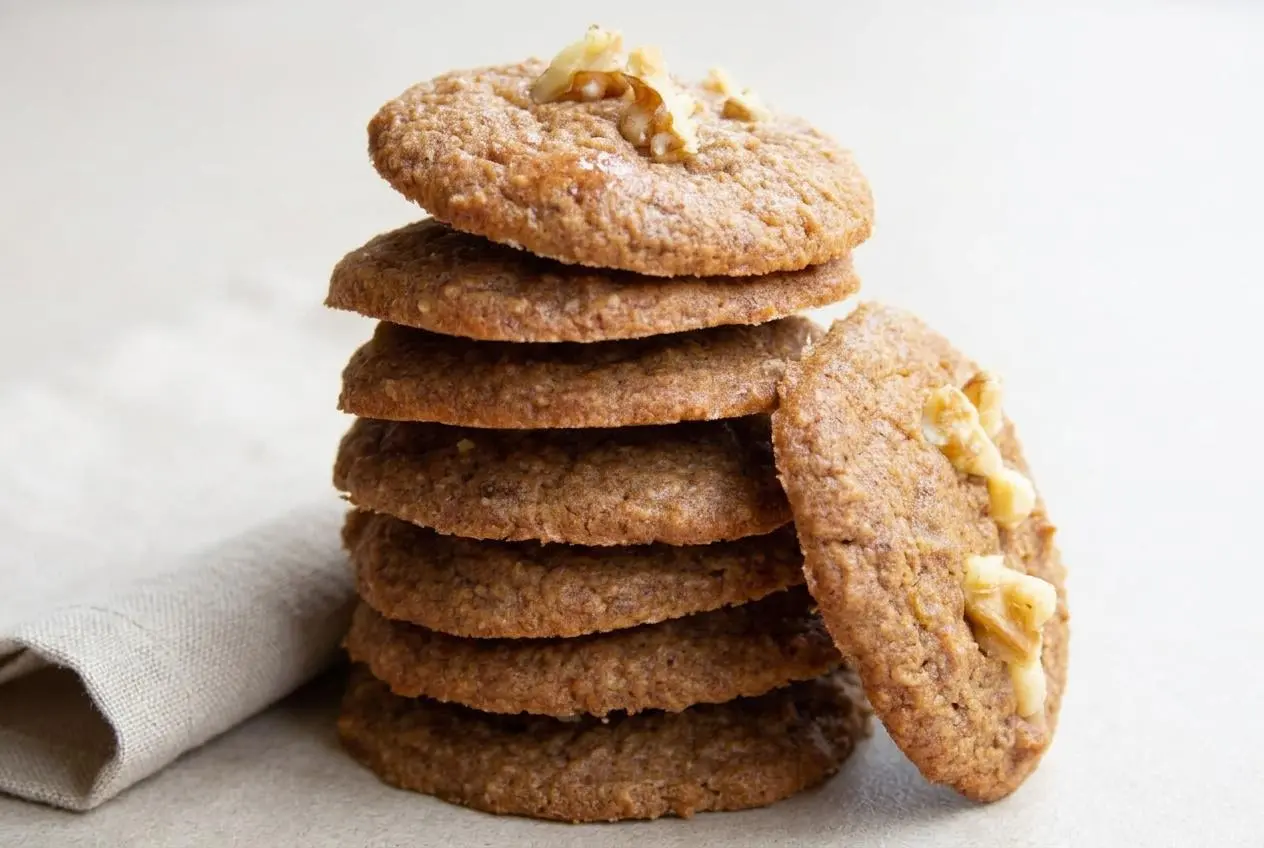
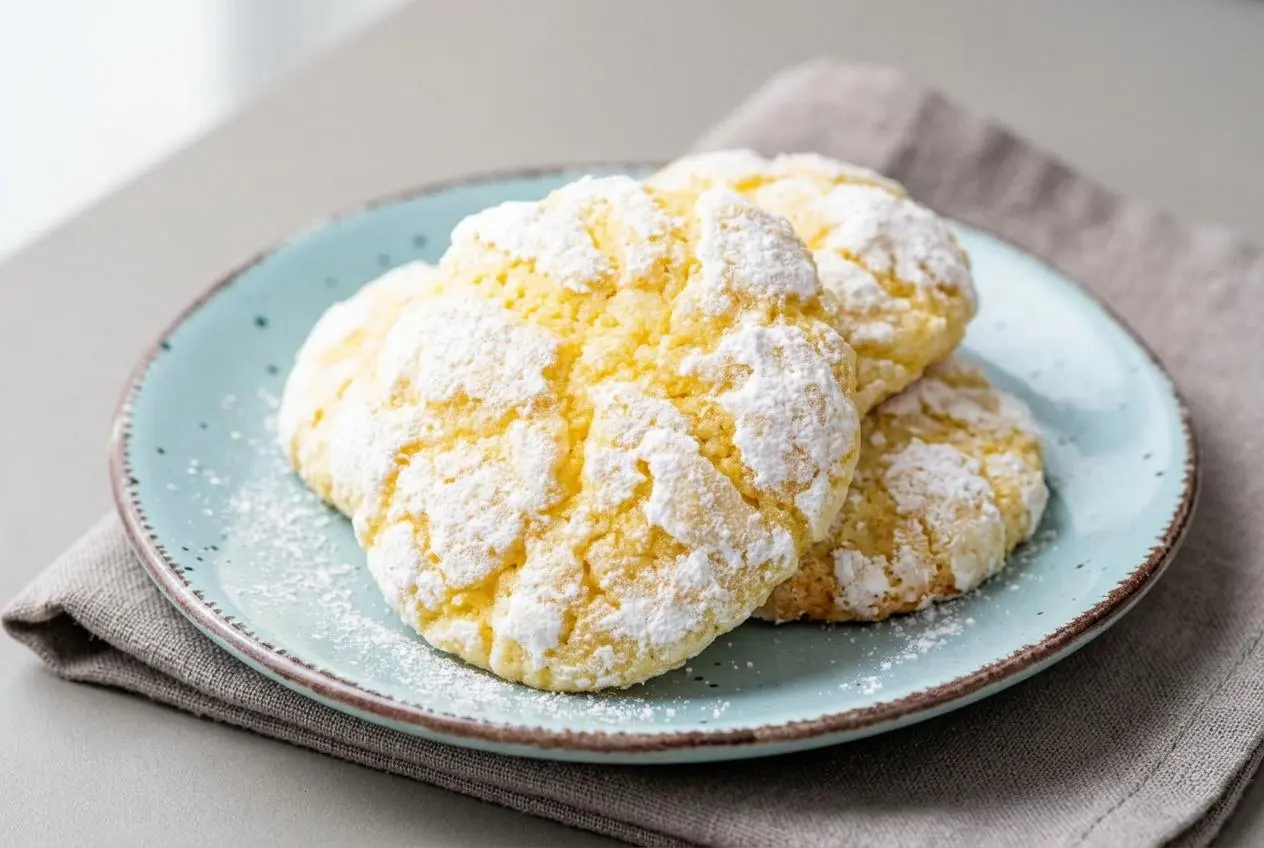
This keto cream cheese cookies recipe makes tender, pillowy low-carb cookies with a rich buttery taste and a lightly tangy crumb. Shape the dough into discs before baking, then let the cookies cool completely so they firm up without losing their soft center.
These cookies combine cream cheese, butter, almond flour, and coconut flour for a soft bite that feels more like a bakery treat than a dry grain-free cookie.
The dough changes from crumbly clumps to smooth, cohesive portions as it comes together, and that is the texture to look for before shaping. The golden bottom edge is the little detail that makes the difference.
Bring the butter and cream cheese fully to room temperature before mixing so the dough turns creamy rather than lumpy.
Essential Ingredients for Tender Low-Carb Cookies
Each ingredient supports the finished cookie, from buttery richness and tangy moisture to a soft structure, gentle sweetness, and aromatic vanilla-almond flavor.
- ½ cup butter
- ¾ cup granulated monk fruit
- 4 oz softened cream cheese
- 1 egg
- ½ tsp baking powder
- 2 cups almond flour
- ½ cup coconut flour
- 2 tsp vanilla
- ¼ tsp almond extract
- 1 tsp xanthan gum
- ½ tsp salt
The Role of Cream Cheese and Butter
Use full-fat block cream cheese rather than spreadable tub cream cheese. Block cream cheese has a firmer texture and helps the dough stay balanced, while butter brings richness and a tender bite. When both are properly softened, they blend smoothly with the monk fruit instead of leaving little bits of dairy in the dough.
I look for butter and cream cheese that yield easily when pressed but are not melted. That texture creams evenly and keeps the finished cookies soft rather than greasy.
Balancing Almond and Coconut Flours
Almond flour supplies the main body of these cookies and keeps the crumb tender. Coconut flour is much more absorbent, so it pulls in moisture from the egg and dairy to prevent a loose dough. Together, they create a dough that holds its shape without wheat flour.
Xanthan gum adds extra support to the grain-free mixture. It helps the dough form smooth balls and gives the cooled cookies more resilience, which matters because almond flour cookies are delicate while hot.
Selecting the Best Low-Carb Sweetener
Granulated monk fruit sweetener provides sweetness and helps the creamed butter mixture feel lighter. Some blends contain erythritol, which can leave a cooling sensation after baking. If that flavor bothers you, choose a monk fruit blend you already enjoy in baked goods and check its label for its carbohydrate calculation.
Vanilla rounds out the dairy flavor, while almond extract adds a bakery-style aroma. The almond extract is potent, so its small amount is enough to make the cookies taste more layered rather than overly perfumed.
How to Make Keto Cream Cheese Cookies
The key stages are smooth creaming, a fully combined dough, and deliberate shaping. Grain-free dough does not spread like conventional cookie dough, so the flattened shape you make before baking is close to the shape you will get.
- Heat the oven to 350 °F.
Set the oven rack in its usual baking position so the cookies bake evenly. - Whisk the almond flour, coconut flour, salt, xanthan gum, and baking powder in a medium bowl.
Break up any visible clumps so the dry mixture blends smoothly into the dairy mixture. - Beat the softened butter and granulated monk fruit in a larger bowl with a hand mixer or stand mixer.
Continue until the mixture looks creamy and evenly blended. - Add the softened cream cheese and beat until smooth.
The mixture should look uniform, with no obvious cream cheese lumps. - Mix in the vanilla and egg.
Stop when the egg disappears into the creamy mixture and the batter looks cohesive. - Add the flour mixture to the wet mixture and mix until a dough forms.
It may begin as loose, crumbly clumps, then come together into a moldable dough. - Line a baking tray with a silicone baking mat or parchment paper and portion the dough with a 1” cookie scoop.
Leave space between portions so they bake without touching. - Roll each portion between your hands to make smooth balls.
A smooth surface helps the cookies bake more evenly. - Press each ball gently with your palm to form a slightly flattened disc.
Keep the discs even because the dough will hold its shape rather than spreading widely. - Optionally add cinnamon sugar or a few sugar-free chocolate chips to the shaped dough.
Keep toppings light so they stay attached as the cookies bake. - Bake for 10 minutes.
Remove the tray when the bottom edges are lightly golden, even if the tops still look pale and soft. - Cool the cookies completely on a cooling rack.
They will feel fragile while warm and become firmer as they reach room temperature.
Common Troubleshooting for Keto Cookies
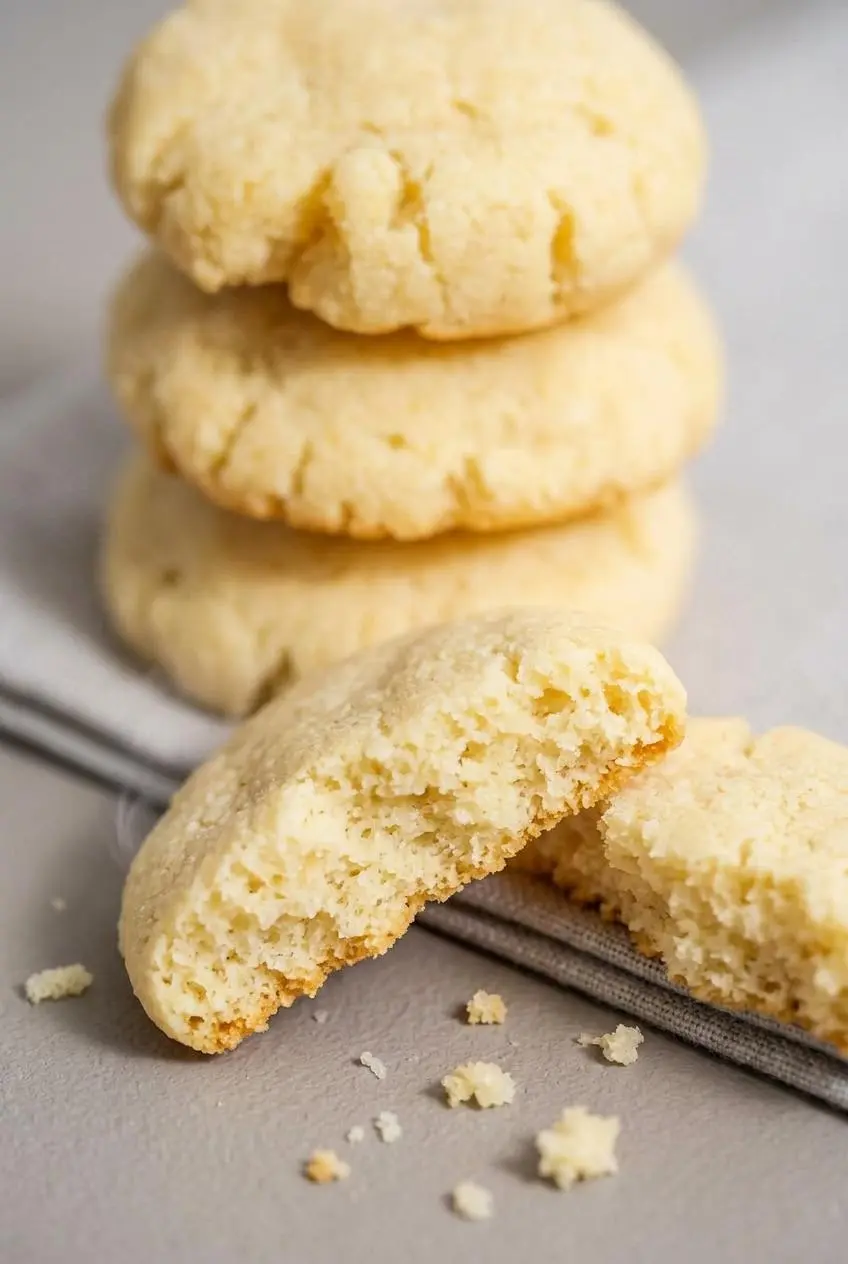
Most texture problems come down to moisture, shaping, or handling the cookies before their structure has had time to settle.
Preventing Crumbly or Fragile Cookies
- Problem: The cookies break when lifted from the tray. Cause: They are still warm, when the butter and cream cheese are soft. Fix: Let them cool undisturbed until fully set before moving them.
- Problem: The dough will not hold smooth balls. Cause: Dry ingredients have not fully absorbed the dairy mixture. Fix: Continue mixing until the dough changes from loose crumbs into a cohesive mass.
- Problem: The cookies feel dense. Cause: The portions were left as thick balls. Fix: Flatten each one slightly so the center bakes at the same pace as the edges.
Avoiding Overbaking and Dryness
Watch the bottom edge rather than waiting for deep color on top. These cookies should come out when the edges take on a light golden hue. Leaving them in until the tops look strongly browned can turn the tender center dry and brittle.
Ovens vary, so use the 10-minute bake as your main timing point and check the first tray closely. The cookies should smell lightly toasted and still look soft in the middle when they leave the oven.
Managing Sticky Dough
If the dough sticks to your hands while rolling or flattening, lightly dampen your palms before handling it. A brief covered rest in the refrigerator can also make a soft dough easier to portion, though it may reduce the already limited spread even further.
Do not add extra flour as a quick fix. Coconut flour absorbs moisture aggressively, and extra dry ingredients can push the cookies toward a chalky, crumbly texture.
Keto Cookie Variations and Flavor Twists
Keep the main dough unchanged, then add one optional flavor direction for a different finish without upsetting the cookie’s moisture balance.
Cinnamon Spiced Crust
For a snickerdoodle-inspired version, coat the shaped dough lightly with a blend of granulated low-carb sweetener and warm ground spices before baking. Cinnamon is the classic choice, while a tiny touch of nutmeg or cardamom gives the cookies a deeper, cozier aroma.
Sugar-Free Chocolate Chip Inclusions
Fold sugar-free dark chocolate morsels into the finished dough for little pockets of cocoa flavor and a firmer bite. For a separate chocolate-forward bake, try these keto chocolate chip cookies.
Vanilla Cream Cheese Glaze
Once the cookies are completely cool, finish them with a thin vanilla cream cheese glaze for a softer, more decorative dessert. Keep the glaze light so it complements the tender crumb instead of weighing it down. Finely grated citrus peel also works well here for a fresh contrast to the rich dairy flavor.
Storage and Make-Ahead Best Practices
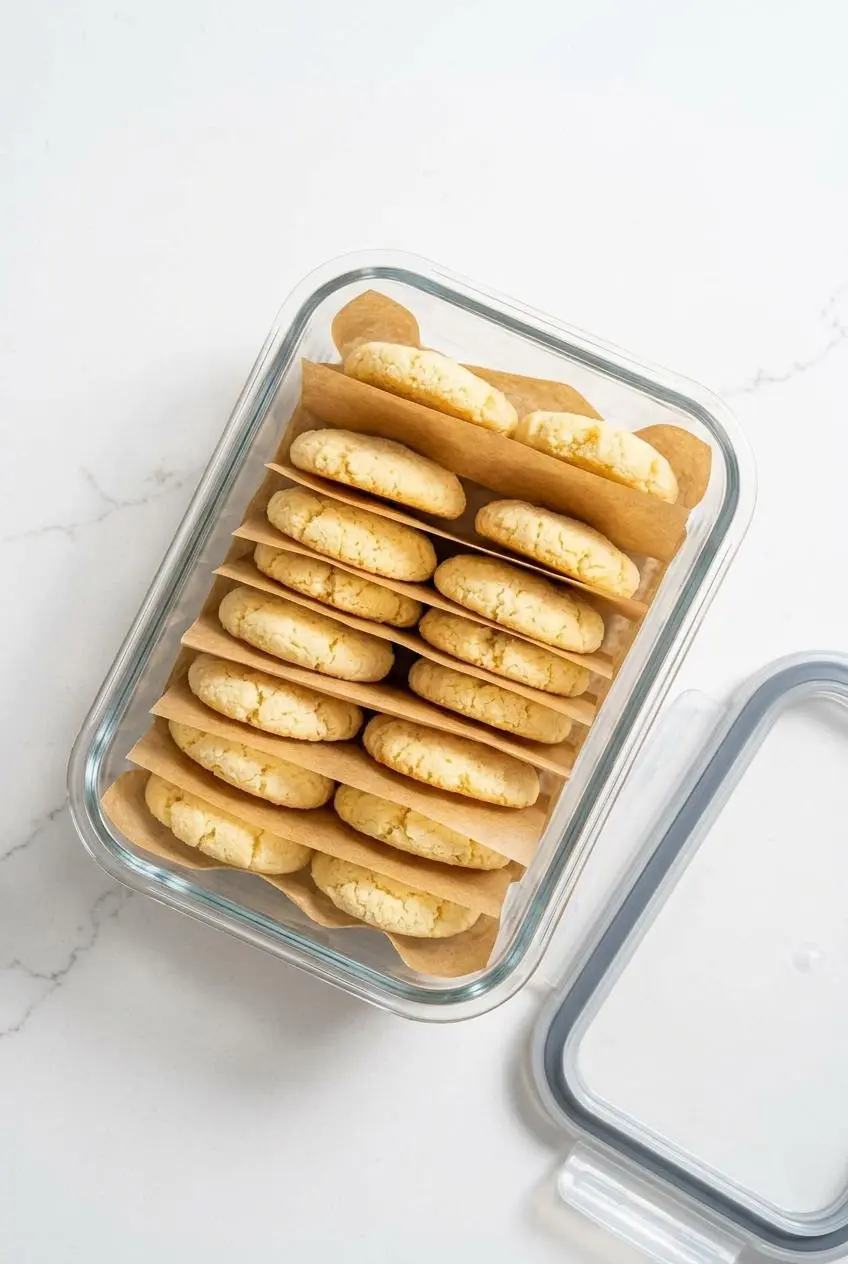
Cool the cookies fully before storing them, since trapped warmth can create condensation and soften their delicate edges.
Refrigeration Guidelines for Dairy Cookies
Place cooled cookies in an airtight container and refrigerate them to protect their texture and freshness. For foods made with cream cheese, refrigerate within two hours.
Chilled cookies become firmer and more shortbread-like. Let one sit briefly at room temperature before eating if you prefer a softer center, or enjoy it cold for a denser bite.
Protecting Texture During Storage
For advance planning, keep baked cookies in a well-sealed container and separate layers with parchment if they are glazed. If you need to pause after mixing, cover the dough and keep it chilled until you are ready to shape and bake it.
Dietary Profile and Keto Context
These cookies use almond flour and coconut flour in place of grain-based flour, creating a grain-free cookie with fat-rich ingredients from butter and cream cheese. They can fit a keto-style eating pattern when the monk fruit sweetener and any optional add-ins suit your own goals.
The ingredient lineup contains no wheat flour, but choose products labeled gluten-free if cross-contact is a concern. Cream cheese also gives keto desserts a rich, satisfying texture, as in this keto cheesecake recipe.
Serving Suggestions and Pairings

These cookies work especially well when paired with a drink that balances their rich, lightly tangy crumb.
- Serve them with dark roast coffee or espresso for a pleasantly bitter contrast to the sweet cookie.
- Pour unsweetened almond milk alongside them for a familiar, mellow snack pairing.
- Enjoy chilled cookies with a hot coffee made richer by keto coffee creamer.
- For dessert, pair a cooled cookie with a scoop of keto ice cream and a light drizzle of the optional vanilla glaze.
Achieving Perfect Keto Cream Cheese Cookies Every Time
Start with room-temperature butter and block cream cheese, mix until the dough becomes cohesive, and flatten each portion before it goes into the oven. Those three details prevent lumpy dough and thick, underbaked centers.
Most of all, give the cookies time to cool completely before moving them. Once you have the soft, firm finish down, cinnamon, chocolate, citrus, and glaze make easy ways to change the flavor.
Frequently Asked Questions
Why Are My Cookies Very Soft and Crumbly Right Out of the Oven?
That is normal for this style of cookie. The butter and cream cheese are still soft, and the grain-free flour structure has not finished setting. Leave the cookies undisturbed until completely cool before transferring or stacking them.
Do Keto Cream Cheese Cookies Need to Be Refrigerated?
Refrigeration is the best choice for cookies made with cream cheese. Store them in an airtight container after they have cooled fully, and keep the container chilled to maintain a firmer texture and better dairy handling.
Why Didn’t My Cookies Spread While Baking?
Almond flour and coconut flour dough does not spread much in the oven. Roll the portions smoothly, then press them into even discs before baking. That pre-bake flattening gives you cookies with a more even center and edge.
Can I Replace Almond Flour Entirely With Coconut Flour?
No. Coconut flour absorbs far more moisture than almond flour, so swapping it one for one would make the dough dry and crumbly. This recipe relies on both flours working together for a tender, stable crumb.
Can I Freeze the Dough or Baked Cookies?
This recipe does not include freezing directions. For the most dependable texture, bake the dough after mixing and store the fully cooled cookies in an airtight container in the refrigerator.
Keto Cream Cheese Cookies Recipe

Equipment
- Medium bowl
- Large bowl
- Hand mixer or stand mixer
- Baking tray
- Silicone baking mat or parchment paper
- 1-inch cookie scoop
- Cooling rack
Ingredients
- ½ cup butter
- ¾ cup granulated monk fruit
- 4 oz softened cream cheese
- 1 egg
- ½ tsp baking powder
- 2 cups almond flour
- ½ cup coconut flour
- 2 tsp vanilla
- ¼ tsp almond extract
- 1 tsp xanthan gum
- ½ tsp salt
Instructions
- Heat the oven to 350 °F. Set the oven rack in its usual baking position so the cookies bake evenly.
- Whisk the almond flour, coconut flour, salt, xanthan gum, and baking powder in a medium bowl. Break up any visible clumps so the dry mixture blends smoothly into the dairy mixture.
- Beat the softened butter and granulated monk fruit in a larger bowl with a hand mixer or stand mixer. Continue until the mixture looks creamy and evenly blended.
- Add the softened cream cheese and beat until smooth. The mixture should look uniform, with no obvious cream cheese lumps.
- Mix in the vanilla and egg. Stop when the egg disappears into the creamy mixture and the batter looks cohesive.
- Add the flour mixture to the wet mixture and mix until a dough forms. It may begin as loose, crumbly clumps, then come together into a moldable dough.
- Line a baking tray with a silicone baking mat or parchment paper and portion the dough with a 1” cookie scoop. Leave space between portions so they bake without touching.
- Roll each portion between your hands to make smooth balls. A smooth surface helps the cookies bake more evenly.
- Press each ball gently with your palm to form a slightly flattened disc. Keep the discs even because the dough will hold its shape rather than spreading widely.
- Optionally add cinnamon sugar or a few sugar-free chocolate chips to the shaped dough. Keep toppings light so they stay attached as the cookies bake.
- Bake for 10 minutes. Remove the tray when the bottom edges are lightly golden, even if the tops still look pale and soft.
- Cool the cookies completely on a cooling rack. They will feel fragile while warm and become firmer as they reach room temperature.