Skip to content
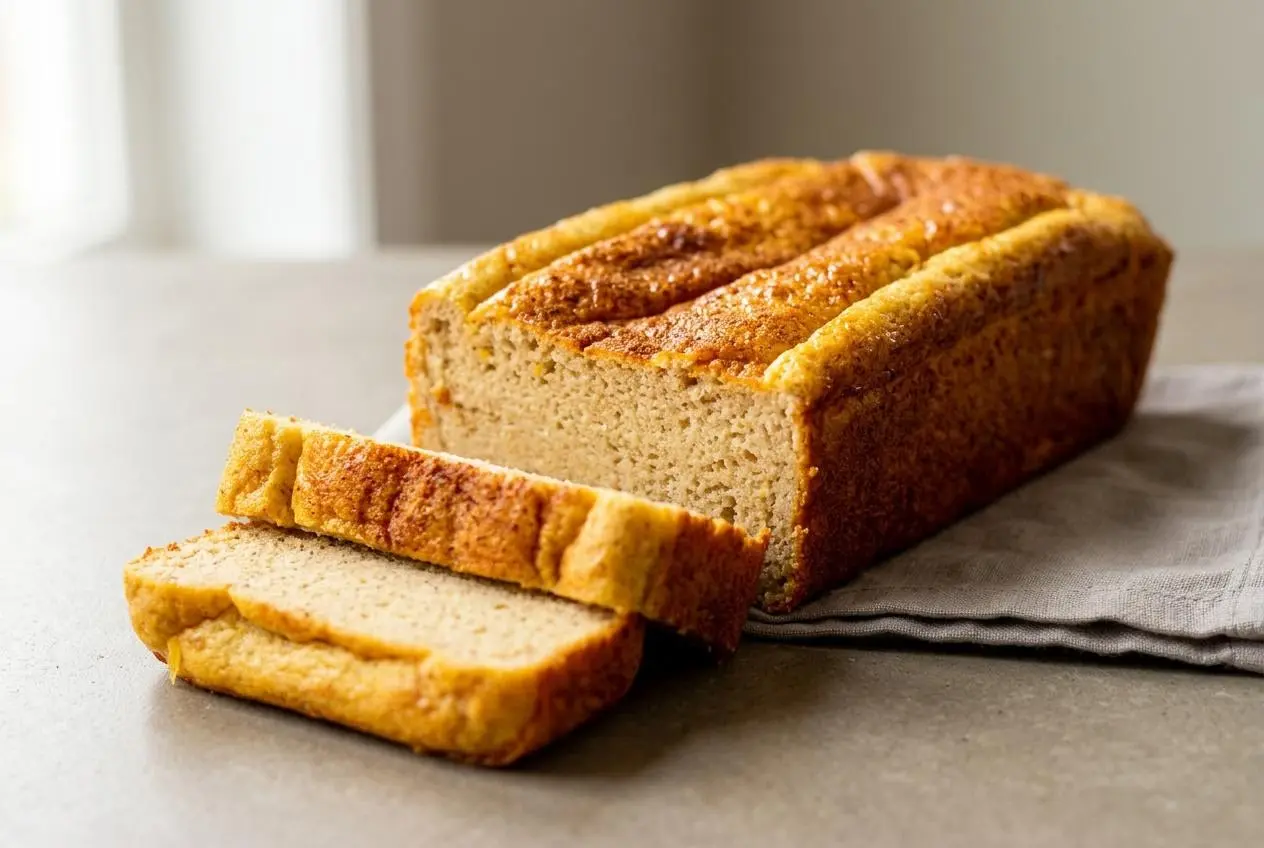
Keto egg loaf blends eggs, cream cheese, and butter into a rich batter that bakes into a tender, custard-like bread alternative. Bake until the top is golden and the center no longer jiggles, then let the loaf settle before slicing.
It’s especially useful when you want a low-carb breakfast slice without a traditional bread crumb. The loaf rises in the oven, then relaxes as it cools; that gentle settling is part of its custardy texture.
Eat a slice as it is, or brown it in a buttered skillet for crisp edges. That’s where breakfast gets good.
Start with room-temperature eggs and cream cheese so the blender can make a smooth batter.
Essential Ingredients for Low-Carb Egg Loaf
Each ingredient shapes the loaf’s flavor or texture: eggs give it structure, cream cheese keeps the crumb tender, butter adds richness, and salt balances the custard. The optional additions let you adjust its firmness and aroma.
- 8 large eggs (room temperature)
- 8 ounces cream cheese (room temperature)
- 4 tablespoons unsalted butter (melted)
- 1 pinch salt
- 1/3 cup coconut flour (optional)
- 2 teaspoons vanilla extract (optional)
- 1 teaspoon baking powder (optional)
- 1 teaspoon ground cinnamon (optional)
The eggs set around the cream cheese as the loaf bakes, creating a soft, sliceable custard rather than the airy crumb of yeast bread. Melted butter blends through that mixture for a buttery finish. Without coconut flour, the result is especially tender; adding the optional flour gives the slices more body.
Ingredient temperature matters here. Cold cream cheese can remain in small lumps, while melted butter can firm up when it hits chilled eggs. Room-temperature ingredients blend more evenly, helping the baked loaf feel consistent from edge to center. If the cream cheese still feels firm, give it more time to soften before blending rather than trying to hide the lumps with toppings.
Vanilla and cinnamon steer the loaf toward a sweet breakfast flavor. Baking powder is optional, so don’t expect the loaf to hold a tall, bread-like rise with or without it. The pinch of salt matters in both sweet and savory servings because it keeps the richness from tasting flat.
How to Make Keto Egg Loaf
A smooth batter and a properly set center make the biggest difference. Grease the pan well, watch the loaf’s center as it bakes, and resist slicing it straight from the oven.
- Heat the oven to 350°F and grease a loaf pan.
The greased surface will help release the delicate loaf after it cools. - Blend the eggs, cream cheese, melted butter, and salt with any optional coconut flour, vanilla, baking powder, or cinnamon you’re using, then set the batter aside.
It should look smooth and evenly mixed, without visible pieces of cream cheese. - Fill the prepared pan with the batter and, if desired, dust the surface with additional cinnamon.
The batter should settle into an even layer. - Bake for 30 to 40 minutes, until the top is golden brown and the center no longer jiggles.
The loaf will puff in the oven and settle again as it cools. - Rest the loaf for 10 to 15 minutes before cutting it into slices.
The crumb should feel firmer and hold together more neatly after the rest.
If your loaf pan tends to cling to tender bakes, grease it as directed and fit it with a parchment sling, leaving overhang to help lift the cooled loaf. Avoid tugging on the paper while the loaf is hot. Its custard structure firms as it rests, making both removal and slicing gentler on the crumb.
Mastering the Texture: Troubleshooting and Pro Tips
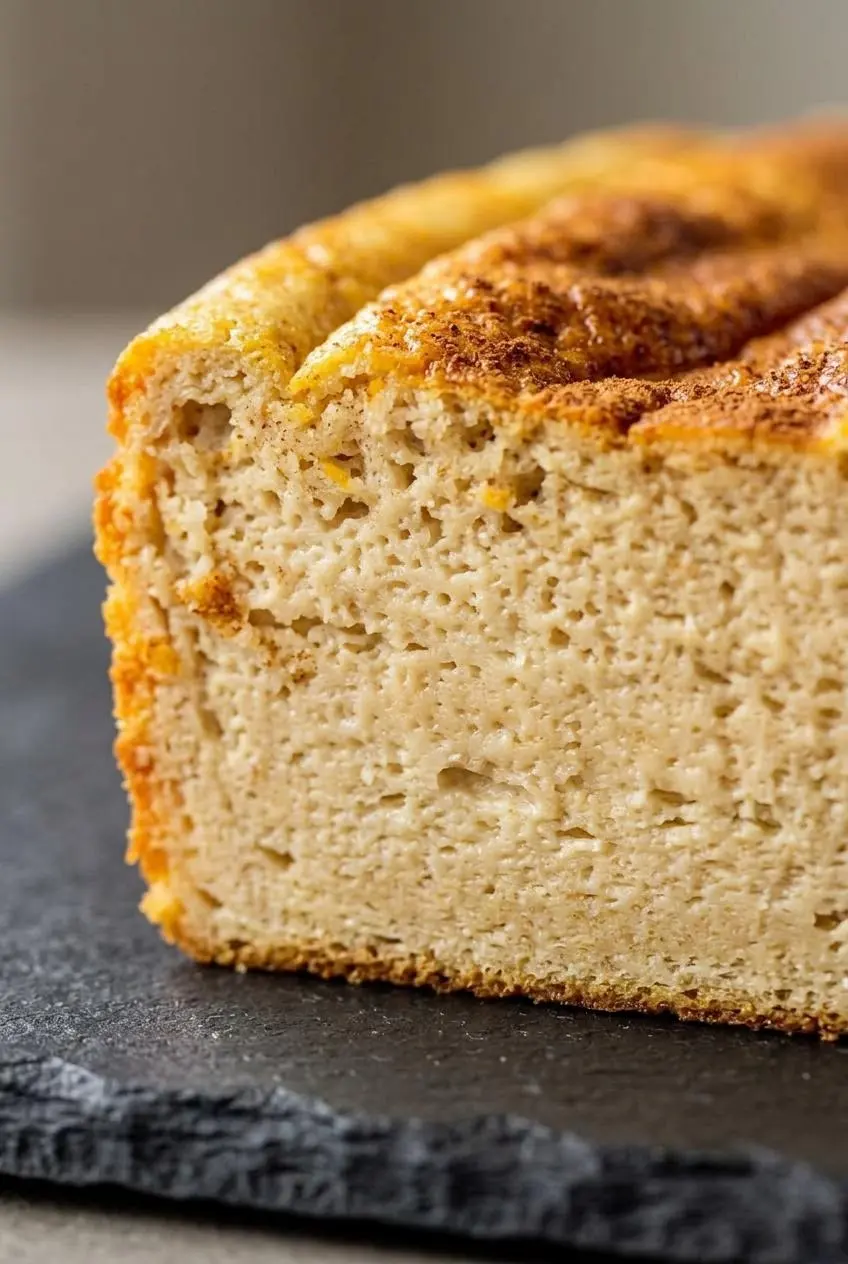
Egg loaf can look dramatically puffed in the oven and much shorter on the cutting board. Color and height tell only part of the story; the center’s movement is the more useful baking check.
Overcoming Cream Cheese Lumps
If you see pale flecks in the blender batter, the cream cheese may still be too cold or firm. Let it soften before blending until the mixture looks silky. Cold eggs can also cause melted butter to form tiny firm bits, so bring the eggs to room temperature as listed.
I check the cream cheese before it goes into the blender: if a gentle press still meets a firm center, I wait. A smooth batter is easier to fix before it reaches the oven.
Understanding the Rise and Fall of Custard Breads
Heat expands air and steam in the egg mixture, lifting the loaf as it bakes. As it cools, that lift fades and the tender custard settles. A lower profile alone does not mean something went wrong.
Pay attention to the center instead. If it still has a loose, liquid wobble when the top is golden, it needs more baking within the recipe’s doneness guidance. A finished loaf should have a set center, then become easier to cut as it rests. Slicing too early can make a properly baked loaf seem mushier than it really is.
Pan Selection: Metal vs. Glass Baking Times
Metal and glass pans can brown a custard loaf differently, so use the stated baking range as a check rather than relying on color alone. A dark metal pan may color the edges before the middle looks done. Glass can hold heat after leaving the oven, so handle the pan carefully during the rest.
Whatever pan you use, check the center for jiggle before removing the loaf. If the sides cling after resting, loosen them gently instead of pulling hard on the soft crumb. A parchment sling can make lifting easier once the loaf has settled.
Flavor Variations and Texture Customizations
Choose the texture you want before blending: leave out the optional coconut flour for a softer custard, or include it when you want slices with more structure. Keep flavor additions optional so the loaf still suits the way you plan to serve it.
Skillet-Crisped French Toast Slices
For a French toast direction, use the optional vanilla and cinnamon in the batter. Once the baked loaf has cooled enough to cut cleanly, skillet-browning the slices gives the soft center a contrasting crust. The griddling method below works especially well when the slices have firmed up and won’t tear as you lift them.
Savory Herb and Garlic Breakfast Bread
For an optional savory version, skip the vanilla and cinnamon and add herbs, garlic, or cracked pepper to suit your breakfast. The loaf will still be tender rather than chewy like sandwich bread, so slice it after resting and handle thin pieces carefully. Lightly browned slices make a useful foundation for breakfast sandwiches with sliced meat and cheese.
Flour-Enhanced Sturdy Crumb Option
The optional coconut flour absorbs moisture and makes this loaf firmer and less purely custardy. That can help when you want to pick up a slice or brown it in a skillet. Leave the flour out if you prefer a soft, almost French-toast-like interior straight from the pan.
Even with coconut flour, expect a tender egg-based slice rather than the springy chew of classic keto bread. Let the batter blend until the flour is evenly dispersed so you don’t find dry pockets in the finished crumb.
Serving Ideas and French Toast Conversion
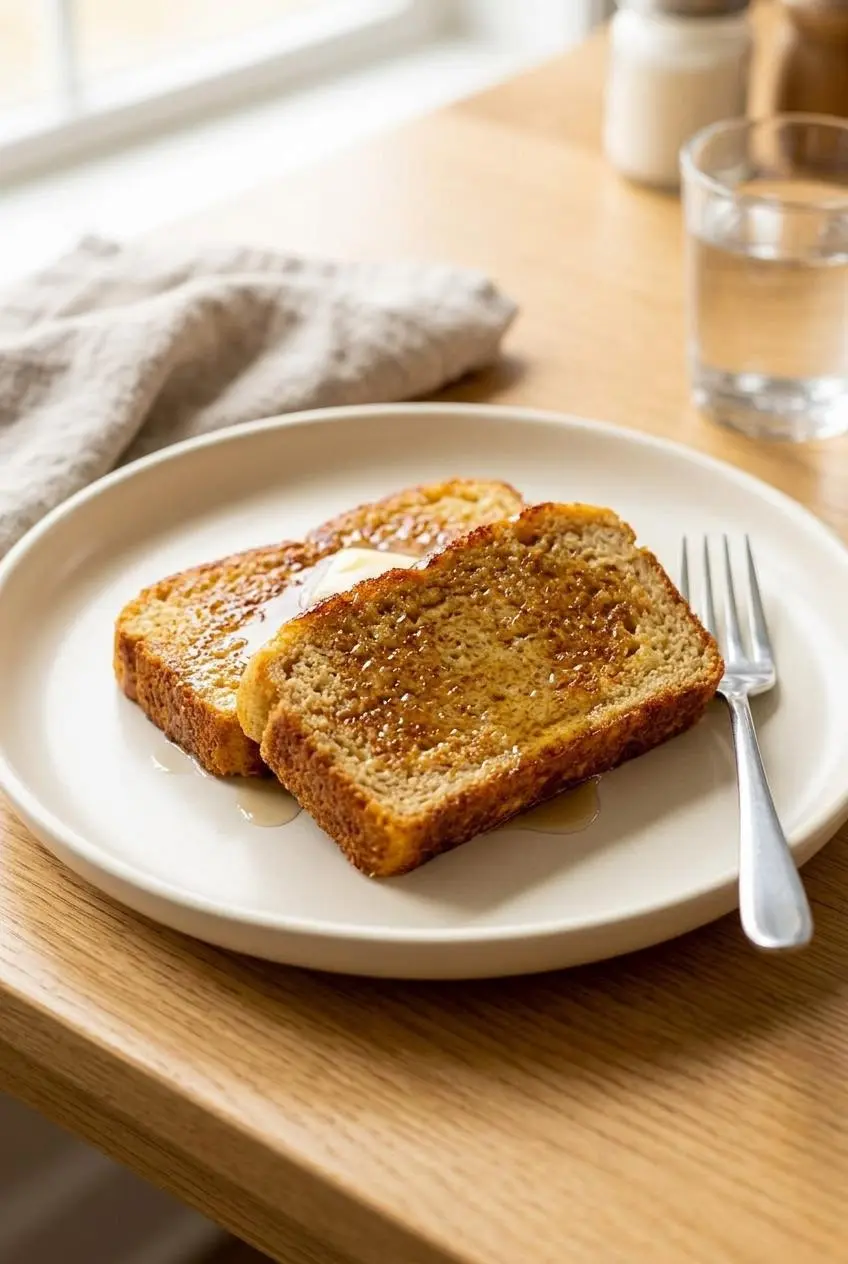
For low-carb French toast, let the loaf firm up before slicing it, then warm butter in a skillet over moderate heat. Lay in the slices without crowding them and cook until the undersides turn golden and release easily. Flip carefully and brown the second sides. The edges should feel lightly crisp while the centers stay soft.
Moderate heat gives the butter and dairy-rich slices time to brown without scorching. If a piece resists lifting, let its surface firm a little more before turning it rather than scraping beneath the custard. Serve the browned slices warm with sugar-free syrup, fresh berries, or whipped cream if those fit your breakfast.
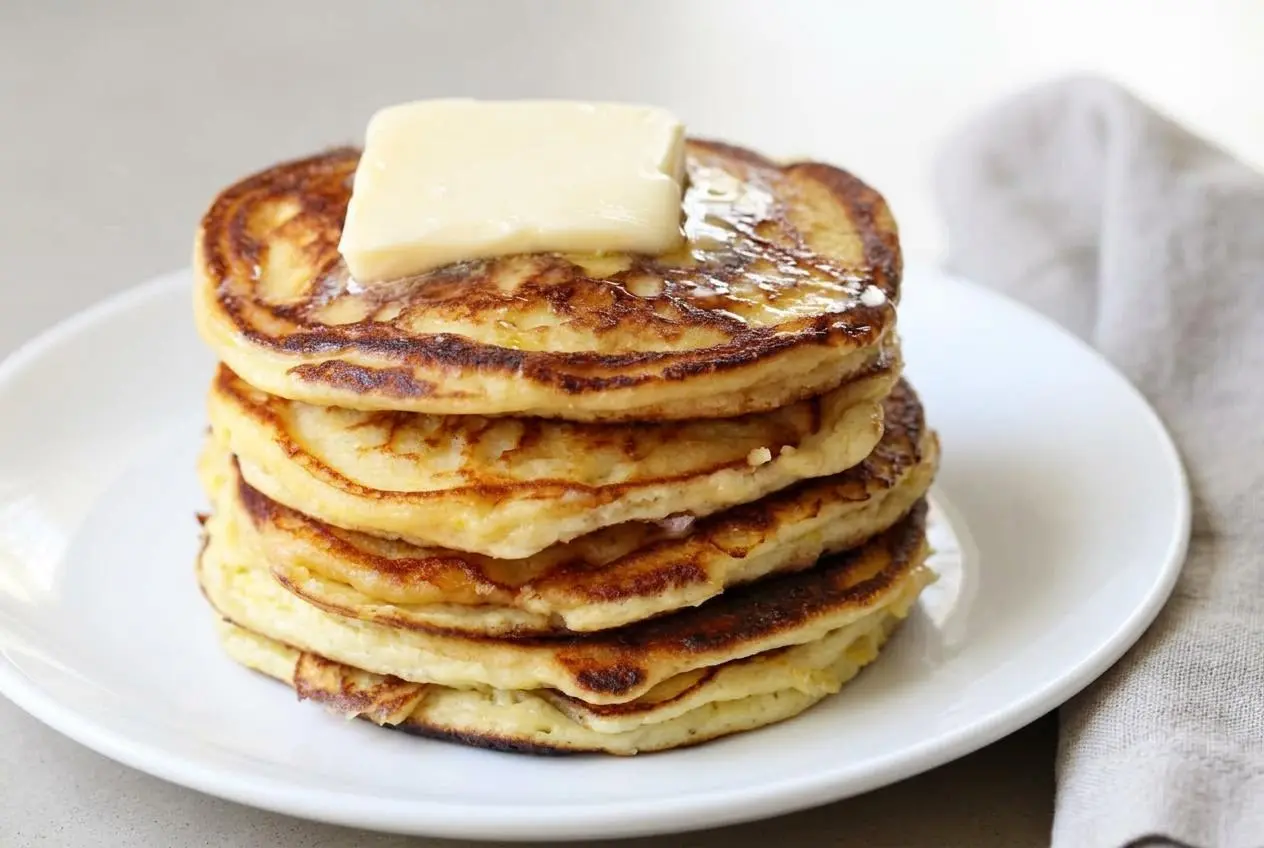
For savory plates, lightly toast a rested slice and add sliced meat and cheese. Keep the fillings modest enough that the tender loaf can support them. If you’re planning a larger griddled breakfast, fluffy keto pancakes offer another option alongside the crisped egg loaf.
Storage and Reheating for Meal Prep
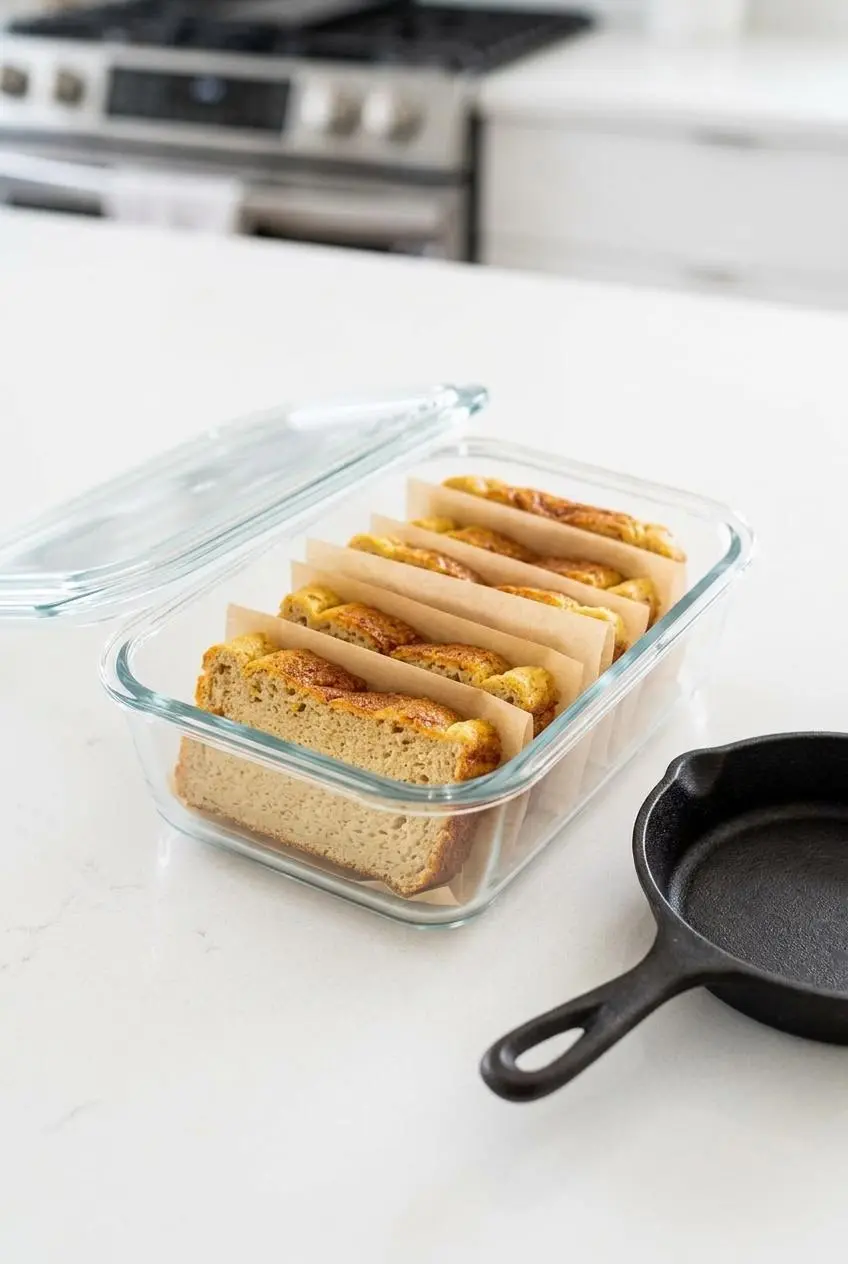
Let leftover slices cool, then place them in a covered container in the refrigerator. Foods made with cream cheese should be refrigerated within two hours, including preparation time. Keep slices separated if they tend to stick, and take out only the portions you plan to warm.
For the best surface texture, reheat a slice in a lightly buttered skillet over moderate heat until its edges regain some color. A toaster oven can warm a slice more gently, though the finish will depend on how thick you cut it. A microwave is convenient when you want it soft, but it won’t restore the skillet’s crisp edges.
This loaf’s tender crumb makes it useful for portioned breakfasts, provided you cool it before packing it away. For a different egg-based option in your breakfast rotation, try make-ahead keto egg muffins.
Dietary and Nutritional Considerations
Eggs contribute protein, while the cream cheese and butter give this loaf much of its richness. Optional coconut flour changes the crumb, and sweet toppings change the finished plate, so consider the ingredients and portions you actually use rather than treating every serving style as identical.
Commercial cream cheese products can differ, including in carbohydrate content. Check the package if you track carbs closely. This loaf can be a low-carb alternative to toast, but whether it fits a particular eating plan depends on your overall meals and individual needs.
Eating a large number of eggs every day is a separate question from enjoying a slice of egg loaf. If you’re considering that kind of daily habit, especially with a medical condition or dietary concern, ask a qualified health professional for advice suited to you.
Delicious and Effortless Low-Carb Baking
A quick blend turns eggs, cream cheese, and butter into a golden loaf with a tender custard crumb. Let it rest, and the center should hold together when you cut it.
Try a slice browned in butter for French toast, or take the savory route for breakfast. A little patience before slicing makes either one easier to enjoy.
Frequently Asked Questions
Why Does Keto Egg Loaf Deflate After Baking?
Air and steam help the loaf rise in the oven, then the tender custard settles as it cools. Some deflation is expected. Check for a set center rather than judging doneness by the loaf’s height.
How Do You Make Keto Egg Loaf Taste Less Eggy?
Use the optional cinnamon and vanilla for a sweeter flavor, and brown rested slices in butter for French toast. For a savory version, optional herbs, garlic, and cracked pepper can shift the flavor away from plain eggs.
Is It Okay to Eat 10 Eggs a Day on a Keto Diet?
There isn’t a universal answer for a daily intake like that. This loaf is divided into slices, so consider your overall diet rather than the loaf’s egg count alone. A qualified health professional can help with advice specific to your needs.
Can I Freeze Keto Egg Loaf for Meal Prep?
Freezing and thawing directions aren’t established for this tender custard loaf, so don’t count on the texture staying the same. For meal prep, refrigerate cooled slices in a covered container and reheat the portions you need.
Keto Egg Loaf

Equipment
- loaf pan
- Blender
Ingredients
- 8 large eggs room temperature
- 8 ounces cream cheese room temperature
- 4 tablespoons unsalted butter melted
- 1 pinch salt
- 1/3 cup coconut flour optional
- 2 teaspoons vanilla extract optional
- 1 teaspoon baking powder optional
- 1 teaspoon ground cinnamon optional
Instructions
- Heat the oven to 350°F and grease a loaf pan. The greased surface will help release the delicate loaf after it cools.
- Blend the eggs, cream cheese, melted butter, and salt with any optional coconut flour, vanilla, baking powder, or cinnamon you’re using, then set the batter aside. It should look smooth and evenly mixed, without visible pieces of cream cheese.
- Fill the prepared pan with the batter and, if desired, dust the surface with additional cinnamon. The batter should settle into an even layer.
- Bake for 30 to 40 minutes, until the top is golden brown and the center no longer jiggles. The loaf will puff in the oven and settle again as it cools.
- Rest the loaf for 10 to 15 minutes before cutting it into slices. The crumb should feel firmer and hold together more neatly after the rest.