Skip to content
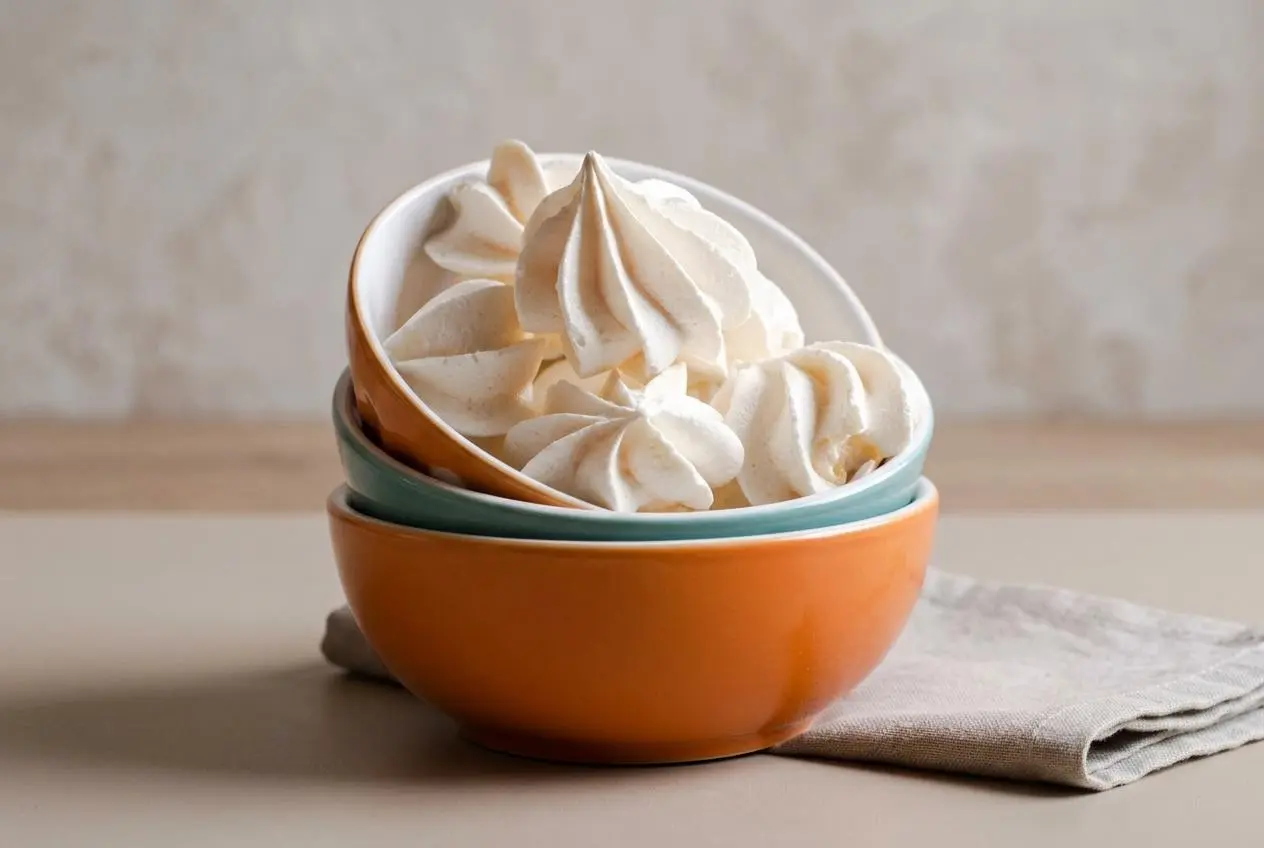
For crisp, airy keto meringues, whip room-temperature egg whites with cream of tartar, add powdered sweetener gradually, then dry the piped cookies gently in the oven and cool them inside.
This keto meringue cookies recipe makes delicate little clouds with a crisp shell and a sweet, melt-in-your-mouth bite. The key is building a stable, glossy foam before it goes near the oven.
They’re a lovely low-carb dessert when you want something light rather than rich and heavy. The slow oven cool-down makes all the difference.
Use a glass or stainless steel bowl that is completely clean and dry, since even a faint trace of grease can keep the egg whites from reaching full volume.
Essential Ingredients for Sugar-Free Meringues
Each ingredient supports a distinct part of the cookie, from the egg-white structure and stable foam to sweetness, aroma, and that delicate crisp finish.
- 2 large egg whites (room temperature eggs)
- 1/4 teaspoon cream of tartar
- 1/2 cup sugar free powdered sugar
- 1 teaspoon vanilla extract (optional)
Fresh shell egg whites give the foam its structure. Separate the eggs while cold if that feels easier, then let the whites come to room temperature before whipping so they can take on air more smoothly. Carton whites can be less dependable because processing may affect how firmly they whip.
Cream of tartar adds acidity, which helps reinforce the egg-white foam as it expands. It is especially helpful in sugar-free meringue, where the sweetener does not behave exactly like regular granulated sugar.
Choose a powdered sweetener rather than coarse crystals. Powdered erythritol or an erythritol-monk fruit blend usually gives the driest, crispest snap. Powdered allulose can taste pleasant but tends to leave a softer, more marshmallow-like center. Pure stevia provides sweetness but does not offer enough bulk for a reliable meringue structure.
Vanilla is optional, but it rounds out the sweetness with a soft bakery-style aroma. I prefer rubbing a pinch of the finished foam between clean fingertips before piping: it should feel smooth rather than grainy.
How to Make Keto Meringue Cookies
This is a French meringue method, meaning the whites are whipped first and the powdered sweetener is added gradually. Take your time with the peaks, because the oven can dry a good foam but cannot rebuild a weak one.
- Heat the oven to 110 °C/220 °F and cover a large baking sheet with parchment paper.
Keep the heat low so the meringues dry gradually instead of browning. - Whip the egg whites until they look foamy, then beat in the cream of tartar until the foam forms soft peaks.
The peak should bend over gently when the beater lifts away. - Add the powdered sugar one tablespoon at a time while continuing to beat, then spoon the meringue into a piping bag fitted with a star tip.
Stop when the meringue is glossy and holds a firm peak without drooping. - Pipe tablespoon-sized mounds onto the lined sheet and bake for 45 minutes.
The cookies should look dry and pale, with defined ridges from the piping tip. - Turn off the oven, crack the door slightly, and leave the cookies inside for 1 hour before setting them out to finish cooling at room temperature.
A fully dried cookie feels light and gives a faint hollow crisp sound when tapped underneath.
Resist opening the oven repeatedly during the drying stage. Sudden temperature changes can disturb the delicate shells, while the residual heat helps pull moisture from the centers.
Dietary Context: Why Meringues Suit a Low-Carb Lifestyle
Meringues can fit a low-carb eating pattern when regular sugar is replaced with a sugar-free powdered sweetener. Egg whites create an airy protein framework and contribute very little carbohydrate, while the sweetener supplies the familiar dessert-like sweetness.
Because each cookie is mostly whipped foam, the batch creates a generous volume of delicate treats without relying on flour or conventional sugar. Individual dietary needs and sweetener tolerance vary, so it is sensible to check the label on the specific sweetener you choose.
Troubleshooting Common Low-Carb Meringue Pitfalls
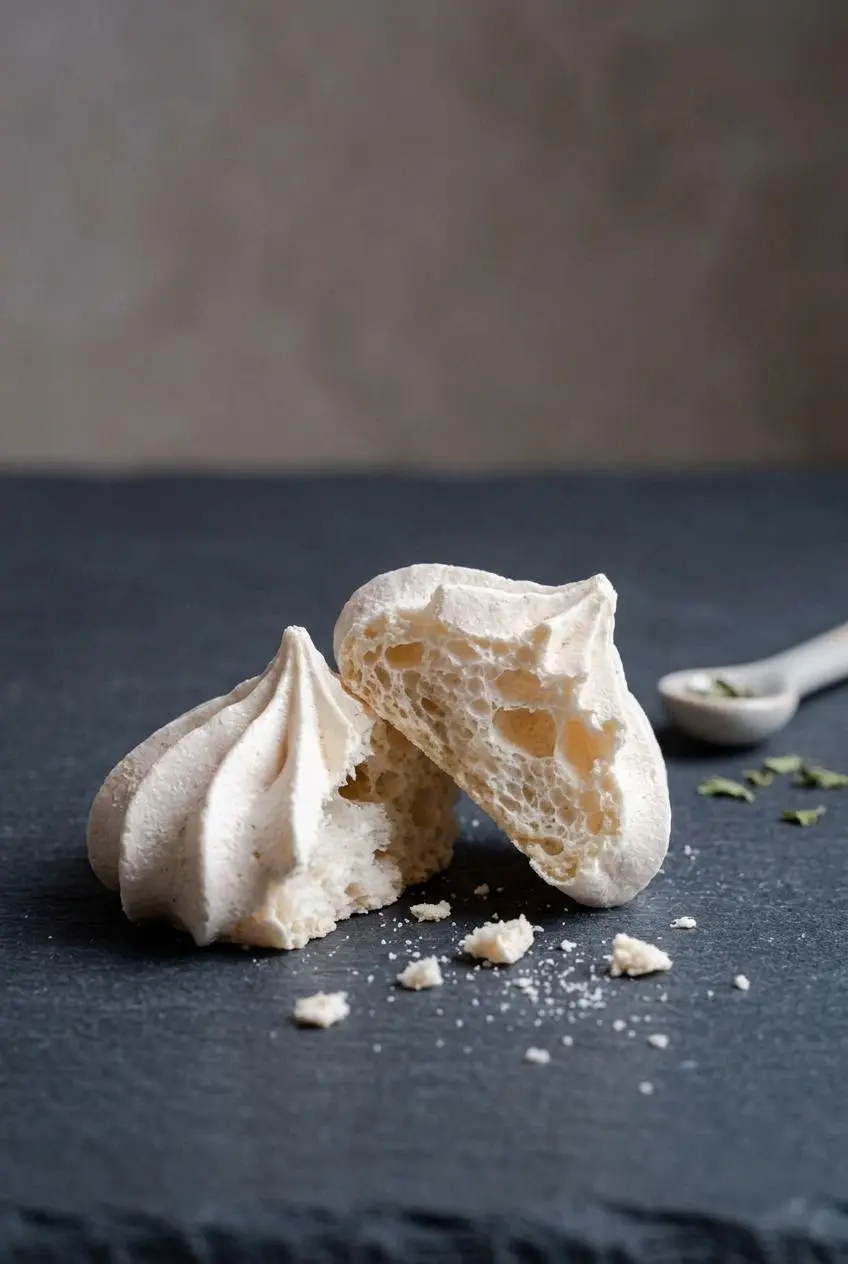
Most meringue problems come down to moisture, fat contamination, or whipping past the right stage. The good news is that the texture usually tells you what happened.
Combatting Kitchen Humidity and Sticky Meringues
- Sticky shells: Humid air can make sugar substitutes pull moisture onto the surface. Keep cooled cookies sealed in an airtight container away from steam, heat, and direct sunlight.
- Chewy centers: Moisture likely remained inside the cookies. Let them complete the oven cool-down without rushing the process.
- Cookies soften after cooling: Return them to a very low oven briefly until they feel dry again, then let them cool fully before sealing them.
Rainy weather can be rough on meringues. If the kitchen feels damp, avoid leaving the cookies uncovered on the counter longer than necessary.
Why Egg Whites Fail to Whip: The Lipid Problem
- Foam stays flat: A trace of yolk, butter, oil, or dish soap can interfere with the egg-white structure. Start over with a freshly washed and fully dried bowl and whisk.
- Plastic bowl trouble: Plastic can hold onto a thin film of grease even after washing. Glass or stainless steel is more dependable for meringue.
- Yolk breaks while separating: Separate each egg into a small bowl first, then add a clean white to the mixing bowl only after checking it.
Fixing Deflated or Weeping Batters
- Meringue loses height while sweetener goes in: Add the powdered sweetener slowly, one tablespoon at a time, so the foam can absorb it without becoming weighed down.
- Foam looks dry, clumpy, or curdled: It has likely been over-whipped. Once the foam separates and starts releasing liquid, it will not pipe into neat, stable cookies.
- Liquid appears around the piped cookies: The foam may have been overworked or the sweetener may not have incorporated smoothly. Begin with glossy stiff peaks and pipe promptly.
Creative Flavor Variations and Zero-Waste Ideas
Keep the main batch exactly as written, then use these optional directions when you want a different flavor profile. Add flavor gently so the egg foam stays lofty.
Keto Chocolate Meringue Cookies
For chocolate clouds, sift unsweetened cocoa powder and fold it in carefully near the end of whipping. The result is light and crisp with a deeper cocoa flavor, quite different from dense, chewy keto chocolate cookies.
Refreshing Mint Meringue Cookies
Use pure peppermint extract for a cool, clean finish that works especially well on holiday cookie trays. A small amount of optional food coloring can give the cookies a festive look, but keep added liquid restrained so the foam stays stable.
Bright Citrus and Lemon Meringue Bites
Natural lemon extract gives these cookies a bright citrus edge that balances their sweetness. Orange extract also works nicely when you want a warmer, softer citrus aroma.
Repurposing Leftover Egg Yolks
Save the yolks for a sugar-free citrus curd, a rich homemade mayonnaise, or another custard-style dessert. They pair especially well with the airy texture of meringue and help keep the whole baking project from feeling wasteful.
Proper Storage and Moisture Defense
Cool the cookies completely before putting them away. Store them at room temperature in an airtight container, away from the stove, dishwasher steam, or other warm, damp spots that can soften the crisp shell.
Skip the refrigerator, where condensation can make meringues sticky. Place parchment between layers if you are stacking them, and close the container promptly after serving to protect their delicate crunch.
Delightful Ways to Serve Keto Meringues
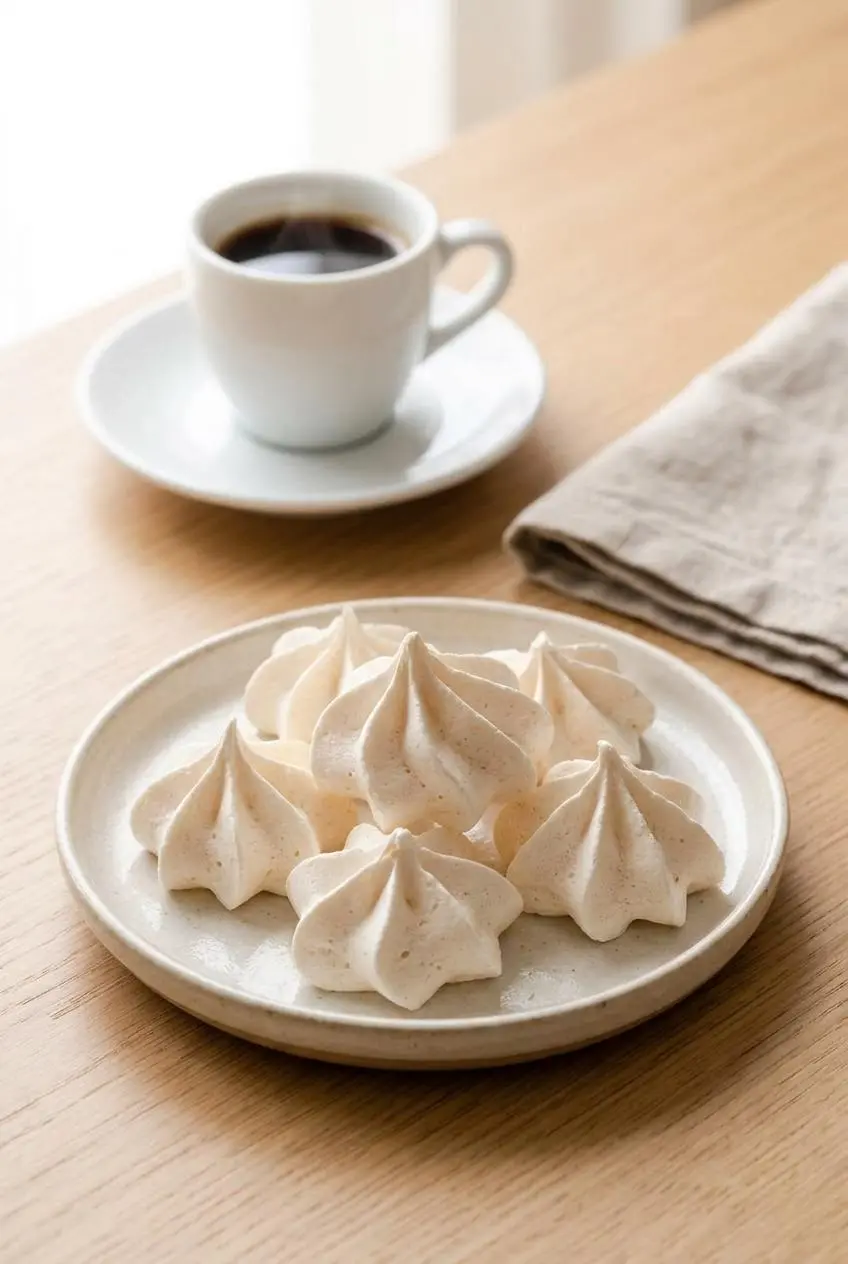
- Serve a few cookies with black coffee, espresso, or a hot herbal tea when you want a light sweet finish.
- Crumble them over low-carb berries and softly whipped cream for an easy Eton mess-style dessert.
- Scatter crushed meringues over creamy keto ice cream for contrast between the cold, smooth dessert and the crisp shards.
- Use whole cookies as a delicate topper for a keto cake or tart, adding them right before serving to preserve their crunch.
Final Thoughts on Perfect Sugar-Free Meringues
Clean equipment, gradual sweetener addition, and glossy stiff peaks set these cookies up for success. The low oven heat then turns that stable foam into crisp, airy little bites.
Give the cookies time to cool in the turned-off oven, and they will reward your patience with the light snap that makes meringues so satisfying.
Frequently Asked Questions
Can You Make Keto Meringue Cookies Without Cream of Tartar?
Yes. Fresh lemon juice or white distilled vinegar can provide the acidity that helps stabilize egg whites. Use the same amount as the cream of tartar called for in the ingredient list.
Why Did My Sugar-Free Meringue Cookies Turn Out Chewy or Sticky?
Excess moisture is the usual cause. Humid air, under-drying, or removing the cookies before they finish cooling in the oven can leave the centers chewy or make the shells sticky. Let the cookies dry gently, cool them in the switched-off oven, and store them airtight once completely cool.
What Is the Best Low-Carb Sweetener to Use for Crisp Meringues?
Powdered erythritol or a powdered erythritol-monk fruit blend generally produces the crispest finish. Allulose tends to create a softer cookie with a more marshmallow-like texture. Avoid coarse crystals, which can leave the meringue gritty and may not dissolve evenly into the foam.
Can I Use Pasteurized Carton Egg Whites Instead of Fresh Eggs?
Fresh shell egg whites are the better choice for this recipe. Carton whites often struggle to whip into the same firm, glossy peaks because pasteurization can alter the proteins that hold the foam together.
Are Keto Meringue Cookies Suitable for People With Diabetes?
These cookies replace regular sugar with a sugar-free sweetener, but individual responses to sweeteners can vary. Anyone managing diabetes should check the ingredient label and choose treats that fit their personal eating plan with guidance from a qualified healthcare professional when needed.
Keto Meringue Cookies Recipe

Equipment
- Large baking sheet
- Parchment paper
- Glass or stainless steel mixing bowl
- Electric hand mixer or stand mixer
- Piping bag fitted with a star tip
Ingredients
- 2 large egg whites (room temperature eggs)
- 1/4 teaspoon cream of tartar
- 1/2 cup sugar free powdered sugar
- 1 teaspoon vanilla extract (optional)
Instructions
- Heat the oven to 110 °C/220 °F and cover a large baking sheet with parchment paper. Keep the heat low so the meringues dry gradually instead of browning.
- Whip the egg whites until they look foamy, then beat in the cream of tartar until the foam forms soft peaks. The peak should bend over gently when the beater lifts away.
- Add the powdered sugar one tablespoon at a time while continuing to beat, then spoon the meringue into a piping bag fitted with a star tip. Stop when the meringue is glossy and holds a firm peak without drooping.
- Pipe tablespoon-sized mounds onto the lined sheet and bake for 45 minutes. The cookies should look dry and pale, with defined ridges from the piping tip.
- Turn off the oven, crack the door slightly, and leave the cookies inside for 1 hour before setting them out to finish cooling at room temperature. A fully dried cookie feels light and gives a faint hollow crisp sound when tapped underneath.