Skip to content
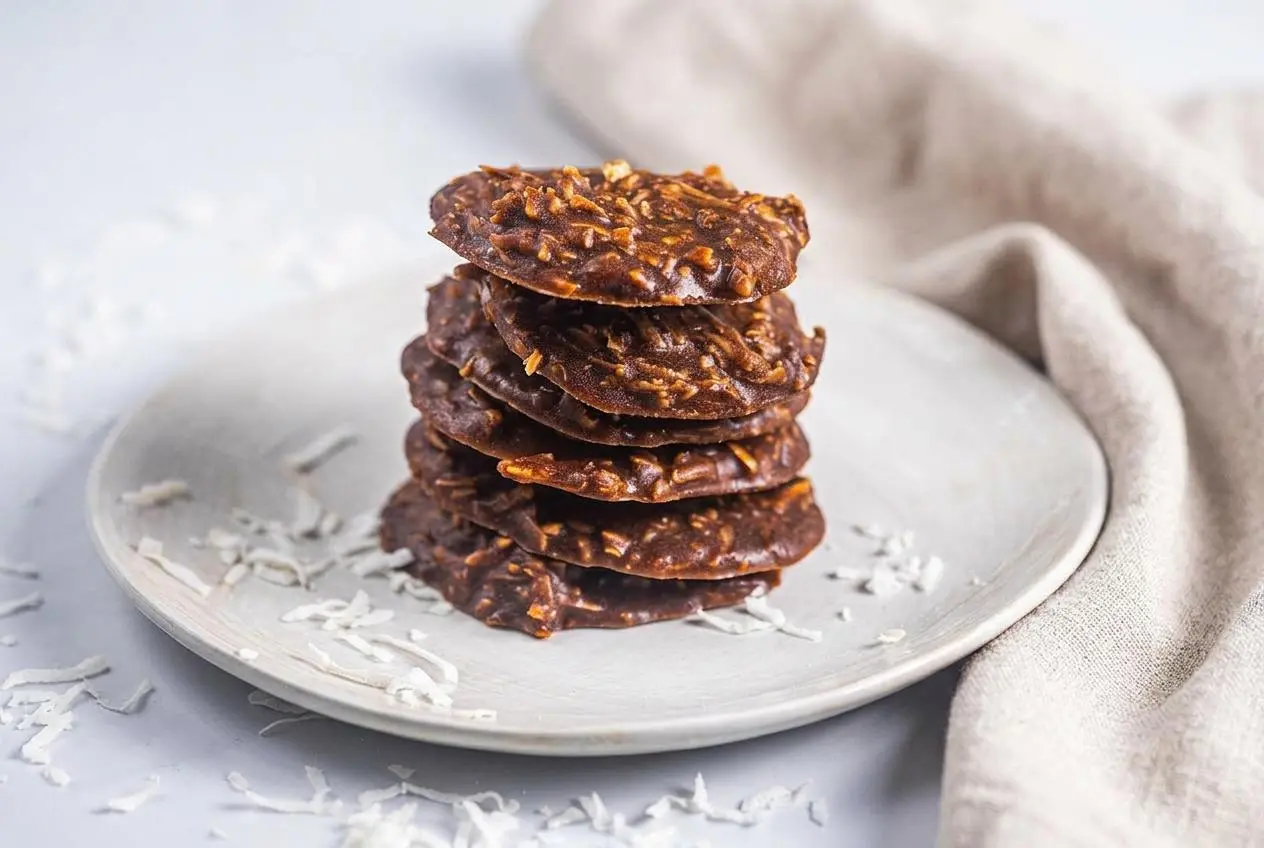
Keto no bake cookies are rich, fudge-like low-carb treats made by simmering butter, cream, and sweetener, then stirring in almond butter, cocoa, and coconut before chilling until firm.
These keto no bake cookies bring the chocolatey chew of classic no-bake treats to a grain-free dessert. The warm cocoa mixture turns glossy, then sets into tender mounds with a nutty crunch.
The key is managing the temperature at both ends: simmer enough to dissolve the sweetener, then let the mixture settle briefly before scooping. That pause makes all the difference.
Use cold parchment on the baking sheet if your kitchen runs warm, so the first scoops begin setting instead of spreading.
Essential Low-Carb Ingredients and Smart Swaps
Each ingredient contributes to the finished cookie, from the creamy cocoa base and vanilla aroma to the coconut’s chew and the nut butter’s sturdy, rich texture.
- 1/2 cup unsalted butter
- 1/3 cup heavy cream
- 1 cup monk fruit allulose blend
- 3/4 cup creamy almond butter
- 3 tablespoons unsweetened cocoa powder
- 1 tablespoon vanilla extract
- 1/4 teaspoon sea salt
- 1 1/2 cup shredded unsweetened coconut flakes
Choosing the Right Nut Butter
Choose creamy almond butter with a thick, smooth consistency and no added sugar or hydrogenated fats. It melts into the warm dairy mixture and helps hold the coconut together once chilled. Natural almond butter can separate in the jar, so stir it thoroughly before measuring to avoid an oily batch.
Single-ingredient peanut butter also works as an optional flavor change, but its stronger roasted taste will lead the finished cookie. Look for a smooth variety that is well mixed rather than loose and oily.
Sweetener Science: Avoiding the Gritty Crunch
The monk fruit allulose blend sweetens the cocoa base while dissolving more smoothly during the simmering stage than many crystal-heavy sweeteners. A blend that remains grainy in the saucepan can feel sandy after chilling, especially alongside cocoa powder.
Let the butter, cream, and sweetener reach an active simmer before taking the pan off the heat. The mixture should look unified rather than separated, with the spatula leaving a brief trail across the pan bottom as you stir.
I prefer a smooth, well-stirred nut butter here because it gives the cocoa mixture a glossy finish instead of a slick layer of oil on top.
Coconut Flakes as the Low-Carb Oat Alternative
Finely shredded unsweetened coconut gives these cookies the familiar chewy structure usually associated with oats. It absorbs some of the warm cocoa mixture and adds a pleasantly nubby bite without overwhelming the chocolate flavor.
Large coconut flakes can make the mounds looser and more uneven. For another coconut-forward treat with a different texture, try these keto coconut cookies.
Step-by-Step Preparation and Chilling Method for Keto No Bake Cookies
Keep the heat moderate and work in the stated order. The warm base needs to come together smoothly before the coconut goes in, while a short cooling pause helps the scooped cookies stay rounded.
- Cover a large baking sheet with parchment paper, using a second sheet if needed for the full batch.
Keep the parchment flat so each portion can set without sliding into its neighbor. - Melt the butter in a large saucepan over medium heat, then add the heavy cream and monk fruit allulose blend and bring the mixture to a boil.
Stir until the surface bubbles evenly and the sweetener looks incorporated into the creamy base. - Take the saucepan off the heat and stir in the almond butter until completely melted, followed by the cocoa powder, vanilla extract, and sea salt.
The mixture should become dark, glossy, and cohesive before you gently fold in the coconut. - Allow the warm mixture to stand briefly, then portion it onto the prepared baking sheet with a cookie scoop.
The mounds should sit up rather than flow outward into thin puddles. - Chill the cookies in the refrigerator or freezer until firm.
The tops will look matte and the cookies should release cleanly from the parchment when ready.
Mastering the Texture: Setting and Troubleshooting
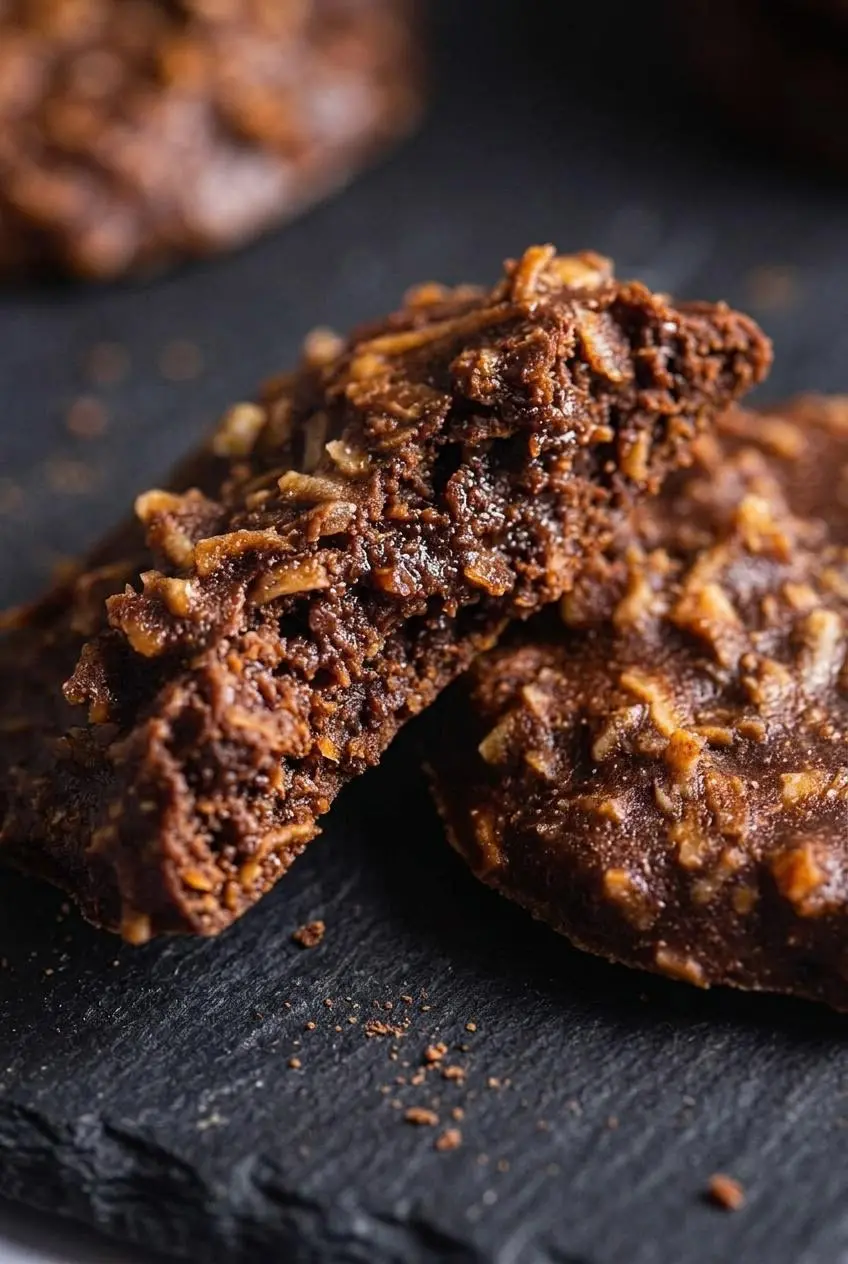
A properly set cookie is fudgy at the center, firm around the edges, and free of greasy pooling. Small changes in heat, cooling, and ingredient consistency have a big effect here.
- Soft cookies: Return them to the refrigerator or freezer until fully firm. If the mixture seems unusually loose before scooping, gently fold in more shredded coconut to give the warm mixture more structure.
- Greasy or oily cookies: This usually means the nut butter was overly separated or the mixture was scooped while very hot. Stir the nut butter well before using it, and let the pan rest briefly before portioning.
- Gritty texture: The sweetener likely did not dissolve fully in the butter and cream. Make sure the base reaches a steady simmer and stir until it looks smooth before removing it from the heat.
- Cookies spreading flat: Warm fat flows quickly. Let the mixture cool just enough for the spatula to drag through it with a little resistance, then scoop.
- Cookies sticking to parchment: Chill them until the surface is fully firm and matte before trying to lift them. A thin offset spatula can help ease up a stubborn edge.
If you enjoy a dense chocolate finish, the texture should land somewhere between candy and chewy keto brownies, rather than crumbly or brittle.
Popular Dietary Variations
These swaps are optional and change the flavor or richness without altering the core stovetop-and-chill approach.
Classic Peanut Butter Chocolate Style
Replace the almond butter with creamy, unsweetened peanut butter for a more familiar chocolate-and-peanut-butter profile. Choose a single-ingredient version and stir it well before adding it to the pan. For a baked alternative with that same pairing, these peanut butter chocolate cookies are a great option.
Nut-Free Sunflower Seed Butter Option
For a nut-free version, use smooth sunflower seed butter in place of almond butter. Its flavor is earthier and slightly more savory, which works nicely with cocoa. Roasted pumpkin seed kernels can be folded in as an optional crunchy addition if they suit your needs.
Dairy-Free Coconut Oil and Cream Adaptation
For a dairy-free approach, use virgin coconut oil in place of butter and thick culinary coconut cream in place of heavy cream. Expect a more pronounced coconut flavor and a firmer chilled bite. Keep the mixture well stirred so the fats blend smoothly with the sweetener and nut butter.
Storage and Meal Prep Guidelines
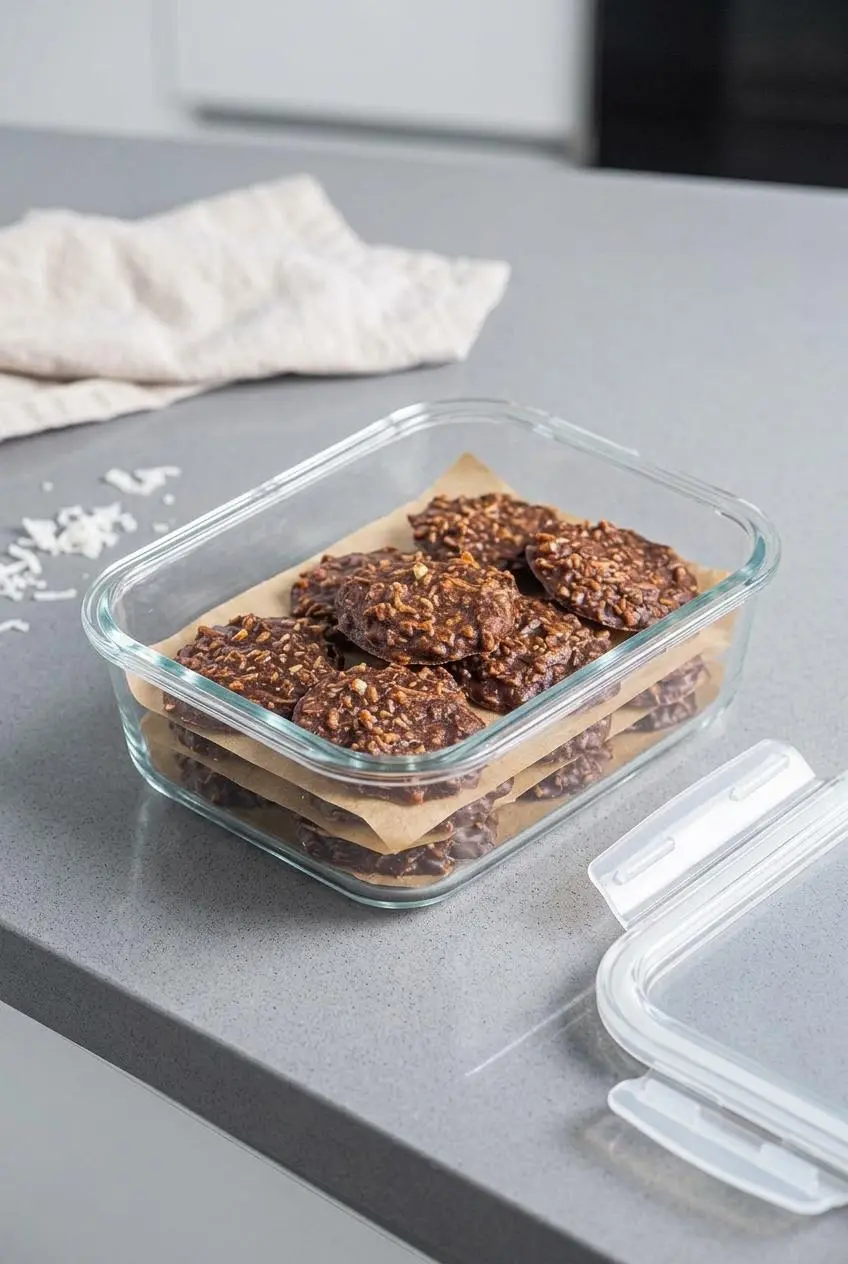
Keep the cookies in a sealed airtight container, with parchment between layers so the chocolatey surfaces do not cling together. Refrigeration gives them a firm, fudgy bite, while the freezer creates a colder, candy-like chew.
Because butter and nut butter soften in warmth, pack these cookies in a chilled container for lunchboxes or outdoor gatherings rather than leaving them on the counter. If storing frozen cookies, keep the container tightly closed and let any condensation evaporate before resealing after serving.
Best Ways to Serve and Pair Low-Carb Cookies
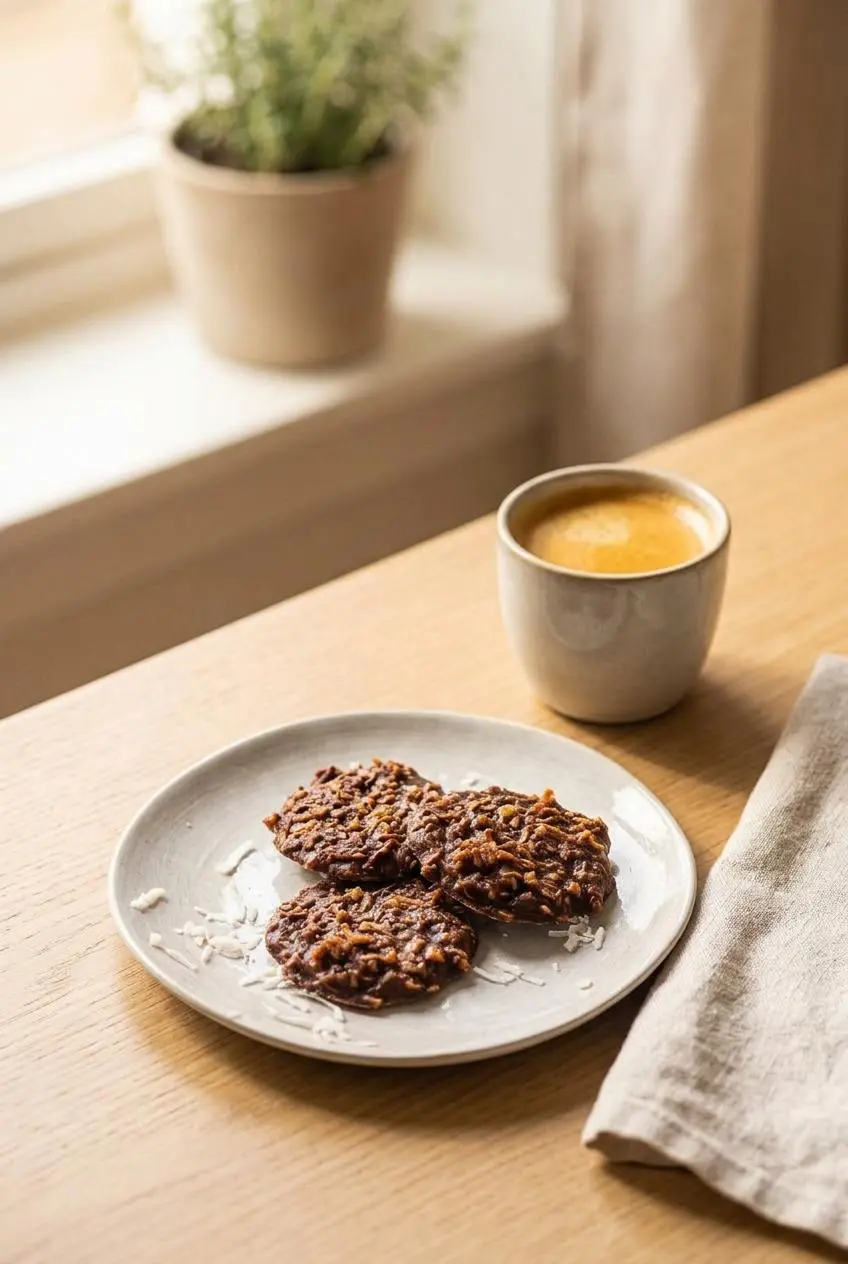
Serve these straight from the refrigerator when you want a softer fudge texture, or from the freezer when you want a snappier bite. A tiny sprinkle of flaky sea salt on top can sharpen the chocolate flavor, though it is entirely optional.
- Pair one with hot espresso or unsweetened cold brew for a rich, bittersweet contrast.
- Crumble a cookie over plain low-carb Greek yogurt for a cocoa-coconut topping.
- Serve alongside a few keto chocolate chip cookies when putting together a varied dessert plate.
- Enjoy a frozen cookie as a quick afternoon treat when a soft chocolate square sounds too polite.
Final Thoughts on Perfect Keto No-Bake Cookies
For the best rich, fudge-like texture, let the sweetener dissolve into the warm butter and cream, give the mixture a brief cooling pause, and chill the scooped cookies until fully firm.
Once you know the texture cues, this is an easy dessert to tailor with almond butter, peanut butter, or a seed butter that suits your kitchen. Keep them cold, grab one when the chocolate craving arrives, and enjoy that chewy coconut crunch.
Frequently Asked Questions
Why did my keto no-bake cookies turn out soft or greasy?
They may have been scooped while the mixture was still very hot, or the butter, cream, and sweetener may not have simmered long enough to come together smoothly. Chill the formed cookies until firm, and use a thoroughly stirred, creamy nut butter to limit oily separation.
Can I make these cookies without coconut?
Yes. Replace the coconut with finely chopped pecans, sliced almonds, or roasted sunflower seeds for texture and crunch. The cookies will have a different chew, so use a mix-in with enough small pieces to help the warm mixture hold its shape.
Which low-carb sweetener works best for no-bake treats?
A monk fruit allulose blend works especially well here because it melts into the warm cream mixture with a smoother finish. Granular erythritol can become gritty after chilling if it does not dissolve completely during the simmering stage.
How should I store these cookies so they don’t melt?
Store them in a sealed container with parchment between layers, then keep them chilled in the refrigerator or freezer. Avoid warm spots such as a sunny counter or a packed bag without a cold pack, since the butter-based texture softens quickly.
Keto No Bake Cookies

Equipment
- Large saucepan
- Baking sheet
- Parchment paper
- Cookie scoop
Ingredients
- 1/2 cup unsalted butter
- 1/3 cup heavy cream
- 1 cup monk fruit allulose blend
- 3/4 cup creamy almond butter
- 3 tablespoons unsweetened cocoa powder
- 1 tablespoon vanilla extract
- 1/4 teaspoon sea salt
- 1 1/2 cup shredded unsweetened coconut flakes
Instructions
- Cover a large baking sheet with parchment paper, using a second sheet if needed for the full batch. Keep the parchment flat so each portion can set without sliding into its neighbor.
- Melt the butter in a large saucepan over medium heat, then add the heavy cream and monk fruit allulose blend and bring the mixture to a boil. Stir until the surface bubbles evenly and the sweetener looks incorporated into the creamy base.
- Take the saucepan off the heat and stir in the almond butter until completely melted, followed by the cocoa powder, vanilla extract, and sea salt. The mixture should become dark, glossy, and cohesive before you gently fold in the coconut.
- Allow the warm mixture to stand briefly, then portion it onto the prepared baking sheet with a cookie scoop. The mounds should sit up rather than flow outward into thin puddles.
- Chill the cookies in the refrigerator or freezer until firm. The tops will look matte and the cookies should release cleanly from the parchment when ready.