Skip to content
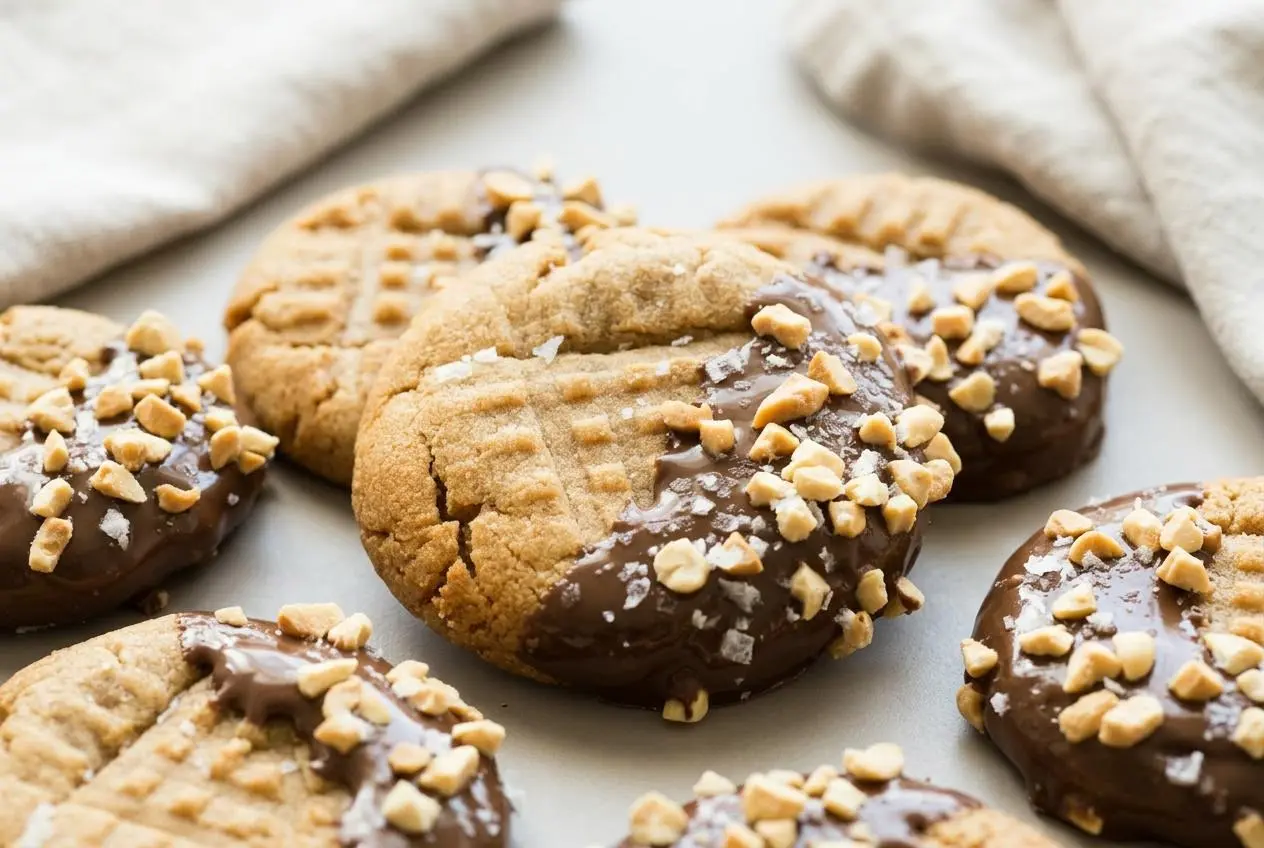
These flourless cookies combine creamy peanut butter, allulose, and egg into a rich, nutty dough that bakes with tender centers and lightly golden edges.
Keto peanut butter cookies are a fast low-carb dessert with a classic fork criss-cross and a pleasantly chewy bite. The key is using well-stirred natural peanut butter and letting the cookies finish setting on the pan.
Allulose keeps the texture soft and mellow, while the peanut butter brings deep roasted flavor without needing flour. Watch the edges, not the center.
Stir natural peanut butter thoroughly before measuring so its separated oil becomes part of the dough instead of a slick on the baking sheet.
Essential Ingredients for Low-Carb Peanut Butter Cookies
Each ingredient has a clear job: peanut butter supplies richness and moisture, allulose sweetens while supporting chewiness, and egg binds the flourless dough into cookies that hold together.
- 1 cup peanut butter
- 2/3 cup allulose
- 1 large egg
Choose creamy natural peanut butter with peanuts and salt as the main ingredients, without added sugar, hydrogenated oils, or palm oil. It should be loose enough to stir easily after mixing the jar well. Dry peanut butter from the bottom of an unstirred jar can make the dough crumbly, while overly runny peanut butter can create greasy cookies.
The egg gives this flourless dough its structure. As the cookies bake and cool, it helps the peanut butter and sweetener set into a tender cookie rather than a fragile mound of nut butter.
Allulose is especially useful when you want a soft, chewy result because it stays less crystalline as the cookies cool. Erythritol creates a firmer cookie with crisper edges, but coarse granules can feel sandy. Powdered erythritol or a finely ground monk fruit blend can work when a crisper texture is the goal.
I look for peanut butter that flows slowly from the spoon after stirring. That texture usually produces dough that presses cleanly without cracking at the edges.
How to Make Keto Peanut Butter Cookies
Mix until the peanut butter oil, egg, and sweetener become one cohesive dough. The mixture should feel soft and moldable, not oily or dry enough to split when pressed.
- Heat the oven to 180°C/350°F and cover a large baking tray with parchment paper or use a Silpat cookie sheet.
Prepare the tray before mixing so the dough can go straight onto a nonstick surface. - Place the peanut butter, allulose, and egg in a large bowl, then stir firmly until no streaks of egg remain.
The finished dough should look glossy and evenly blended, with no separated oil around the bowl. - Roll the dough into 12 balls and arrange them on the prepared tray, then flatten each into a round cookie and press a criss-cross with two forks.
Dip the fork tines in cool water between presses if the dough begins to cling to the metal. - Bake for 10 to 12 minutes, until the cookie edges show a light golden ring.
The centers may still feel soft, which keeps them from becoming dry once they cool. - Leave the cookies on the baking sheet until completely cooled before moving them.
They firm up as the warm peanut butter and egg structure settles, making them easier to lift without breaking.
If desired, drizzle the cooled cookies with chocolate and peanuts. Keep that finish light so the peanut butter flavor remains the star.
Troubleshooting Common Low-Carb Cookie Problems
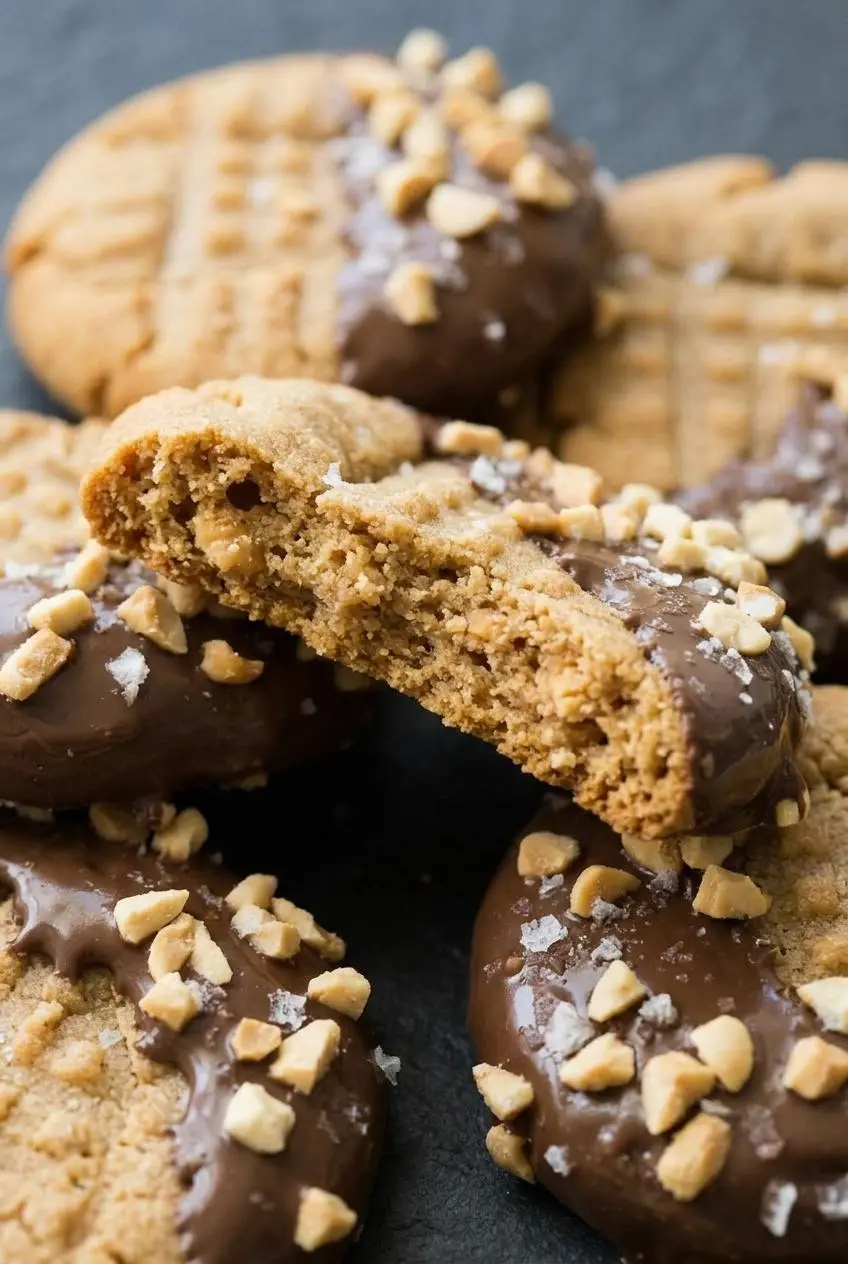
Small changes in peanut butter consistency and sweetener texture can noticeably change these cookies. These fixes keep the flourless dough workable without altering the main method.
- Gritty cookies: Granular erythritol may not dissolve fully in a fat-rich dough. Use allulose for a smoother chew, or grind erythritol to a fine powder before mixing.
- Crumbly dough: The peanut butter may be dry or poorly stirred, or the cookies may have baked too long. Stir the jar thoroughly before measuring and pull the cookies when the edges are golden but the middle still looks soft.
- Oily dough: Very loose natural peanut butter can separate during mixing. Keep stirring until the egg and sweetener fully emulsify the oil into the dough, then let it sit briefly if it feels too slick to shape.
- Cookies breaking apart: Flourless cookies are delicate while hot. Let them cool undisturbed on the baking sheet before attempting to transfer them.
- Fork marks tearing the dough: Wet the fork tines with cool water or lightly dust them with powdered low-carb sweetener. Press straight down, then lift cleanly instead of dragging the fork.
Easy Recipe Variations and Mix-Ins
Keep the main dough unchanged, then treat these as optional directions for a different texture or flavor. Add-ins can make the cookies spread and bake a little differently, so keep an eye on the golden edge cue.
Almond Flour Peanut Butter Cookies
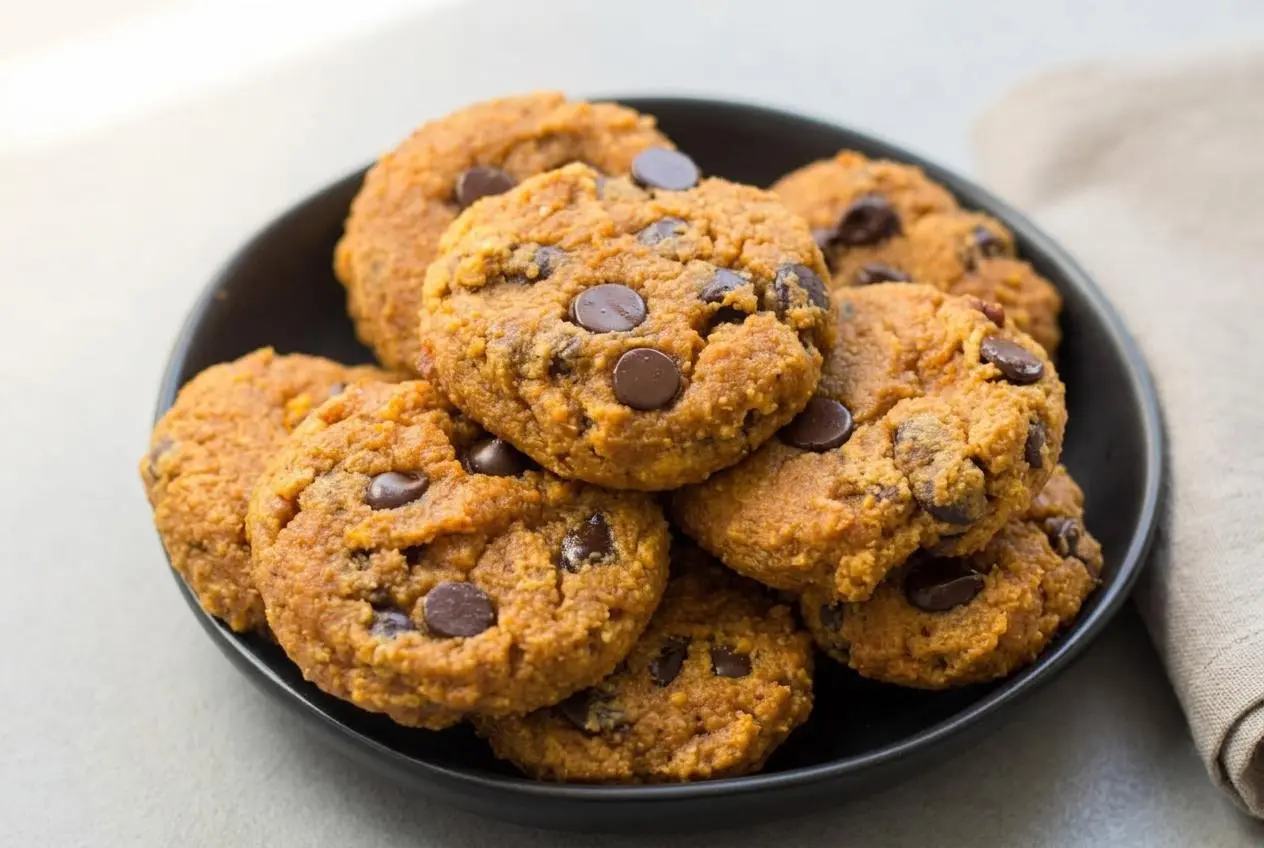
For a denser, cakier crumb, incorporate almond flour into a variation of the dough. It absorbs some peanut butter moisture and gives the cookies more body than the pure flourless version. If you prefer that bakery-style texture, these almond flour cookies offer another satisfying direction.
Coconut flour is more absorbent than almond flour, so it creates a drier, sturdier result if used in a separate variation. Avoid treating the two flours as interchangeable.
Keto Peanut Butter Chocolate Chip Cookies
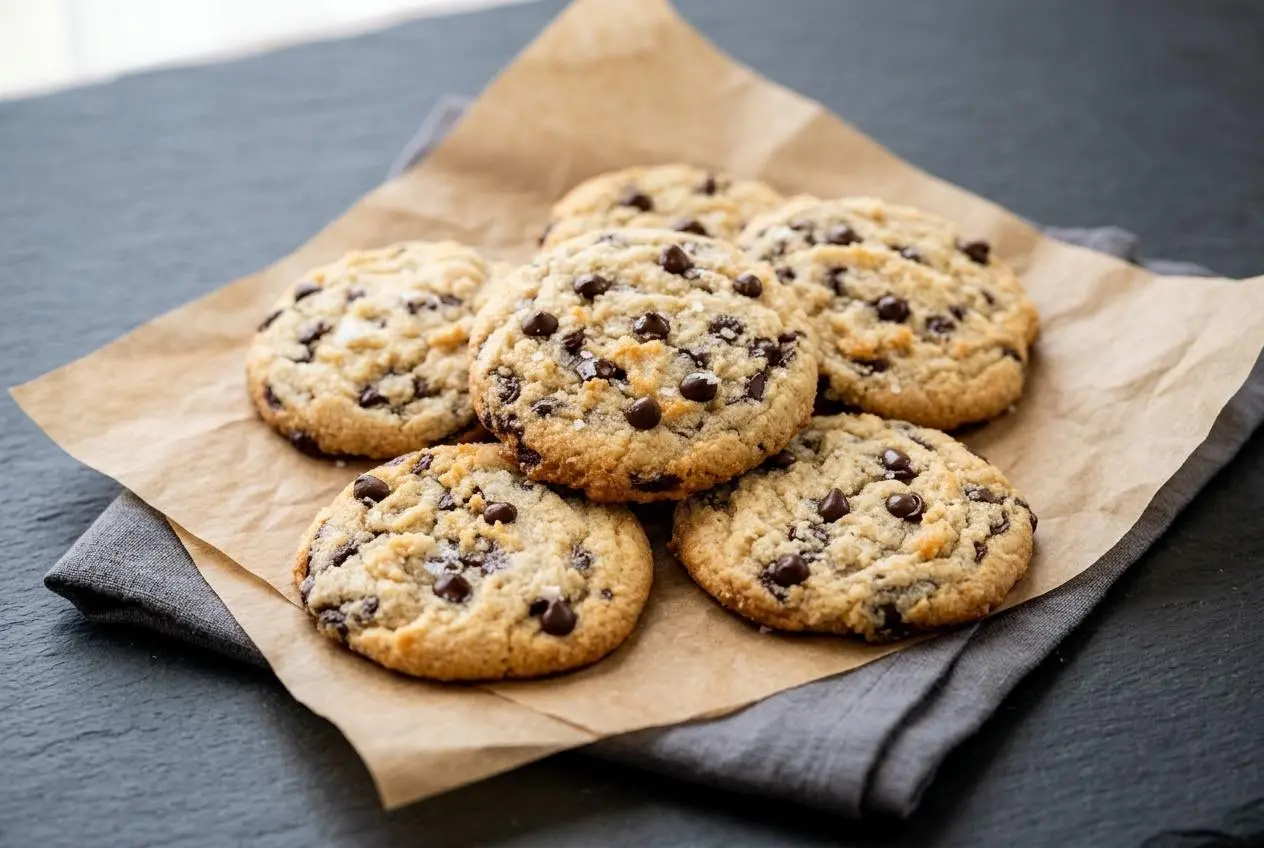
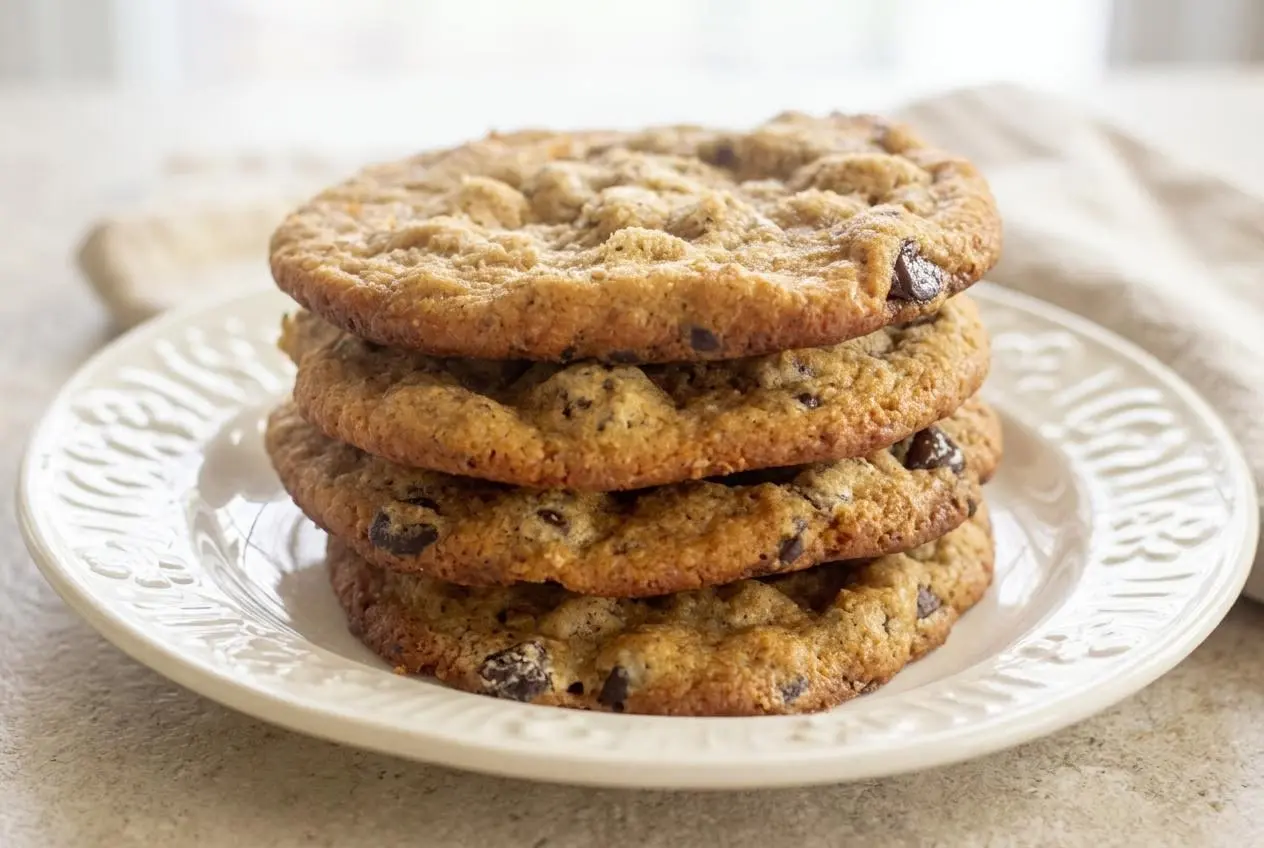
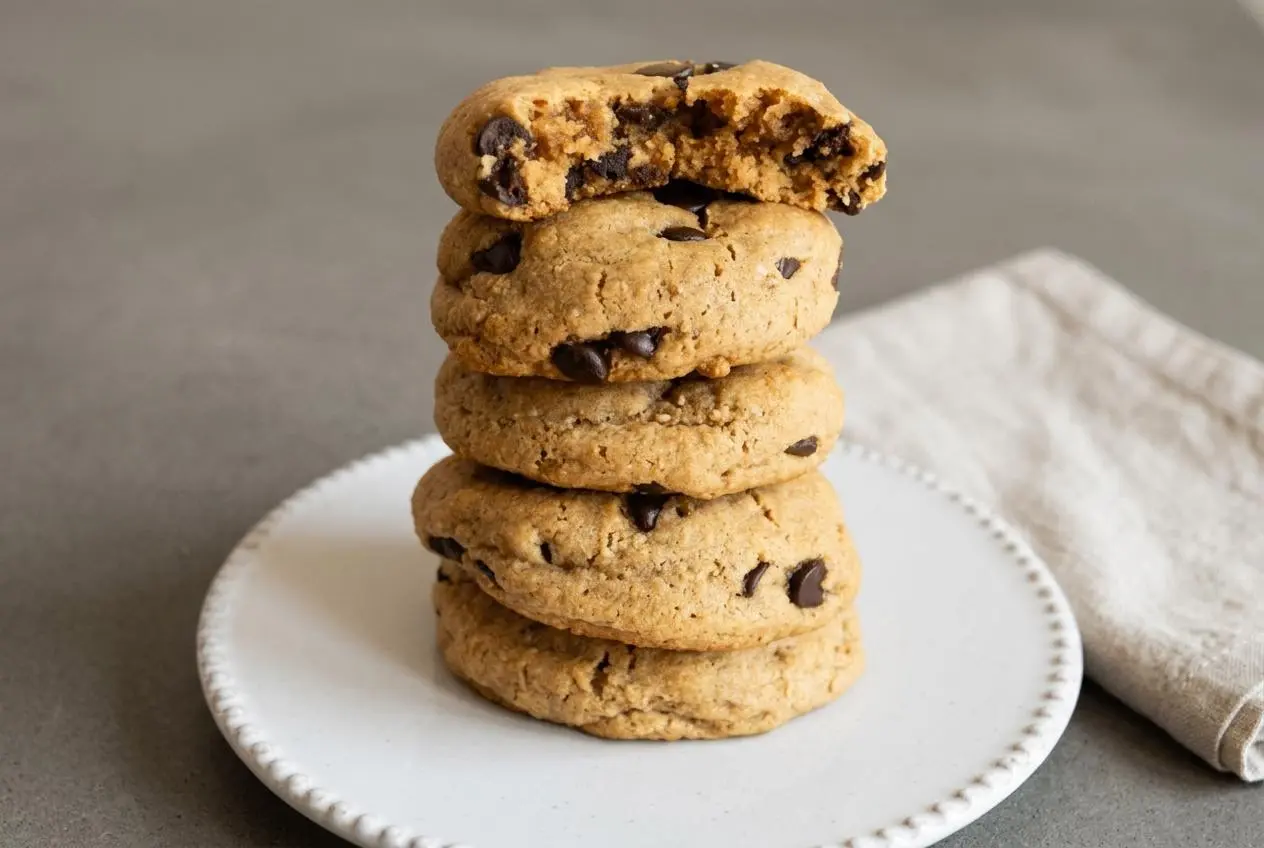
Fold in sugar-free chocolate chips for pockets of bittersweet richness, or use chopped roasted peanuts for extra crunch. Both add texture, but large mix-ins can make the dough rounds less tidy and may soften the fork pattern.
A pinch of flaky sea salt scattered over warm cookies can sharpen the sweet-salty contrast. It is especially good with dark chocolate.
No-Bake Peanut Butter Cookie Alternative
For an oven-free dessert, choose a separate chilled peanut butter cookie style rather than trying to skip the baking step here. It will have a softer, candy-like texture instead of the golden edges and set center of this baked version.
Proper Storage Guidelines
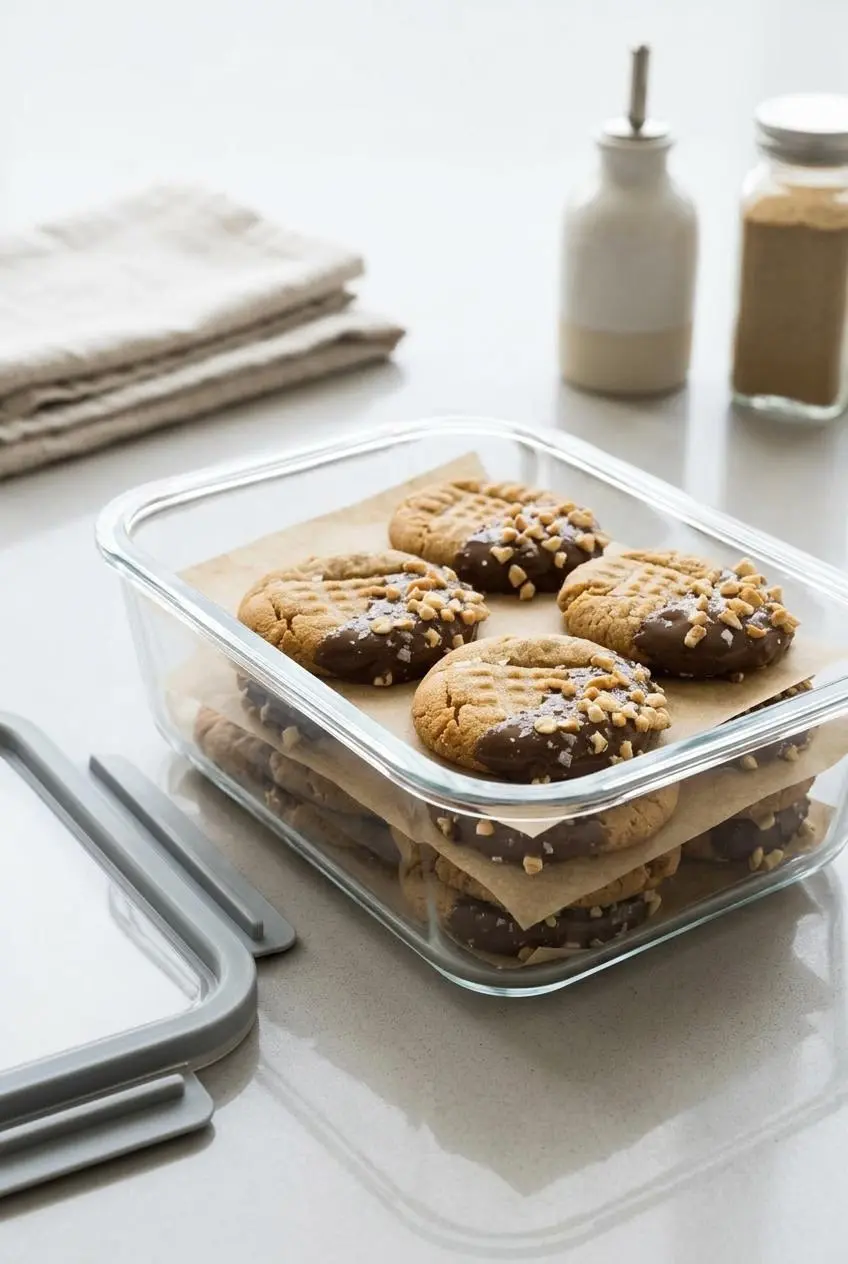
Cool the cookies completely before placing them in an airtight container. Trapping warmth inside can create condensation and soften their edges.
Keep them at room temperature when you want the most tender bite. Refrigeration makes the peanut butter firmer and gives the cookies a denser, snappier texture. Let a chilled cookie sit briefly before serving if you prefer a softer center.
Store chocolate-drizzled cookies in a single layer when possible, or separate layers with parchment paper to protect the finish. Keep the container away from heat and humidity so the surface stays neat.
Dietary Context: Peanut Butter on a Ketogenic Diet
Natural peanut butter can fit many low-carb eating patterns, but the label matters. Check for added sugars, syrups, and sweetened flavorings, then consider the carbohydrate information in the context of your own daily plan.
These cookies use allulose rather than conventional sugar, but nutrition can vary with the peanut butter brand and any optional chocolate or peanut topping. If you are following a medically supervised eating plan or managing a health condition, a qualified professional can help you decide what fits your needs.
Creative Serving and Dessert Ideas
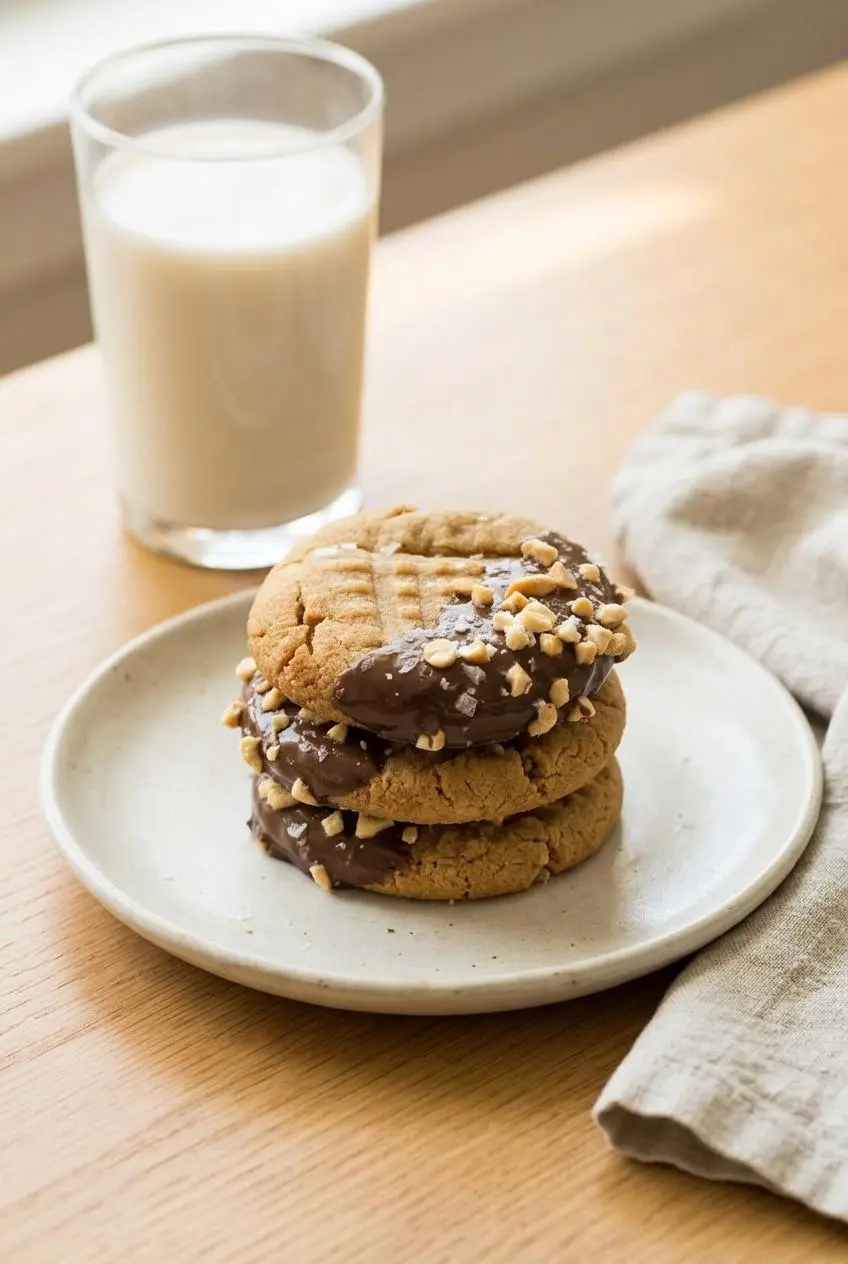
Serve these cookies with unsweetened almond milk, cold brew coffee, or a warm mug of tea. Their rich peanut flavor also works well beside something cold and creamy.
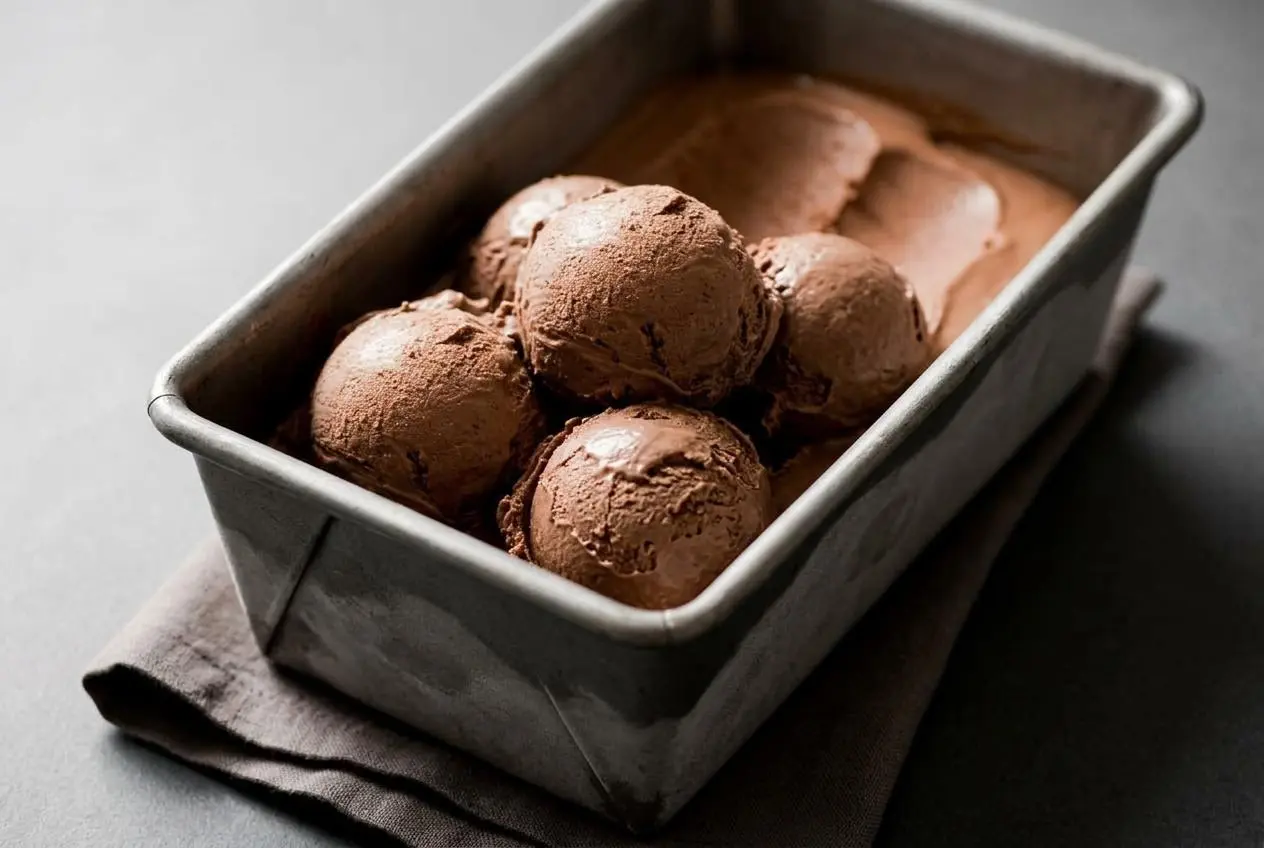
- Crumble a cookie over keto ice cream for a nutty, crunchy dessert topping.
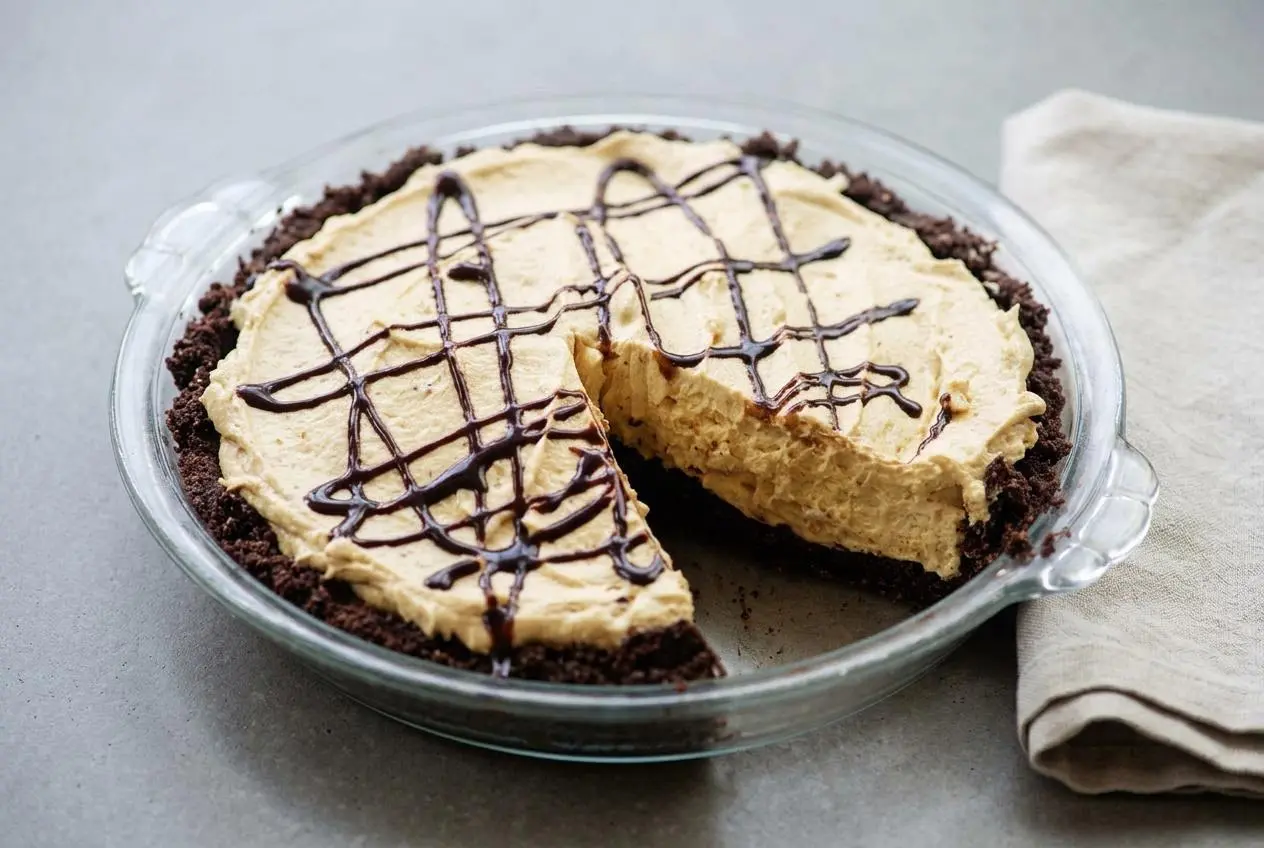
- Make a dessert sandwich with a sugar-free vanilla or peanut butter coconut cream filling.
- Offer a lightly salted cookie with coffee after dinner when you want a small, satisfying finish.
Mastering Homemade Low-Carb Peanut Butter Cookies
Well-stirred natural peanut butter, allulose, and a thoroughly mixed egg create the chewy flourless dough these cookies need. Bake only until the edges turn lightly golden.
Give the cookies time to cool on the pan before moving them, and the tender centers will set into a sturdy, satisfying bite. That little pause makes all the difference.
Frequently Asked Questions
Can I Make 3 Ingredient Peanut Butter Cookies on a Keto Diet?
Yes. This version uses creamy natural peanut butter, allulose, and an egg to make a flourless cookie dough. Choose peanut butter without added sugar, and check labels on any optional toppings. Whether it suits your eating plan depends on the specific products and your personal carbohydrate goals.
Why Did My Keto Peanut Butter Cookies Turn Out Crumbly?
Crumbly cookies usually come from dry, unstirred peanut butter, baking until the centers feel firm, or moving the cookies while hot. Mix the peanut butter oil back into the jar before measuring, watch for lightly golden edges, and let the cookies cool fully on the pan before lifting them.
What Is the Best Low-Carb Sweetener for Soft and Chewy Cookies?
Allulose gives these cookies the softest, chewiest texture because it stays smoother as the cookies cool. Erythritol tends to produce a firmer, crisper edge. For the least gritty result, use it in powdered form rather than as coarse granules.
Can You Eat Peanut Butter While in Ketosis?
Many people include natural peanut butter in a low-carb routine, especially when it contains no added sugar. Check the label and account for its carbohydrate content within your own plan. No single food can promise a particular ketosis outcome. Individual needs and limits vary.
How Do I Keep the Dough From Sticking to the Fork When Making the Criss-Cross Pattern?
Dip the fork tines in cool water before pressing each cookie. Re-wet the fork whenever dough begins to stick. You can also lightly dust the fork with powdered low-carb sweetener. Press down and lift straight up to keep the ridges clean.
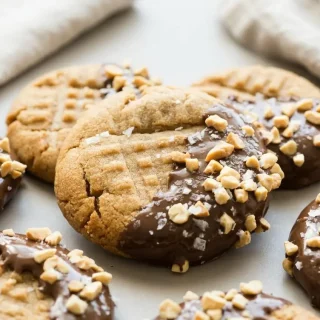
Keto Peanut Butter Cookies

Equipment
- Baking sheet
- Parchment paper
- Large mixing bowl
- Fork
Ingredients
- 1 cup peanut butter
- 2/3 cup allulose
- 1 large egg
Instructions
- Heat the oven to 180°C/350°F and cover a large baking tray with parchment paper or use a Silpat cookie sheet. Prepare the tray before mixing so the dough can go straight onto a nonstick surface.
- Place the peanut butter, allulose, and egg in a large bowl, then stir firmly until no streaks of egg remain. The finished dough should look glossy and evenly blended, with no separated oil around the bowl.
- Roll the dough into 12 balls and arrange them on the prepared tray, then flatten each into a round cookie and press a criss-cross with two forks. Dip the fork tines in cool water between presses if the dough begins to cling to the metal.
- Bake for 10 to 12 minutes, until the cookie edges show a light golden ring. The centers may still feel soft, which keeps them from becoming dry once they cool.
- Leave the cookies on the baking sheet until completely cooled before moving them. They firm up as the warm peanut butter and egg structure settles, making them easier to lift without breaking.