Skip to content
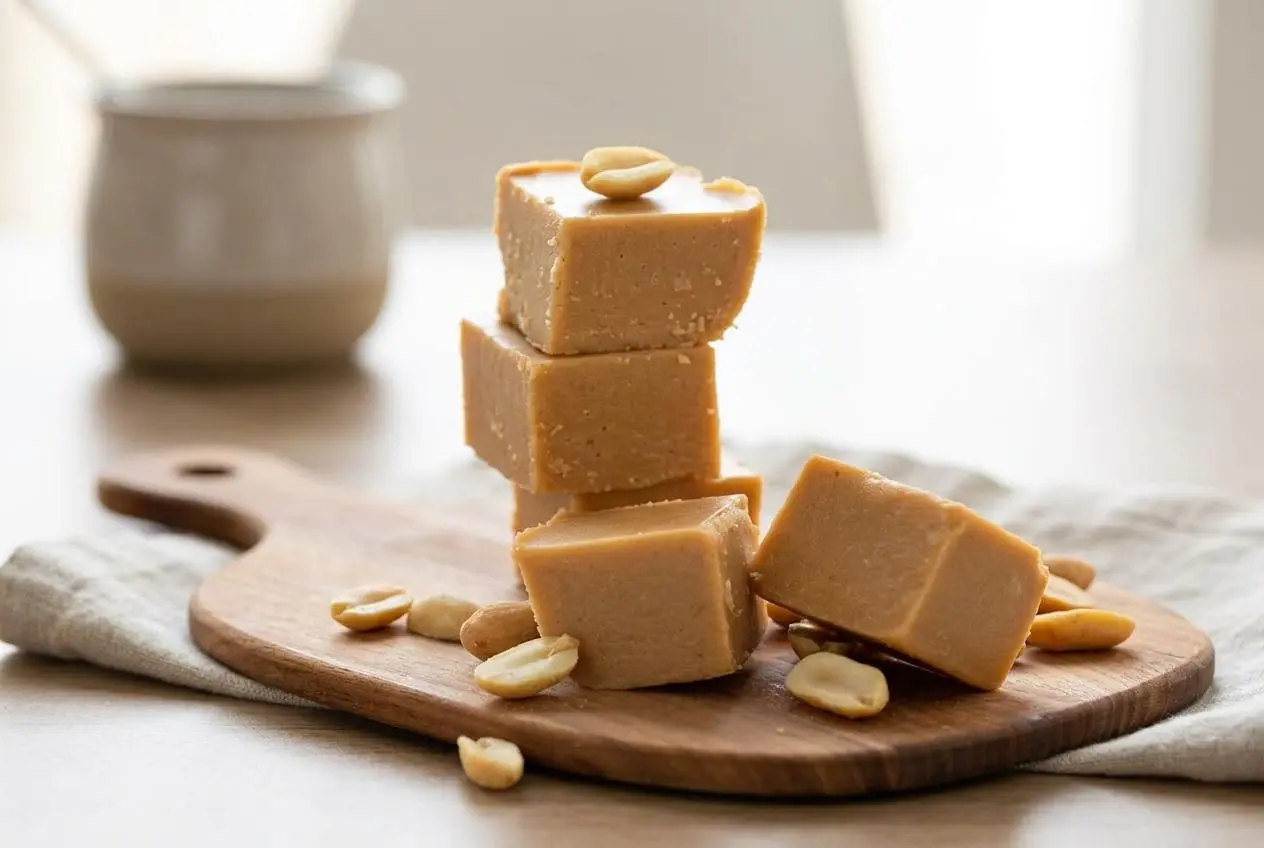
This keto peanut butter fudge recipe combines creamy peanut butter, butter, vanilla, powdered sweetener, and collagen peptides for a rich no-bake candy that sets in the refrigerator with a smooth, melt-in-your-mouth finish.
Keto peanut butter fudge recipe fans will appreciate how the peanut flavor stays front and center rather than disappearing behind chocolate or cream cheese. The key is gentle heat and a fully blended, glossy mixture.
Each chilled square is buttery, nutty, and pleasantly dense, with clean edges instead of a crumbly bite. Powdered sweetener makes all the difference.
Stir natural peanut butter thoroughly in its jar before measuring, especially if oil has collected near the top.
Essential Ingredients for Sugar-Free Peanut Butter Fudge
Every ingredient supports the fudge’s peanut flavor, creamy texture, smooth sweetness, aroma, or firm chilled structure.
- 1 cup unsweetened creamy peanut butter ((add a pinch of salt if it’s unsalted))
- 1/2 cup butter
- 1/2 tsp vanilla extract
- 3/4 cup powdered Swerve Sweetener
- 1/3 cup collagen peptides
Choosing the Right Natural Peanut Butter
Use unsweetened creamy peanut butter with a smooth, well-mixed consistency. Natural peanut butter can separate in the jar, and that loose oil can make the fudge greasy if it is scooped from the surface without stirring it back in.
A no-stir style peanut butter also works when it is unsweetened and creamy. Avoid chunky peanut butter for the main mixture, since larger pieces can interrupt the clean, silky texture and make slicing less tidy.
If your peanut butter is unsalted, the included pinch of salt sharpens the roasted peanut flavor and keeps the sweetness from tasting flat. If it is already salted, taste is best balanced by leaving that extra pinch out.
Powdered Sweeteners vs. Granular Crystals
Powdered Swerve Sweetener is essential here because it blends into warm fat more smoothly than coarse crystals. Granular sweetener can remain noticeable as the fudge cools, creating a sandy or crunchy texture instead of a velvety bite.
If all you have is a granulated low-carb sweetener, powder it until it feels very fine before adding it. The goal is a mixture that changes from matte to glossy as you whisk, with no visible dry pockets clinging to the sides of the pan.
The Role of Butter and Collagen for Structure
Butter gives the fudge its rich, classic flavor and helps the peanut butter loosen into a pourable mixture over low heat. Once chilled, those fats firm into a soft, sliceable candy rather than a spoonable spread.
Collagen peptides add body to the warm mixture and help it hold together when cut. They should disappear completely as you whisk. Any dry-looking specks signal that the mixture needs a little more gentle stirring before it goes into the pan.
I prefer peanut butter that looks creamy and unified after stirring because it gives the finished fudge a cleaner texture and less chance of an oily layer on top.
Step-by-Step Preparation and Setting Method
Low heat protects the peanut butter’s texture and gives the sweetener time to blend into a smooth, cohesive fudge mixture.
Lining the Pan for Easy Removal
Waxed paper creates a liftable sling, so the firm slab comes out of the loaf pan without digging at it or breaking the edges.
- Fit waxed paper into an 8×4-inch or 5×9-inch loaf pan, leaving enough paper above the sides to use as handles.
Press the paper into the corners so the fudge will set in an even layer. - Warm the peanut butter and butter together in a medium saucepan over low heat, stirring until both melt into one mixture.
Keep the heat quiet and gentle; sizzling is a sign to lower it immediately. - Stir the vanilla extract into the melted peanut butter mixture, then whisk in the powdered sweetener and collagen peptides until smooth.
The finished mixture should flow in a glossy ribbon without oily streaks or dry powder. - Scrape the fudge into the lined pan and refrigerate until set, about 1 hour.
The slab should feel firm when pressed lightly before you lift it out by the paper edges and cut it into 15 pieces.
Gentle Melting and Off-Heat Emulsification
Keep the burner on low and stir steadily rather than letting the mixture sit. Peanut butter can split if it gets too hot, especially when it contains naturally separated oil. Once the fats have melted together, avoid prolonged heating.
Whisking in the powdered ingredients is the stage that builds the fudge’s smooth texture. Work until the mixture looks uniform and glossy, then pour it promptly. A dull, streaky surface usually means the fats and dry ingredients have not fully come together.
Chilling Time and Clean Cutting Technique
Refrigeration gives the butter and peanut butter fats time to firm before slicing. Do not rush this stage, since warm fudge can bend, stick, and smear instead of cutting into distinct squares.
For especially neat portions, run a knife under hot water, wipe it completely dry, and cut with a straight downward motion. Clean and dry the blade between cuts when the fudge begins to cling.
Troubleshooting Texture and Separation Issues
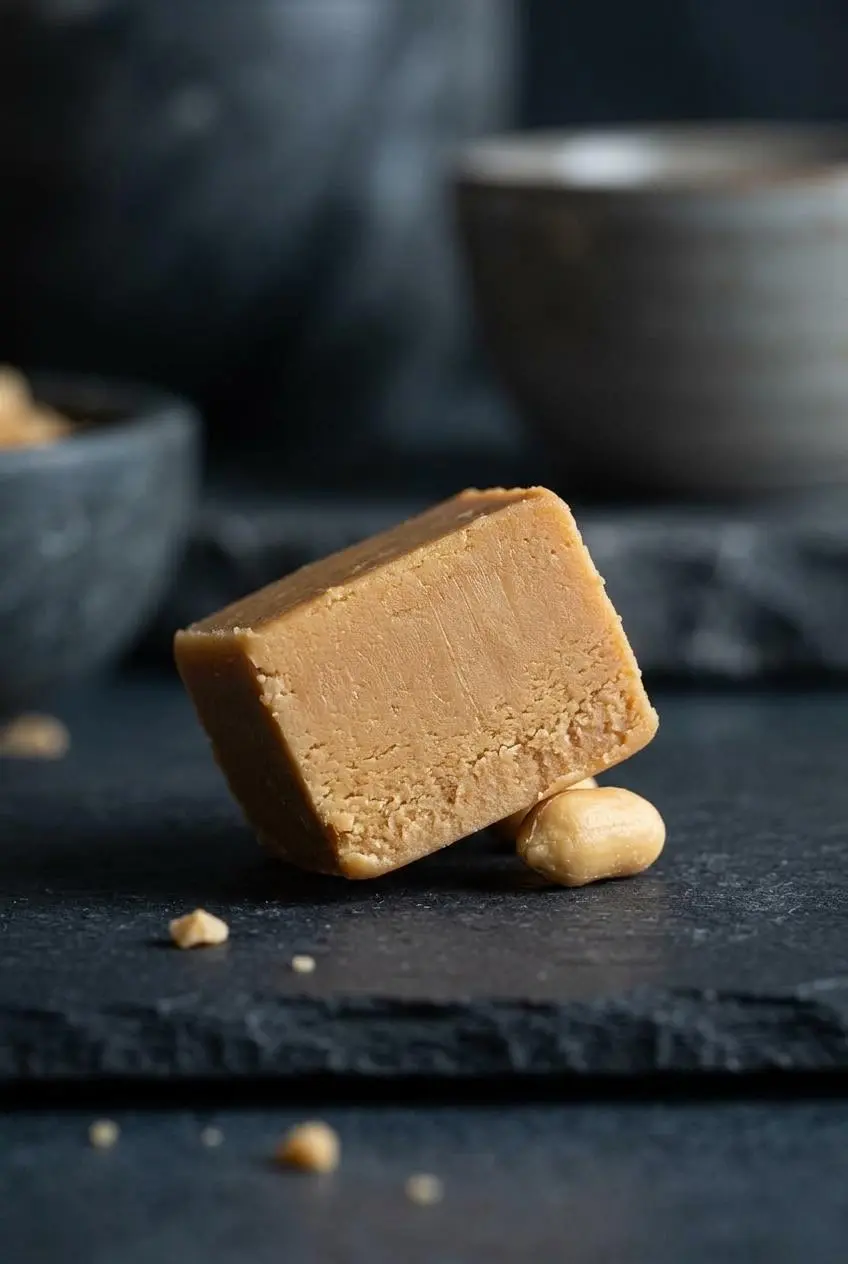
Most texture problems come down to heat, peanut butter consistency, or sweetener texture, and each has a practical fix.
- Greasy fudge or oil on top: The mixture likely became too hot, or the peanut butter had excess separated oil. Take the pan off the heat and whisk firmly until the fats look unified; if needed, add a tiny splash of cream or water and keep whisking gently.
- Grainy or crystalline texture: Coarse sweetener crystals do not dissolve well in a fat-based candy. Use powdered Swerve Sweetener, or powder granular sweetener before using it.
- Dry or crumbly fudge: The collagen or sweetener may not have blended fully into the melted fats. Whisk until the mixture turns glossy and fluid before transferring it to the pan.
- Fudge that softens quickly: Natural peanut butter and butter become softer as they warm. Keep the pieces chilled until serving and return any leftovers to a covered container.
- Fudge that sticks to the pan: Make sure the waxed paper reaches up the sides of the loaf pan. Those overhanging edges are what allow the slab to lift out cleanly.
Popular Flavor Variations and Adaptations
Keep the main fudge formula intact, then add a finish that suits the occasion or your preferred flavor profile.
Keto Chocolate Peanut Butter Marble
For a chocolate contrast, drizzle melted sugar-free dark chocolate over the warm peanut butter layer and lightly drag through it to create marbled ribbons. The chocolate adds a bittersweet edge that balances the buttery peanut flavor without turning the entire batch into chocolate fudge.
If that flavor pairing is always a favorite, these keto peanut butter cups offer another chilled chocolate-and-peanut-butter treat.
Crunchy Sea Salt and Roasted Peanut Topping
Press chopped roasted peanuts over the surface before chilling for a welcome crunch against the soft fudge. A light sprinkle of flaky sea salt adds contrast and makes the vanilla and roasted peanut notes taste more pronounced.
Keep toppings modest so the squares still cut cleanly. Large clusters of nuts can pull through the fudge as the knife moves down.
Dairy-Free Coconut Oil Fudge
Coconut oil can replace the butter for a dairy-free variation, though it gives the fudge a different flavor and a softer feel as it warms. Keep this version well chilled for the best structure.
Smooth almond butter or sunflower seed butter can replace peanut butter if needed, but each has its own fat level and flavor. Choose an unsweetened, thoroughly stirred butter and expect the final texture to vary slightly.
Storing Fudge for Best Texture
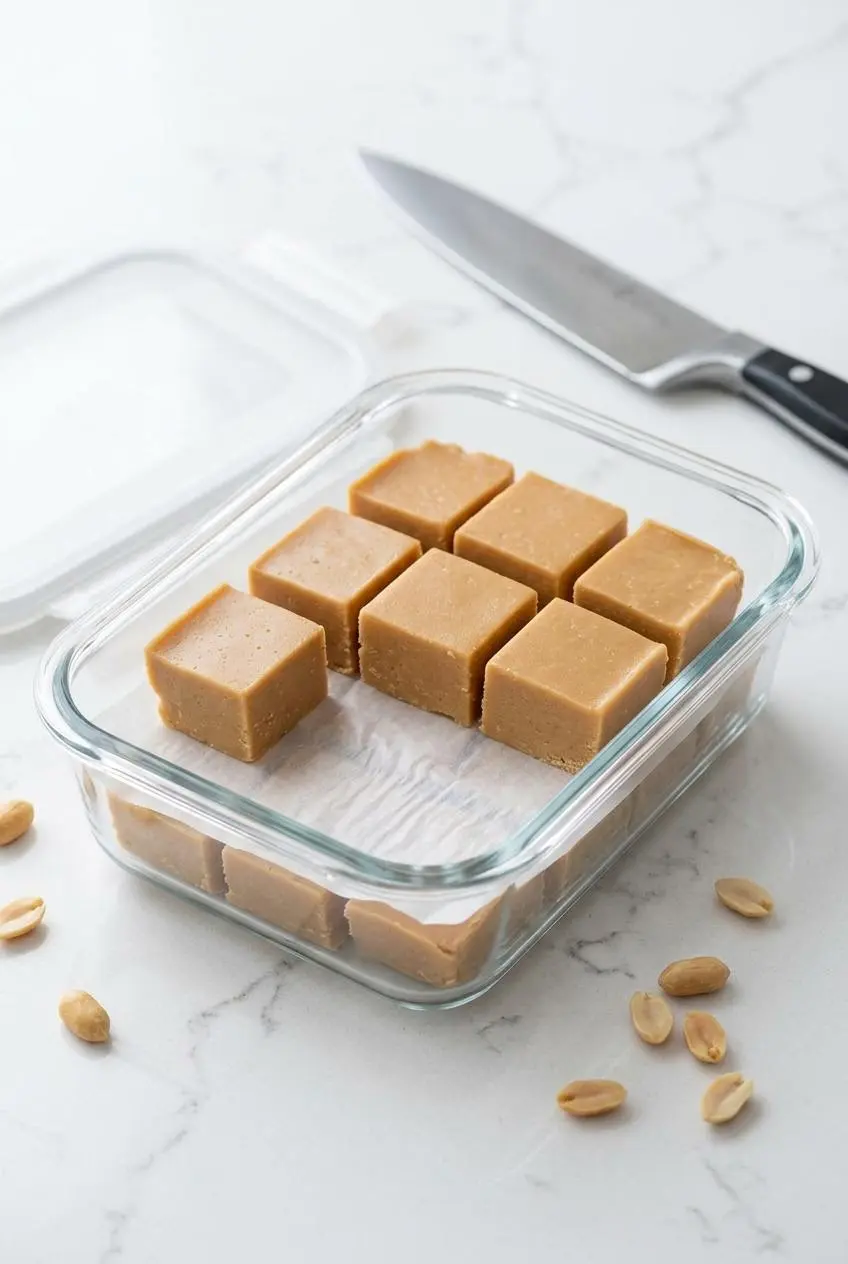
Keep the squares in an airtight container in the refrigerator so they stay firm and do not pick up other food odors. Place waxed paper between layers if you are stacking them, which helps protect their smooth surfaces.
For serving, take out only the portions you plan to enjoy and keep the remaining fudge chilled. The butter and natural peanut oils soften at room temperature, so a cold container is the most reliable way to preserve the neat, dense texture.
Serving Suggestions and Portion Control
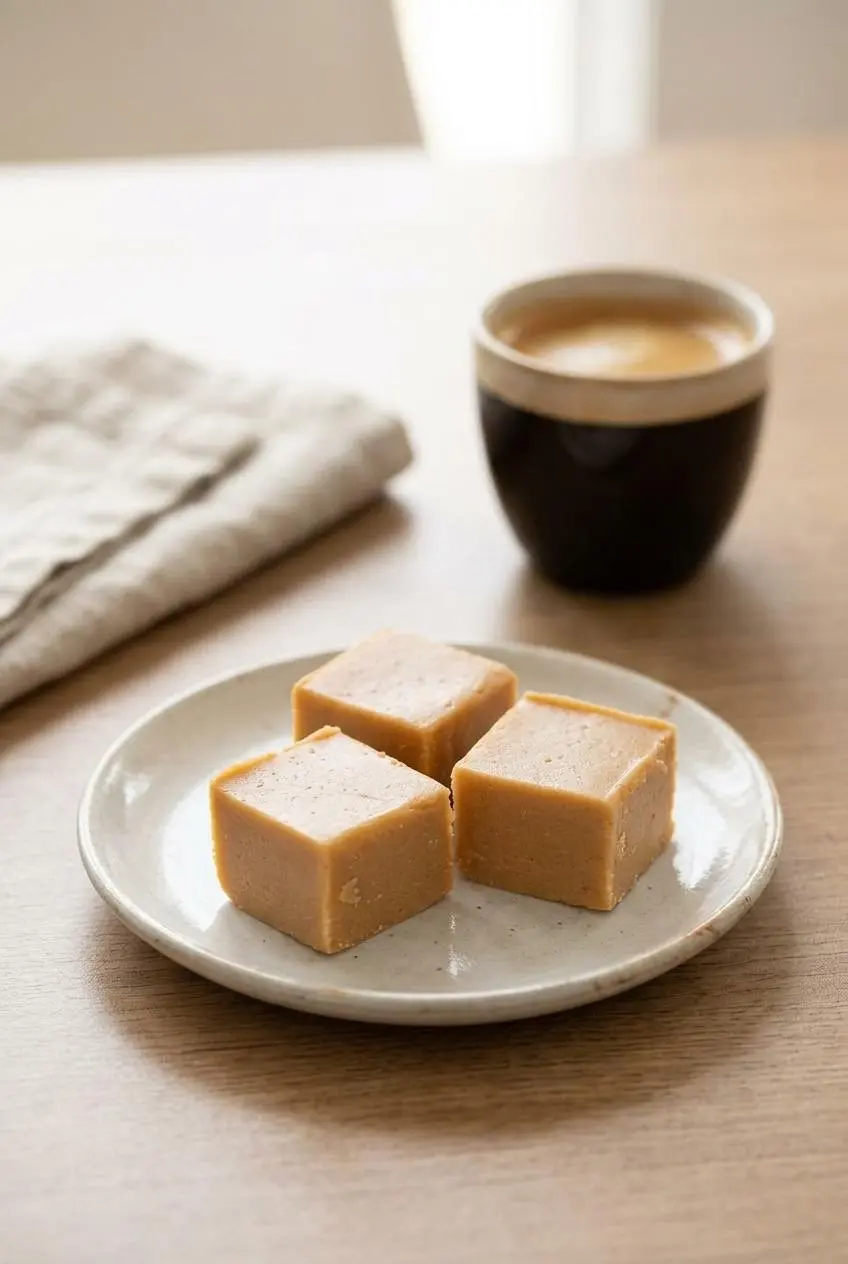
Serve the fudge straight from the refrigerator for the cleanest bite and the firmest shape. Its rich, buttery texture makes a small square feel satisfying on its own.
- Pair a chilled piece with black coffee or unsweetened espresso to balance the sweetness.
- Serve it with unsweetened tea when you want a lighter finish after a meal.
- Arrange small squares on a dessert platter, leaving space between them so they stay tidy.
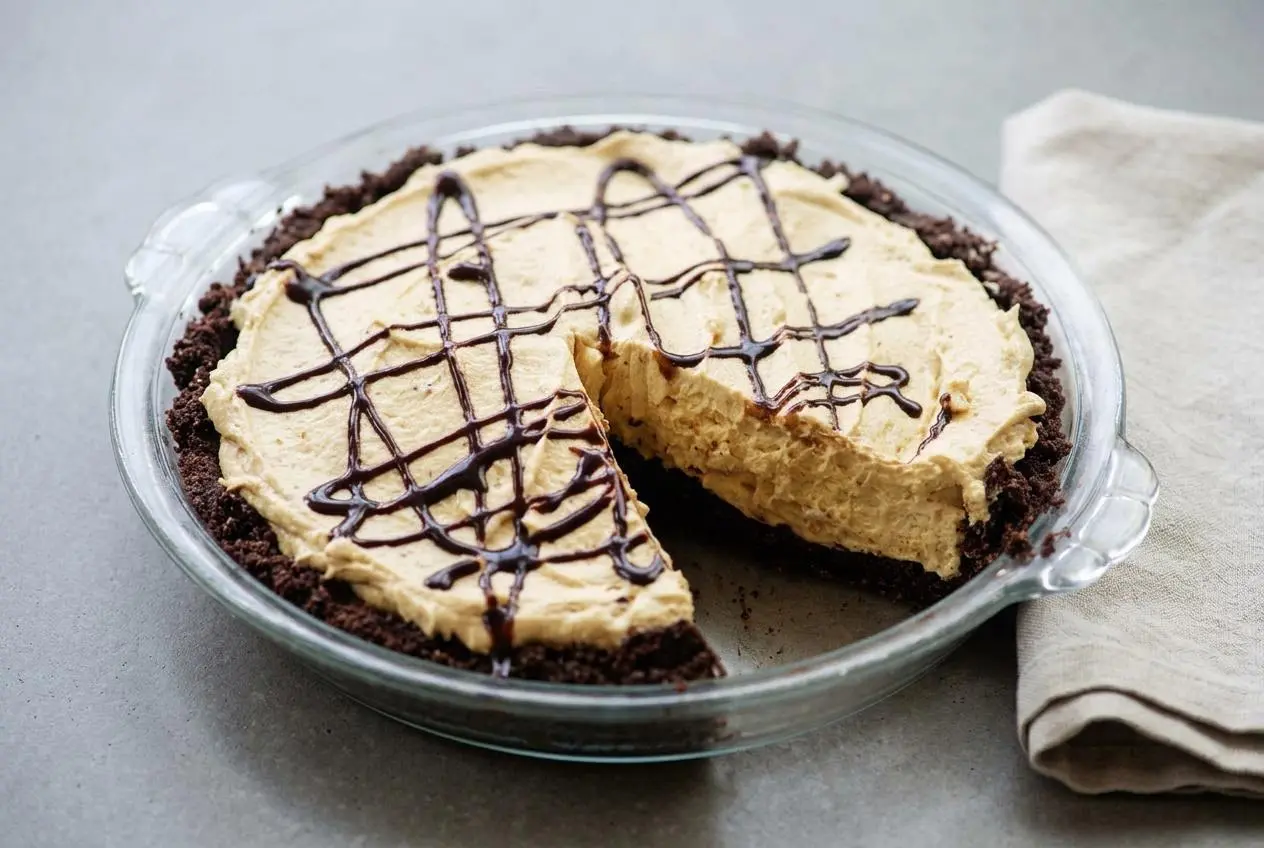
- For a more elaborate spread, add a slice of keto peanut butter pie alongside the fudge.
Mastering Rich and Creamy Low-Carb Fudge
Great keto fudge relies on three details: low heat, finely powdered sweetener, and enough chilling time for the slab to firm fully. Stirring the peanut butter well before measuring also helps prevent a slick, oily finish.
Once you know the texture cues, this chilled candy becomes wonderfully straightforward to make. A glossy pour and a firm slice are the little signs that tell you it worked.
Frequently Asked Questions
Why Did My Keto Peanut Butter Fudge Turn Out Greasy or Separate?
Overheating is the usual cause. Keep the peanut butter and butter over low heat, then whisk the sweetener and collagen into the warm mixture until it looks glossy and unified. Natural peanut butter with oil floating on top can also cause separation. Stir the jar thoroughly before measuring, and whisk an oily mixture off the heat to bring it back together.
Can I Use Granulated Sweetener Instead of Powdered Sweetener?
Granulated sweetener can leave the fudge gritty because the crystals do not dissolve as smoothly in melted fats. Powdered Swerve Sweetener produces the most even, velvety texture. If granulated sweetener is your only option, blend it into a fine powder before using it. That extra step reduces the chance of a crystalline crunch after chilling.
Does Keto Peanut Butter Fudge Stay Firm at Room Temperature?
It softens as the butter and peanut oils warm, so it is best served chilled. Refrigerated squares hold their shape better and cut more cleanly. For a dessert platter, place out small portions at a time and keep the rest cold until needed.
Can I Substitute Almond Butter or Sunbutter?
Yes, smooth unsweetened almond butter or sunflower seed butter can be used as an optional swap. Their flavor and natural fat content differ from peanut butter, so the finished fudge may set with a slightly different texture. Stir any natural nut or seed butter thoroughly before measuring. This helps keep the melted mixture more cohesive.
How Long Does Keto Peanut Butter Fudge Keep?
Store it covered in an airtight container in the refrigerator to maintain its firm texture and protect it from odors. Keep waxed paper between stacked squares to prevent sticking. Because this fudge is rich in butter and natural nut fats, keep it chilled rather than leaving it out for extended serving. Discard it if its smell, texture, or taste changes.
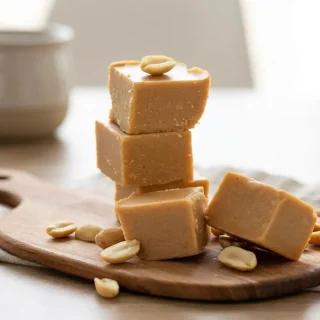
Keto Peanut Butter Fudge Recipe

Equipment
- 8×4-inch or 5×9-inch loaf pan
- Waxed paper
- medium saucepan
- Whisk
Ingredients
- 1 cup unsweetened creamy peanut butter (add a pinch of salt if it’s unsalted)
- 1/2 cup butter
- 1/2 tsp vanilla extract
- 3/4 cup powdered Swerve Sweetener
- 1/3 cup collagen peptides
Instructions
- Fit waxed paper into an 8×4-inch or 5×9-inch loaf pan, leaving enough paper above the sides to use as handles. Press the paper into the corners so the fudge will set in an even layer.
- Warm the peanut butter and butter together in a medium saucepan over low heat, stirring until both melt into one mixture. Keep the heat quiet and gentle; sizzling is a sign to lower it immediately.
- Stir the vanilla extract into the melted peanut butter mixture, then whisk in the powdered sweetener and collagen peptides until smooth. The finished mixture should flow in a glossy ribbon without oily streaks or dry powder.
- Scrape the fudge into the lined pan and refrigerate until set, about 1 hour. The slab should feel firm when pressed lightly before you lift it out by the paper edges and cut it into 15 pieces.