Skip to content
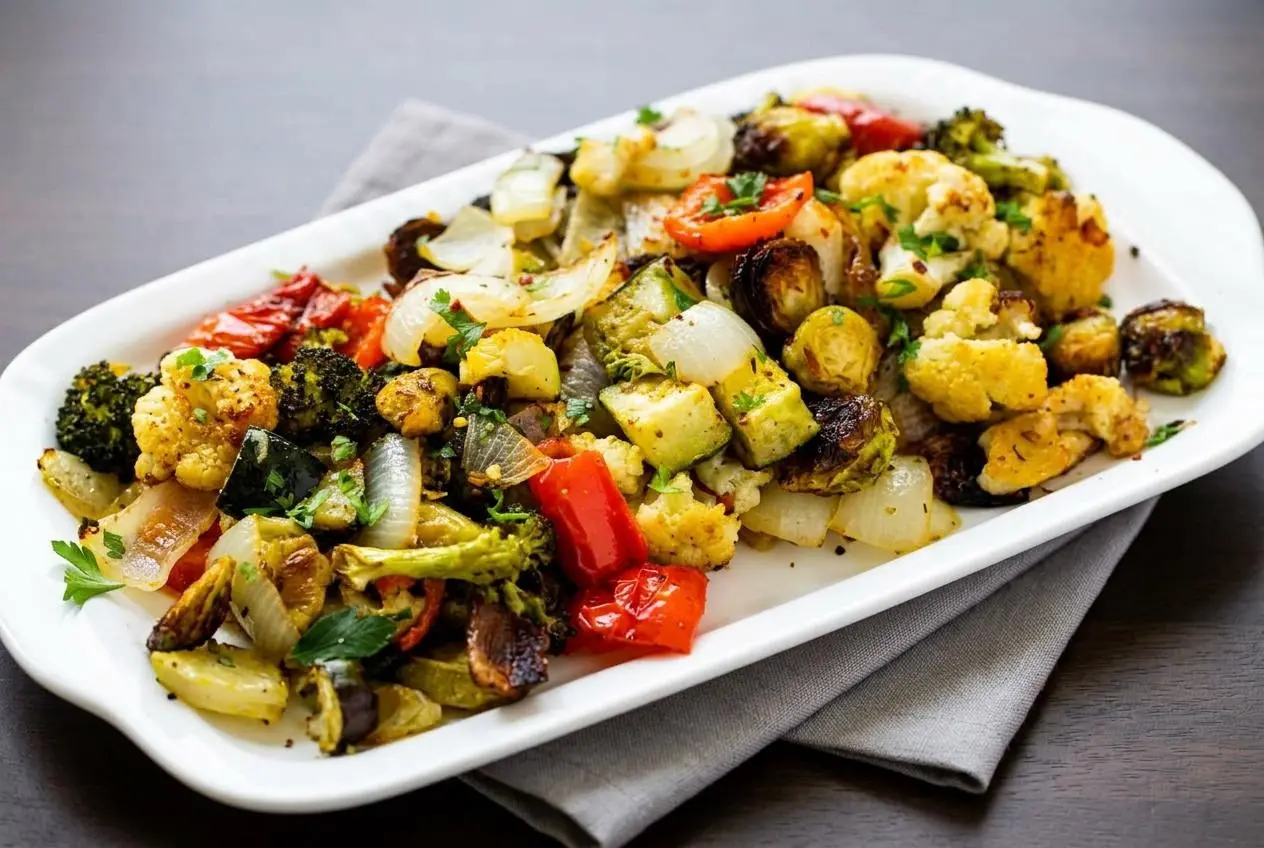
Toss low-carb vegetables with avocado oil and seasonings, spread them in a single layer, and roast at 450 degrees until the edges brown and the centers turn tender.
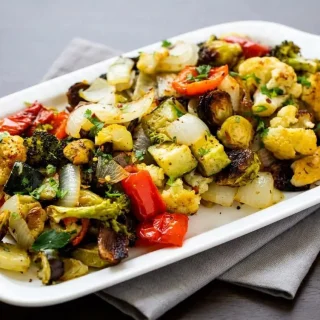
Keto Roasted Vegetables are all about high heat, good spacing, and vegetables that can caramelize without turning watery. This mix gives you broccoli, cauliflower, Brussels sprouts, zucchini, eggplant, onion, and red pepper with plenty of color and herb-infused char.
You get crisp edges, soft centers, and a side dish that works with weeknight dinners or meal prep. The trick is simple, but it matters.
Pat the vegetables dry before oiling them so the oven roasts their surfaces instead of steaming trapped moisture.
Ingredients
Each ingredient has a job here, from browning and tenderness to heat, aroma, and balance, so the finished pan tastes savory, a little spicy, and nicely caramelized.
- 1 yellow onion (peeled and cut into large chunks)
- 1 zucchini (trimmed, halved lengthwise, and cut into large chunks)
- 1 eggplant (trimmed and cut into large chunks)
- 1 red pepper (halved, seeded, and cut into thick strips)
- 1 cup cauliflower florets
- 1 cup broccoli florets
- 1 cup Brussels sprouts (halved)
- 1/2 cup avocado oil
- 2 teaspoons sea salt
- 1 1/2 teaspoons dried oregano
- 1/2 teaspoon fresh ground black pepper
- 1/4 teaspoon cayenne pepper
The onion and red pepper bring sweetness as they roast, while broccoli, cauliflower, and Brussels sprouts pick up the deepest browned edges. Zucchini and eggplant soften the mix and absorb the seasoned oil well, which helps every bite taste savory instead of dry. Avocado oil matters here because it can handle the oven heat without turning harsh, and the oregano, black pepper, cayenne, and sea salt keep the flavor bold but balanced.
I like to keep the zucchini and eggplant pieces a little larger than you think you need, because they shrink fast and stay silkier in the center that way.
How to Roast Keto Vegetables
- Heat the oven to 450 degrees and coat an 18 x 12 rimmed baking sheet with avocado spray.
The hot oven and lightly greased pan help the vegetables start browning as soon as they hit the surface. - Add the onion, zucchini, eggplant, red pepper, cauliflower, broccoli, and Brussels sprouts to a large bowl, then toss them with the avocado oil, sea salt, dried oregano, black pepper, and cayenne pepper.
Keep mixing until the vegetables look evenly glossy so the seasoning clings to every piece. - Spread the vegetables over the prepared pan in a single layer and roast for 20 minutes, then stir and roast 10 minutes more.
They are ready when the edges are lightly brown, the brassicas smell sweet and toasty, and a knife slides into the thickest pieces with little resistance.
A Beginner’s Guide to Keto Roasting
If you are new to roasting vegetables for keto, focus on three things first: size, heat, and space. Cut the vegetables into similarly sized pieces so the broccoli does not burn while the eggplant is still pale. Large chunks work well here because they stay tender inside while the surfaces get golden.
Next comes heat. This recipe uses a hot oven for a reason. At 450 degrees, the vegetables can caramelize before they have time to slump and release too much moisture. When the Brussels sprouts and cauliflower start roasting well, you will notice that sweet, nutty aroma that brassicas get as their edges brown.
Finally, pay attention to doneness instead of the clock alone. After the final roast, look for browned spots around the edges and listen for that faint crisp sound when you shake the pan. If you slide a knife into the center of a broccoli stem or Brussels sprout half, it should feel tender but not mushy.
Keto-Friendly Vegetables vs. High-Carb Veggies
This is the section that saves you from turning a low-carb side into something much starchier than planned. Roasted vegetables can absolutely fit keto, but the choice of vegetable matters more than the cooking method.
- Great keto-friendly picks for roasting include broccoli, cauliflower, Brussels sprouts, zucchini, bell peppers, cabbage, radishes, and eggplant.
- Vegetables like onion can still fit, but they add more natural sweetness and carbs than cruciferous vegetables, so they work best as part of a mix rather than the whole pan.
- High-starch vegetables to avoid include potatoes, sweet potatoes, yams, parsnips, corn, and peas.
- Carrots are not as starchy as potatoes, but they are still sweeter and easier to overdo on a strict keto plan.
- Net carbs are total carbohydrates minus fiber. In plain kitchen terms, fiber is the part your body does not fully digest, so keto cooks usually watch net carbs instead of total carbs alone.
- Lower-carb vegetables tend to be the safest everyday choice when you want a generous roasted side without drifting too far from keto goals.
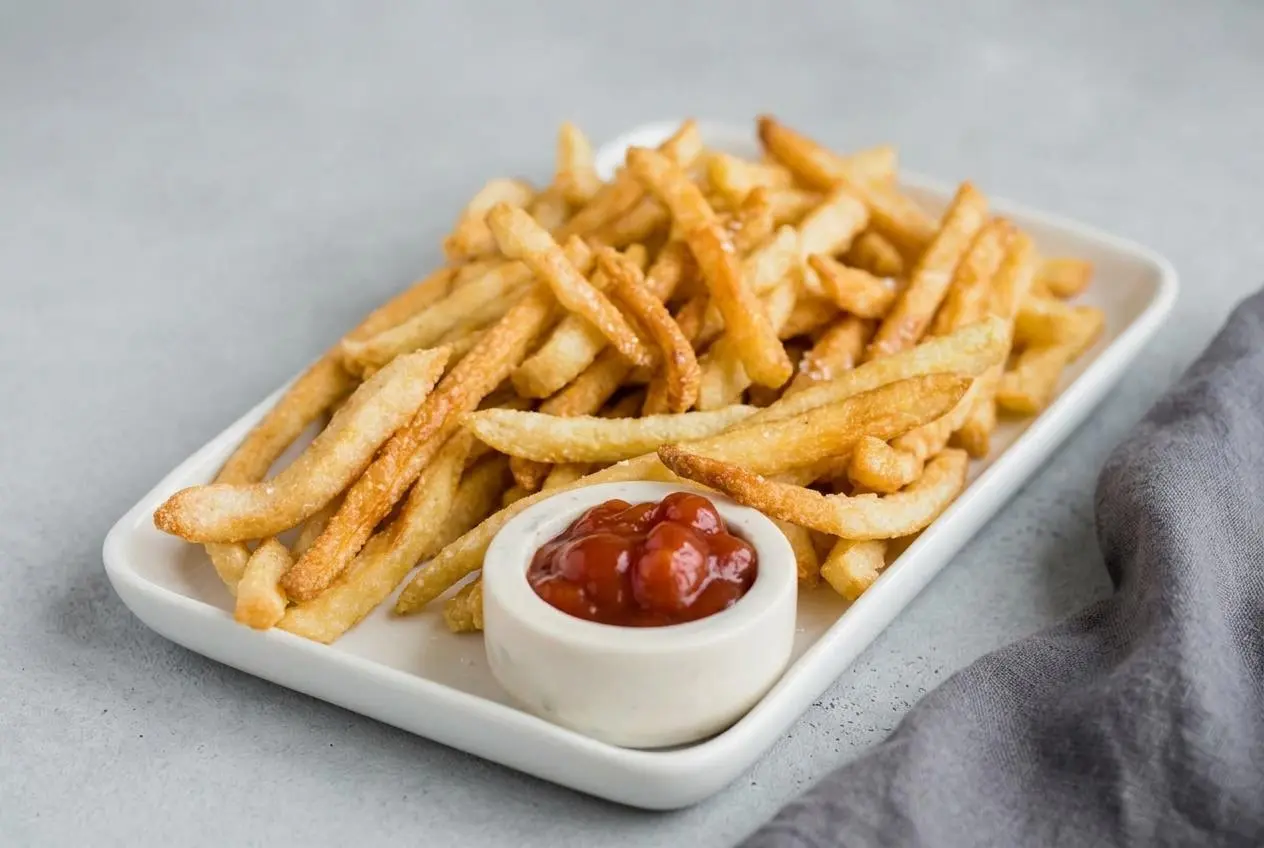
If what you really miss is potatoes, keto French fries can scratch that comfort-food itch in a much better way for a low-carb meal.
The Best Oils for High-Heat Keto Roasting
Oil does more than keep vegetables from sticking. It helps conduct heat, encourages browning, and gives roasted vegetables that glossy, crisp-edged finish instead of a dry or leathery one.
For this recipe, avocado oil is the strongest choice because it can handle high oven heat well. It has a smoke point of 500F, which makes it a better fit for 450F roasting than many oils used for dressings or lower-heat cooking.
- Avocado oil: best for this method because it stays neutral in flavor and supports strong browning at high heat.
- Extra virgin olive oil: flavorful, but less ideal here because very hot roasting can push it toward bitter or smoky notes sooner.
- Butter: delicious in other dishes, but not a smart choice for a 450-degree sheet pan because milk solids can scorch quickly.
The oil choice changes texture too. A stable high-heat oil helps the vegetables roast cleanly, with browned edges and tender centers. A lower smoke point fat can darken too fast on the pan, leaving you with sharp flavors before the vegetables are properly cooked.
How to Prevent Soggy Roasted Vegetables
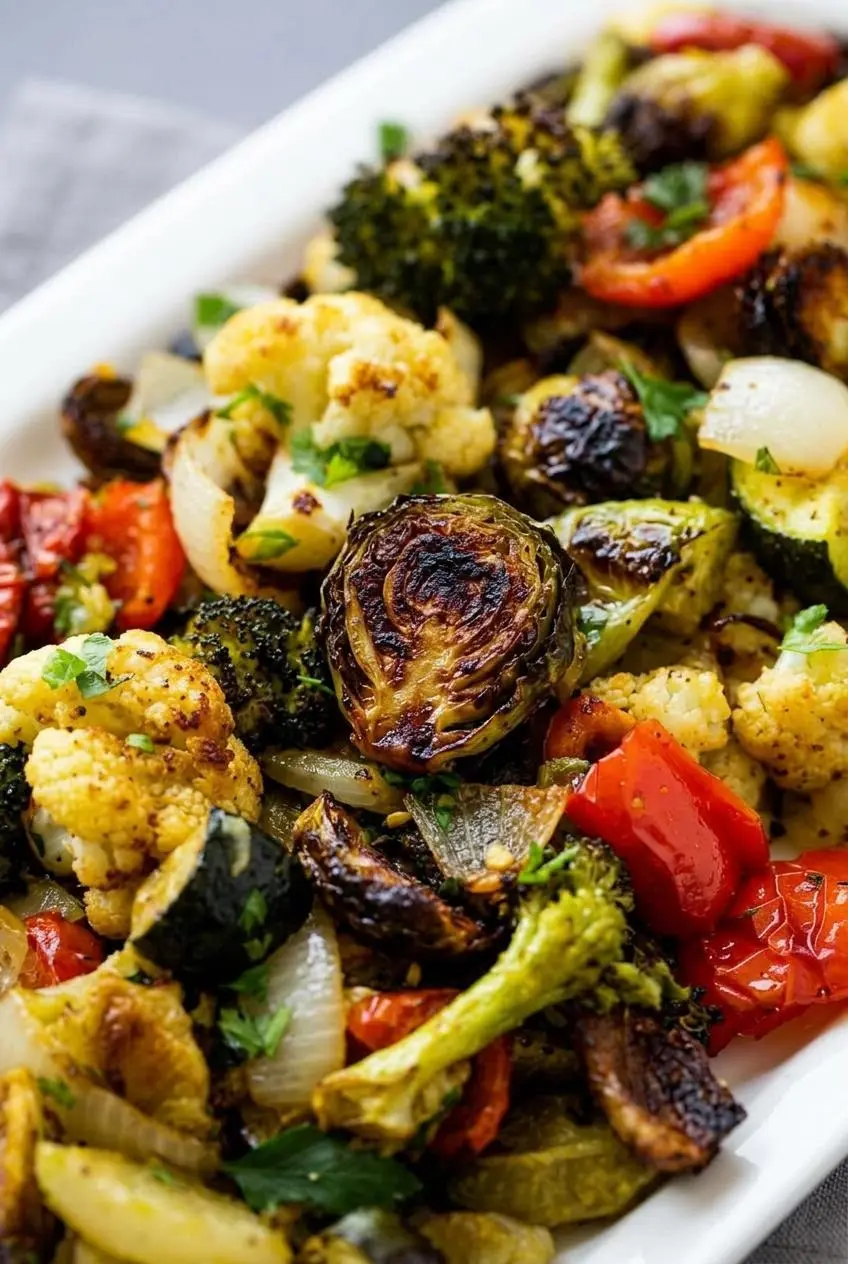
Mushy vegetables usually come from trapped steam, not bad luck. Once you know that, the fix gets much easier.
- Do not overcrowd the pan. If pieces touch too much, moisture stays between them and they steam instead of roast.
- Dry the vegetables well before adding oil. Wet surfaces block browning and make zucchini, eggplant, and peppers soften too fast.
- Skip parchment paper when you want maximum char. Direct contact with the hot metal pan gives better browning on the bottoms.
- Use high heat. Roasting too low encourages the vegetables to soften and leak moisture before color develops.
- Stir only when the recipe calls for it. Too much moving interrupts browning and lets off the heat the vegetables need.
Many home cooks blame zucchini first, but it is often the pan setup. Zucchini does hold a lot of water, yet it still roasts well when the pieces are dry and spaced properly.
How to Arrange Vegetables for Perfect Roasting
Think of the sheet pan as a work zone, not a pile-up. Each piece needs a little breathing room so hot air can move around it and moisture can escape.
Spread the vegetables in one layer with the cut sides touching the pan where possible. The halved Brussels sprouts, broccoli stems, and cauliflower florets all brown better when they have direct contact with the metal. If the vegetables are stacked or tucked tightly together, the pan turns into a steam bath.
If your vegetables look crowded after tossing, use two pans rather than forcing everything onto one. That is especially helpful with watery vegetables like zucchini and eggplant. Two pans may seem fussy, but it is much less fussy than a tray of pale, limp vegetables.
Essential Tips for Perfect Keto Roasted Vegetables
These small adjustments make the biggest difference when you want a tray that comes out golden instead of uneven.
- Cut with intention. Keep the pieces close in size so they finish together and you do not end up with burnt broccoli tips next to undercooked eggplant.
- Use paper towels if the vegetables look damp after washing. A dry surface gives you better caramelization almost immediately.
- Give the pan a shake after stirring. You should hear a light, crisp rattle rather than a wet hiss.
- Watch the thickest pieces for doneness. The knife-tender test works better than guessing from color alone.
- Season thoroughly in the bowl, not on the pan. That coats the vegetables more evenly and keeps bare pieces from tasting flat.
Keto Roasted Vegetable Variations
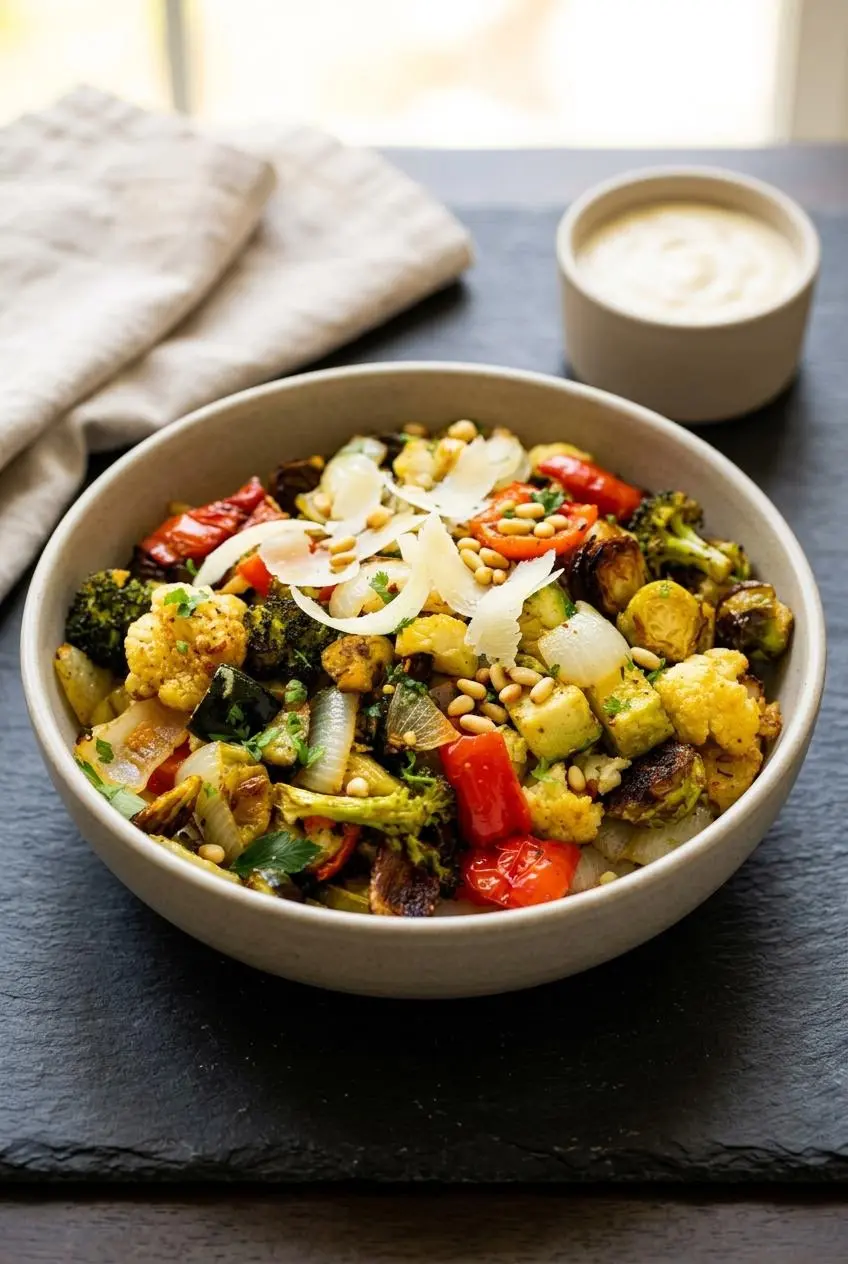
The base recipe stands on its own, but it is easy to change the flavor direction after roasting or during seasoning. Keep all of these ideas optional so the original method stays exactly the same.
Mediterranean Herb and Cheese
For a Mediterranean spin, finish the hot vegetables with crumbled feta, sliced olives, and a splash of red wine vinegar. You keep the salty, briny feel of a Greek-style platter without adding sweet ingredients that can push carbs higher. If you are wondering about balsamic, use it sparingly or swap in red wine vinegar when you want a sharper keto-friendly finish.
Mexican Spiced
Add ground cumin and chili powder to the seasoning mix for a warmer, smokier profile. This version is great with grilled chicken, flank steak, or a spoonful of garlic aioli on the side.
Adding Radishes and Squash
Radishes mellow as they roast and lose much of their sharp bite, which makes them a nice stand-in when you want something hearty in the mix. Summer squash roasts similarly to zucchini, though it softens quickly, so it does best in large pieces with plenty of pan space.
Gourmet Parmesan and Toasted Pine Nut Finish
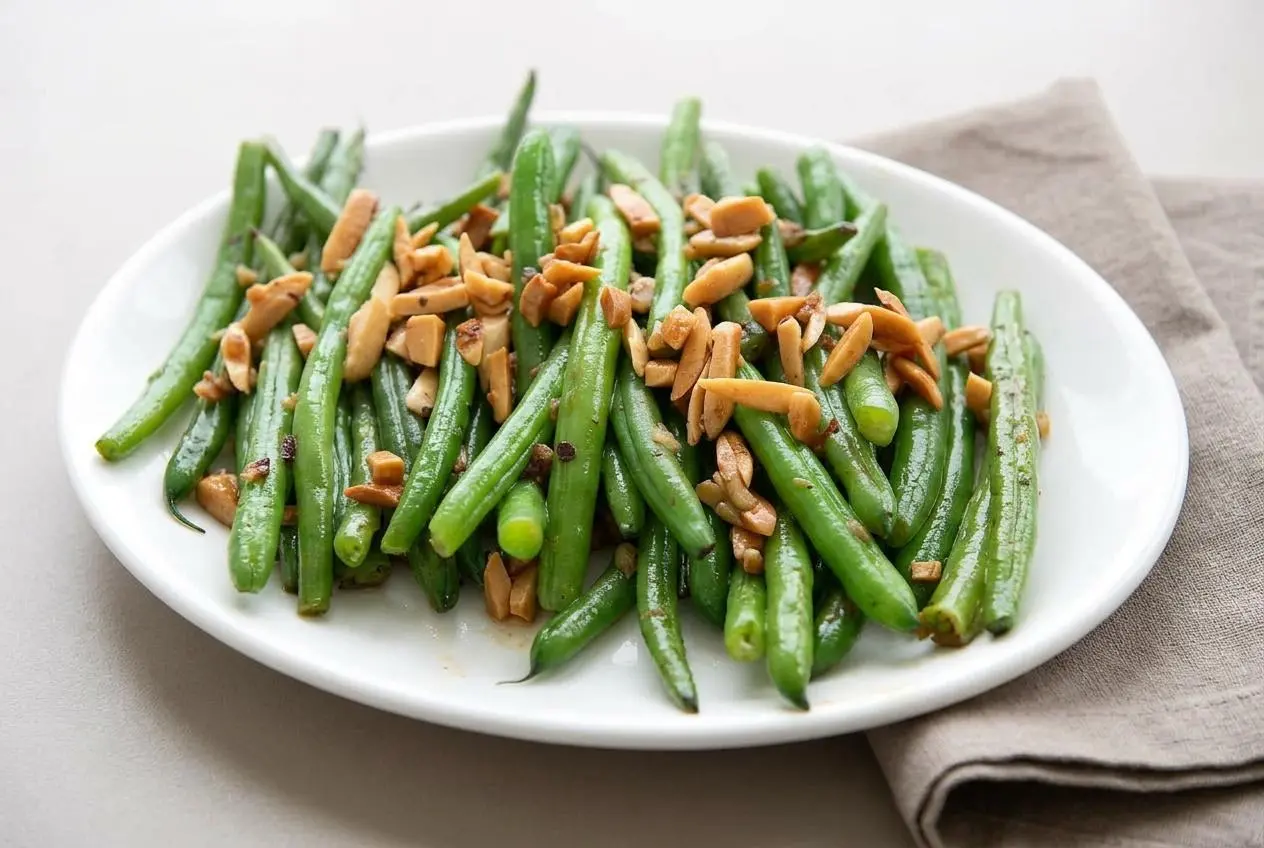
Right after roasting, add shaved Parmesan and toasted pine nuts for extra richness and a nutty crunch against the tender vegetables. If you want another green side for the same meal, keto green beans fit naturally with the same kind of low-carb menu.
Storage, Meal Prep, and Crispy Reheating Tips
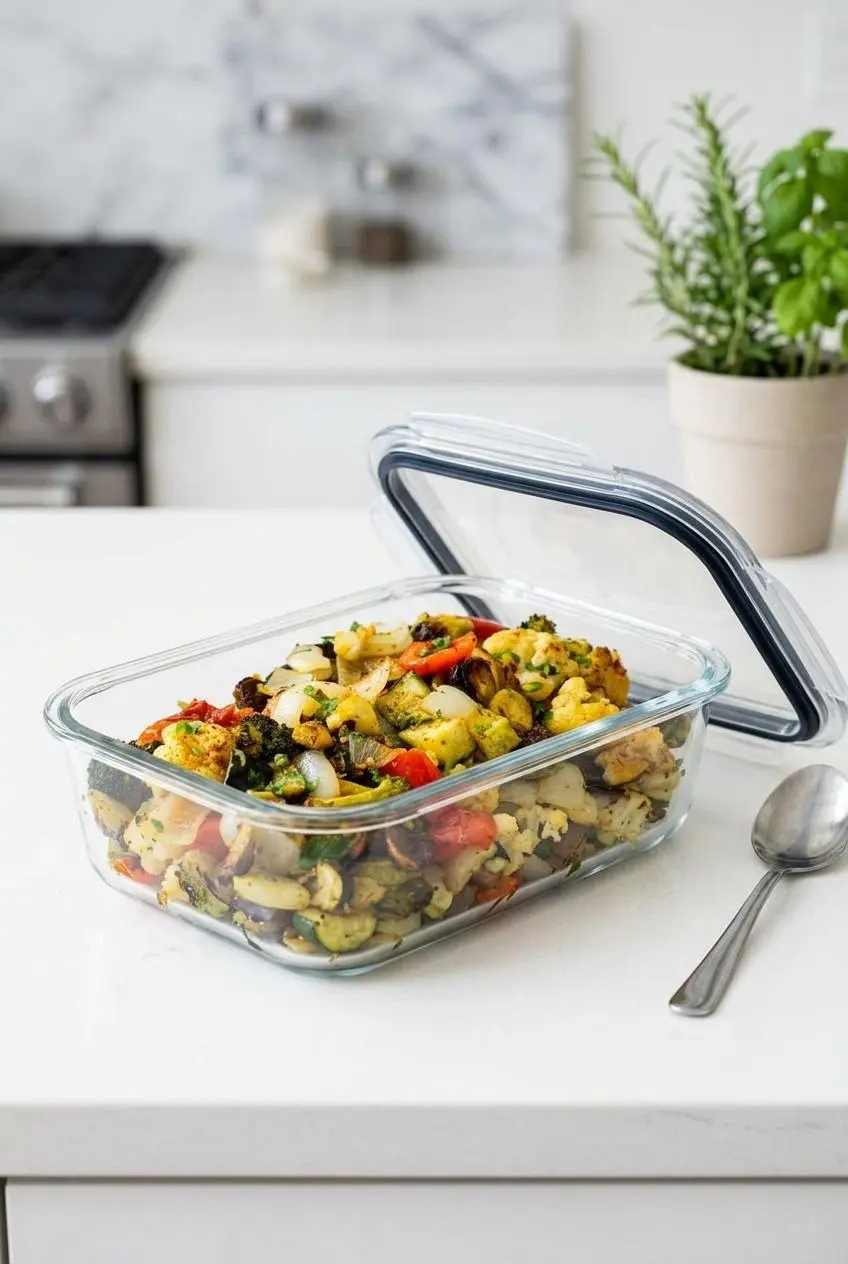
Roasted vegetables hold well when you cool them first, then refrigerate them in a tightly covered container. For better produce handling from the start, wash and prep vegetables with care to minimize the risk of microbial contamination.
For meal prep, store the vegetables in shallow portions once they have cooled so steam does not keep softening them in the container. If you want to prep ahead before roasting, cut and dry the vegetables, keep them chilled, and wait to oil and season until closer to cooking time for the best texture.
The microwave will reheat them, but it softens the edges fast. For crispier leftovers, spread them back on a sheet pan or use an air fryer until they are hot and the surfaces perk up again. Reheating in a single layer makes a big difference.
I would skip freezing for this particular mix because zucchini, eggplant, and peppers tend to lose too much texture after thawing.
Conclusion
These roasted vegetables work because the method is straightforward and the details are doing real work. High heat, avocado oil, dry surfaces, and enough pan space give you the browned edges and tender centers that make keto vegetables actually exciting.
If you keep the pieces uniform and resist crowding the pan, this recipe stays dependable and flexible. Pull the tray out when the kitchen smells sweet and toasty, and dinner is in very good shape.
Frequently Asked Questions
Which vegetables should I avoid on keto?
Avoid high-starch vegetables like potatoes, sweet potatoes, yams, parsnips, corn, and peas. Use carrots more carefully than broccoli or cauliflower because their natural sugars add up faster. When in doubt, choose cruciferous vegetables, zucchini, peppers, or eggplant for roasting.
Why do my roasted vegetables turn out mushy?
The pan is usually too crowded, which traps steam. The vegetables may have gone into the bowl wet, especially zucchini or peppers. Roasting at a lower temperature can soften them before they brown. Parchment can also reduce direct contact with the pan, so you get less char.
Is balsamic vinegar keto friendly for roasting?
Balsamic vinegar contains natural sugars, so it is better used lightly. For a stricter keto option, red wine vinegar is usually the easier choice. If you love balsamic flavor, use a small amount as a finish rather than soaking the vegetables in it.
What is the best oil for roasting keto veggies?
Avocado oil is the best match for this recipe. Its 500F smoke point gives you a comfortable margin for a 450-degree oven. It also has a neutral flavor, so the oregano, pepper, and natural sweetness of the vegetables stay front and center.
Keto Roasted Vegetables

Equipment
- 18 x 12 rimmed baking sheet
- Large bowl
Ingredients
- 1 yellow onion peeled and cut into large chunks
- 1 zucchini trimmed, halved lengthwise, and cut into large chunks
- 1 eggplant trimmed and cut into large chunks
- 1 red pepper halved, seeded, and cut into thick strips
- 1 cup cauliflower florets
- 1 cup broccoli florets
- 1 cup Brussels sprouts halved
- 1/2 cup avocado oil
- 2 teaspoons sea salt
- 1 1/2 teaspoons dried oregano
- 1/2 teaspoon fresh ground black pepper
- 1/4 teaspoon cayenne pepper
Instructions
- Heat the oven to 450 degrees and coat an 18 x 12 rimmed baking sheet with avocado spray. The hot oven and lightly greased pan help the vegetables start browning as soon as they hit the surface.
- Add the onion, zucchini, eggplant, red pepper, cauliflower, broccoli, and Brussels sprouts to a large bowl, then toss them with the avocado oil, sea salt, dried oregano, black pepper, and cayenne pepper. Keep mixing until the vegetables look evenly glossy so the seasoning clings to every piece.
- Spread the vegetables over the prepared pan in a single layer and roast for 20 minutes, then stir and roast 10 minutes more. They are ready when the edges are lightly brown, the brassicas smell sweet and toasty, and a knife slides into the thickest pieces with little resistance.