 Skip to content

Keto pasta is low carb pasta that can be homemade with eggs, cream cheese, and psyllium husk, bought ready-made from low carb brands, or swapped for vegetable noodles like zucchini, palmini, and shirataki.
If regular pasta is the thing you miss most on keto, this is the version that finally feels worth making. The homemade style is soft, pliable, and neutral enough to work with all kinds of sauces.
You’ll also find the other side of the story here, including what to buy and when a vegetable noodle works better. The real trick is knowing which type fits the meal.
Use room temperature eggs and firm cream cheese for the best texture from the start.
What Is Keto Pasta? A Guide to Your Low-Carb Options
Keto pasta is really a category, not one single product. Some versions aim to mimic classic noodles, while others work more like smart low carb stand-ins for sauce, soup, or baked dishes.
Homemade Keto Pasta
Homemade keto pasta is usually made with eggs, cream cheese, and a binder such as psyllium husk powder. Instead of kneading and boiling it like wheat pasta, you spread it thin, bake it in sheets, cool it slightly, and slice it into ribbons.
The result is different from semolina pasta, but in a good way. It has a soft, pliable texture with a gentle al-dente bite, and it works best when warmed briefly in sauce rather than dropped into boiling water.
Store-Bought Keto Pasta Brands
Store-bought options are all about convenience. Many use lupini flour, almond flour, soy-based ingredients, or fiber blends to keep net carbs lower than traditional pasta.
These are the best fit when you want a sturdier noodle for bigger meals, especially baked dishes or hearty meat sauces. Texture varies a lot by brand, so label reading matters more here than with regular pasta.
Vegetable Pasta Alternatives
Vegetable noodles are naturally low in carbs and often gluten-free. Zucchini noodles, also called zoodles, are tender and fresh. Palmini noodles, made from hearts of palm, are mild and slightly firm. Shirataki noodles, made from konjac root, are very low carb and pleasantly slippery once rinsed and warmed properly.
These alternatives do not taste like classic pasta, but they can still carry sauce well. They shine most when you match them to the right dish instead of expecting them to behave exactly like fettuccine.
The Ultimate Keto Pasta Comparison Table
This quick side by side makes choosing easier. Net carbs can vary by brand, especially for store-bought pasta, so always double-check the package.
| Type | Avg. Net Carbs | Texture Profile | Best For | Key Feature |
|---|---|---|---|---|
| Homemade psyllium pasta | Low | Soft, pliable, lightly chewy | Light sauces, lasagna sheets, ribbon noodles | Best if you want a from-scratch option with a classic pasta feel |
| Store-bought lupini pasta | Low | Firm, hearty, closest to dried pasta | Bolognese, bakes, meal prep bowls | Best for convenience and sturdy texture |
| Shirataki noodles | Very low | Slippery, springy, translucent | Stir fries, brothy bowls, quick lunches | Usually the lowest carb choice |
| Zucchini noodles | Very low | Tender, juicy, delicate | Pesto, lemon butter, quick sautés | Freshest flavor and fastest prep |
| Palmini noodles | Very low | Firm, slightly crisp if underheated | Cream sauces, cold salads, tomato sauces | Mild flavor with better structure than zoodles |
Ingredients for Homemade Keto Pasta
Each ingredient has a job here, from structure and chew to richness, moisture balance, and that subtle pasta-like bite.
- 4 eggs (room temperature)
- 150 g cream cheese
- ½ teaspoon salt flakes
- 1 teaspoon apple cider vinegar
- 2 ½ tablespoons psyllium husk powder (35g)
Eggs build the body of the dough and help the baked sheet stay flexible instead of crumbly. Cream cheese adds richness and keeps the texture tender, which is why this dough feels more like a thick batter than a classic pasta dough.
Psyllium husk powder is the key structural ingredient. It gives the pasta its chew and elasticity, and it is the reason the sheet can roll and slice without acting like an omelet. Whole psyllium husks do not behave the same way, so this is one ingredient worth keeping exact.
Apple cider vinegar may seem small, but it helps strengthen the dough and improves that pasta-like bite. Salt flakes round everything out so the finished noodles do not taste flat under sauce.
I always reach for a firm, full-fat block cream cheese here because extra-soft tubs can make the dough looser than you want.
How to Make Homemade Keto Pasta
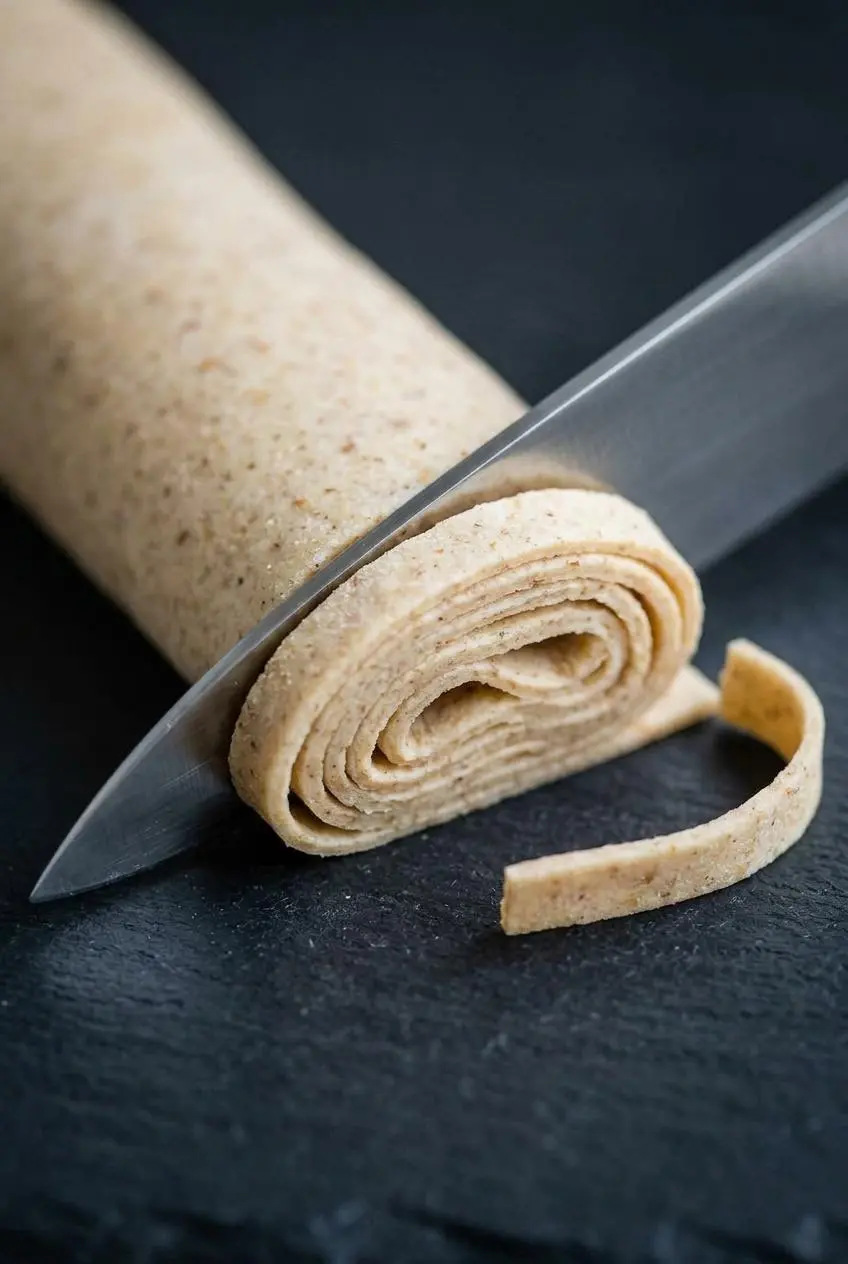
This dough comes together fast, but the texture cues matter. You are looking for a thick, sticky paste, not a kneadable ball.
Conventional Method
- Heat the oven to 150 °C/170 °C/300 °F and set out a large baking tray with baking paper ready.
The pasta bakes quickly, so having the tray prepared makes it easier to spread the sticky dough before it starts to set. - Add the eggs, cream cheese, salt flakes, apple cider vinegar, and psyllium husk powder to a food processor, then pulse until smooth and thick.
The mixture should look like a sticky paste rather than traditional pasta dough, and resting it for 5 minutes helps the psyllium fully absorb moisture. - Divide the mixture in half and spread one portion over a large sheet of baking paper with a silicone spatula.
It will feel pasty and tacky, which is exactly right. - Place a second sheet of baking paper on top and roll the dough into a rectangle about 20 cm x 40 cm and 1 to 2 mm thick, then transfer it to the tray with the top paper still in place.
The thinner you roll it, the more delicate and pasta-like the final texture will be. - Repeat with the remaining dough so you have two thin sheets ready to bake.
Perfect edges do not matter here, but an even thickness does. - Bake for 6 to 8 minutes, then remove the top sheet of baking paper and let the pasta cool on the tray for 1 to 2 minutes.
The sheet is ready when it feels set and dry to the touch but still bends without cracking. - Roll each sheet up from the short end and slice into ribbons with a sharp knife, or use a pasta cutter with a fettuccine setting.
If the sheet is still too hot, it tends to squash rather than roll cleanly. - Warm the cut pasta by tossing it with hot sauce during the last couple of minutes of cooking.
Do not boil it in water, or the texture can soften too much and lose its shape.
Thermomix Method
- Place all the ingredients in the mixer and blend for 20 seconds on speed 5.
The finished mixture should be thick, smooth, and sticky. - Let the mixture rest for 5 minutes before rolling and baking it the same way as the conventional method.
The short rest gives the psyllium time to firm up the dough so it spreads and slices more neatly.
Air Fryer Method
- Prepare the dough the same way, then roll it between baking paper sheets into portions that fit your air fryer basket or tray.
Plan on working in two or more batches if needed so the sheets stay thin and even. - Air fry at 150 °C for 4 to 5 minutes, then cool briefly before rolling and slicing into ribbons.
The pasta should feel set on the surface while staying flexible enough to curl without breaking.
Tips and Troubleshooting for Homemade Pasta
This is the section that saves dinner. Most homemade keto pasta problems come down to moisture, thickness, psyllium type, or handling the sheet before it cools slightly.
| Problem | Likely Cause | Fix |
|---|---|---|
| Pasta turned purple or gray | Some brands of psyllium husk powder react during baking | Switch psyllium brands next time. The color is harmless, but a different powder usually prevents it. |
| Dough feels too sticky to spread | The dough has not rested long enough or the cream cheese is extra soft | Let it sit the full 5 minutes and use parchment or baking paper on top while rolling. |
| Pasta cracks when rolling | The sheet baked a little too long or was rolled too thick and dried unevenly | Pull it once it is set and dry to the touch but still pliable, and keep the thickness very thin. |
| Pasta falls apart in sauce | The noodles were heated too aggressively or treated like boilable pasta | Toss gently in warm sauce only at the end instead of boiling. |
| Pasta tastes eggy | Cold eggs or an overly thick sheet can make the flavor stand out more | Use room temperature eggs and roll the dough thin for a more neutral result. |
| Cut ribbons look messy | The sheet was sliced while still hot | Cool it briefly first so it rolls neatly and holds its shape. |
If you want to flavor the dough, keep it subtle. Chili flakes, dried herbs, curry powder, or finely powdered spinach can go into the processor with the main ingredients. Small additions work best because this dough relies on a tight balance for structure.
Flavored Pasta Dough Variations
For a gentle change, add a little heat with chili flakes, a savory edge with dried herbs, a warm note from curry powder, or a green tint from very finely powdered spinach. Keep these as optional accents rather than major mix-ins so the dough still bakes and rolls properly.
A Review of the Best Store-Bought Keto Pastas
If making pasta from scratch is not on the plan tonight, a good store-bought option can still get you very close. The best ones differ less by marketing claims and more by ingredient base, texture, and what kind of sauce they can handle.
Net carbs and protein vary by brand and can change over time, so the smartest move is to compare the current label before buying. Here is how the most talked-about styles usually stack up in the kitchen.
| Brand | Main Ingredient Style | Texture | Best For | Best Pick If You Want |
|---|---|---|---|---|
| Kaizen | Lupini flour based | Firm and hearty | Meat sauce, baked pasta, meal prep | A classic dried pasta feel with more chew |
| Carbe Diem | Lower-carb wheat style | Closest to traditional pasta for many people | Weeknight pasta bowls and familiar sauces | A more conventional bite and shape |
| It’s Skinny | Konjac based | Slippery and light | Quick lunches, stir fries, broth-based dishes | The lowest-carb style with almost no prep |
| Palmini | Hearts of palm based | Firm, slightly vegetal | Creamy sauces, tomato sauces, cold salads | A veggie-based noodle with better structure than zoodles |
Kaizen is often the best overall pick when you want a sturdy noodle that can handle a real sauce and still feel pasta-like. Carbe Diem tends to appeal most to people chasing a familiar texture, while It’s Skinny is the easiest choice for very low carb meals that need speed more than classic chew.
Homemade pasta still wins for softness and flexibility, especially for ribbon noodles and layered bakes. Store-bought lupini styles win when you need convenience and structure.
How to Use and Serve Your Keto Pasta
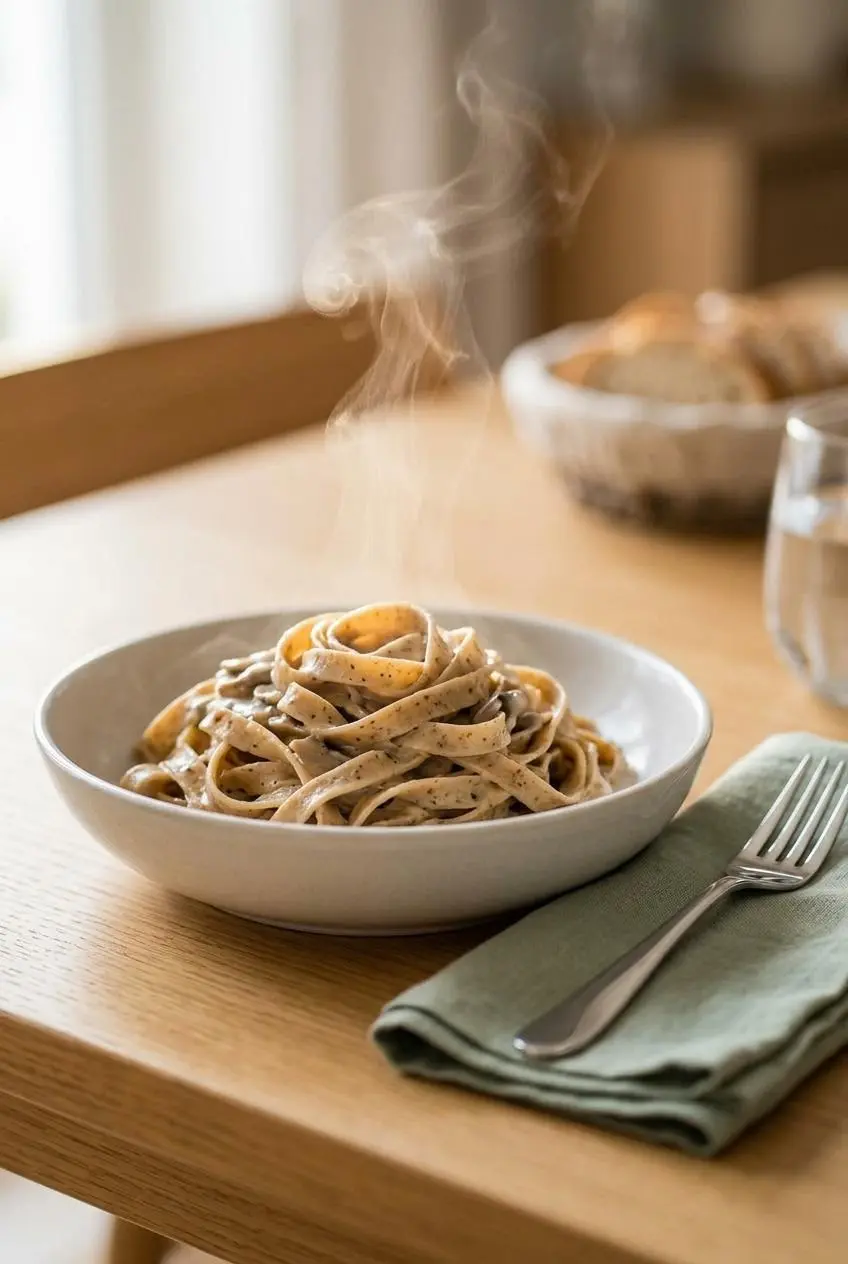
The best serving ideas depend on which type of keto pasta you choose. Delicate homemade sheets and vegetable noodles do best with lighter handling, while sturdier store-bought pasta can take a heavier sauce.
Best Keto-Friendly Sauce Pairings
Homemade keto pasta works best with sauces that coat instead of flood. Brown butter and sage, pesto, creamy mushroom sauce, light carbonara, or a smooth tomato passata all make sense here.
For store-bought lupini pasta, go bolder with bolognese, sausage sauce, or other rich meat sauces. Zucchini noodles are happiest with quick, lighter sauces because they release moisture. Shirataki noodles suit punchy sauces and brothy dishes, and palmini handles creamy sauces better than many people expect.
How to Make a Keto Pasta Bake
The baked pasta sheets are excellent for lasagna style layering. Instead of slicing all the sheets into ribbons, leave some whole and layer them with ricotta, meat sauce, and mozzarella, then bake until the center is hot and the top is bubbly.
If you want a vegetable-based layered dinner instead, Keto Zucchini Lasagna is a great swap. Homemade pasta sheets also work well in the same comfort-food zone as a keto ground beef casserole when you want something hearty and cheesy.
Storage and Reheating Instructions
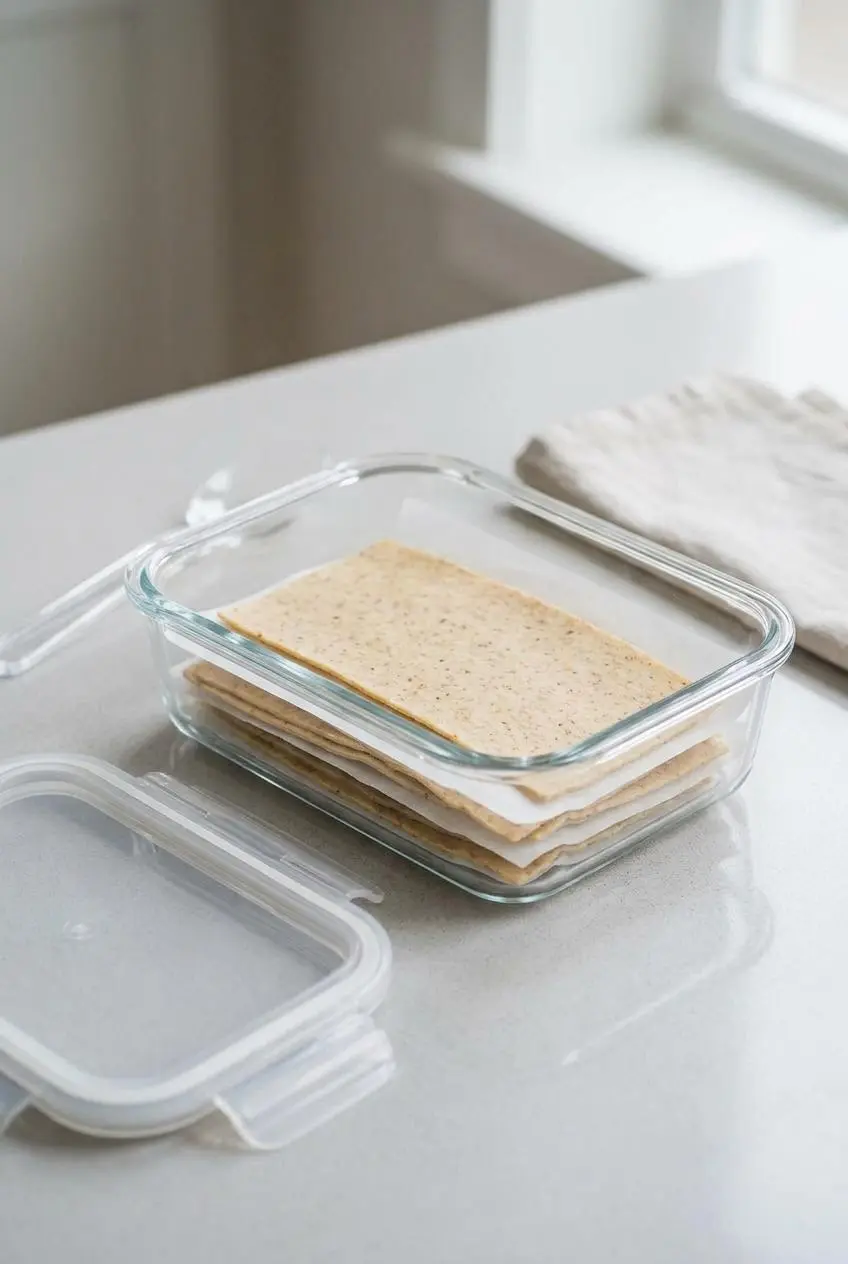
Because this pasta contains eggs and cream cheese, cool it fully, keep it covered, and refrigerate any leftovers promptly. Dairy-based ingredients should stay chilled for better food safety and quality, as noted in safe refrigeration practices for dairy foods.
Store the baked sheets flat with paper between them, or keep cut noodles in a well-sealed container so they do not stick together. For the best texture, reheat gently by tossing the pasta in warm sauce for 1 to 2 minutes rather than boiling it in water.
Conclusion
Keto pasta is one of those rare low carb swaps that gives you real options. You can make it from scratch, buy a sturdy shortcut, or lean on vegetable noodles depending on the meal.
Once you match the pasta type to the sauce and handle it the right way, it gets much easier to build a keto dinner that actually feels satisfying. Start with the version that fits tonight.
Frequently Asked Questions
What pasta can I eat on keto?
You have three solid categories to choose from. Homemade pasta made with low carb ingredients like eggs, cream cheese, and psyllium husk powder. Store-bought low carb pasta, often based on lupini flour, konjac, or other fiber-rich blends. Vegetable noodles such as zucchini, palmini, and shirataki.
Is chickpea or lentil pasta keto?
No. Chickpea and lentil pastas are made from legumes, so they are much higher in carbohydrates than most keto plans allow. They can be higher in fiber than regular pasta, but they are still usually too carb-heavy for a standard ketogenic diet. If you want a similar convenience factor, store-bought low carb pasta is the better lane.
What is the best type of keto pasta to buy?
Lupini flour pasta is often the strongest all-around choice. It usually has the best balance of texture, structure, and satiety. Kaizen-style pasta is especially good for hearty sauces and baked dishes. If your top priority is the lowest carbs possible, konjac-based noodles may suit you better. The best choice still depends on your texture preference and carb goals, so check the label every time.
Why did my keto pasta turn purple?
This usually comes from the psyllium husk powder, not from anything going wrong with safety. Some brands react during baking and shift toward purple or gray. The color is harmless and usually does not affect taste. Switching to a different brand of psyllium powder often fixes it next time.
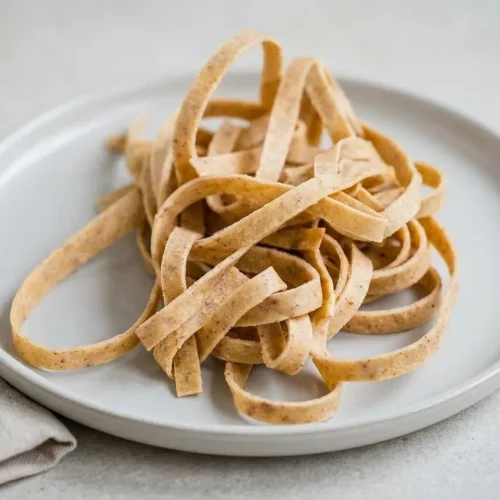
Keto Pasta

Equipment
- Food Processor
- Pasta Roller
Ingredients
- 4 eggs (room temperature)
- 150 g cream cheese
- ½ teaspoon salt flakes
- 1 teaspoon apple cider vinegar
- 2 ½ tablespoons psyllium husk powder (35g)
Instructions
Conventional Method
- Heat the oven to 150 °C/170 °C/300 °F and set out a large baking tray with baking paper ready. The pasta bakes quickly, so having the tray prepared makes it easier to spread the sticky dough before it starts to set.
- Add the eggs, cream cheese, salt flakes, apple cider vinegar, and psyllium husk powder to a food processor, then pulse until smooth and thick. The mixture should look like a sticky paste rather than traditional pasta dough, and resting it for 5 minutes helps the psyllium fully absorb moisture.
- Divide the mixture in half and spread one portion over a large sheet of baking paper with a silicone spatula. It will feel pasty and tacky, which is exactly right.
- Place a second sheet of baking paper on top and roll the dough into a rectangle about 20 cm x 40 cm and 1 to 2 mm thick, then transfer it to the tray with the top paper still in place. The thinner you roll it, the more delicate and pasta-like the final texture will be.
- Repeat with the remaining dough so you have two thin sheets ready to bake. Perfect edges do not matter here, but an even thickness does.
- Bake for 6 to 8 minutes, then remove the top sheet of baking paper and let the pasta cool on the tray for 1 to 2 minutes. The sheet is ready when it feels set and dry to the touch but still bends without cracking.
- Roll each sheet up from the short end and slice into ribbons with a sharp knife, or use a pasta cutter with a fettuccine setting. If the sheet is still too hot, it tends to squash rather than roll cleanly.
- Warm the cut pasta by tossing it with hot sauce during the last couple of minutes of cooking. Do not boil it in water, or the texture can soften too much and lose its shape.
Thermomix Method
- Place all the ingredients in the mixer and blend for 20 seconds on speed 5. The finished mixture should be thick, smooth, and sticky.
- Let the mixture rest for 5 minutes before rolling and baking it the same way as the conventional method. The short rest gives the psyllium time to firm up the dough so it spreads and slices more neatly.
Air Fryer Method
- Prepare the dough the same way, then roll it between baking paper sheets into portions that fit your air fryer basket or tray. Plan on working in two or more batches if needed so the sheets stay thin and even.
- Air fry at 150 °C for 4 to 5 minutes, then cool briefly before rolling and slicing into ribbons. The pasta should feel set on the surface while staying flexible enough to curl without breaking.

Love the easy ingredients! 🙌