Skip to content
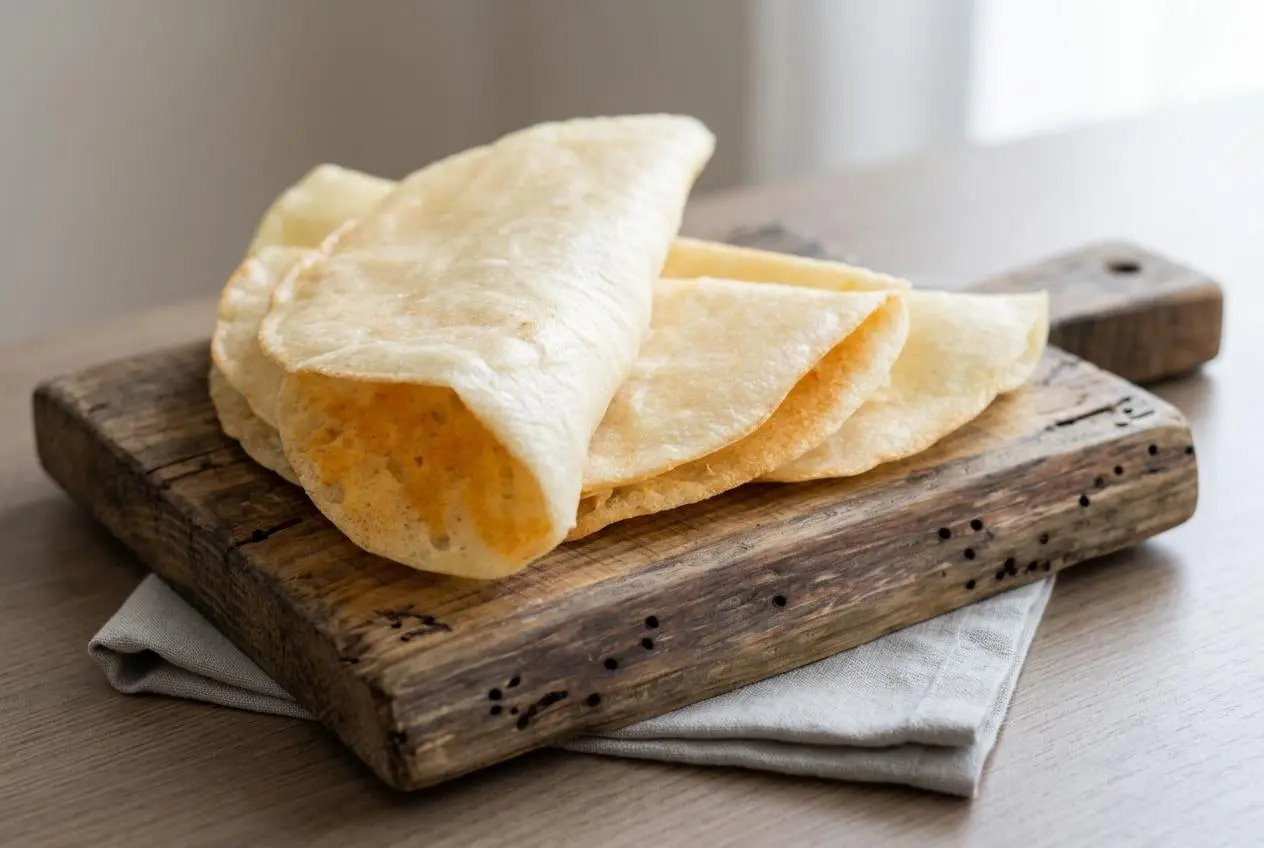
This keto tortillas recipe uses part-skim mozzarella, super fine almond flour, and salt to make soft, pliable low-carb wraps. Pulse, melt gently, roll between parchment, and bake until the edges are lightly golden.
These wraps are a classic fathead dough trick, but the goal here is texture, not novelty. You want a tortilla that bends around filling without snapping, not a cheese cracker pretending to be dinner.
When they come out of the oven, they smell lightly toasted and cheesy, and the edges turn just barely golden. That small visual cue makes all the difference.
Have all your parchment cut before you start, because this dough behaves best while it’s still warm and flexible.
Selecting the Best Keto Flours
The texture starts here. If your dough feels smooth, rolls thin, and bakes into wraps instead of brittle rounds, the flour and cheese choice did their job.
Fathead dough works because melted cheese brings stretch and binding to an otherwise gluten-free mixture. As the mozzarella softens, its proteins help the dough hold together and behave more like bread dough than loose almond flour paste. The same basic idea is what gives keto pizza crust its chewy structure.
Superfine Almond Flour
Superfine almond flour matters more than it may seem. It blends into the melted cheese evenly, so the dough turns from crumbly bits into a smooth, workable mass.
Coarse almond meal gives a rougher texture and can leave tiny sharp particles in the dough. That usually means more tearing when you roll and less flexibility after baking. If you want tortillas that fold around fajita filling or tuna salad without cracking at the first bend, superfine flour is the better choice.
It also absorbs the cheese more evenly. Instead of little oily pockets and dry specks, you get a more consistent dough that feels mealy at first, then warm and elastic once kneaded.
The Role of Part-Skim Mozzarella
Part-skim grated mozzarella is the engine of the whole recipe. It melts into a stretchy base that binds the almond flour and gives the tortillas their signature pliability.
Low-moisture, part-skim cheese works best because it brings enough protein for structure without releasing too much oil. Fresh mozzarella carries too much water, and whole-milk shredded mozzarella often turns greasy as it heats. When that happens, the dough struggles to come together and may look slick instead of smooth.
Grated cheese also melts more evenly than big chunks. That even melt helps the dough move from mealy to cohesive without hot spots, which keeps the texture more uniform from center to edge.
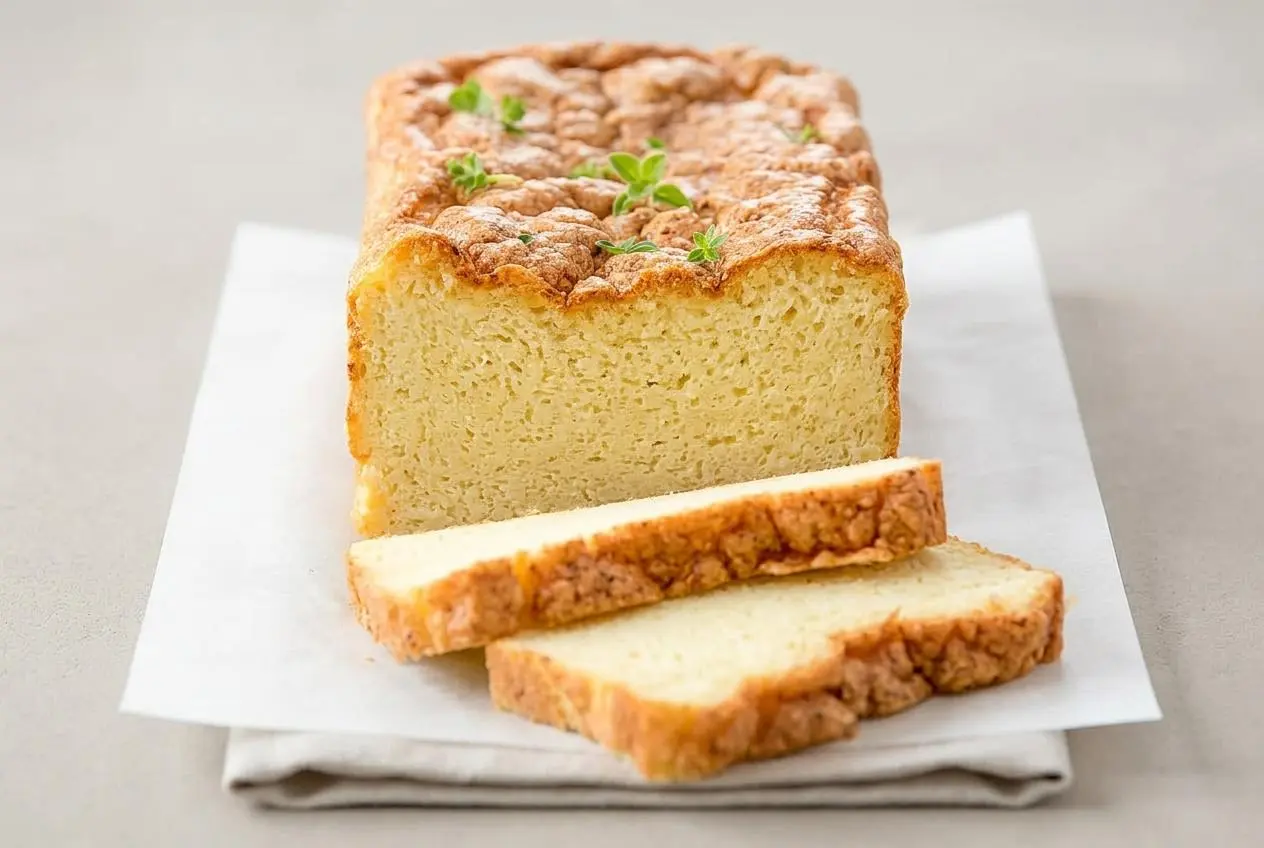
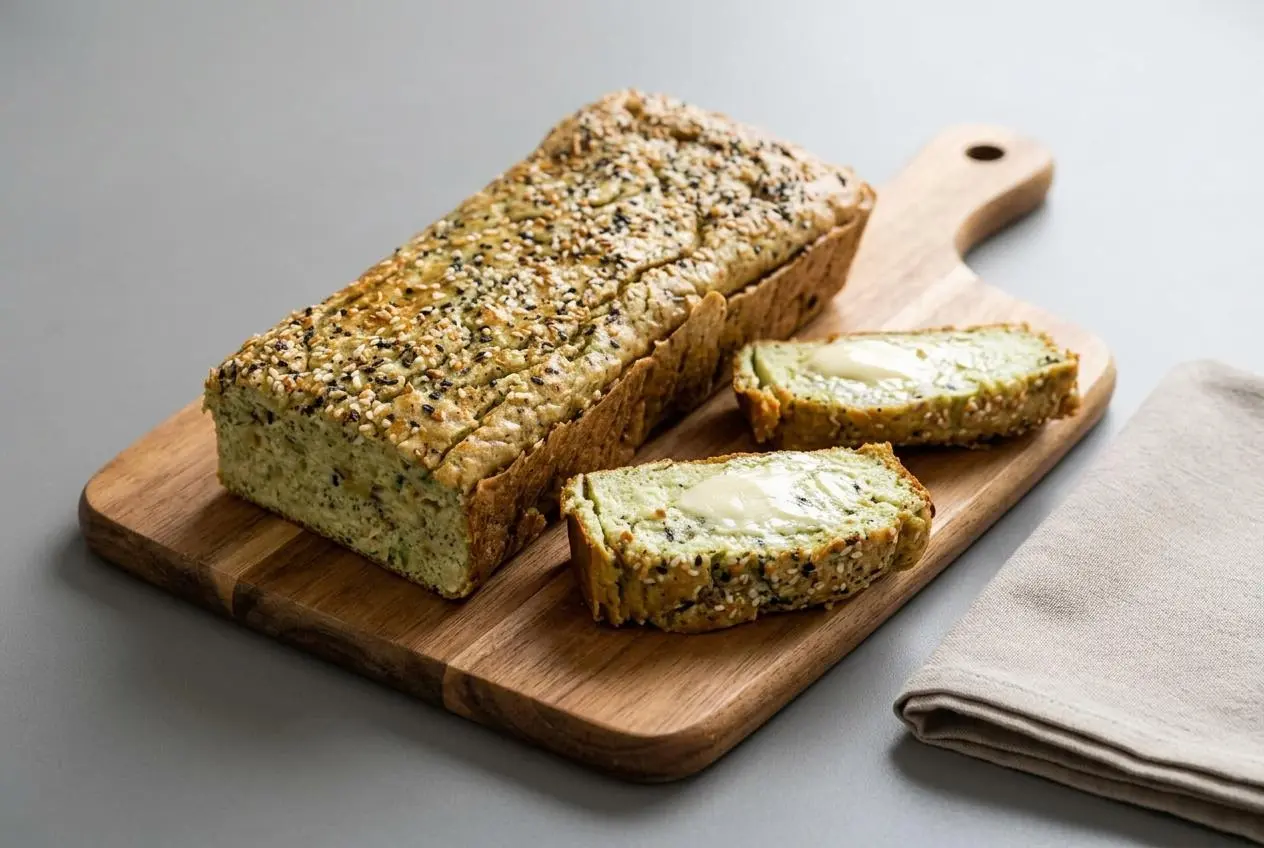
If you enjoy other baked low-carb doughs, a yeasted-style loaf like low carb bread gives a different texture, but for thin wraps, mozzarella is what creates the stretch.
Nut-Free Alternatives
If you need a nut-free version, finely ground sunflower seed flour or pumpkin seed flour is the closest swap in this style of dough. Both can replace the almond flour directly in the same amount for a practical starting point, but they do behave a little differently.
Sunflower seed flour usually makes a darker dough and can taste slightly more earthy. Pumpkin seed flour brings a deeper color and a fuller, savory flavor. Neither one acts exactly like almond flour once heated, so the dough may feel a touch softer or slightly less neutral in flavor.
For the best result, grind the seed flour very fine before using it. A coarse texture makes rolling harder and can lead to rough edges that split.
Coconut flour is not a direct swap here. It absorbs moisture very differently, so using it one for one would throw off the dough structure.
Ingredients for This Keto Tortillas Recipe
Each ingredient has a real job here, from stretch and structure to body and seasoning, so the finished wraps stay flexible instead of dry or crumbly.
- 2 cups part-skim grated mozzarella cheese (8 ounces)
- 3/4 cup super fine almond flour
- 1/4 teaspoon salt
The mozzarella creates elasticity and helps the dough hold together when warm. The almond flour gives the wraps body so they can be rolled thin without feeling flimsy. The salt keeps the flavor balanced, which matters in a dough with such a mild base.
I always use cold grated mozzarella straight from the fridge, because it chops more evenly in the processor and gives the dough a smoother start.
How to Make Pliable Low Carb Tortillas
- Heat the oven to 375º F, cut 5 pieces of parchment about 14 inches long, and set out a rolling pin with 2 cookie sheets.
The setup matters here because the dough needs to be rolled and moved quickly while it is still warm. - Add the mozzarella cheese, almond flour, and salt to a food processor, then pulse until the mixture is evenly combined and the cheese looks finely chopped.
It should look dry and mealy rather than pasty, with no large strands of cheese left behind. - Scrape the mixture into a large heavy saucepan and cook it over low heat, stirring the whole time.
Steady low heat helps the cheese melt without separating into oily pools. - Keep stirring until the mixture changes from loose crumbs into a cohesive dough ball, then tip it onto a sheet of parchment.
When it is ready, it will look glossy, doughy, and mostly unified instead of grainy. - Knead the hot dough carefully once it is cool enough to handle, then divide it into 4 equal portions and return 3 portions to the warm pan off the heat.
This quick knead finishes the mixing, and keeping the extra dough warm helps prevent cracking later. - Shape 1 portion into a ball, flatten it slightly on parchment, cover it with a second sheet of parchment, and roll it into about a 9 inch circle.
Use even pressure so the circle stays fairly uniform and thin without tearing around the edges. - Transfer that round to one half of a parchment-lined baking sheet, then repeat with the second portion on the other half and finish the last 2 portions the same way.
If the dough stays warm, it should feel stretchy and cooperative instead of stiff. - Bake for 5 to 7 minutes, watching closely, until the outer edges just begin to brown.
Pull them when the rims are lightly golden, because deeper color usually means a crisper, less flexible wrap. - Cool the tortillas briefly, loosen them gently with a spatula, and fill them while still slightly warm; refrigerate extras in an airtight container and warm leftovers gently before using.
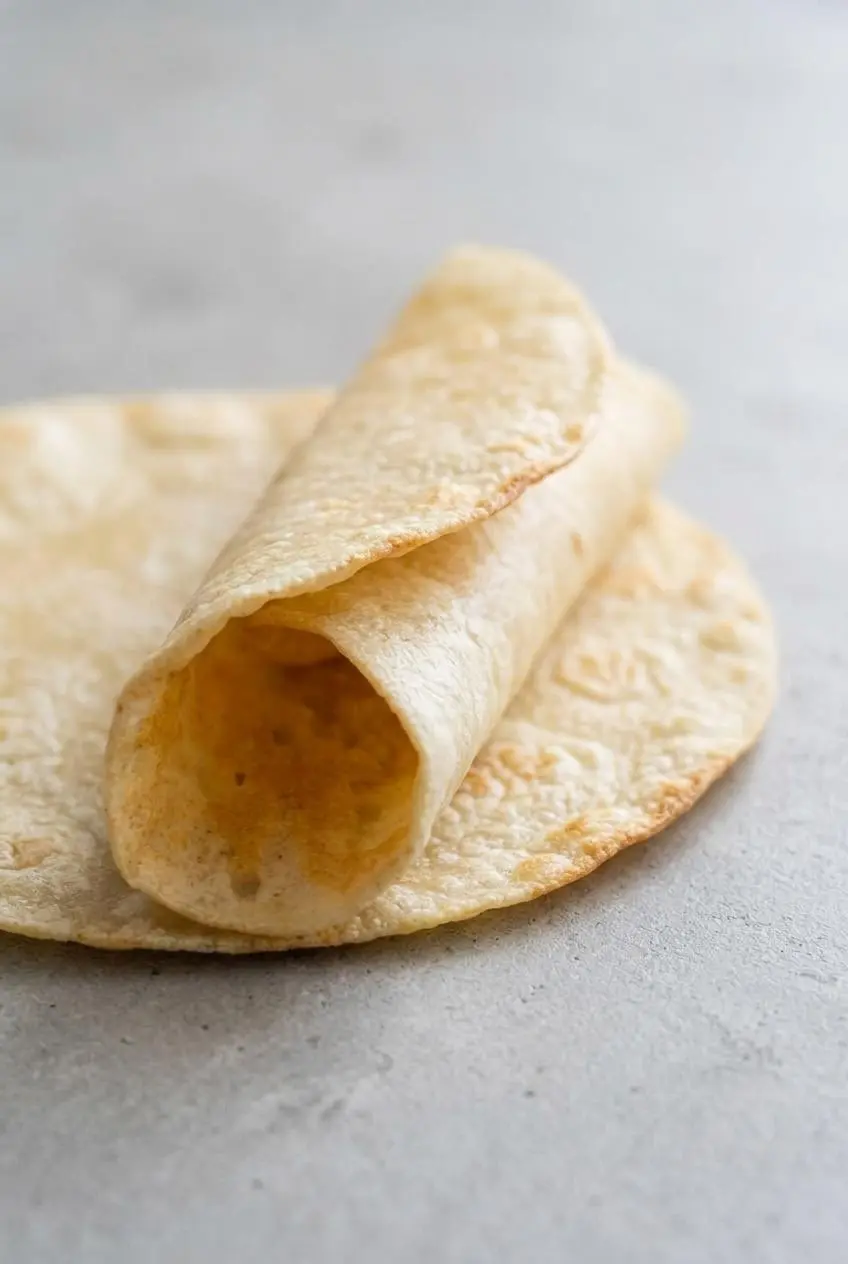
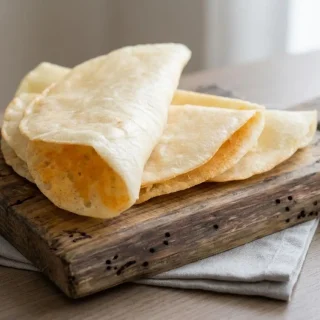
They bend best when warm, with soft centers and delicate golden edges.
Pliability Tips and Rolling Techniques
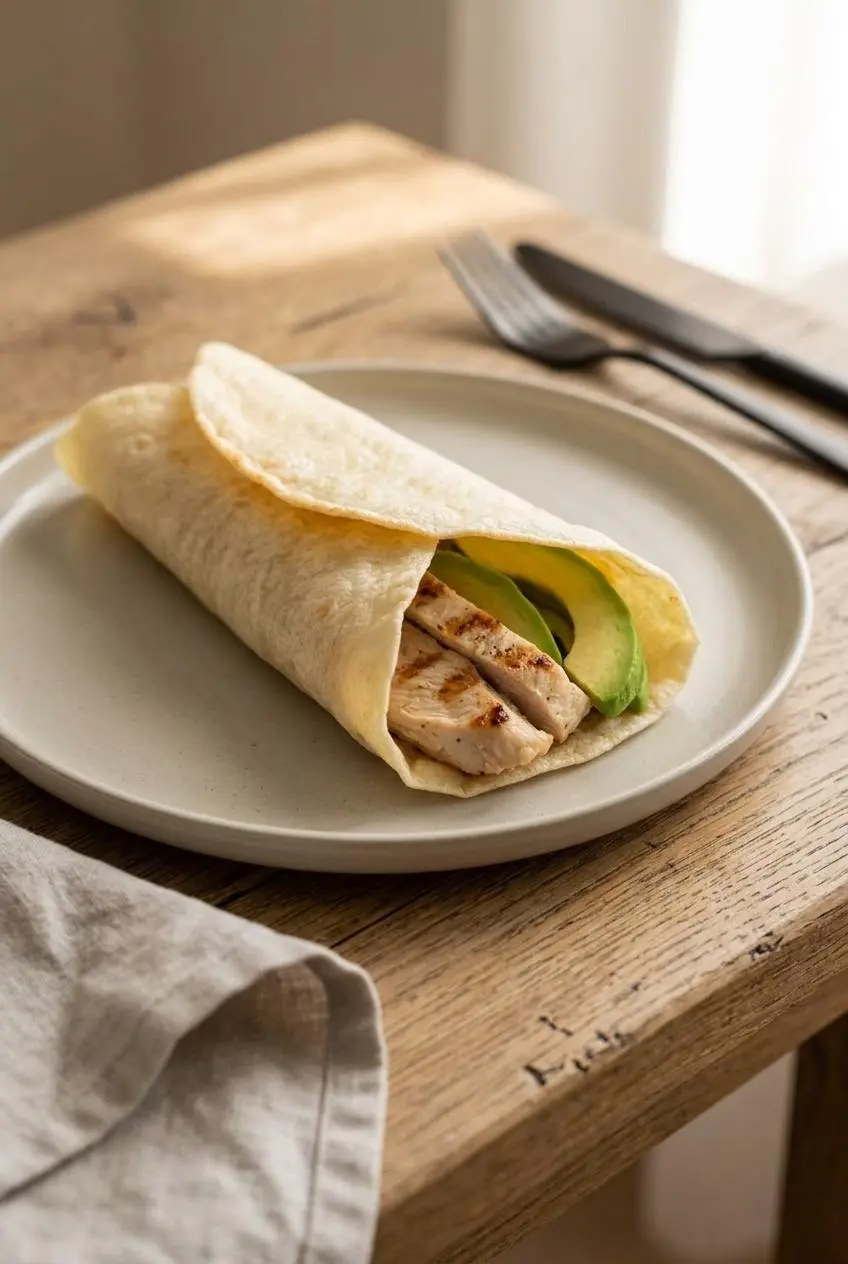
If your goal is a wrap that folds neatly, warmth and handling matter just as much as the ingredient list. This dough is easiest to shape when it still feels supple and slightly elastic.
Roll between two sheets of parchment paper every time. The bottom sheet helps you move the round to the baking sheet, and the top sheet keeps the rolling pin from grabbing the dough. Flour dusting is not the answer here. It does not solve the sticking problem the way parchment does, and it can make the surface uneven.
Use gentle, even pressure from the center outward. If you press hard in one spot, the edge thins too much and splits. A steady hand gives you a more even 9 inch circle, which means more even baking too.
Keep the unworked portions warm in the pan off the heat while you roll. Once fathead dough cools, it loses that stretchy feel and starts acting stubborn.
If you want to use a manual metal tortilla press, line both sides with thick parchment first. Press the warm dough ball lightly, then check the thickness. Most presses get you close, but you may still want a quick pass with the rolling pin to widen the circle and smooth the edges. Pressing too hard in one go can force the dough outward unevenly and crack the rim.
A slightly warm tortilla is also easier to fill. For meal ideas, these wraps work especially well around grilled chicken fajitas, avocado, or folded into crisp quesadillas in a skillet.
Troubleshooting Common Dough Mistakes
Most problems with this dough come down to heat, cheese choice, or timing. The good news is that each one has a practical fix.
- The dough looks greasy. This usually comes from overheating the cheese or using whole-milk or fresh mozzarella. Lower the heat next time and stick with part-skim grated mozzarella; if the dough is only slightly oily, kneading while warm can help it come back together.
- The dough tears while rolling. It has likely cooled down too much or the flour texture is too coarse. Warm it gently just until workable and use super fine almond flour for a smoother, stronger dough.
- The rolling pin sticks badly. The dough needs parchment on both sides, not bare contact with the pin. Once both sheets are in place, it usually rolls much more cleanly.
- The tortillas bake up crisp instead of soft. They stayed in the oven too long. Pull them when the edges are barely golden, not deeply browned.
- The mixture never really forms a smooth ball. The processor likely left large cheese pieces, or the cheese melted unevenly. Pulse until the cold mixture looks mealy before it ever hits the pan.
- The finished wraps crack when folded cold. Cheese-based tortillas firm up as they cool. Warm them gently before filling so the structure softens again.
Keto Tortilla Variations and Substitutions
This base dough is flexible enough for a few optional twists, as long as they stay outside the main recipe. Small changes can shift the flavor or texture without changing the method.
For extra stretch, you can knead in a pinch of xanthan gum and a pinch of golden flaxseed meal with the dry ingredients. It is optional, but it can help the dough feel a little more elastic and forgiving during rolling.
- Garlic Herb keto tortillas: Add a pinch of garlic powder and dried cilantro for a more savory wrap that pairs well with chicken or taco fillings.
- Spicy chipotle wraps: Add a small pinch of chipotle powder to the dry mixture for smoky heat.
- Nut-free keto tortillas: Use finely ground sunflower seed flour or pumpkin seed flour in place of the almond flour, keeping expectations flexible since color and flavor will shift a bit.
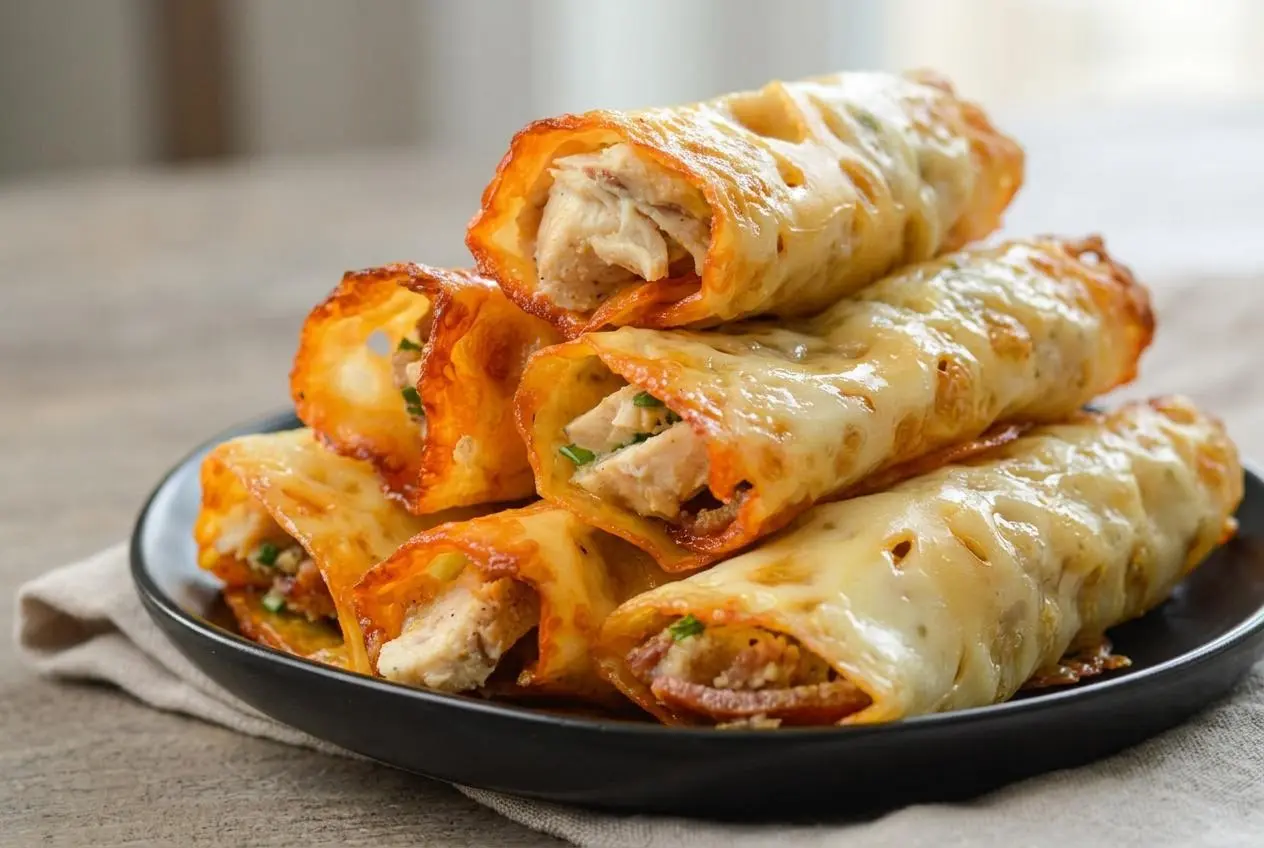
If you end up with extra wraps, they also make a great base for keto chicken pinwheels once cooled and gently rewarmed.
Storage and Reheating Guidelines
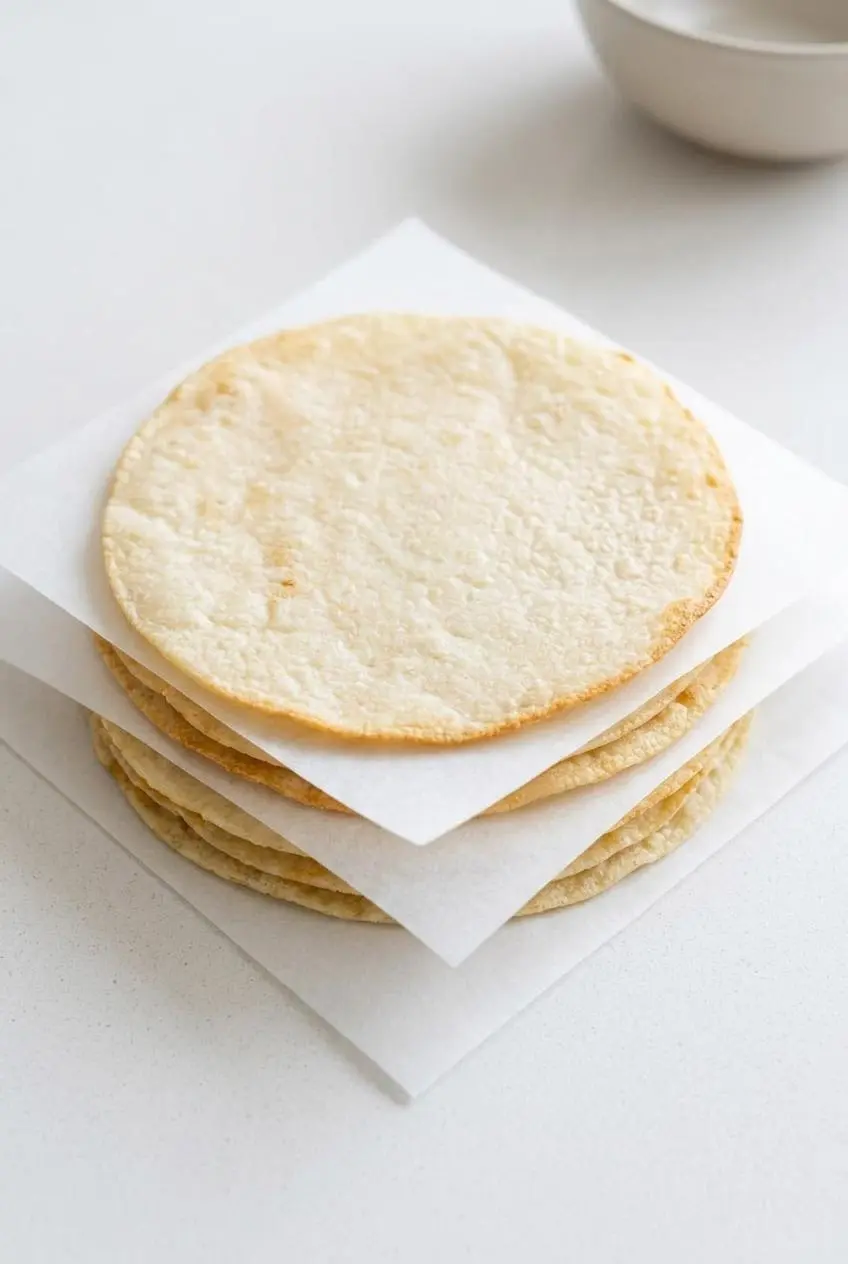
These tortillas hold up best when cooled, stacked with parchment between them, and kept in an airtight container in the refrigerator. The parchment helps stop them from clinging together and tearing when you separate them later.
To reheat without turning the wraps overly soft or melty, use gentle heat. Microwave at 50 percent power for 10 seconds, or warm them in a 200 degree F oven for 2 minutes until they feel flexible again.
Reheat only until pliable. Too much heat can make the cheese base slack and harder to handle. If you are packing them for lunch, keep the wraps plain and add moist fillings closer to eating time so they stay pleasant rather than soggy.
Conclusion
These tortillas are soft, bendable, and surprisingly reliable once you know the key cues: mealy in the processor, cohesive in the pan, and lightly golden at the edges.
They make low-carb taco night feel much more like the real thing, so warm a batch and fill them while they’re still flexible.
Frequently Asked Questions
Are These Keto Tortillas Suitable for Baking Enchiladas?
Yes, they can work for enchiladas. Bake them only until the sauce is bubbly and the dish is heated through. If they stay in the oven too long under a lot of sauce, the cheese-based dough can soften more than you want. For the best texture, roll them snugly and avoid overbaking.
Can You Make These Tortillas Without a Food Processor?
Yes. Finely grate cold mozzarella with a hand grater, then whisk it thoroughly with the almond flour and salt before heating. The goal is the same as the processor step: the mixture should start out evenly combined with a small, mealy texture. Large shreds make melting less even, so grate as finely as you can.
How Do You Reheat Leftovers Without Melting the Cheese?
Use low, gentle heat rather than blasting them at full power. Microwave at 50 percent power for 10 seconds, or place the tortillas in a 200 degree F oven for 2 minutes. Warm them only until soft and malleable, then fill or serve right away.
Can You Use a Tortilla Press to Flatten the Dough?
Yes, as long as the dough is still warm and you protect it with parchment. Place the dough ball between two sheets of thick parchment paper before pressing so it does not stick to the metal. If the round comes out a little thick, finish with a rolling pin for a more even tortilla shape.
Keto Tortillas Recipe

Equipment
- Food Processor
- heavy saucepan
- Rolling Pin
- Parchment paper
- Baking sheet
- spatula
Ingredients
- 2 cups part-skim grated mozzarella cheese (8 ounces)
- 3/4 cup super fine almond flour
- 1/4 teaspoon salt
Instructions
- Heat the oven to 375º F, cut 5 pieces of parchment about 14 inches long, and set out a rolling pin with 2 cookie sheets. The setup matters here because the dough needs to be rolled and moved quickly while it is still warm.
- Add the mozzarella cheese, almond flour, and salt to a food processor, then pulse until the mixture is evenly combined and the cheese looks finely chopped. It should look dry and mealy rather than pasty, with no large strands of cheese left behind.
- Scrape the mixture into a large heavy saucepan and cook it over low heat, stirring the whole time. Steady low heat helps the cheese melt without separating into oily pools.
- Keep stirring until the mixture changes from loose crumbs into a cohesive dough ball, then tip it onto a sheet of parchment. When it is ready, it will look glossy, doughy, and mostly unified instead of grainy.
- Knead the hot dough carefully once it is cool enough to handle, then divide it into 4 equal portions and return 3 portions to the warm pan off the heat. This quick knead finishes the mixing, and keeping the extra dough warm helps prevent cracking later.
- Shape 1 portion into a ball, flatten it slightly on parchment, cover it with a second sheet of parchment, and roll it into about a 9 inch circle. Use even pressure so the circle stays fairly uniform and thin without tearing around the edges.
- Transfer that round to one half of a parchment-lined baking sheet, then repeat with the second portion on the other half and finish the last 2 portions the same way. If the dough stays warm, it should feel stretchy and cooperative instead of stiff.
- Bake for 5 to 7 minutes, watching closely, until the outer edges just begin to brown. Pull them when the rims are lightly golden, because deeper color usually means a crisper, less flexible wrap.
- Cool the tortillas briefly, loosen them gently with a spatula, and fill them while still slightly warm; refrigerate extras in an airtight container and warm leftovers gently before using. They bend best when warm, with soft centers and delicate golden edges.