Skip to content
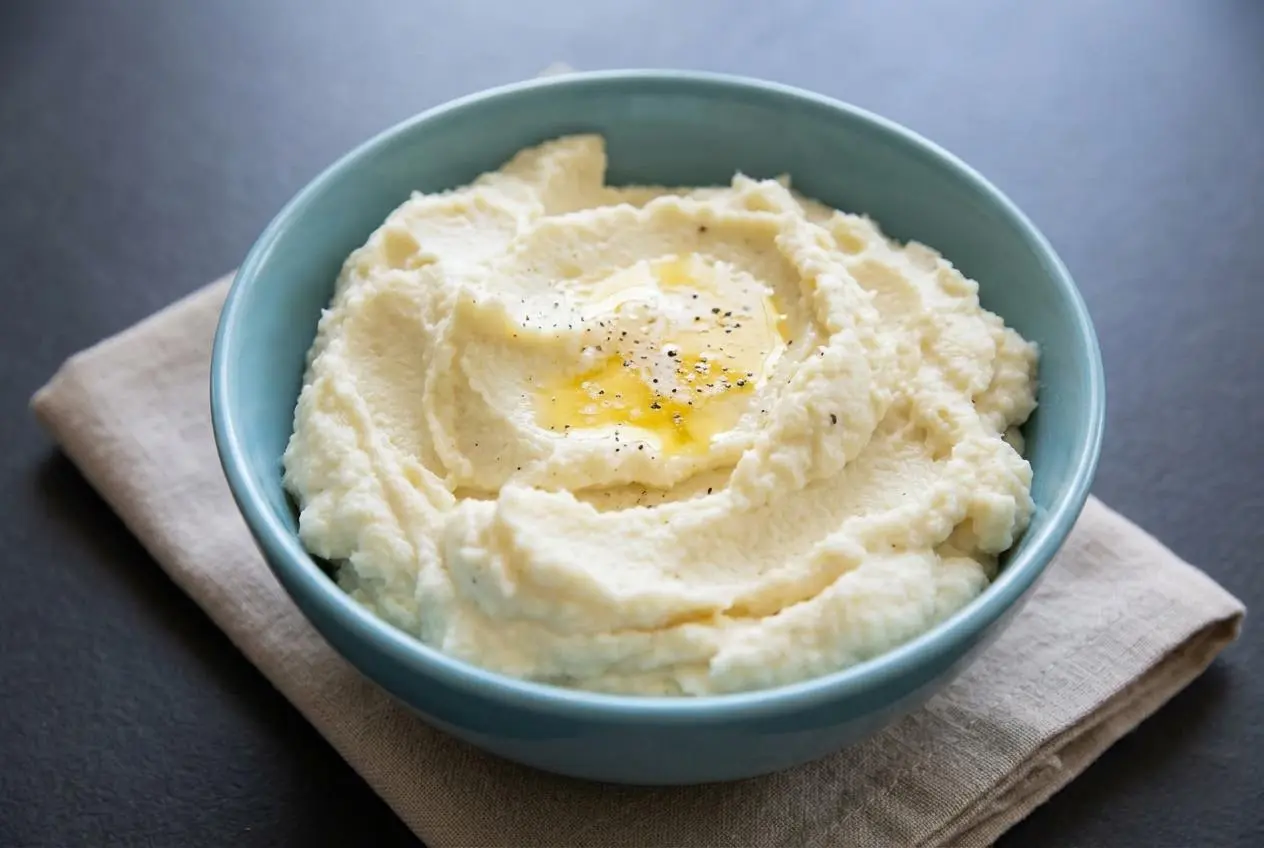
This Keto Mashed Cauliflower Recipe makes a rich, potato-like side by cooking cauliflower uncovered, then blending it with butter, cream, and sharp cheddar until smooth and thick.
Warm cheddar, melting butter, and soft cauliflower come together here in a mash that feels comforting without the heaviness of potatoes. It works especially well when you want a keto side dish that still feels cozy on the plate.
The biggest win is texture. Once you know how to keep the cauliflower from holding too much water, the mash turns silky instead of soupy. That one trick changes everything.
Trim away any thick outer stem skin before cooking so the final puree stays smooth instead of fibrous.
Is This Keto Mashed Cauliflower Recipe Keto Friendly?
Yes, it fits a keto meal plan well because cauliflower stands in for starchy potatoes while butter, cream, and cheddar add satisfying richness. You still get that comfort-food feel, just with a lower-carb ingredient base.
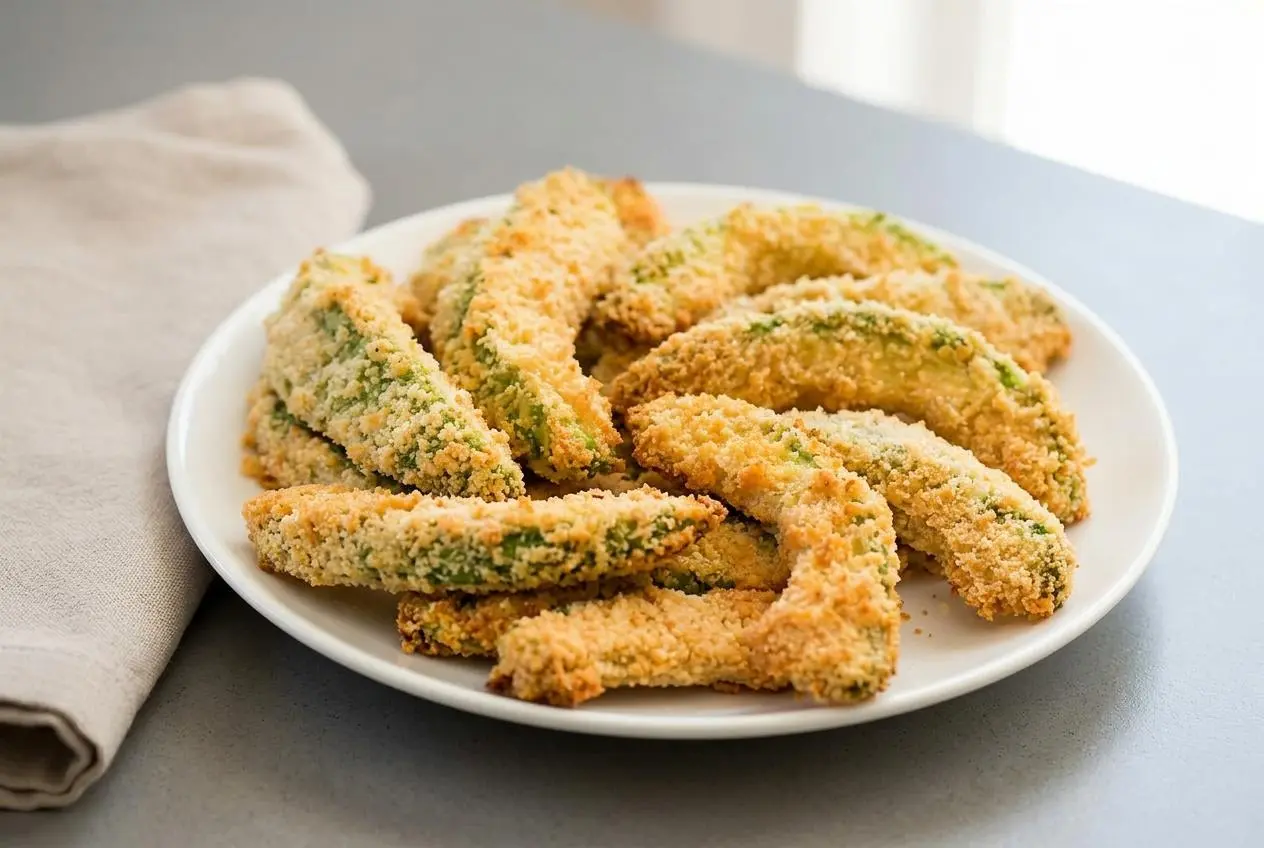
It is also a smart answer when you’re craving something soft and hearty next to roast meat or gravy. If you like potato-style comfort foods on keto, keto french fries are another handy option for the same kind of craving.
This mash also tends to feel more balanced on a keto plate because fat carries the flavor. The result tastes fuller than plain steamed cauliflower, which matters if you want the side dish to feel like part of dinner and not an afterthought.
The Ultimate Secret to Thick, Non-Watery Cauliflower Mash
If cauliflower mash turns watery, the problem usually starts with trapped moisture. Cauliflower holds a surprising amount of water in its cell structure, and once you blend it, that moisture releases fast and loosens the whole puree.
The best fix is to let moisture escape while the cauliflower cooks. That is why this method uses the microwave uncovered instead of boiling the florets in water. The steam can evaporate instead of collecting and soaking back into the cauliflower.
Another helpful detail is doneness. Cook the florets until they are fork-tender and slightly translucent, but stop there. Overcooking makes them slump and shed even more liquid, which is how mash drifts from fluffy to soup in a hurry.
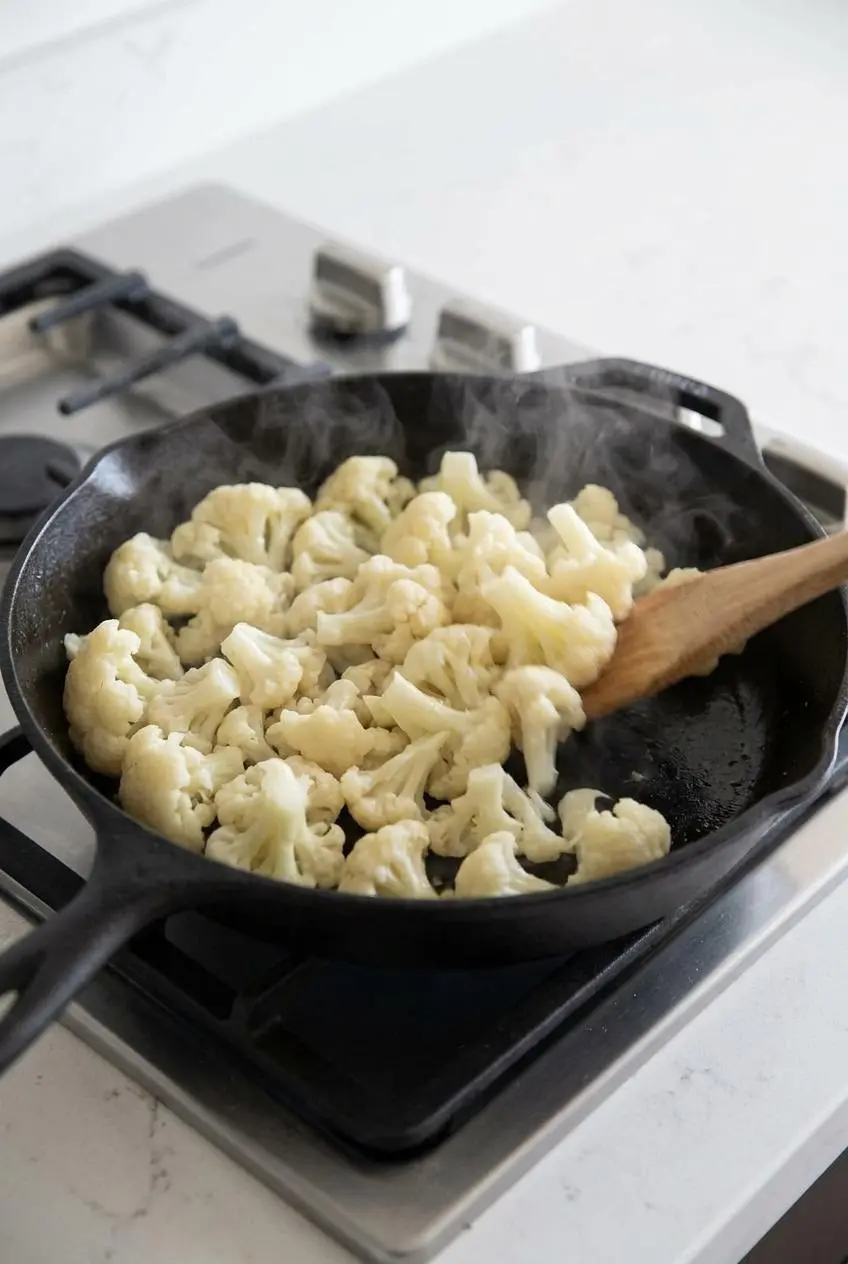
For an even thicker finish, use a dry skillet after cooking as an optional extra step. Tip the hot cooked florets into a warm pan with no added fat and toss them briefly until the surface moisture disappears. That quick pan-dry move gives you a mash that lands closer to potatoes and farther from puree.
- Cook uncovered so steam escapes instead of collecting.
- Check the largest floret with a fork before blending.
- Skip boiling for this version, since extra water is the enemy here.
- If the cauliflower still looks glossy-wet after cooking, use the dry-skillet finish before blending.
Essential Ingredients and Culinary Roles
Each ingredient pulls its weight here, building body, richness, aroma, and that creamy finish that makes cauliflower feel more like mashed potatoes.
- 1 large head of cauliflower
- 2 tablespoons heavy cream
- 1 tablespoon butter
- 1/4 teaspoon garlic powder
- 2 ounces Dubliner Irish Cheddar or other sharp cheddar cheese
- salt and pepper to taste
Cauliflower is the base, but how you prep it matters as much as the ingredient itself. Trim it into medium pieces and peel away any tough outer stem membrane so the blender can turn everything silky instead of leaving tiny stubborn fibers behind.
Heavy cream softens the puree and helps it blend into a smooth, cohesive mash. Butter rounds out the flavor and gives the mouthfeel that makes mashed cauliflower taste richer and more potato-like.
Garlic powder brings mellow savory depth without adding extra moisture. Sharp cheddar does a lot of work here too. It adds salt, body, and a stronger cheese flavor that helps cover cauliflower’s earthy sulfur notes better than mild cheese ever could.
Freshly grated cheese also melts more smoothly. Pre-shredded cheese often carries anti-caking coatings that can leave the mash slightly gritty instead of velvety.
I always grate the cheddar straight from the block for this mash because it blends cleaner and tastes sharper in the final bowl.
Why Cheesy Dubliner Cheddar Transforms Cauliflower
Dubliner and other sharp aged cheddars bring a nutty, assertive flavor that makes cooked cauliflower taste fuller and warmer. That sharper edge matters because it helps balance the cabbage-like aroma that can linger in plain cauliflower puree.
The aged character also gives the mash a more savory finish, so it tastes less like vegetables run through a blender and more like a real holiday-style side. If Dubliner is not on hand, another sharp cheddar works well, but grate it fresh for the best melt.
The Case for Real Grass-Fed Butter
Good butter is more than a background ingredient here. It coats the cauliflower solids and helps the puree feel smooth on the tongue, which is exactly what makes mashed potatoes so comforting in the first place.
Grass-fed butter can bring a deeper yellow color and a fuller dairy flavor, though any real butter will still do the job better than lighter substitutes. In a low-carb side dish, the fat is part of the structure as much as the flavor.
How to Make Creamy Keto Mashed Cauliflower
This method is quick, but each stage matters. The goal is tender cauliflower with as little trapped moisture as possible, followed by blending just long enough to turn it silky.
- Wash and trim the cauliflower, then cut it into medium pieces.
The pieces should be fairly even so they soften at the same pace in the microwave. - Put the cauliflower in a microwave-safe bowl with the heavy cream and butter.
The butter will begin to melt around the florets and help coat them as they cook. - Microwave on high for 6 minutes, leaving the bowl uncovered.
You want steam to escape so the cauliflower softens without collecting excess water. - Sprinkle in the garlic powder and stir so the hot cauliflower gets coated in the cream and butter mixture, then microwave on high for another 6 minutes.
At this point the bowl should smell buttery and garlicky, and the florets should look softer and slightly translucent. - Test the largest piece with a fork and microwave another 5 minutes if it still feels firm.
The fork should slide in easily when the cauliflower is ready to blend. - Transfer the cooked cauliflower and any liquid from the bowl to a magic bullet or high-speed blender.
The mixture should be hot, which helps the cheese melt evenly once it goes in. - Add the cheese and puree until smooth.
Stop once the mash looks silky and fluffy, because overprocessing can push it from whipped to loose. - Season with salt and pepper to taste.
The finished mash should taste savory, cheesy, and rich, with no raw cauliflower bite left.
The Microwave Uncovered Method
Cooking uncovered is the detail that makes this recipe work so well. Instead of steaming the cauliflower in its own trapped moisture, you let that moisture vent out as it cooks, which keeps the mash thicker from the start.
You will notice the florets soften while the cream and butter collect lightly at the bottom of the bowl. That is fine. What you do not want is a bowl full of condensed steam raining back onto the cauliflower.
Once the florets are tender, blend while hot so the cheese melts into the puree instead of sitting in tiny chewy bits.
The Stovetop Pan-Dry Method
If you want an extra insurance policy against watery mash, this optional step is worth it. After microwaving, toss the cooked florets in a hot, dry skillet for about 90 seconds before blending.
Keep the pan moving and watch for the surface moisture to fade. The cauliflower should look less glossy and smell slightly nuttier. It is a small move, but it gives you a thicker, more spoonable result.
Food Processor vs. Blender: Which Is Best?
If you care about texture, the blender usually wins. A high-speed blender or bullet blender pulls the cauliflower into a smoother puree and whips in a little air, which makes the mash feel lighter and more potato-like.
A food processor works differently. Its blade chops and circulates, so instead of fully smoothing the mixture, it often leaves tiny granular bits behind. Keep processing too long and the mixture can shift from fluffy to loose without ever becoming truly silky. That is the annoying middle ground.
An immersion blender can work if that is what you have. Use a deep container, blend while the cauliflower is hot, and move the blender head slowly so it catches all the pieces. You may not get the same cloud-like finish as a high-speed blender, but you can still get a good smooth mash.
- Use a high-speed blender for the smoothest, fluffiest texture.
- Use a food processor only if you do not mind a slightly more rustic mash.
- Do not add water to help the machine spin, since that quickly thins the puree.
- Stop blending as soon as the mash looks creamy and uniform.
Keto Baked Cauliflower Mash Option
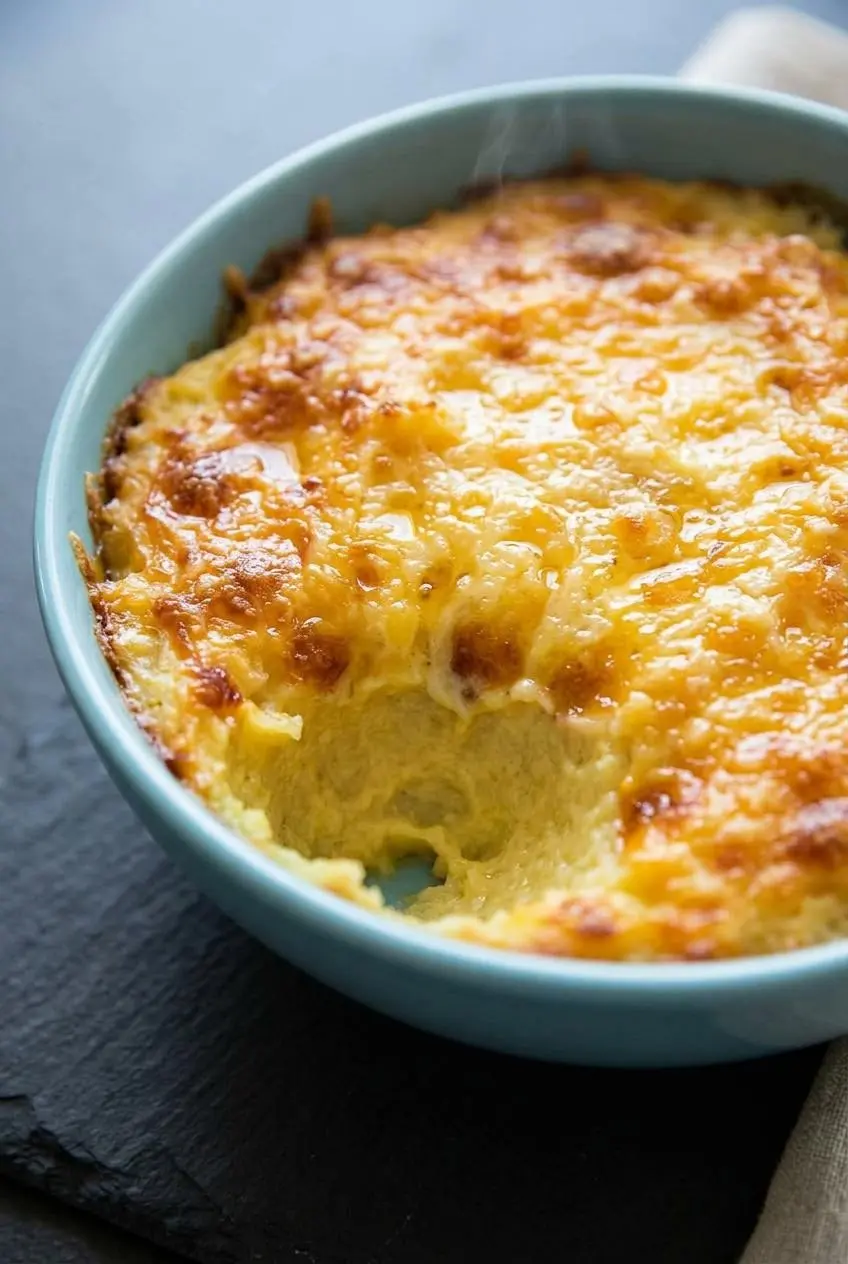
If you want this side dish to feel a little more like a casserole, you can finish the blended mash in the oven. This is especially nice for holiday dinners when a golden top adds a bit more texture to the table.
Spoon the finished mash into a baking dish, smooth the top, and bake until heated through and lightly browned on top. Since the puree is already cooked, the oven step is about texture and presentation, not about changing the core method.
Oven-Baked Asiago Gratin Style
For a gratin-style variation, transfer the blended mash to a baking dish, top it with shredded Asiago, and bake until the top is bubbling and golden in spots. The Asiago adds a saltier, toastier edge than cheddar and gives the soft mash a more savory crust.
This version works well when you want a side dish that can sit alongside roast turkey or braised beef and still hold its own. Keep it as an optional finish, not a required step.
What to Serve with Keto Cauliflower Mash
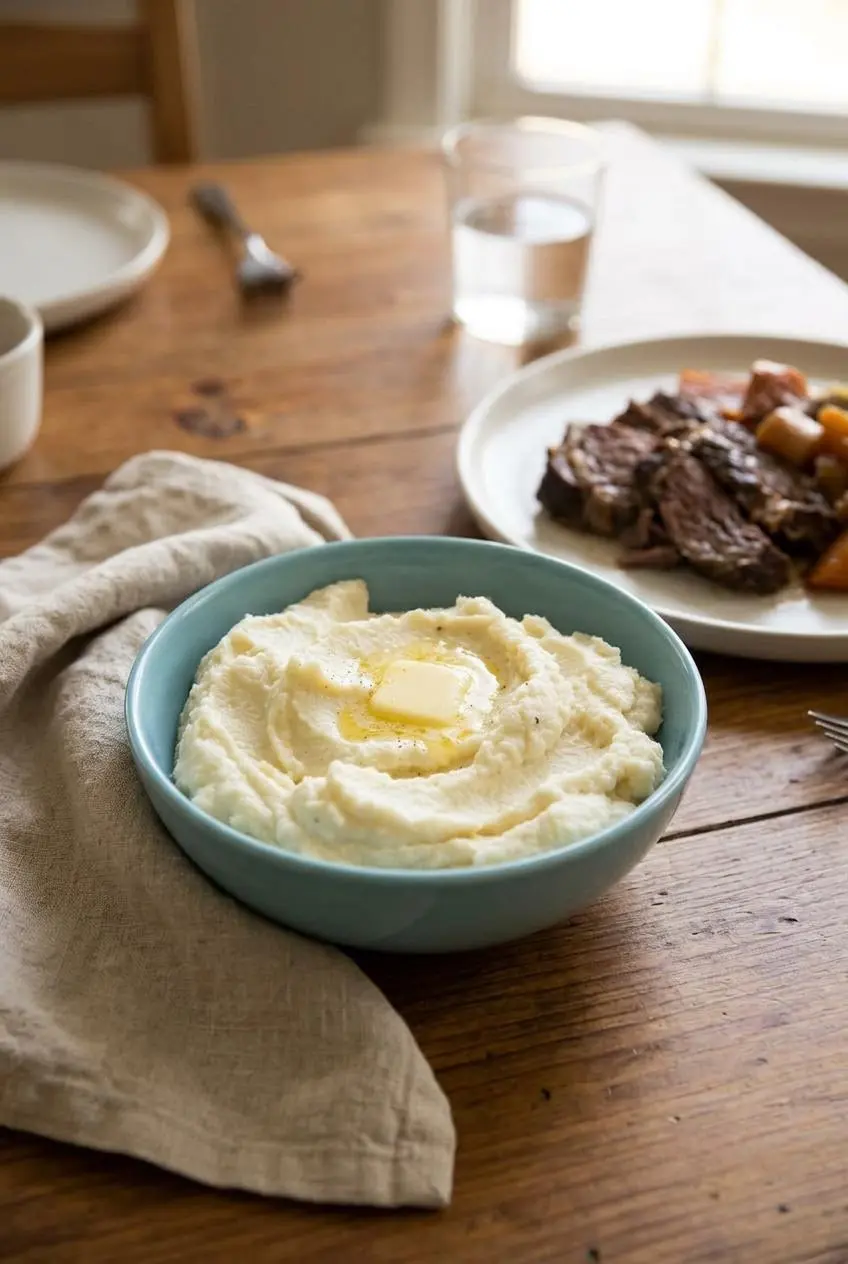
This mash shines next to savory mains that come with juices, gravy, or a rich pan sauce. It works as a soft, low-carb base under pot roast, and it is also great with roasted turkey when you want a holiday-style plate without traditional potatoes.
For an easy dinner pairing, serve it alongside keto ground beef casserole. The creamy mash also fits nicely into a bigger holiday spread with green beans almondine on the side.
- Loaded Garlic Bacon Mash: top the finished mash with crispy bacon, chives, and extra cheddar for a loaded baked potato vibe.
- Roasted Garlic and Cream Cheese Mash: swap the flavor profile by blending in roasted garlic and a little cream cheese if you want a tangier, denser finish.
- Vegan Cauliflower Mash: use olive oil and coconut cream in place of butter, cream, and cheddar for a dairy-free version with a softer, less cheesy flavor.
How to Reheat Cauliflower Mash Without Separation
Gentle heat is the key. If leftover mash gets blasted over direct high heat, the dairy can separate and the puree can look oily around the edges.
A double boiler is the smoothest approach because it warms the mash gradually. Stir every so often and stop once it is hot and creamy again. If you use the microwave, heat in short bursts and stir between each one so the center and edges warm more evenly.
If the mash looks tight after chilling, stir in a small splash of warm cream while reheating to loosen it. Once cooled, keep leftovers covered in the refrigerator, which should stay at 40 °F or below for perishable foods.
Troubleshooting Common Cauliflower Mash Mistakes
Most problems here are fixable. The trick is to diagnose whether the issue is too much water, not enough blending power, or seasoning that needs a nudge.
- Too runny: the cauliflower likely held onto too much moisture. Return the mash to a hot pan and stir gently until extra liquid cooks off, or blend in a small amount of cream cheese if you like a thicker finish.
- Grainy texture: thick stem pieces or pre-shredded cheese are usually the cause. Blend while the cauliflower is still hot, and next time peel the outer stem skin and grate the cheese fresh.
- Bland flavor: cauliflower needs enough salt to wake up. Add salt and pepper gradually, then taste again once the cheddar is fully blended in.
- Too loose after blending: the machine may have overworked it. Stop as soon as the puree turns smooth and fluffy, before it starts looking glossy and slack.
- Strong cauliflower aroma: use a sharper aged cheddar next time. Dubliner or extra sharp white cheddar does a better job of covering those sulfur notes.
- Frozen cauliflower confusion: yes, it works well, but it carries more moisture than fresh. Cook it until hot, then dry it thoroughly with a clean kitchen towel before blending, and skip extra liquid.
Conclusion
This mash earns its place because it delivers comfort, creaminess, and a rich cheddar finish without leaning on potatoes. It is fast enough for a weeknight and cozy enough for a holiday table.
If you remember one thing, make it this: dry the cauliflower well before blending. That small step is what turns the texture from watery to truly satisfying, and it is worth every second.
Frequently Asked Questions
Why is my keto cauliflower mash so watery?
Watery mash usually means the cauliflower held too much moisture before blending. Boiling and over-steaming are common causes because the florets absorb extra water. Microwaving uncovered helps steam escape during cooking. If the mash is already loose, warm it in a hot pan and stir until some moisture cooks off. An optional dry-skillet toss before blending helps prevent the problem in the first place.
Can I use frozen cauliflower to make mash?
Yes, frozen cauliflower works well and saves prep time. It usually holds more moisture than fresh cauliflower, so drying matters even more. Cook it until hot and tender, then blot or dry it well before blending. Avoid adding extra cream at the start, since the frozen florets already release more water. Blend while hot so the texture stays smoother.
What is the best way to reheat leftovers?
Reheat gently so the fats stay blended into the puree. A double boiler is the best option for a smooth, even reheat. You can also microwave in short bursts and stir between each one. Avoid high direct heat on the stovetop, which can make the mash separate. If needed, loosen it with a small splash of warm cream right before serving.
Can you freeze mashed cauliflower?
You may be able to freeze it, but the texture can change once it thaws because dairy-based purees sometimes separate. If you try it, cool it first and pack it in an airtight container. Reheat slowly and stir well to bring the texture back together. A little warm cream can help smooth it out after reheating. For the best texture, many cooks prefer making and serving it fresh.
Keto Mashed Cauliflower Recipe

Equipment
- Microwave-safe bowl
- High speed blender or bullet blender
Ingredients
- 1 large head cauliflower
- 2 tablespoons heavy cream
- 1 tablespoon butter
- 1/4 teaspoon garlic powder
- 2 ounces Dubliner Irish Cheddar or other sharp cheddar cheese
- salt and pepper to taste
Instructions
- Wash and trim the cauliflower, then cut it into medium pieces. The pieces should be fairly even so they soften at the same pace in the microwave.
- Put the cauliflower in a microwave-safe bowl with the heavy cream and butter. The butter will begin to melt around the florets and help coat them as they cook.
- Microwave on high for 6 minutes, leaving the bowl uncovered. You want steam to escape so the cauliflower softens without collecting excess water.
- Sprinkle in the garlic powder and stir so the hot cauliflower gets coated in the cream and butter mixture, then microwave on high for another 6 minutes. At this point the bowl should smell buttery and garlicky, and the florets should look softer and slightly translucent.
- Test the largest piece with a fork and microwave another 5 minutes if it still feels firm. The fork should slide in easily when the cauliflower is ready to blend.
- Transfer the cooked cauliflower and any liquid from the bowl to a magic bullet or high-speed blender. The mixture should be hot, which helps the cheese melt evenly once it goes in.
- Add the cheese and puree until smooth. Stop once the mash looks silky and fluffy, because overprocessing can push it from whipped to loose.
- Season with salt and pepper to taste. The finished mash should taste savory, cheesy, and rich, with no raw cauliflower bite left.