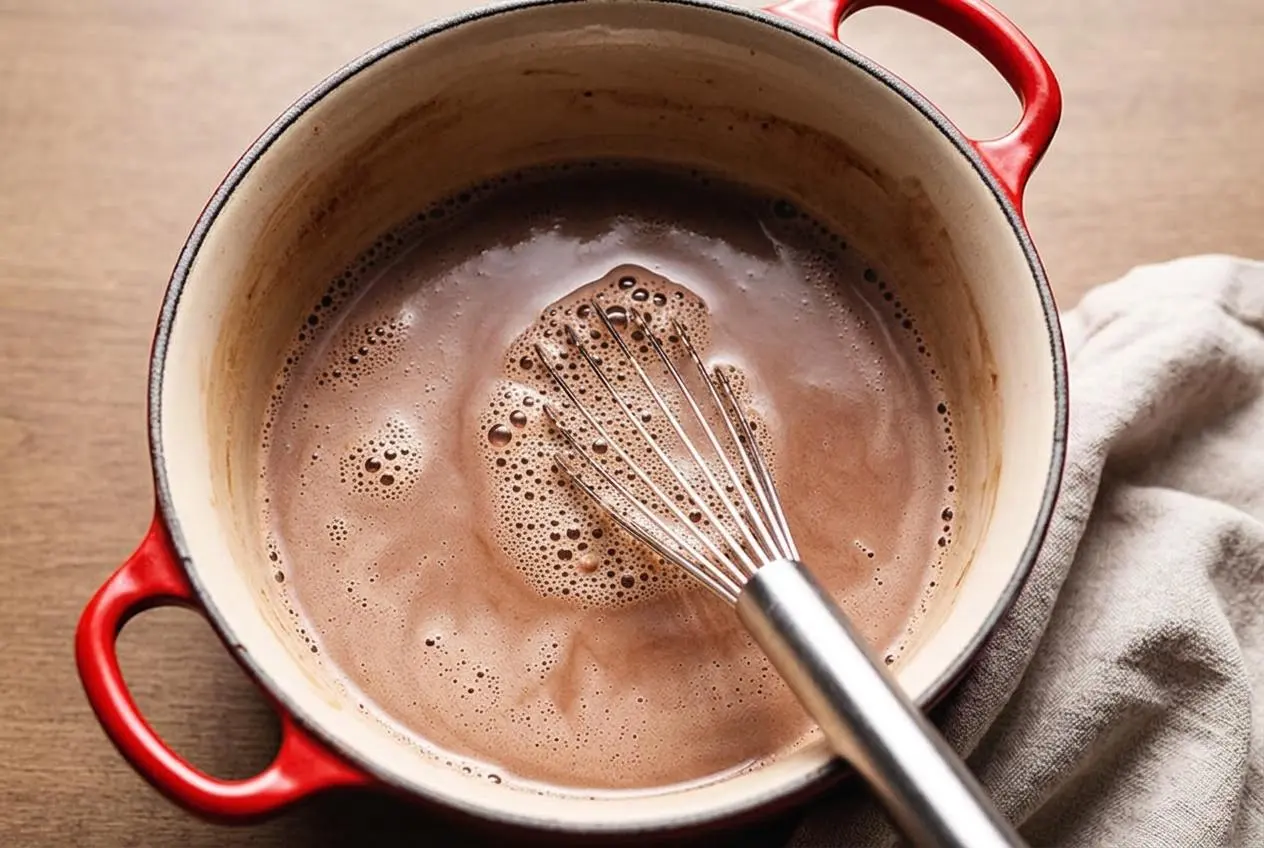
Skip to content
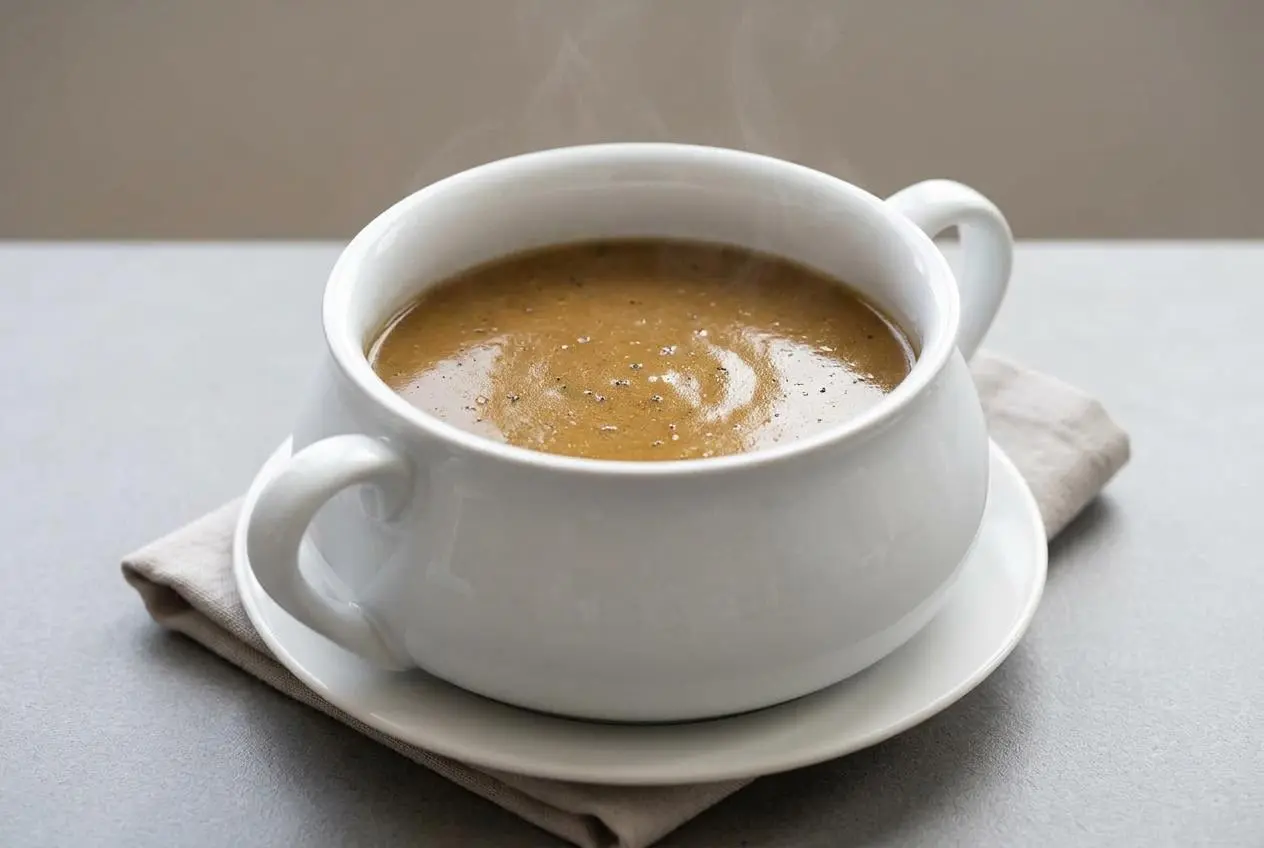
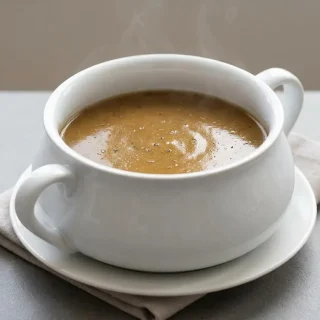
Keto gravy is a rich, savory sauce made with broth, pan drippings, and aromatics, then thickened with glucomannan instead of flour. It should taste deeply roasted and coat a spoon in a smooth, glossy layer.
This keto gravy builds classic holiday flavor from browned turkey giblets, butter, celery, onion, and chicken broth. Pan fond scraped from the roasting pan gives the finished sauce its deep color and meaty character.
It thickens gradually, so there’s no need to rush the final step. That quiet rest makes all the difference.
Brown the giblets until the butter smells nutty and the vegetables pick up golden edges before adding the broth.
What Makes Gravy Keto-Friendly?
Traditional gravy usually gets its body from a wheat flour roux or a cornstarch slurry. Both create a familiar thick sauce, but they also add starch. Keto-friendly gravy takes a different route, using flavorful drippings, butter, broth, herbs, and a small amount of low-carb thickener.
Meat broth, roasted poultry drippings, butter, onion, celery, and herbs bring savory depth without needing a flour base. The goal is a sauce with nappé consistency: it should coat the back of a spoon evenly, then leave a clear path when you run a finger through it.
Reduction also matters. As broth simmers, water evaporates and the roasted flavors concentrate. The thickener then gives the gravy a final silky body instead of doing all the work alone.
Ingredients for the Ultimate Keto Gravy
Each ingredient contributes something useful: butter develops richness, giblets and broth build savory depth, aromatics add sweetness and aroma, and glucomannan gives the finished gravy its glossy structure.
- 1 tbsp salted butter
- 1 pkg turkey neck and giblets ((or chicken neck and giblets))
- 1/4 medium onion (chopped)
- 2 stalks celery (sliced)
- Salt and pepper
- 1/2 tsp dried thyme or sage ((optional))
- 3 cups chicken broth
- 1/2 to 3/4 tsp glucomannan
The neck and giblets create a concentrated poultry base while they simmer in the broth. Onion and celery round out that broth with mellow, savory sweetness, and thyme or sage adds a familiar holiday aroma.
Butter helps the aromatics brown and gives the finished gravy a richer feel. Pan drippings add the roasted flavor that boxed broth cannot quite provide, while glucomannan thickens the strained liquid without leaving floury heaviness.
I prefer to season cautiously until the pan drippings go in, since their saltiness can vary a lot from one roast to the next.
Essential Low-Carb Thickeners Explained
Low-carb thickeners behave very differently from flour. They need a light hand, active whisking, and a few minutes to hydrate before you decide whether the gravy needs more body.
Glucomannan: Smooth, Non-Slimy Body
Glucomannan comes from konjac root fiber and hydrates gradually in warm liquid. That slower thickening makes it especially useful for gravy because you can let the sauce rest, then judge its true consistency instead of chasing thickness too quickly.
When used gently, it gives broth a smooth, glossy coating rather than a heavy gel. Sprinkle it in while whisking, then take the pan off active heat so the thickener can finish hydrating.
Xanthan Gum: Fast-Acting Thickener
Xanthan gum thickens much faster than glucomannan, which can be handy for a quick sauce but less forgiving in a hot gravy. Adding it all at once can create stubborn clumps or a slick, gummy texture.
For smoother results, first disperse xanthan gum into warm melted butter or add it in a very light sprinkle while whisking continuously. Give the gravy a moment to settle before adding more.
Why Grain and Nut Flours Fall Short
Wheat flour thickens gravy because of its starch, which does not fit the purpose of this flour-free approach. Almond flour and coconut flour do not dissolve into a glossy sauce either. They can leave grainy particles on the tongue and sediment at the bottom of the pan.
Unflavored gelatin can add some body to a broth, but it sets differently and produces a softer, more delicate texture. For a classic pourable gravy, glucomannan or xanthan gum offers more direct control.
Step-by-Step Stovetop Keto Gravy Method
- Melt the butter in a large saucepan over medium heat, then add the neck, giblets, onion, celery, salt, pepper, and optional dried thyme or sage; cook for about 5 minutes.
Stir until the giblets and vegetables are well browned and the pan smells deeply savory. - Pour in the chicken broth, bring it to a boil, then lower the heat and simmer for 30 to 40 minutes.
The broth should smell aromatic and look slightly fuller in color before you lift out the neck and giblets with a slotted spoon. - After the turkey or chicken finishes cooking, transfer it to a platter and tent it with foil, then add its pan juices to the broth.
Scrape the browned fond from the roasting pan into the liquid, then spoon off excess fat floating on top. - Bring the gravy to a boil and reduce it by about one quarter, then strain it through a fine-mesh sieve and return the liquid to the saucepan.
The strained gravy should look clear, deeply colored, and free of celery or onion pieces. - Whisk in 1/2 tsp of glucomannan, remove the pan from active heat, and let the gravy stand for 10 minutes; whisk in the remaining glucomannan if a thicker gravy is desired.
The gravy will continue to thicken as it cools and should coat a spoon smoothly without becoming stringy.
Troubleshooting and Texture Mastery
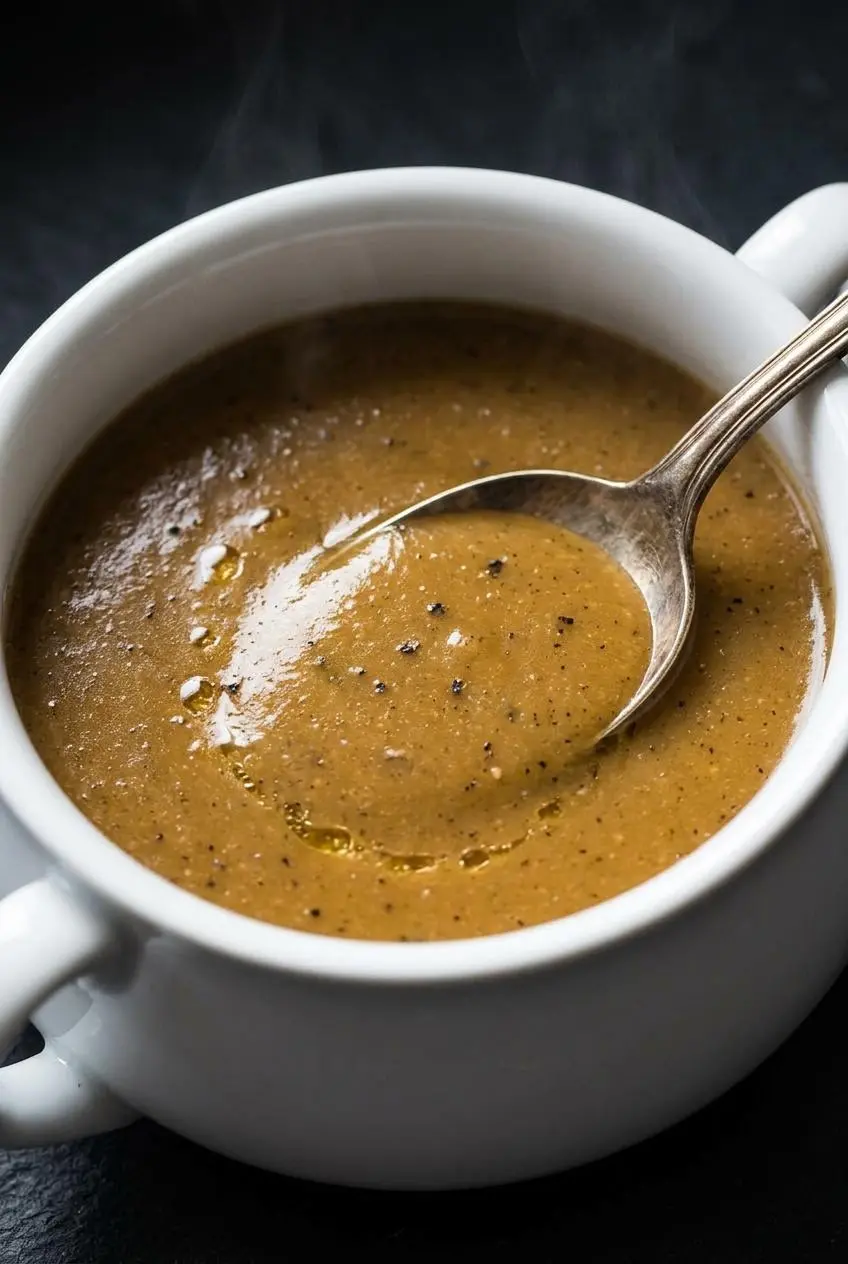
Most low-carb gravy problems come from rushing the thickener or leaving too much fat on the surface. Gentle heat and a patient whisk usually bring it back into balance.
Fixing Overly Thick or Thin Sauces
- Too thick: Whisk in warm chicken broth over low heat until the gravy loosens into a pourable consistency. Cold broth can cool the sauce too quickly and make it harder to judge.
- Too thin: Simmer gently to reduce the liquid further, then reassess. If it still needs body, add only a tiny additional sprinkle of thickener while whisking.
- Gummy texture: Too much thickener or aggressive boiling is usually the cause. Add warm broth gradually and keep the heat low while the sauce relaxes.
Eliminating Lumps and Emulsion Separation
- Powdery lumps: Whisk firmly as soon as the thickener hits the gravy. An immersion blender can smooth stubborn small clumps if needed.
- Greasy separation: Spoon off excess surface fat before thickening. A moderate amount of fat enriches gravy, but too much prevents a smooth emulsion.
- Uneven thickness: Let the gravy sit off the heat before adjusting it. Glucomannan needs time to hydrate, and early adjustments often lead to over-thickening.
Flavor Variations and Customizations
Keep the main gravy as written, then use these optional directions when you want a different flavor profile for another meal.
Creamy Peppered Country Gravy
For a country-style gravy, stir in a splash of heavy cream at the finish and add plenty of cracked black pepper. The result is paler, richer, and especially good with breakfast sausage, eggs, or almond flour biscuits.
Rich Keto Brown Gravy Without Drippings
For a weeknight brown gravy when you do not have roast drippings, use concentrated beef bone broth and browned butter as the flavor foundation. Savory herbs and a small amount of Worcestershire sauce can deepen the roast-beef character, but taste carefully because both can bring salt.
Herb-Infused Turkey and Poultry Gravy
For a holiday poultry version, add fresh rosemary and sage with roasted turkey or chicken drippings. The herbs make the gravy smell festive without covering up the flavor of the browned fond.
Serving Ideas for Low-Carb Meals
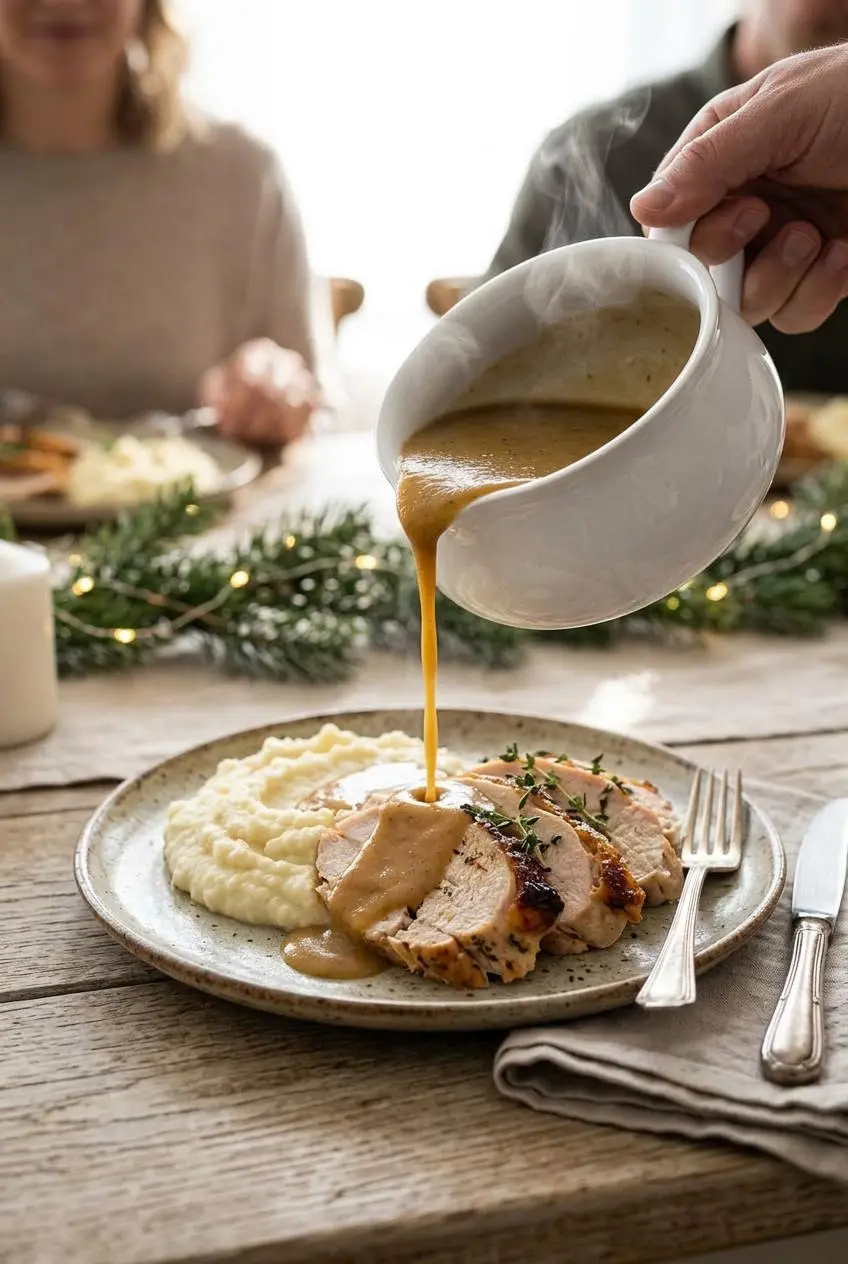
Serve this gravy over roasted turkey, roast chicken, pork chops, or beef pot roast. It also turns buttery mashed cauliflower into a satisfying holiday-style side and gives roasted Brussels sprouts or green bean casserole a savory finishing touch.
- Pour it over sliced turkey with cauliflower mash for a classic roast dinner.
- Serve it beside pork chops when you want a richer plate without a heavy starch-based sauce.
- Use it to soften warm sliced keto bread alongside a roast.
Storage and Gentle Reheating
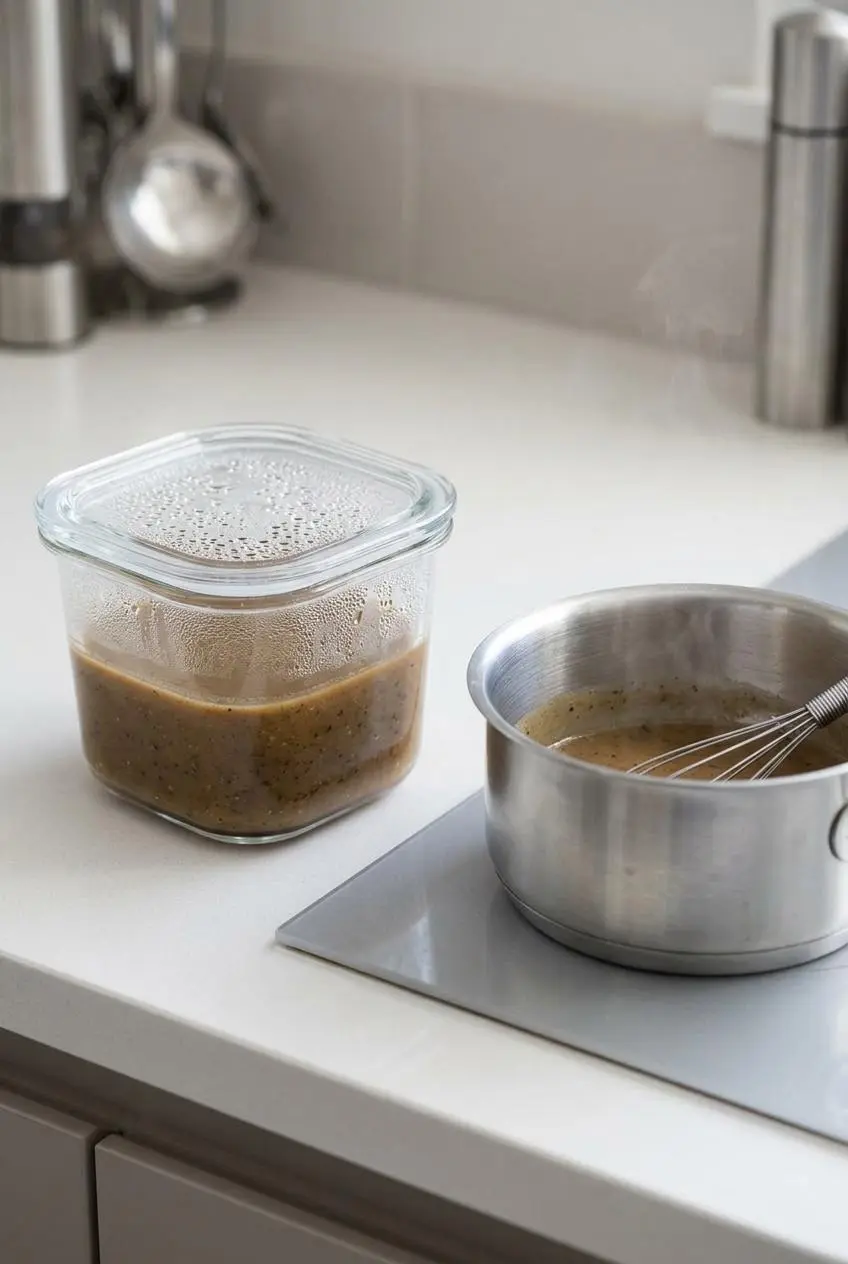
If you need to prepare components before a holiday meal, keep the gravy in a clean airtight container and chill it once it has cooled. Keep it separate from crisp sides or fresh herbs so their texture stays intact.
Warm gravy slowly in a saucepan over low heat, whisking often. Add a splash of chicken broth if it has tightened after chilling, and avoid a hard boil, which can make the butter and broth separate.
Mastering Rich Savory Gravy for Any Occasion
Deep flavor comes from patient browning, aromatic giblet broth, roasted pan drippings, and a careful reduction. Once the gravy is strained, a brief rest lets the glucomannan create that smooth, spoon-coating finish.
Change the herb profile or choose poultry or beef drippings to suit the meal, but keep the same gentle thickening approach. A glossy gravy has a way of making even an ordinary roast feel special.
Frequently Asked Questions
What Can I Use Instead of Flour to Thicken Keto Gravy?
Glucomannan and xanthan gum are useful flour alternatives for keto gravy. Both thicken hot broth with a very small amount, but glucomannan develops its body more gradually while xanthan gum acts quickly.
Why Did My Keto Gravy Turn Slimy or Gummy?
This usually happens when too much thickener goes in too quickly or the gravy boils hard after thickening. Loosen it with warm broth over low heat, whisk well, and give it time off the heat before making another adjustment.
Can I Make Keto Gravy Ahead of Time for the Holidays?
If you prepare the gravy before the meal, cool it, keep it covered and chilled, then reheat it gently on the stovetop. Whisk in a little warm broth if the texture becomes too thick after chilling.
Can I Freeze Leftover Keto Gravy?
Freezing guidance is not included for this gravy, so refrigerated storage and gentle stovetop reheating are the most dependable options here. Reheat only the amount you plan to serve and whisk it until smooth.
How Do You Prevent Xanthan Gum or Glucomannan From Clumping?
Whisk the thickener into warm melted butter before adding liquid, or sprinkle it slowly into warm gravy while whisking continuously. Do not dump it into boiling broth, and allow the sauce to rest before deciding whether it needs more.
Keto Gravy

Equipment
- Large saucepan
- Slotted spoon
- Fine-mesh sieve
- Whisk
Ingredients
- 1 tbsp salted butter
- 1 pkg turkey neck and giblets ((or chicken neck and giblets))
- 1/4 medium onion (chopped)
- 2 stalks celery (sliced)
- Salt and pepper
- 1/2 tsp dried thyme or sage ((optional))
- 3 cups chicken broth
- 1/2 to 3/4 tsp glucomannan
Instructions
- Melt the butter in a large saucepan over medium heat, then add the neck, giblets, onion, celery, salt, pepper, and optional dried thyme or sage; cook for about 5 minutes. Stir until the giblets and vegetables are well browned and the pan smells deeply savory.
- Pour in the chicken broth, bring it to a boil, then lower the heat and simmer for 30 to 40 minutes. The broth should smell aromatic and look slightly fuller in color before you lift out the neck and giblets with a slotted spoon.
- After the turkey or chicken finishes cooking, transfer it to a platter and tent it with foil, then add its pan juices to the broth. Scrape the browned fond from the roasting pan into the liquid, then spoon off excess fat floating on top.
- Bring the gravy to a boil and reduce it by about one quarter, then strain it through a fine-mesh sieve and return the liquid to the saucepan. The strained gravy should look clear, deeply colored, and free of celery or onion pieces.
- Whisk in 1/2 tsp of glucomannan, remove the pan from active heat, and let the gravy stand for 10 minutes; whisk in the remaining glucomannan if a thicker gravy is desired. The gravy will continue to thicken as it cools and should coat a spoon smoothly without becoming stringy.