Skip to content
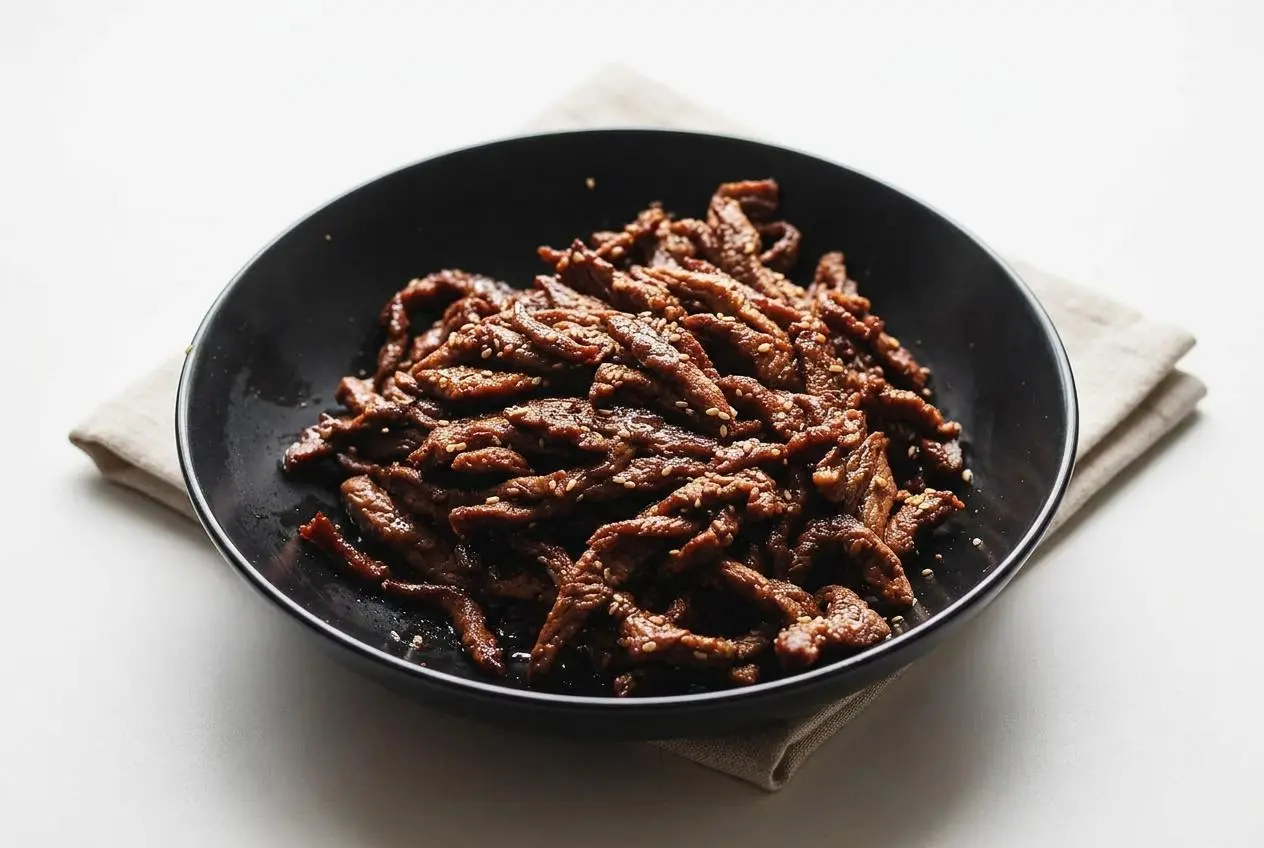
Keto beef bulgogi is thinly sliced steak marinated with soy sauce or coconut aminos, sesame oil, garlic, ginger, and sugar-free sweetener, then seared in batches for savory, caramelized beef with sizzling edges.
Keto Beef Bulgogi brings the sweet-savory character of Korean BBQ to a low-carb dinner without relying on fruit purée or regular sugar. Thin slices and a glossy marinade keep every bite flavorful.
The skillet should sound lively the moment the beef hits the oil, and the edges should turn deeply browned before the center overcooks. That sizzle is the goal.
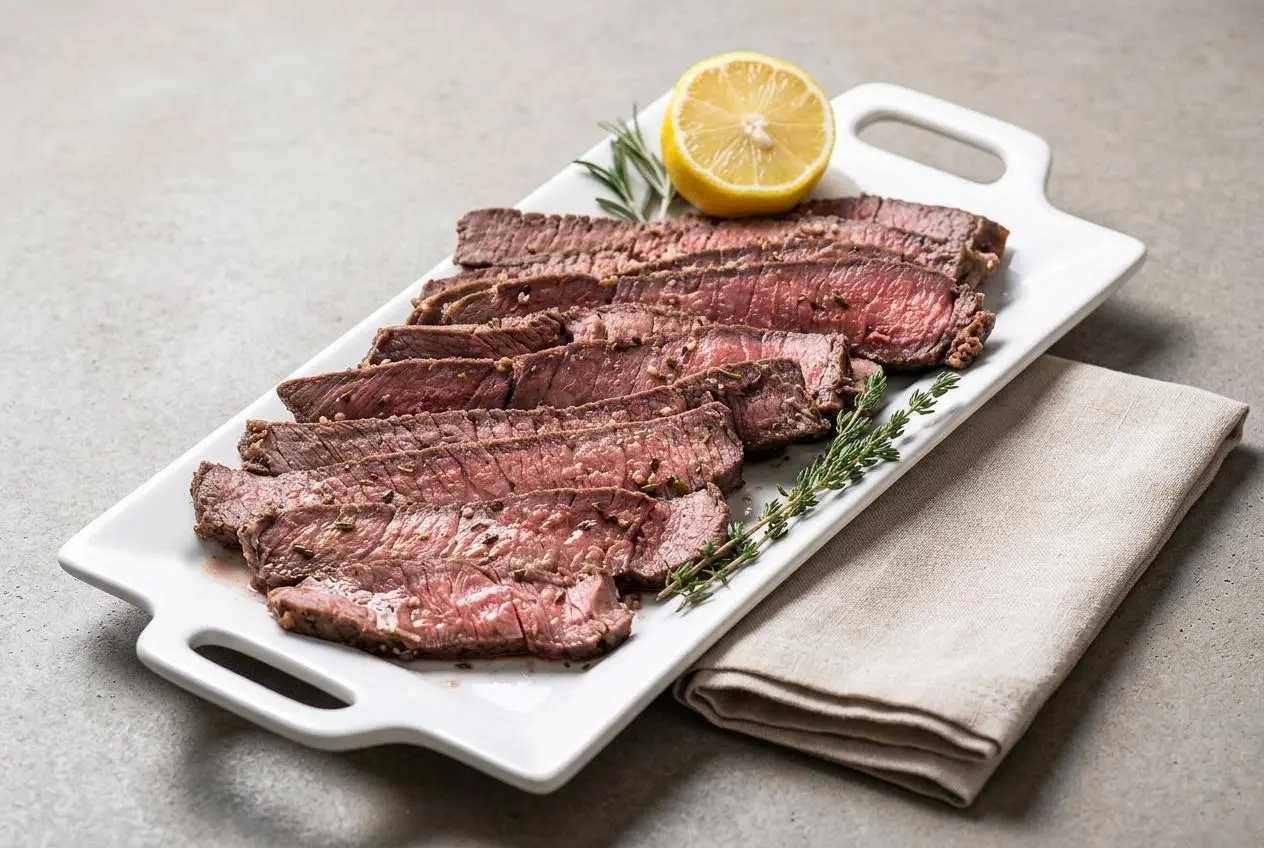
Set the steak on a cutting board while it is still slightly firm from chilling, then look for the lines running through the meat before you slice.
Essential Low-Carb Marinade Components and Meat Cuts
Each ingredient builds the signature balance: beef provides richness, soy sauce brings savoriness, sweetener rounds the marinade, and sesame, garlic, and ginger create the toasted aromatic finish.
- 1 1/2 Pounds Boneless steak (sirloin or ribeye)
- 1/4 Cup Soy Sauce or Coconut Aminos
- 2 tablespoons sugar free brown sweetener
- 2 Tablespoons Sesame oil
- 3 Cloves Garlic, minced
- 1 Tablespoon Ginger paste
- 2 Tablespoons avocado oil
- 1 teaspoon Toasted sesame seeds
Ribeye steak has more marbling, so it stays especially succulent through a fast sear. Sirloin has a leaner, beef-forward flavor and works beautifully when sliced very thinly across the grain. Either cut benefits from the marinade and quick cooking.
Soy sauce gives the beef its salty umami backbone. Coconut aminos offer a slightly sweeter, gentler alternative. Toasted sesame oil brings the unmistakable nutty aroma, while garlic and ginger shift from sharp and pungent to warm and fragrant once they meet the hot pan.
The sugar-free brown sweetener supplies the rounded sweetness associated with bulgogi and helps create a glossy, caramelized surface. Avocado oil handles the high heat, and toasted sesame seeds add a final pop of crunch.
I prefer ribeye when I want the richest texture, but a well-trimmed sirloin is an excellent choice when sliced almost paper-thin against the grain.
How to Make Keto Beef Bulgogi
- Chill the steak in the freezer for about 30 minutes, then use a sharp knife to cut it into very thin slices.
Slice across the visible grain lines so the finished beef is easier to bite through. - Stir the soy sauce or coconut aminos, brown sweetener, sesame oil, garlic, and ginger paste together in a large bowl.
The mixture should smell savory and gingery, with the sweetener beginning to dissolve. - Add the sliced steak and turn it through the marinade until every strip is coated.
The beef should look glossy rather than sitting in isolated pockets of seasoning. - Cover the bowl with plastic wrap and marinate for 2 hours, turning the beef occasionally with tongs.
Regular tossing redistributes the aromatics so the slices season evenly. - Warm 1 tablespoon of avocado oil in a skillet over medium-high heat.
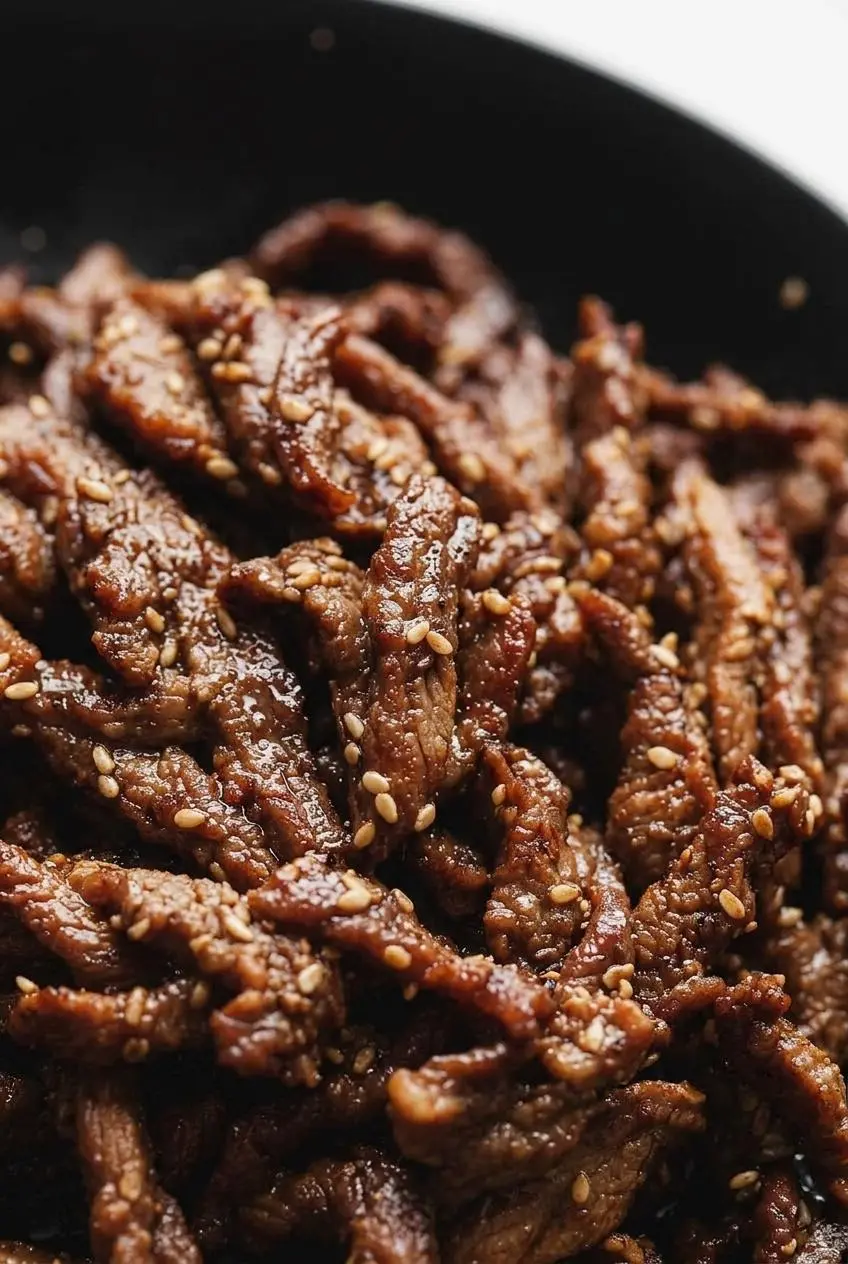
The oil should look fluid and shimmer before the first batch goes in. - Sear the beef in 3 to 4 uncrowded batches, cooking each batch for 2 to 3 minutes per side and adding more oil as needed.
Listen for a strong sizzle and look for dark caramelized edges instead of pale meat steaming in liquid. - Transfer the seared beef to a serving dish and finish with the toasted sesame seeds.
The sesame fragrance should bloom over the warm, browned beef.
Understanding Traditional vs. Keto Bulgogi
Bulgogi means “fire meat” in Korean, a fitting name for beef cooked over intense heat until the edges brown and char. Traditional bulgogi marinades often combine soy sauce with sugar, fruit such as Asian pear, and aromatics for their familiar sweet-savory flavor.
Restaurant versions can hide extra sugar in prepared marinades, fruit bases, and bottled sauces. This version keeps the savory depth of Korean BBQ by using a sugar-free brown sweetener alongside sesame oil, garlic, ginger, and soy sauce or coconut aminos. The result still develops a lacquered, caramelized finish when the beef hits a hot skillet.
Troubleshooting Common Bulgogi Cooking Pitfalls
- The beef is steaming instead of browning: The pan is crowded or the strips are carrying too much marinade. Let excess marinade drip off each slice before it enters the skillet, then cook in small single layers.
- The pan residue is turning dark and bitter: Sweetener and garlic can scorch when left in a dry, overheated skillet. Keep the heat at medium-high, add oil as needed, and wipe away burnt bits between batches if they accumulate.
- The meat is chewy: Thick slices or slices cut with the grain create long muscle fibers. Firm the steak first, identify the grain, and cut straight across it in thin strips.
- The flavor seems flat: The beef needs enough time in the marinade for the garlic, ginger, sesame oil, and savory seasoning to settle into the slices. Tossing it during marinating helps every piece get coated.
Versatile Protein Swaps and Flavor Variations
Keep the steak version as written when you want classic sliced bulgogi texture, then use these ideas as optional directions for another meal. For another sweet-savory skillet dinner with thin beef and ginger-forward flavor, try keto Mongolian beef.
Spicy Gochujang Bulgogi
For heat, add a small amount of Korean chili paste or sugar-free red pepper flakes to the marinade. Check the label on gochujang carefully because many jars contain sugar or rice-based ingredients. Chili flakes give a cleaner, drier heat, while gochujang adds a deeper fermented chile flavor.
Keto Ground Beef Bulgogi
Ground beef makes a convenient weeknight alternative when thinly slicing steak is not in the plan. Cook it as a separate variation with the same soy, sesame, garlic, ginger, and sugar-free sweetener flavor profile. It will have a crumblier texture than steak strips, but it is excellent in a bowl or lettuce cup.
Thinly sliced chicken breast, pork shoulder, or extra-firm tofu can also take on these flavors. Choose the option that suits the meal, while keeping the main steak method unchanged.
Low-Carb Serving Ideas and Accompaniments
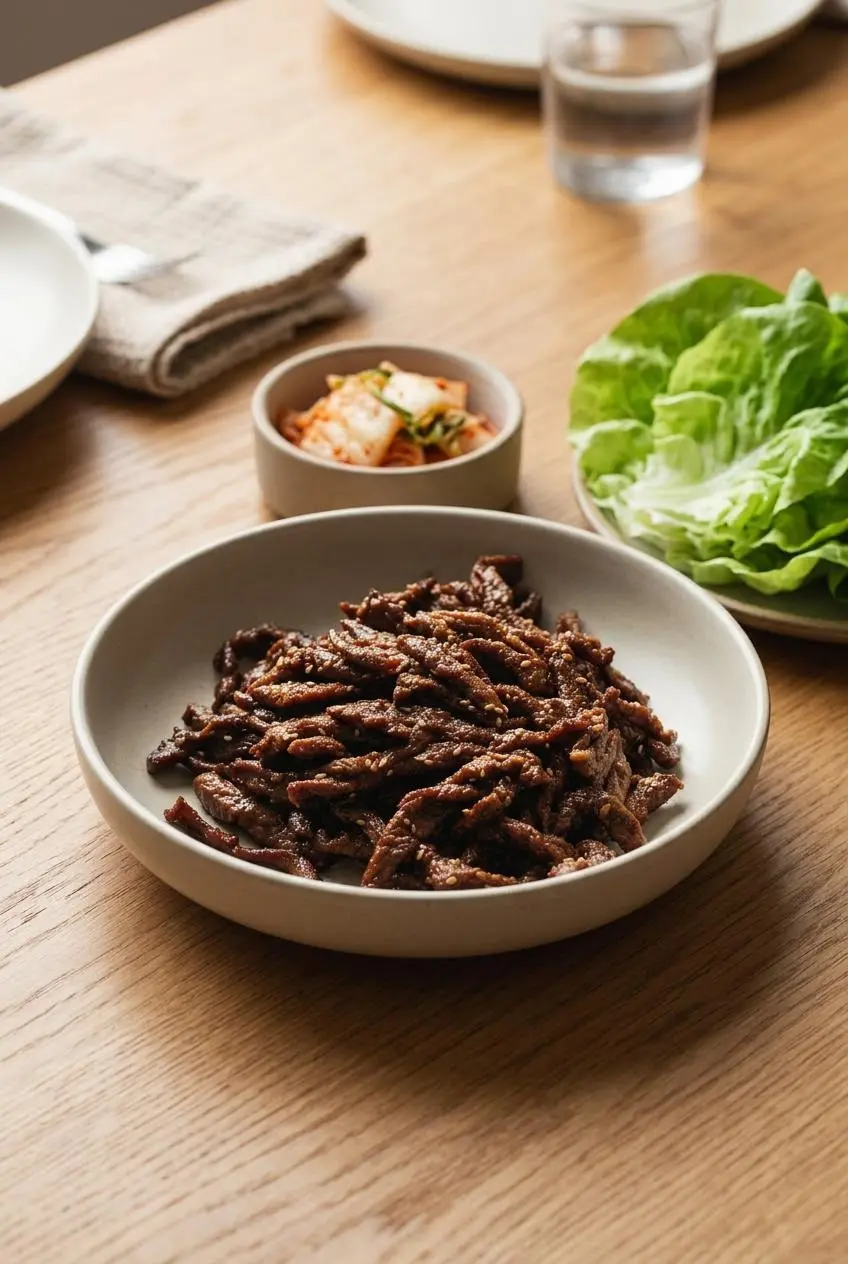
The rich, browned beef tastes best with something fresh, crisp, or mildly tangy alongside it. Build the plate around contrasting textures rather than adding another heavy element.
Cauliflower Rice and Sesame Bowls
Spoon the beef over warm cauliflower rice, then add toasted sesame seeds and sliced green onions if desired. Sugar-free kimchi and sautéed spinach bring tang and color, turning the bowl into a satisfying Korean-inspired dinner without standard rice or glass noodles.
Crisp Lettuce Wrap Bulgogi
Fill chilled butter lettuce or romaine leaves with warm bulgogi and a little sugar-free kimchi. The cold, crisp lettuce balances the savory beef, while the juices collect neatly in the leaves instead of making the meal feel heavy.
Make-Ahead, Storage, and Reheating Best Practices
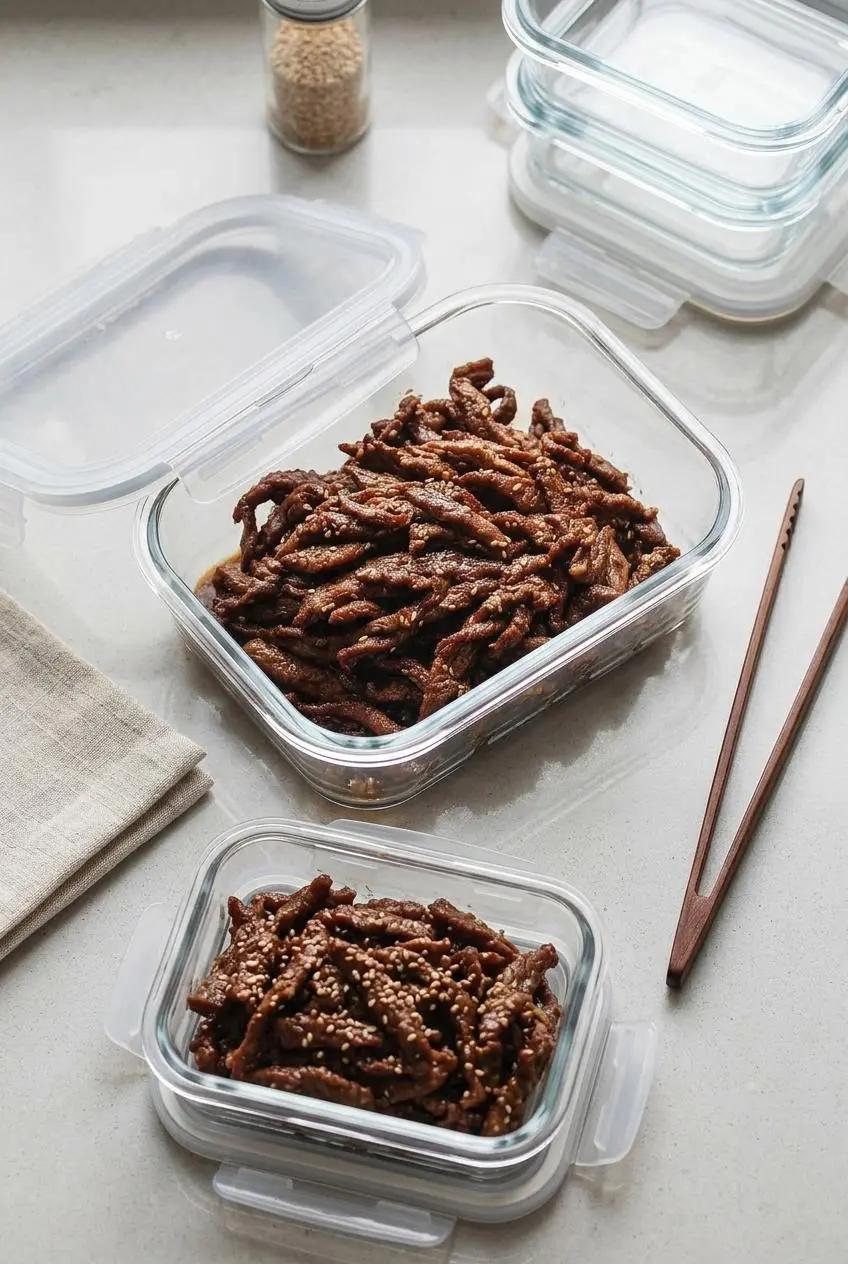
For better texture, complete the slicing and marinating stage as written, then cook the beef close to serving time. The thin strips brown best when they go from marinade to a hot skillet in small batches.
Keep cooked leftovers chilled in an airtight container once cooled. Rewarm only the portion you plan to eat in a lightly oiled skillet over medium heat, stirring just until hot. Gentle reheating protects the tender strips better than blasting them until they turn dry and rubbery.
Store cauliflower rice, lettuce, kimchi, and garnishes separately from the beef so the fresh elements stay crisp. Assemble bowls and wraps right before serving.
Bringing Authentic Korean BBQ Flavor to Your Low-Carb Table
This dish keeps the heart of Korean BBQ in focus: thin beef, a sweet-savory marinade, toasted sesame aroma, and deeply browned edges. Smart ingredient swaps let the flavor stay front and center.
Master the grain direction, keep the slices thin, and give each batch room in the skillet. That combination makes the difference between steamed beef and glossy, caramelized bulgogi.
Frequently Asked Questions About Keto Bulgogi
Can I eat bulgogi on keto?
Traditional bulgogi often contains sugar and fruit purée, which can add significant carbohydrates. A homemade version made with a sugar-free brown sweetener and low-carb seasonings can fit a ketogenic eating pattern, depending on your individual approach and ingredient choices.
What Is the Secret Ingredient in Authentic Bulgogi?
Classic bulgogi often uses grated Asian pear for gentle sweetness and tenderizing enzymes. In this keto version, the depth comes from balancing sesame oil, garlic, ginger, savory soy sauce or coconut aminos, and a brown-style sugar-free sweetener.
What Can I Use as a Meat Substitute for Beef Bulgogi?
Thinly sliced chicken breast, pork shoulder, ground beef, and extra-firm tofu are all workable alternatives. Each absorbs the savory-sweet marinade differently, so expect a change in texture while keeping the Korean BBQ flavor profile.
How Many Carbs Are in Korean Bulgogi?
Carbohydrates vary widely because traditional and restaurant bulgogi often include sugar, fruit, or sweet bottled marinades. This recipe’s nutrition calculation lists 2 g of carbohydrate per serving, but ingredient labels and serving portions can change the final amount.
How Do You Slice the Beef Thinly Enough for Bulgogi?
Firm the steak in the freezer for about 30 minutes before slicing. Use a sharp knife and cut very thin strips across the grain, which shortens the muscle fibers and gives the cooked beef a more tender bite.
Keto Beef Bulgogi

Ingredients
- 1 1/2 Pounds Boneless steak (sirloin or ribeye)
- 1/4 Cup Soy Sauce or Coconut Aminos
- 2 tablespoons sugar free brown sweetener
- 2 Tablespoons Sesame oil
- 3 Cloves Garlic minced
- 1 Tablespoon Ginger paste
- 2 Tablespoons avocado oil
- 1 teaspoon Toasted sesame seeds
Instructions
- Chill the steak in the freezer for about 30 minutes, then use a sharp knife to cut it into very thin slices. Slice across the visible grain lines so the finished beef is easier to bite through.
- Stir the soy sauce or coconut aminos, brown sweetener, sesame oil, garlic, and ginger paste together in a large bowl. The mixture should smell savory and gingery, with the sweetener beginning to dissolve.
- Add the sliced steak and turn it through the marinade until every strip is coated. The beef should look glossy rather than sitting in isolated pockets of seasoning.
- Cover the bowl with plastic wrap and marinate for 2 hours, turning the beef occasionally with tongs. Regular tossing redistributes the aromatics so the slices season evenly.
- Warm 1 tablespoon of avocado oil in a skillet over medium-high heat. The oil should look fluid and shimmer before the first batch goes in.
- Sear the beef in 3 to 4 uncrowded batches, cooking each batch for 2 to 3 minutes per side and adding more oil as needed. Listen for a strong sizzle and look for dark caramelized edges instead of pale meat steaming in liquid.
- Transfer the seared beef to a serving dish and finish with the toasted sesame seeds. The sesame fragrance should bloom over the warm, browned beef.