Skip to content
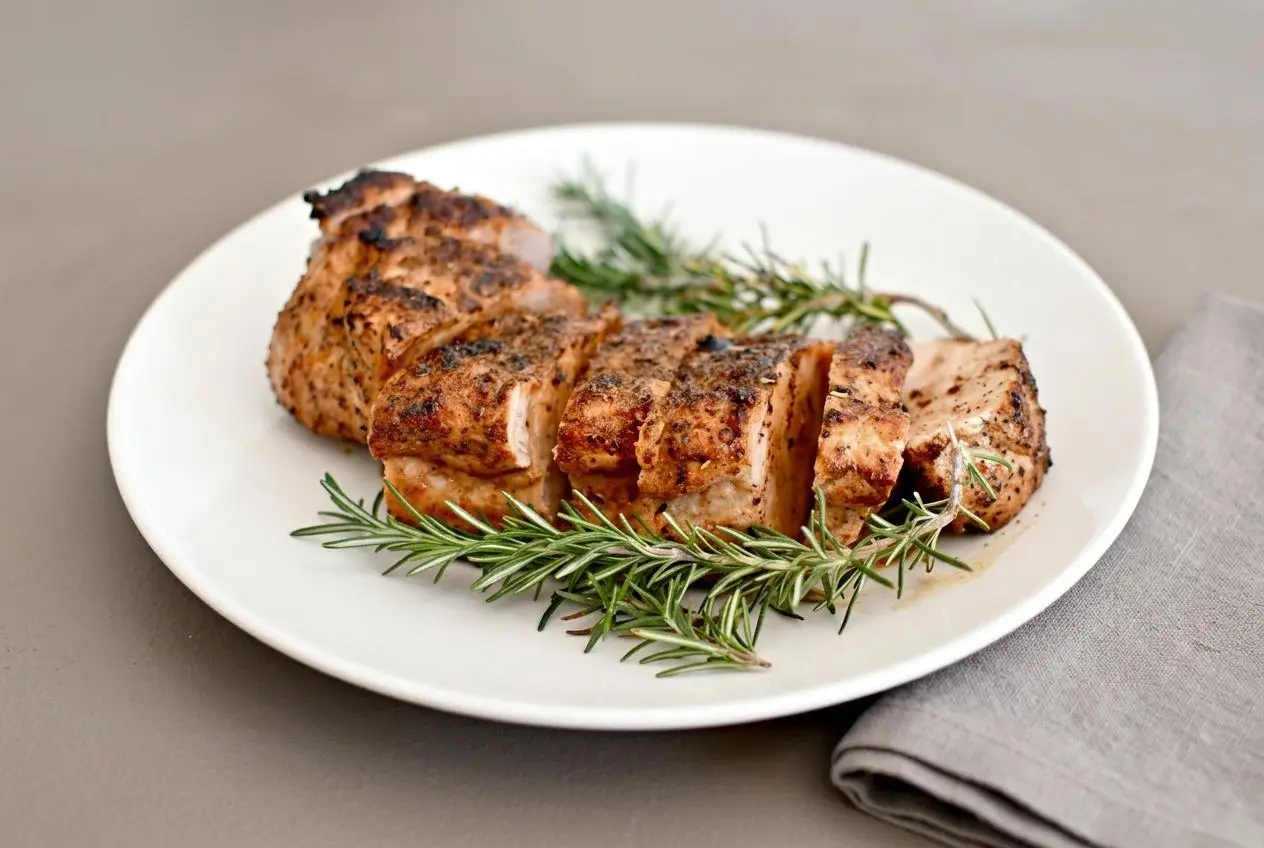
Make keto pork tenderloin by coating the meat with garlic, Italian herbs, and paprika, searing it in a cast-iron skillet, then finishing it in the oven. A thermometer and an undisturbed rest help you achieve a golden herb crust and a tender, juicy center.
This keto pork tenderloin is a whole roast seasoned without added sugar or breading. The skillet builds a savory browned exterior, while the oven finishes the center without requiring constant attention at the stove.
It makes a satisfying dinner with vegetables, and the skillet drippings give you something flavorful to spoon over every slice. You don’t need a separate sauce to enjoy it. Save those browned pan juices.
I’d pay extra attention to drying the surface: damp pork steams before it browns, so blot the folds and underside too.
Keto Herb Seasoning and Essential Ingredients
Pork provides the tender center, olive oil helps develop the browned exterior, and the seasonings build aroma, color, and savory balance. Garlic and Italian herbs lead the flavor, paprika warms the crust, and salt and pepper bring everything into focus.
- 1 and 1/2 pounds pork tenderloin
- 1 teaspoon garlic powder
- 3/4 teaspoon Italian seasoning
- 1/2 teaspoon paprika
- 1/2 teaspoon salt
- 1/4 teaspoon pepper
- 2 teaspoons olive oil
Garlic powder spreads evenly across the meat without leaving fresh garlic pieces that can scorch during searing. Italian seasoning adds an herbal aroma, while paprika gives the exterior a warmer color. Check seasoning labels if you use a blend rather than the individual spices listed here.
Olive oil coats the skillet for browning. Let it become shimmering rather than smoking heavily; if it starts smoking, ease back the heat before adding the pork.
How to Make Keto Pork Tenderloin
Use a cast-iron skillet that can move directly from stovetop to oven, plus kitchen tongs and a meat thermometer. Keep an oven mitt nearby after roasting: the skillet handle stays hot even when it’s back on the stove.
If the tenderloin has silver skin, trim that tough, shiny membrane during preparation. Slip a sharp knife beneath an edge, hold the membrane taut, and angle the blade slightly toward it as you work along the meat. Leave as much pork intact as possible.
- Set the oven to 400°F and allow it to preheat fully.
A fully heated oven gives the pork a consistent roasting environment after its skillet sear. - Combine the garlic powder, Italian seasoning, paprika, salt, and pepper in a small bowl, then blot the tenderloin with paper towels and press the mixture over every surface.
The coating should look evenly distributed, with no wet patches or concentrated piles of seasoning. - Add the olive oil to a cast-iron skillet over medium-high heat, then sear the pork for about 10 minutes total, rotating it with tongs to brown each side.
Look for a golden-brown exterior, and let a sticking surface develop more color before trying to turn it again. - Move the skillet into the oven for about 20–25 minutes, turning the tenderloin halfway through and checking its center with a thermometer.
The recipe’s doneness targets are at least 145°F for medium-rare or 160°F for medium-well, so use the reading rather than exterior color to judge the center. - Leave the cooked tenderloin undisturbed for 5–10 minutes before slicing, then spoon the skillet drippings over the cut pork.
The rest helps limit the rush of juices onto the board, while the drippings add savory moisture to each slice.
Insert the thermometer from the side into the thickest part so its sensing tip reaches the center core. Avoid touching the skillet with the probe, which can give you a misleading reading. Begin checking before the roasting window ends rather than treating the clock as a doneness test.
Why Pork Tenderloin Fits a Ketogenic Lifestyle
This preparation suits low-carb meal planning because it skips sweetened rubs, breading, and flour-based coatings. The flavor comes from herbs, spices, browning, and pan juices rather than a sugary glaze.
Tenderloin is a lean cut, so cooking fat and vegetable accompaniments help shape the finished meal. Olive oil handles the sear here; optional butter or cream sauces can add richness at the table. Choose portions and sides that fit your own eating plan rather than assuming every pork dinner has the same carbohydrate content.
Pork Tenderloin vs. Pork Loin: Choosing the Right Cut
Buy pork tenderloin for this method, not a pork loin roast. The names sound similar, but the cuts differ enough that their cooking times aren’t interchangeable.
- Pork tenderloin: A narrow, elongated muscle with a tapered end and fine texture that cooks relatively quickly.
- Pork loin: A wider, thicker cut, often with a visible fat cap, that needs a roasting method suited to its larger shape.
- Package check: Look for an unseasoned tenderloin, and inspect vacuum-sealed packages for added marinades, sweeteners, or seasoning solutions.
A tapered end may cook faster than the thick center. Measure the thickest section, and expect some variation in texture between the end slices and the middle.
Troubleshooting: How to Prevent Dry Pork
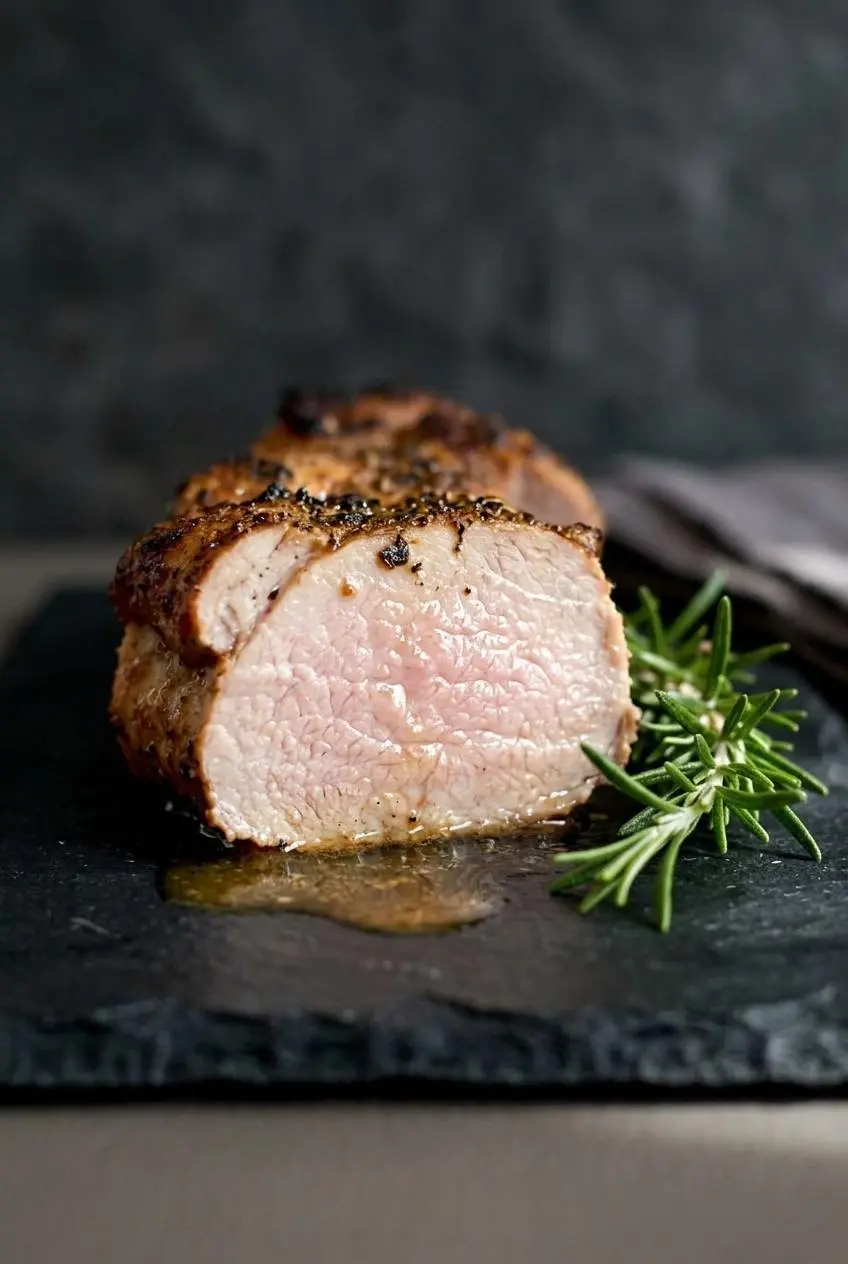
Lean tenderloin has little room for extra cooking once it reaches your chosen doneness. Temperature can continue rising after the skillet leaves the oven, so a rest is part of the cooking process, not permission to keep roasting longer.
- Dry or chalky slices: Overcooking is the likely cause. Check the center early with a thermometer and stop roasting when it reaches the intended target.
- Pale exterior: Moisture or insufficient skillet heat can prevent browning. Blot the pork thoroughly and wait for the oil to shimmer.
- Burned seasoning: Excessive heat can scorch the herbs before the meat browns. Reduce the burner if the oil smokes heavily or the coating blackens.
- Juices flooding the board: Slicing too soon leaves less moisture in the portions. Give the pork its full rest, loosely tenting with foil if desired.
- Chewy edge: Remaining silver skin may be responsible. Trim the shiny membrane rather than trying to cook it tender.
Color alone can’t confirm the center’s doneness. Likewise, a quiet cutting board isn’t a reliable signal that resting has finished; follow the resting window in the method.
Flavorful Low-Carb Variations
These optional finishes add different flavors without changing the ingredient list or roasting method. For a lighter pan sauce, broth can loosen the browned skillet bits, while cold butter adds body without flour. If you want a fuller sauce, try rich keto gravy.
Creamy Dijon Mustard Reduction
Heavy cream and Dijon mustard complement the skillet drippings with richness and a sharp, tangy finish. This optional sauce softens the herbal profile and works especially well when you want something to spoon over pork and vegetables together.
Garlic Herb Butter Pan Baste
Melted butter with minced garlic and fresh herbs makes an optional finishing baste for the roast before slicing. It adds a glossy coating and fresh aroma. Keep the garlic pale rather than deeply browned to avoid a bitter finish.
Sugar-Free Sesame Teriyaki Glaze
An optional glaze with a sugar-free sweetener, grated ginger, coconut aminos or soy sauce, and sesame brings a savory Asian-inspired direction. Check labels carefully, especially on coconut aminos and prepared sauces; sugar-free wording doesn’t automatically establish the carbohydrate content of the finished serving.
Keto Side Dishes and Serving Suggestions
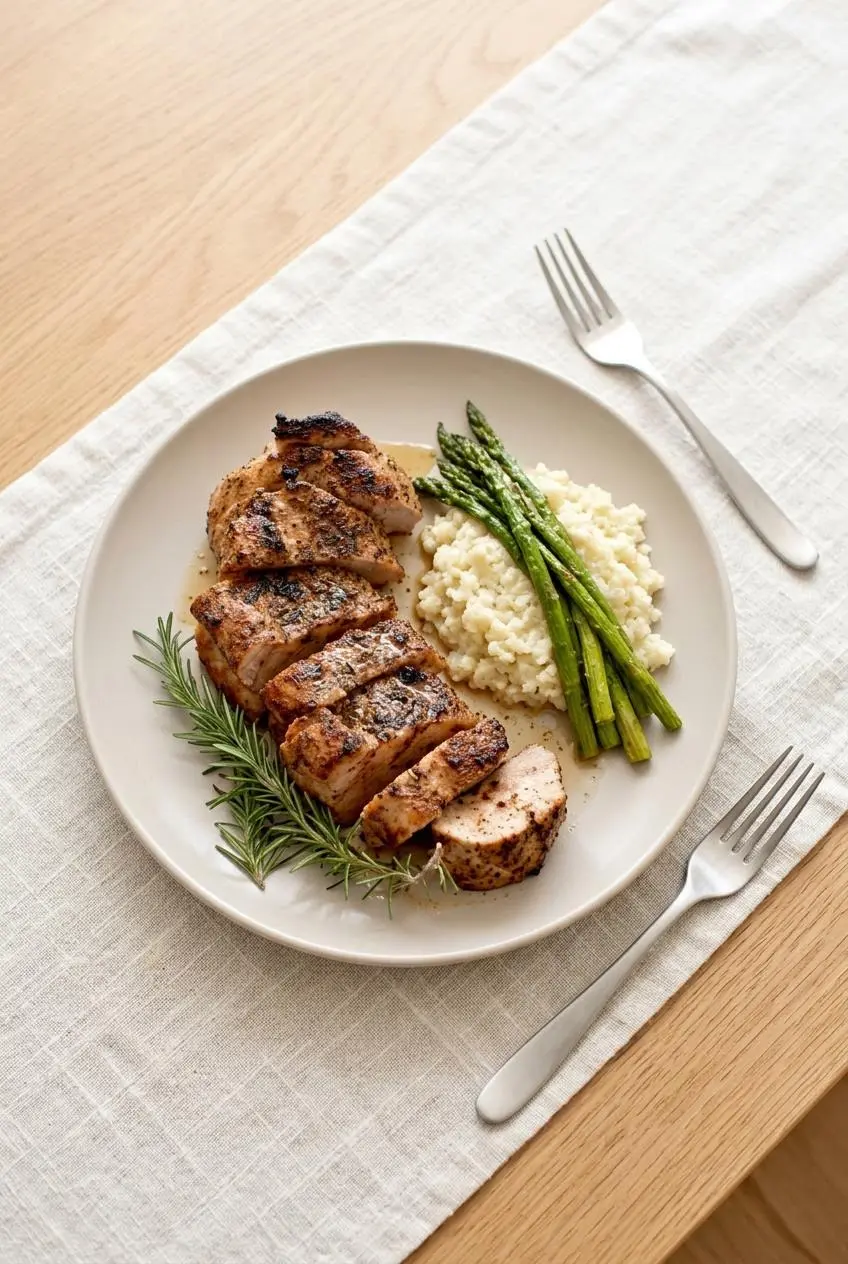
Choose vegetables that catch the pan juices, then add something crisp or acidic to balance the savory crust.
- Soft and comforting: Cauliflower mash or buttered riced cauliflower gives the drippings somewhere to land.
- Green and savory: Garlic-sautéed spinach, roasted broccoli, or asparagus complements the Italian herbs.
- Bright and crisp: A crisp keto Greek salad balances the pork, especially with a rich optional sauce.
Slice across the tenderloin’s length into rounds, and spoon the drippings over the meat rather than leaving them in the skillet. Serve sauces alongside if everyone prefers a different amount.
Storage, Reheating, and Meal Prep Guidelines
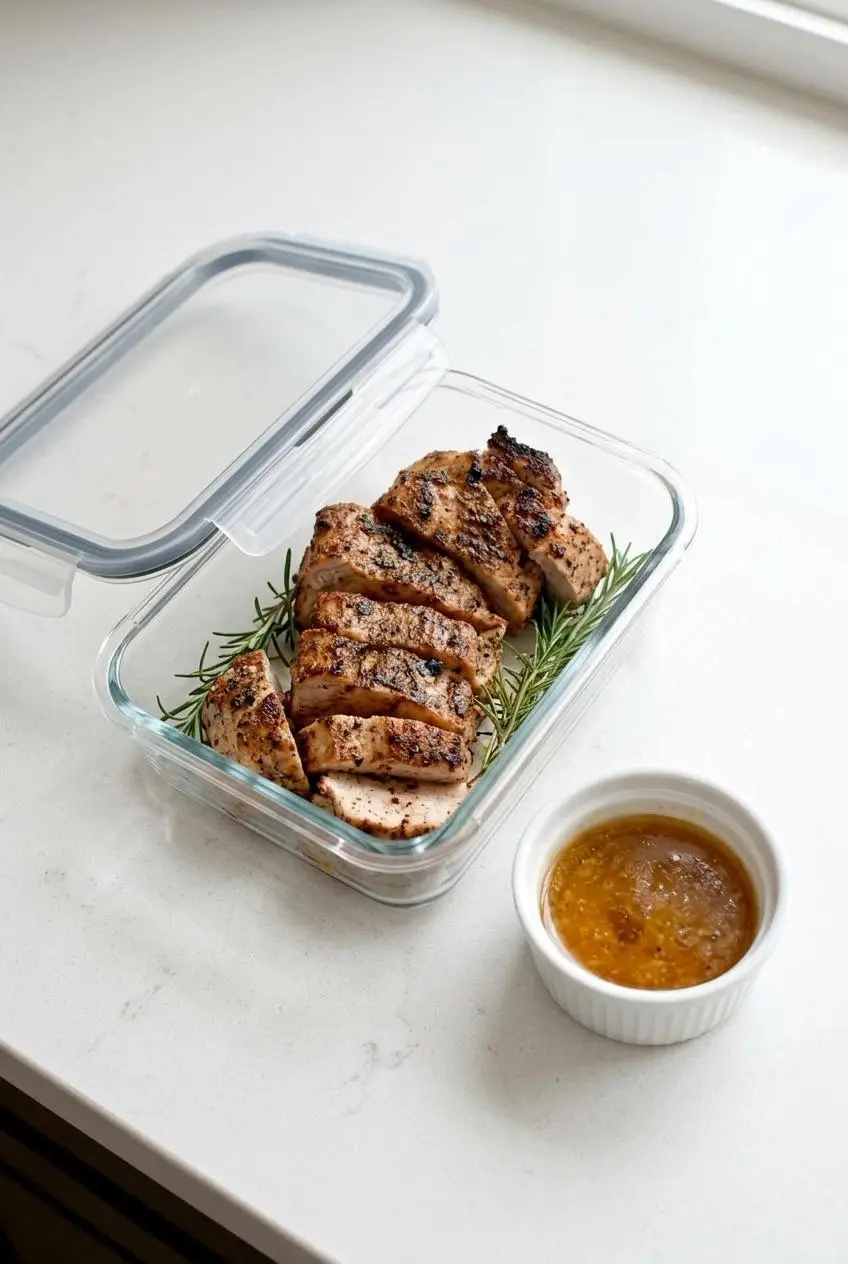
Refrigerate leftover pork promptly in an airtight container, saving the pan juices separately or with the slices. Portion the meat so you can warm what you need without repeatedly reheating the entire batch.
For texture, gently warm portions in a covered skillet or covered baking dish with broth or reserved juices. Avoid aggressive heat that dries the edges before the middle warms through.
For lunch assembly, keep chilled cooked pork separate from salad greens and dressing until serving. Cold slices work well with crisp vegetables, while keeping the dressing separate prevents wilted greens.
Mastering Tender, Flavorful Keto Pork Every Time
A dry surface, an even herb coating, and a well-controlled sear build the savory crust. The oven finishes the center, while a thermometer helps you avoid cooking this lean cut longer than necessary.
Give the roast its rest, save the skillet drippings, and serve it with vegetables you enjoy. That’s a useful dinner routine worth keeping.
Frequently Asked Questions
Is Pork Tenderloin Good for a Keto Diet?
This preparation can fit a low-carb meal plan because it uses no added sugar, breading, or flour coating. Check packaged seasonings and optional sauces, and choose sides and portions that suit your carbohydrate goals.
How Do You Keep Pork Tenderloin From Drying Out?
Use a thermometer in the thickest center rather than relying on roasting time or color. Stop at your intended doneness, then let the meat rest before carving.
What Is the Difference Between Pork Tenderloin and Pork Loin?
Tenderloin is slender, tapered, and quick-cooking. Pork loin is wider and thicker, so it needs a different roasting schedule.
Can I Cook Pork Tenderloin Entirely on the Stovetop or in a Slow Cooker?
Stovetop medallions are a separate preparation with different cooking times; don’t apply this whole-roast schedule to slices. A slow cooker also needs its own tested method. Prolonged cooking can compromise lean tenderloin’s texture, so use the skillet-to-oven approach for this recipe.
Can You Prepare Pork Tenderloin Without Added Sugar?
Yes. The listed rub uses garlic powder, Italian seasoning, paprika, salt, and pepper without added sugar. Check labels on seasoning blends and optional glazes to keep that choice consistent.
Keto Pork Tenderloin

Equipment
- Cast iron skillet
- Meat thermometer
- Kitchen tongs
Ingredients
- 1 1/2 pounds pork tenderloin
- 1 teaspoon garlic powder
- 3/4 teaspoon Italian seasoning
- 1/2 teaspoon paprika
- 1/2 teaspoon salt
- 1/4 teaspoon pepper
- 2 teaspoons olive oil
Instructions
- Set the oven to 400°F and allow it to preheat fully. A fully heated oven gives the pork a consistent roasting environment after its skillet sear.
- Combine the garlic powder, Italian seasoning, paprika, salt, and pepper in a small bowl, then blot the tenderloin with paper towels and press the mixture over every surface. The coating should look evenly distributed, with no wet patches or concentrated piles of seasoning.
- Add the olive oil to a cast-iron skillet over medium-high heat, then sear the pork for about 10 minutes total, rotating it with tongs to brown each side. Look for a golden-brown exterior, and let a sticking surface develop more color before trying to turn it again.
- Move the skillet into the oven for about 20-25 minutes, turning the tenderloin halfway through and checking its center with a thermometer. The recipe’s doneness targets are at least 145°F for medium-rare or 160°F for medium-well, so use the reading rather than exterior color to judge the center.
- Leave the cooked tenderloin undisturbed for 5-10 minutes before slicing, then spoon the skillet drippings over the cut pork. The rest helps limit the rush of juices onto the board, while the drippings add savory moisture to each slice.