Skip to content
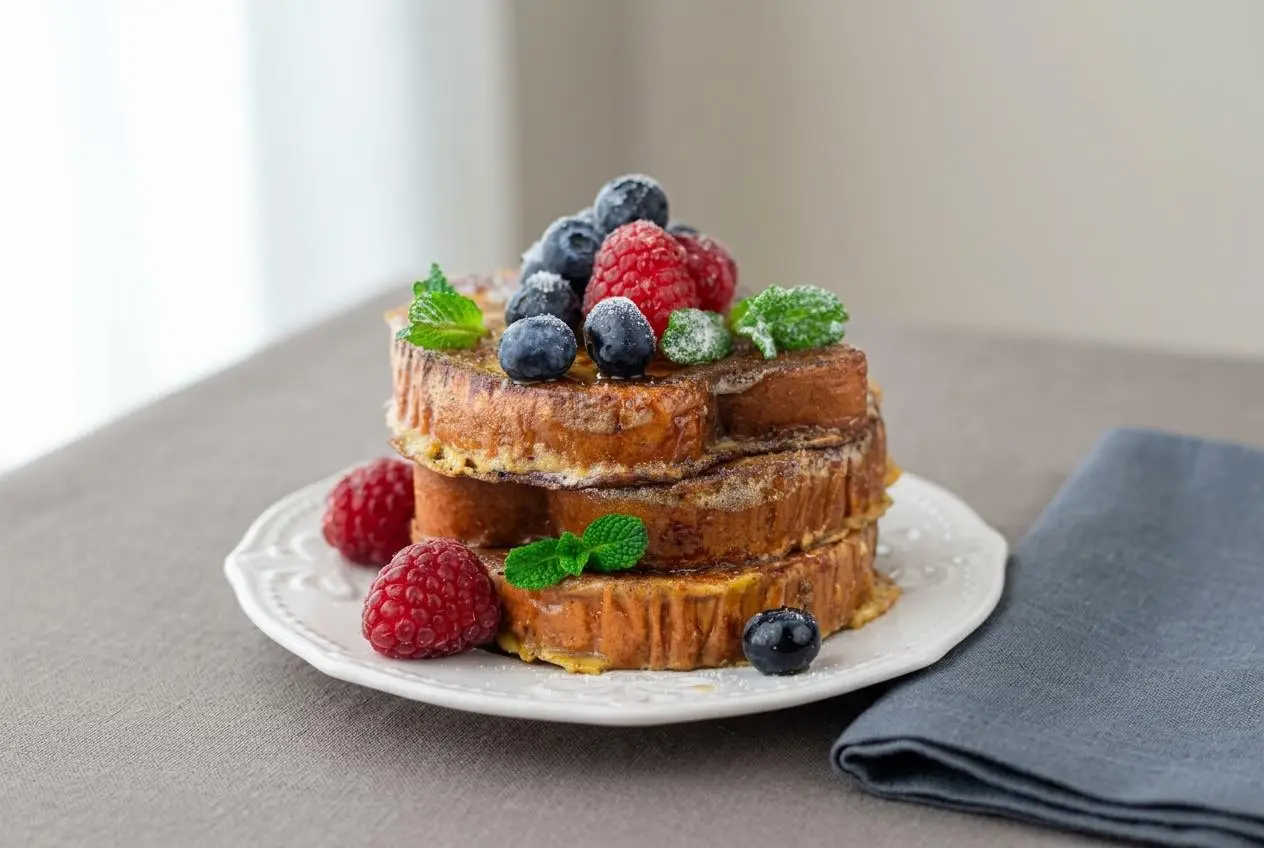
For golden, custardy keto French toast, briefly dip sturdy low-carb brioche into eggs, heavy cream, cinnamon, and brown sugar substitute. Pan-fry over medium heat until both sides brown and the custard sets, filling the kitchen with the aroma of sizzling cinnamon butter.
This keto french toast recipe brings the familiar skillet breakfast to low-carb bread. The coating stays rich and warmly spiced, while careful dipping helps the slices hold their shape.
You don’t need to make the toast deeply crisp to enjoy it. Aim for golden edges and a tender center, with enough cinnamon to round out the creamy custard. The trick is in the dip.
Keep the custard bowl close to the skillet so you can transfer each coated slice without a long, drippy trip across the counter.
Essential Ingredients for Perfect Keto French Toast
Brioche gives the toast structure, eggs set the coating, and heavy cream adds richness. Brown sugar substitute balances the custard with sweetness, while cinnamon supplies the warm aroma that makes each slice taste like French toast.
- 5 Brioche Bread Loaf Slices
- 3 Eggs
- 1/2 Cup Heavy Cream
- 1 Tablespoon Brown Sugar substitute
- 1 Teaspoon Cinnamon
Choose low-carb brioche for this recipe. Regular brioche isn’t interchangeable for dietary purposes, even though both types can make French toast. Look for slices with a cohesive crumb that won’t crumble when lifted.
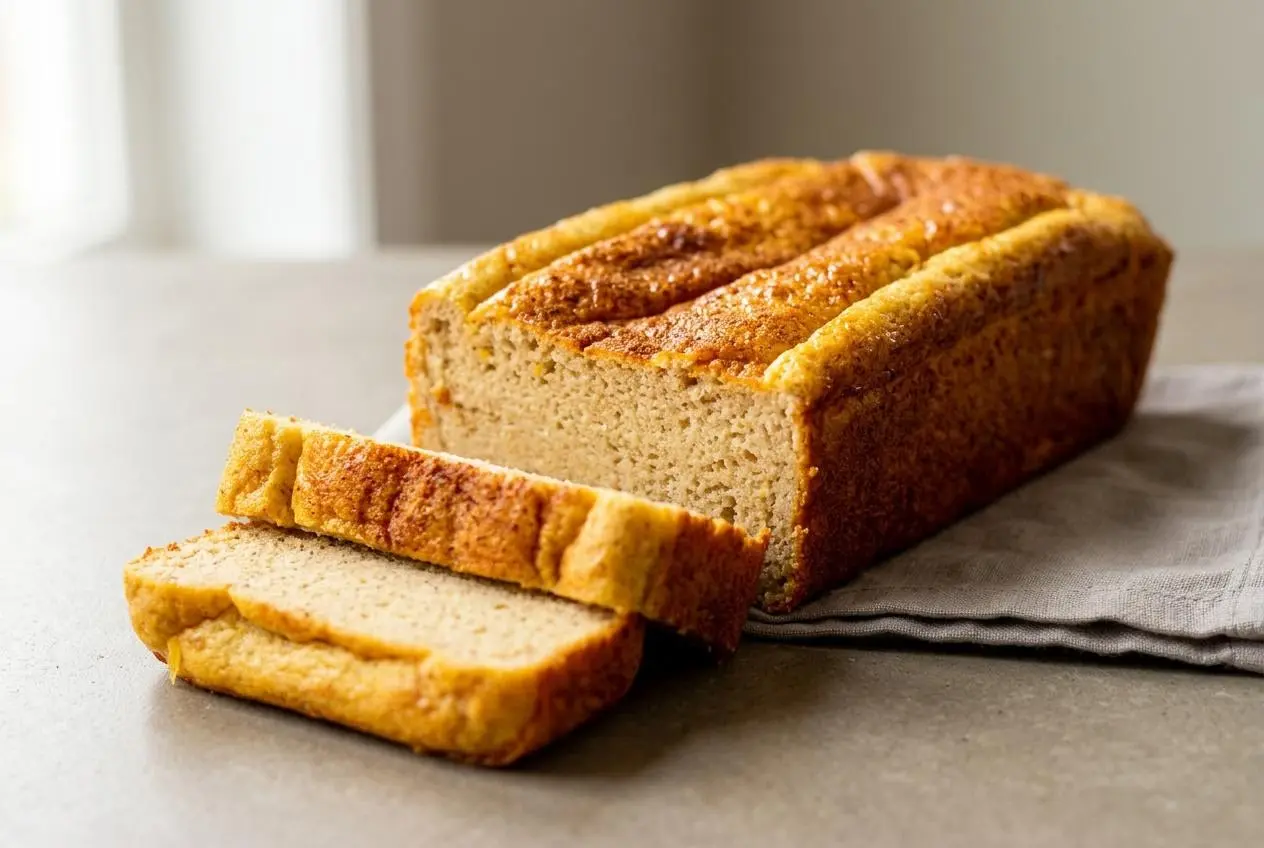
Homemade brioche, almond flour loaves, and packaged sandwich slices can have very different textures. A dense loaf may absorb custard slowly, while a soft packaged slice can become fragile quickly. Judge the bread by its structure rather than assuming every loaf labeled keto behaves alike. A sturdy keto bread is a useful starting point when choosing a homemade option.
Eggs provide the structure that turns the liquid coating into a set custard. Heavy cream softens that texture and adds richness. Whisk them thoroughly so you don’t leave strands of egg white that cook into separate patches on the surface.
The brown sugar substitute adds sweetness and a brown-sugar-style flavor. Blends differ, so check the package for sweetness and cooking guidance. Don’t rely on dark browning as proof that the center has finished cooking.
Cinnamon belongs throughout the coating, not in a clump at the bottom of the bowl. Give the mixture another whisk if the spice settles between slices.
I’d choose a slice that bends slightly without crumbling over one that feels especially soft. It’s much easier to turn once it’s coated.
The skillet method uses butter or olive oil for frying. That cooking fat stays separate from the custard mixture.
How to Make Keto French Toast
Use the measured ingredients above and the cooking sequence below. Brief dipping protects the bread’s structure; steady medium heat gives the coating time to set without pushing the outside toward bitterness.
Prep: 10 minutes. Cook: 10 minutes. Total: 20 minutes. Servings: 5.
- Gather the measured ingredients and arrange the brioche slices beside a mixing bowl or shallow soup plate.
Slightly older, firm bread is easier to handle than a very soft fresh loaf. - Beat the eggs, then whisk in the heavy cream, brown sugar substitute, and cinnamon.
The coating should look evenly blended, with no visible strands of egg white. - Lower one slice into the custard for about half a second, turning it briefly several times to coat both faces.
The surface should be moist while the slice still holds its shape. - Heat the skillet and add butter or olive oil, allowing the cooking fat to become hot before adding the bread.
Butter should bubble without smoking or developing a sharp, burned smell. - Set the coated slice in the skillet over medium heat, using a fork to guide it, then briefly coat and add the next slice.
A gentle sizzle should begin when the bread touches the pan. - Cook for about 1 to 2 minutes before turning, finish the second side, and transfer the toast to a plate for immediate serving.
Look for golden surfaces and a set center rather than a wet, loose coating, adjusting the final browning to your preference.
Leave enough room to turn the slices without nudging them into one another. Crowding makes delicate bread harder to handle and encourages wet edges where pieces touch.
A lightly pressed center should offer some resistance rather than feel loose or flooded with custard. That texture cue helps assess the toast, but surface color alone doesn’t tell you how the middle is cooking. If the outside darkens too quickly, ease back the heat.
Understanding Low-Carb and Keto French Toast
The main change from traditional French toast is the bread, followed by the sweetener. Use a loaf intended for low-carb eating rather than ordinary brioche, and choose a brown sugar alternative that fits your dietary needs.
Heavy cream and eggs create the rich coating without relying on a sugary batter. Their role here is culinary: cream adds richness, and eggs help the coating set. Neither ingredient makes an unsuitable bread choice keto-friendly.
Low-carb doesn’t automatically mean gluten-free or grain-free. Packaged loaves and homemade breads use different ingredients, so check the label or bread recipe if those distinctions matter to you.
A flour-free breakfast takes a different approach. A keto egg loaf uses an egg-based structure instead of a bread crumb, producing a more custard-like result. It’s an alternative format, not a direct substitute with identical soaking behavior.
Carbohydrate totals depend on the bread, sweetener, portion, and toppings you actually use. Check those labels rather than assigning every homemade or packaged loaf the same net-carb value.
Troubleshooting Common Low-Carb French Toast Pitfalls
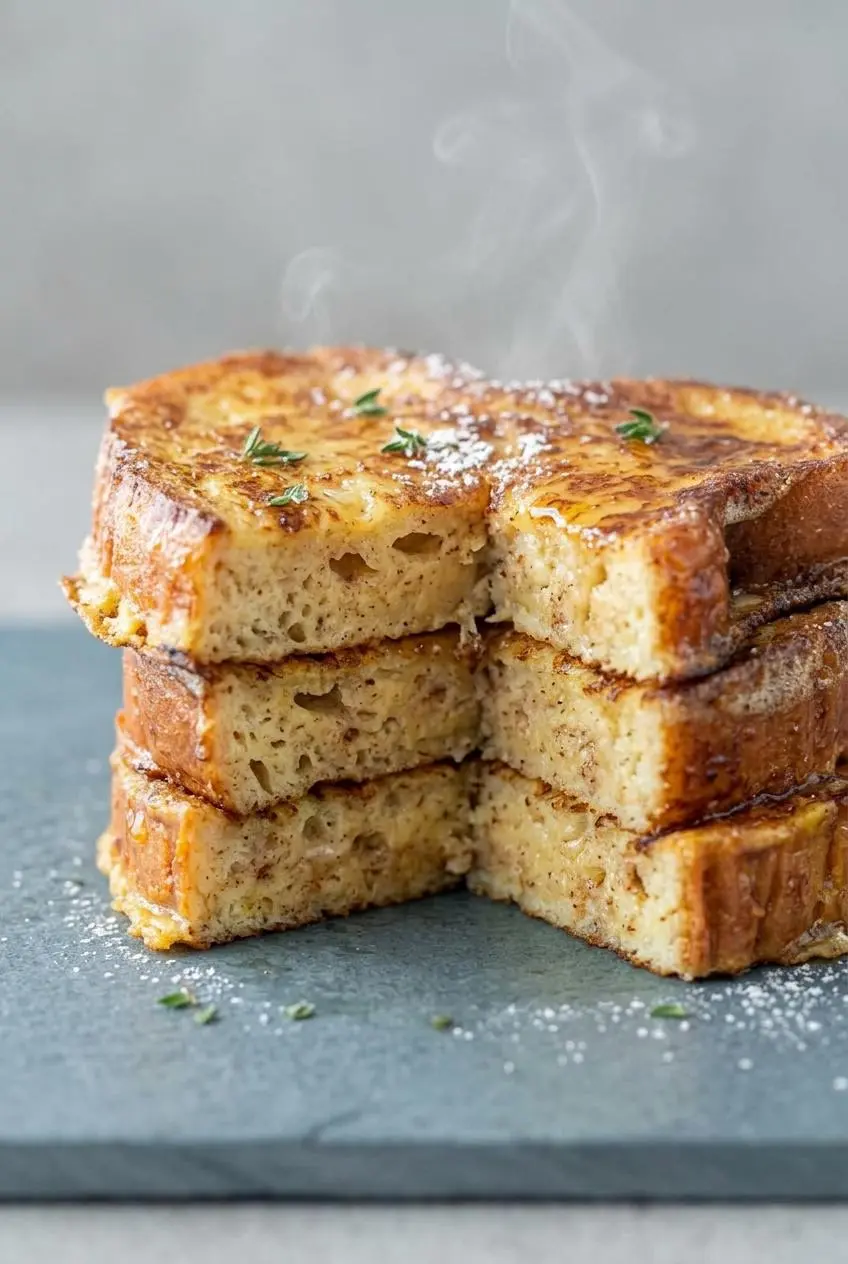
Most texture problems start with overly wet bread or a skillet that runs too hot. Adjust those first before changing the custard ingredients.
Avoiding Soggy or Collapsed Slices
- The bread tears during dipping: A very soft crumb can weaken quickly in liquid. Lightly dry-toast fresh slices before dipping, and keep their time in the custard brief.
- The center stays soggy: Excess coating may cook more slowly than the outside. Let loose custard drip back into the bowl instead of carrying a puddle into the skillet.
- The slice folds during turning: A narrow utensil may not support fragile bread. For delicate slices, use a broad spatula under the center and turn gently.
Dry-toasting should firm the surface, not turn the bread into a brittle cracker. The goal is a slice that can accept a coating and still survive the transfer.
Preventing Scorched Sweeteners and Butter
- The outside darkens before the center sets: The skillet is likely too hot for that bread and sweetener combination. Reduce the heat and watch the next slice closely.
- Later batches taste bitter: Burned residue can cling to fresh toast. Carefully wipe the skillet between batches and refresh the cooking fat as needed.
- The butter smells sharp or starts smoking: Excess heat is overwhelming the fat. Pull the skillet off the burner briefly and resume at a gentler setting.
Sweetener blends don’t all brown like table sugar. Aim for an even golden surface, not the darkest possible crust. A warm cinnamon-and-butter aroma is welcome; an acrid smell means it’s time to adjust.
Balancing Flavors to Eliminate Eggy Notes
- White patches taste like plain egg: Incomplete whisking can leave egg white unevenly distributed. Blend the custard thoroughly before dipping.
- The toast tastes more like eggs than pastry: Excess soaking can overwhelm the bread. Keep the coating brief and use a loaf with enough structure to remain distinct.
- The flavor needs more aroma: Keep the cinnamon evenly mixed, or optionally add vanilla or nutmeg for a different flavor profile.
Optional aromatics complement the custard; they don’t rescue a scorched coating or replace proper cooking.
Creative Variations: Sticks, Casseroles, and Breadless Bakes
These optional formats suit different breakfasts, but they aren’t additional steps in the skillet recipe. Each changes the balance between bread, custard, and browned surface.
Keto French Toast Sticks
Cut sturdy slices into batons before dipping for a finger-food presentation. Sticks offer more exposed edges and work well with sugar-free syrup served alongside for dipping. Handle them gently, since narrow pieces can break more easily than whole slices.
Baked Keto French Toast Casserole
A keto French toast casserole arranges cubed low-carb bread in a baking dish with spiced custard. It suits group brunch service when individually turning slices isn’t convenient.
Use a dedicated casserole recipe for its custard proportions and baking directions. The brief skillet cooking time here doesn’t translate to a deeper baked dish.
Breadless Keto Egg Loaf Toast
This flour-free style uses a baked egg-and-cream-cheese loaf sliced and browned with French toast flavors. Expect a smooth, custardy interior rather than the crumb of brioche. Choose it for that texture, not because it will behave exactly like bread in a custard dip.
Storage and Reheating for Better Texture
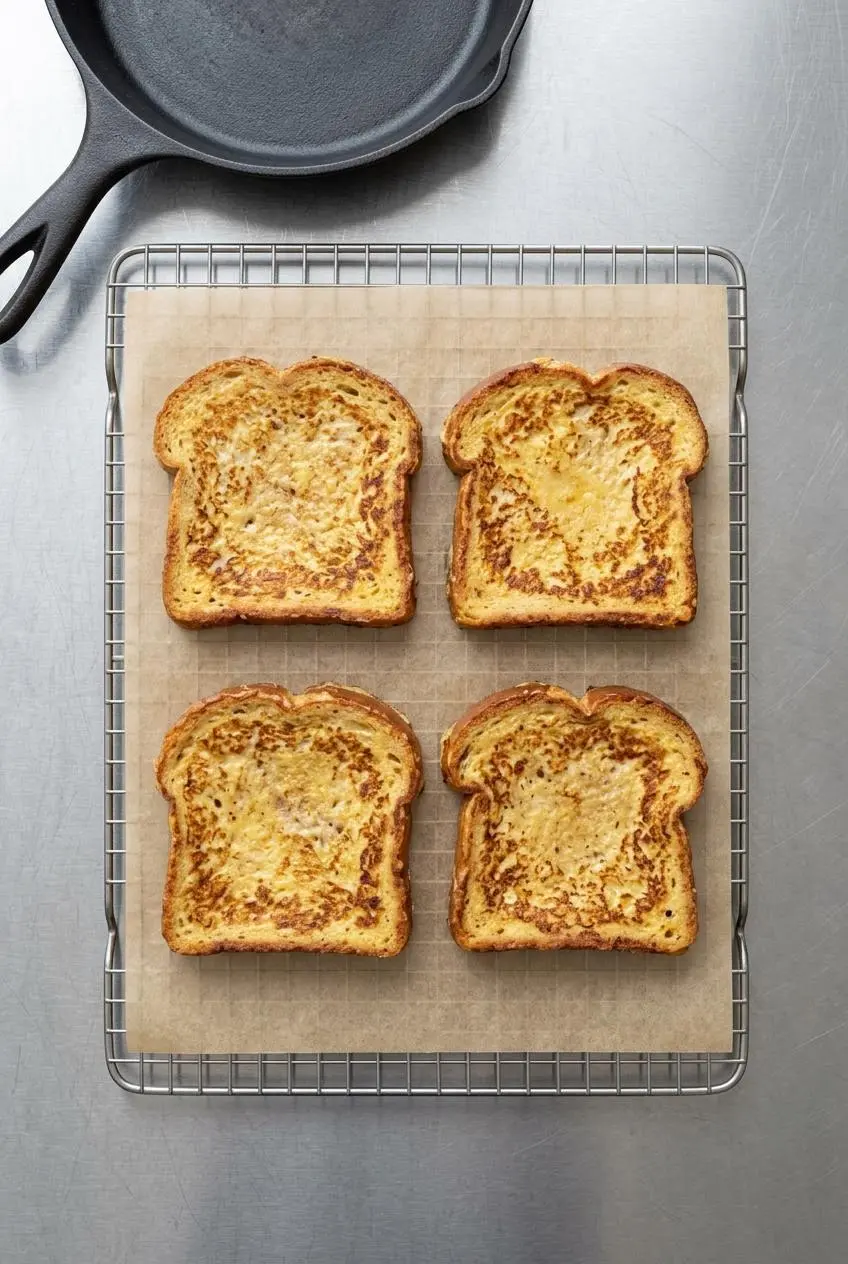
Fresh from the skillet gives you the clearest contrast between golden edges and a tender center. If you have cooked leftovers, protect that texture by avoiding trapped steam and reheating only the portions you need.
- During serving: Arrange finished slices without piling them into a tight stack, which can soften the browned surfaces.
- For leftovers: Keep cooked toast covered and chilled, with syrup and other wet toppings stored separately.
- For reheating: Warm a portion gently in a dry skillet, turning as needed so the center warms without scorching the outside.
Add toppings after reheating. A covered, syrup-soaked slice won’t regain the same surface texture as one stored without its finishing drizzle.
Decadent Keto-Friendly Toppings and Pairings
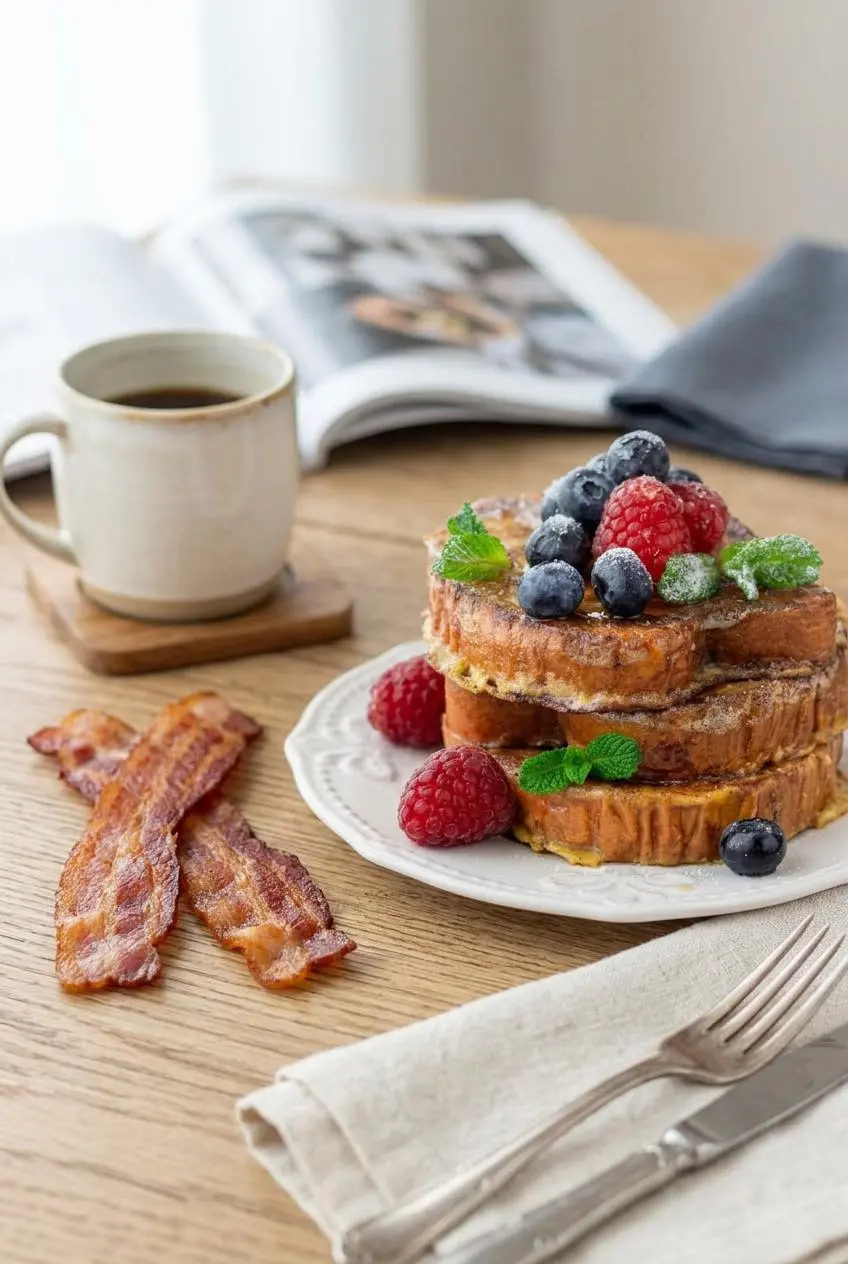
Choose toppings that complement the cinnamon custard rather than bury it. Start with one sweet finish, then add contrast if you want a fuller breakfast.
- Sugar-free maple syrup: A light drizzle supplies the familiar French toast finish; check the label of your chosen product.
- Unsweetened whipped cream: A soft spoonful adds richness without making the toast sit in liquid.
- Raspberries or blackberries: Their tart flavor balances the creamy coating; consider the portion within your own carbohydrate plan.
- Powdered low-carb sweetener: A dusting adds sweetness without a wet topping.
- Bacon or breakfast sausage: A savory side contrasts with the cinnamon and brown-sugar-style flavor.
Serve wet toppings at the table when possible. That keeps each slice’s browned surface intact until you’re ready to eat.
Bringing the Classic Diner Breakfast to Your Low-Carb Kitchen
Sturdy low-carb bread, an evenly whisked custard, and steady skillet heat do most of the work. Keep the dip brief and let the coating set before chasing a darker crust.
Follow the measurements and method above, then choose the finish that suits your breakfast. Serve the slices warm, while the cinnamon aroma and tender center are at their best.
Frequently Asked Questions About Keto French Toast
How Do You Keep Keto French Toast From Getting Soggy?
Use firm bread, lightly dry-toast very soft slices, and dip briefly instead of leaving them in the custard. Let excess coating drip off and cook over steady medium heat so the outside doesn’t race ahead of the center.
Can I Use Store-Bought Keto Bread for French Toast?
Yes, choose a slice with enough structure to hold together when damp. Packaged loaves vary, so handle the first slice gently and shorten its contact with the custard if the crumb softens quickly.
How Many Carbs Are in Keto French Toast?
There isn’t one dependable value for every version. Use the nutrition information for your specific bread, sweetener, cream, and toppings, then account for your actual portion. The word keto on a bread package doesn’t establish the total for the finished plate.
How Do You Reheat Keto French Toast?
Gently warm cooked, properly chilled slices in a dry skillet, turning as needed. Keep syrup and whipped cream off until serving, and avoid high heat that darkens the surface before the center warms.
Why Does My Low-Carb French Toast Taste Too Eggy?
Unevenly mixed eggs or excessive soaking can make egg flavor dominate. Whisk thoroughly, keep the dip brief, and distribute the cinnamon evenly. Optional vanilla or nutmeg can add aroma, but they won’t correct an undercooked or burned coating.
Keto French Toast Recipe

Equipment
- Mixing bowl
- Whisk
- Skillet
- spatula
Ingredients
- 5 Brioche Bread Loaf Slices
- 3 Eggs
- 1/2 Cup Heavy Cream
- 1 Tablespoon Brown Sugar substitute
- 1 Teaspoon Cinnamon
Instructions
- Gather the measured ingredients and arrange the brioche slices beside a mixing bowl or shallow soup plate. Slightly older, firm bread is easier to handle than a very soft fresh loaf.
- Beat the eggs, then whisk in the heavy cream, brown sugar substitute, and cinnamon. The coating should look evenly blended, with no visible strands of egg white.
- Lower one slice into the custard for about half a second, turning it briefly several times to coat both faces. The surface should be moist while the slice still holds its shape.
- Heat the skillet and add butter or olive oil, allowing the cooking fat to become hot before adding the bread. Butter should bubble without smoking or developing a sharp, burned smell.
- Set the coated slice in the skillet over medium heat, using a fork to guide it, then briefly coat and add the next slice. A gentle sizzle should begin when the bread touches the pan.
- Cook for about 1 to 2 minutes before turning, finish the second side, and transfer the toast to a plate for immediate serving. Look for golden surfaces and a set center rather than a wet, loose coating, adjusting the final browning to your preference.