Skip to content
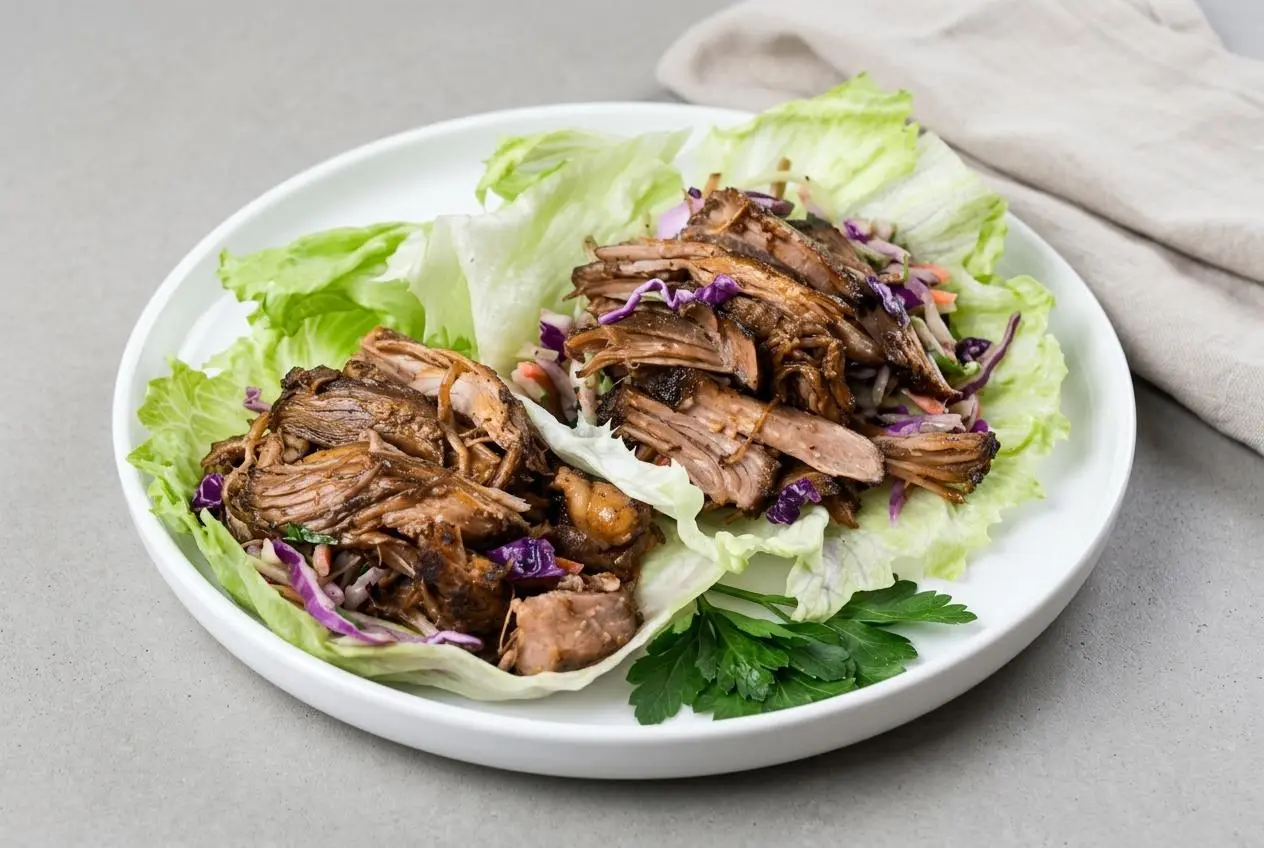
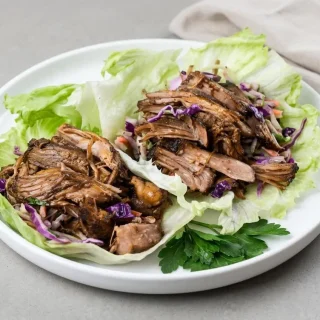
Make tender keto pulled pork by coating pork shoulder with a savory spice rub, slow-cooking it in sugar-free broth, and shredding it into the cooking juices. A warm resting period keeps the strands juicy before you tuck them into crisp lettuce leaves.
This keto pulled pork recipe pairs smoky paprika with earthy cocoa, aromatic fennel, and rosemary. The slow cooker does the heavy lifting while the pork develops a rich, savory flavor without a sweet barbecue glaze.
You get soft, succulent shreds against cool, crunchy lettuce, with plenty of ways to turn the pork into dinner. Keep those cooking juices. They’re the finishing touch.
Set aside lettuce leaves with intact centers so they can hold the juicy pork without tearing.
Essential Low-Carb Ingredients and Seasoning Strategy
Pork shoulder provides richness and tender texture, while the spices build smoke, warmth, and aroma. Cocoa adds earthy depth, salt and pepper sharpen the seasoning, broth supplies moisture, and lettuce brings a fresh, crisp contrast.
- 2 lbs Pork Shoulder
- 2 tsp Onion Powder
- 1 tsp Garlic Powder
- 2 tsp Dried Rosemary
- 2 tsp Smoked Paprika
- 1/2 tsp Cayenne Pepper
- 1 tsp Ground Fennel Seeds
- 2 tsp Cocoa Powder
- 1 tbsp Sea Salt
- Pinch Black Pepper
- 1/3 cup Sugar Free Chicken Broth
- 8 Iceburg Lettuce Leaves
Choose a well-marbled shoulder. Pork butt, also called Boston butt, comes from the upper shoulder; a picnic shoulder comes from farther down the shoulder area. Both suit slow cooking, but butt usually offers generous internal marbling. Trim a heavy, firm exterior fat cap if needed without stripping away the fat threaded through the meat.
Onion and garlic powders spread savory flavor across the roast. Rosemary adds an herbal edge, fennel brings a warm, lightly anise-like aroma, and smoked paprika supplies the smoky character. Cayenne adds heat, while cocoa deepens the rub without making the pork taste like dessert. Choose unsweetened cocoa rather than a sweetened drink mix.
The broth starts the moist cooking environment; the pork releases more liquid as it cooks. Check packaged broth and seasoning labels for sugar, corn syrup, maltodextrin, and modified starch. A sugar-free label alone doesn’t tell you everything about the product’s carbohydrate content.
I’d choose visible marbling over a thick exterior fat cap: fat within the shoulder contributes more to the finished texture than a heavy layer you’ll later skim from the liquid.
How to Make Keto Pulled Pork
Use the amounts above and the cooking settings below, then check the meat’s texture before shredding. The fork should enter easily, and a gentle twist should separate the fibers rather than tug the roast around.
- Stir the onion powder, garlic powder, rosemary, paprika, cayenne, fennel, cocoa, sea salt, and black pepper together in a small bowl.
The mixture should look evenly blended, with no pockets of cocoa or concentrated spice. - Press the rub onto every side of the shoulder, then place the seasoned roast in a 5- or 6-quart slow cooker.
A consistent coating gives the exposed surfaces an even layer of savory seasoning. - Pour the chicken broth into the cooker, cover, and select high for 4 hours or low for 6 hours.
At the end of cooking, the pork should yield easily to gentle fork pressure. - Separate the tender pork into strands with two forks inside the crock, then switch the cooker to warm and leave the meat in its juices for 20 to 30 minutes.
The shreds should become glossy and evenly coated with the seasoned liquid. - Spoon the pulled pork into the lettuce leaves for serving.
Keep each filling centered so the crisp edges remain easy to fold around the meat.
Slow cooking softens the shoulder’s connective tissue, which explains why this cut becomes shreddable while a lean tenderloin doesn’t behave the same way. The warm rest coats the newly exposed strands with flavorful liquid instead of leaving them dry on a cutting board.
Understanding Pulled Pork in a Ketogenic Diet
The rub, broth, sauce, and serving base determine how pulled pork fits your carbohydrate goals. This preparation skips added sugar in the rub and uses lettuce rather than a traditional bun.
Marbling matters here for culinary reasons: it gives the pork richness and helps the finished strands feel succulent. More visible fat doesn’t guarantee a particular dietary outcome, and portions, toppings, and packaged products still matter when planning a ketogenic meal.
Watch especially for sweet barbecue sauces, honey-based dressings, and rubs with sugar near the beginning of the ingredient list. Check the nutrition panel as well as the ingredient list rather than assuming that “keto” or “unsweetened” settles the question.
Troubleshooting Texture, Moisture, and Flavor
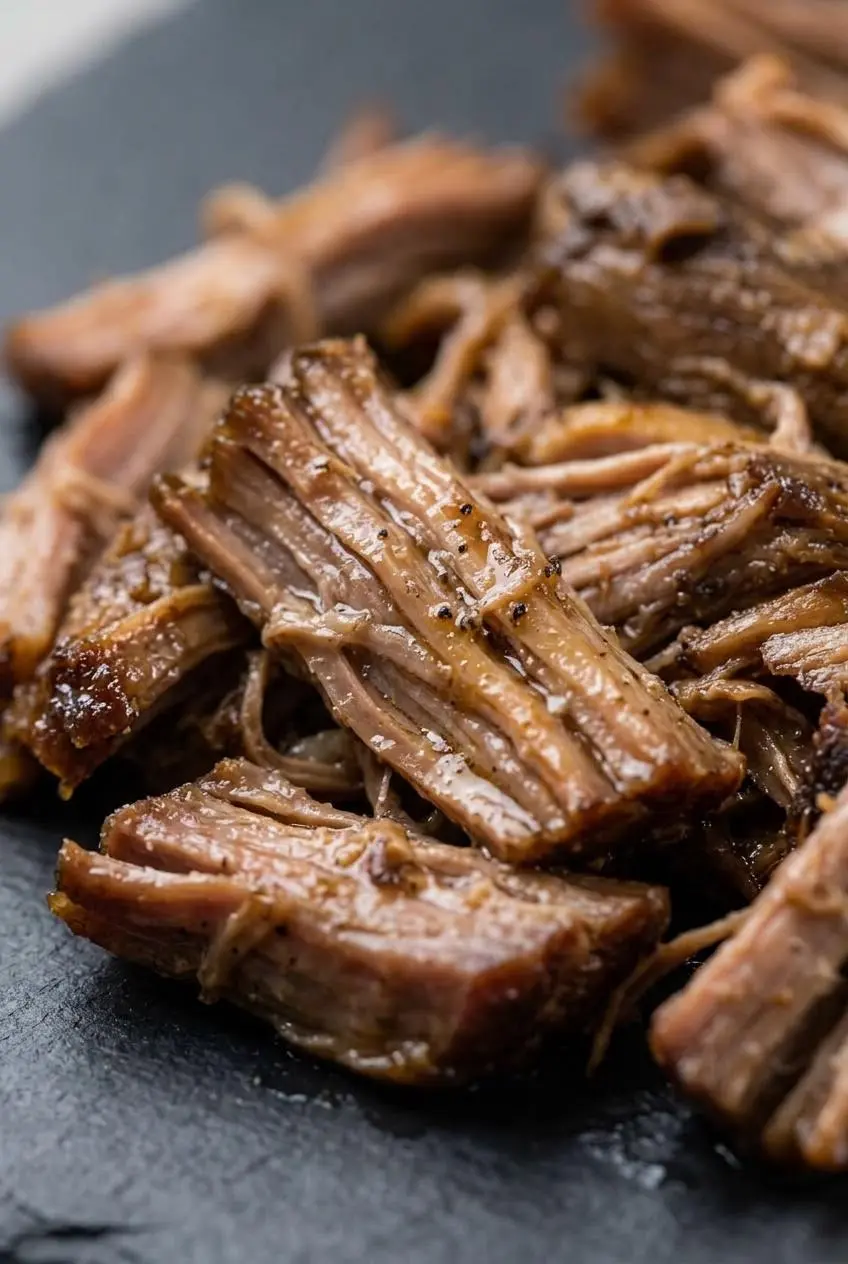
Check tenderness and the balance of liquid and fat before adjusting the seasoning.
- The pork resists shredding: The connective tissue may need more cooking. Keep the roast covered and continue the low braise until a fork separates the fibers easily.
- The juices look greasy: Rendered fat can collect as a glossy surface layer. Spoon off excess surface fat while keeping the flavorful liquid underneath, then toss that liquid through the pork.
- The shreds seem dry: They may need better contact with the cooking juices. Fold the pork through the liquid and let it complete the warm resting stage before serving.
- The filling seems watery: The meat may be carrying more liquid than the lettuce can hold. Lift out the pork with tongs and let excess liquid drain back into the crock.
- The flavor feels flat or too rich: Taste pork and juices together before adding salt. If desired, a little vinegar can brighten the richness; add it gradually rather than trying to correct everything at once.
Flavor Variations and Sugar-Free Customizations
Keep the preparation above as your standard version. These optional finishing directions change the flavor without replacing the slow-cooking and resting method.
Keto Smoky Barbecue Pulled Pork
An unsweetened barbecue sauce can give the shredded pork a familiar barbecue finish. Check its carbohydrate content and ingredient list first. Optional liquid smoke adds another smoky layer, but use a light hand because the paprika already supplies smoke.
Spicy Citrus-Zest Carnitas Style
Optional lime zest, ground chile, and cumin bring a brighter, Mexican-inspired flavor without relying on sweet fruit juice. Serve this variation in crisp keto taco cups for a crunchy handheld option. It’s a carnitas-inspired seasoning direction, not a traditional crisped carnitas method.
Tangy Carolina Vinegar Pulled Pork
Optional apple cider vinegar and coarse mustard give the reserved juices a tangy finish. Taste gradually so the acidity lifts the rich pork without overwhelming the fennel and rosemary. Choose mustard without added sweeteners if that suits your meal plan.
Keto Serving Ideas: Wraps, Bowls, and Low-Carb Sides
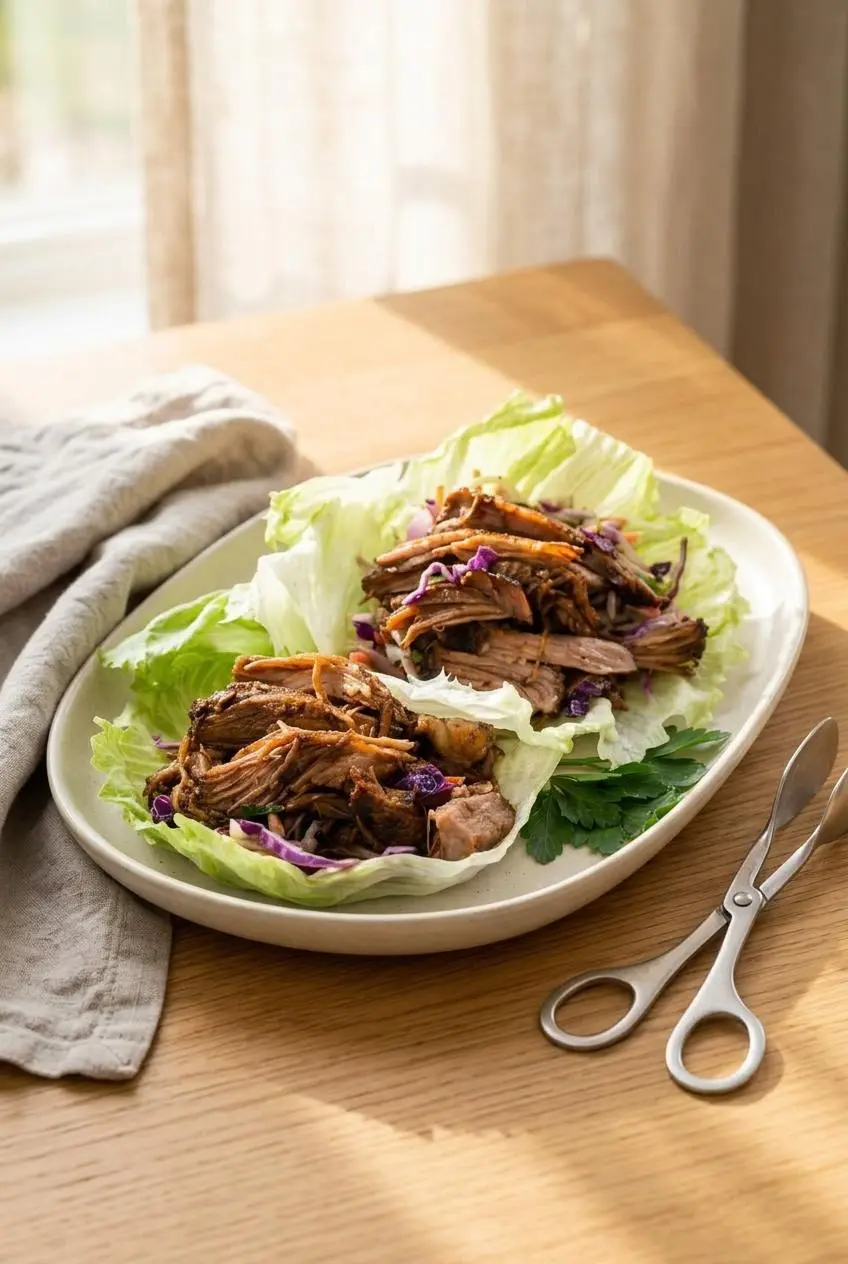
Pair the warm pork with something crisp, fresh, or tangy to balance its richness.
Crisp Lettuce Wraps and Green Slaws
Iceberg gives a firm crunch, while butter lettuce makes a softer, more flexible wrap. Dry the leaves thoroughly before filling. An optional crunchy broccoli or cabbage slaw makes a good bottom layer; choose a dressing without added sugar and assemble just before eating.
Cauliflower Rice Bowls and Taco Toppings
Spoon the pork over cauliflower rice and add optional avocado slices, pickled peppers, and fresh cilantro. Drain excess cooking liquid before building the bowl, then add back enough to moisten the pork without soaking the vegetables.
Keto Buns and Sandwich Alternatives
For a sandwich-style meal, try toasted sliced keto bread, low-carb rolls, or cloud bread. Check portions and product labels against your own carbohydrate targets. Keep the filling moist but not dripping so the bread holds together.
Storage and Reheating Instructions
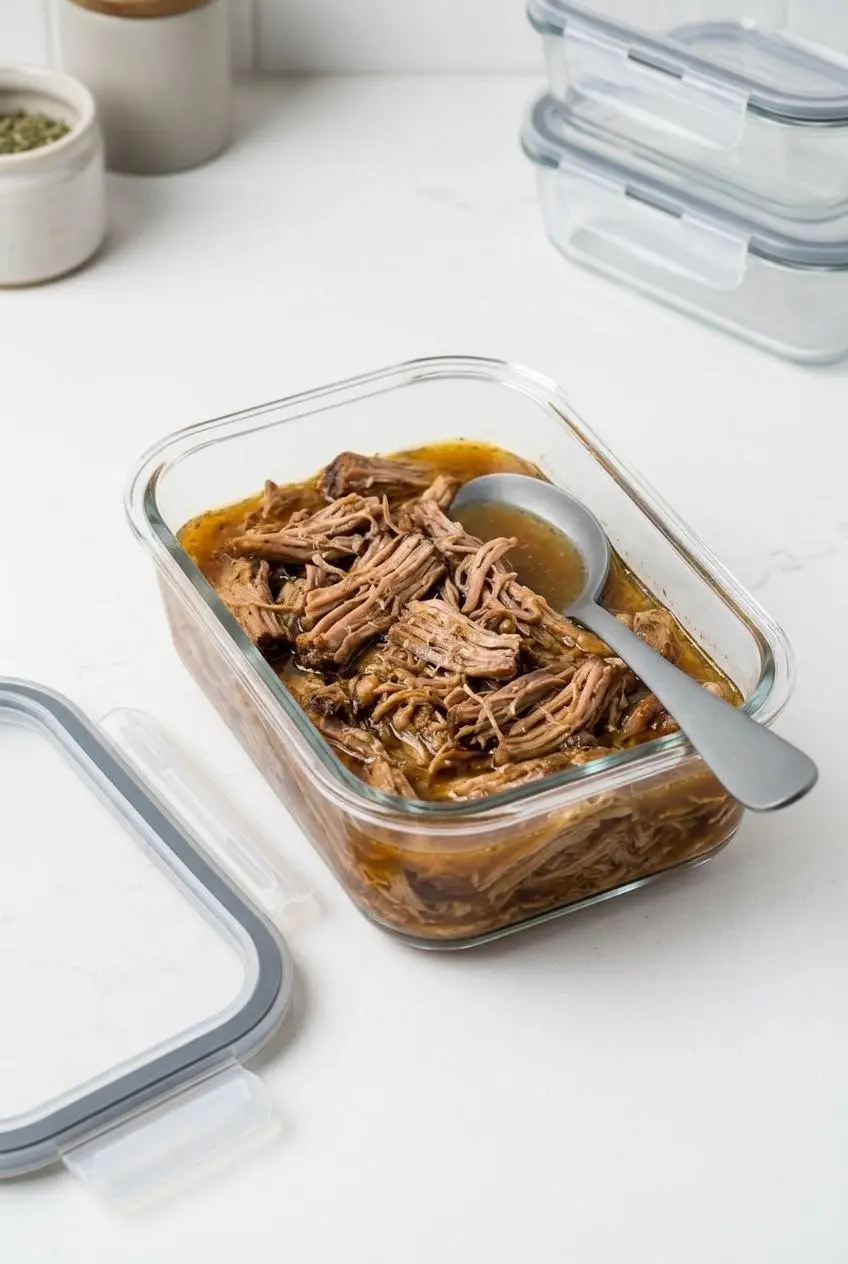
Keep leftover pork with reserved cooking liquid so you have moisture available when reheating.
- Chill promptly: Divide the pork and some juices into shallow containers, cover, and refrigerate rather than leaving the full crock sitting out.
- Separate crunchy components: Store lettuce and slaw apart from the pork so they don’t absorb the meat juices and lose their texture.
- Reheat with moisture: Warm the pork in a covered skillet over gentle heat with reserved juices or broth, stirring to distribute the liquid and heat.
- For microwave reheating: Use a microwave-safe container with a vented cover, add cooking liquid, and stir between heating intervals until the pork is hot throughout.
Mastering Tender, Flavorful Low-Carb Pulled Pork
Well-marbled shoulder and an aromatic rub give this pulled pork its smoky, savory character. Let tenderness guide the shredding stage, then keep the strands in their warm juices for a succulent finish.
Choose lettuce wraps, vegetable bowls, or a sandwich alternative to suit the meal. A crisp accompaniment and carefully drained filling make that rich pork even more enjoyable.
Frequently Asked Questions About Keto Pulled Pork
Is Pulled Pork Naturally Keto-Friendly?
Plain pulled pork can fit a ketogenic meal plan, but the seasonings, sauces, and sides matter. This version avoids added sugar in the rub; check packaged broth and any optional toppings against your carbohydrate goals.
Can I Make This Keto Pulled Pork in an Instant Pot or Oven?
Yes, pork shoulder also suits pressure cooking or covered Dutch oven braising. Those methods need different liquid amounts and cooking settings, so use an appliance-specific method rather than transferring the slow cooker timing directly.
What Is the Best Cut of Meat for Juicy Keto Pulled Pork?
Pork shoulder or Boston butt works best for this style of cooking. Internal marbling and connective tissue help produce rich, tender shreds; lean tenderloin isn’t an equivalent substitute.
How Do You Reheat Pulled Pork Without Drying It Out?
Add reserved cooking juices or broth and warm the meat gently in a covered skillet. Stir as it heats so the strands stay evenly moistened and the pork becomes hot throughout.
What Can I Serve With Pulled Pork Instead of Traditional Buns?
Use sturdy lettuce leaves, crunchy cabbage or broccoli slaw, or a cauliflower rice bowl. Cloud bread is another option when you want a handheld meal.
Keto Pulled Pork Recipe

Equipment
- Slow Cooker
- Small bowl
- Forks
Ingredients
- 2 lbs Pork Shoulder
- 2 tsp Onion Powder
- 1 tsp Garlic Powder
- 2 tsp Dried Rosemary
- 2 tsp Smoked Paprika
- 1/2 tsp Cayenne Pepper
- 1 tsp Ground Fennel Seeds
- 2 tsp Cocoa Powder
- 1 tbsp Sea Salt
- Pinch Black Pepper
- 1/3 cup Sugar Free Chicken Broth
- 8 Iceburg Lettuce Leaves
Instructions
- Stir the onion powder, garlic powder, rosemary, paprika, cayenne, fennel, cocoa, sea salt, and black pepper together in a small bowl. The mixture should look evenly blended, with no pockets of cocoa or concentrated spice.
- Press the rub onto every side of the shoulder, then place the seasoned roast in a 5- or 6-quart slow cooker. A consistent coating gives the exposed surfaces an even layer of savory seasoning.
- Pour the chicken broth into the cooker, cover, and select high for 4 hours or low for 6 hours. At the end of cooking, the pork should yield easily to gentle fork pressure.
- Separate the tender pork into strands with two forks inside the crock, then switch the cooker to warm and leave the meat in its juices for 20 to 30 minutes. The shreds should become glossy and evenly coated with the seasoned liquid.
- Spoon the pulled pork into the lettuce leaves for serving. Keep each filling centered so the crisp edges remain easy to fold around the meat.