Skip to content
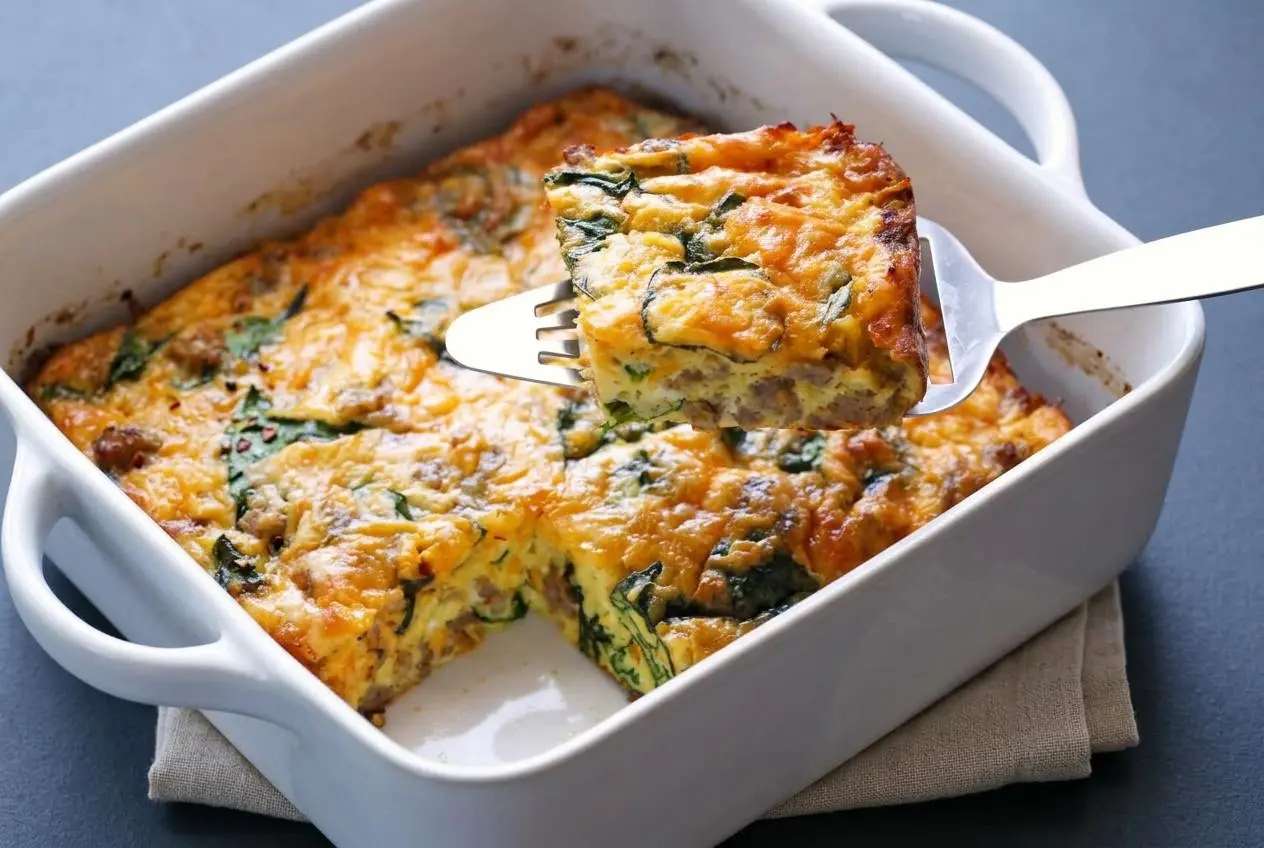
A keto breakfast casserole is a low-carb egg bake with sausage, spinach, and cheese that comes out hearty, fluffy, and easy to portion for breakfast through the week.
Fresh from the oven, it smells like toasted cheddar and savory sausage, with a soft center that slices clean after a short rest. This keto breakfast casserole keeps the comfort of a classic egg bake without the bread or potatoes.
It works especially well when you want something filling, make-ahead friendly, and sturdy enough to reheat without falling apart. The trick is managing moisture and pulling it from the oven at just the right moment.
Bring the eggs and cream closer to room temperature before mixing if you can, because a less-chilly custard blends more smoothly and bakes more evenly.
Essential Ingredients for a Fluffy Keto Casserole
Each ingredient earns its place here, whether it adds structure, richness, gentle heat, savory depth, or the moisture balance that keeps the casserole tender instead of wet.
- 8 large eggs
- 1/4 cup heavy cream
- 1/2 teaspoon Diamond Crystal kosher salt
- 1/4 teaspoon black pepper
- 1/2 teaspoon garlic powder
- 1/4 teaspoon red pepper flakes
- 1 cup cheddar cheese (shredded, divided; 4 ounces)
- 1 pound breakfast pork sausage (raw)
- 2 cups baby spinach leaves (2 ounces)
Eggs give the bake its structure, while heavy cream softens that structure so the finished texture feels more like a light custard than a firm egg brick. Cheddar adds salt, melt, and that golden top layer everybody goes for first. The sausage brings most of the savory flavor, and its rendered fat helps season the whole dish instead of leaving it dry. Spinach adds color and freshness, but it has to be treated gently so it doesn’t water down the eggs.
I like to grate the cheddar myself for this one, because it melts more smoothly and keeps the casserole softer than bagged shreds.
The Custard Base: Eggs and Cream
This casserole stays fluffy because the eggs and cream are whisked into a true custard base. As you whisk, you incorporate a bit of air, and that air expands in the oven while the egg proteins set around it. Heavy cream also adds fat, which keeps the baked eggs tender and helps prevent that tight, bouncy texture nobody wants at breakfast.
If you have time, using eggs and cream that are not ice-cold helps them blend faster and more evenly. That smoother mixture can rise more uniformly in the oven, which gives you a gentler puff and a more even crumb from edge to center.
Selecting Your Meat and Vegetables
Raw breakfast pork sausage is the right choice here because it browns directly in the skillet and leaves behind flavorful rendered fat. You want browned bits, not dried-out crumbles. That light caramelization deepens the savory flavor, while the remaining fat enriches the egg mixture once everything bakes together.
Baby spinach fits well because it wilts quickly and doesn’t need chopping. Fresh leaves can go in off the heat so they soften just enough and keep their color. If you swap in another low-carb vegetable later, treat anything with extra moisture carefully, especially onions, peppers, or frozen spinach.
For a full breakfast plate, this casserole is great with avocado or a side of fluffy keto biscuits.
Why Fresh Cheese Matters
Fresh-shredded cheddar usually gives you a cleaner melt than pre-shredded cheese. Bagged shreds are often coated to keep them from clumping, and that coating can slightly dull the melt and change the texture of the custard. In a casserole built on eggs and cream, that difference is noticeable.
Sharp cheddar is especially nice here because the flavor stays clear against the sausage. You still get cheesy richness, but it doesn’t disappear into the background once the eggs bake.
Dairy and Cream Substitutions
If you want to adjust the dairy, the texture changes a bit depending on what you use:
- Heavy cream gives the softest, richest custard and the fluffiest overall bite.
- Sour cream makes the mixture tangier and a little denser, with a richer mouthfeel.
- Unsweetened almond milk lightens the casserole, though the center may bake up less creamy.
- Unsweetened coconut cream works for a dairy-free version and gives more richness than almond milk, though it can add a faint coconut note.
If you try a swap, keep expectations aligned with the ingredient. Heavy cream is the best pick when your main goal is that soft, tender center.
How to Make This Keto Breakfast Casserole
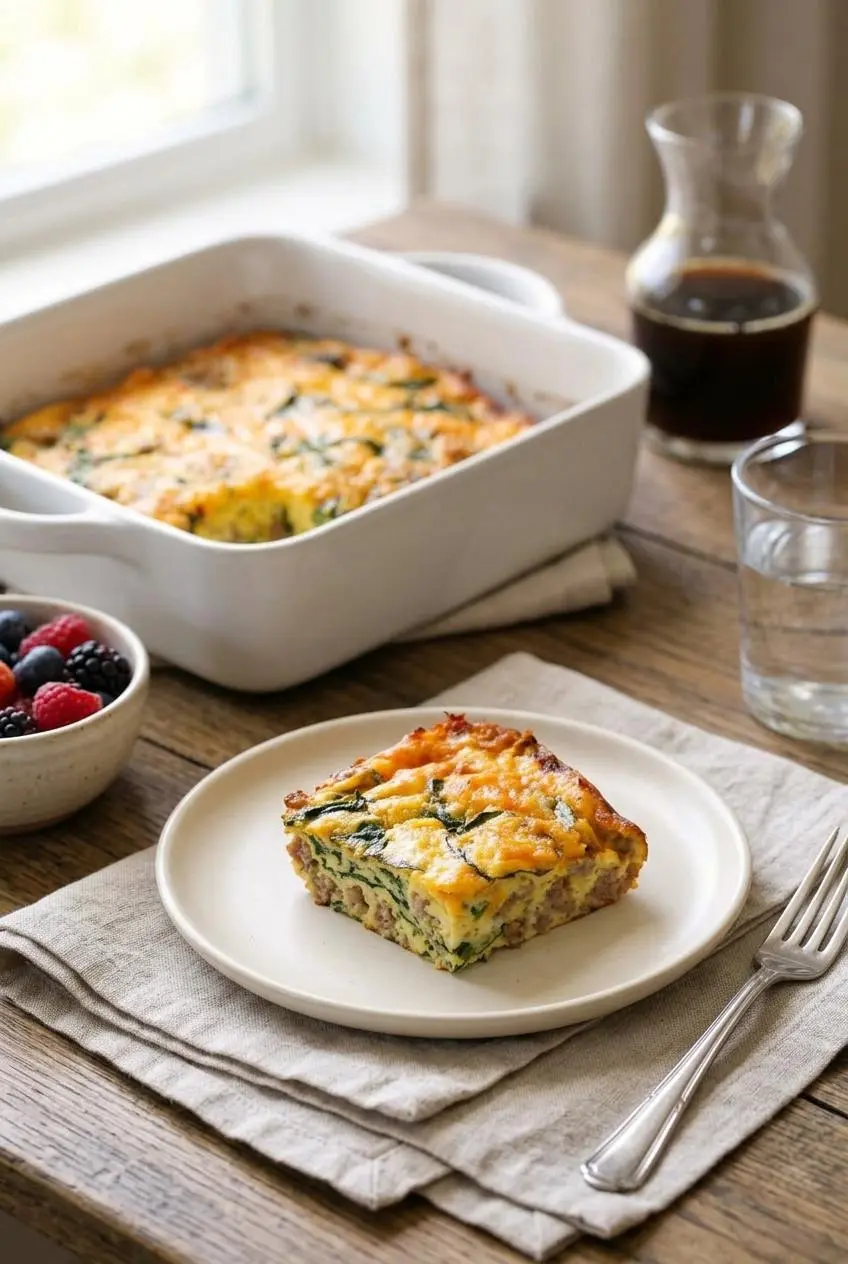
- Heat the oven to 400 °F and lightly grease a 9-inch square ceramic or glass baking dish.
The dish should be ready before the sausage finishes so you can assemble the casserole while everything is still warm but controlled. - Whisk the eggs, heavy cream, salt, pepper, garlic powder, and red pepper flakes in a large bowl, then fold in 1/2 cup of the shredded cheddar with a rubber spatula.
The mixture should look fully blended and lightly frothy, with the cheese evenly suspended instead of sinking in clumps. - Set a large 12-inch skillet over medium-high heat and cook the sausage without added oil for 5 to 7 minutes, breaking it into small pieces as it browns.
Stop when you see browned bits and the crumbles still look juicy, because that’s where the best flavor develops. - Turn off the heat and stir in the spinach leaves while the pan is still hot.
The leaves should soften only slightly and stay bright green rather than collapse into a dark, wet pile. - Spread the sausage and spinach mixture evenly in the prepared baking dish.
An even layer helps the eggs set at the same pace across the whole pan. - Whisk the egg mixture once more, then pour it over the sausage mixture and gently nudge the filling if needed so it distributes evenly.
You want sausage and spinach tucked throughout the custard, not packed into one corner. - Scatter the remaining 1/2 cup cheddar over the top.
The surface should look evenly covered so you get a consistent golden finish. - Bake for about 25 minutes, until the cheese is golden and the eggs are set with a slight jiggle in the very center.
You’ll notice a gentle toasted-cheese aroma, and the middle should wobble a little rather than slosh. - Let the casserole rest for 10 minutes before slicing it into nine squares.
That short rest allows the egg structure to settle so the pieces cut cleanly instead of running at the edges.
If you want a subtle flavor boost, a pinch of ground mustard powder in the egg mixture works well with the cheddar and sausage. Keep it optional, but it adds a nice little background sharpness.
This recipe is built for a 9-inch square dish. If you spread the same amount of batter in a much larger pan, the casserole will bake shallower and faster, and the texture will be firmer rather than fluffy.
For the sausage, look for full browning rather than hard crispness. Those little browned edges taste savory and concentrated, but once the crumbles go dry in the skillet, they stay dry in the finished bake too.
Troubleshooting: How to Prevent a Soggy Egg Bake
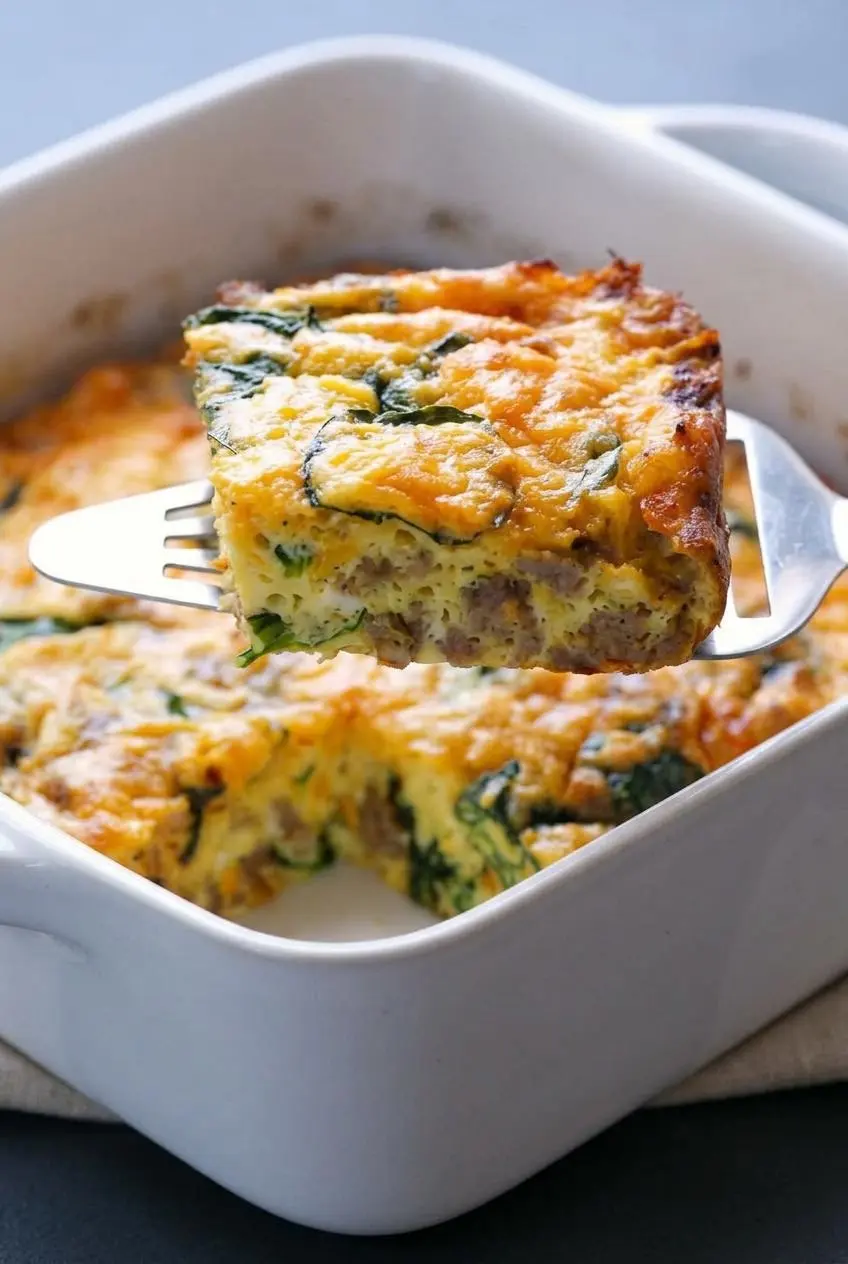
A watery breakfast casserole usually comes down to moisture management, not the eggs themselves. The eggs set well when the fillings are balanced, but vegetables can leak liquid as they heat and steam inside the custard.
- Watery center: usually caused by high-moisture vegetables. Cook them first and remove extra liquid before they go into the dish.
- Loose slices right after baking: usually caused by cutting too soon. Give the casserole the full 10-minute rest so the structure can finish setting.
- Dense texture instead of fluffy texture: often caused by overbaking or using a pan that is too large. Keep the 9-inch square pan and pull it when the center still has a slight jiggle.
- Pale or weak flavor: often caused by underbrowned sausage. Let the crumbles pick up some color in the skillet before moving on.
If you use fresh spinach, add it only after the heat is off so it wilts without dumping too much moisture into the pan. If you use frozen spinach, thaw it first and squeeze out as much water as possible before it goes anywhere near the eggs. That single step can save the whole casserole.
Low-Carb Vegetables: Moisture Control
Fresh baby spinach is easy because it needs only a brief wilt from the skillet’s residual heat. Raw spinach piled directly into the casserole can release water as it bakes, which weakens the custard and creates little pockets of liquid around the slices.
Frozen spinach needs more attention. Thaw it fully, press or squeeze out the liquid thoroughly, then loosen it before adding it to the sausage. It should feel almost dry to the touch, not drippy.
If you branch out with onions or peppers, sauté them first until their moisture cooks off and the pan looks mostly dry. Softened vegetables are fine. Wet vegetables are trouble. If your skillet has visible liquid, keep cooking a bit longer or drain before assembling.
Wash fresh produce well and handle it cleanly to reduce risk during prep, especially for spinach and other ready-to-cook greens. Good fresh-produce handling matters long before the casserole hits the oven, and safe washing and handling practices for fresh produce are worth following.
Room Temperature Mixing Success
Cold eggs and very cold dairy can still work, but they do not blend as smoothly. When the mixture is closer to room temperature, the fat in the cream disperses more evenly, the cheese folds in more naturally, and the custard can puff more evenly in the oven.
This is a texture detail, not a fussy baking ritual. Even 15 to 20 minutes on the counter while you prep the pan and brown the sausage can help the mixture behave better. The result is usually a softer interior with less chance of a clumpy-looking egg base.
Storage, Reheating, and Meal Prep Guidelines
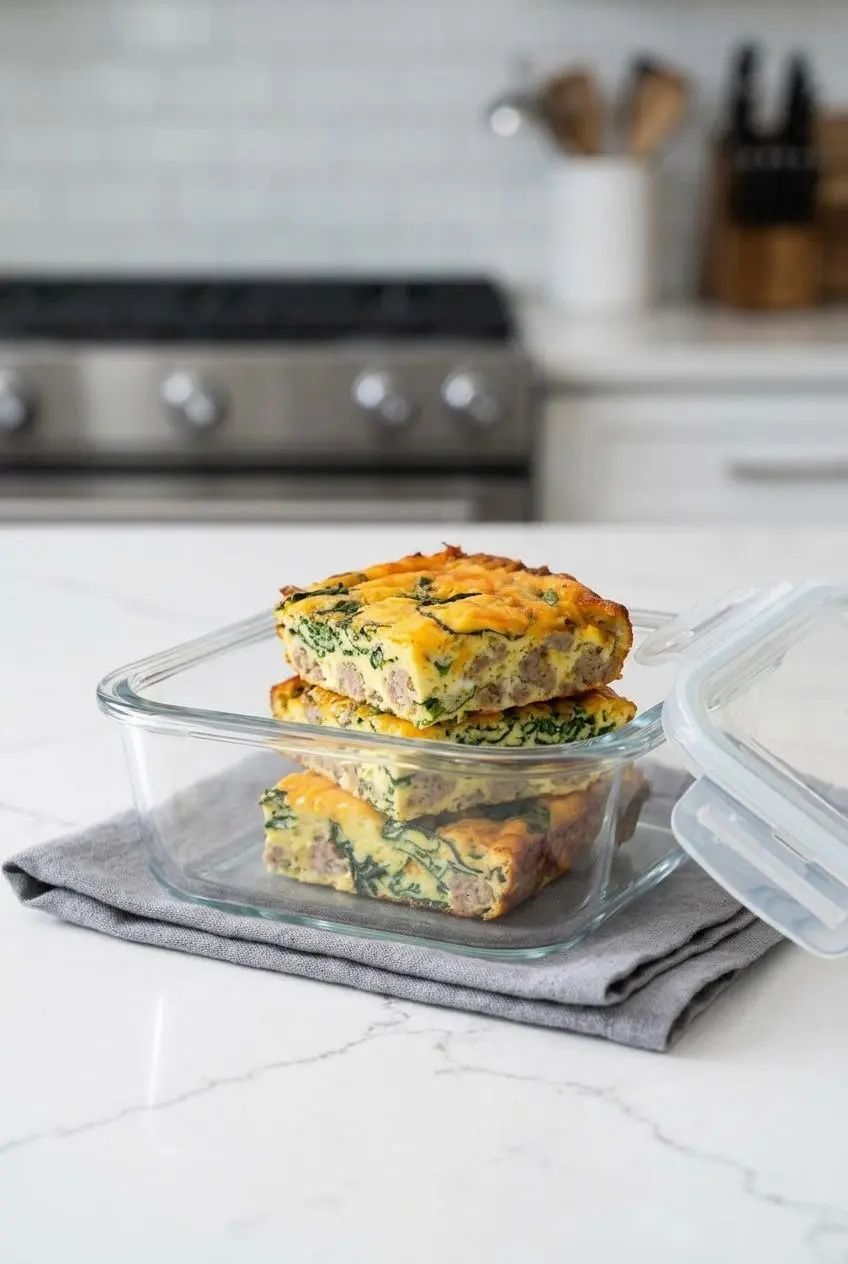
This casserole holds up well for meal prep as long as you cool it before storing and reheat it gently. For best texture, let the baked casserole cool completely, cut it into squares, and pack the portions in an airtight container or wrap individual slices tightly before chilling or freezing.
Cooked egg casseroles can be refrigerated for 3 to 4 days or frozen for 2 to 3 months when stored properly, as outlined in cold food storage guidance for egg casseroles. Don’t freeze it while it is still warm, because trapped steam can leave you with icy, wet slices later.
To reheat one portion in the microwave, use 50% power so the eggs warm gradually instead of turning rubbery. Heat just until warmed through, checking partway if your microwave runs hot.
To reheat the whole casserole, cover the dish with foil and warm it in a 350 °F oven for 15 minutes. The foil helps the center heat without making the top overly dark.
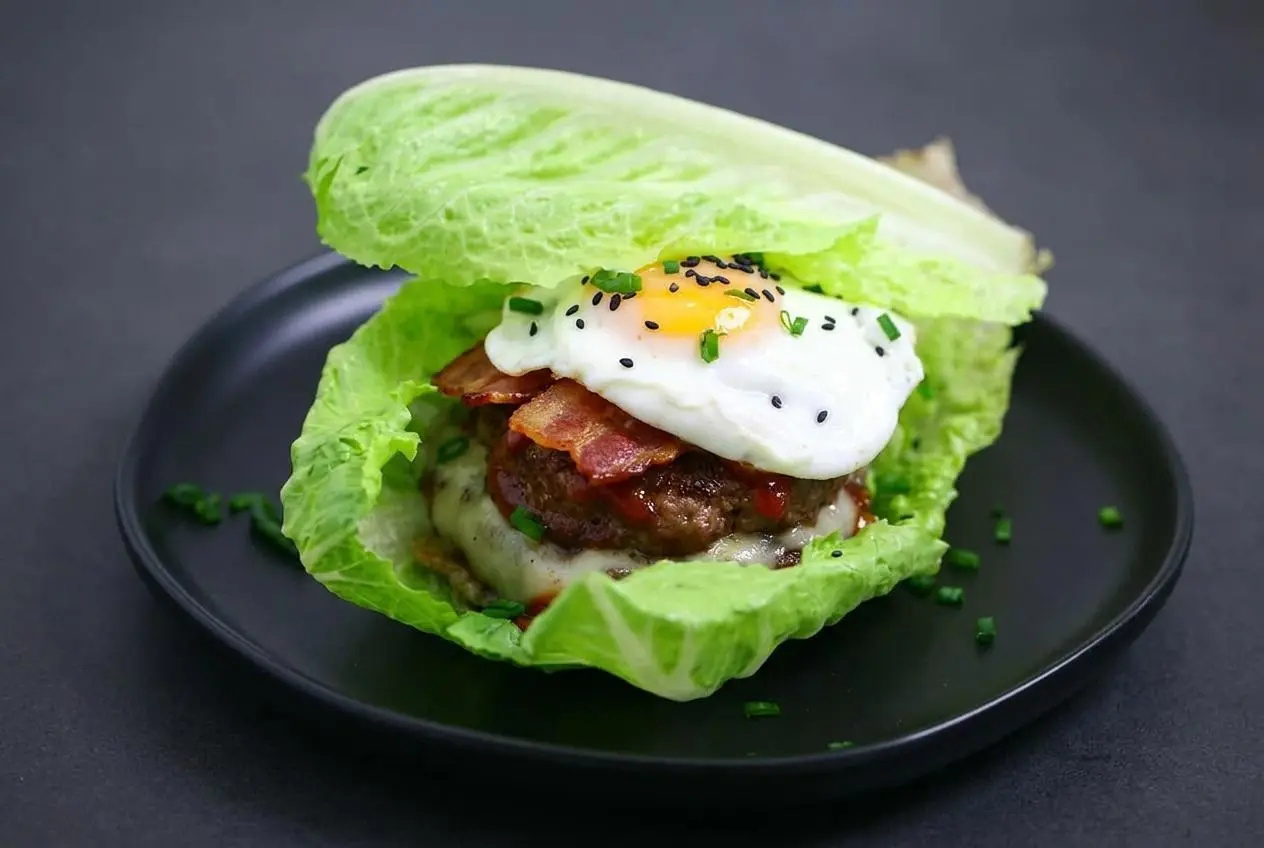
If you like rotating breakfast meal prep, a keto breakfast burger is another solid grab-and-go option for the same kind of high-protein routine.
Because this casserole starts with raw pork sausage and finishes as a meat-and-egg bake, use a thermometer if you want a precise safety check. Safe minimum internal temperatures for sausage, egg dishes, and casseroles put ground sausage and egg dishes at 160 °F, while casseroles should reach 165 °F.
Variations to Try
The core version is strong on its own, but this casserole is flexible enough for a few smart swaps. Keep them optional so the original texture and timing stay predictable.
- A pinch of ground mustard powder in the egg base adds a sharper cheddar flavor without making the casserole taste mustardy.
- Fresh chives sprinkled into the egg mixture or over the baked top add a mild onion note and a little freshness.
- If you enjoy savory baked meals beyond breakfast, a keto ground beef casserole is a good next option for the weekly rotation.
Bacon and Onion Keto Casserole
For a different flavor profile, swap the sausage for crisp chopped bacon and use sautéed yellow onions in place of the spinach. Cook the bacon until crisp, then soften the onions in a bit of the rendered fat until they lose their raw bite and most of their moisture.
This version tastes a little smokier and a little sweeter because of the onions. Just make sure the onions are fully cooked down before they go into the egg mixture, or they can release water and soften the custard too much.
Dairy-Free Keto Egg Bake
You can make this casserole dairy-free by replacing the heavy cream with unsweetened coconut cream or unsweetened almond milk. Coconut cream gives a richer texture, while almond milk makes a lighter bake that is a bit less custardy.
For the cheese element, use a dairy-free shredded cheese that melts reasonably well, or use nutritional yeast for a more savory finish. The texture will change slightly, but the sausage and seasoning still carry the dish nicely.
Conclusion
This casserole earns a spot in the breakfast rotation because it is hearty, low carb, and genuinely practical to portion and reheat. The sausage, cheddar, and spinach give it plenty of flavor without making the method complicated.
The biggest success tip is simple: let it rest for 10 minutes before slicing so the eggs can settle and hold their shape. That small pause makes the whole pan feel easier and better.
Frequently Asked Questions
Why Is My Keto Breakfast Casserole Watery?
Too much moisture usually comes from vegetables, especially raw spinach, onions, or peppers. Cook vegetables first and let extra liquid cook off before adding them to the eggs. If using frozen spinach, thaw it fully and squeeze it very dry. Also make sure you rest the casserole before slicing, because a hot center looks looser than a settled one.
Can I Freeze a Keto Egg Bake?
Yes, once it has cooled completely, this casserole freezes well. Slice it first, then wrap individual pieces tightly and place them in an airtight freezer bag or container. Freezing individual portions makes reheating easier and helps you pull out only what you need. For the best texture, thaw in the refrigerator before reheating when you have time.
How Do I Reheat a Breakfast Casserole Without Making It Rubbery?
Use gentle heat, especially for individual slices. In the microwave, reheat at 50% power so the eggs warm more evenly. For the whole dish, cover it with foil and warm it in a 350 °F oven for 15 minutes. Stop as soon as it is heated through, because overreheating is what toughens eggs fastest.
Can I Make This Recipe Dairy-Free?
Yes, you can swap the heavy cream for unsweetened coconut cream or unsweetened almond milk. Use a dairy-free shredded cheese if you want the melted top layer. Nutritional yeast can also add savory depth, though it won’t melt like cheese. Expect a slightly different texture, with coconut cream giving the closest richness.

Keto Breakfast Casserole

Equipment
- 9-inch square baking dish
- 12-inch skillet
- Large mixing bowl
- Whisk
- Rubber spatula
Ingredients
- 8 large eggs
- 1/4 cup heavy cream
- 1/2 teaspoon Diamond Crystal kosher salt
- 1/4 teaspoon black pepper
- 1/2 teaspoon garlic powder
- 1/4 teaspoon red pepper flakes
- 1 cup cheddar cheese shredded, divided; 4 ounces
- 1 pound breakfast pork sausage raw
- 2 cups baby spinach leaves 2 ounces
Instructions
- Heat the oven to 400 °F and lightly grease a 9-inch square ceramic or glass baking dish. The dish should be ready before the sausage finishes so you can assemble the casserole while everything is still warm but controlled.
- Whisk the eggs, heavy cream, salt, pepper, garlic powder, and red pepper flakes in a large bowl, then fold in 1/2 cup of the shredded cheddar with a rubber spatula. The mixture should look fully blended and lightly frothy, with the cheese evenly suspended instead of sinking in clumps.
- Set a large 12-inch skillet over medium-high heat and cook the sausage without added oil for 5 to 7 minutes, breaking it into small pieces as it browns. Stop when you see browned bits and the crumbles still look juicy, because that’s where the best flavor develops.
- Turn off the heat and stir in the spinach leaves while the pan is still hot. The leaves should soften only slightly and stay bright green rather than collapse into a dark, wet pile.
- Spread the sausage and spinach mixture evenly in the prepared baking dish. An even layer helps the eggs set at the same pace across the whole pan.
- Whisk the egg mixture once more, then pour it over the sausage mixture and gently nudge the filling if needed so it distributes evenly. You want sausage and spinach tucked throughout the custard, not packed into one corner.
- Scatter the remaining 1/2 cup cheddar over the top. The surface should look evenly covered so you get a consistent golden finish.
- Bake for about 25 minutes, until the cheese is golden and the eggs are set with a slight jiggle in the very center. You’ll notice a gentle toasted-cheese aroma, and the middle should wobble a little rather than slosh.
- Let the casserole rest for 10 minutes before slicing it into nine squares. That short rest allows the egg structure to settle so the pieces cut cleanly instead of running at the edges.