Skip to content

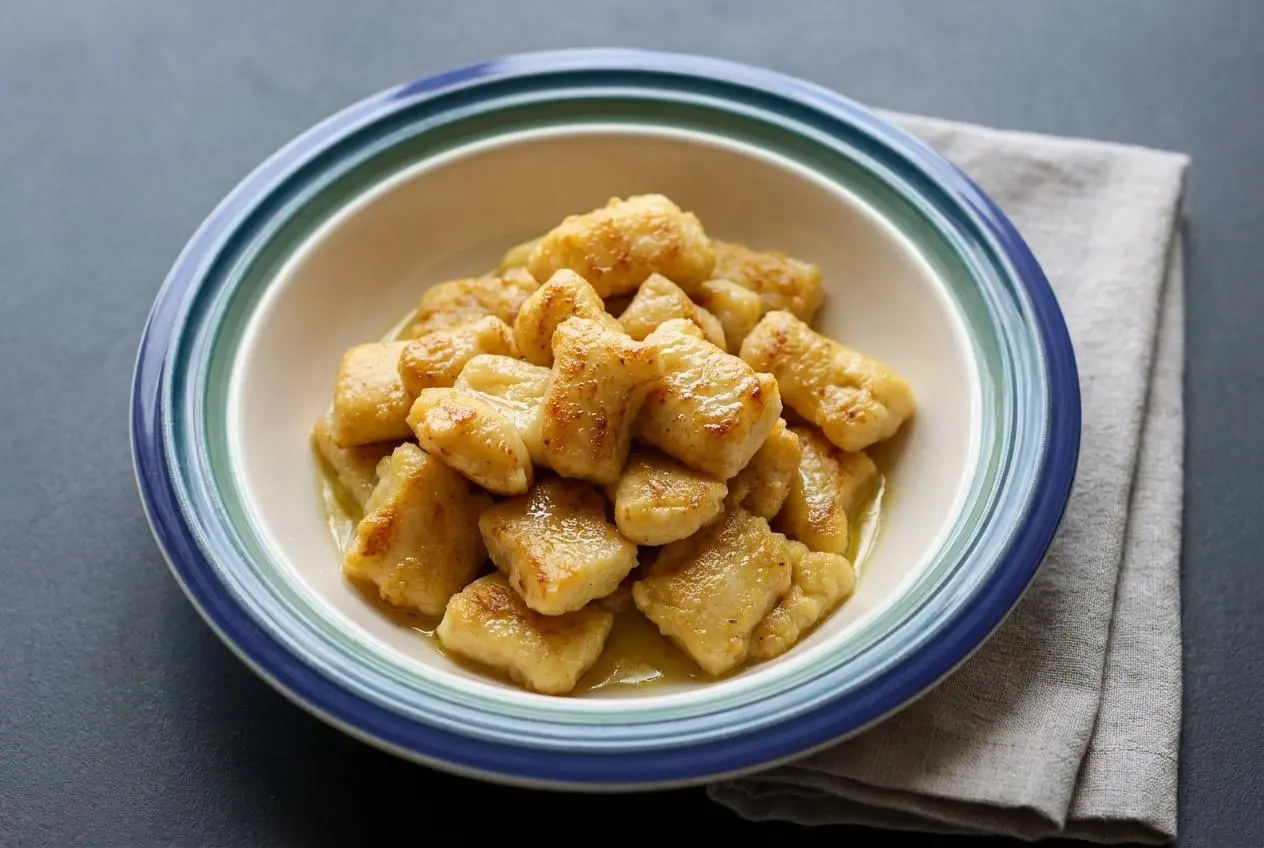
Make keto gnocchi without potatoes by combining mozzarella, butter, almond flour, and egg into a dough, briefly freezing the shaped pieces, then boiling and searing them. The result is a rich, tender dumpling with a pillowy center and golden exterior.
These keto gnocchi use a cheese-based dough, often called fathead dough, instead of traditional potato dough. They’re richer and more savory than classic gnocchi, with almond flour giving each bite body and tenderness.
The boil-and-sear method gives you two distinct textures: soft inside, lightly crisp outside. A little care between the pot and skillet makes the difference. Dry surfaces make golden edges.
Set paper towels beside the stove before boiling so you can drain the delicate dumplings without rushing.
Key Ingredients for Pillowy Dumplings
Mozzarella provides stretch, butter adds richness, almond flour gives the dough body, and the egg and yolk help bind it together. Olive oil finishes the dumplings with a golden sear.
- 1 cup mozzarella cheese
- 2 tablespoons butter (organic)
- 1 cup almond flour
- 1 egg (large)
- 1 egg yolk
- 1 tablespoon olive oil
Mozzarella and butter: Melted mozzarella supplies the stretchy framework that holds this dough together without wheat flour. Butter softens that framework and adds a rich flavor.
Almond flour: Fine-textured almond flour blends more evenly into the cheese than a coarse grind, helping the dumplings feel tender rather than gritty.
Egg and extra yolk: The whole egg binds the mixture, while the additional yolk contributes richness and tenderness. Incorporate them when the cheese mixture is warm and manageable, not scorching hot.
Olive oil: Reserve it for the skillet finish, where it helps the drained dumplings develop their browned exterior.
Step-by-Step Instructions for Keto Gnocchi
Work through the dough while it’s pliable, then let the brief freezer chill firm the shaped pieces before boiling. Keep the cooking stages separate: boil for tenderness, drain for a dry surface, and sear for color.
- Heat the mozzarella and butter together in a saucepan over medium heat, stirring as they melt.
Look for a soft, stretchy cheese mixture without firm pieces. - Work the almond flour into the melted mixture until it gathers together.
The loose flour should disappear into a cohesive, dough-like mass. - Whisk the whole egg and extra yolk in a separate bowl, then knead them into the cheese mixture once it is comfortable to handle.
The finished dough should look evenly combined, without visible streaks of egg. - Shape the dough into an even rope about ½ inch thick.
A consistent thickness helps the pieces cook at a similar pace. - Divide the rope into 1-inch pieces with a knife.
Aim for evenly sized dumplings rather than perfectly identical shapes. - Give the shaped dumplings 5 to 10 minutes in the freezer.
They should feel firmer and less prone to losing their shape. - Fill a large sauce pot with water and bring it to a boil.
Wait for steady bubbling before adding the dumplings. - Lower one-quarter of the gnocchi into the water, reserving the rest for subsequent batches.
The uncrowded pot helps the water maintain its heat and the pieces remain intact. - Watch the batch closely and lift out the dumplings when they soften and start rising to the surface.
Floating is the cue to remove them rather than leave them boiling longer. - Transfer each cooked batch onto paper towels to drain.
The towels should absorb the surface water before the dumplings reach the skillet. - Warm the olive oil in a skillet over medium-low heat, then add the drained gnocchi.
A gentle sizzle should begin where the dumplings touch the pan. - Brown the undersides, then turn the dumplings to sear the opposite sides.
Remove them when both faces have a golden crust.
Expert Tips to Keep Low-Carb Gnocchi from Falling Apart
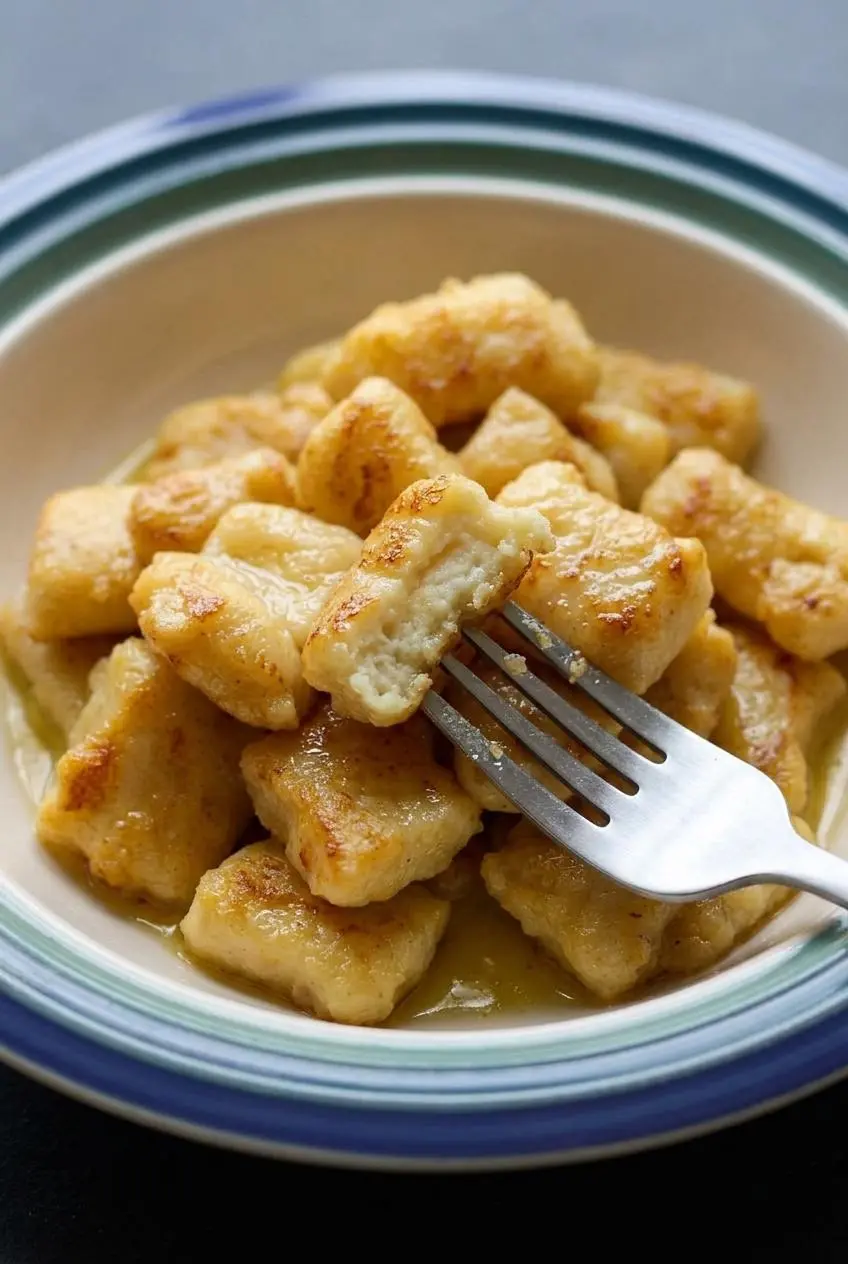
This dough needs gentle handling, especially between shaping and searing. Match the fix to the problem rather than adding more flour automatically.
- Dough clings to your hands: Lightly dampen your hands with cold water before rolling, keeping them moist rather than dripping.
- Egg forms cooked flecks: The cheese mixture was too hot during incorporation; let it become comfortably warm before working in the beaten egg.
- Pieces slump in the water: Don’t skip the freezer chill, which firms the cheese and fat before boiling.
- Dumplings break apart in a crowded pot: Keep to small batches so the water temperature doesn’t drop sharply, and remove each batch as it begins to float.
- The skillet splatters or the exterior stays soft: Blot away surface moisture with paper towels before searing so the gnocchi brown instead of steaming.
For optional fork ridges, press gently across the cut pieces before chilling. Shallow grooves catch sauce without flattening the dumplings.
I’d prioritize a dry surface over perfect fork marks here; it makes a bigger difference to the finished crust.
Variations and Ingredient Swaps
Different dough styles need different handling, so treat these as separate recipe directions rather than direct swaps. If you enjoy working with cheese-based dough, homemade keto pasta offers another shape to explore.
Ricotta and Parmesan Keto Gnocchi
Ricotta and Parmesan create a softer, less elastic dumpling than melted mozzarella. Paired with suitable low-carb flours, this style has a lighter, pillowy texture, but its moisture balance needs its own formula.
Cauliflower Keto Gnocchi
Cauliflower rice, Parmesan, egg yolk, and almond flour make a vegetable-forward alternative with a softer structure. Some versions use a frozen pan-searing method rather than boiling; don’t assume a cauliflower dough can follow the mozzarella method unchanged.
Baked Squash or Vegetable Puree Gnocchi
Squash puree with almond flour and coconut flour produces a moister, softer dough. Delicate puree-based versions may need baking rather than boiling. Choose a formula designed for that vegetable, and check its ingredients before assuming it fits your carbohydrate goals.
- Optional sage: Adds an earthy aroma that suits the rich cheese dough.
- Optional basil: Brings a fresher herbal flavor to the finished dish.
- Optional nutmeg: Adds a warm accent, especially with a creamy sauce.
Best Keto Sauces and Serving Ideas
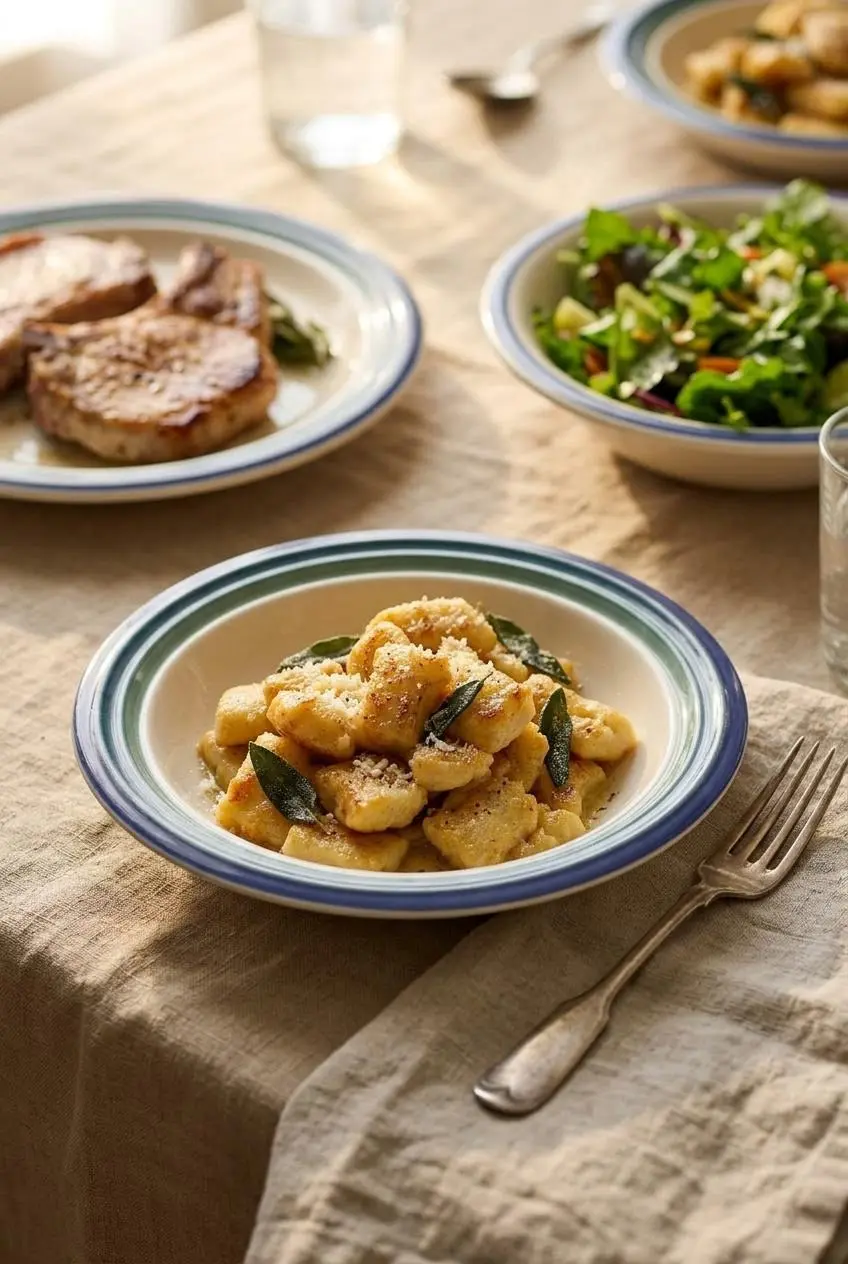
Start with a light coating of sauce so the browned edges stay noticeable. These dumplings already bring plenty of richness.
- Browned butter and crispy sage: A nutty, aromatic pairing that complements the seared exterior.
- Warm basil butter and freshly grated Parmesan: An herbal finish with a savory topping.
- Basil pesto or garlic-infused olive oil: Use enough to coat the pieces without leaving them swimming in oil.
- Cream and nutmeg sauce: Add crispy prosciutto for contrast, or serve grilled chicken alongside.
For another savory pairing, serve a smaller portion beside seared keto pork chops. A crisp green salad adds a refreshing contrast.
How to Store, Freeze, and Reheat Keto Gnocchi
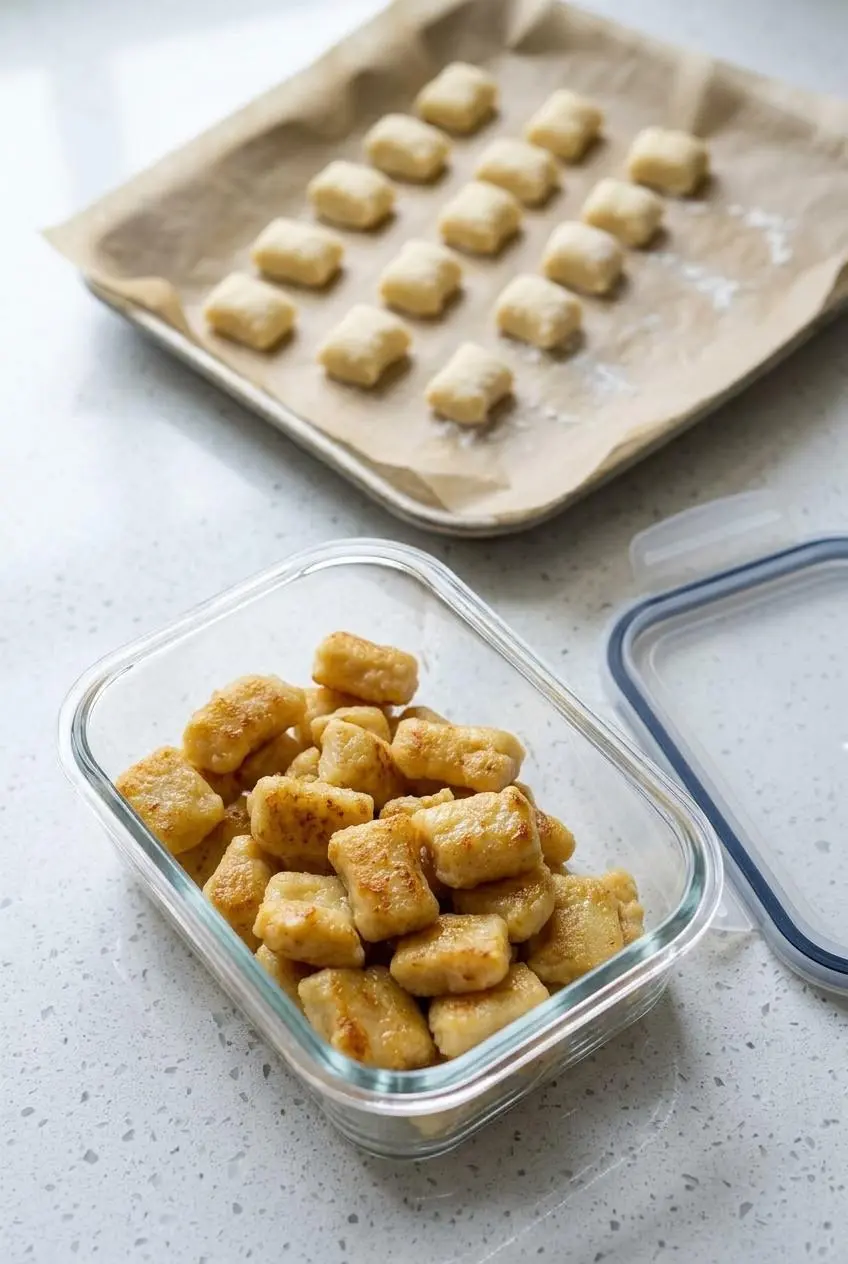
The freezer step here is a brief pre-cooking chill, not an established long-term storage method. Keep the uncooked pieces separated on a parchment-lined tray while they firm up, then continue with boiling.
For cooked leftovers, refrigerate promptly in a covered, airtight container. Store sauce separately when practical to keep the browned surfaces from soaking in it.
Reheat gently in a skillet until hot throughout, turning carefully to refresh the exterior. Add the sauce afterward. Extended raw or cooked freezer storage isn’t established for this dough, so use the freezer for the shaping chill and refrigerate cooked leftovers instead.
Final Thoughts on Homemade Low-Carb Dumplings
Mozzarella and almond flour make rich, tender dumplings that reward careful handling. Brief chilling helps them hold their shape, while boiling and searing create the soft-center, golden-edge contrast.
Give the paper towels their moment before reaching for the skillet. Then choose a sauce that complements the savory dough and serve while those edges are crisp.
Frequently Asked Questions
Can Gnocchi Be Low-Carb?
Yes. This version replaces potatoes and wheat flour with mozzarella, almond flour, and egg. For a specific carbohydrate target, account for your ingredient labels, portion, and sauce.
Why Do My Keto Gnocchi Fall Apart When Boiling?
Skipping the chill, crowding the pot, or cooking beyond the floating stage can weaken the dumplings. Vegetable-heavy doughs may need a different cooking method rather than this boil-and-sear approach.
Can You Freeze Keto Gnocchi Before or After Cooking?
Before cooking, use the brief freezer chill described in the method to firm the shaped pieces. Long-term freezing before or after cooking isn’t established here; refrigerate cooked leftovers instead.
How Do You Store Leftover Keto Gnocchi in the Refrigerator?
Refrigerate cooked leftovers promptly in an airtight container, with sauce separate when possible. Reheat gently in a skillet until hot throughout, handling the pieces carefully.
Is Cauliflower Gnocchi Healthy for Weight Loss?
The name alone doesn’t establish a weight-loss benefit. Check the full ingredient list, nutrition information, portion, and sauce rather than assuming every cauliflower version meets the same dietary goals.
Keto Gnocchi

Equipment
- Saucepan
- Mixing bowl
- Knife
- Large sauce pot
- Skillet
Ingredients
- 1 cup mozzarella cheese
- 2 tablespoons butter (organic)
- 1 cup almond flour
- 1 egg (large)
- 1 egg yolk
- 1 tablespoon olive oil
Instructions
- Heat the mozzarella and butter together in a saucepan over medium heat, stirring as they melt. Look for a soft, stretchy cheese mixture without firm pieces.
- Work the almond flour into the melted mixture until it gathers together. The loose flour should disappear into a cohesive, dough-like mass.
- Whisk the whole egg and extra yolk in a separate bowl, then knead them into the cheese mixture once it is comfortable to handle. The finished dough should look evenly combined, without visible streaks of egg.
- Shape the dough into an even rope about ½ inch thick. A consistent thickness helps the pieces cook at a similar pace.
- Divide the rope into 1-inch pieces with a knife. Aim for evenly sized dumplings rather than perfectly identical shapes.
- Give the shaped dumplings 5 to 10 minutes in the freezer. They should feel firmer and less prone to losing their shape.
- Fill a large sauce pot with water and bring it to a boil. Wait for steady bubbling before adding the dumplings.
- Lower one-quarter of the gnocchi into the water, reserving the rest for subsequent batches. The uncrowded pot helps the water maintain its heat and the pieces remain intact.
- Watch the batch closely and lift out the dumplings when they soften and start rising to the surface. Floating is the cue to remove them rather than leave them boiling longer.
- Transfer each cooked batch onto paper towels to drain. The towels should absorb the surface water before the dumplings reach the skillet.
- Warm the olive oil in a skillet over medium-low heat, then add the drained gnocchi. A gentle sizzle should begin where the dumplings touch the pan.
- Brown the undersides, then turn the dumplings to sear the opposite sides. Remove them when both faces have a golden crust.