Skip to content
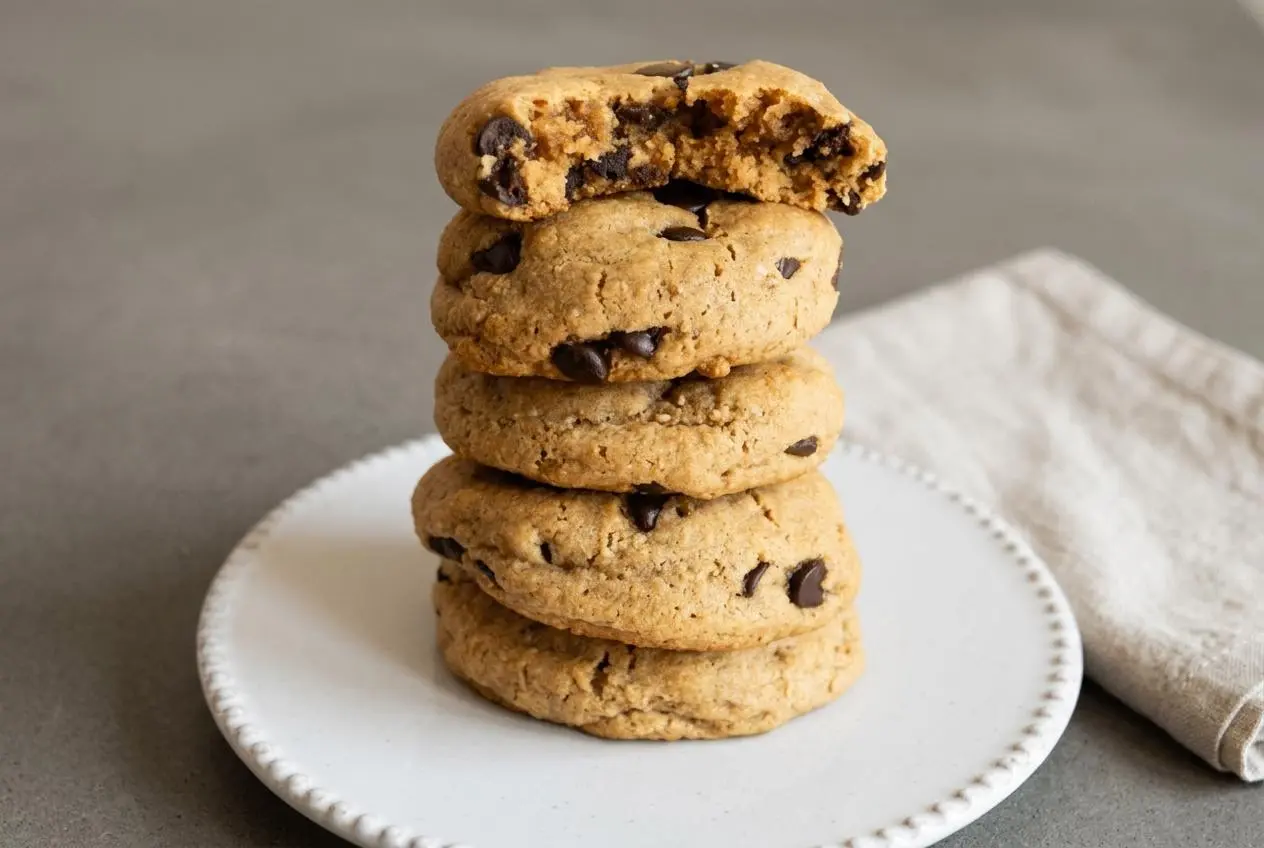
Keto peanut butter chocolate chip cookies combine natural peanut butter, fine almond flour, low-carb sweetener, egg, and sugar-free chocolate chips to create a tender, rich treat. Mix the wet and dry ingredients into a dough, shape into rounds, flatten slightly, bake until edges set, and cool completely on the pan.
Finding a low-carb dessert that satisfies a genuine bakery craving can feel like a challenge, but these keto peanut butter chocolate chip cookies deliver true bakery richness without excess carbohydrates. They pair nutty peanut butter with pockets of warm, melted sugar-free chocolate in a soft, tender crumb.
Because grain-free baking behaves differently than standard flour doughs, getting the exact ratio of fats, binders, and baking time is key to achieving that soft center without any crumbling. A single tray comes together in just twenty minutes, filling your kitchen with a deep, roasted aroma that makes waiting for them to cool the hardest part of the entire process.
For the best texture and structure, ensure your natural peanut butter is stirred completely until the natural oils are fully blended before measuring.
Essential Ingredients for Low-Carb Peanut Butter Cookies
Every ingredient in this recipe serves a dedicated purpose, balancing structural binding, rich moisture, aromatic sweetness, and tender crumb development to replicate traditional cookie texture without gluten or refined sugars.
- 2 Tablespoons Melted Butter
- 2 Tablespoons Unsweetened Natural Peanut Butter
- 1/2 Cup Brown Swerve or Regular Granular Swerve
- 1 Egg
- 1 Cup Almond Flour
- 1/2 Teaspoon Baking Powder
- 1/4 Teaspoon Baking Soda
- 1/4 Teaspoon Salt
- 1/4 Cup Low Carb Chocolate Chips (I use Lily’s)
Choosing the Right Natural Peanut Butter
The type of peanut butter you select directly controls the dough consistency and net carbohydrate count. Opt for a natural variety containing only roasted peanuts and salt, avoiding conventional commercial jars that contain added sugar, corn syrup, or hydrogenated oils. Natural nut butter provides the necessary runniness and pure peanut fats that keep the cookie interior soft while binding effectively with the egg proteins.
Almond Flour vs Almond Meal for Texture
Finely ground, blanched almond flour is the foundation that gives these cookies their tender, melt-in-your-mouth structure. Coarse almond meal, which contains ground skins, creates a gritty, rustic texture that can cause delicate low-carb cookies to fracture. Sifting or whisking your fine almond flour breaks up any natural clumps, ensuring an even distribution of leavening agents throughout the dry blend.
Selecting the Best Low-Carb Sweetener
A brown sugar alternative brings natural moisture and deep caramel undertones that complement roasted peanuts. While standard granular erythritol works well, brown-style low-carb sweeteners help reduce the cooling sensation sometimes noticed in alternative baking while promoting a chewier crumb. If using an allulose blend, watch the cookies closely in the oven, as allulose tends to brown slightly faster.
Keto-Friendly Chocolate Chips That Melt Smoothly
Sugar-free dark or semi-sweet chocolate chips sweetened with stevia, monk fruit, or erythritol deliver rich cocoa flavor without spiking blood sugar. Quality low-carb chocolate chips maintain their distinct shape during baking while softening into rich, molten pockets. Folding them gently into the dough at the end ensures an even chocolate distribution in every bite.
How to Make Keto Peanut Butter Chocolate Chip Cookies
- Set your oven to 350 degrees Fahrenheit and line a large baking sheet with parchment paper.
Preheating completely ensures the cookies begin setting immediately upon entering the oven. - Whisk the melted butter, natural peanut butter, sweetener, and egg in a medium mixing bowl until the mixture is glossy and completely smooth.
A fully emulsified wet base ensures the fats and sweetener distribute evenly throughout the dough. - Combine the almond flour, baking powder, baking soda, and salt in a separate bowl, whisking thoroughly to eliminate any clumps.
Evenly dispersed leavening prevents uneven rising and bitter pockets of baking soda. - Pour the dry ingredients into the wet mixture and stir with a spatula until a uniform, pliable dough forms.
The dough should pull away from the bowl sides with a slight sheen and no visible dry flour patches. - Fold the sugar-free chocolate chips into the dough until evenly distributed.
Gentle stirring keeps the chocolate chips intact without breaking the delicate dough structure. - Shape the dough into eight evenly sized balls and arrange them across your prepared baking sheet with space between each portion.
Flatten each dough ball slightly with your palm or fingers, as grain-free doughs do not spread significantly on their own. - Bake at 350 degrees Fahrenheit for 15 minutes, then remove the tray and let the cookies rest undisturbed until completely cooled.
The cookies are done when the edges look matte and lightly set, firming up entirely as they rest on the warm tray.
Mixing Wet and Dry Ingredients for Smooth Dough
Emulsifying the melted butter and natural peanut butter with the egg and sweetener creates a silky emulsion that traps moisture. When you combine this wet mixture with the dry almond flour blend, take a moment to press out any remaining flour pockets with a sturdy silicone spatula. The resulting dough should feel soft, slightly tacky, and cohesive without being greasy or dry.
Portioning, Rolling, and Shaping the Cookies
Because low-carb dough lacks gluten and traditional melting sugars, it will retain whatever shape you give it on the pan. Roll the dough between your palms into eight smooth spheres, place them onto parchment paper, and gently press down on the tops to create your desired cookie thickness. If you prefer a classic bakery pattern, you can use the back of a fork to press a gentle crosshatch on top of each round.
Baking and the Critical Pan-Cooling Phase
The single most important step in low-carb cookie baking happens after the oven timer goes off. When removed from the oven, the cookies will feel soft, tender, and fragile to the touch. Leaving them entirely undisturbed on the hot baking sheet allows the melted fats and egg proteins to solidify naturally, transforming a delicate warm dough into a firm, chewy cookie that holds together effortlessly.
Troubleshooting Common Keto Baking Challenges
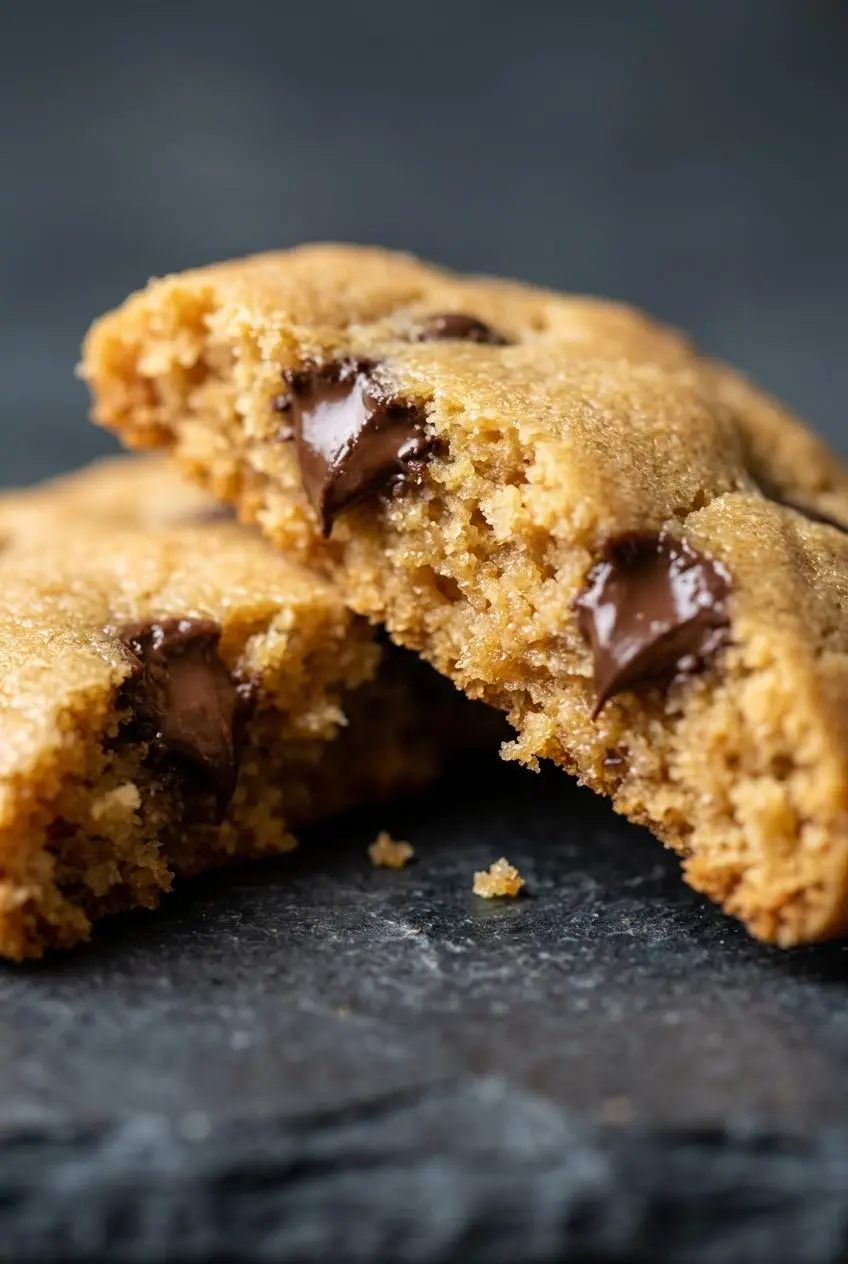
I always make sure my natural peanut butter is at room temperature and vigorously stirred from top to bottom before measuring, which prevents the dough from turning dry or oily.
- Dry or crumbly raw dough: This usually happens when using the dry, dense peanut butter from the bottom of an older jar. To fix this, work in a teaspoon of warm melted butter or unsweetened almond milk until the dough regains its soft, pliable sheen.
- Cookies crumbling when lifted: Attempting to move the cookies while they are still warm causes structural collapse because grain-free crumbs need time to set. Always let the baking tray cool to room temperature before sliding a thin spatula underneath.
- Dry or chalky baked texture: Overbaking evaporates the delicate fats in the almond flour and nut butter. Pull the cookies from the oven the moment the outer edges turn matte and firm, even if the center still appears quite soft.
How to Fix Dry or Crumbly Cookie Dough
Natural nut butters naturally separate on the shelf, leaving denser solids near the base of the jar. If your peanut butter is thick and difficult to stir, warm it gently before measuring to restore a smooth consistency. A properly balanced keto dough should feel moldable like soft modeling clay, holding together easily when rolled into a ball without flaking apart.
Preventing Cookies from Breaking After Baking
Without wheat gluten to provide elasticity, warm keto cookies rely entirely on cooling fats and proteins for structural integrity. Moving them onto a wire cooling rack too early will cause the bottoms to stick or the center to break. Giving the cookies ample resting time directly on the baking sheet allows the base to stabilize and create a cohesive crumb.
Avoiding Overbaking and Dry Textures
Almond flour baked goods can go from perfectly chewy to unpleasantly dry in just a matter of minutes. Because low-carb sweeteners do not caramelize in the exact same manner as traditional white sugar, do not wait for the entire cookie top to turn deep brown. Look for set edges with a pale, soft center to guarantee a tender bite once the cookies cool.
Delicious Variations and Dietary Adaptations
If you enjoy pairing rich peanut butter with dark chocolate, you might also like making homemade keto peanut butter cups for another easy no-bake dessert option.
- Flourless Style: Prepare a minimalist version by omitting the almond flour and letting the natural peanut butter, sweetener, and egg carry the structure for an ultra-dense, fudge-like bite.
- Extra Crunch: Swap smooth peanut butter for chunky natural peanut butter, or fold in two tablespoons of finely chopped roasted peanuts alongside the chocolate chips.
- Nut-Free Alternative: Substitute unsweetened sunflower seed butter in an equal ratio for the peanut butter to accommodate tree nut or peanut sensitivities.
- Flaky Sea Salt Finish: Sprinkle a few flakes of coarse sea salt over the tops immediately after pulling the hot cookies from the oven to highlight the chocolate notes.
Flourless Keto Peanut Butter Cookies
A flourless variation relies entirely on the natural oils, peanut proteins, and egg binding to hold the cookie together. This approach yields a thinner, denser treat with an intense roasted peanut flavor profile. Make sure your sweetener is finely granulated so it dissolves cleanly into the nut butter without leaving any grit.
Crunchy Peanut Butter Cookie Adaptation
For those who love contrasting textures, using crunchy natural peanut butter adds satisfying texture throughout the soft cookie crumb. You can also fold a few tablespoons of crushed roasted peanuts directly into the dough. The toasted nut pieces provide an earthy crunch that balances the smooth, melty chocolate chips.
Nut-Free Sunflower Seed Butter Twist
Sunflower seed butter makes an excellent direct replacement for peanut butter if you are baking for school environments or allergy-conscious households. Keep in mind that sunflower seeds contain chlorophyll, which can occasionally react with baking soda to create a harmless green tint as the cookies cool. Reducing the baking soda slightly helps maintain a classic golden color.
How to Store and Freeze Keto Cookies
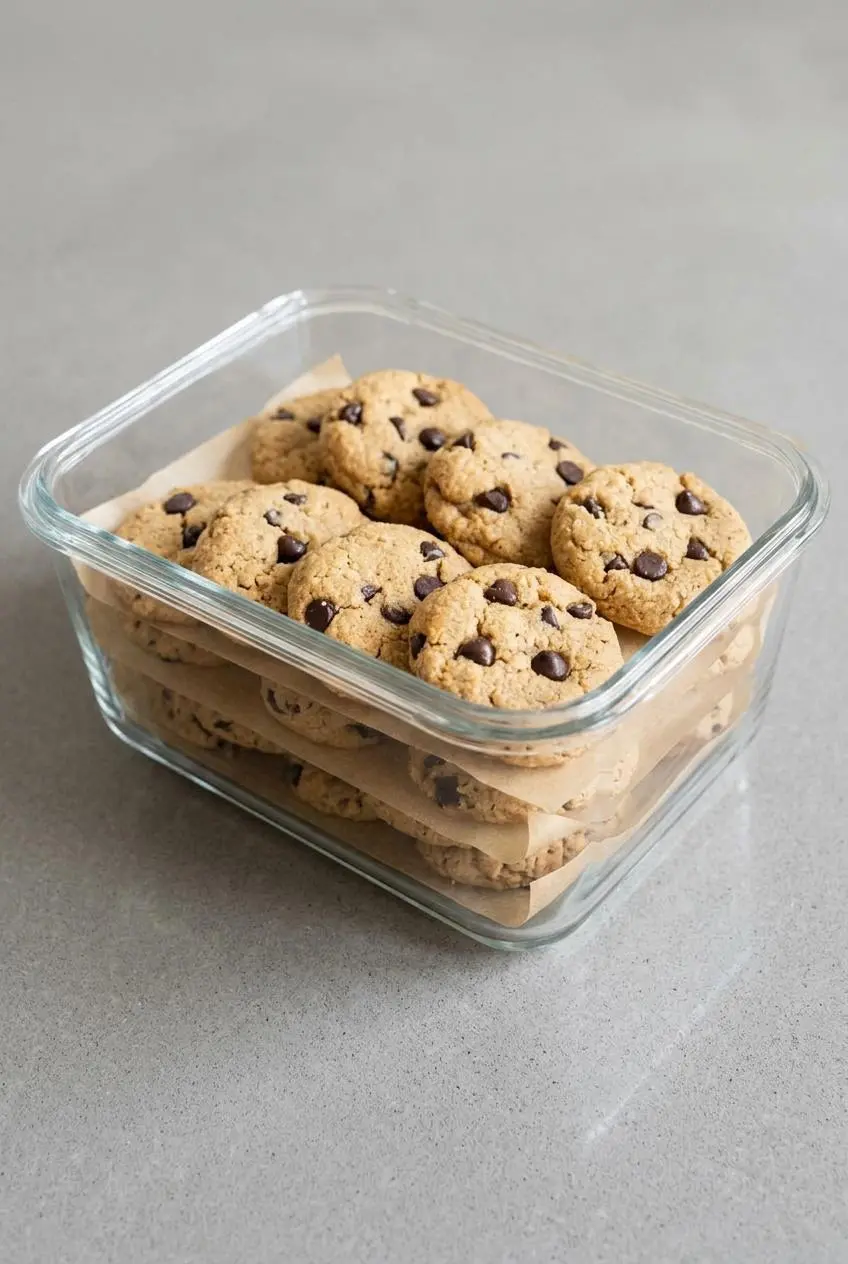
Proper storage prevents low-carb baked goods from drying out or absorbing ambient moisture from your kitchen.
Countertop and Refrigerator Storage Best Practices
Once the cookies have reached room temperature, place them in an airtight glass or BPA-free container. Storing them on the kitchen counter keeps the crumb tender and the chocolate chips soft. If you prefer a firmer, denser cookie with a fudgy texture, store the container in the refrigerator, separating layers with parchment paper so the cookies do not stick together.
Freezing Baked Cookies and Raw Dough Balls
For longer preservation, freeze fully cooled baked cookies in a single layer on a parchment-lined tray until firm, then transfer them to a freezer-safe zip-top bag. You can also portion the unbaked dough into individual balls, press them into discs, and freeze them raw. This allows you to bake a single fresh cookie whenever a craving strikes.
Thawing and Reheating for Fresh-Baked Warmth
Thaw frozen baked cookies at room temperature on a clean plate for an easy afternoon snack. If you want to recreate that fresh-from-the-oven experience, warm a room-temperature cookie briefly in a toaster oven or standard oven on low heat just until the chocolate pockets begin to soften. Avoid excessive heat, which can dry out the delicate almond flour base.
Serving Suggestions and Flavor Pairings
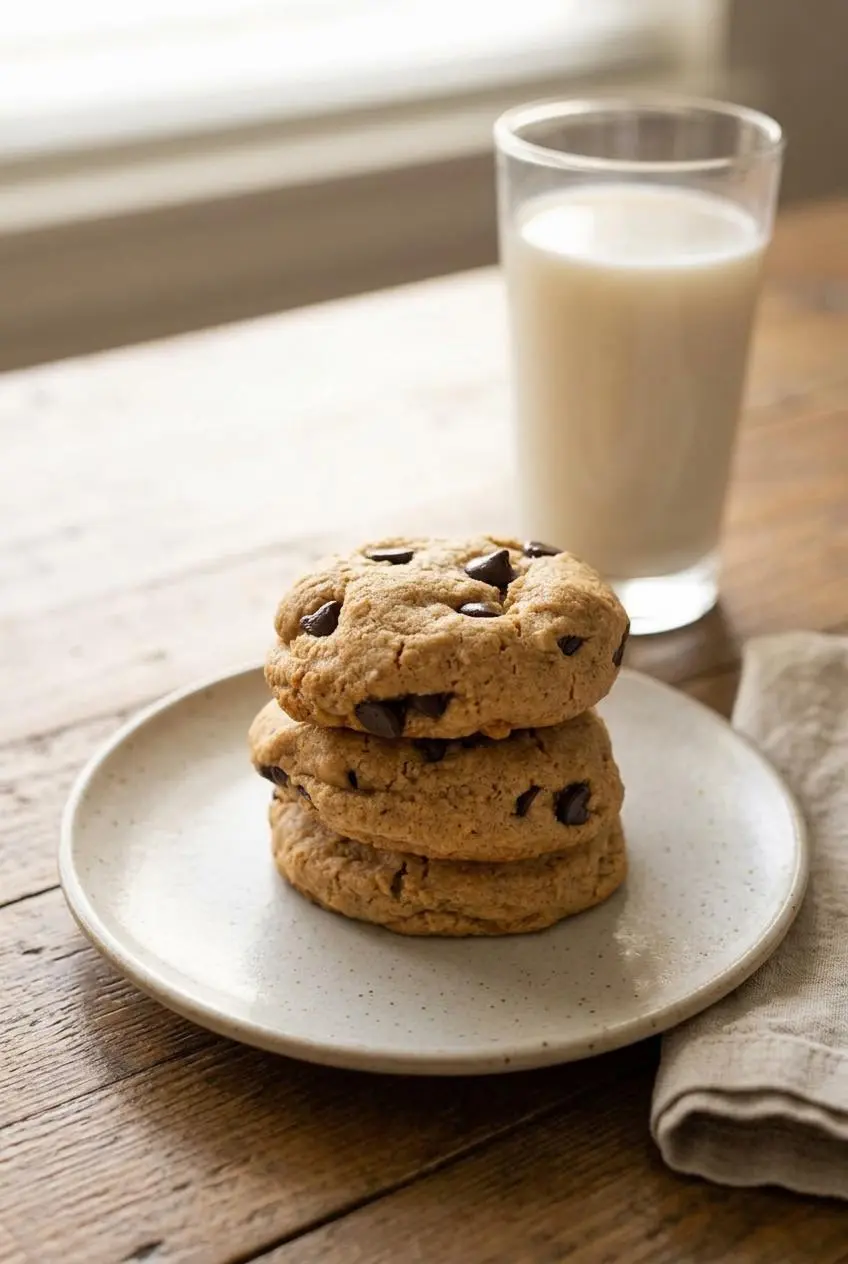
These rich cookies make a satisfying standalone treat, but they also pair wonderfully with complementary low-carb beverages and desserts.
- Classic Milk and Cookies: Serve alongside a tall glass of chilled unsweetened almond milk, creamy coconut milk, or macadamia nut milk for traditional cookie dipping.
- Coffee Pairings: Enjoy a warm cookie with a fresh shot of espresso, a hot Americano, or a dark roast coffee to balance the sweetness of the sugar-free chocolate.
- Dessert Sundaes: Crumble a cooled cookie over a bowl of homemade keto ice cream for a decadent restaurant-style dessert.
- Shake Companions: Pair a cookie with a creamy keto chocolate milkshake for a satisfying afternoon snack.
- Decadent Drizzle: Plate your cookies with a light ribbon of warm keto caramel sauce across the top for special occasions.
Final Thoughts on Baking Low-Carb Peanut Butter Cookies
Baking homemade treats on a low-carb diet is all about choosing quality ingredients and understanding how grain-free doughs behave in the oven. By using natural peanut butter, fine almond flour, and sugar-free chocolate, you get all the nostalgic comfort of a bakery-style cookie without unnecessary carbohydrates.
Remember that patience during the pan-cooling phase is the true secret to achieving a tender, sturdy cookie that never crumbles in your hand. Preheat your oven, line your baking sheet, and enjoy creating a fresh batch of warm cookies for your home kitchen.
Frequently Asked Questions About Keto Peanut Butter Cookies
Why are my keto peanut butter cookies falling apart?
Low-carb cookies do not contain gluten and rely primarily on melted fats and egg proteins for structure. Because these binding agents are fragile while warm, moving the cookies off the baking sheet too quickly causes them to crack. Allowing the cookies to cool completely directly on the baking tray lets the crumb firm up into a sturdy, chewy cookie.
Can I use regular commercial peanut butter instead of natural peanut butter?
Natural peanut butter containing only roasted peanuts and salt is strongly recommended for this recipe. Standard commercial peanut butters often include added cane sugar, molasses, and hydrogenated oils that increase total carbohydrates and alter dough moisture. If you only have conventional peanut butter, ensure your dough is not overly stiff before shaping.
Which sweetener creates the chewiest keto cookie texture?
Brown-style low-carb sweeteners provide the chewiest texture and deepest flavor because they mimic the moisture-retaining properties of brown sugar. Allulose blends also produce a very soft, tender crumb without any cooling aftertaste. Standard white granular erythritol works well too, though it tends to yield a slightly crisper exterior.
Can I freeze the cookie dough before baking?
Yes, you can easily freeze portioned dough for future baking. Roll the dough into balls, flatten them slightly onto a parchment-lined tray, and freeze until solid before transferring to an airtight container. When ready to bake, you can cook them directly from frozen with a couple of extra minutes in the oven or thaw them in the refrigerator first.
Is peanut butter suitable for a strict ketogenic diet?
Unsweetened natural peanut butter fits comfortably within a ketogenic lifestyle when enjoyed in mindful portions that align with your daily macronutrient goals. Peanuts are nutrient-dense legumes rich in plant fats and dietary fiber, keeping the net carbohydrate count low per serving. Checking nutrition labels to ensure no hidden sugars are added is the best way to maintain peace of mind.
Keto Peanut Butter Chocolate Chip Cookies

Equipment
- Baking sheet
- Parchment paper
- Mixing bowls
- Whisk
- Silicone spatula
Ingredients
- 2 Tablespoons Melted Butter
- 2 Tablespoons Unsweetened Natural Peanut Butter
- 1/2 Cup Brown Swerve or Regular Granular Swerve
- 1 Egg
- 1 Cup Almond Flour
- 1/2 Teaspoon Baking Powder
- 1/4 Teaspoon Baking Soda
- 1/4 Teaspoon Salt
- 1/4 Cup Low Carb Chocolate Chips (I use Lily’s)
Instructions
- Set your oven to 350 degrees Fahrenheit and line a large baking sheet with parchment paper. Preheating completely ensures the cookies begin setting immediately upon entering the oven.
- Whisk the melted butter, natural peanut butter, sweetener, and egg in a medium mixing bowl until the mixture is glossy and completely smooth. A fully emulsified wet base ensures the fats and sweetener distribute evenly throughout the dough.
- Combine the almond flour, baking powder, baking soda, and salt in a separate bowl, whisking thoroughly to eliminate any clumps. Evenly dispersed leavening prevents uneven rising and bitter pockets of baking soda.
- Pour the dry ingredients into the wet mixture and stir with a spatula until a uniform, pliable dough forms. The dough should pull away from the bowl sides with a slight sheen and no visible dry flour patches.
- Fold the sugar-free chocolate chips into the dough until evenly distributed. Gentle stirring keeps the chocolate chips intact without breaking the delicate dough structure.
- Shape the dough into eight evenly sized balls and arrange them across your prepared baking sheet with space between each portion. Flatten each dough ball slightly with your palm or fingers, as grain-free doughs do not spread significantly on their own.
- Bake at 350 degrees Fahrenheit for 15 minutes, then remove the tray and let the cookies rest undisturbed until completely cooled. The cookies are done when the edges look matte and lightly set, firming up entirely as they rest on the warm tray.