Skip to content
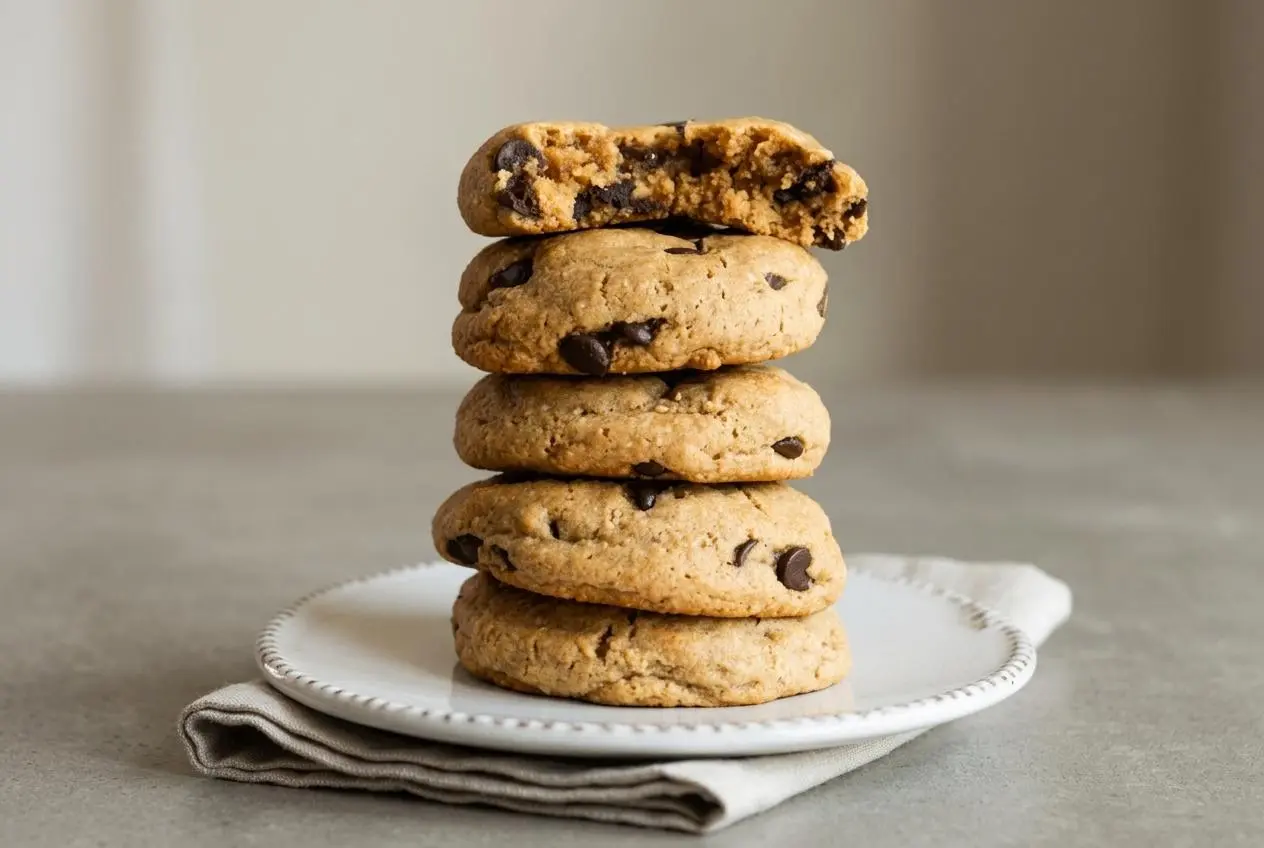
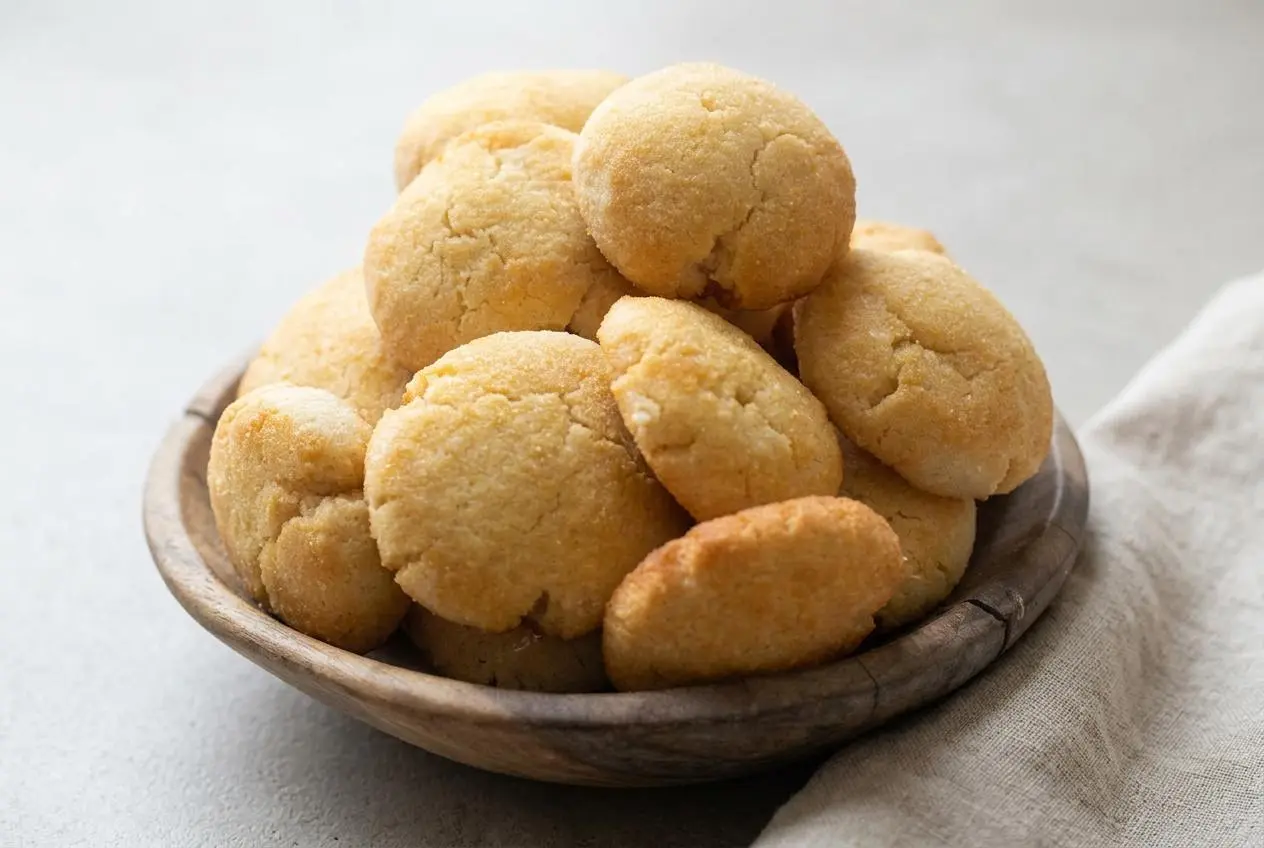
These cookies bake into a rich, chewy low-carb treat with roasted peanut flavor and pockets of melted chocolate.
Keto peanut butter chocolate cookies combine almond flour, natural peanut butter, a low-carb sweetener, and chocolate chips for a tender cookie with a satisfying bite.
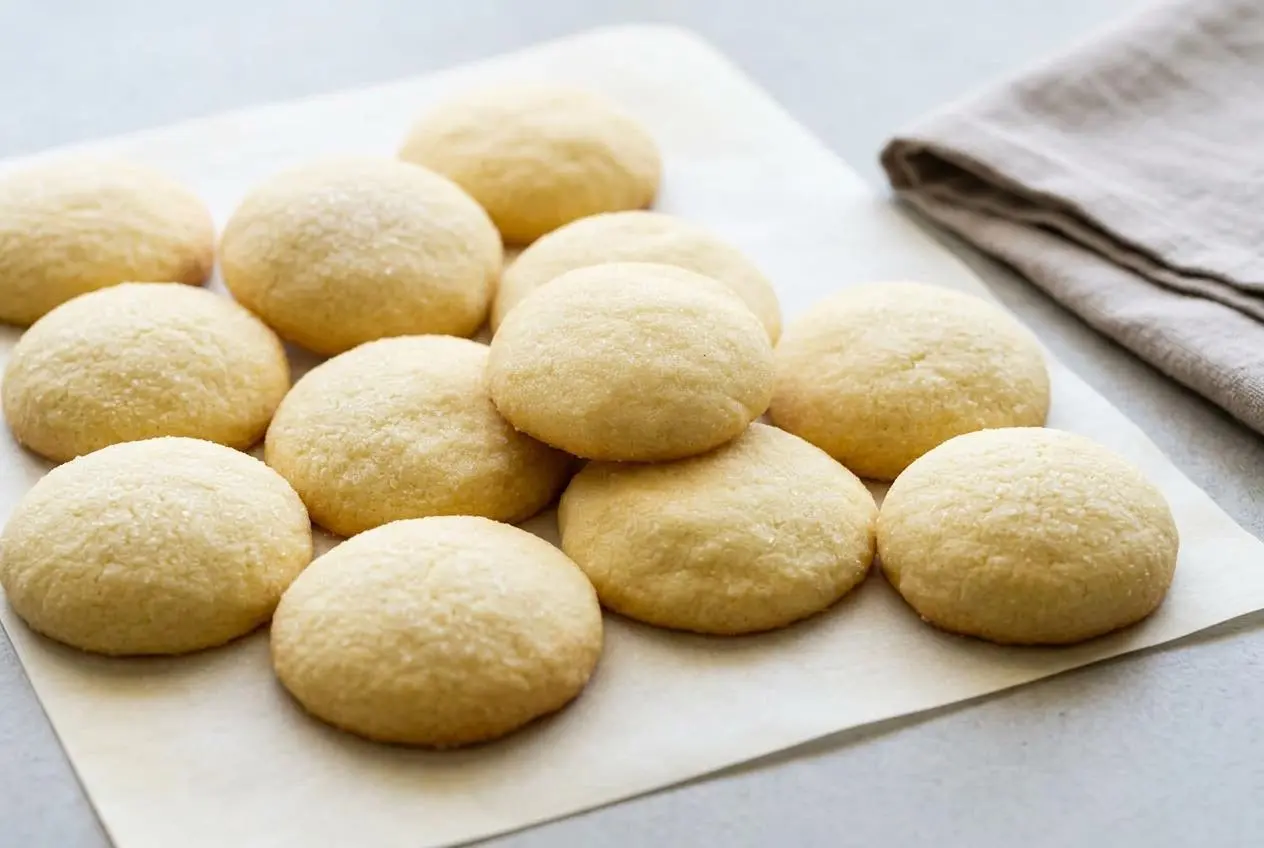
Golden edges signal when to pull them, while the centers stay soft enough to finish setting on the pan. Cooling is the chewy-cookie trick.
Stir natural peanut butter thoroughly before measuring so the separated oil is fully worked back into the jar.
Essential Ingredients for Perfect Keto Cookies
Each ingredient supports the cookie’s nutty flavor, tender structure, balanced sweetness, and chocolate-studded texture.
- 2 Tablespoons Melted Butter
- 2 Tablespoons Unsweetened Natural Peanut Butter
- 1/2 Cup Brown Swerve or Regular Granular Swerve
- 1 Egg
- 1 Cup Almond Flour
- 1/2 Teaspoon Baking Powder
- 1/4 Teaspoon Baking Soda
- 1/4 Teaspoon Salt
- 1/4 Cup Low Carb Chocolate Chips (I use Lily’s)
Melted butter gives the dough a richer mouthfeel, while the egg binds the ingredients as the cookies bake. Baking powder and baking soda provide gentle lift, and salt keeps the sweetener and peanut butter from tasting flat.
Super-Fine Almond Flour vs Almond Meal
Choose blanched, super-fine almond flour when possible. Its fine texture blends smoothly into the dough and creates a more even, tender crumb. Coarse almond meal can make the cookies gritty and may absorb moisture unevenly, which can leave the dough prone to crumbling.
The Advantage of Brown Low-Carb Sweeteners
A brown low-carb sweetener brings a subtle caramel-like depth that pairs especially well with peanut butter. It also tends to encourage a softer chew than a plain white granular blend. Regular granular Swerve still works, but the finished cookies may have a slightly crisper, more pronounced sweetener texture once cool.
Choosing Stable Sugar-Free Chocolate Chips
Use sugar-free chocolate chips intended for baking so they hold distinct pockets throughout the cookie instead of disappearing into the dough. Chips that stay intact give each bite contrast between tender peanut butter crumb and rich chocolate.
How to Make Keto Peanut Butter Chocolate Cookies
Keeping the wet and dry mixtures separate at first distributes the leaveners evenly and prevents overmixing. The finished dough should feel cohesive and easy to roll, rather than wet or crumbly.
- Heat the oven to 350 degrees Fahrenheit.
Line a baking sheet with parchment paper while the oven comes up to temperature. - Whisk the melted butter, peanut butter, Swerve, and egg in a medium bowl until fully smooth.
The mixture should look glossy and uniform, with no streaks of egg or peanut butter. - Combine the almond flour, baking powder, baking soda, and salt in a separate bowl.
Break up any floury clumps so the leaveners are evenly dispersed. - Stir the dry mixture into the peanut butter mixture until a dough forms.
Stop when the dough looks smooth and holds together without excessive stickiness. - Fold in the chocolate chips with a light hand.
Mix only until the chips are distributed through the dough. - Shape the dough into 8 large balls and arrange them on the parchment-lined baking sheet.
Leave space around each ball so heat can circulate evenly. - Bake for 15 minutes at 350 degrees.
Look for lightly golden edges and soft centers, then leave the cookies on the pan to cool completely.
Selecting the Right Peanut Butter for Low-Carb Baking
Natural peanut butter affects both flavor and dough moisture, so the label and consistency matter. Look for a variety made with peanuts and salt, without added sugars or hydrogenated oils that can change the dough’s texture.
Drippy peanut butter can make the dough softer and encourage spreading, while a very dense jar can lead to a dry, stiff dough. Stir the jar from the bottom upward until the oil is fully incorporated before measuring.
I prefer peanut butter that pours slowly from a spoon after stirring, rather than a dry paste or a layer of loose oil. That middle-ground texture gives the dough the most reliable feel.
Almond butter can bring a milder, toastier flavor, while sunflower seed butter offers a nut-free alternative with a more earthy finish. Either swap may change the dough’s color and consistency, so judge the dough by how well it holds together before shaping. If you have extra peanut butter to use, these keto peanut butter cups are another chocolatey option.
Troubleshooting Texture and Dough Consistency
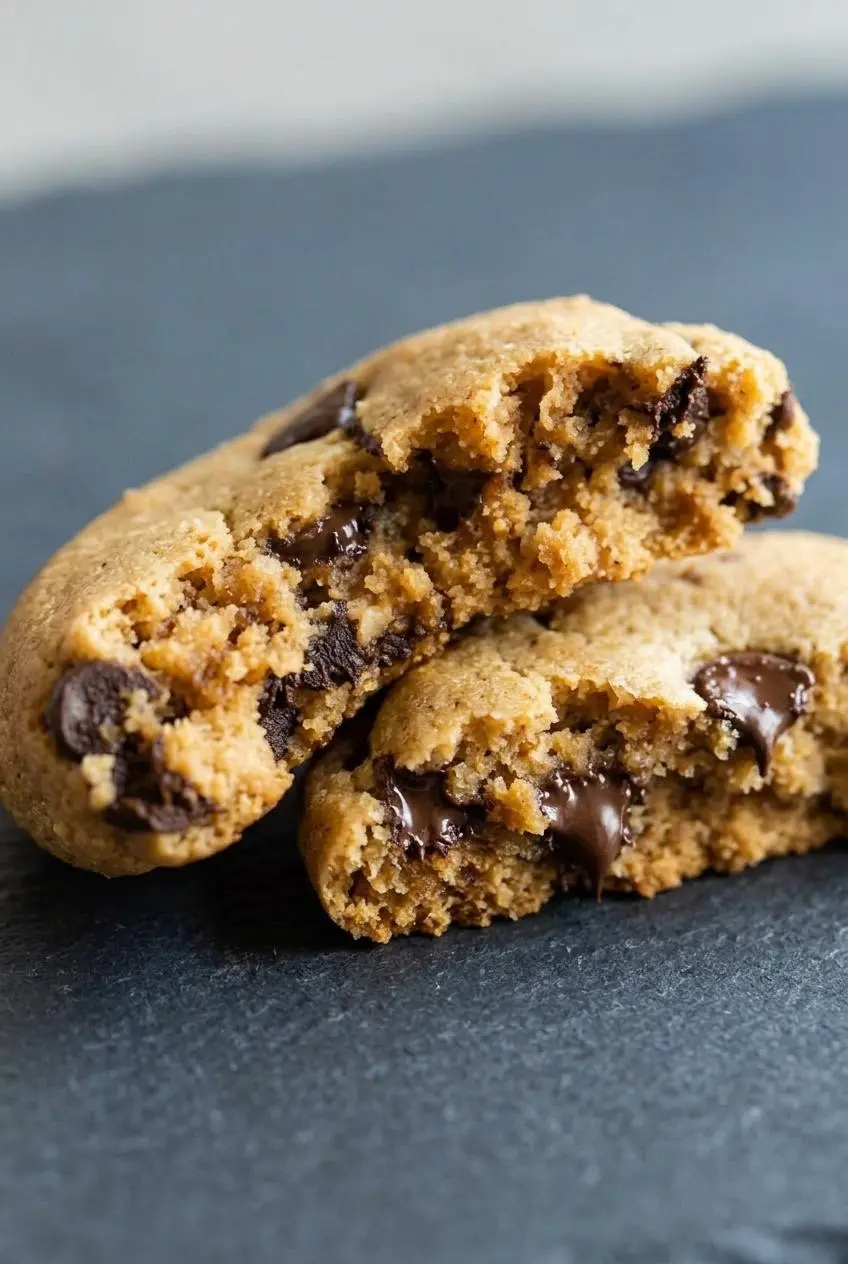
Small differences in almond flour and peanut butter can noticeably change this dough. These fixes keep the cookies tender instead of dry, flat, or overly firm.
- Crumbly dough: Almond flour can vary in absorbency, and thick peanut butter can make the mixture feel dry. Mix until no dry patches remain, then let the dough sit briefly so the flour can hydrate before rolling.
- Sticky dough: Very oily peanut butter can loosen the mixture. Stir the dough until cohesive, then handle it gently with clean, dry hands rather than working in extra ingredients.
- Cookies spreading too much: Warm dough spreads more readily. Shape the dough once it feels firm enough to roll and use parchment to keep the bottoms from catching.
- Dry or rubbery cookies: Overbaking is usually the culprit. Pull them when the edges are lightly golden and the centers still look soft, since they firm as they cool.
For a different style of low-carb drop cookie, these keto chocolate chip cookies offer a useful comparison for how a less peanut-butter-forward dough behaves in the oven.
Cooling and Storage for Better Texture
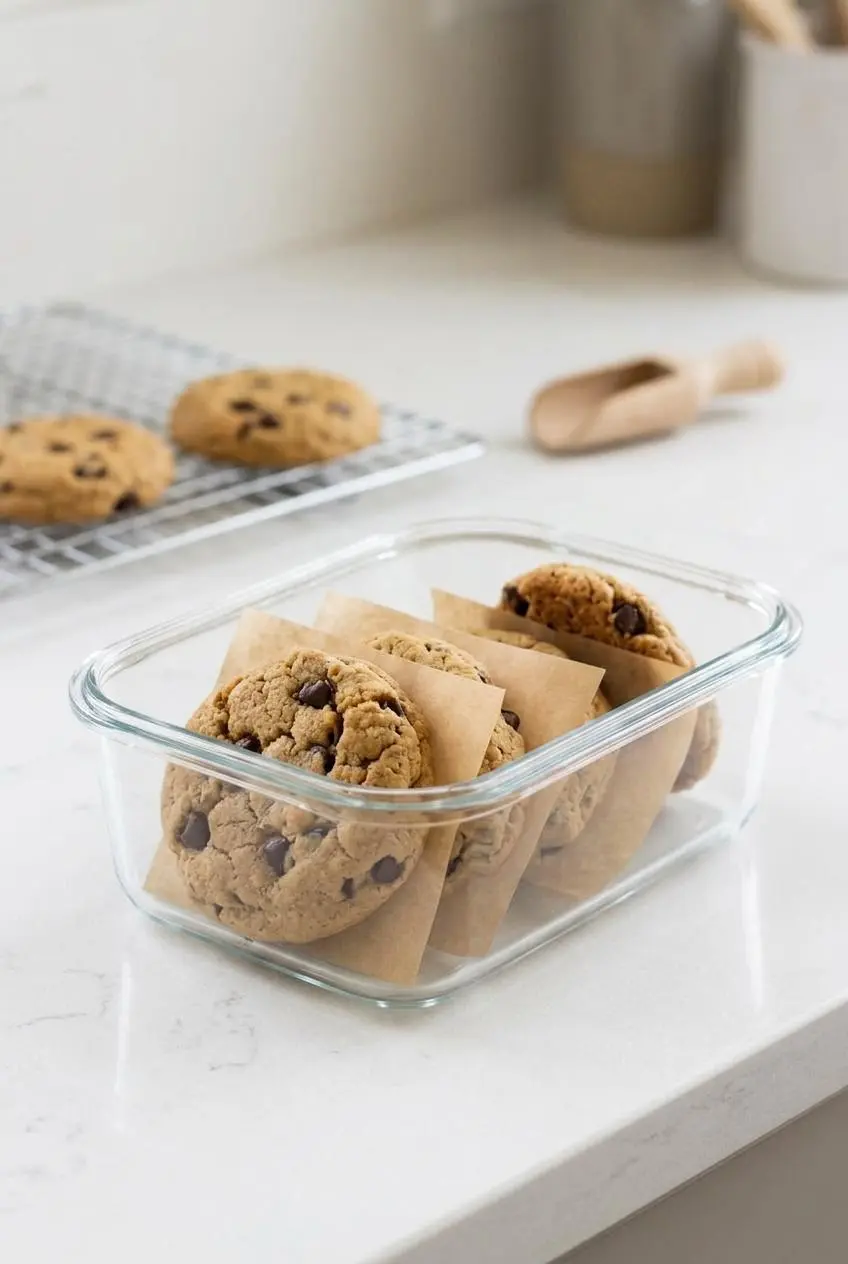
The Critical Sheet Pan Resting Phase
Leave the cookies undisturbed on the warm baking sheet until completely cool. Grain-free dough is delicate while hot, and moving it too early can cause cracks or crumbling. As the butter and sweetener cool, the cookie structure firms and the outside gains a gentle crispness around the chewy middle.
Airtight Container Best Practices
Once completely cool, place the cookies in an airtight container and keep them away from humidity. For a firmer texture, refrigerate them in a well-sealed container. Separate stacked cookies with parchment paper to protect the chocolate and prevent the surfaces from sticking together.
If the cookies develop an off smell, unusual texture, or altered taste, discard them rather than serving them.
Flourless Variations and Quick Options
These ideas change the cookie’s flavor or structure, so keep them separate from the main method rather than mixing them into this dough without adjustment.
Flourless 3-Ingredient Peanut Butter Cookies
A flourless version relies on peanut butter, egg, and granular sweetener. Without almond flour, the cookies bake up denser and chewier, with a stronger peanut butter flavor and a more delicate structure. Chocolate chips can be omitted for the classic minimal style.
Double Chocolate Cocoa Dough
For a deeper chocolate profile, use unsweetened cocoa powder in a separately developed cocoa dough. Cocoa adds bitterness and richness, so it works best when balanced with a sweetener that does not leave a strong cooling sensation. For an all-chocolate direction, try these keto chocolate cookies.
Melted Chocolate Dipped Cookies
For a dressier finish, let the cookies cool completely, then dip half of each cookie in melted sugar-free chocolate. Set them on parchment until the coating firms. The crisp chocolate shell makes a nice contrast with the soft peanut butter center.
A dairy-free variation can use coconut oil in place of butter, though the finished cookies will have a lighter coconut aroma and a slightly different melt-in-the-mouth texture.
Pairing and Serving Recommendations
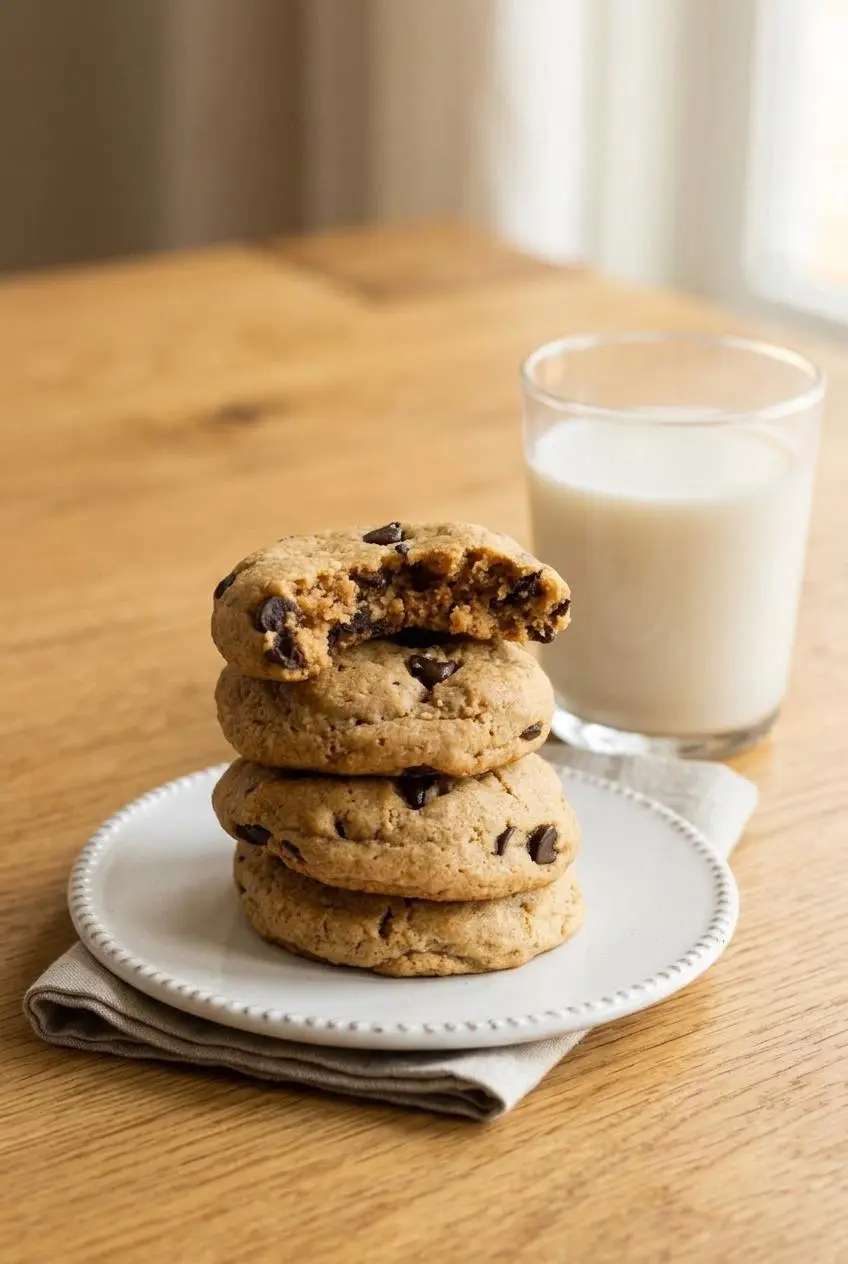
These cookies shine when paired with something cool, unsweetened, or lightly bitter.
- Serve with chilled unsweetened vanilla almond milk or light coconut milk for dipping.
- Pair with hot black coffee, espresso, or cold brew to balance the cookie’s sweet, nutty richness.
- Set a cooled cookie beside keto-friendly whipped cream for an easy dessert plate.
- Serve with a scoop of keto chocolate ice cream when you want a more indulgent chocolate-and-peanut-butter dessert.
Mastering Keto Peanut Butter Chocolate Cookies
The best results come from balancing smooth natural peanut butter, fine almond flour, and chocolate chips that stay distinct in the dough. The result is rich, nutty, chocolatey, and tender with lightly golden edges.
Give the cookies time to cool on the pan before lifting them. That pause turns a fragile warm cookie into the chewy, satisfying treat you wanted.
Frequently Asked Questions
Why Are My Keto Cookies So Soft When I Pull Them From the Oven?
They are meant to be soft at first. Almond flour cookies do not have gluten to hold their shape while hot, so the structure finishes setting as the butter and sweetener cool. Leave them on the baking sheet until completely cool for the best chewy texture.
Can I Use Crunchy Peanut Butter Instead of Creamy?
Yes, as long as it is unsweetened and well stirred. Crunchy peanut butter adds small nutty bits, but creamy peanut butter makes a smoother dough and distributes the chocolate chips more evenly.
What Is the Best Sweetener to Avoid a Cooling Aftertaste?
A brown low-carb sweetener usually gives the warmest, most caramel-like flavor in these cookies. Monk fruit blends may also suit your taste. Avoid changing sweeteners without considering texture, since different blends can make the dough behave differently.
Can I Substitute Almond Butter or Sunflower Seed Butter?
Yes, both are workable alternatives when they are unsweetened and thoroughly mixed. Almond butter creates a milder flavor, while sunflower seed butter tastes earthier and may alter the cookie color. Expect some variation in dough thickness between brands.
How Long Will These Keto Cookies Stay Fresh?
Store fully cooled cookies in an airtight container away from moisture, and refrigerate them if you prefer a firmer bite. Keep the layers separated with parchment when stacking, and discard any cookies that develop an off smell, unusual texture, or altered taste.
Keto Peanut Butter Chocolate Cookies

Equipment
- Baking sheet
- Parchment paper
- Medium mixing bowl
- Separate mixing bowl
- Whisk
Ingredients
- 2 Tablespoons Melted Butter
- 2 Tablespoons Unsweetened Natural Peanut Butter
- 1/2 Cup Brown Swerve or Regular Granular Swerve
- 1 Egg
- 1 Cup Almond Flour
- 1/2 Teaspoon Baking Powder
- 1/4 Teaspoon Baking Soda
- 1/4 Teaspoon Salt
- 1/4 Cup Low Carb Chocolate Chips (I use Lily’s)
Instructions
- Heat the oven to 350 degrees Fahrenheit. Line a baking sheet with parchment paper while the oven comes up to temperature.
- Whisk the melted butter, peanut butter, Swerve, and egg in a medium bowl until fully smooth. The mixture should look glossy and uniform, with no streaks of egg or peanut butter.
- Combine the almond flour, baking powder, baking soda, and salt in a separate bowl. Break up any floury clumps so the leaveners are evenly dispersed.
- Stir the dry mixture into the peanut butter mixture until a dough forms. Stop when the dough looks smooth and holds together without excessive stickiness.
- Fold in the chocolate chips with a light hand. Mix only until the chips are distributed through the dough.
- Shape the dough into 8 large balls and arrange them on the parchment-lined baking sheet. Leave space around each ball so heat can circulate evenly.
- Bake for 15 minutes at 350 degrees. Look for lightly golden edges and soft centers, then leave the cookies on the pan to cool completely.