Skip to content
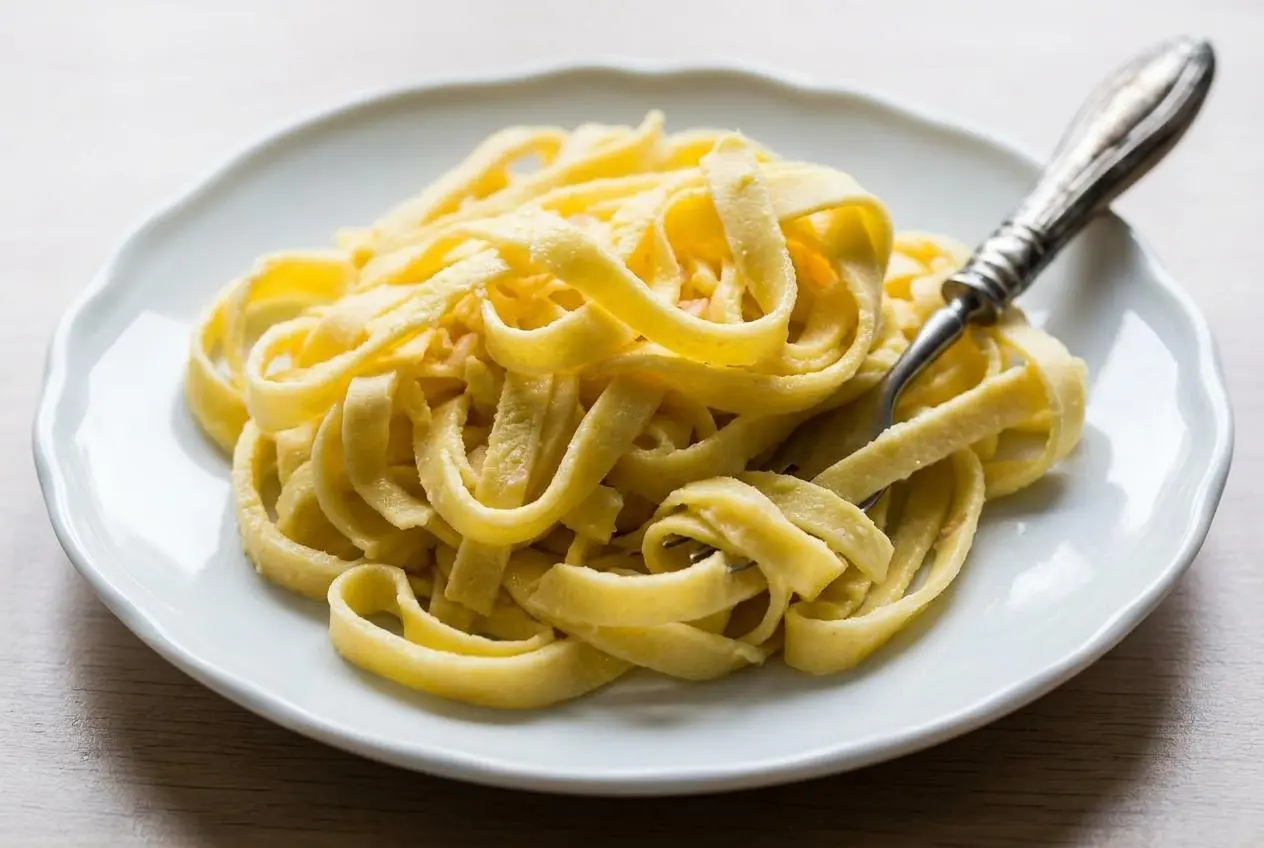
A keto egg noodles recipe gives you tender, low-carb noodles made from eggs, cream cheese, and almond flour, baked into a thin sheet, then rolled and sliced. The texture is delicate but pliable, and the noodles work especially well in warm broth or creamy sauce.
If you miss soft egg noodles on a low-carb diet, this version gets surprisingly close with a very short bake and a simple sheet-pan method. It’s more like homemade pasta than a substitute built to disappoint.
The best part is how adaptable it is. Keep it plain, add turmeric for color, or fold the noodles into soup right before serving so they stay soft instead of mushy. That last detail makes a big difference.
Let the eggs, butter, and cream cheese come to room temperature before blending so the batter turns smooth instead of lumpy.
The Key Ingredients for Keto Egg Noodles
Each ingredient pulls its weight here, shaping the noodles’ softness, structure, richness, and color so the finished strips feel pasta-like rather than scrambled-eggy.
- 1/4 Cup Cream Cheese
- 2 Tbsp Butter
- 4 Tbsp Almond Flour
- 3 Eggs (40 g each)
- Optional:
- 1 tsp Turmeric
The Magic of Cream Cheese and Eggs
Eggs form the base of the noodles and create the sheet that gets sliced into strands. Cream cheese matters just as much because its fat softens the egg texture and helps tame that strong egg-forward flavor that can make low-carb noodles taste more like an omelet.
Butter adds more richness and helps the batter blend smoothly. As the sheet bakes, you want it set but still flexible. A faint baked-egg aroma and edges that are just barely turning golden are good signs that it is ready to come out.
I like to press the cream cheese and butter out on the counter for a bit before blending. When they soften fully, the batter looks silkier and the noodles slice more cleanly later.
Selecting Your Binder
Almond flour gives this version body and keeps the sheet from feeling flimsy. It does not make the noodles chewy like wheat pasta, but it does help them hold together and stay tender after slicing.
If you want a deeper yellow color, turmeric is an easy optional addition. It also adds a subtle warm note. Savory seasonings like garlic powder, onion powder, or dried Italian herbs can be mixed in as optional flavor boosters, but they stay outside the official recipe so you can keep the base version neutral for soup, Alfredo, or buttered noodles.
Step-by-Step Keto Egg Noodles Recipe
- Heat the oven to 150 C or 300F.
The oven should be fully preheated so the thin batter sets quickly and evenly. - Set out the cream cheese, butter, almond flour, eggs, and turmeric if using, and make sure everything is at room temperature.
This helps the mixture blend smoothly instead of turning grainy or clumpy. - Blend all of the chosen ingredients in a Magic Bullet or another kitchen mixer until completely smooth.
The batter should look uniform and pourable with no visible bits of cream cheese. - Line a baking tray with a silicone baking sheet.
A silicone surface makes it much easier to spread the batter thinly and lift the baked sheet without tearing. - Pour the full batter onto the prepared tray.
Try to keep it centered so it can be spread evenly to the edges. - Use a spatula or knife to spread the batter into a very thin, even layer.
Thin batter makes the most noodle-like texture, while thick spots stay too soft and bulky. - Bake for 8 minutes.
The sheet should look set, smell gently buttery and eggy, and show only slight browning around the edges. - Cool the baked sheet, then roll it gently into a log and slice it with a very sharp knife into your preferred noodle width.
Once cool, the sheet should feel soft and pliable rather than sticky or crisp. - Unroll the sliced noodles and place them into a bowl for serving.
The strands should separate with a delicate feel, ready for broth, butter, or sauce.
Blending for a Smooth Batter
The smoother the batter, the better the final texture. If cream cheese or butter is still cold, the mixture can stay speckled, which leads to uneven baking and weak spots in the sheet. Blend until the batter looks fully combined and glossy.
Spreading and Baking Techniques
Spread the batter as thinly as you can without leaving holes. That one step has the biggest effect on whether these feel like noodles or soft egg squares. A silicone mat is the easiest route, but if you need to use parchment, grease it well first so the delicate sheet releases more easily.
The oven-sheet method is also less fussy than a skillet crepe approach. You get more consistent thickness, less hands-on time, and cleaner noodle shapes once you roll and cut.
The Roll and Slice Method
Wait until the sheet has cooled before rolling. Warm sheets are more likely to stick to themselves or tear. When it is ready, it should bend easily and feel soft in your hands.
A very sharp knife works well, and a pizza cutter can make especially neat strips if you want more even noodles. Cut to whatever width fits your meal, from thin soup noodles to broader ribbons.
Custom Binders and Flavor Variations
This recipe works as written, but the binder changes the final texture more than anything else. If you want to explore more low-carb pasta alternatives, this is a good place to start comparing what each option brings.
Gluten-Free & Nut-Free Noodles (Xanthan Gum)
If you need to avoid both nuts and gluten, xanthan gum is one of the most useful swap directions. It adds stretch and helps the sheet hold together without almond flour, though the texture usually feels more slippery and less tender than the almond flour version.
Psyllium husk is another gluten-free binder some cooks like for extra structure, but it absorbs moisture differently and can make the batter thicken fast. If you go that route, expect a more elastic result and spread the batter promptly once mixed.
Chewy Textured Noodles (Vital Wheat Gluten)
For a more pasta-like chew, vital wheat gluten is the binder that changes the texture most dramatically. It creates more bite and a firmer noodle, closer to an al dente feel than almond flour does.
That said, it is not suitable for anyone with celiac disease or gluten sensitivity. Use it only if gluten works for your diet. The flavor stays fairly neutral, so it pairs especially well with rich sauces.
Keto Carnivore Noodles (Pork Rinds & Parmesan)
For a more savory, starch-free direction, finely crushed pork rinds and grated Parmesan can add body and a deeper salty flavor. This variation usually bakes into a sturdier sheet with a little more structure.
Because both ingredients bring stronger flavor, they work best when you want the noodles to stand up to butter, black pepper, or a bolder meat sauce. Garlic powder or Italian herbs can also push the noodles in a more dinner-ready direction without changing the base method.
Troubleshooting Common Texture Issues
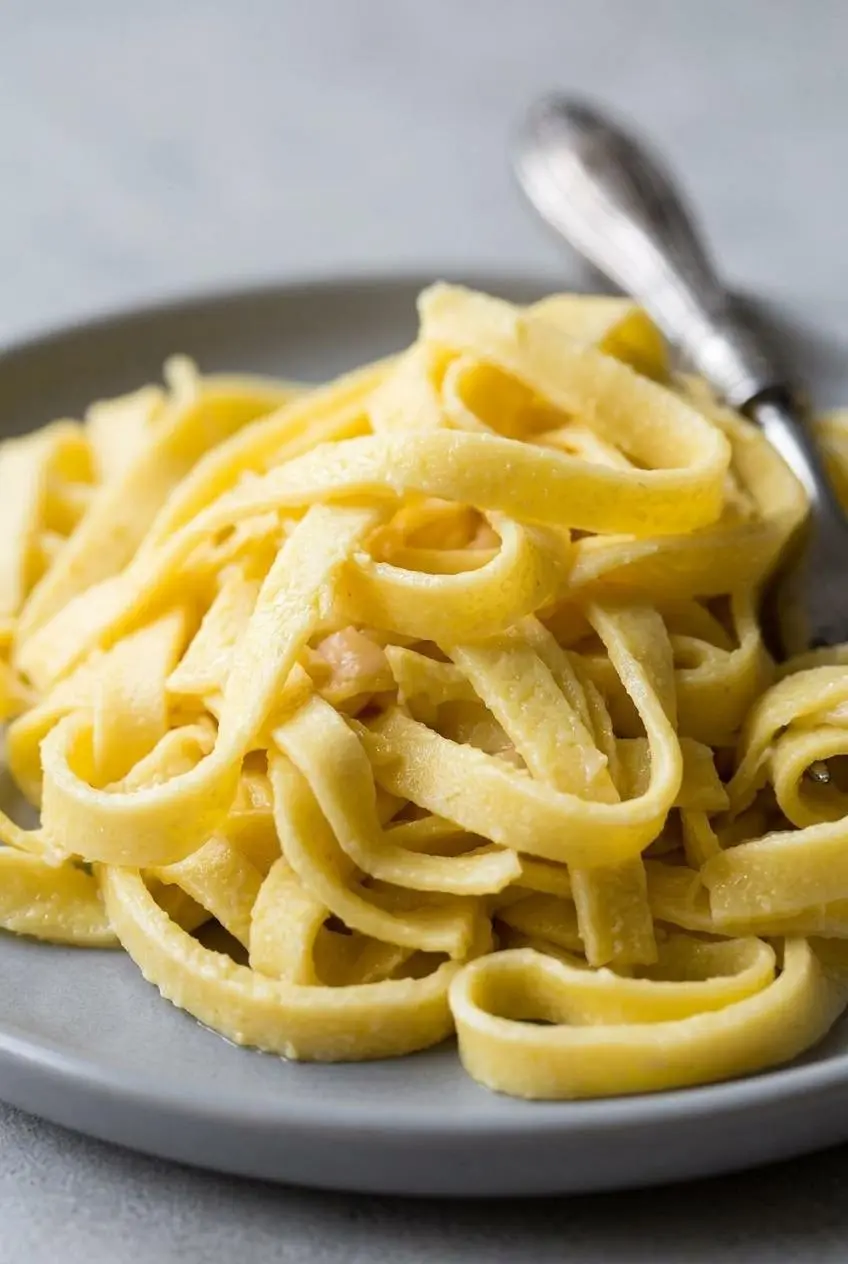
Most problems come down to spreading, sticking, or overbaking. The good news is that small texture issues are often manageable.
- If the sheet turns dry or crisp, it likely baked a little too long. Let it cool fully, then try slicing it gently into wider strips since narrow cuts tend to crack more easily.
- If the noodles tear while rolling, the sheet probably needed more cooling time. A fully cooled sheet feels pliable and soft instead of warm and fragile.
- If the batter is hard to spread thinly, it may not have blended smoothly enough. Mix until completely uniform, then push it outward in gentle passes rather than dragging it aggressively.
- If the baked sheet sticks, a silicone mat usually solves the issue. When using parchment, grease it well first because this batter is delicate and can grab onto dry paper.
- If the noodles taste too eggy, stronger savory flavors help. Garlic powder, onion powder, dried herbs, or a bold sauce can shift the flavor away from scrambled-egg territory.
- If the edges brown too much before the center sets, the layer may be uneven. Aim for a more level spread so the whole sheet bakes at the same pace.
How to Store and Reheat Your Noodles
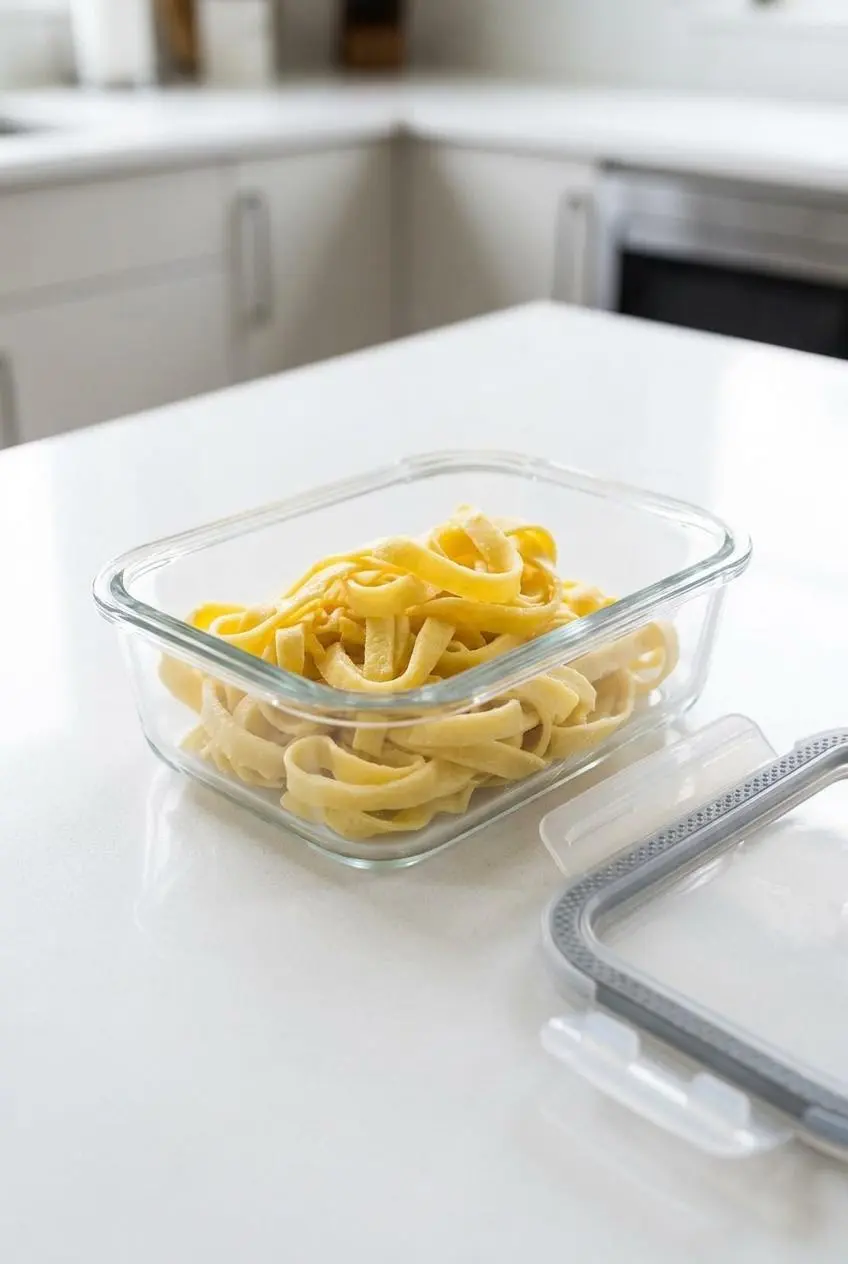
These noodles can be made ahead, but they stay at their best when kept cool and handled gently. Once fully cooled, place them in an airtight container in the refrigerator so they do not dry out or pick up moisture from other foods.
For reheating, skip boiling water. These noodles are already cooked, and direct boiling can make them too soft or cause them to break. Warm them gently in sauce, or add them to hot broth right at the end so they heat through without falling apart.
If you want to prep for later meals, store the noodles plain and add sauce only when serving. Keeping the sauce separate helps the texture stay more distinct instead of soaking up liquid too early.
Because this recipe is built on eggs, keeping leftovers chilled and handling them promptly lines up with safe egg storage and handling.
Are These Noodles Suitable for Your Diet?
This depends on which version you make, but the base recipe fits several common low-carb needs without trying to be everything to everyone.
Keto and Low-Carb Alignment
Traditional egg noodles are made with wheat flour, so they are usually too carb-heavy for a strict keto approach. This homemade version replaces that flour base with eggs, cream cheese, and almond flour, making it a much better fit for keto, low-carb, and grain-free eating.
The recipe data lists very low carbohydrate content per serving, which is why these noodles are so popular for comfort-food meals that still stay within a low-carb style of eating.
Gluten Sensitivity Warnings
The almond flour version is grain-free, but it is not nut-free because it contains almond flour. If you need a nut-free option, a xanthan gum direction makes more sense.
If you choose a variation with vital wheat gluten, that version is not gluten-free and should be avoided by anyone with celiac disease or gluten sensitivity. For those diets, stick with binders such as xanthan gum or psyllium husk instead.
Delicious Ways to Serve Keto Egg Noodles
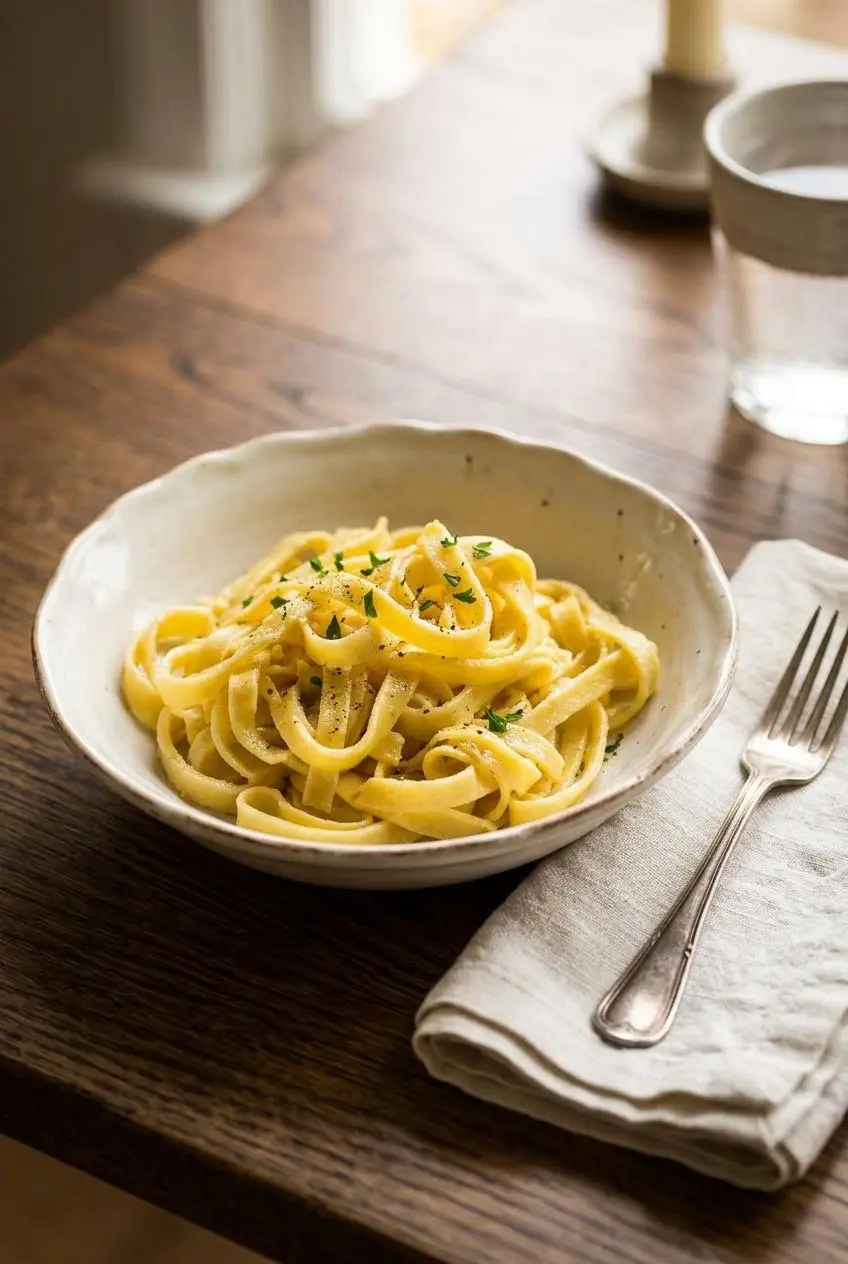
These noodles are mild, tender, and easy to pair with comfort-food flavors. They shine most when treated gently.
- Toss them with melted butter, cracked black pepper, and fresh herbs for the closest thing to classic buttered noodles.
- Fold them into a bowl of hot chicken soup right before eating so they warm through without sitting too long in the broth.
- Coat them in Alfredo sauce with sliced grilled chicken for a low-carb fettuccine-style dinner.
- Spoon marinara or bolognese over the top and finish with grated cheese for a more traditional pasta feel.
- Serve them under creamy beef stroganoff if you want the classic comfort-food pairing egg noodles were born for.
- Warm them briefly in butter before saucing if you want a slightly firmer surface and a richer finish.
Bringing Classic Pasta Back to Your Keto Table
This recipe proves you can still have soft, comforting noodle bowls without leaning on wheat flour. The key is to bake the sheet just until set, then let it cool completely before rolling and slicing.
Once you get the feel for the batter and the right thickness on the tray, you can shape the noodles however you like and pair them with almost any cozy low-carb meal. Comfort food is still very much on the table.
Frequently Asked Questions About Keto Egg Noodles
Do you have to boil keto egg noodles?
No. These noodles cook during the baking step, so they are ready once sliced. For hot meals, warm them in sauce or add them to hot broth just before serving. Boiling can make them too soft, so gentler heat works better.
Why do my keto noodles taste so eggy?
That usually happens when the batter is very egg-forward and lightly seasoned. Cream cheese helps soften the egg flavor, which is one reason it matters so much in this recipe. Garlic powder, onion powder, dried herbs, or a bolder sauce can make the flavor feel more noodle-like and less like baked eggs.
Can I make these noodles ahead of time?
Yes. Bake, cool, slice, and refrigerate them in an airtight container until you are ready to serve. For the best texture, store them plain and add broth or sauce later. Reheat gently rather than dropping them into rapidly boiling liquid.
Will these noodles fall apart in soup?
They can soften if they sit in liquid too long because the texture is delicate. Add them to a hot bowl of soup at the end instead of simmering them in the full pot. Wider strips usually hold up a bit better than very thin ones.
Keto Egg Noodles Recipe

Equipment
- Magic Bullet or mixer
- Baking tray
- Silicone baking mat
- Sharp knife or pizza cutter
Ingredients
- 1/4 Cup Cream Cheese
- 2 Tbsp Butter
- 4 Tbsp Almond Flour
- 3 Eggs (40 g each)
- 1 tsp Turmeric optional
Instructions
- Heat the oven to 150 C or 300F. The oven should be fully preheated so the thin batter sets quickly and evenly.
- Set out the cream cheese, butter, almond flour, eggs, and turmeric if using, and make sure everything is at room temperature. This helps the mixture blend smoothly instead of turning grainy or clumpy.
- Blend all of the chosen ingredients in a Magic Bullet or another kitchen mixer until completely smooth. The batter should look uniform and pourable with no visible bits of cream cheese.
- Line a baking tray with a silicone baking sheet. A silicone surface makes it much easier to spread the batter thinly and lift the baked sheet without tearing.
- Pour the full batter onto the prepared tray. Try to keep it centered so it can be spread evenly to the edges.
- Use a spatula or knife to spread the batter into a very thin, even layer. Thin batter makes the most noodle-like texture, while thick spots stay too soft and bulky.
- Bake for 8 minutes. The sheet should look set, smell gently buttery and eggy, and show only slight browning around the edges.
- Cool the baked sheet, then roll it gently into a log and slice it with a very sharp knife into your preferred noodle width. Once cool, the sheet should feel soft and pliable rather than sticky or crisp.
- Unroll the sliced noodles and place them into a bowl for serving. The strands should separate with a delicate feel, ready for broth, butter, or sauce.