Skip to content
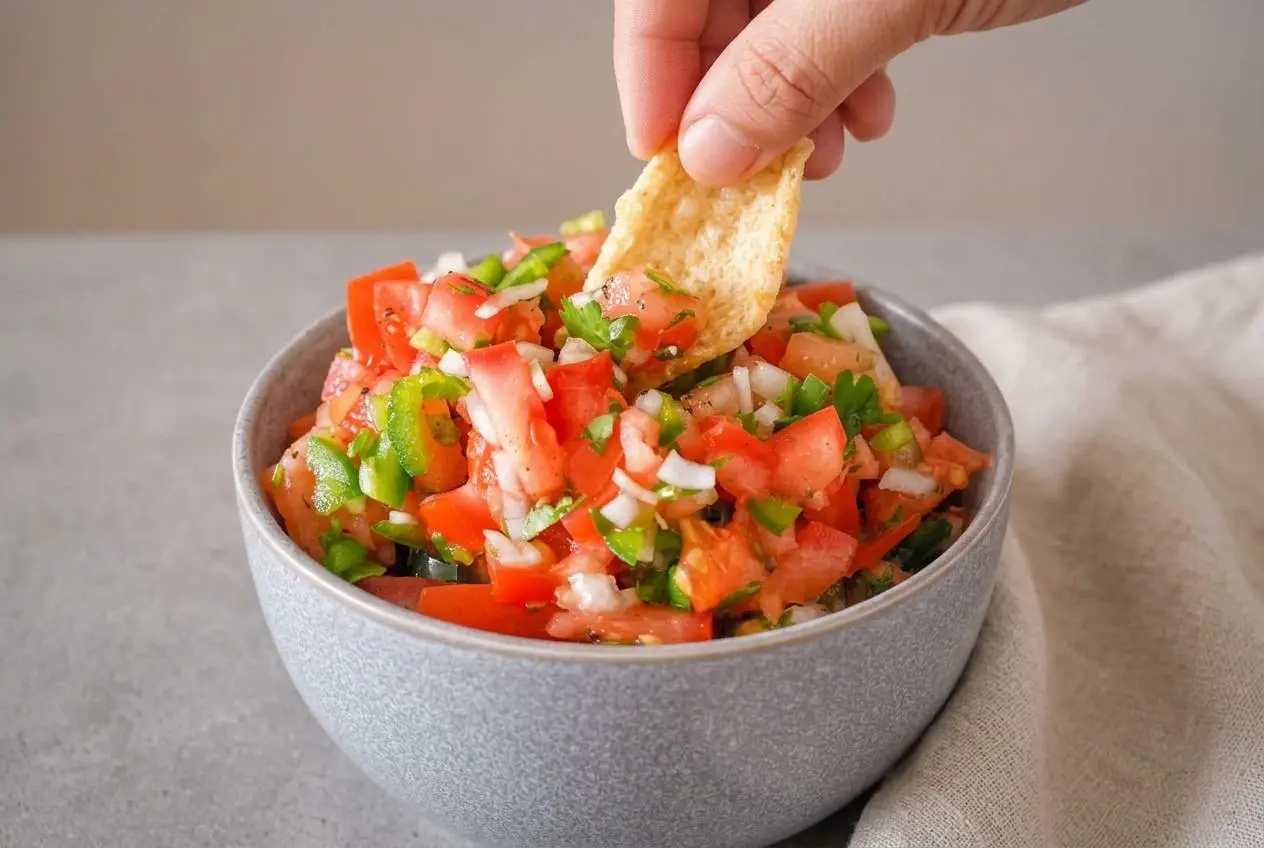
Keto pico de gallo is a crisp, no-cook salsa fresca made with hand-diced tomatoes, onion, jalapeños, cilantro, and bright lime and lemon juices. It brings bold fresh flavor to low-carb meals without a cooked or blended tomato base.
This keto pico de gallo recipe keeps the vegetables chunky, zesty, and refreshing. Fresh citrus and a brief chill help the flavors settle into every bite.
The key is controlling tomato moisture before it reaches the bowl. That first crisp scoop is worth it.
Wash whole produce under running water, dry it well, and use a clean cutting board before chopping.
Key Ingredients for Authentic Flavor and Crisp Texture
Each ingredient has a clear job: tomatoes provide structure, onion adds crunch, jalapeños bring heat, cilantro adds aroma, and citrus creates the bright dressing that ties the salsa together.
- 4 (500g) tomato (2-3" diameter each) (diced)
- 1 medium (110g) onion (2-3" diameter) (diced)
- 2 whole (30g) Jalapeno Peppers (diced)
- ½ cup (10g) cilantro (finely chopped)
- ¼ cup (45g) lime juice (1 full lime)
- ¼ cup (45g) lemon juice (I full lemon)
- salt & pepper (to taste)
Tomatoes bring juicy sweetness, while onion and jalapeño give the salsa its lively bite. Cilantro supplies a clean herbal finish, and the two citrus juices sharpen everything without needing refined sugar.
Selecting Meaty Roma or Plum Tomatoes
Choose Roma or plum tomatoes when possible. Their firmer, meatier flesh holds a neat dice better than very juicy slicing tomatoes, which can turn the bowl watery quickly. Look for smooth, vibrant skin and a little give when pressed, without soft spots or a mealy interior.
Tomato walls are what you want here. They stay pleasantly crisp after meeting salt and citrus, while the loose seed pulp is the part most likely to dilute the flavor.
Choosing Between Red and White Onions
White onion gives pico de gallo a sharper, cleaner crunch and a more traditional fresh-salsa profile. Red onion has a milder bite and adds purple color, while yellow onion lands somewhere between the two with a rounder savory flavor.
Use the onion that suits your meal, but keep the dice small and even so no single piece takes over a bite. A chunky salsa should feel balanced, not like an onion obstacle course.
Handling Fresh Jalapenos and Heat Levels
Jalapeños bring grassy heat that wakes up the tomatoes and citrus. Most of the capsaicin sits in the pale inner membranes and seeds, so scrape them out for gentler heat or leave some intact for a hotter finish.
Wear gloves if your skin is sensitive, avoid touching your face while chopping, and wash hands thoroughly afterward. Serranos can replace jalapeños as an optional hotter choice, but they bring a stronger burn.
Fresh Lime and Lemon Citrus Juices
Freshly squeezed lime juice tastes bright and tangy, while lemon juice softens the sharp edges with a rounder acidity. Together, they season the vegetables and draw out a small amount of flavorful juice that becomes a light dressing at the bottom of the bowl.
Bottled citrus can work in a pinch, but fresh juice gives salsa fresca its clean, lively finish.
Essential Prep Secrets for Crisp, Non-Watery Salsa
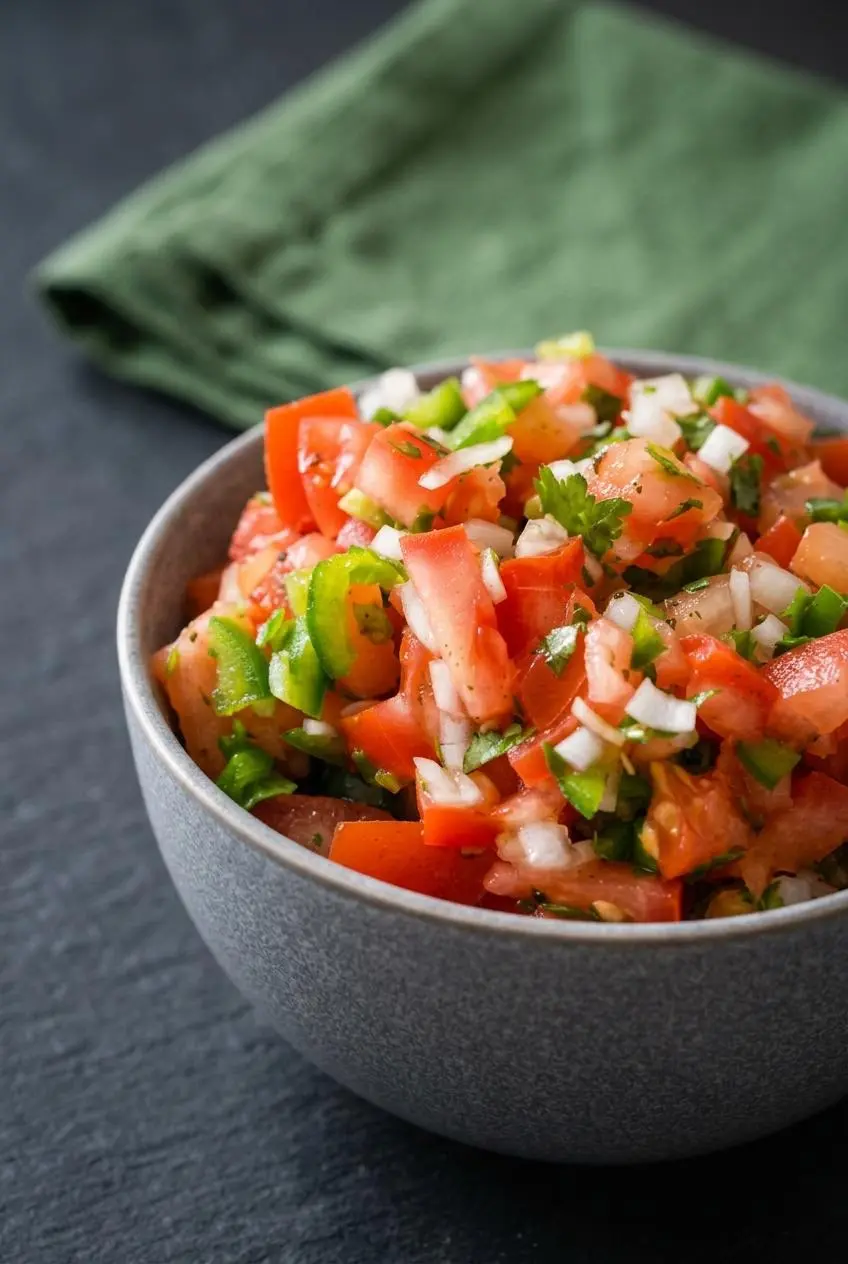
Good pico de gallo starts with clean cuts and dry, firm vegetables. A little natural juice is desirable, but excess tomato pulp can turn a fresh salsa into a thin puddle.
Coring and Removing Wet Seed Pulp
Cut each tomato in half, then use a small spoon or the tip of a knife to lift out the slippery seed pockets before dicing the firmer outer flesh. This protects the salsa’s chunky texture and keeps the citrus dressing from becoming diluted.
If the tomatoes are especially ripe, remove the core as well. The remaining tomato flesh should feel firm enough to cut into tidy pieces rather than collapse under the knife.
Knife Sharpening and Uniform Dicing
A sharp chef’s knife or paring knife slices through tomato skin cleanly instead of crushing the flesh. Crushing breaks more cells, which releases extra liquid and leaves ragged pieces behind.
Keep the tomato, onion, and jalapeño pieces close in size for an even mouthfeel. Finely chop the cilantro so it disperses through the salsa instead of gathering in leafy clumps.
I prefer firm tomatoes with a slight give because they dice cleanly and still taste ripe after the citrus has had time to work.
The Slotted Spoon Serving Technique
Salt and citrus naturally pull moisture from the vegetables as the salsa rests. That liquid is flavorful, but serving with a slotted spoon lets excess juice stay in the bowl instead of soaking pork rinds, cheese crisps, or warm egg dishes.
- Watery salsa: The tomatoes likely carried too much seed pulp. Remove the wet center before dicing and use the firmer walls.
- Mushy texture: A dull knife can crush the vegetables. Sharpen the blade and cut with deliberate, clean strokes.
- Muted flavor: Let the mixture chill so the citrus, onion, herbs, and seasoning have time to mingle.
Step-by-Step Keto Pico de Gallo Recipe Preparation
Hand-dicing keeps this salsa cruda distinctly chunky. The rest in the refrigerator lets the salt and citrus blend with the onion and jalapeño, creating a brighter aroma and a lightly seasoned natural juice.
- Dice the tomato, onion, and jalapeño peppers with a sharp knife, then finely chop the cilantro.
Keep the pieces evenly cut so the finished salsa feels crisp and balanced in each spoonful. - Place the chopped vegetables and cilantro in a large bowl, then add the lime juice, lemon juice, salt, and pepper to taste.
Toss gently until the citrus lightly coats the vegetables and the cilantro is evenly distributed. - Refrigerate the pico de gallo for at least 1 hour or overnight, or serve it right away if preferred.
After resting, the onion aroma will soften slightly and a small pool of seasoned vegetable juice will collect in the bowl.
Is Pico de Gallo Keto-Friendly? Carbs and Dietary Fit
Pico de gallo can fit a keto eating pattern when you account for the tomatoes and onions within your personal daily carbohydrate plan. This version uses whole vegetables, fresh herbs, citrus, and seasoning rather than sweetened jarred salsa ingredients.
The serving information for this recipe lists a small serving with modest carbohydrate content, but needs vary. Portion the salsa as a condiment alongside protein, eggs, or other low-carb foods rather than treating it as an unlimited dip.
Fresh salsa also makes rich meals taste lighter and more balanced without relying on sugary sauces. For strict tracking, use the ingredient amounts and serving size provided for this dish.
Flavor Variations and Fresh Customizations
Keep the main pico de gallo as written, then customize a portion at serving time. That way, everyone can choose their preferred level of heat and richness without changing the fresh tomato base.
Creamy Avocado Pico de Gallo
Gently fold diced firm-ripe avocado into a serving portion just before eating. It adds a creamy, buttery contrast to the crisp vegetables and works especially well over grilled fish or in a cauliflower rice bowl.
Add avocado at the last moment so its soft cubes keep their shape and color.
Mild Green Bell Pepper Salsa
For a no-heat version, replace the jalapeños with finely diced green bell pepper. It keeps the pleasant crunch and fresh green flavor while making the salsa friendlier for anyone avoiding chile heat.
A mild onion, such as a sweeter yellow onion, can further soften the overall bite.
Extra-Spicy Serrano and Jalapeno Blend
For bigger heat, use serrano pepper alongside jalapeño and keep some seeds and membranes intact. Serranos are usually hotter, so add them thoughtfully and taste before serving.
A light dusting of smoked paprika or chipotle chile flakes is another optional way to add earthy, smoky depth without changing the salsa’s fresh character.
Keto Meal Prep and Delicious Pairing Ideas
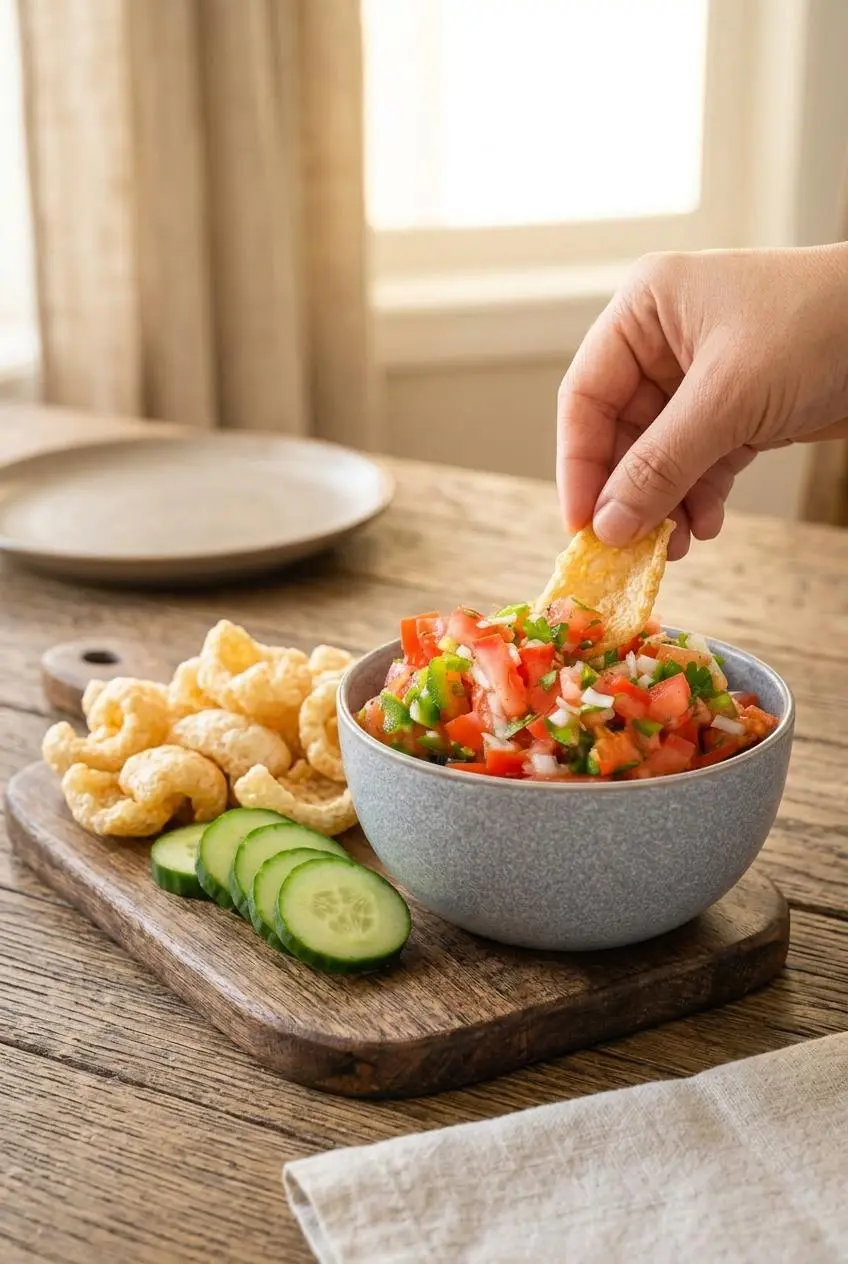
This bright salsa adds cold crunch and citrusy contrast to warm, savory food. Spoon it over a meal right before serving so the vegetables stay lively and the juices do not soften the rest of the plate.
Zero-Carb and Low-Carb Dippers
Serve pico de gallo with crispy pork rinds, baked cheese crisps, cucumber rounds, celery sticks, or crispy keto crackers. Choose a sturdy dipper that can hold a generous scoop without breaking under the tomato juices.
Breakfast Eggs and Skillet Toppings
Spoon the salsa over scrambled eggs, omelets, frittatas, or a breakfast casserole. The cold tomato and citrus mixture cuts through rich eggs beautifully, especially when the eggs are served hot.
Grilled Meats, Poultry, and Seafood Pairings
Use pico de gallo as a fresh garnish for grilled steak, smoky chicken, carnitas, or seared fish fillets. Its acidity and crunch bring welcome contrast to browned, savory proteins without covering their flavor.
Cauliflower Rice Burrito Bowls
Build a low-carb burrito bowl with seasoned cauliflower rice, your choice of protein, guacamole, sour cream, and a spoonful of pico de gallo. Add the salsa last and use a slotted spoon if you want the bowl to stay especially tidy.
Make-Ahead Storage and Freshness Best Practices
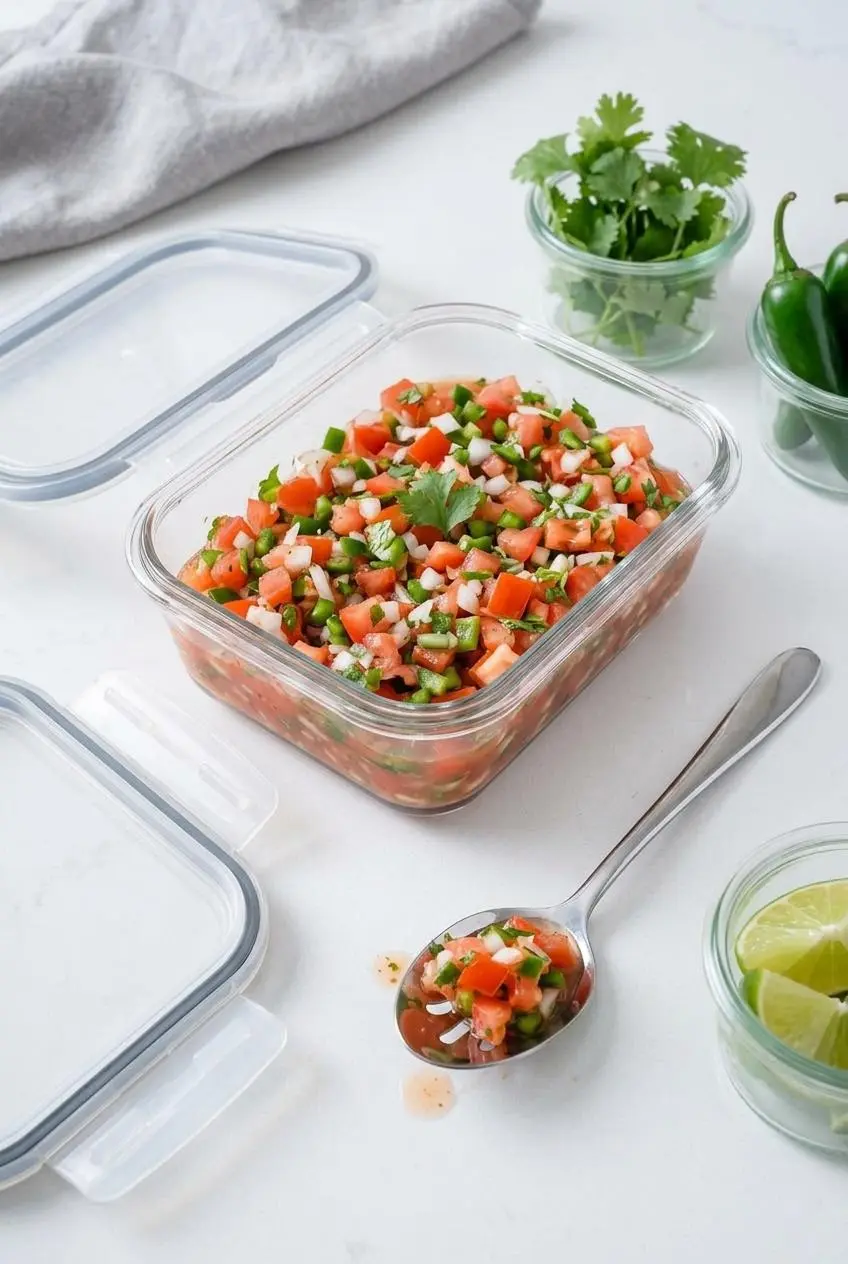
Store the pico de gallo in an airtight glass container in the refrigerator and keep it chilled until serving. Stir gently before serving, then use a slotted spoon if liquid has collected at the bottom.
For fresher flavor, prepare the vegetables cleanly and rinse whole produce under running water without soap before cutting. Washing fresh produce under running water and keeping preparation surfaces clean helps reduce cross-contamination during prep.
A small squeeze of fresh citrus can revive the flavor before serving if the salsa tastes subdued after chilling. Freezing is not a good choice for this raw salsa because ice crystals damage the vegetables’ structure, leaving the tomatoes and onions soft and watery after thawing.
Mastering Fresh Homemade Low-Carb Salsa
Ripe plum tomatoes, removed seed pulp, an even dice, and a proper chill are the building blocks of crisp pico de gallo. The result is bright, chunky salsa with clean citrus flavor in every bite.
Keep a bowl nearby for eggs, grilled proteins, and low-carb dippers whenever a meal needs fresh contrast. A good spoonful can wake up an entire plate.
Frequently Asked Questions
Is Pico de Gallo Keto-Friendly?
It can fit a keto meal plan when enjoyed in portions that align with your carbohydrate goals. This pico de gallo uses fresh vegetables, herbs, citrus juice, salt, and pepper rather than sweetened salsa ingredients. Tomatoes and onions contain natural carbohydrates, so account for the serving information when tracking closely.
Why Does Homemade Pico de Gallo Get Watery, and How Do You Fix It?
Tomatoes release moisture after they are cut and mixed with salt and citrus. Remove the wet seed pulp before dicing, use a sharp knife to avoid crushing the flesh, and serve with a slotted spoon. If liquid gathers while chilling, stir the salsa gently rather than smashing the vegetables.
What Is the Difference Between Pico de Gallo and Traditional Salsa?
Pico de gallo, also called salsa fresca or salsa cruda, is made from raw, hand-diced vegetables and has a distinctly chunky texture. Traditional salsa is often cooked, roasted, or blended into a smoother, looser sauce. Both can be flavorful, but pico de gallo is all about the fresh crunch of individual ingredients.
How Do You Make Pico de Gallo Less Spicy?
Remove the jalapeño seeds and pale inner membranes before dicing, since those parts hold much of the pepper’s heat. For a completely mild option, use diced green bell pepper instead of jalapeño. Start gently with chile heat, then adjust a serving portion if needed.
Can You Freeze Leftover Low-Carb Pico de Gallo?
Freezing is not recommended for fresh pico de gallo. The freezing and thawing process breaks down raw tomato and onion structure, so the salsa loses its crisp texture and becomes watery. Keep it chilled in an airtight container instead and enjoy it while the vegetables still taste bright and firm.
Keto Pico de Gallo Recipe

Ingredients
- 4 (500g) tomato (2-3″ diameter each) (diced)
- 1 medium (110g) onion (2-3″ diameter) (diced)
- 2 whole (30g) Jalapeno Peppers (diced)
- ½ cup (10g) cilantro (finely chopped)
- ¼ cup (45g) lime juice (1 full lime)
- ¼ cup (45g) lemon juice (I full lemon)
- salt & pepper (to taste)
Instructions
- Dice the tomato, onion, and jalapeño peppers with a sharp knife, then finely chop the cilantro. Keep the pieces evenly cut so the finished salsa feels crisp and balanced in each spoonful.
- Place the chopped vegetables and cilantro in a large bowl, then add the lime juice, lemon juice, salt, and pepper to taste. Toss gently until the citrus lightly coats the vegetables and the cilantro is evenly distributed.
- Refrigerate the pico de gallo for at least 1 hour or overnight, or serve it right away if preferred. After resting, the onion aroma will soften slightly and a small pool of seasoned vegetable juice will collect in the bowl.