Skip to content
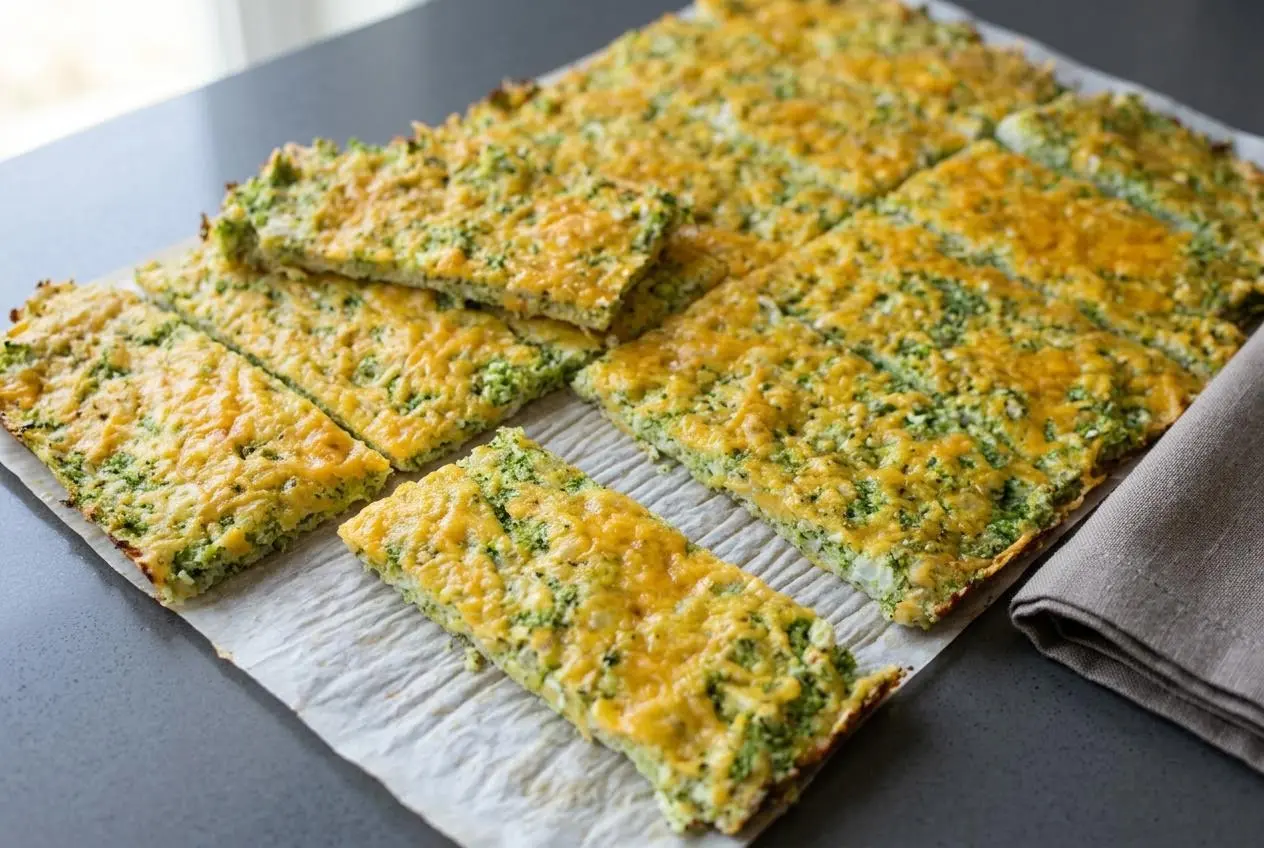
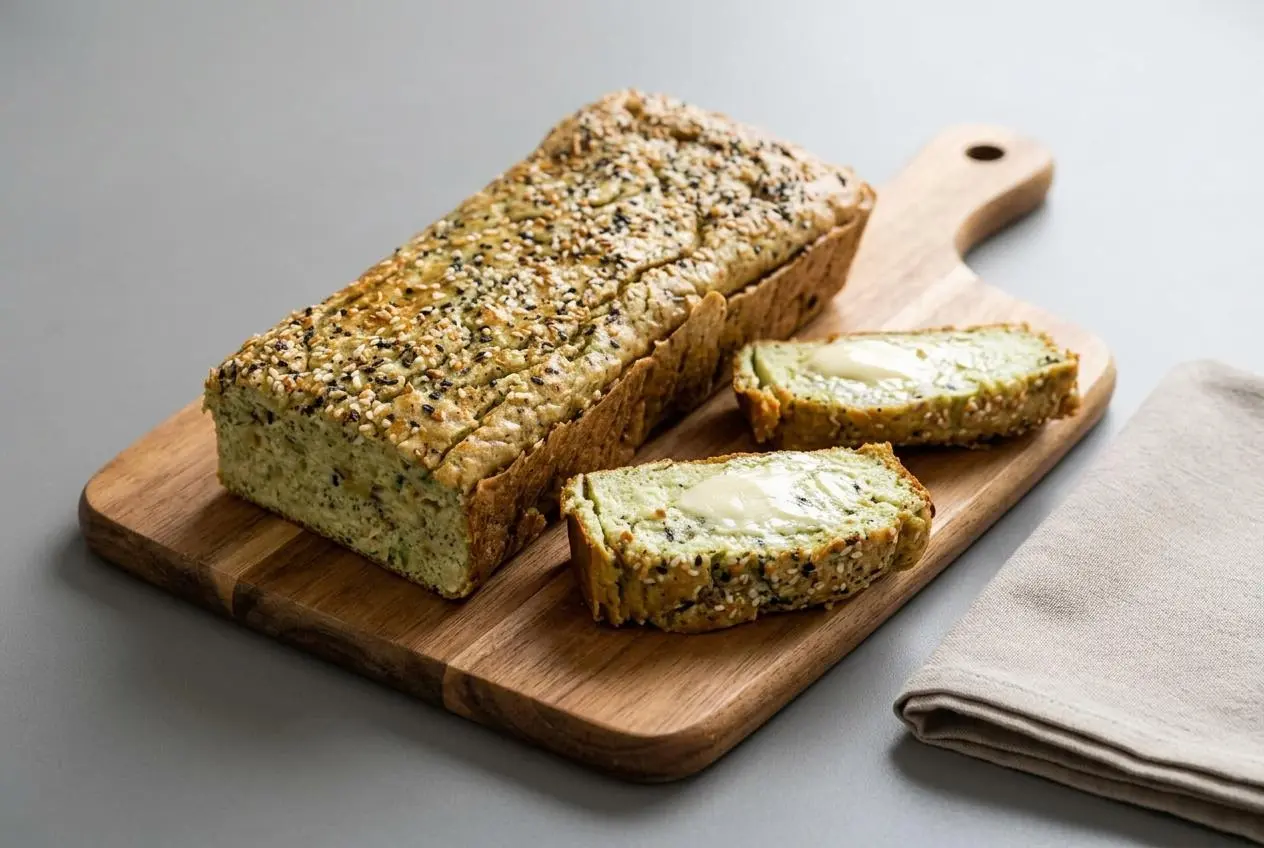
Keto broccoli bread is a cheesy, grain-free vegetable flatbread that bakes into sturdy slices when the broccoli and cauliflower are thoroughly squeezed dry before baking.
This keto broccoli bread combines finely riced broccoli and cauliflower with egg, Parmesan, cheddar, garlic, and oregano for a savory low-carb bread alternative.
The edges turn golden and lightly crisp while the center stays tender enough for sandwiches or dippers. The towel squeeze makes all the difference.
Use a clean, thin kitchen towel for the vegetables, and keep squeezing until the crumbs feel more like dry couscous than wet pulp.
Essential Ingredients for Sturdy Low-Carb Bread
Every ingredient contributes to the finished texture, from the vegetable crumb and egg structure to the cheese-rich binding and savory seasoning.
- 12 ounce Broccoli, Raw
- 8 ounce Cauliflower, Raw
- ½ cup, shredded Parmesan Cheese
- 1 large Raw Egg
- ¼ teaspoon Salt
- ¼ teaspoon Black Pepper
- ¼ teaspoon Garlic Powder
- ½ teaspoon Oregano, Dried
- ½ cup, shredded Cheddar Cheese
Cruciferous Base: Blending Broccoli and Cauliflower
Broccoli brings a deeper green color and hearty flavor, while cauliflower softens its sharper vegetable edge. Pulse both into even, rice-sized crumbs rather than a paste. That coarse texture creates the bread-like body and gives the cheese something to hold together.
Binding Power: The Synergy of Eggs and Aged Cheeses
The egg binds the squeezed vegetable crumbs as they bake. Parmesan adds a salty, firm backbone, while cheddar melts across the top and helps create a golden, lacy edge. This is a flourless flatbread, so the egg and cheeses do the structural work usually handled by wheat flour.
Seasoning Choices: Garlic and Italian Herbs
Garlic powder and oregano give the bread its familiar garlic-bread character without drowning out the broccoli and cauliflower. Salt and black pepper round out the flavor, especially once the cheddar browns at the edges.
How to Make Keto Broccoli Bread Step by Step
Work with the listed quantities and baking schedule below. Even thickness and well-drained vegetables matter more than pressing the mixture perfectly smooth.
- Place the broccoli and cauliflower florets in a food processor and pulse, stopping to scrape down the sides with a wooden spoon as needed.
The mixture should look evenly crumbly with tiny pieces, not wet vegetable puree. - Heat the oven to 350 °F, then wrap the vegetable crumbs in a thin kitchen cloth or paper towel and squeeze out liquid in 4 to 5 batches.
Transfer the drier crumbs to a large bowl when they feel loose and no longer drip moisture. - Stir the Parmesan, egg, salt, black pepper, garlic powder, and oregano into the vegetables until evenly combined.
The mixture should clump when pressed rather than spreading like a watery batter. - Line a 9×13 sheet pan with parchment paper and press the mixture evenly into the corners and along the edges.
Keep the layer level so the middle firms at the same pace as the borders. - Bake for 15 minutes, scatter the cheddar over the surface, and return the pan to the oven for 10 minutes.
The cheddar should melt fully and the parchment-side edges should show golden-brown caramelized spots. - Let the bread cool for 5 minutes, then lift it from the pan using the parchment and cut it into 12 rectangles.
The center should feel resilient and set before slicing, with cheese that no longer pulls apart in soft strands.
Mastering Texture: How to Prevent a Soggy Crust
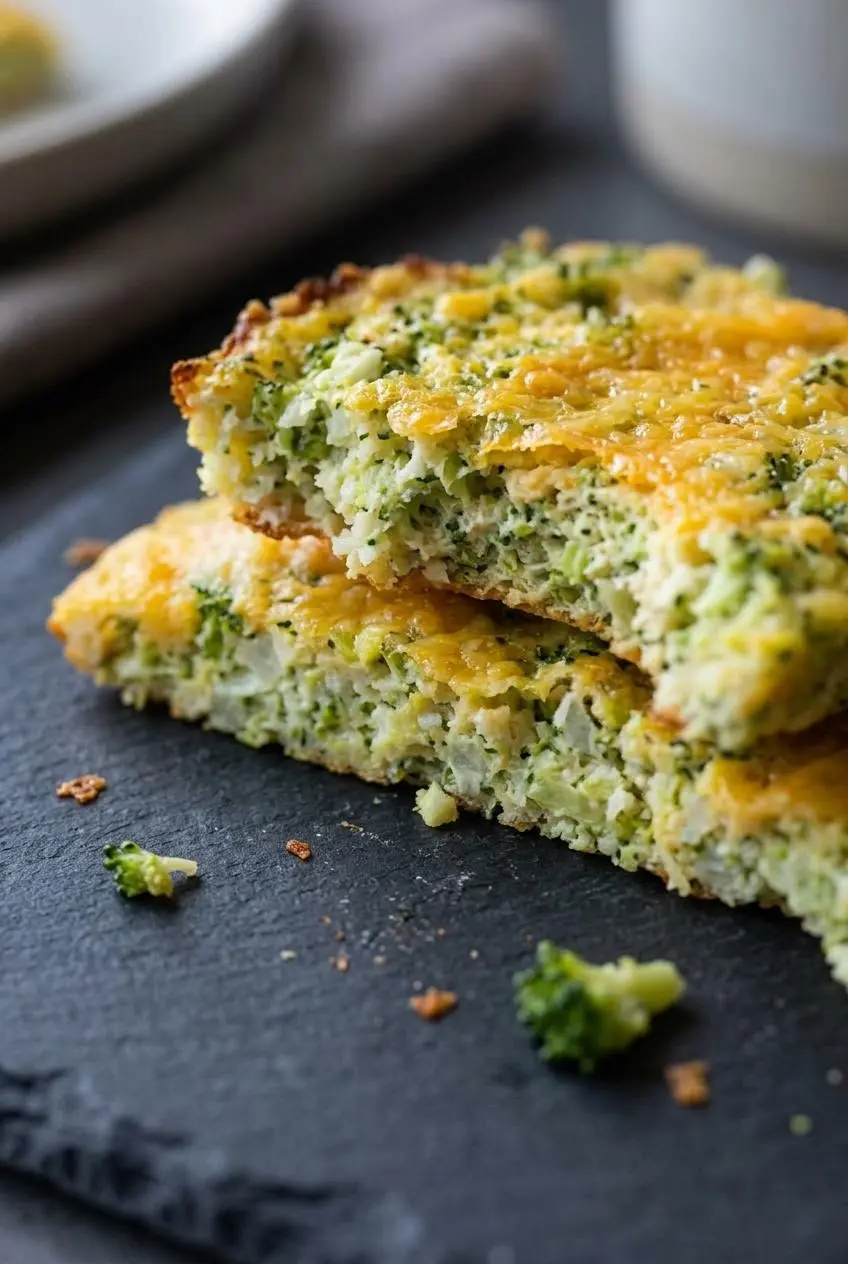
A soft, fragile crust nearly always points to excess water in the vegetables or slicing before the cheese has time to settle.
The Towel-Wringing Technique
Put the pulsed vegetables in a clean tea towel or thin cloth, gather the corners, and twist firmly over the sink. Work in several batches so the cloth can grip the crumbs and release trapped moisture.
I look for vegetable crumbs that separate like coarse cornmeal after squeezing. If they still feel slippery or form a wet paste in your hand, keep wringing before adding the egg and Parmesan.
Frozen florets can work, but thaw them completely first. They release more water than fresh florets, so give them extra attention during the squeezing stage.
Parchment Paper vs. Foil
Use nonstick parchment paper for this cheese-heavy crust. Untreated foil can grab the browned cheese, while wax paper is not meant for oven baking and can tear into the crust. Parchment also makes it easy to lift the bread out for cleaner cuts.
The Crucial Cooling Rest
- Soft middle: Let it rest before cutting. The melted cheeses need a moment to firm and bind the vegetable crumb.
- Breaking slices: Press the mixture evenly before baking so thin spots do not dry out before the center sets.
- Pale edges: Keep baking until the cheddar is melted and the border has developed golden color.
Flavor Variations and Creative Adaptations
Keep the main version as written, then use these optional directions when you want a different shape or flavor profile.
Flourless Cheesy Dipping Breadsticks
Cut the finished bread into narrow batons instead of larger rectangles and serve warm with low-sugar tomato marinara. The browned cheddar edges make these especially good for a party-style platter.
Nut-Flour Fortified Sandwich Slices
For a thicker, loaf-like sandwich direction, use a separate low-carb nut-flour formula rather than changing this flatbread’s balance. A related keto cauliflower bread offers another vegetable-forward route for sturdier slices.
Spicy Herb and Garlic Flatbread
Add crushed red pepper flakes and Italian seasoning as optional flavor boosters for a bolder, pizza-shop-style finish. Keep the additions restrained so the garlic, oregano, broccoli, and cheese stay in balance.
Serving Suggestions: Breakfast, Sandwiches, and Dippers
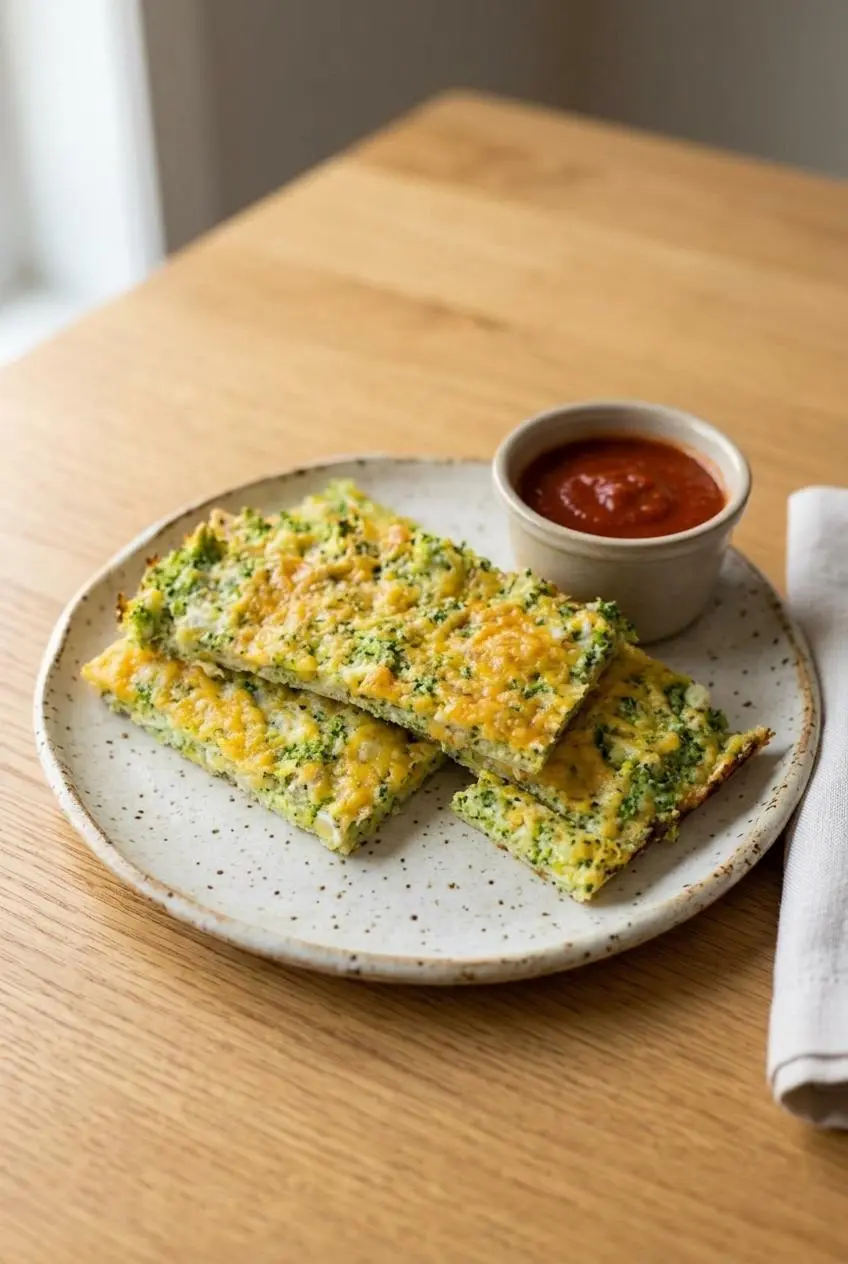
- Top a warm square with avocado and a fried egg for a savory breakfast toast.
- Use two sturdy rectangles around deli meat and crunchy greens for a low-carb lunch sandwich.
- Cut it into dipping sticks alongside low-sugar marinara or a warm bowl of broccoli cheese soup.
The bread is most crisp around the edges while warm, but the cooled slices are easier to stack into a sandwich without bending.
Storage and Reheating Instructions
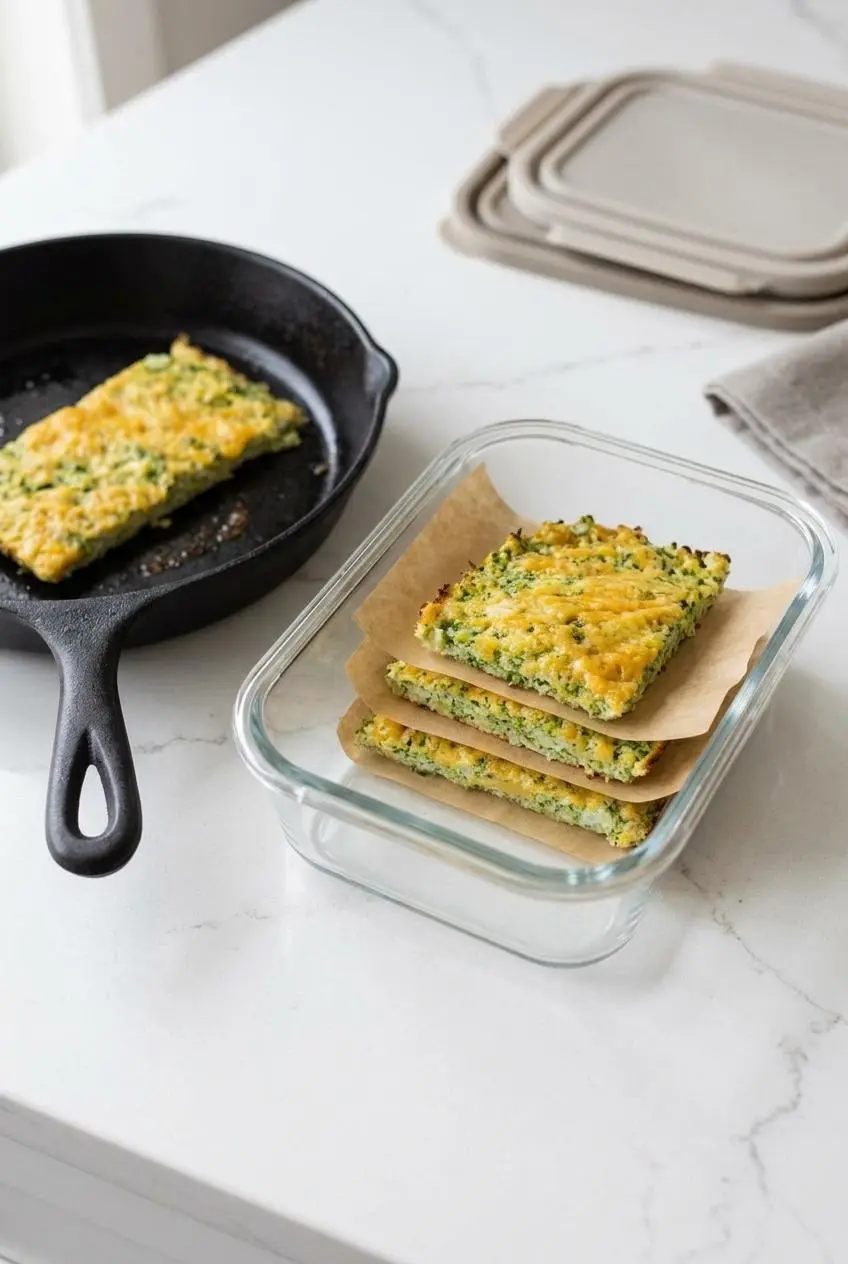
Protect the texture by cooling the slices fully before storing them. Trapped steam softens the cheese crust, so avoid sealing the bread while it is still warm.
Chilled Storage With Parchment Separators
Arrange cooled slices in an airtight container with parchment between layers, then keep them chilled. The separators prevent the cheese surfaces from sticking together and make it easier to take out individual portions without tearing them.
Reviving Crispness: Skillet and Oven Reheating
Warm a slice in a dry skillet over medium heat or in a toaster oven until the edges sizzle and regain their crisp surface. The microwave can soften the vegetable crumb, so reserve it for when crispness is not the goal.
Nutritional Value and Wholesome Ingredient Benefits
This bread contains no grain-based flour, making it a naturally grain-free option when each ingredient label suits your dietary needs. Broccoli and cauliflower bring fiber-rich vegetable bulk, while egg and cheese add protein and fat that make the slices more satisfying than a plain vegetable side.
Low-carb eating styles vary widely, so portion size and the rest of your meal still matter. If you follow a medically directed diet or have ingredient allergies, a qualified professional can help you decide what fits your routine.
Summary of Delicious Low-Carb Broccoli Baking
Thoroughly squeezing the broccoli and cauliflower is the key to a firm keto bread that slices cleanly instead of collapsing into a soft vegetable layer.
With savory garlic, oregano, Parmesan, and melted cheddar, these golden squares work as dippers, toast, or sandwich foundations. Enjoy them warm while the edges are at their crispest.
Frequently Asked Questions
Can I Use Frozen Broccoli Instead of Fresh Florets?
Yes, thawed frozen broccoli can replace fresh broccoli in this method. Thaw it completely, then squeeze it very thoroughly in a kitchen towel before processing. Frozen vegetables generally release more moisture, so do not rush the wringing step.
Why Did My Broccoli Bread Turn Out Soft and Crumbly?
Residual vegetable moisture is the most likely cause. Pulse to small crumbs, then squeeze the vegetables in batches until they feel dry and loose. Also give the baked bread its full cooling rest so the egg and cheese can set before slicing.
How Do I Reheat Leftover Slices to Keep Them Crispy?
Use a dry skillet over medium heat or a toaster oven. Warm the slice until the cheddar edges lightly sizzle and the surface firms again. Avoid relying on the microwave when you want a crisp exterior.
Can I Freeze Baked Keto Broccoli Bread for Later?
This method does not include tested freezing guidance. For chilled portions, cool the slices completely and separate them with parchment in an airtight container. Reheat individual slices in a dry skillet or toaster oven for the best texture.
Can You Eat Too Much Broccoli on a Ketogenic Diet?
Broccoli can fit into many keto-style meals, but individual carbohydrate targets differ. Consider the portion alongside the rest of your meal and the ingredients used with it. If you follow a strict medical nutrition plan, ask a qualified professional for personalized advice.
Keto Broccoli Bread

Equipment
- Food Processor
- 9×13-inch rimmed baking sheet
- Parchment paper
- Thin kitchen towel or cheesecloth
- Large mixing bowl
Ingredients
- 12 ounce Broccoli Raw
- 8 ounce Cauliflower Raw
- ½ cup Parmesan Cheese shredded
- 1 large Raw Egg
- ¼ teaspoon Salt
- ¼ teaspoon Black Pepper
- ¼ teaspoon Garlic Powder
- ½ teaspoon Oregano Dried
- ½ cup Cheddar Cheese shredded
Instructions
- Place the broccoli and cauliflower florets in a food processor and pulse, stopping to scrape down the sides with a wooden spoon as needed. The mixture should look evenly crumbly with tiny pieces, not wet vegetable puree.
- Heat the oven to 350 °F, then wrap the vegetable crumbs in a thin kitchen cloth or paper towel and squeeze out liquid in 4 to 5 batches. Transfer the drier crumbs to a large bowl when they feel loose and no longer drip moisture.
- Stir the Parmesan, egg, salt, black pepper, garlic powder, and oregano into the vegetables until evenly combined. The mixture should clump when pressed rather than spreading like a watery batter.
- Line a 9×13 sheet pan with parchment paper and press the mixture evenly into the corners and along the edges. Keep the layer level so the middle firms at the same pace as the borders.
- Bake for 15 minutes, scatter the cheddar over the surface, and return the pan to the oven for 10 minutes. The cheddar should melt fully and the parchment-side edges should show golden-brown caramelized spots.
- Let the bread cool for 5 minutes, then lift it from the pan using the parchment and cut it into 12 rectangles. The center should feel resilient and set before slicing, with cheese that no longer pulls apart in soft strands.