Skip to content

To make a great keto cauliflower casserole, steam the florets until crisp-tender, dry them well, mix them with a smooth cheese base, and bake at 350 °F until bubbly and lightly golden.
This keto cauliflower casserole gives you that loaded baked potato feeling in casserole form, with smoky bacon, cheddar, and a creamy tang from sour cream and cream cheese.
It’s cozy, rich, and very weeknight-friendly, and the real trick is keeping the cauliflower from watering down the sauce. That one step changes everything.
Pat the steamed cauliflower completely dry before it meets the cheese mixture, or the sauce will loosen in the oven.
Ingredients
Each ingredient has a real job here, from building a velvety sauce to adding smoky depth, fresh bite, and the firm texture that keeps the casserole satisfying.
- 1 large head cauliflower, cut into small florets
- 4 oz cream cheese, softened
- 2/3 cup sour cream
- 1 1/2 cup Cheddar cheese, shredded
- 6 strips bacon, cooked and chopped
- 1/4 cup green onion, finely chopped
- 1 teaspoon salt
- 1/2 teaspoon black pepper
- 1/4 teaspoon garlic powder
Cauliflower gives the dish its low carb, potato-like body, especially when the florets stay tender instead of mushy. Cream cheese brings thickness and structure, while sour cream adds tang and helps the sauce feel lighter on the palate.
Cheddar is the main flavor driver, so this is a good place to use a block and shred it yourself for the smoothest melt. Bacon adds smoky saltiness, green onion cuts through the richness, and the garlic powder rounds everything out without taking over.
I always let the cream cheese sit out a bit before mixing, because softened cream cheese blends far more smoothly and avoids little white lumps in the sauce.
How to Make Keto Cauliflower Casserole

- Heat the oven to 350 °F and lightly coat a small casserole dish with nonstick spray.
The dish should be ready before the filling is mixed so you can transfer it while the cauliflower is still warm. - Steam the cauliflower in a steamer insert over boiling water for 5 minutes, or blanch it in boiling water for 4 to 5 minutes, until crisp-tender.
A fork should slide into a floret easily but still meet a little resistance at the center. - Drain the cauliflower well, then stir the sour cream and softened cream cheese together in a large bowl until smooth before mixing in the shredded cheese, bacon, green onion, salt, pepper, and garlic powder.
The cheese mixture should look thick and creamy enough to cling to a spoon instead of looking loose or grainy. - Fold the cauliflower into the cheese mixture, spread everything into the prepared dish, and bake for 15 to 20 minutes.
It’s ready when the sauce is bubbling around the edges, the cheese is fully melted, and the top has a few golden brown spots.
Mastering the Cauliflower Prep: Preventing a Watery Casserole
If this casserole ever turns runny, the cauliflower is almost always the reason. Cauliflower holds a lot of water inside its cell structure, and heat breaks those cells down. Once that happens, the moisture escapes into the pan and thins the cheese sauce.
Steaming works better than boiling for this recipe because the florets cook through without soaking up extra water. Boiled cauliflower can act like a sponge, especially if it stays in the pot too long, and that extra moisture has nowhere to go once the casserole starts bubbling in the oven.
- Steam just until crisp-tender, not soft. You want the florets cooked enough to finish in the oven, but still firm enough to hold shape.
- Drain immediately after cooking. Let the steam escape so the moisture doesn’t settle back onto the florets.
- Spread the cauliflower out briefly, then blot it well with paper towels. A gentle press works better than aggressive squeezing, which can crush the florets.
- If the florets still feel wet to the touch, blot them again before they go into the bowl. Dry cauliflower equals thicker sauce.
This same moisture-control habit helps with other vegetable bakes too, especially dishes like keto zucchini lasagna, where watery vegetables can quickly dilute a rich filling.
- If your casserole looks loose before baking, the cauliflower likely carried in too much moisture. Dry it more thoroughly next time.
- If the florets turn mushy, they were overcooked before baking. Pull them earlier and let the oven finish the job.
- If the sauce looks thin around the edges, let the baked casserole stand briefly before serving so the dairy can settle and thicken.
How to Create the Ultimate Creamy Keto Cheese Sauce

The best sauce for this casserole should be thick, smooth, and rich enough to coat every floret without pooling in the dish. That starts with temperature and texture, not just ingredients.
Room-temperature cream cheese matters because it blends easily into the sour cream instead of breaking into little lumps. Cold dairy fights you here. You end up stirring harder, the mixture stays uneven, and the sauce never gets that velvety finish you want.
Shredding cheddar from a block is worth the extra minute. Pre-shredded cheese is often coated to keep the strands from clumping, and that coating can make the melt less smooth. Freshly shredded cheddar folds into the cream cheese and sour cream more cleanly, which helps the sauce stay creamy in the oven.
Start by stirring the sour cream and softened cream cheese together until fully smooth. Once those two are evenly combined, mix in the cheddar, bacon, green onion, and seasonings. That order helps the tangy dairy base stay cohesive before the heavier add-ins go in.
If you want a deeper cheese flavor, stir in a little mustard powder and the tiniest pinch of freshly grated nutmeg while blending the cream cheese base. Mustard quietly sharpens cheddar, and nutmeg adds warmth without making the casserole taste sweet. Use a light hand here. It should taste fuller, not spiced.
- If the mixture looks chunky, the cream cheese was likely too cold. Let it soften more before mixing.
- If the cheese sauce feels stiff and pasty, the cheddar may have been packed in too quickly. Mix until it loosens and clings to the spoon.
- If the finished bake seems oily, the cheese may have overheated or separated. Gentle reheating later helps prevent the same problem with leftovers.
Florets vs. Mashed: Choosing Your Casserole Texture
This recipe uses florets, which gives the casserole more structure and makes it feel closer to a loaded vegetable bake. You get distinct bites of cauliflower under the creamy topping, and it is generally easier to control moisture that way.
A mashed style takes the dish in a more twice-baked potato direction. It feels softer, more uniform, and extra cozy, but it can also release more water because breaking down the cauliflower exposes even more moisture. That means drying the cooked cauliflower becomes even more important.
- Choose florets if you want a casserole that scoops neatly and still has some bite.
- Choose a mashed style if you want a smoother, more potato-like texture and don’t mind a little extra prep.
- For mashed cauliflower, steam first, dry very well, then mash before folding it into the cheese mixture.
- If you use frozen cauliflower for a mashed version, press out as much moisture as possible before mashing or the casserole can turn loose fast.
Delicious Low-Carb Variations
The base casserole is classic and comforting, but it’s easy to nudge it in a different direction when you want a new flavor without changing the spirit of the dish.
Keto Broccoli Cauliflower Casserole
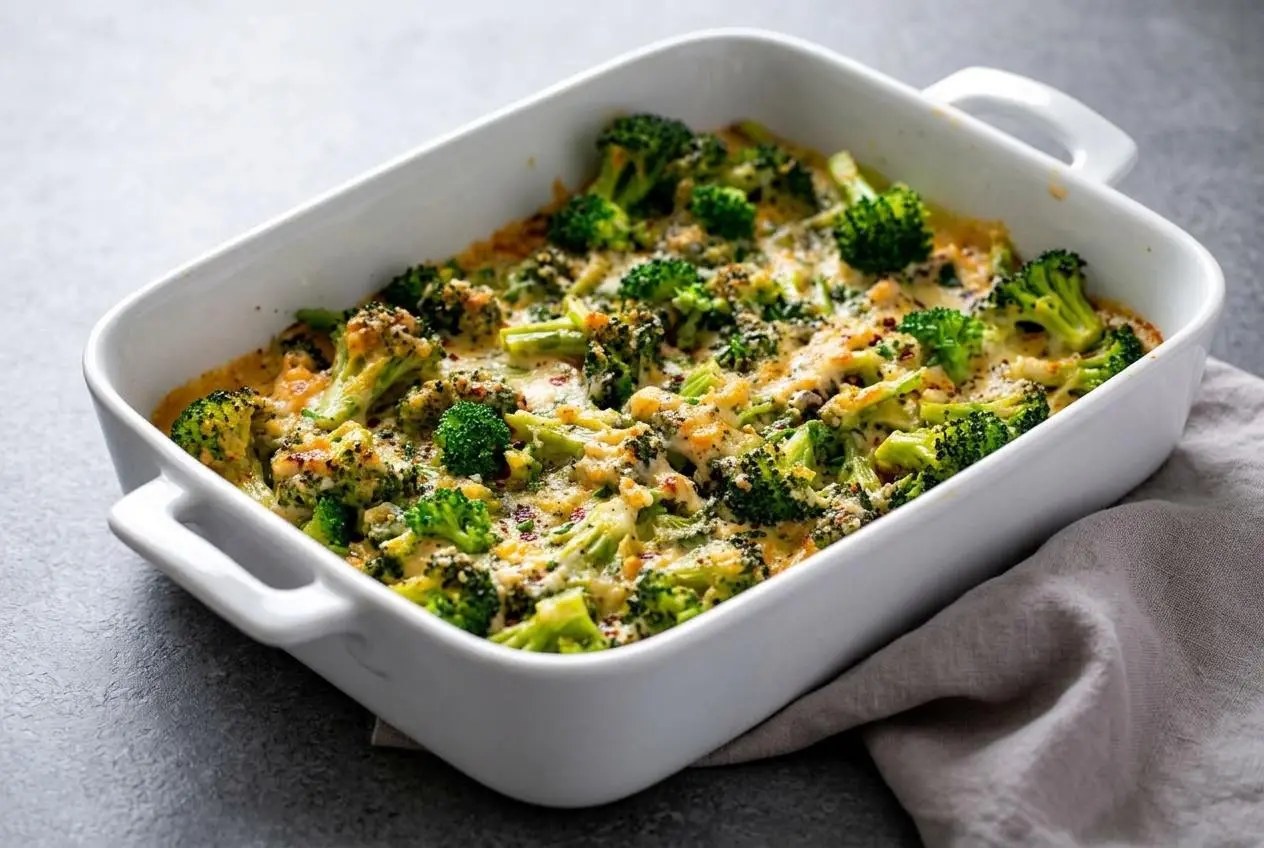
Use half broccoli florets and half cauliflower florets for a mixed vegetable version with more color and a slightly earthier flavor. Steam both until crisp-tender, then dry them just as carefully so the sauce stays thick.
Twice-Baked Mashed Style
For a softer casserole that leans even harder into loaded potato territory, mash the steamed cauliflower before mixing it with the cheese base. Expect a creamier texture and a little less definition in each bite, so go extra carefully with draining and paper-towel drying.
Spicy Jalapeno Popper Casserole
Add sliced jalapenos and swap the cheddar for Monterey Jack if you want more heat and a stretchier melt. Bacon fits naturally here, and the creamy base keeps the spice from feeling too sharp.
The Ranch-Seasoned Twist
A pinch of dry ranch seasoning stirred into the sour cream mixture adds a savory, herby edge that works well with the bacon and green onion. Keep it light so it supports the cheese instead of taking over.
Pizza Style Cauliflower Bake
Swap cheddar for mozzarella, add a layer of low-carb marinara, and finish the top with pepperoni slices for a pizza-inspired version. If that flavor profile is your usual craving, keto pizza crust is another solid low carb option for pizza night.
If you want to turn casserole night into a heartier meal-prep rotation, a comforting keto beef casserole fits right into the same low carb comfort-food lane.
Make-Ahead, Freezing, and Reheating Guide
This casserole is friendly for planning ahead, but dairy and cauliflower both do better with gentle handling. For the best texture, assemble it before baking, cover it well, and freeze it at that stage rather than after it has already been baked.
To freeze it unbaked, let the cooked cauliflower cool first so extra steam does not get trapped in the dish. Assemble the casserole, wrap it tightly, and freeze for up to 3 months. Thaw it in the refrigerator before baking so the center warms more evenly in the oven.
Freezing after baking can work in a pinch, but the texture is usually softer and the sauce is more likely to separate when reheated. If you know you want freezer help, freezing before baking gives a better result.
For refrigerator storage, cool the casserole and refrigerate it promptly. Dairy-rich cooked dishes should not sit at room temperature for more than 2 hours and should be kept refrigerated at 40 °F or below for safe storage, as explained in food storage for safety and quality.
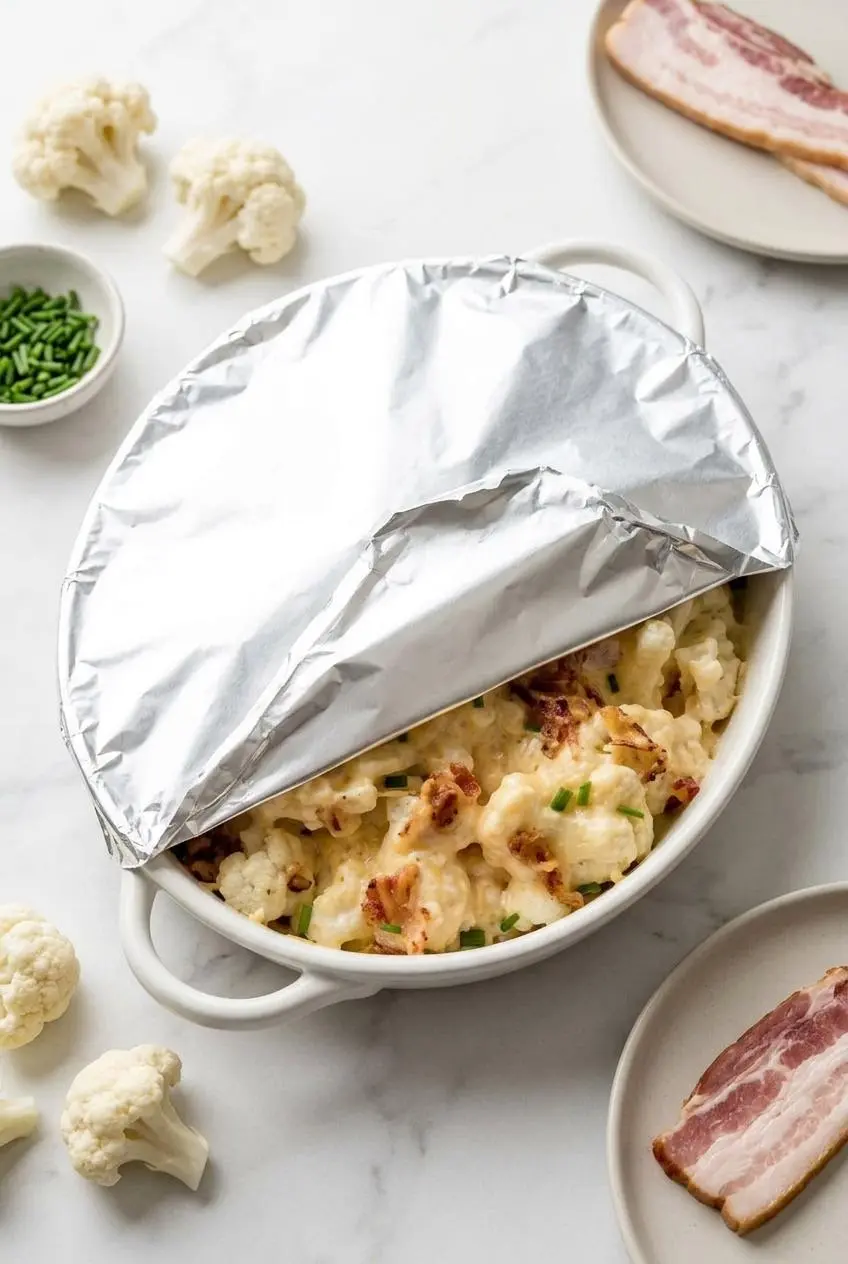
To reheat a full casserole, cover the dish with foil and warm it in a 325 °F oven until heated through. Covering helps the sauce reheat gently so the cheese stays creamy instead of turning oily.
For single portions, the microwave works fine if you use 50% power and heat in short bursts. Stirring once partway through helps the center warm without pushing the cheese too hard. Low and slow is your friend here.
Conclusion
This is the kind of low carb side dish that feels far more indulgent than it looks on paper, with smoky bacon, sharp cheddar, and tender cauliflower under a bubbly top.
If you remember one thing, make it moisture control. Dry florets and a smooth cheese base are what turn this into true comfort food instead of a watery bake.
Frequently Asked Questions
How do I keep my cauliflower casserole from getting watery?
Steam the cauliflower until it is crisp-tender, not fully soft. Drain it well, then blot it thoroughly with paper towels before mixing. Avoid over-boiling, because cauliflower absorbs and releases extra water. Let the baked casserole stand briefly before serving so the sauce can settle.
Can I use frozen cauliflower for this recipe?
Yes, but it needs extra drying because frozen cauliflower holds more water. Cook it first, then squeeze or press out the excess moisture with a clean kitchen towel or paper towels. It works especially well if you are aiming for a softer or mashed-style casserole.
Can I freeze this cheesy casserole?
Yes, and it is best to freeze it before baking. Wrap the assembled casserole tightly and freeze for up to 3 months. Thaw it in the refrigerator before baking for more even heating. Freezing after baking can soften the cauliflower and make the sauce less smooth.
How do I reheat leftovers without the sauce separating?
Use gentle heat rather than blasting it hot. For a full dish, reheat at 325 °F covered with foil. For individual portions, microwave at 50% power in short bursts. Stir once if needed so the sauce warms evenly.

Keto Cauliflower Casserole

Equipment
- Steamer insert
- Large mixing bowl
- Casserole Dish
Ingredients
- 1 large head cauliflower cut into small florets
- 4 oz cream cheese softened
- 2/3 cup sour cream
- 1 1/2 cup Cheddar cheese shredded
- 6 strips bacon cooked and chopped
- 1/4 cup green onion finely chopped
- 1 teaspoon salt
- 1/2 teaspoon black pepper
- 1/4 teaspoon garlic powder
Instructions
- Heat the oven to 350 °F and lightly coat a small casserole dish with nonstick spray. The dish should be ready before the filling is mixed so you can transfer it while the cauliflower is still warm.
- Steam the cauliflower in a steamer insert over boiling water for 5 minutes, or blanch it in boiling water for 4 to 5 minutes, until crisp-tender. A fork should slide into a floret easily but still meet a little resistance at the center.
- Drain the cauliflower well, then stir the sour cream and softened cream cheese together in a large bowl until smooth before mixing in the shredded cheese, bacon, green onion, salt, pepper, and garlic powder. The cheese mixture should look thick and creamy enough to cling to a spoon instead of looking loose or grainy.
- Fold the cauliflower into the cheese mixture, spread everything into the prepared dish, and bake for 15 to 20 minutes. It’s ready when the sauce is bubbling around the edges, the cheese is fully melted, and the top has a few golden brown spots.