Skip to content
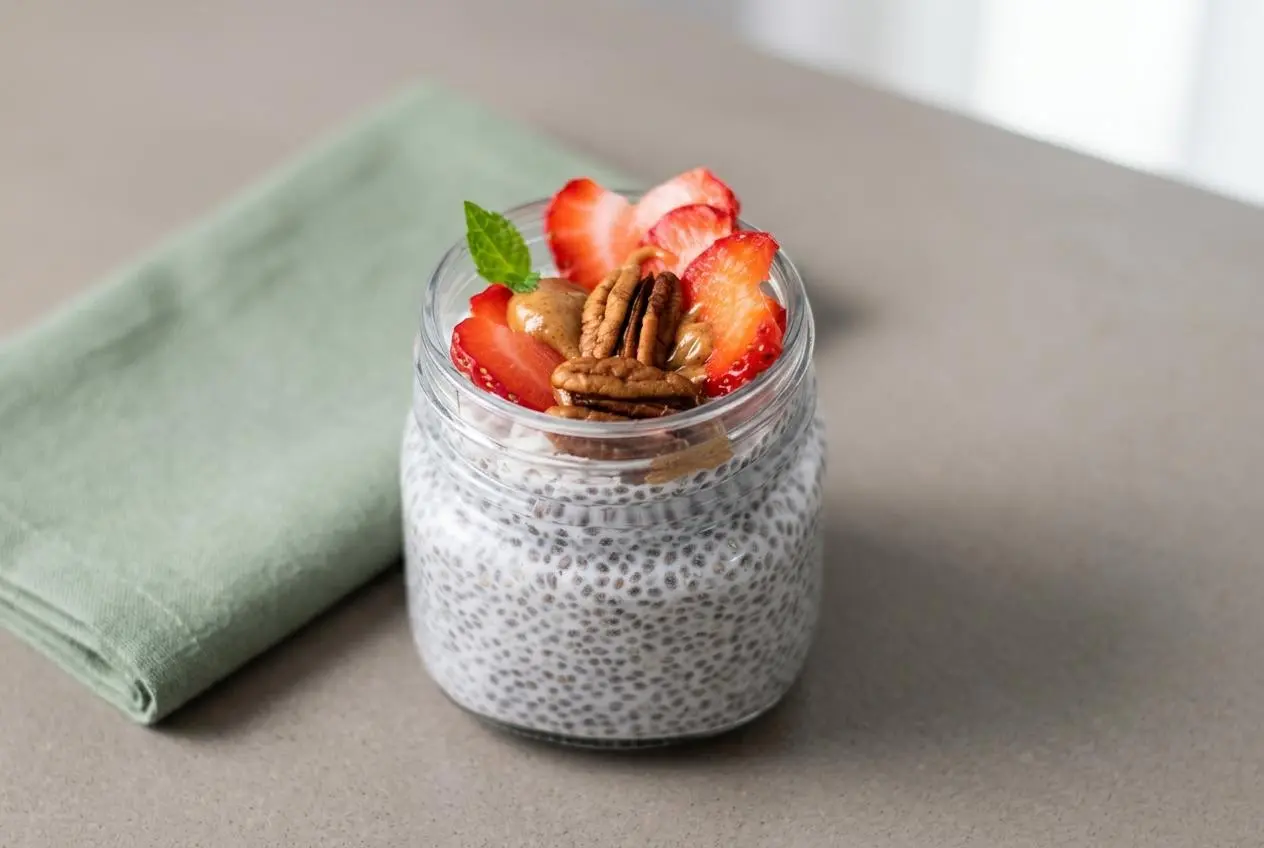
This keto chia pudding recipe blends unsweetened almond milk, allulose, coconut oil, and chia seeds into a creamy, silky pudding with a simple anti-clump method.
This is a cold, low-carb breakfast pudding made by hydrating chia seeds in a sweetened almond milk base until they turn thick and spoonable. The keto chia pudding recipe works especially well because the oil is blended into the liquid first, so the texture stays smooth instead of patchy.
It tastes lightly vanilla-forward, feels rich without heavy cream, and fits neatly into breakfast meal prep. The second stir is the part that keeps the seeds from settling into a stubborn layer.
Use fully melted coconut oil before blending so it disperses into the almond milk instead of forming tiny firm bits.
Essential Ingredients for Creamy Keto Chia Pudding
Each ingredient shapes the final texture and flavor, from the liquid base and sweetness to the thick gel structure and creamy finish.
- 3 cups almond milk (unsweetened, vanilla)
- 3-4 tablespoons allulose (or sweetener of choice)
- 1/4 teaspoon flavor extract (almond or vanilla, optional)
- 2 tablespoons coconut oil (melted (or 1 tablespoon coconut oil, 1 tablespoon MCT oil))
- 1/2 cup chia seeds
Chia seeds do the real structural work here. Once they sit in liquid, their soluble fiber hydrates and creates the thick gel that gives pudding its body.
Unsweetened vanilla almond milk keeps the base light and helps maintain a low net carb profile. Sweetened plant milks can push the flavor out of balance and raise the carb count faster than you might expect.
Allulose is especially useful in cold recipes because it dissolves smoothly and gives a rounded sweetness without the sandy feel some sweeteners leave behind. If you use another sugar-free sweetener, make sure it blends well into cold liquid.
The coconut oil adds richness and helps the chilled pudding set up with a fuller, creamier mouthfeel. Using part MCT oil keeps that richness while making the texture a little lighter.
The optional almond or vanilla extract is small but important. It sharpens the aroma as soon as it hits the milk, and that makes the finished pudding taste more dessert-like than plain soaked seeds.
I prefer vanilla extract when I want the pudding to play nicely with berries or nut toppings, and almond extract when I want the flavor to read a little more like a treat.
How to Make Perfect Low-Carb Chia Pudding Step-by-Step
The key here is blending in stages so the sweetener dissolves, the oil emulsifies, and the seeds hydrate evenly instead of dropping straight to the bottom.
- Pour the almond milk and allulose into a blender and pulse until the sweetener is mixed in, then drizzle in the melted coconut oil while the blender runs briefly.
The liquid should look unified and slightly creamy, without oily streaks floating on top. - Add the chia seeds and pulse to distribute them through the liquid, then let the mixture stand for 5 minutes before pulsing again.
You should see the base start to look lightly thickened as the seeds begin forming a gel around themselves. - Repeat the short rest and pulse cycle 2-3 more times, stopping once the mixture has clearly started to thicken.
This repeated agitation breaks up early clumps and keeps the seeds suspended instead of packed at the bottom. - Divide the mixture into jars and refrigerate until fully thickened.
As it chills, the pudding turns from pourable to spoonable, and the coconut oil helps the texture become richer and creamier. - Keep the jars in the refrigerator for up to 5 days.
The surface should stay moist and smooth when the containers are sealed well.
The texture shift is easy to spot. At first, the mixture looks like lightly speckled milk. After the rest-and-blend cycles, it starts to look glossier and thicker, almost like a loose custard dotted with seeds.
If you do not want to use a spoon to stir between rest periods, the blender handles the agitation nicely. The main thing is not skipping that middle stage, because early gel pockets are what turn into stubborn lumps later.
Troubleshooting Texture and Clumping Issues
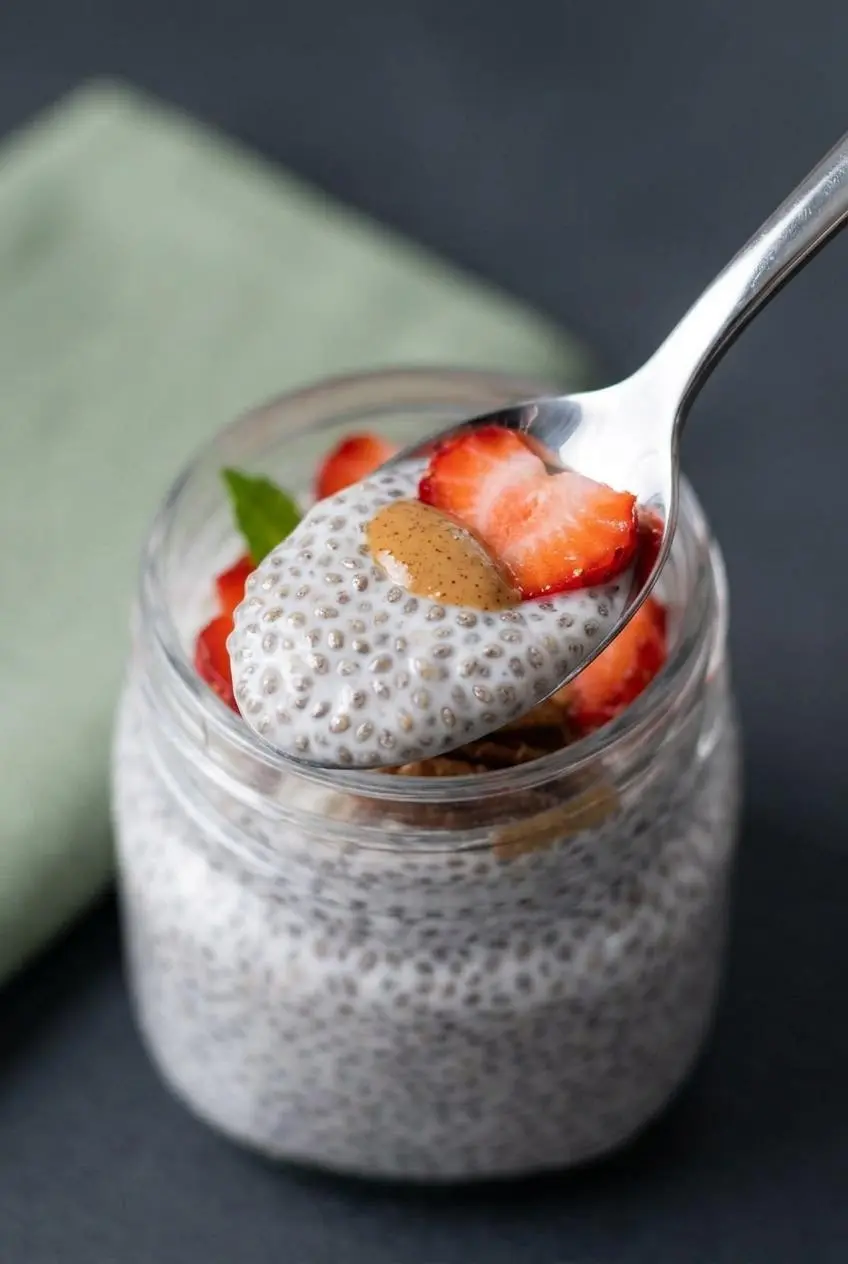
Most problems come down to hydration and mixing order, and both are easy to fix without changing the core recipe.
Fixing Too-Runny or Too-Thick Viscosity
- If the pudding still feels loose after chilling, the seeds likely did not hydrate evenly or the mixture needed a bit more structure. Stir in a little more chia, mix thoroughly, and chill again so the added seeds have time to absorb liquid.
- If the pudding turns too thick, loosen it with a splash of unsweetened plant milk. Stir well before adding more so you do not overshoot and make it soupy.
- If you find dense clumps at the bottom, the first mixing stage was probably too short or the second agitation was skipped. Break the mixture up well and keep the seeds moving during the early gel stage next time.
- If the flavor seems uneven, the sweetener may not have dissolved fully before the seeds went in. Blending the milk and sweetener first helps the whole batch taste consistent.
Blended Ultra-Smooth Chia Pudding
If you like the flavor of chia pudding but not the tapioca-style seed texture, blend it until smooth. You can do that before the seeds fully set or after the pudding has gelled, and the result becomes more like a classic silky pudding.
This option is also helpful when the mixture sets with a few tiny clumps. A thorough blend turns those into a smooth, uniform texture without changing the ingredient list.
Delicious Flavor Variations and Topping Ideas
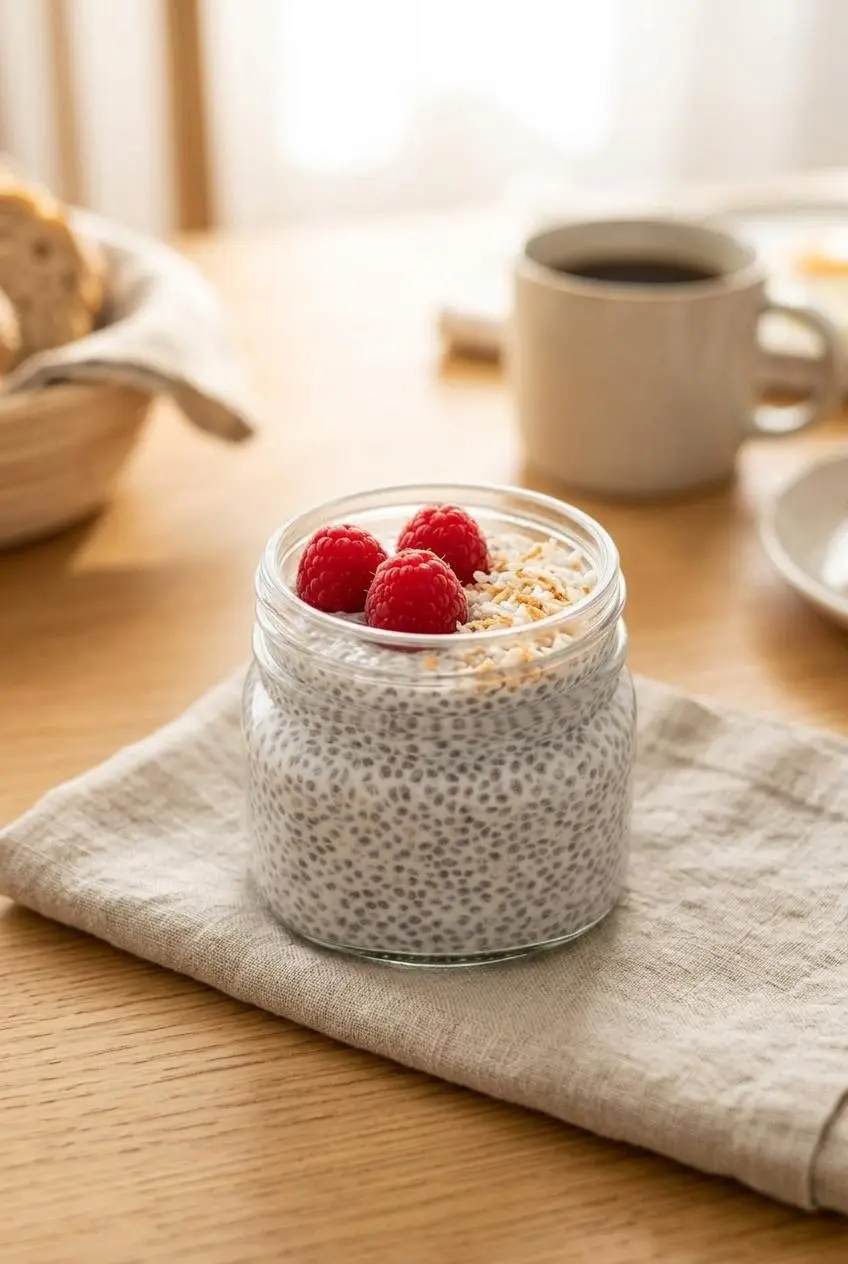
The base pudding is neutral enough to customize easily, so you can keep the official recipe as written and change the mood with toppings or gentle add-ins.
Keto Chocolate Chia Pudding
For a chocolate version, blend unsweetened cocoa powder into the liquid base before the chia seeds go in. That gives the pudding a darker, more dessert-like profile and pairs especially well with chopped nuts or toasted coconut.
If you want crunch right before serving, a spoonful of low-carb keto granola adds contrast without fighting the creamy texture.
Berry Layered Chia Parfait
Layer the chilled pudding with a small spoonful of low-carb berries such as raspberries or blackberries for a brighter, fresher finish. A little citrus zest can lift the berry flavor and make the whole jar taste lighter.
This variation works well when you want breakfast to feel more like a parfait than a plain pudding cup. A dollop of unsweetened Greek yogurt or coconut cream on top makes the layers feel especially rich.
Nut Butter & Cinnamon Swirl
A swirl of sugar-free nut butter adds richness and a slightly roasted flavor that plays nicely with the vanilla base. Cinnamon warms everything up and makes the pudding taste fuller without changing the method.
Keep swirls and crunchy toppings on top until serving if you want the texture to stay distinct rather than melt into the pudding.
Meal Prep and Storage Guidelines
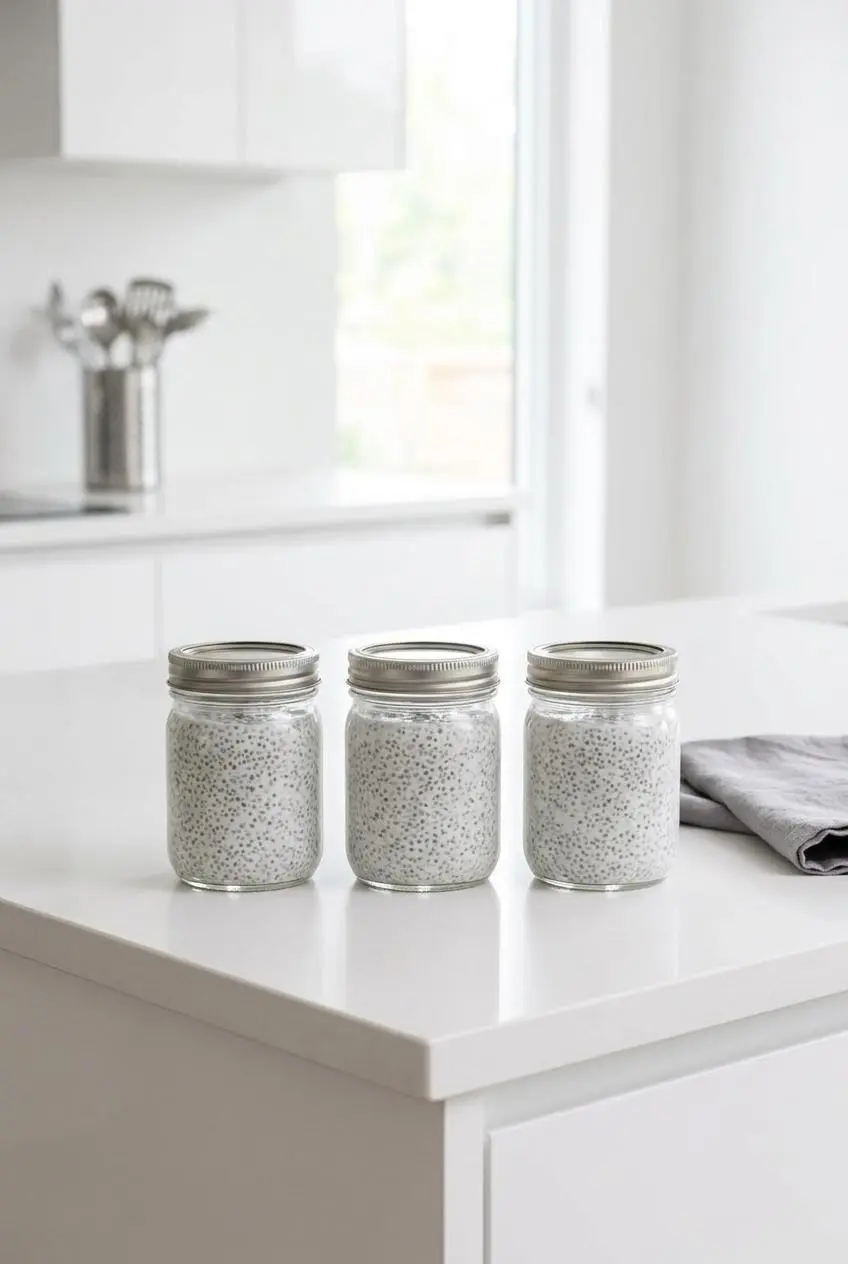
This recipe is well suited to portioned jars, especially when you want breakfast ready to grab from the fridge.
Divide the pudding into airtight glass jars once the mixture has been blended and started thickening. Individual jars make it easier to keep portions tidy, and they also help prevent repeated stirring every time you want a serving.
Store toppings separately when texture matters. Nuts, toasted coconut, and crunchy add-ons stay crisp longer when they are sprinkled on just before eating.
Almond milk keeps the texture lighter and looser, while a richer canned coconut milk style base would set more densely and feel heavier on the spoon. This version stays pleasantly creamy because the almond milk and coconut oil balance each other instead of leaning too thick.
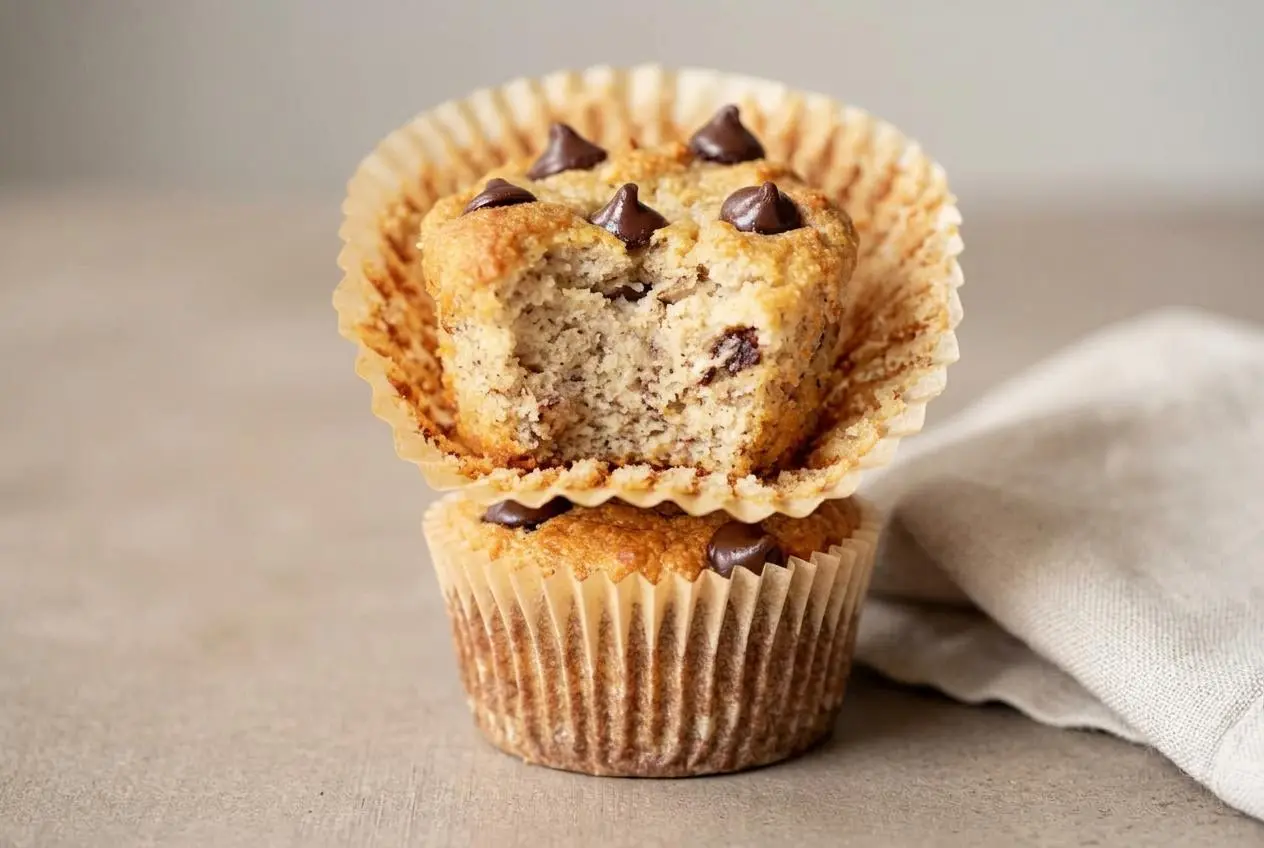
The official recipe keeps the pudding in the refrigerator for up to 5 days, so it works nicely for weekday planning. If you like rotating breakfast options, pairing a few jars with keto blueberry muffins can make the week feel less repetitive.
Keto Macro Breakdown and Fiber Context
If you are wondering why this fits a low-carb routine, the answer is mostly in the fiber.
Per serving, this recipe provides 95 kcal, 8 g fat, 5 g carbohydrate, 4 g fiber, 1 g sugar, 2 g protein, and 124 mg sodium. Because much of the carbohydrate in chia seeds comes from fiber, the net carb impact stays relatively low.
That is why chia pudding often works well in a keto breakfast rotation when it is made with unsweetened plant milk and a sugar-free sweetener. The seeds thicken the pudding without needing oats, banana, or other starchier mix-ins.
Soluble fiber is what gives the pudding its gel structure, so the same thing that creates the texture also helps explain the lower net carb profile. It can be a practical choice in a low-carb routine, but it is still smart to consider the full serving and the rest of your day.
If you are thinking about eating it every day and you have a digestive condition or a very high-fiber diet already, it is sensible to check what works for your body and ask a qualified professional if you need tailored advice.
Mastering Meal-Prep Low-Carb Breakfasts
The biggest win with this pudding is the texture. Blend the sweetened milk first, add the seeds, and do the repeat rest-and-mix cycle so the final jars set up creamy instead of clumpy.
Once you have the base down, you can change the flavor with berries, cocoa, or nut butter and keep breakfast ready for the week ahead. A good jar of pudding in the fridge makes mornings easier.
Frequently Asked Questions About Keto Chia Pudding
Is chia pudding suitable for a low-carb diet?
Yes, it can be when you make it with unsweetened plant milk and a sugar-free sweetener. Chia seeds contain a lot of fiber, which helps keep net carbs lower than total carbs suggest. This recipe is designed around that balance, so it fits more easily into a low-carb breakfast plan.
How do I prevent chia seeds from sinking to the bottom?
Blend or agitate the liquid base well before adding the seeds so everything starts evenly mixed. After the first mix, let the pudding rest briefly, then stir or pulse again to break up early gel pockets. That second agitation is what keeps the seeds suspended more evenly through the jar.
Can I blend chia pudding to make it smooth?
Yes, and it works well if you dislike the usual seed texture. Blending breaks down the seeds and gives the pudding a more traditional silky feel. You can use that approach as a texture preference or as a fix for minor clumping.
What happens if I eat chia seed pudding every day?
For many people, it can simply be part of a regular low-carb breakfast routine. Because it is fiber-rich, daily portions may feel better for some people than others. If you have digestive concerns, medical needs, or questions about making it a daily habit, it is best to get personalized guidance.
Keto Chia Pudding Recipe

Equipment
- Blender
- Glass Jars
Ingredients
- 3 cups almond milk unsweetened, vanilla
- 3-4 tablespoons allulose or sweetener of choice
- 1/4 teaspoon flavor extract almond or vanilla, optional
- 2 tablespoons coconut oil melted (or 1 tablespoon coconut oil, 1 tablespoon MCT oil)
- 1/2 cup chia seeds
Instructions
- Pour the almond milk and allulose into a blender and pulse until the sweetener is mixed in, then drizzle in the melted coconut oil while the blender runs briefly.
- Add the chia seeds and pulse to distribute them through the liquid, then let the mixture stand for 5 minutes before pulsing again.
- Repeat the short rest and pulse cycle 2-3 more times, stopping once the mixture has clearly started to thicken.
- Divide the mixture into jars and refrigerate until fully thickened.
- Keep the jars in the refrigerator for up to 5 days.